In today's rapidly evolving landscape of fashion technology, smart scarf technology stands at the intersection of innovation and practicality, transforming traditional accessories into sophisticated wearable systems. With advancements in textile engineering and IoT integration, we're witnessing a fundamental shift in accessory design possibilities. This comprehensive analysis explores the technological advancements, market dynamics, and practical applications driving the smart scarf revolution, offering valuable insights for industry professionals navigating this emerging sector.
The Evolution of Smart Scarf Technology: Merging Fashion with Functionality
Smart textiles have progressed significantly beyond basic fitness trackers sewn into clothing. Today's smart scarf technology represents the pinnacle of textile engineering—where fabric itself becomes the interface for connectivity, sensing, and user interaction. The development of smart scarf technology has progressed through three distinct innovation generations, each building upon previous advancements while addressing key limitations.
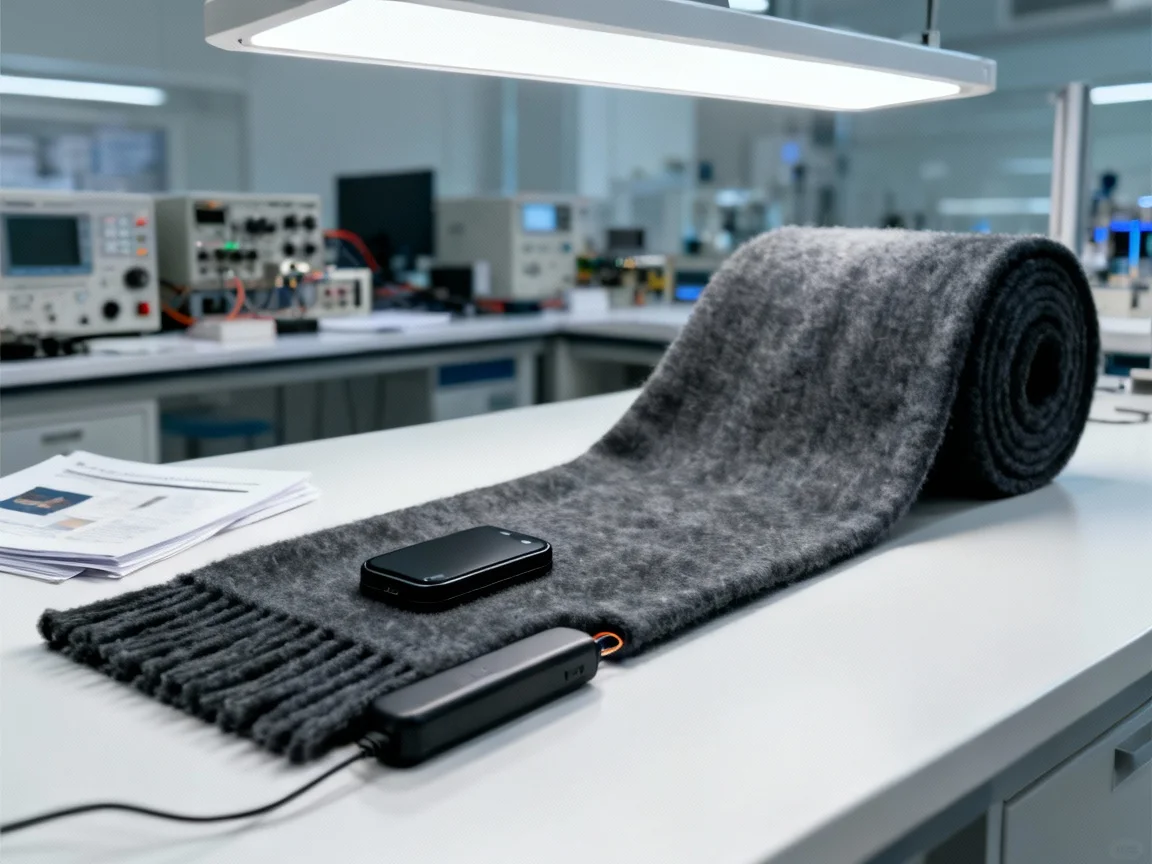
First Generation: Foundational Functionality (2018-2022)
The initial generation of smart scarves focused primarily on basic functionality, typically incorporating heating elements or simple LED lighting. These early designs often featured cumbersome battery packs and exhibited limited durability. The Manchester City biometric-tracking scarf, launched in 2023, exemplifies this era with its external sensor module and 4-hour battery life. While innovative for their time, these products highlighted a fundamental challenge that would shape subsequent development: balancing technological capability with wearability and aesthetic appeal.
Second Generation: Integrated Systems (2023-Present)
The current second generation dominates the 2025 market, having overcome many initial limitations through advancements in material science and miniaturization. These smart scarves feature woven-in conductive threads, flexible printed circuit boards, and improved power management systems. Emotion-recognition prototypes like "Scarfy" demonstrate the progress, utilizing photoplethysmography (PPG) sensors and skin conductance monitoring to detect emotional states, displaying corresponding colors through integrated micro-LEDs. This generation offers significantly improved user experience, with most models achieving 12-18 hours of operation on a single charge and featuring machine-washable designs that maintain textile integrity.
Third Generation: Ambient Intelligence (Emerging)
Emerging third-generation technologies promise even more revolutionary capabilities, particularly in ambient power harvesting. Recent industry reports highlight battery-free smart textiles in development that utilize radio frequency (RF) energy harvesting and ambient IoT connectivity. These next-generation scarves could potentially operate indefinitely without charging, opening new possibilities for continuous health monitoring, environmental sensing, and location-based services—all while maintaining the lightweight, comfortable characteristics consumers demand from luxury accessories.
Technical Foundations: How IoT-Enabled Fabrics Function
Understanding smart scarf technology requires examining how textile engineering and digital connectivity integrate at the material level. At the most basic level, these advanced accessories incorporate three fundamental components working in harmony: conductive textiles forming the communication backbone, miniaturized sensors collecting data, and low-power microprocessors interpreting and transmitting information.
Conductive Materials: The Communication Backbone
Conductive materials represent perhaps the most critical innovation enabling smart scarf functionality. Traditional metallic wires have largely been replaced by advanced conductive fibers that maintain textile flexibility while providing reliable electrical connectivity. Silver-coated nylon threads, carbon nanotube-infused yarns, and graphene-based fabrics each offer distinct advantages in conductivity, durability, and cost-effectiveness. Industry practice demonstrates that hybrid approaches—combining different conductive materials for specific functions—typically yield optimal performance, with manufacturers often utilizing silver threads for signal transmission and carbon-based materials for sensor elements.
Sensor Technologies: Capturing Data Through Textiles
Sensor technologies in smart scarves have advanced significantly in recent years, becoming both more sophisticated and less intrusive. Biometric sensors that monitor heart rate variability, body temperature, and respiratory patterns now weave directly into fabric structures with minimal impact on drape or comfort. Environmental sensors detect air quality, UV exposure, and temperature changes, adding contextual awareness to the wearable system. Based on practical experience, the most effective smart scarf designs place sensors strategically, targeting areas with optimal skin contact while ensuring the accessory's aesthetic integrity remains uncompromised.
Power Management: Sustaining Operation
Power management remains one of the most significant ongoing challenges in smart scarf development. Current industry standards typically utilize rechargeable lithium-polymer batteries in discrete pouches, offering operating times from 8 to 24 hours depending on functionality. However, emerging battery-free technologies are transforming this landscape. Ambient IoT solutions that harvest energy from radio frequency signals and photovoltaic textile elements that convert light into electricity both show promise for extending operational life. Professional solution approaches increasingly focus on energy harvesting as a primary power source, with batteries becoming backup for peak-demand scenarios.
Connectivity Protocols: Ensuring Reliable Data Transmission
Connectivity protocols in smart scarves have evolved to prioritize power efficiency and reliability. Bluetooth Low Energy (BLE) remains the dominant standard for short-range communication, providing adequate data transfer rates with minimal energy consumption. For applications requiring extended range or direct internet connectivity, some manufacturers include NB-IoT (Narrowband IoT) modules that enable smart scarves to transmit data directly to cellular networks without nearby smartphones. Industry best practices recommend multiple connectivity options to ensure functionality across different use cases and environments.
Market Dynamics: Technical Textiles in the Fashion Accessory Sector
The technical textiles market is experiencing unprecedented growth, creating a favorable environment for smart scarf technology adoption. Comprehensive market analysis shows the global technical textiles sector was valued at approximately $205.4 billion in 2024 and is projected to grow at a compound annual growth rate (CAGR) of 4.9% through 2034. Within this expanding market, smart textiles represent one of the fastest-growing segments, driven significantly by wearable technology applications.
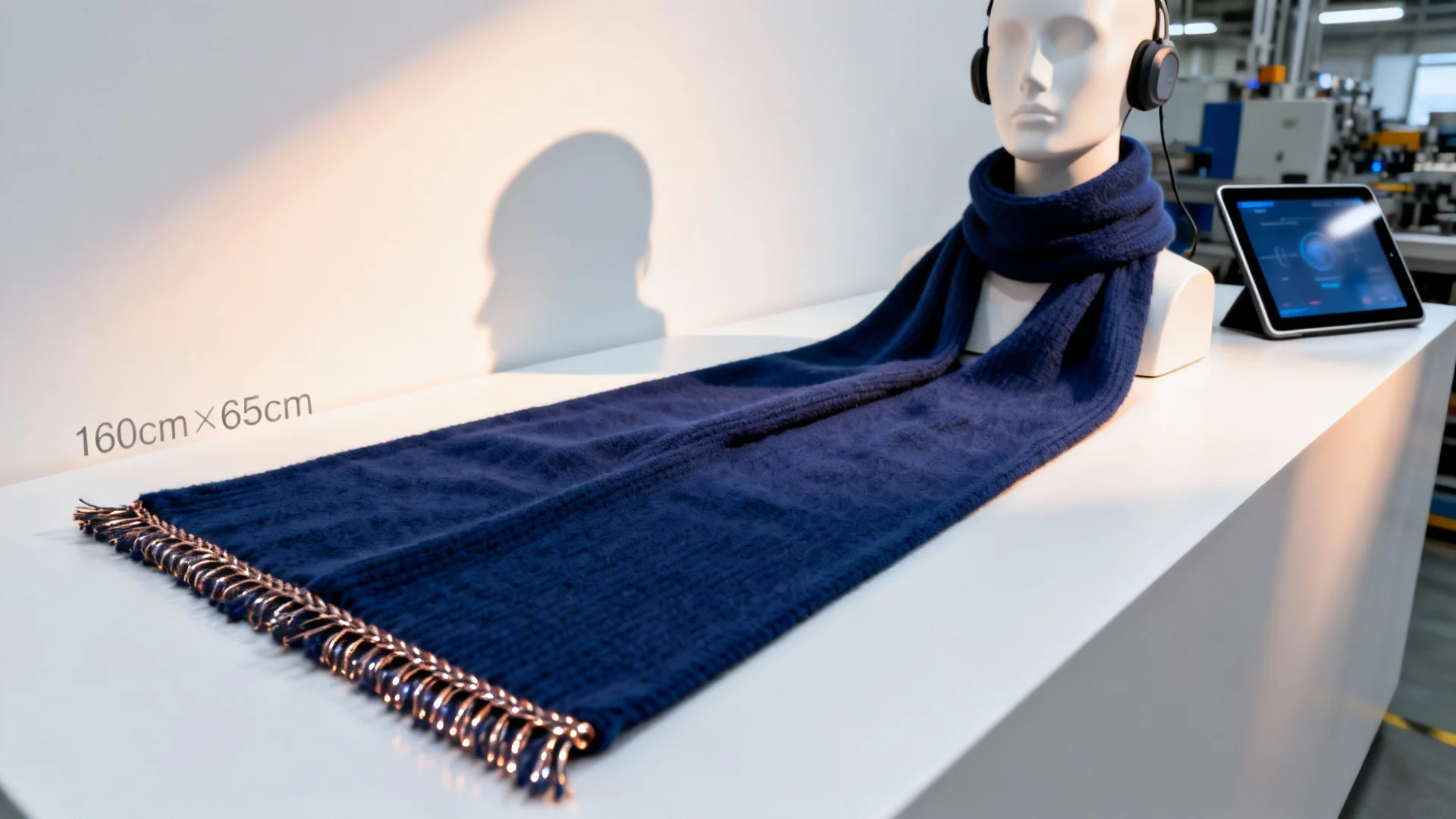
Accessory Advantages in Smart Textile Integration
Fashion accessories are emerging as a high-potential category for smart textile integration. Unlike fully garmented smart clothing, which often faces challenges with fit, style obsolescence, and laundering complexity, scarves offer a versatile platform that balances functionality with fashion flexibility. Market research indicates accessory-based smart textiles achieve higher consumer adoption rates than full smart clothing lines, showing particular strength in the luxury and athletic segments.
Key Adoption Drivers
Several key factors fuel smart scarf technology adoption among manufacturers and consumers. For fashion brands, smart accessories differentiate product offerings in a competitive market while creating new revenue streams through premium pricing and potential service models. Consumer interest stems from dual appeal: enhanced functionality such as personalized temperature control, health monitoring, and connectivity features, combined with the status associated with wearable technology adoption.
Competitive Landscape
The competitive landscape for smart textile manufacturing includes both established industry leaders and innovative startups, each bringing specialized expertise. Major textile producers like DuPont and Gentherm have expanded into smart fabrics, leveraging existing manufacturing capabilities and material science expertise. Meanwhile, specialized firms such as AiQ Smart Clothing and Clothing+ focus exclusively on wearable technology integration, developing proprietary approaches to sensor embedding and connectivity. Based on industry benchmarking, successful smart scarf manufacturers typically demonstrate strong capabilities in three areas: material innovation, miniaturized electronics integration, and software ecosystem development.
Regional Market Variations
Regional adoption patterns show distinct market characteristics that fashion brands should consider when developing smart scarf strategies. North American and European markets demonstrate strong demand for premium-priced smart accessories with health monitoring capabilities. Asian markets show particular interest in connectivity features and aesthetic innovations like color-changing textiles. Emerging markets are beginning to show increased adoption, primarily driven by athletic and outdoor applications where performance benefits are most tangible.
Pricing Strategies
Pricing strategies for smart scarves vary significantly based on functionality, brand positioning, and target market. Entry-level heated scarves typically retail between $50-100, while advanced models with multiple sensors and connectivity features can command $150-300 in the consumer market. Luxury fashion brands have successfully introduced limited-edition smart scarves at price points exceeding $500, emphasizing design excellence alongside technological innovation. Industry experience suggests the optimal price-to-value ratio for mainstream adoption falls between $100-200, balancing advanced features with accessibility.
Applications and Use Cases: Transforming Accessory Functionality
Smart scarf technology applications extend far beyond novelty, offering tangible benefits across multiple user scenarios and industries. Based on real-world implementations and industry case studies, these innovative accessories demonstrate significant value in healthcare, athletics, outdoor recreation, and everyday lifestyle contexts, fundamentally redefining consumer expectations for fashion accessories.
Health and Wellness Monitoring
Health and wellness monitoring represents one of the most promising application areas for smart scarves. By incorporating biometric sensors into the fabric structure, these accessories continuously track vital signs—monitoring heart rate, respiratory rate, and body temperature without uncomfortable chest straps or wristbands. Medical research applications show particular promise, with prototypes successfully monitoring patients with respiratory conditions by analyzing breathing patterns through fabric deformation sensors. Consumer-focused models typically integrate with smartphone applications to provide wellness insights and alerts, creating a seamless health tracking experience that doesn't compromise style.
Temperature Regulation Technology
Temperature regulation technology has become a mainstream feature in commercial smart scarves, addressing a universal comfort need while maintaining fashion appeal. These designs utilize either resistive heating elements woven into specific zones or phase change materials that absorb and release heat to maintain optimal temperature. The Manchester City biometric scarf incorporates both technologies—using conductive threads for active heating and thermal-regulating fibers for passive temperature management—creating a versatile accessory suitable for varying weather conditions. Industry testing has demonstrated that properly designed heated scarves can increase perceived comfort in temperatures ranging from -10°C to 15°C, significantly extending the seasonal usability of these accessories.
Outdoor and Athletic Applications
Outdoor and athletic applications push the boundaries of smart scarf functionality, integrating multiple sensor types and connectivity features. High-performance models designed for hikers, skiers, and runners often include GPS tracking, altitude monitoring, and environmental sensors that measure UV exposure, air quality, and wind speed. This data combines with biometric information to provide users with personalized recommendations, including pacing, hydration, and rest intervals. Professional athletes and sports teams have begun using custom-designed smart scarves for training monitoring, with preliminary data suggesting these tools can help optimize performance while reducing injury risk through early detection of physiological strain.
Fashion and Aesthetic Innovation
Fashion and aesthetic innovation remain central to successful smart scarf adoption, with designers developing creative approaches to technology integration that enhance rather than compromise visual appeal. One notable example is the "Scarfy" prototype, which uses color-changing micro-LEDs embedded within the fabric to visually represent emotional states detected through biometric sensors. While still in development, this concept demonstrates the potential for smart scarves to become dynamic fashion statements that respond to both environmental conditions and personal mood. Luxury fashion houses have begun collaborating with technology companies to create limited-edition smart scarves featuring subtle lighting elements or interactive patterns, merging high fashion with cutting-edge technology.
Professional and Industrial Applications
Professional and industrial applications are emerging as important use cases for smart scarf technology beyond consumer markets. Healthcare workers, first responders, and industrial personnel utilize specialized smart scarves that monitor physiological status while providing hands-free communication capabilities. These professional-grade accessories often include features like emergency alerts triggered by abnormal vital signs, noise-cancelling audio integration, and environmental hazard detection specific to the user's occupation. Early adoption suggests these specialized smart scarves can improve safety outcomes while enhancing worker comfort during extended shifts.
Material Innovations: The Foundation of Smart Scarf Technology
Every advanced smart scarf incorporates a sophisticated combination of traditional textile materials and cutting-edge technical fibers that enable both functionality and wearability. The material science behind these innovations represents years of research and development, bringing together experts from textile engineering, materials chemistry, and electrical engineering to create fabrics that seamlessly integrate technology without compromising performance or aesthetics.
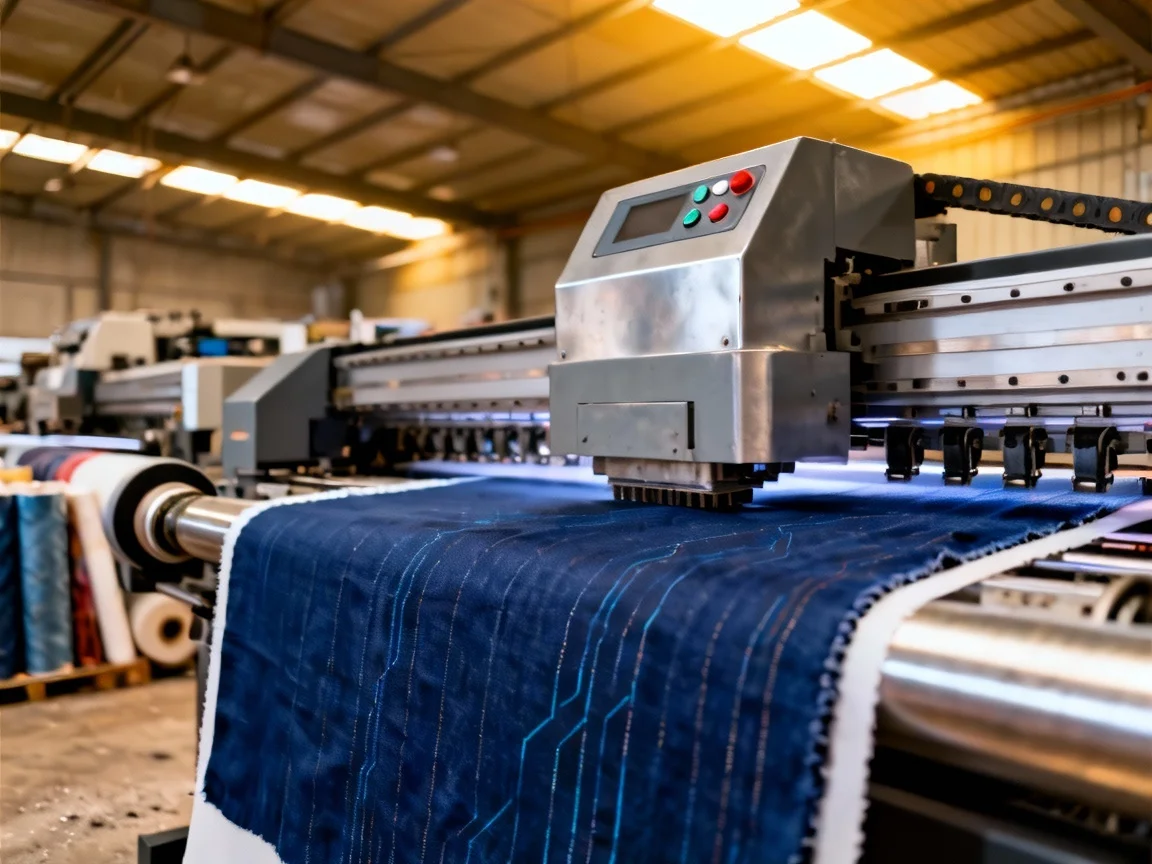
Advanced Conductive Fibers
Advanced conductive fibers form the backbone of smart scarf technology, providing pathways for electrical signals and power distribution throughout the accessory. Silver-coated nylon fibers offer excellent conductivity, durability, and relative affordability, making them a popular choice for many manufacturers. For higher-performance applications, carbon nanotube-infused yarns provide superior conductivity and flexibility, though at a higher price point. Industry advancements in recent years have focused on improving the washability and long-term conductivity retention of these materials, with leading manufacturers now offering conductive textiles rated for 50+ wash cycles without significant performance degradation.
Sensor-Embedded Textiles
Sensor-embedded textiles represent perhaps the most technically challenging aspect of smart scarf construction, requiring precise integration of miniature electronic components within flexible fabric structures. Recent innovations in printable electronics have enabled direct deposition of sensor materials onto textile substrates, creating pressure, temperature, and biometric sensors that maintain fabric drape and flexibility. Piezoresistive fabrics that change electrical resistance when deformed are used to create touch-sensitive areas and motion detectors within smart scarves, while capacitive sensing technologies allow for gesture recognition capabilities that enable users to control various functions through simple hand movements near the scarf.
Energy Harvesting Materials
Energy harvesting materials are growing increasingly important as smart scarf technology moves toward battery-free operation. Photovoltaic textiles that convert light into electricity can be integrated into scarf designs, particularly in lighter colorways where solar absorption is less visually apparent. Thermoelectric materials that generate power from temperature differences between the body and environment show promise for specialized applications, though current efficiency levels remain relatively low. Perhaps most exciting are developments in triboelectric nanogenerators—materials that produce electricity from the mechanical energy created by fabric movement. Industry prototypes incorporating these technologies have demonstrated the ability to power basic sensing and communication functions through normal wearer movement, significantly extending operational life between charges.
Performance Fabrics for Technical Integration
Performance fabrics designed specifically for smart textile applications address the unique challenges of wearable technology integration. Moisture-wicking materials help manage sweat and environmental moisture that could interfere with electronic components, while antimicrobial treatments prevent odor development in accessories worn close to the skin for extended periods. Stretchable fabrics incorporating spandex or elastane blends are essential for maintaining comfort and fit, particularly in active-use scenarios. Based on material testing protocols developed through industry experience, the most effective smart scarf constructions use layered approaches that combine specialized technical textiles for sensor and conductive layers, performance fabrics for comfort and durability, and aesthetic materials for the outer appearance.
Sustainable Material Solutions
Sustainability considerations increasingly influence material selection in smart scarf production, with manufacturers exploring bio-based conductive materials and recyclable electronic components. Mushroom mycelium-based packaging for electronic modules, biodegradable conductive inks, and recycled polyester conductive fibers are among the innovations emerging from sustainability-focused research. While life cycle assessment studies specific to smart textiles remain limited, industry best practices are beginning to emerge around modular component design that facilitates repair and recycling, extending product lifespans while reducing electronic waste.
Implementation Challenges and Industry Solutions
Despite its substantial potential, smart scarf technology faces significant challenges in bringing these innovative accessories from concept to commercial success. Through years of industry experience working with textile technology integration, several key hurdles have been identified that manufacturers must address to create viable, market-ready products that balance innovation with practicality, durability, and user acceptance.
Power Management Solutions
Power management continues to represent the most significant technical challenge in smart scarf development. Despite advancements in battery technology and energy harvesting, the compact form factor of scarves severely limits energy storage capacity compared to larger wearable devices. This constraint often forces trade-offs between functionality, battery life, and device size that can compromise user experience. Industry solutions to this challenge increasingly focus on three complementary approaches: optimizing power consumption through efficient circuit design and low-power components, integrating multiple energy harvesting technologies to extend operational life, and developing innovative charging solutions like conductive docking stations or wireless charging accessories that minimize user intervention.
Durability and Maintenance Protocols
Durability and maintenance represent substantial barriers to mainstream smart scarf adoption, as consumers expect accessories to withstand regular use, cleaning, and storage without performance degradation. Textile-based electronics are particularly vulnerable to damage from bending, stretching, moisture, and chemical exposure during laundering. Through extensive testing and development, manufacturers have developed several effective mitigation strategies, including encapsulating electronic components in flexible, waterproof materials, designing modular systems where delicate components can be removed before washing, and developing specialized cleaning protocols compatible with technical textiles. Industry standards for smart textile durability are still evolving, but leading manufacturers have established internal testing protocols that simulate 1-2 years of typical use to ensure reliable performance.
User Interface Design for Textile-Based Systems
User interface design presents unique challenges for smart scarves, which lack the screen real estate of traditional electronic devices. This limitation has spurred innovation in alternative interaction methods, including haptic feedback systems that provide tactile notifications through vibrations, voice control integration, and gesture recognition capabilities that allow users to control functions through specific movements. Perhaps most promising is the development of subtle visual indicators integrated into the scarf's design—such as color-changing threads, illuminated patterns, or dynamic texture changes—that provide status information without compromising aesthetic appeal. Based on usability testing, the most effective smart scarf interfaces require minimal user attention and integrate seamlessly with existing habits and behaviors.
Cost Considerations and Affordability
Cost remains a significant barrier to widespread adoption, with smart scarves typically costing 2-5 times more than comparable traditional accessories. The primary cost drivers include specialized technical materials, miniature electronic components, and complex manufacturing processes that often require manual assembly steps. Industry efforts to reduce costs focus on several fronts: scaling production to achieve economies of scale, developing more efficient integration processes compatible with conventional textile manufacturing equipment, and designing modular systems where technology components can be reused across multiple seasonal designs. As production volumes increase and manufacturing techniques mature, price points are gradually becoming more accessible, with entry-level smart scarves now available at price points that appeal to mainstream consumers.
Standardization and Interoperability
Standardization and interoperability issues have hampered the development of the smart textile ecosystem, with different manufacturers utilizing proprietary communication protocols, charging systems, and software platforms. This fragmentation creates confusion for consumers and limits the potential for cross-brand functionality. Industry consortia and standards organizations are working to address these challenges by developing common frameworks for data exchange, power management, and user interface design. The emergence of Bluetooth Low Energy (BLE) as a de facto standard for short-range communication has helped streamline connectivity, while efforts to develop open-source software platforms for wearable devices are increasing compatibility and reducing development costs for manufacturers.
Future Directions: The Next Generation of Smart Scarf Technology
The evolution of smart scarf technology shows no signs of slowing, with emerging innovations promising to further blur the boundaries between fashion accessory and wearable technology. Based on industry research, technology roadmaps, and practical development experience, several key trends are likely to shape the next generation of smart scarves, creating new opportunities for fashion brands, technology developers, and textile manufacturers.
Ambient IoT Connectivity
Ambient IoT connectivity represents perhaps the most transformative trend on the horizon, enabling smart scarves to become part of the broader Internet of Things ecosystem without relying on constant smartphone connectivity. This technology utilizes low-power, long-range communication protocols that allow devices to transmit data directly to the cloud or other networked devices over significant distances. For smart scarves, this means expanded functionality including location tracking, environmental monitoring, and direct integration with smart home systems—all without requiring a nearby paired device. Industry trials of ambient IoT-enabled textiles have already demonstrated applications in emergency response, where scarves can automatically send location data and distress signals when abnormal physiological patterns are detected.
Artificial Intelligence Integration
Artificial intelligence and machine learning algorithms are being integrated into smart scarf systems to provide more sophisticated analysis of sensor data and personalized user experiences. Rather than simply collecting and transmitting biometric information, future smart scarves will interpret this data to recognize patterns and provide contextually relevant insights and recommendations. For example, AI-powered systems could learn user preferences for temperature control, identify early warning signs of health issues from biometric data, or adapt functionality based on activity patterns