In today's competitive fashion accessories market, selecting the optimal scarf material represents a critical business decision that directly impacts product quality, customer satisfaction, and bottom-line profitability. As a textile manufacturing specialist with over 15 years of industry experience, I've developed this authoritative guide to help B2B buyers navigate the complexities of silk and wool scarf production. This analysis integrates the latest industry data, manufacturing insights, and sustainability trends to deliver actionable sourcing intelligence for informed decision-making.
Understanding Fundamental Differences in Scarf Material Types
Silk and wool represent distinct categories of natural fibers with inherently different properties that shape everything from production methodologies to end-product characteristics and market positioning. Silk, a luxurious protein fiber produced by silkworms, offers unparalleled luster and drape that have established it as a premium accessory staple for centuries. Wool, primarily sourced from ovine (sheep) populations, delivers exceptional thermal insulation and durability that appeals to both practical and fashion-forward winter accessories markets.
The Unique Properties of Silk Fibers
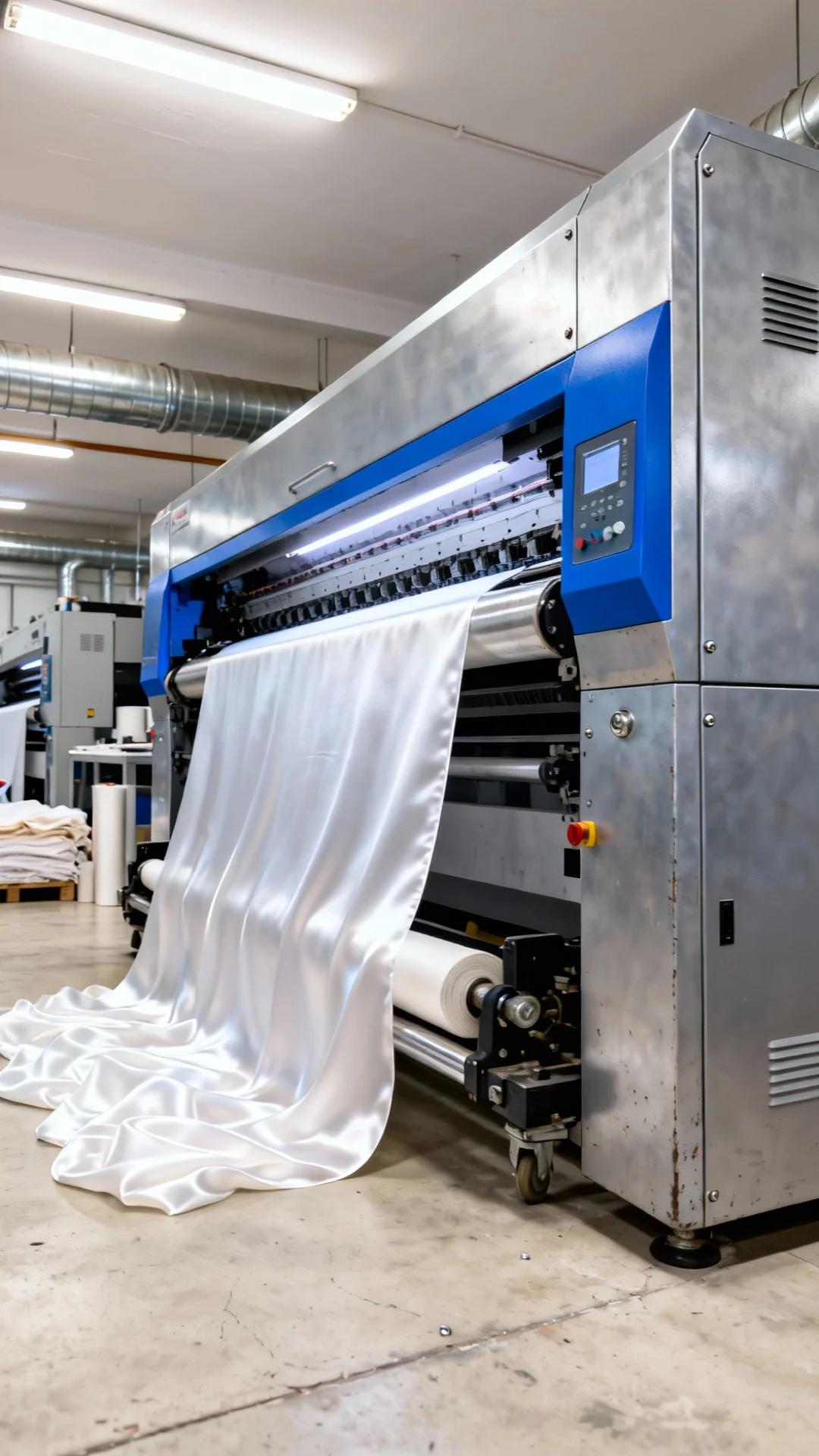
Premium silk utilized in scarf production typically ranges from 19 to 25 momme weight—a specialized fabric density measurement directly correlated with quality and durability. Exceptional silk scarves employ long continuous filaments to create smooth, strong threads resistant to pilling and breakage. Silk's natural protein structure provides unique thermoregulatory properties, keeping wearers cool in warm weather while offering lightweight warmth during cooler months. This remarkable versatility explains why silk scarves maintain year-round demand, with the global silk scarf segment projected to reach $1.5 billion by 2025.
The microscopic structure of silk fibers creates their characteristic sheen and exceptional dye absorption capabilities, rendering silk ideal for intricate patterns and bold designs. However, this same structure makes silk more vulnerable to water damage and sunlight degradation, necessitating careful handling throughout both production and end use.
Distinctive Characteristics of Wool Fibers
Wool's unique crimped structure creates millions of tiny air pockets that provide exceptional thermal insulation properties. This inherent warmth makes wool scarves particularly popular in temperate and cold climates. The natural lanolin present in wool fibers offers inherent water resistance and antibacterial properties, adding functional value beyond mere aesthetics. Industry analytics demonstrate that wool scarves dominate winter season searches, with a 32% year-over-year increase in B2B orders during peak purchasing periods (August-November).
Wool fibers exhibit significant variability based on ovine breed and processing techniques. Merino wool, renowned for its finer diameter (typically 11-25 microns), offers exceptionally soft textures suitable for luxury scarves, while coarser wool varieties provide enhanced durability for utilitarian styles. The Responsible Wool Standard (RWS) certification has emerged as a critical differentiator for B2B buyers, with certified wool products commanding a 27% price premium in 2025 markets.
Comparative Analysis of Manufacturing Processes
The production methodologies for silk and wool scarves differ substantially, creating distinct considerations for wholesale buyers in terms of lead times, cost structures, and quality control parameters.
Silk Scarf Production: An Intricate Manufacturing Journey
Silk scarf production demands a delicate sequence of operations requiring precise environmental control and skilled craftsmanship. This section details the specialized silk scarf production process that distinguishes premium silk accessories:
- Silk Sourcing and Degumming: Raw silk cocoons undergo meticulous sorting and degumming—an alkaline process that removes sericin, the natural protein binder holding filaments together. This labor-intensive procedure increases production time by 15-20% compared to wool preparation, contributing to silk's premium pricing structure.
- Reeling and Spinning: Filaments from 3-8 cocoons are reeled simultaneously to form yarn, with premium scarves utilizing filaments of consistent length (600-900 meters) for uniform, strong threads. Modern automated reeling machines have improved consistency while preserving traditional craftsmanship elements.
- Dyeing and Printing: Silk's exceptional absorbency enables vibrant dyeing but requires precise temperature management (typically 80-95°C for acid dyes). Digital printing technologies have revolutionized color precision, with leading manufacturers achieving 98% color accuracy for custom designs, though traditional screen printing remains preferred for certain artistic effects.
- Weaving and Finishing: High-quality silk scarves often employ twill or satin weaves for enhanced durability and drape characteristics. Finishing processes include controlled steaming to set colors and mechanical softening to achieve the signature silk hand-feel that discerning customers expect.
- Quality Inspection: Each scarf undergoes rigorous inspection against established standards. Premium manufacturers adhere to AQL 1.0 standards (less than 1% defective products) for luxury markets, with specialized inspectors examining for flaws in weave, color consistency, and finishing.
This intricate production process results in longer lead times—typically 4-6 weeks for custom silk scarves compared to wool alternatives—necessitating advanced planning for seasonal collections.
Wool Scarf Manufacturing: Efficiency and Textural Versatility
Wool scarf production emphasizes fiber preparation and texture enhancement, with manufacturing sequences optimized for both quality and scalability:
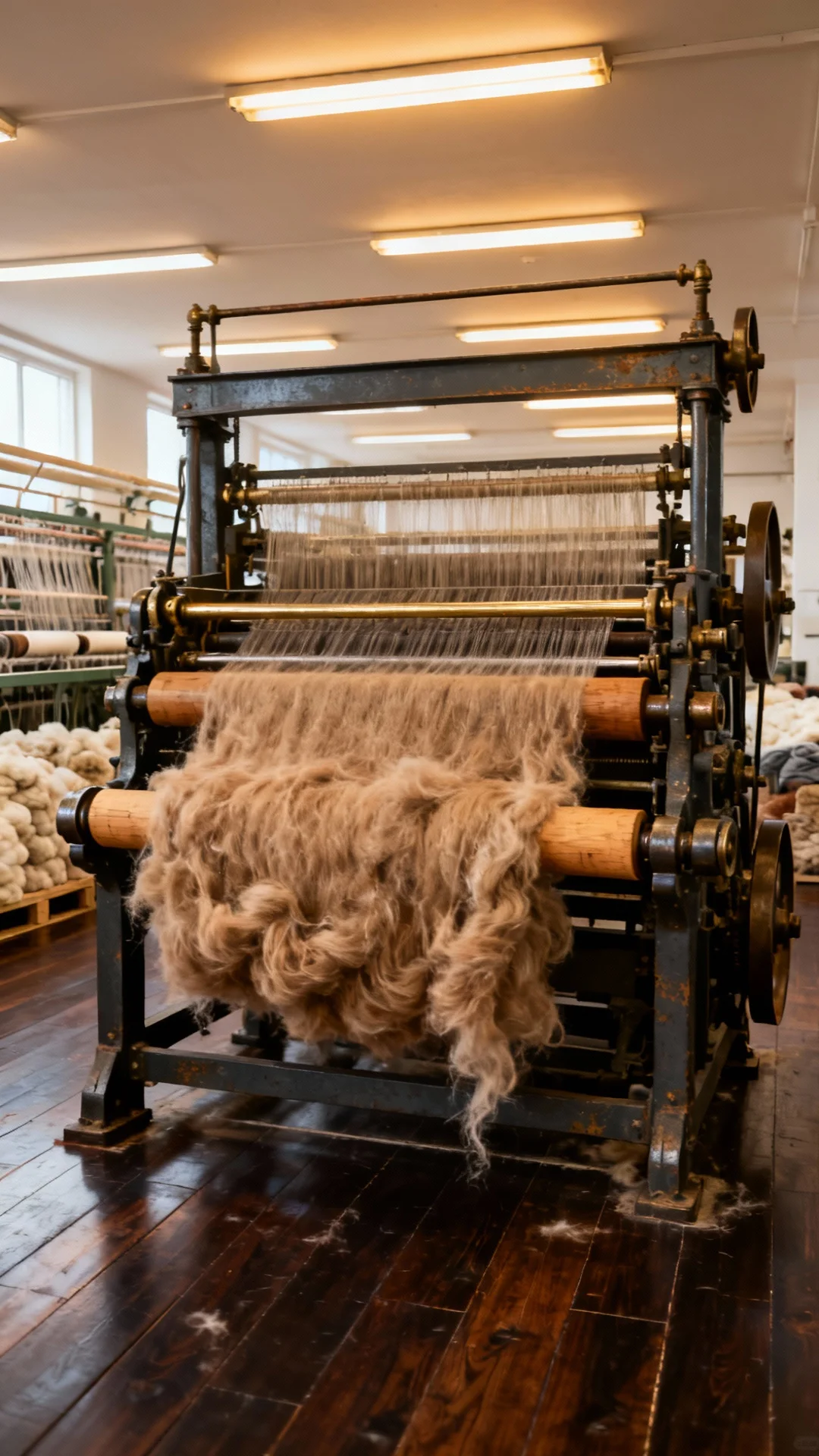
- Shearing and Sorting: Raw wool undergoes professional grading and sorting based on fiber length, diameter, and quality. This critical initial step establishes the foundation for final product consistency and performance characteristics.
- Scouring and Carbonizing: Wool is thoroughly cleaned through scouring—multiple washing cycles that remove lanolin, dirt, and vegetable matter. Carbonizing utilizes controlled acid treatment to eliminate remaining impurities, requiring precise pH management (typically 2.0-3.0) to preserve fiber integrity.
- Carding and Spinning: Fibers are aligned and spun into yarn, with spinning parameters meticulously adjusted to control texture and elasticity. Worsted spinning produces smooth, strong yarns for refined scarves, while woolen spinning creates softer, loftier yarns for more textured designs.
- Dyeing and Weaving: Wool accepts dye exceptionally well across multiple techniques, with manufacturers offering space-dyeing, cross-dyeing, and union-dyeing processes for varied aesthetic effects. Weaving focuses on creating stable structures that maintain thermal properties without excessive weight, with 12-16 micron Merino wool enabling lightweight yet warm constructions.
- Fulling and Finishing: The felting process (fulling) compacts fibers to enhance durability and softness through controlled moisture, heat, and mechanical action. Final steaming sets the shape and improves drape characteristics, with specialized pressing techniques creating the desired silhouette and hand-feel.
Modern wool manufacturing has integrated more automated processes than traditional silk production, resulting in greater efficiency and scalability for bulk orders while maintaining quality standards.
Sustainable Textile Sourcing: Environmental Considerations in Scarf Production
Sustainable textile sourcing has evolved from a niche concern to a core business requirement, with 78% of B2B buyers reporting that sustainability certifications influence their purchasing decisions. This section examines the environmental impact and sustainability practices shaping modern scarf production.
Sustainable Silk Production Practices
The silk industry has implemented several key sustainability initiatives to address environmental concerns while preserving traditional craftsmanship:
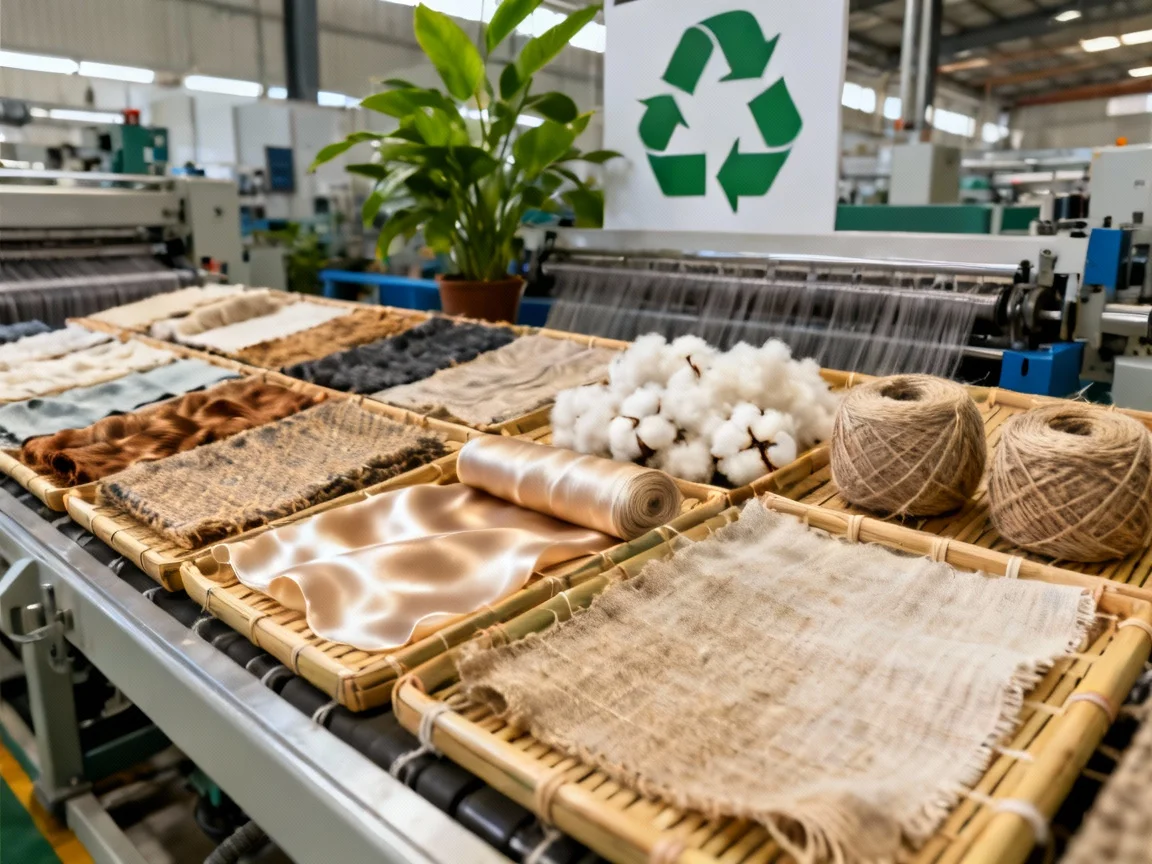
- Organic Silk Certification: The Global Organic Textile Standard (GOTS) ensures environmentally responsible manufacturing from raw material to finished product, with certified organic silk commanding 18-22% price premiums in 2025 markets. This certification addresses pesticide use in mulberry cultivation and chemical inputs during processing.
- Water Conservation Technologies: Innovative dyeing techniques such as air dyeing and foam dyeing have reduced water usage by up to 40% at leading facilities, directly addressing historical concerns about silk's environmental footprint.
- Circular Economy Models: Emerging closed-loop systems recycle silk waste into new fibers, with pilot programs achieving 35% waste reduction rates. Additionally, some manufacturers have developed biodegradable silk blends that maintain performance while enhancing environmental credentials.
Responsible Wool Production Approaches
Wool's natural sustainability advantages are being further enhanced through industry initiatives and technological innovations:
- Responsible Wool Standard (RWS): This certification ensures ethical animal treatment and environmental stewardship throughout the supply chain, with RWS-certified wool scarves demonstrating 23% higher sell-through rates at specialty retailers. The standard addresses animal welfare, land management, and social responsibility.
- Biodegradable Treatments: Enzyme-based finishing processes have largely replaced chlorine treatments, eliminating harmful chemical residues while enhancing wool's natural properties. These innovations align with EU regulations and consumer preferences for clean products.
- Blockchain Traceability Systems: Emerging blockchain technology enables complete supply chain transparency, with 67% of luxury buyers indicating willingness to pay premium prices for verifiable sourcing information. This technology allows brands to authenticate sustainability claims with unprecedented transparency.
The 2025 textile market reflects clear differentiation in sustainability narratives: silk manufacturers emphasize artisanal craftsmanship with targeted sustainability enhancements, while wool producers highlight natural biodegradability and animal welfare improvements as core sustainability credentials.
Commercial Considerations for B2B Scarf Sourcing
Understanding the commercial implications of material selection enables optimized purchasing decisions, inventory management, and product development strategies for fashion businesses.
Cost Analysis: Silk vs. Wool Economics
- Raw Material Costs: Silk typically commands 2-3 times higher prices per kilogram than wool, with market fluctuations influenced by harvest yields, geopolitical factors, and currency exchange rates. The 2025 market shows silk prices increasing 8-10% year-over-year due to supply chain disruptions in key producing regions (China, India, and Vietnam).
- Production Expenses: Labor-intensive silk processing results in higher manufacturing costs, though wool production requires more energy for scouring and fulling operations. For bulk orders (500+ units), wool scarves generally offer 15-20% lower per-unit costs, representing significant savings for volume buyers.
- Minimum Order Quantities: Silk production often necessitates higher MOQs (200-300 units) due to dye lot consistency requirements, while wool manufacturers may accept MOQs as low as 100 units for standard designs. Custom colorways typically increase MOQ requirements for both materials.
- Price Points and Margins: Silk scarves command premium retail prices ($50-150 range), offering higher gross margins (typically 55-65%) despite higher procurement costs. Wool scarves generally retail for $30-80, with steadier demand patterns and faster inventory turnover contributing to strong net profitability.
Quality Control and Risk Management Strategies
- Defect Rate Parameters: Silk scarves present higher potential defect rates (2-3%) compared to wool (1-2%) due to the delicate nature of the material and complex production process. Establishing clear defect classification standards with suppliers is essential for managing expectations.
- Critical Testing Requirements: Reputable suppliers should provide comprehensive test reports including colorfastness (ISO 105 standards), dimensional stability (AATCC 135), and harmful substances analysis (REACH compliance). Additional testing for pilling resistance (ISO 12945-2) is recommended for wool products.
- Logistical Considerations: Shipping insurance costs for silk are typically 10-15% higher than for wool, reflecting its greater vulnerability to water damage and abrasion. Climate-controlled transportation may be necessary for silk shipments during extreme weather conditions.
Market Trends and Demand Forecasting for 2025-2026
Current market data reveals distinct seasonal patterns and emerging trends that should inform sourcing strategies:
- Silk Scarves: Strong demand in spring/summer (April-July) with 35% higher order volumes for resort collections and lightweight accessories. The luxury segment shows growing interest in hand-painted and limited-edition silk pieces.
- Wool Scarves: Peak ordering occurs August-November for winter inventory, with fashion-forward designs requiring 6-8 months lead time for seasonal deployment. Technical performance wool blends with moisture-wicking properties are gaining traction in premium outdoor markets.
- Sustainability Premium: Certified sustainable products achieve 12-18% higher wholesale prices, with fastest growth in the eco-luxury segment. Transparency documentation and ethical sourcing stories are becoming essential marketing tools rather than optional enhancements.
Practical Selection Framework: Material Decision-Making for B2B Buyers
The optimal scarf material depends on multiple factors including brand positioning, target market demographics, seasonal strategy, and design requirements. This section provides a structured approach to material selection.
Strategic Material Selection Framework
- Brand Alignment Assessment: Luxury positioning benefits significantly from silk's premium perception and heritage associations, while sustainable-focused retailers may find greater alignment with RWS-certified wool's environmental storytelling opportunities.
- Seasonal Planning Integration: Effective inventory management requires balancing stock with seasonal demand patterns, typically incorporating 15-20% crossover products for transitional periods. Northern hemisphere buyers should note that summer silk orders require placement by January-February for April delivery.
- Customer Demographic Analysis: Climate considerations heavily influence material preference—silk dominates in warmer regions and summer assortments, while wool performs better in temperate zones. Consumer lifestyle factors (urban vs. outdoor, formal vs. casual) also impact material suitability.
- Design Compatibility Evaluation: Intricate patterns and vibrant colors reproduce with superior accuracy on silk, making it ideal for artistic designs and brand signature pieces. Textured designs and muted palettes often work exceptionally well with wool's natural characteristics and tactile appeal.
Sourcing Best Practices for B2B Scarf Buyers
- Supplier Qualification Protocol: Verify manufacturing capabilities through on-site factory audits or third-party certification, requesting production samples of similar products rather than generic swatches. Evaluate quality control systems and sustainability practices as thoroughly as production capabilities.
- Production Timeline Management: Allow adequate lead time for silk production and quality control—typically 8-10 weeks for custom designs versus 6-8 weeks for wool. Seasonal planning should incorporate buffer periods for quality issues or shipping delays.
- Contractual Protection: Include clear specifications for material quality (momme weight for silk, micron count for wool), colorfastness requirements (minimum 4/5 on the grayscale), and defect tolerance levels to prevent disputes and ensure consistent quality.
- Sustainability Verification Protocol: Request certification documentation (GOTS, RWS, etc.) and supply chain transparency information rather than accepting generic "eco-friendly" claims. Reputable suppliers should provide detailed sustainability reports and process documentation.
Conclusion: Strategic Material Selection for B2B Success in Scarf Sourcing
The decision between silk and wool scarves represents a strategic business choice that requires balancing aesthetic considerations, functional performance, and commercial factors. Silk offers unparalleled luxury appeal and design versatility with higher margin potential but demands greater investment and careful handling throughout the supply chain. Wool provides exceptional durability, competitive pricing structures, and strong seasonal demand patterns with lower production risks and greater scalability.
The 2025 market increasingly rewards brands that demonstrate both material appropriateness and authentic sustainability practices. B2B buyers should prioritize suppliers that demonstrate technical expertise, manufacturing excellence, and genuine environmental responsibility—ensuring product quality while meeting evolving consumer expectations for ethical production.
By aligning material selection with brand strategy, seasonal planning, and sustainability goals, fashion businesses can optimize their scarf assortments for market differentiation and commercial success. The most effective approach often involves a strategic mix of both materials, leveraging silk's premium positioning for key seasonal pieces and wool's versatility for core wardrobe staples. This balanced product portfolio approach enables brands to maximize market coverage while managing production costs and capitalizing on seasonal demand fluctuations.
Ultimately, successful scarf sourcing requires viewing material selection as a strategic business decision rather than simply an aesthetic choice—integrating manufacturing knowledge, market intelligence, and sustainability considerations into a comprehensive product development strategy that drives both brand equity and commercial performance.