In today's competitive fashion accessories market, understanding the intricacies of silk scarf manufacturing is essential for boutiques, specialty stores, and fashion brands committed to delivering exceptional quality to discerning customers. With decades of experience in luxury textile production, I've witnessed firsthand how material selection directly impacts product quality, brand reputation, and customer satisfaction. This comprehensive guide explores silk and cashmere grading systems, quality standards, and sustainable sourcing practices to help you make informed decisions when selecting manufacturing partners or evaluating product quality.
The Fundamentals of Silk Quality Grading
Silk quality assessment begins with silkworm cocoons and continues through every stage of production. The industry employs a dual grading system combining numerical ratings (6A to C) and alphabetical classifications (Grade A to Grade C) to categorize silk quality accurately.
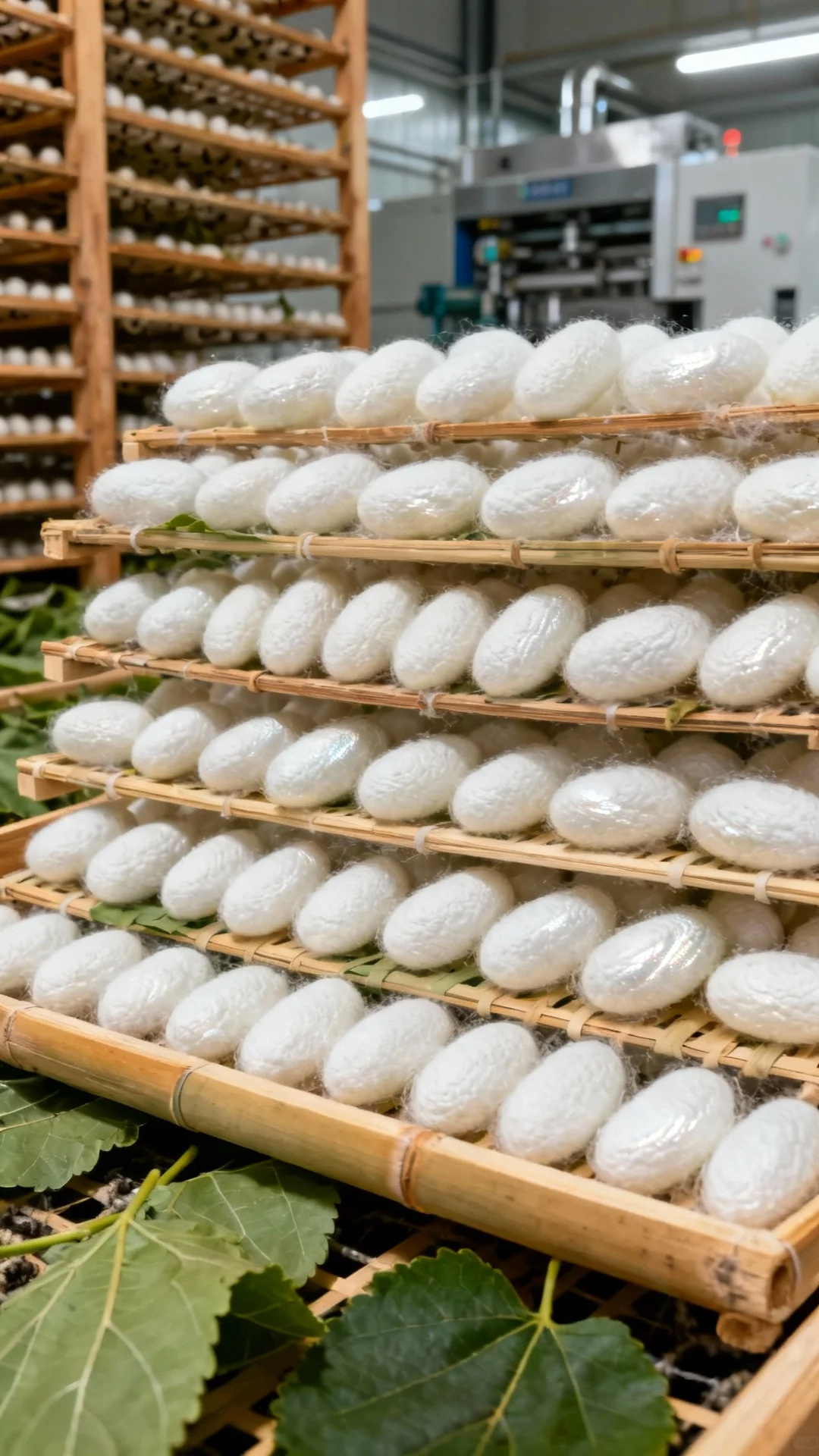
Grade 6A represents the pinnacle of silk quality, with fibers exhibiting exceptional thickness and uniformity. These superior fibers come from carefully selected silkworms raised in optimal conditions, producing silk with unmatched softness, luster, and durability. As you move down the scale from 6A to 5A, 4A, and finally to Grade C, fiber diameter consistency, length, and purity gradually decrease, resulting in noticeable differences in texture and performance.
Momme weight—a critical quality indicator—measures silk density and weight. Luxury scarves typically range from 12 to 30 momme, with higher values indicating more substantial, longer-lasting fabric. A 16-19 momme silk offers an ideal balance of drape and durability for most scarf applications, while 22-30 momme fabrics provide exceptional luxury and longevity for high-end designs that demand superior performance and presence.
Several sensory and visual cues reveal silk quality. Premium silk possesses a natural, subtle luster rather than an artificial shine. When gently crushed in your hand, high-quality silk should spring back with minimal wrinkling, demonstrating its resilience. The fabric should feel smooth and substantial yet lightweight against the skin, with a distinctive "silky" texture that synthetic imitations cannot replicate.
Cashmere Quality Classification and Standards
Cashmere represents the epitome of luxury in scarf manufacturing, valued for its exceptional softness, warmth-to-weight ratio, and remarkable durability. The highest quality cashmere originates from specific regions renowned for superior fiber characteristics. Mongolian cashmere, particularly from the Gobi Desert, is celebrated worldwide for its fine diameter (14-16 microns) and consistent length. Nepalese and Italian cashmere also command premium status, each offering unique attributes shaped by local climate conditions and traditional processing methods.
Cashmere purity significantly impacts quality classification. While 100% cashmere remains the gold standard, some manufacturers blend cashmere with other fibers to achieve specific performance characteristics or price points. When evaluating blended cashmere scarves, look for compositions containing at least 70% cashmere to preserve the distinctive properties of this luxury fiber while gaining the benefits of complementary materials.
Several key indicators distinguish premium cashmere from inferior grades. Fiber length directly relates to durability—longer fibers (34-36mm) resist pilling and maintain their appearance better than shorter alternatives over time. Fineness, measured in microns, affects softness; fibers below 16 microns deliver the signature buttery texture of luxury cashmere. Color uniformity and minimal guard hair content also contribute significantly to visual appeal and tactile quality.
Authenticating genuine cashmere remains challenging in today's marketplace. Reputable manufacturers provide certification documents tracing fiber origin and verifying composition. The "cashmere burn test" offers a practical preliminary assessment: genuine cashmere burns slowly, emits a smell similar to burning hair, and leaves brittle ash that crumbles easily. In contrast, synthetic blends melt and form hard beads.
Sustainable Fabric Sourcing in Luxury Scarf Manufacturing
Sustainability has emerged as a defining factor in luxury scarf manufacturing, influencing material selection, production processes, and consumer purchasing decisions. The industry has responded with innovative approaches to reduce environmental impact while maintaining the exceptional quality expected in luxury accessories.
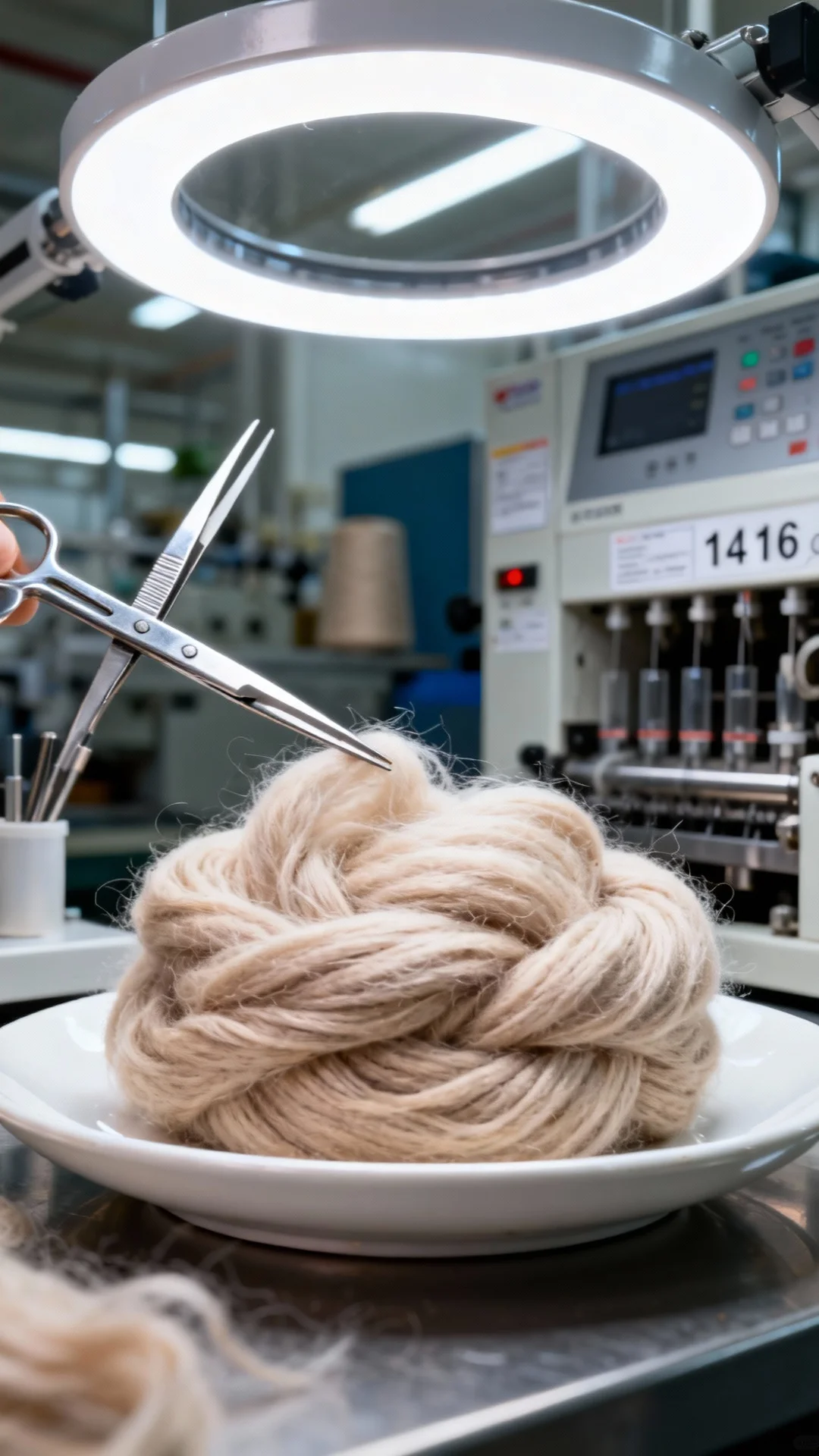
Eco-friendly materials form the foundation of sustainable scarf production. Organic silk, produced without harmful pesticides or chemicals, has gained significant traction among environmentally conscious brands. Recycled cashmere, sourced from post-consumer waste and manufacturing scraps, reduces the industry's reliance on virgin materials while diverting textile waste from landfills. Innovative fibers like Tencel™ and Lyocell offer sustainable alternatives with performance characteristics suitable for luxury scarves.
Certification systems provide valuable guidance for identifying sustainably sourced fabrics. The Global Organic Textile Standard (GOTS) ensures comprehensive environmental and social responsibility throughout the supply chain, from fiber production to finished product. OEKO-TEX® certification guarantees textiles contain no harmful substances, protecting both consumers and workers. Fair Trade certification ensures ethical labor practices and fair compensation for producers, addressing social sustainability alongside environmental concerns.
Traceability has become a critical component of sustainable sourcing. Leading manufacturers implement blockchain technology and digital passport systems to provide complete transparency regarding material origins, processing methods, and transportation routes. This transparency enables brands to verify sustainability claims and helps consumers make informed purchasing decisions aligned with their values.
Material Selection Criteria for Fashion Brands
Fashion brands and retailers employ sophisticated material selection criteria when developing scarf collections, balancing aesthetic, functional, and commercial considerations to ensure chosen materials align with brand positioning, target market expectations, and product performance requirements.
The quality-to-price ratio serves as a fundamental consideration in material selection. Luxury brands targeting high-end consumers prioritize premium materials like Grade 6A silk and 100% Mongolian cashmere, justifying higher price points with exceptional quality. Mid-market brands often opt for strategic fiber blends that maintain key luxury attributes while improving affordability and durability. Fast-fashion retailers typically utilize lower-grade materials and synthetic blends to meet aggressive price points and rapid production timelines.
Seasonal appropriateness heavily influences material choices. Lightweight silk habotai and chiffon scarves dominate spring and summer collections, offering breathability and drape ideal for warm weather. Autumn and winter collections frequently feature heavier silk crepe de chine, cashmere, and wool blends that provide warmth and texture suitable for cooler temperatures. Transitional seasons often see medium-weight materials like modal-silk blends that offer versatility across varying conditions.
Functional requirements guide material selection for specialized scarf applications. Travel scarves benefit from wrinkle-resistant fabrics and durable weaves that maintain appearance despite frequent packing. Technical performance scarves may incorporate moisture-wicking fibers or UV protection treatments. Luxury fashion scarves prioritize tactile qualities and drape, often sacrificing some durability for exceptional hand feel and aesthetic appeal.
Brand identity plays a pivotal role in material selection. Sustainable fashion brands may limit their material palette to certified organic or recycled options, using sourcing as a core brand differentiator. Heritage luxury brands often maintain long-standing relationships with specific mills, ensuring consistency in material quality and supporting traditional craftsmanship. Contemporary brands frequently experiment with innovative fiber blends and textile technologies to create distinctive signature materials that set their products apart in the marketplace.
Quality Control Best Practices in Scarf Production
Maintaining consistent quality throughout scarf manufacturing requires systematic quality control measures addressing material integrity, production processes, and finished product standards. These protocols ensure final products meet the stringent requirements of luxury fashion brands and discerning consumers.
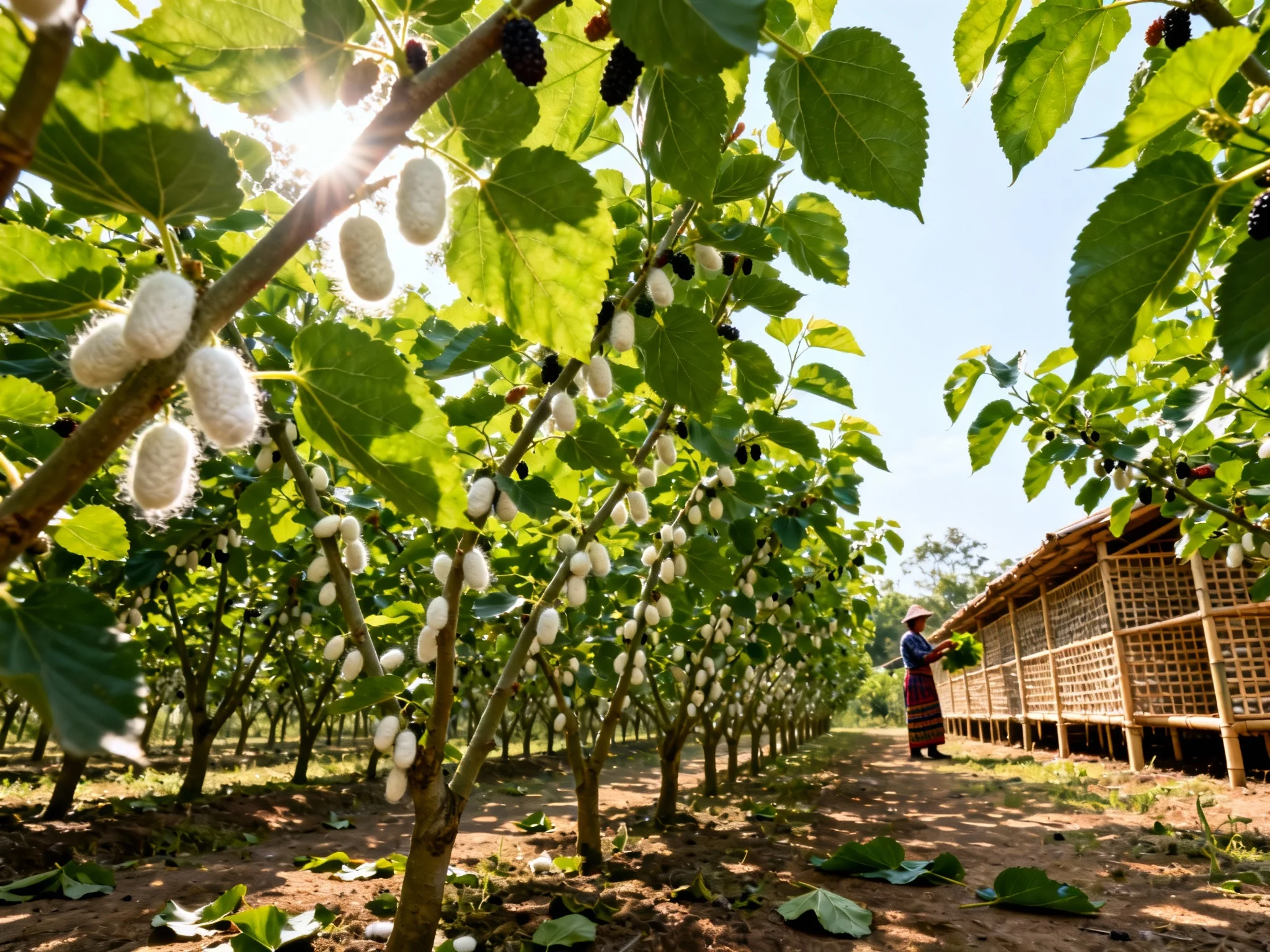
Pre-production quality control begins with rigorous material inspection. Incoming silk and cashmere batches undergo thorough testing for fiber uniformity, strength, color consistency, and absence of contaminants. Reputable manufacturers employ AQL (Acceptable Quality Level) sampling plans to determine batch acceptance, with stricter standards applied to premium materials. Laboratory testing verifies fiber composition, ensuring compliance with stated specifications and preventing misrepresentation of material quality.
In-line production monitoring identifies quality issues before they escalate to finished products. Critical control points include yarn spinning, weaving or knitting, dyeing, and printing processes. Automated inspection systems detect defects in woven fabrics, while manual examinations ensure print registration accuracy and color consistency. Dyeing processes require precise control of temperature, pH levels, and timing to achieve uniform coloration without compromising fiber integrity—a particular concern when working with delicate silk and cashmere.
Finished product inspection involves comprehensive evaluation against established quality standards. Each scarf undergoes detailed examination for dimensional accuracy, seam quality, hem finishing, and overall appearance. Hand-rolled hems, a hallmark of luxury silk scarves, require consistent stitch density and tension to ensure durability and aesthetic uniformity. Final quality checks verify all production processes have been completed according to specifications and that the finished product meets the brand's quality expectations.
Documentation and traceability systems support quality control efforts by creating a comprehensive record of each production batch. Digital quality management systems log inspection results, material certifications, and production parameters, enabling manufacturers to identify trends, address recurring issues, and provide transparency to brand partners. This documentation proves invaluable in resolving quality disputes and maintaining consistent standards across multiple production runs.
Practical Guidelines for Evaluating Scarf Manufacturers
Selecting the right manufacturing partner is crucial for fashion brands seeking to produce high-quality scarves that meet their material standards and sustainability goals. A systematic evaluation process helps identify manufacturers capable of delivering consistent quality while aligning with brand values and production requirements.
Material sourcing transparency serves as a key indicator of manufacturing quality. Reputable manufacturers provide detailed information about fiber origins, including specific regions and farms when possible. They maintain documented relationships with material suppliers and can produce certification documents verifying compliance with quality standards and sustainability claims. Manufacturers reluctant or unable to provide this information often hide inferior materials or unethical sourcing practices.
Production facility audits offer valuable insights into manufacturing capabilities and quality control systems. When evaluating potential partners, request access to production facilities or review comprehensive audit reports from third-party certification bodies. Look for clean, organized workspaces, modern equipment in good condition, and clear documentation of production processes. Employee working conditions, while not directly related to product quality, reflect overall management integrity and commitment to ethical practices.
Sample evaluation provides tangible evidence of manufacturing quality. Request production samples using your specified materials and designs to assess craftsmanship, material handling, and attention to detail. Evaluate these samples against your quality standards, paying particular attention to consistent material quality, precise printing or dyeing, and expert finishing techniques. A manufacturer's willingness to invest in sample production demonstrates their commitment to securing your business and their confidence in meeting your quality requirements.
Communication and flexibility are often overlooked but critical factors in successful manufacturing partnerships. The ideal manufacturing partner demonstrates responsiveness to inquiries, provides clear timelines, and offers constructive solutions to production challenges. They exhibit flexibility in accommodating special requirements or addressing quality concerns that may arise during production. These qualities become particularly valuable when navigating complex designs, specialized materials, or tight production schedules.
Conclusion: Elevating Your Scarf Collection Through Informed Material Selection
Understanding silk and cashmere quality grades, sustainable sourcing practices, and manufacturing standards empowers fashion brands to create exceptional scarf collections that resonate with discerning consumers. By prioritizing premium materials, implementing rigorous quality control measures, and partnering with reputable manufacturers, brands can differentiate themselves in a competitive marketplace while building long-term customer loyalty.
The most successful scarf collections result from a strategic balance of material quality, design innovation, and production expertise. Applying the insights shared in this guide will help you evaluate potential manufacturing partners, make informed material selections, and maintain consistent quality across your product lines. As sustainability continues to shape consumer preferences and industry practices, integrating eco-friendly materials and ethical sourcing will become increasingly important for maintaining relevance and competitive advantage in the luxury accessories market.
When approached with knowledge and discernment, scarf manufacturing becomes a collaborative process that transforms exceptional materials into wearable works of art. The investment in understanding material grades and quality standards ultimately translates into products that command premium positioning, foster brand loyalty, and provide lasting value to your customers.