In today's rapidly evolving fashion ecosystem, textile automation has transitioned from a competitive differentiator to an operational necessity. Brands face intensifying pressure to deliver products faster, more sustainably, and with superior quality. The selection of an appropriate automation partner represents a pivotal strategic decision that directly impacts operational efficiency, product innovation capabilities, and market responsiveness. This comprehensive guide outlines essential evaluation criteria for fashion brands navigating the textile automation landscape, drawing from industry best practices and successful implementations across diverse fashion segments.
The Evolving Textile Automation Landscape: 2025 and Beyond
The textile automation sector is undergoing a profound transformation, driven by converging technologies that continuously redefine manufacturing possibilities. Industry analytics indicate that the integration of artificial intelligence, robotics, and IoT in textile production has accelerated dramatically since 2023, with the global textile automation market projected to grow at a 12.4% compound annual growth rate through 2025. This expansion has fostered a diverse ecosystem of automation providers, each offering specialized solutions spanning fiber processing, weaving, dyeing, cutting, and quality control applications.
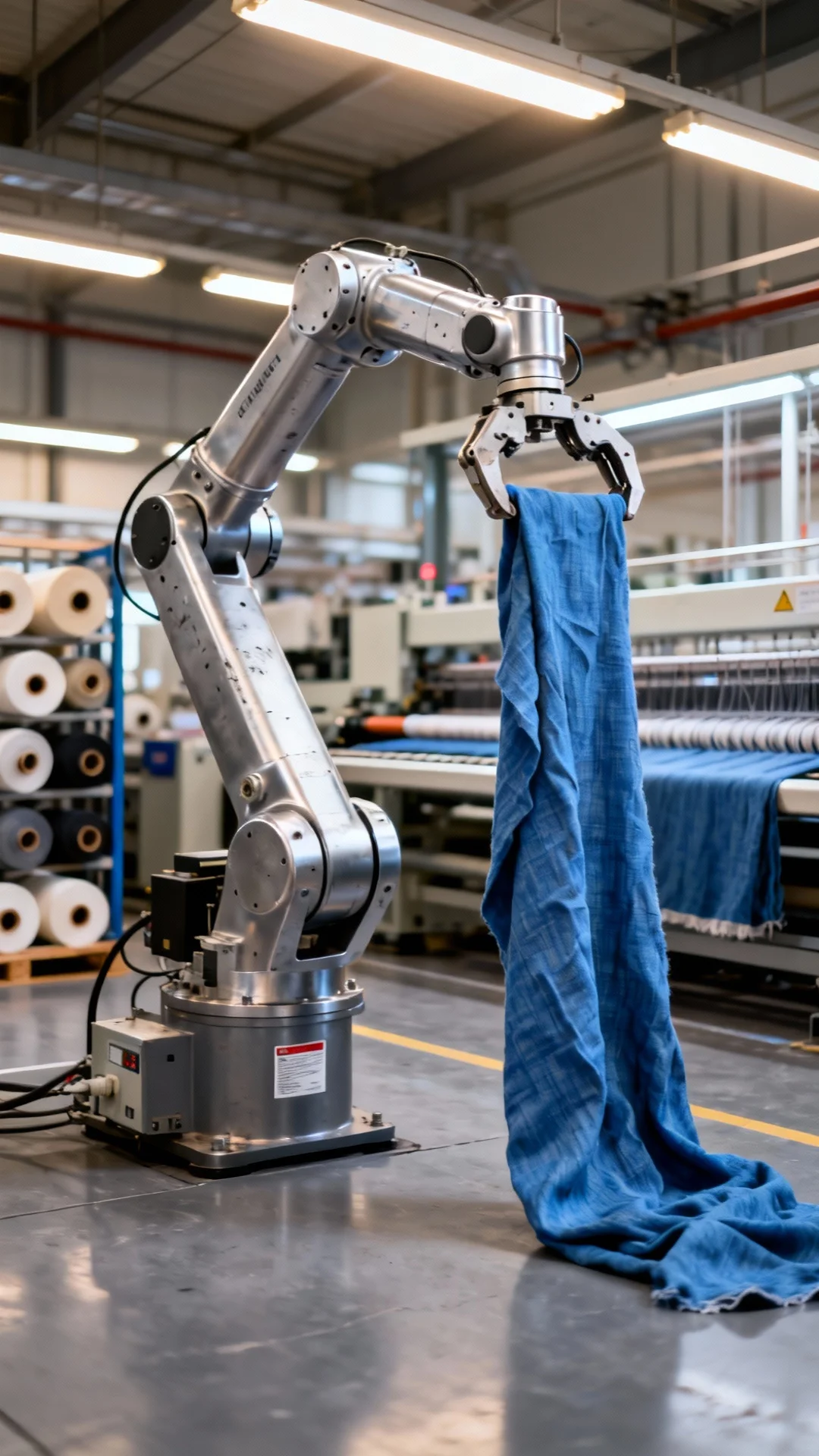
For fashion brands—particularly those in accessories where precision and material diversity are paramount—a clear understanding of current technological capabilities is essential. The most innovative textile automation solutions of 2025 integrate five core technologies: advanced robotic production systems for material handling, AI-driven predictive maintenance protocols, IoT textile monitoring for production oversight, digital twin technology for process optimization, and sophisticated sensor integration for quality assurance. Together, these components enable what industry experts term "adaptive manufacturing"—production systems that can swiftly adjust to design modifications, material variations, and demand fluctuations without sacrificing operational efficiency.
Essential Evaluation Criteria for Textile Automation Partners
Technological Capabilities and Innovation Roadmap
Fashion brands should prioritize assessing potential automation partners' technological sophistication and future readiness. A valuable partner demonstrates not only current industry-leading capabilities but also a transparent vision for technological advancement. Key indicators include the integration of machine learning for process optimization, digital twin technology for virtual production testing, and inherent flexibility to accommodate emerging smart textile technologies.
A comprehensive evaluation must encompass both hardware robustness and software intelligence. Effective textile automation systems feature modular robotic units that can be reconfigured for diverse tasks, paired with intuitive software interfaces enabling brand teams to monitor and adjust production parameters without specialized programming expertise. Leading providers offer application programming interfaces (APIs) that facilitate seamless integration with existing enterprise resource planning (ERP) and product lifecycle management (PLM) systems—an essential capability for maintaining operational continuity during implementation.
Sustainability Integration and Environmental Impact
As sustainability becomes an increasingly critical brand differentiator, textile automation partners must demonstrate a robust commitment to eco-friendly manufacturing practices. The most progressive 2025 automation solutions are specifically engineered to reduce resource consumption, minimize waste generation, and lower carbon footprints. Brands should prioritize systems that optimize energy usage through smart monitoring, reduce water consumption in dyeing processes through precision application technologies, and enable material efficiency through AI-driven pattern optimization that minimizes fabric waste.
Industry best practices now emphasize circular economy principles in automation design. Leading partners offer systems that facilitate material recycling and upcycling through advanced identification technologies that track fiber compositions throughout production cycles. Transparency has also emerged as a critical factor—automation providers should offer blockchain-enabled traceability solutions that allow brands to verify sustainability claims and effectively communicate their environmental credentials to increasingly conscious consumers.
Scalability and Production Flexibility
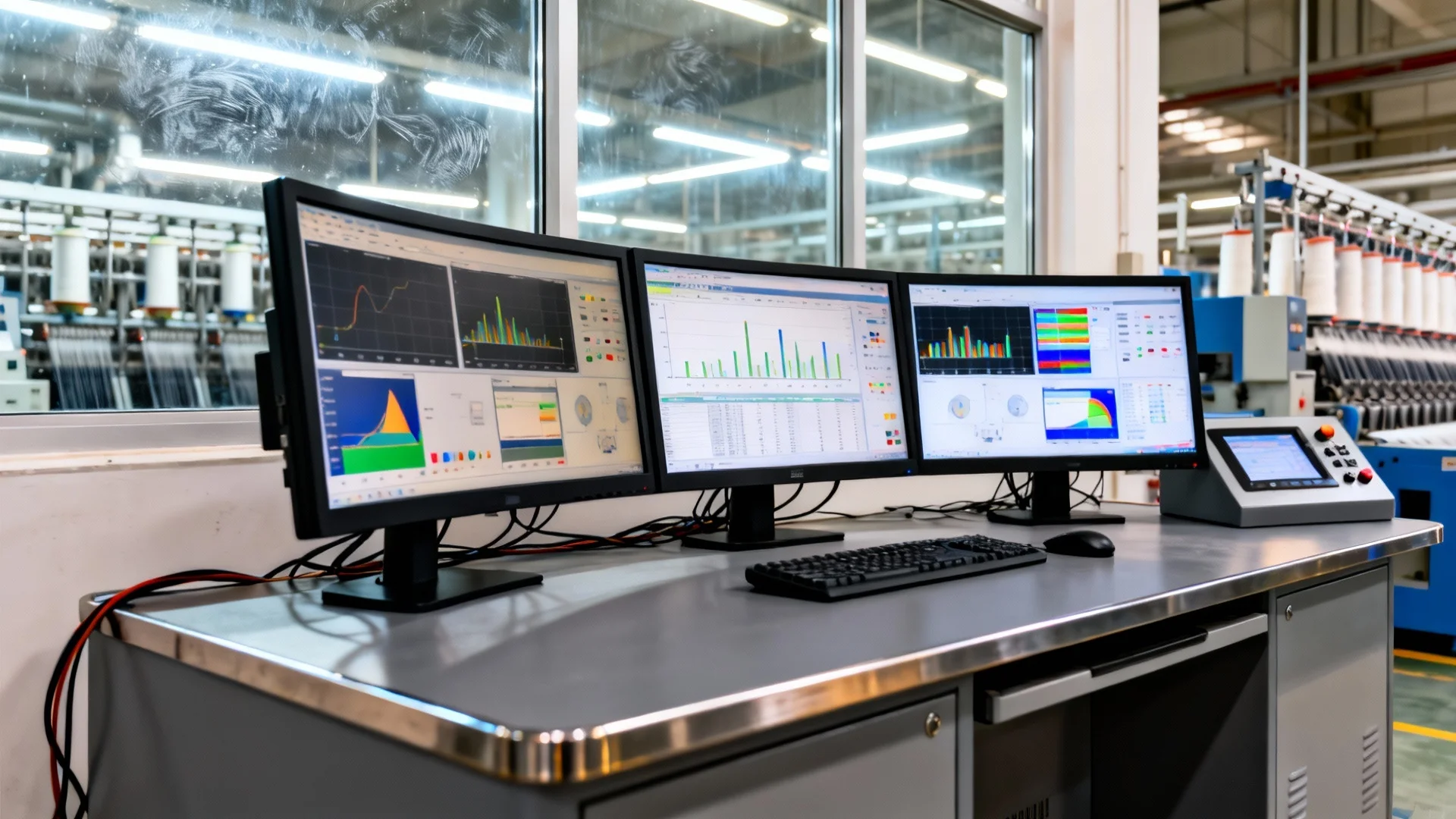
Given rapidly changing consumer preferences and seasonal demand fluctuations, the scalability and flexibility of textile automation solutions have become critical considerations. Fashion brands require partners whose systems can scale production up or down without incurring prohibitive reconfiguration costs or excessive downtime. This capability is particularly valuable for accessory brands that produce limited specialized runs alongside larger seasonal collections.
The most adaptable automation systems feature "plug-and-play" architecture, enabling brands to add production modules without disrupting existing workflows. These systems should demonstrate rapid changeover capabilities—facilitating quick transitions between product types, materials, and design specifications. When evaluating flexibility, brands should inquire about minimum order quantities, prototype development timelines, and the ability to accommodate last-minute design modifications—all of which are critical for maintaining competitive agility in today's fast-paced market environment.
Implementation Support and Ongoing Service
Successful textile automation integration depends as much on partner support as on the technology itself. Fashion brands should thoroughly evaluate implementation methodologies and ongoing service offerings. Leading providers deliver comprehensive support packages that include detailed process mapping before installation, on-site technical assistance during implementation, and customized training programs for brand personnel.
Critical service factors include response time for technical issues, availability of remote monitoring and diagnostics capabilities, and the quality of preventive maintenance programs. Brands should also investigate partners' R&D roadmaps to ensure that automation solutions will evolve in tandem with technological advancements and changing business requirements. Ideally, partnerships should include regular technology review sessions to identify optimization opportunities as the brand's automation maturity grows.
Practical Application: Case Studies in Textile Automation Implementation
Industry case studies vividly illustrate the tangible benefits of selecting the right textile automation partner. One leading fast-fashion accessories brand implemented an AI-integrated robotic cutting system that reduced material waste by 32% while simultaneously increasing throughput by 45%. This success stemmed largely from the partner's ability to customize the system to the brand's specific material requirements and provide comprehensive training that ensured maximum technology utilization.
Another compelling example involves a luxury scarf manufacturer that partnered with an automation provider specializing in sustainable production technologies. By implementing IoT-enabled dyeing systems with precise chemical dosage control and integrated water recycling capabilities, the brand achieved a 58% reduction in water consumption and a 43% decrease in chemical usage while maintaining its premium quality standards. This partnership also incorporated advanced quality control with computer vision technology capable of detecting subtle fabric pattern imperfections—an essential capability for luxury goods requiring flawless execution.
These examples demonstrate that successful automation partnerships require close collaboration between brand and provider, with both parties invested in specific business objectives beyond mere technology implementation. They also highlight the importance of aligning automation capabilities with brand values—whether prioritizing speed-to-market, sustainability, quality precision, or operational efficiency.
Conclusion: Strategic Recommendations for Fashion Brands
Selecting the optimal textile automation partner significantly impacts an organization's operational capabilities, competitive positioning, and sustainability credentials for years to come. Brands should approach this selection process with a clear understanding of their production requirements, long-term strategic objectives, and sustainability goals.
Successful automation partnerships begin with a thorough assessment of current production processes to identify pain points and improvement opportunities. Brands should develop detailed evaluation criteria that weight factors according to their specific strategic priorities—whether speed, sustainability, quality, flexibility, or cost efficiency. Throughout the selection process, maintaining a long-term perspective is crucial, viewing automation partners as strategic allies in digital transformation rather than merely technology vendors.
As textile automation continues to evolve, thriving brands will be those that select partners capable of growing alongside them, leveraging emerging technologies for continuous improvement in efficiency, quality, and environmental performance. By applying the comprehensive evaluation criteria outlined in this guide, fashion brands can make informed decisions that position them for success in an increasingly competitive and technologically sophisticated market landscape. The transition to smart textile factory operations represents not just a technological upgrade, but a fundamental transformation in how fashion brands create value in the digital age.
FENNYSUN remains committed to providing cutting-edge insights on textile automation and manufacturing innovation for the global fashion industry.