As a seasoned fashion accessories sourcing specialist with over a decade of industry experience, I've witnessed firsthand how manufacturer selection directly impacts brand reputation, product quality, and market competitiveness. In today's rapidly evolving fashion landscape—where consumers demand transparency, customization, and sustainability—choosing the right scarf manufacturing partner requires a strategic evaluation that transcends basic price comparisons.
This authoritative guide provides boutiques, specialty retailers, and fashion brands with a systematic framework for assessing scarf manufacturers' technical capabilities and production technologies. Grounded in current industry practices and forward-looking 2025 manufacturing trends, we'll explore the essential criteria that distinguish exceptional partners from mediocre suppliers in this specialized sector.
The Modern Scarf Production Workflow: A Technical Overview
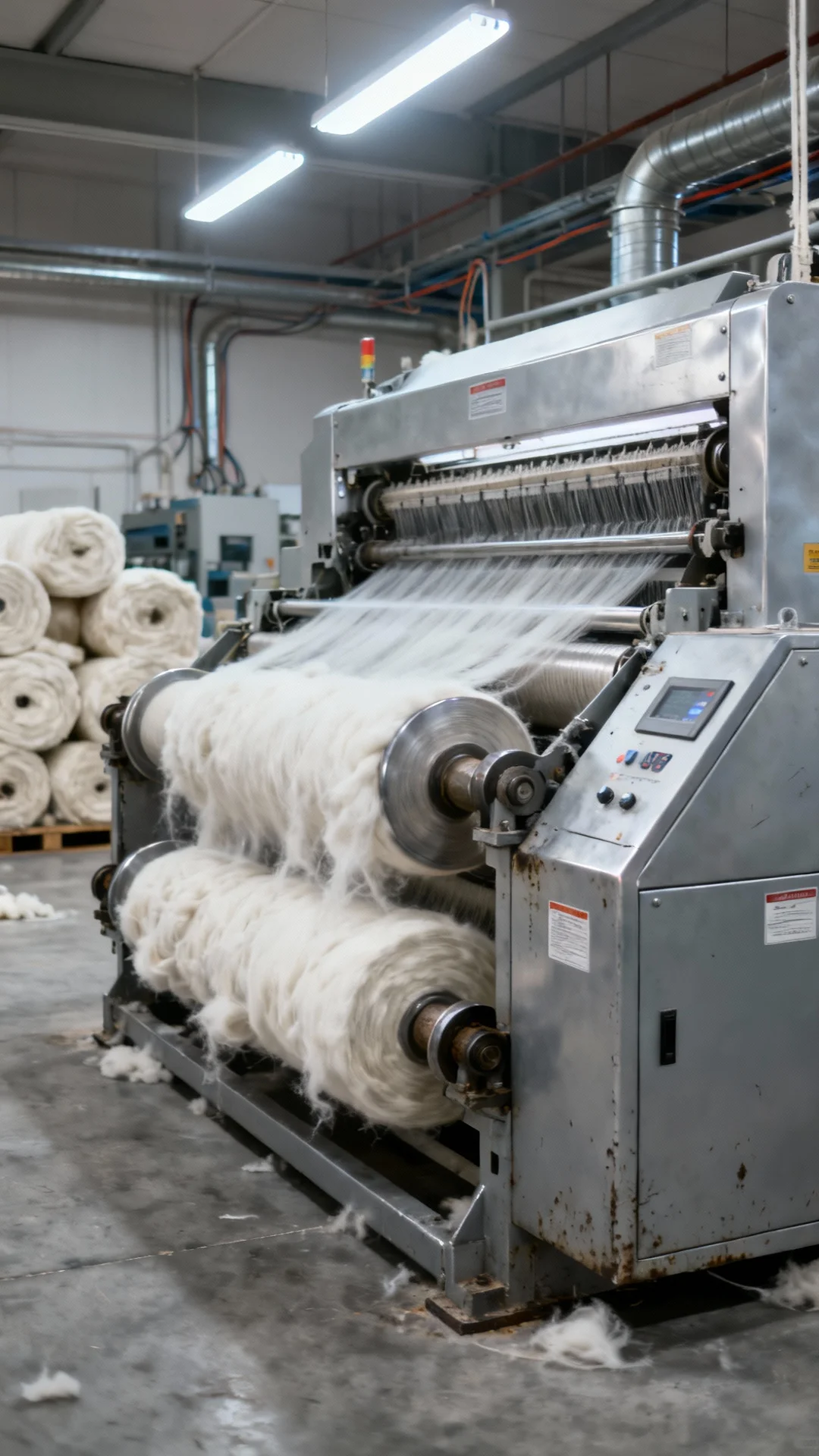
To effectively evaluate manufacturing partners, you must first understand the complete scarf production ecosystem. Leading manufacturers implement rigorous processes that ensure quality control at every stage of development:
Material Sourcing and Preparation: The Foundation of Quality
The manufacturing journey commences with raw material selection—a decision that fundamentally determines a scarf's quality, tactile properties, and environmental footprint. Distinguished manufacturers maintain relationships with premium material suppliers worldwide, offering an extensive portfolio including:
- Luxury natural fibers: Mulberry silk, Mongolian cashmere, Australian merino wool, and organic cotton
- Performance synthetic options: Recycled polyester, modal, and technical acrylic blends
- Innovative sustainable alternatives: Tencel™ Lyocell, Piñatex™, recycled silk, and vegetable-dyed fabrics
Material preparation involves specialized cleaning, carding, and spinning processes that transform raw fibers into yarn. For premium yarn-dyed designs—a technique ensuring superior colorfastness—yarn undergoes dyeing before weaving, necessitating sophisticated color management systems and expert shade matching capabilities. When evaluating manufacturers, inquire about their material testing protocols and certification verification processes.
Digital Design and Prototyping: The Modern Development Process
The integration of digital technologies has revolutionized scarf design and development. Cutting-edge manufacturers leverage advanced computer-aided design (CAD) systems and digital prototyping to:
- Create precise design specifications with accurate color separations
- Generate high-resolution digital prototypes for client approval
- Optimize pattern repeats and placement to minimize fabric waste
- Provide detailed cost projections based on design complexity
This digital workflow significantly accelerates development cycles and enables precise customization unattainable with traditional methods. When assessing manufacturers, evaluate their design software capabilities, prototyping turnaround times, and digital sample approval processes—these factors directly impact your time-to-market and design flexibility.
Core Production Techniques: Weaving, Knitting, and Printing
Weaving and Knitting Technologies
The production method significantly influences the scarf's final characteristics, performance, and aesthetic:
Woven scarves are crafted on specialized looms (jacquard, dobby, or plain weave) offering:
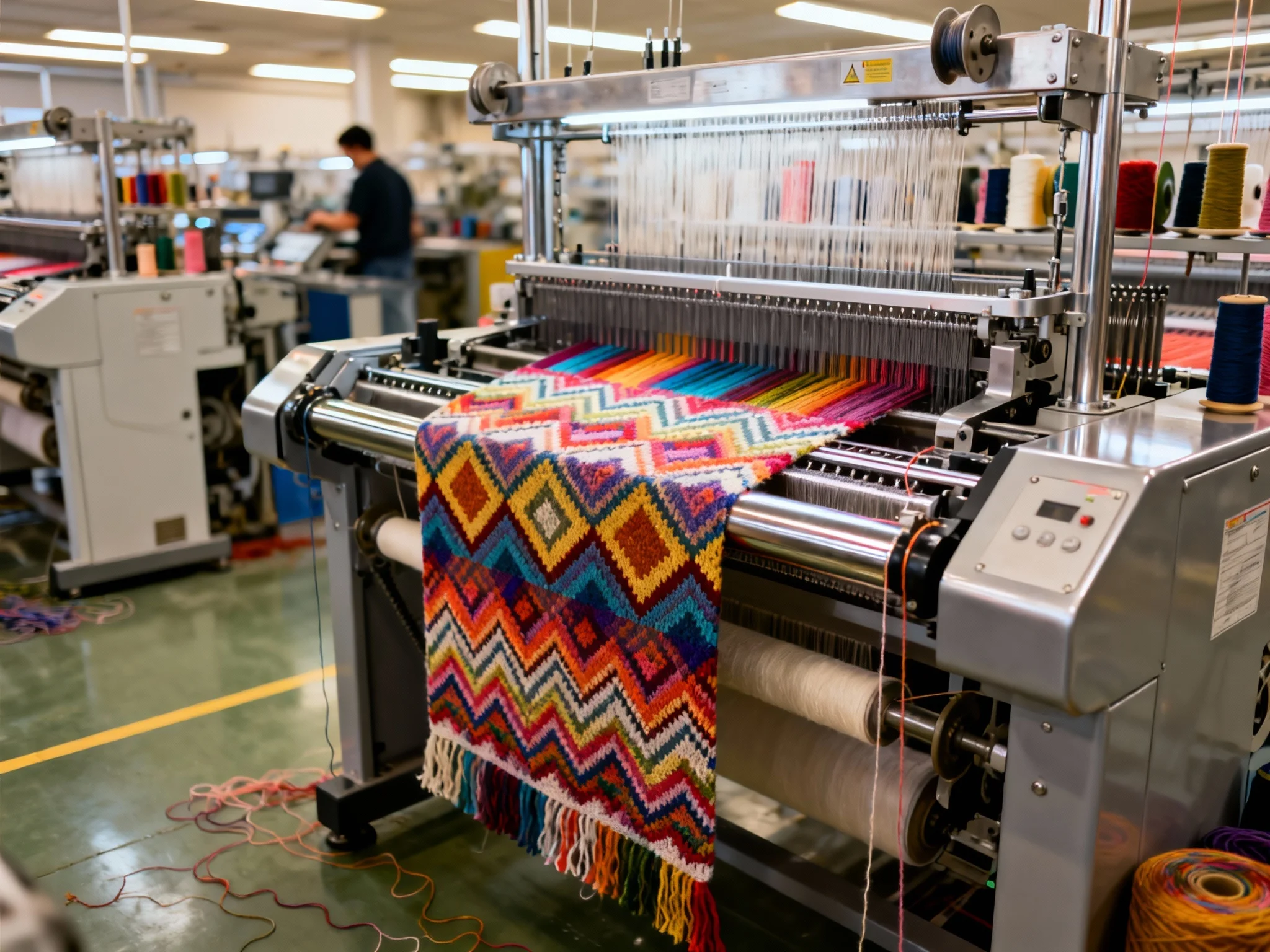
- Exceptional drape and structural stability
- Intricate pattern capabilities through advanced jacquard weaving
- Superior durability with higher production costs
- Production speeds ranging from 15-30 meters per hour for complex designs
Knitted scarves utilize computerized flatbed or circular knitting machines delivering:
- Enhanced stretch and flexibility
- Softer hand feel and fluid drape
- Faster production rates (40-80 meters per hour)
- Lower minimum order quantities for certain styles
Understanding these production differences is crucial for aligning manufacturing capabilities with your design requirements. The most versatile manufacturers maintain both weaving and knitting operations to accommodate diverse product needs.
Printing Technologies: Digital vs. Traditional Methods
The printing technique profoundly impacts design possibilities, production efficiency, and environmental footprint. Modern manufacturers typically offer multiple printing technologies to address different requirements:
Digital printing has transformed scarf production with:
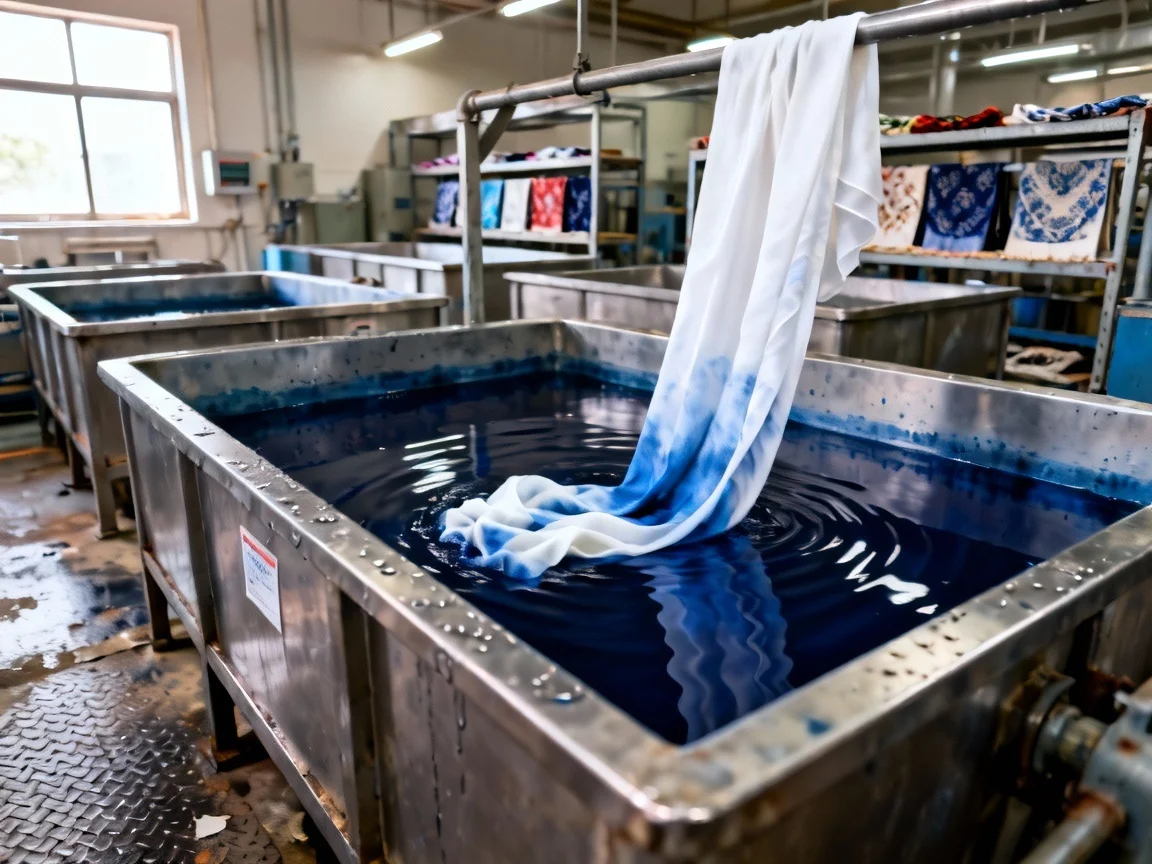
- Unlimited color options without additional cost implications
- Photorealistic reproduction capabilities and complex designs
- Minimal setup costs ideal for small runs and customization
- Significantly reduced water consumption (up to 95% less than traditional methods)
- Resolution capabilities of 1200-2400 DPI for extraordinary detail
Screen printing, the traditional alternative, remains valuable for:
- Large production runs requiring consistent color reproduction
- Specialized ink effects (metallic, textured, thermochromic)
- Maximum color saturation on specific fabrics
- Economical per-unit costs for high-volume standard designs
Dye sublimation offers distinct advantages for performance fabrics:
- Vibrant, long-lasting colors that penetrate the fiber structure
- Superior wash-fastness and light resistance properties
- Optimal results on polyester and polyester-blend fabrics
- Ability to print on finished garments as well as fabric rolls
The most sophisticated manufacturers maintain multiple printing technologies, selecting the optimal method based on design complexity, order quantity, fabric type, and sustainability goals.
Finishing, Quality Control, and Sustainable Packaging
The final production stages often distinguish exceptional manufacturers from average suppliers:
Specialized finishing processes may include:
- Precision washing and controlled shrinking for dimensional stability
- Expert steam pressing for optimal drape and appearance
- Artisanal fringe creation or edge treatments (rolled, hemmed, hand-rolled)
- Functional treatments (water repellent, anti-pilling, antimicrobial)
Comprehensive quality control protocols should encompass:
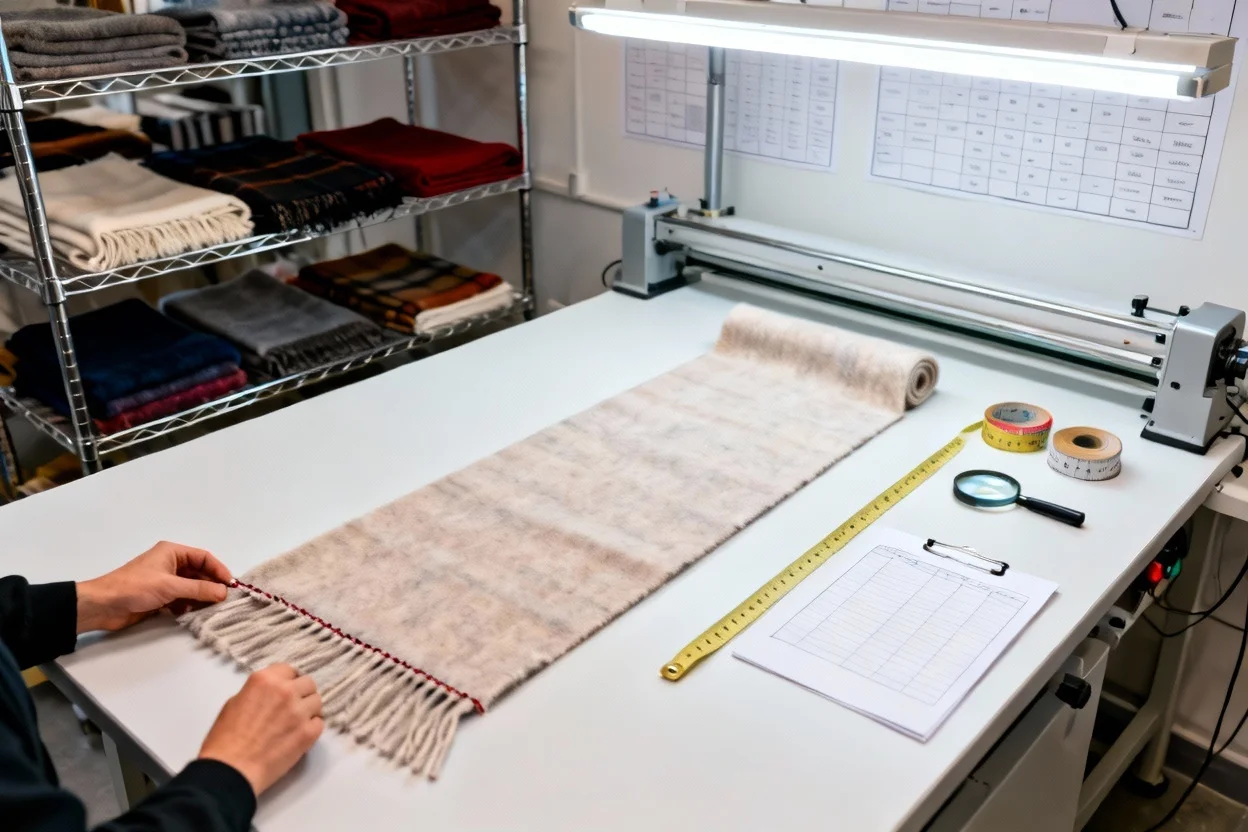
- Third-party inspection integration capabilities
- Defect classification systems with clear acceptance criteria
- Precision measurement verification (length, width, weight)
- Colorfastness and durability testing under various conditions
- Statistical process control with sampling at critical production stages
Eco-conscious packaging solutions increasingly demanded by sustainable brands:
- Recyclable, biodegradable, or compostable packaging materials
- Minimalist packaging designs to reduce environmental impact
- Custom branding options utilizing eco-friendly inks and materials
- Bulk packaging alternatives for logistics optimization
Critical Evaluation Criteria for Selecting Manufacturers
When assessing potential scarf manufacturing partners, prioritize these technical and operational factors that directly impact your product quality and business success:
Technical Capability Assessment
Equipment and Technology Infrastructure
The sophistication of a manufacturer's equipment directly influences production capabilities and quality:
- Digital printing infrastructure: Evaluate the age, calibration frequency, and capabilities of printing equipment—newer models (2023-2025) typically offer superior color management and production speeds.
- Loom and knitting machine diversity: Manufacturers with multiple equipment types can accommodate diverse design requirements.
- In-house testing facilities: On-site laboratories for color matching, fabric testing, and quality verification reduce lead times and ensure consistency.
Production Capacity and Scalability
Assess whether manufacturers can scale with your business needs:
- Current production volume capabilities (minimum and maximum order sizes)
- Standard and rush order lead times
- Seasonal capacity management and peak period planning
- Backup production capabilities to mitigate supply chain disruptions
Custom Scarf Manufacturing Capabilities
For brands requiring unique offerings, customization capabilities are paramount:
- Minimum order quantities (MOQs) for custom designs and fabrics
- Available design assistance and technical support
- Flexibility in fabric selection, dimensions, and finishing options
- Capacity for special packaging or labeling requirements
Quality Management and Compliance Systems
Quality Assurance Frameworks
Leading manufacturers implement structured quality management systems:
- ISO 9001 certification or equivalent quality standards
- Documented quality control procedures at each production stage
- Batch traceability systems for materials and production processes
- Corrective action protocols for addressing quality issues
Regulatory Compliance and Certifications
Depending on your target markets and sustainability commitments, verify:
- Ethical manufacturing certifications (Fair Trade, SA8000)
- Environmental management certifications (ISO 14001)
- Material certifications (GOTS for organic textiles, OEKO-TEX® Standard 100)
- Country-specific compliance requirements (EU REACH, CPSC for North America)
These certifications provide independent verification of manufacturing claims and are increasingly important for consumer trust and retail partnerships.
Sustainability Practices and Environmental Impact
Responsible Material Sourcing
Progressive manufacturers demonstrate transparency in material origins:
- Use of certified sustainable fibers and recycled content
- Traceability systems for raw material sourcing
- Commitment to responsible forestry and animal welfare standards
- Local sourcing initiatives to minimize carbon footprint
Eco-Efficient Production
Environmental impact reduction measures should include:
- Water and energy conservation programs with measurable targets
- Chemical management systems and wastewater treatment
- Waste reduction and recycling protocols
- Carbon footprint measurement and reduction strategies
2025 Sustainability Trends Implementation
Forward-thinking manufacturers are already implementing next-generation sustainable practices:
- Circular economy initiatives including take-back and recycling programs
- Bio-based dyeing technologies and natural colorants
- Renewable energy integration in production facilities
- Blockchain technology for enhanced supply chain transparency
The Scarf Production Workflow Evaluation Process
Initial Screening Questionnaire
Begin with these critical questions to identify qualified manufacturers:
- What minimum order quantities (MOQs) do you require for custom designs across different fabric categories?
- What scarf production workflow technologies do you specialize in, and what makes your capabilities unique?
- What sustainability initiatives has your facility implemented, and what specific metrics do you track?
- What are your standard production lead times from design approval to shipment?
- How do you ensure design confidentiality and protect intellectual property?
- What quality control processes are implemented throughout production, and what defect rate do you guarantee?
- What customization options exist beyond print design (fabric blends, finishes, dimensions)?
Factory Assessment Protocol
Whenever possible, conduct an on-site or virtual facility assessment focusing on:
- Production area organization, cleanliness, and workflow optimization
- Worker conditions, safety protocols, and training programs
- Equipment maintenance schedules and technological advancement
- Inventory management systems and material storage conditions
- Waste management and recycling practices
- Digital integration across production processes
For virtual assessments, request detailed video tours and live demonstrations of quality control procedures. Pay particular attention to how manufacturers document and track production processes—this reflects their commitment to consistency and accountability.
Comprehensive Sample Testing Protocol
Before committing to large-scale production, establish a rigorous sample evaluation process:
- Request production samples in target fabrics and designs
- Conduct durability testing (multiple wash cycles, abrasion resistance)
- Evaluate colorfastness under different lighting conditions
- Assess dimensional stability after washing and drying
- Compare physical samples against approved digital specifications
- Test packaging integrity with simulated shipping conditions
This testing phase represents a critical investment in avoiding costly production issues and ensuring product consistency.
Making the Strategic Selection
After completing your technical evaluation, synthesize the information to make a decision based on comprehensive criteria:
Brand Value Alignment
Select manufacturers whose capabilities, quality standards, and sustainability practices reflect your brand's market positioning—whether emphasizing luxury craftsmanship, sustainable innovation, cutting-edge design, or value-driven production. The ideal partner should enhance your brand's competitive advantage rather than merely produce your designs.
Total Cost of Partnership
Look beyond initial price quotes to consider the complete cost picture:
- Quality consistency and reduction in defective products
- Shipping efficiency and logistics optimization
- Communication effectiveness and problem resolution capabilities
- Long-term relationship benefits and volume pricing structures
The lowest initial price often comes with hidden costs in quality issues, delays, or poor communication.
Risk Mitigation Factors
Choose partners demonstrating:
- Financial stability and business longevity
- Diversified supply chains for critical materials
- Contingency planning for production disruptions
- Clear communication protocols and responsive account management
These factors become invaluable during unexpected industry disruptions or rapid business growth.
Conclusion and Implementation Strategy
Selecting the optimal scarf manufacturer requires a systematic evaluation of technical capabilities, quality systems, sustainability practices, and strategic alignment with your brand objectives. By following the framework outlined in this guide, you can make an informed decision that supports business growth and brand enhancement.
Implement these next steps to ensure a successful partnership:
- Develop a detailed request for proposal (RFP) based on your specific requirements
- Create a weighted scoring system for objective manufacturer comparison
- Conduct in-depth interviews with key production and quality personnel
- Establish clear performance metrics and regular review processes
- Negotiate comprehensive agreements addressing potential challenges
Remember that the strongest manufacturing partnerships evolve into strategic alliances where both parties contribute to mutual success. The right manufacturer will not merely execute your designs but provide valuable insights to optimize your products for quality, sustainability, and market appeal.
As the scarf manufacturing industry continues its evolution toward greater sustainability and digital integration, your manufacturing partners should demonstrate a commitment to continuous improvement and technological advancement. By selecting partners with this forward-thinking approach, you position your brand for long-term success in an increasingly competitive marketplace.