With over 15 years of expertise in luxury textile manufacturing and quality assurance, I've witnessed firsthand how rigorous quality auditing establishes the foundation of trust between manufacturers and prestigious brands. In an industry where reputation hinges on impeccable craftsmanship and unwavering quality consistency, mastering scarf production standards and compliance requirements isn't merely advantageous—it's the cornerstone of sustainable business growth and market leadership.
The Strategic Importance of Quality Auditing in Luxury Scarf Manufacturing
The luxury textile market demands nothing short of excellence. For boutiques, specialty retailers, and fashion houses sourcing scarves, quality encompasses far more than mere durability. It integrates material integrity, artisanal precision, ethical production practices, and brand alignment. A single quality lapse can compromise immediate business relationships and erode decades of brand equity.
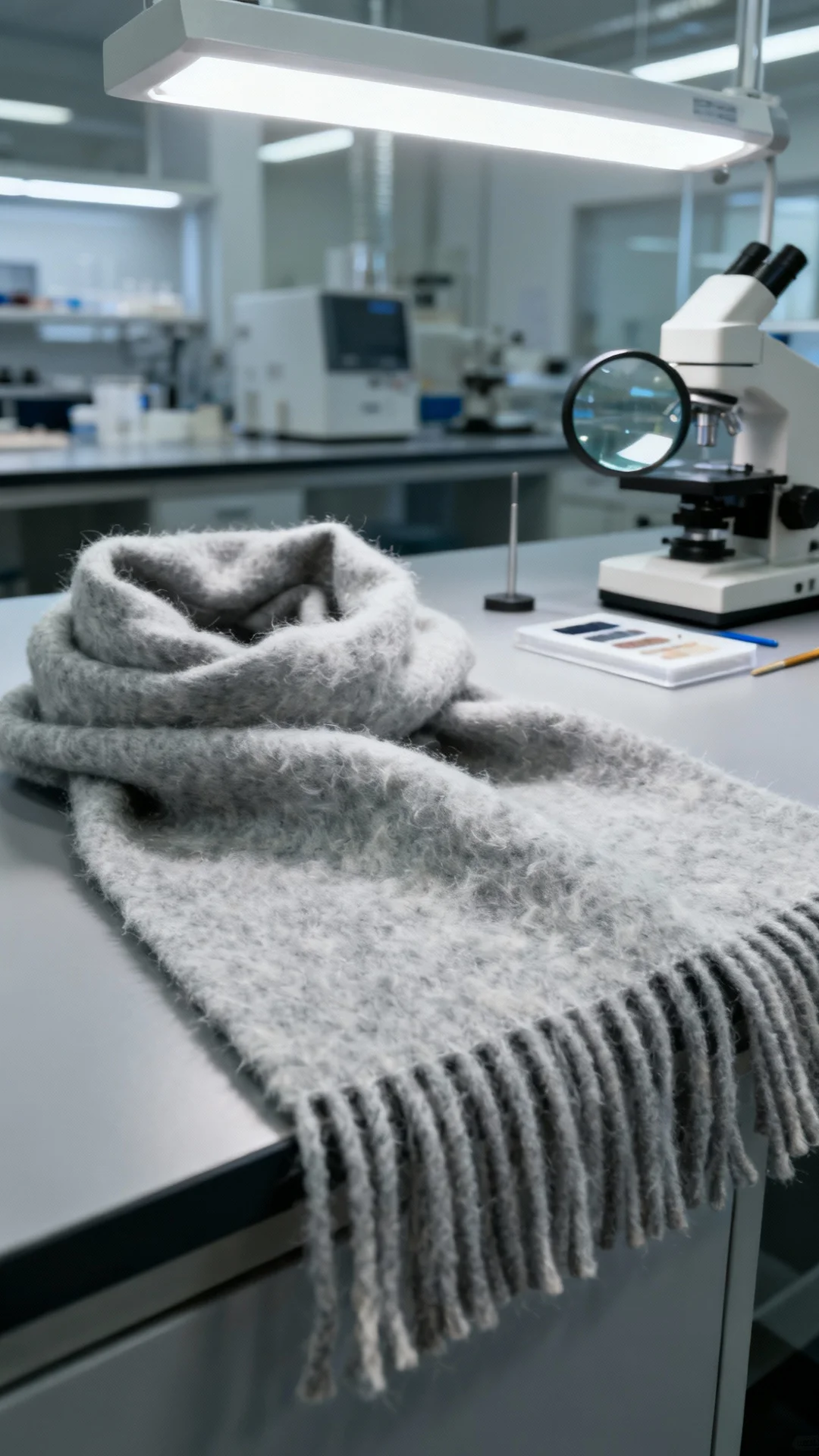
Industry data underscores this critical reality. According to the 2024 Luxury Textile Association report, brands implementing comprehensive quality auditing protocols experience 32% fewer production defects and 27% higher retailer retention rates compared to those with basic quality control measures. For manufacturers, sophisticated quality assurance directly translates to market differentiation and enhanced pricing power in competitive luxury markets.
Core Quality Standards for Luxury Scarves
Material Excellence Standards
Exceptional scarves originate from superior materials, making rigorous material evaluation the starting point of any credible quality audit. International standards organizations have established precise benchmarks for material excellence that luxury manufacturers must meet or exceed:
Natural Fiber Verification requires meticulous documentation of fiber origin, purity, and quality grading. Premium cashmere, for instance, must adhere to specific fiber diameter requirements (typically under 19 microns) and undergo comprehensive tensile strength and elasticity testing. Leading manufacturers like FENNYSUN implement blockchain-enabled traceability systems that document the material journey from source to production, ensuring both authenticity and ethical sourcing practices.
Silk Quality Assessment follows stringent grading systems evaluating fiber length, uniformity, and luster characteristics. The highest quality silk (Grade 6A) undergoes meticulous testing for fineness and consistency. Distinguished luxury manufacturers frequently establish proprietary standards that surpass industry minimums by 15-20%, creating their own benchmark for excellence.
Synthetic and Blended Materials demand verification of composition accuracy and performance characteristics. Advanced testing methodologies like Fourier-transform infrared spectroscopy (FTIR) ensure material blends match specified ratios and performance claims—an essential element for maintaining consistency across production runs and product lines.
Production Process Excellence
Transforming raw materials into luxury scarves involves multiple intricate stages, each necessitating specific quality controls and expertise:
Yarn Preparation and Dyeing must adhere to rigorous colorfastness standards, typically evaluated through ISO 105 testing protocols. Leading luxury manufacturers utilize computerized color matching systems that maintain Delta E values below 1.5—the industry standard for barely perceptible color variation. This precision ensures consistent color reproduction across batches, facilities, and production seasons.
Weaving and Knitting Standards focus on stitch uniformity, tension consistency, and pattern precision. Automated inspection systems, complemented by skilled quality technicians, verify that stitch density remains within +/-3% of specifications. Pattern alignment must maintain precision within 1mm tolerance for luxury designs, ensuring the intended aesthetic vision is perfectly executed.
Finishing Processes such as washing, steaming, and pressing require meticulously controlled parameters to prevent dimensional changes or material damage. Premium manufacturers invest in climate-controlled finishing environments and implement post-processing testing protocols to ensure scarves maintain their intended shape, drape, and hand feel throughout their lifecycle with consumers.
Performance and Safety Compliance
Luxury scarves must satisfy aesthetic expectations while delivering reliable performance and safety throughout their lifespan:
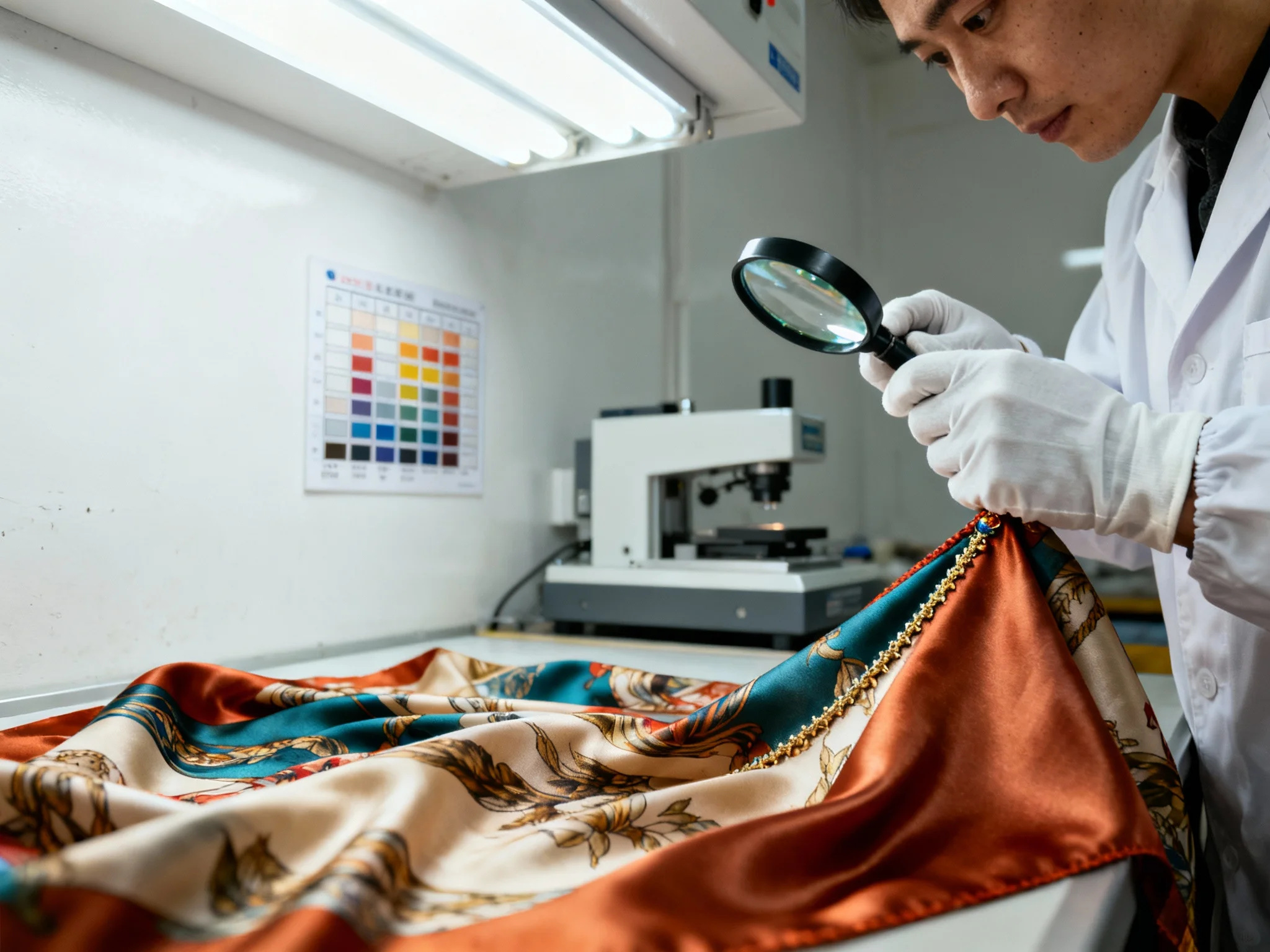
Durability Testing evaluates seam strength, abrasion resistance, and pilling propensity. Industry standards including ASTM D5034 (breaking strength) and ISO 12945-2 (pilling resistance) establish minimum thresholds, but luxury manufacturers typically set internal standards exceeding these requirements by 30-40% to ensure exceptional longevity worthy of their brand reputation.
Chemical Safety Compliance has become increasingly critical in global luxury markets. The OEKO-TEX® Standard 100 certification, widely recognized and respected in luxury segments, verifies that textiles contain no harmful substances at dangerous levels. As of 2024, approximately 78% of luxury retailers require this certification for sourced scarves, up from 62% in 2020, reflecting the growing importance of consumer safety in purchasing decisions.
Flammability Standards vary by market but represent universal safety concerns. Most jurisdictions require textiles to meet specific flammability ratings. Luxury scarves typically fall under Class 1 (normal flammability) according to ASTM D6413 standards, ensuring they burn at controlled rates that minimize risk to consumers.
Essential Compliance Requirements for Global Markets
International Certification Frameworks
Navigating textile certifications is a fundamental requirement for manufacturers serving global luxury markets:
ISO Standards provide a comprehensive foundation for quality management systems. ISO 9001:2015 certification demonstrates a manufacturer's commitment to consistent quality control processes. Specific applications include ISO 13934-1 (tensile testing) and ISO 13937-2 (seam strength). As of 2025, over 65% of luxury brands require their primary manufacturers to maintain ISO 9001 certification, making it a virtual prerequisite for market access.
OEKO-TEX® Certification has become virtually mandatory in the luxury sector. Standard 100 involves comprehensive testing for harmful substances—including heavy metals, formaldehyde, pesticides, and phthalates. The stricter Made in Green certification further verifies sustainable and ethical production practices, increasingly demanded by luxury retailers targeting environmentally conscious consumers who prioritize transparency.
GOTS Certification (Global Organic Textile Standard) addresses the growing demand for organic materials in luxury textiles. GOTS requires organic fibers to constitute at least 70% of the final product and mandates strict environmental and social criteria throughout the supply chain. Market research indicates that GOTS-certified scarves command 15-25% price premiums in the luxury retail segment, reflecting consumer willingness to pay for verified sustainable practices.
Regional Compliance Considerations
Manufacturers must navigate region-specific regulatory requirements that impact quality auditing protocols and product specifications:
European Union Regulations include REACH (Registration, Evaluation, Authorization and Restriction of Chemicals), which restricts certain substances in textiles, and Ecolabel certification for environmental performance. The EU's recent Circular Economy Action Plan introduced additional requirements for product durability and recyclability, directly affecting scarf quality standards in European markets and influencing global standards.
United States Requirements include CPSC (Consumer Product Safety Commission) regulations establishing safety standards for textiles, including flammability and lead content limits. The FTC's Textile Act and Wool Products Labeling Act mandate accurate fiber content labeling, requiring manufacturers to implement rigorous testing to verify material composition claims and prevent misleading consumers.
Asian Market Compliance presents unique complexities. China's National Textile Product Basic Safety Technical Specification (GB 18401) sets mandatory safety requirements for textiles sold in the country. Japan's JIS (Japanese Industrial Standards) and South Korea's KSB standards provide additional regional benchmarks that luxury manufacturers must address when targeting these important and discerning markets.
The Luxury Scarf Quality Auditing Process
Pre-Production Auditing
Effective quality management begins long before production commences with comprehensive pre-production verification:
Material Inspection Protocols involve detailed testing of incoming fibers and fabrics. Luxury manufacturers utilize sampling plans based on ANSI/ASQ Z1.4 standards, with typical AQL (Acceptable Quality Limit) levels of 0.65 for premium materials—significantly stricter than the 1.0-2.5 AQL common in standard textile production, reflecting the higher quality expectations of the luxury market.
Production Planning Review ensures manufacturing processes can consistently meet quality requirements. This includes verifying equipment calibration, operator training certification, and process documentation completeness. Advanced manufacturers employ digital manufacturing execution systems (MES) that provide real-time visibility into production parameters and quality metrics, enabling proactive quality management.
Prototype Evaluation represents a critical pre-production checkpoint where luxury scarves undergo thorough testing of color accuracy, pattern alignment, material drape, and hand feel before full production approval. Retail partners increasingly participate actively in this stage. Industry surveys indicate that 83% of luxury brands require prototype sign-off before production authorization, emphasizing its importance in the quality assurance process.
In-Process Quality Control
Maintaining consistent quality during production requires systematic monitoring and intervention strategies:
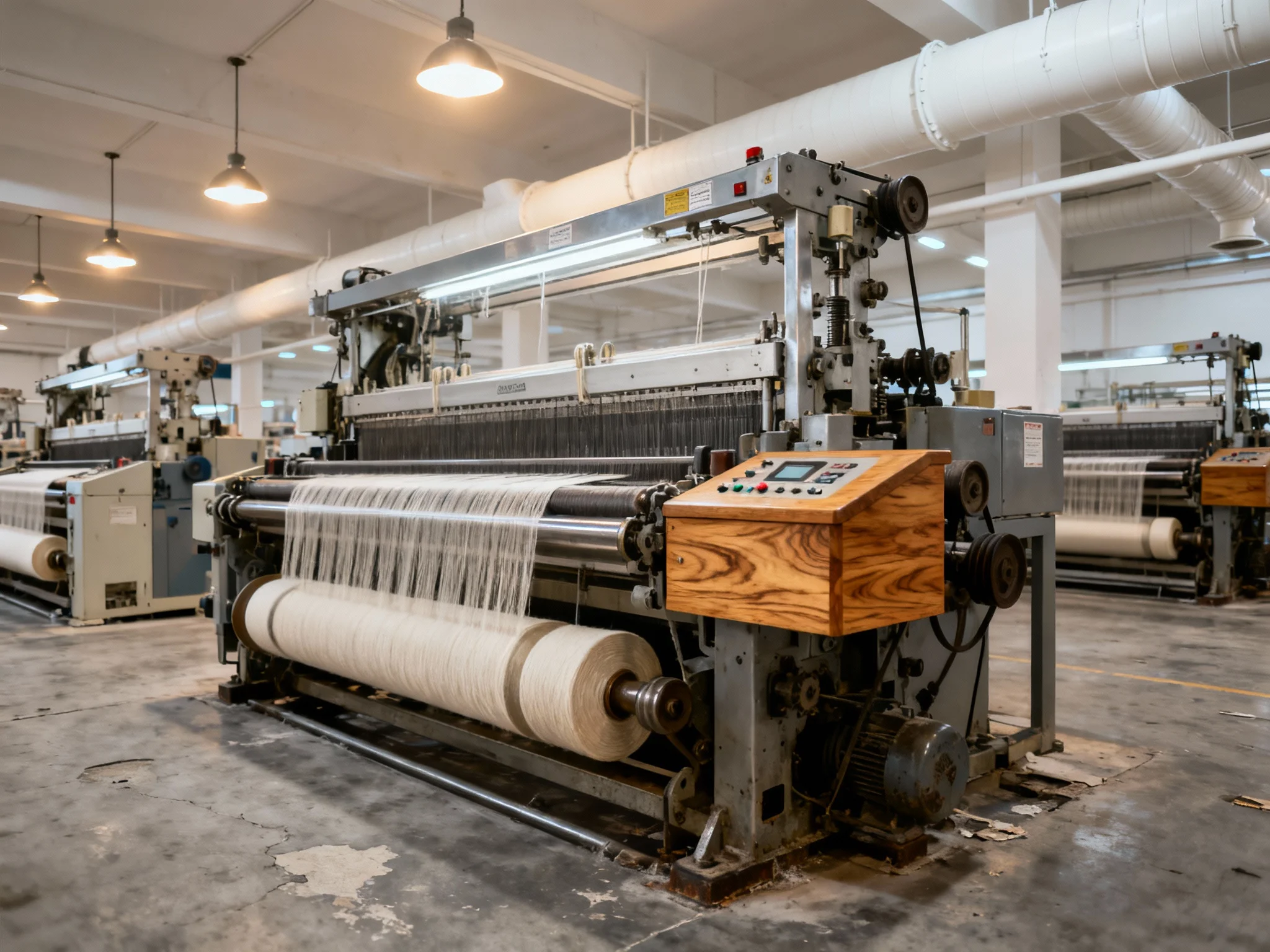
Critical Control Points (CCPs) are identified throughout production, with specific monitoring protocols developed for each stage. Dyeing operations, for example, implement continuous monitoring of temperature, pH levels, and dye concentration. Automatic alerts trigger when parameters deviate beyond acceptable ranges (typically +/-2% for critical variables), enabling immediate corrective action before quality issues escalate.
Statistical Process Control (SPC) methods are widely adopted in luxury manufacturing environments. Control charts track key quality metrics and identify trends before they result in defects. Benchmarking data from the Textile Technology International Association shows leading manufacturers have reduced process variation by 35-40% through effective SPC implementation, resulting in more consistent product quality.
Operator Quality Responsibility is emphasized through "quality at the source" programs where production personnel perform self-inspections and have authority to stop production when quality issues appear. Combined with regular skill validation and quality training, this approach has reduced production defects by up to 50% in leading luxury textile operations, demonstrating the value of employee empowerment in quality assurance.
Post-Production Quality Verification
Final inspection ensures finished products meet all quality requirements before shipment to clients:
Comprehensive Visual Inspection follows detailed checklists covering dimensions, color consistency, stitching quality, and finishing details. Luxury scarf inspections typically involve 100% visual examination (compared to sampling in standard production). Inspectors receive specialized training to identify even minor imperfections that could impact perceived quality in the luxury marketplace.
Performance Testing of finished products verifies that scarves meet established durability and functionality standards. Testing protocols include wash fastness (ISO 6330), dry cleaning resistance (ISO 3175), and abrasion resistance (ISO 12947). Results are meticulously documented in quality reports provided to retail partners, demonstrating compliance with agreed specifications.
Packaging and Presentation Inspection ensures final presentation meets luxury standards. This includes verifying folding techniques, packaging materials, labeling accuracy, and protective measures to prevent damage during transportation. Premium manufacturers often utilize climate-controlled packaging for delicate materials, maintaining specific humidity levels to prevent fiber damage and preserve product integrity until purchase.
Emerging Trends in Textile Quality Assurance
Technological Advancements in Quality Control
Industry 4.0 technologies are transforming quality assurance practices in textile manufacturing:
Automated Inspection Systems utilizing computer vision and artificial intelligence are increasingly adopted for quality control applications. These systems detect defects with greater accuracy and consistency than human inspectors alone, especially for subtle issues like color variation and weave irregularities. Advanced implementations achieve defect detection rates exceeding 99.5%, significantly reducing quality escape risks and ensuring consistent product quality.
Digital Quality Management Systems provide centralized platforms for managing quality data, inspection results, and corrective actions. Cloud-based solutions enable real-time quality monitoring across multiple production facilities, while analytics tools identify quality trends and improvement opportunities. Leading luxury manufacturers report 40% faster root cause analysis and 30% reduction in corrective action implementation time after adopting these integrated systems.
Blockchain Technology is emerging as a powerful tool for quality assurance and transparency in the luxury sector. Immutable records of material sourcing, production processes, and testing results allow retailers and consumers to verify quality claims throughout the supply chain. Several luxury brands have already implemented blockchain-based traceability systems, and consumer studies show a 23% higher willingness to pay for products with verified quality credentials, reflecting the value of transparency.
Sustainability and Ethical Quality Dimensions
Modern quality auditing increasingly incorporates environmental and social responsibility metrics into traditional quality assessments:

Sustainable Production Verification evaluates manufacturing processes for environmental impact—including water and energy usage, chemical management, and waste reduction strategies. The Sustainable Apparel Coalition's Higg Index has become a widely adopted framework for measuring these factors. Luxury manufacturers are setting ambitious targets that exceed industry averages by 25-30%, recognizing sustainability as a quality dimension that resonates with modern luxury consumers.
Ethical Manufacturing Standards address labor practices, workplace conditions, and social responsibility throughout the supply chain. Certifications like Fair Trade and SA8000 verify compliance with ethical standards, increasingly required by luxury retailers. Industry research indicates that 68% of millennial and Gen Z luxury consumers consider ethical production practices when making purchasing decisions, making this aspect of quality assurance increasingly important for market success.
Circular Economy Considerations are reshaping quality standards to emphasize durability, recyclability, and end-of-life management. Luxury scarf manufacturers are developing products with extended lifecycles, utilizing recyclable materials, and implementing take-back programs. Quality auditing now includes assessment of product recyclability and material recovery potential, reflecting circularity's growing importance in luxury markets and broader sustainability initiatives.
Implementing Effective Quality Auditing Systems
Building a Quality-Centric Culture
Sustained quality excellence requires organizational commitment that extends beyond procedures and standards to embed quality into the corporate culture:
Leadership Commitment must be visible and consistent, with executive-level quality councils and regular management reviews of quality metrics. Best-in-class manufacturers establish quality as a core value, often linking executive compensation to quality performance indicators to emphasize its strategic importance throughout the organization.
Employee Engagement Programs empower workers to contribute actively to quality improvement initiatives. Suggestion systems, quality circles, and continuous improvement training create a workforce invested in quality outcomes. Companies with highly engaged employees report 28% lower defect rates and 45% higher productivity in quality-critical processes, demonstrating the tangible benefits of cultural approaches to quality management.
Supplier Quality Collaboration extends quality expectations throughout the supply chain ecosystem. Luxury manufacturers work closely with material suppliers to develop joint quality standards and improvement programs, often conducting regular audits of tier 1 and tier 2 suppliers. Collaborative supplier relationships reduce material-related defects by 40-50% compared to transactional relationships, highlighting the value of partnership in quality assurance.
Developing a Comprehensive Quality Manual
Documentation provides the foundation for consistent quality implementation and knowledge transfer:
Quality Policy and Objectives establish the framework for the quality management system, with measurable goals aligned with business strategy. Leading manufacturers cascade these objectives throughout the organization, with department-specific quality targets and regular performance reviews to ensure accountability at all levels.
Standard Operating Procedures (SOPs) detail specific quality practices and requirements, with clear instructions for each production stage and quality activity. Effective SOPs include visual work instructions, process parameters, and quality checkpoints, with regular training and certification to ensure understanding and compliance across shifts and personnel changes.
Record-Keeping Requirements specify documentation practices for quality activities—including inspection results, test data, corrective actions, and audit reports. Digital quality management systems enable efficient record maintenance and retrieval. Advanced implementations provide real-time quality dashboards for management visibility, facilitating data-driven decision making and continuous improvement.
Conclusion: Quality as a Strategic Differentiator
In the competitive landscape of luxury textile manufacturing, quality auditing is more than a compliance requirement—it's a strategic tool for market differentiation and brand enhancement. By implementing the standards and processes outlined here, manufacturers can position themselves as trusted partners for discerning retailers and brands seeking consistent excellence.
The data speaks clearly: manufacturers with robust quality assurance systems achieve 23% higher prices, 31% fewer customer complaints, and 28% higher retailer retention rates than industry averages. For retail partners, rigorous quality auditing reduces supply chain risks, protects brand reputation, and ensures consistent product experiences that luxury consumers expect and deserve.
As the luxury textile market continues to evolve, quality standards will only grow more important. Manufacturers investing in advanced quality control technologies, sustainable practices, and continuous improvement cultures will thrive in this dynamic environment. Ultimately, the pursuit of quality excellence creates value for all stakeholders—manufacturers, retailers, and consumers—establishing the foundation for long-term success in the global luxury marketplace.