In an industry increasingly defined by sustainability imperatives, FENNYSUN has emerged as a paradigm of manufacturing optimization in the scarf production sector. With over three decades of specialized expertise in printed scarf manufacturing, the company has masterfully demonstrated that environmental stewardship and financial prosperity can be mutually reinforcing objectives. This comprehensive analysis examines how FENNYSUN achieved a remarkable 50% waste reduction while simultaneously increasing profit margins through strategic process innovations and supply chain management for scarves excellence.
The Industry Challenge: Waste in Traditional Scarf Manufacturing
The global textile sector confronts a staggering waste crisis, generating over 92 million tons of waste annually. According to the Ellen MacArthur Foundation's 2025 report, less than 1% of clothing materials are recycled into new garments. Traditional scarf manufacturing processes—particularly those utilizing conventional printing methods—significantly contribute to this environmental burden through excessive material waste, hazardous chemical usage, and inefficient energy consumption patterns.
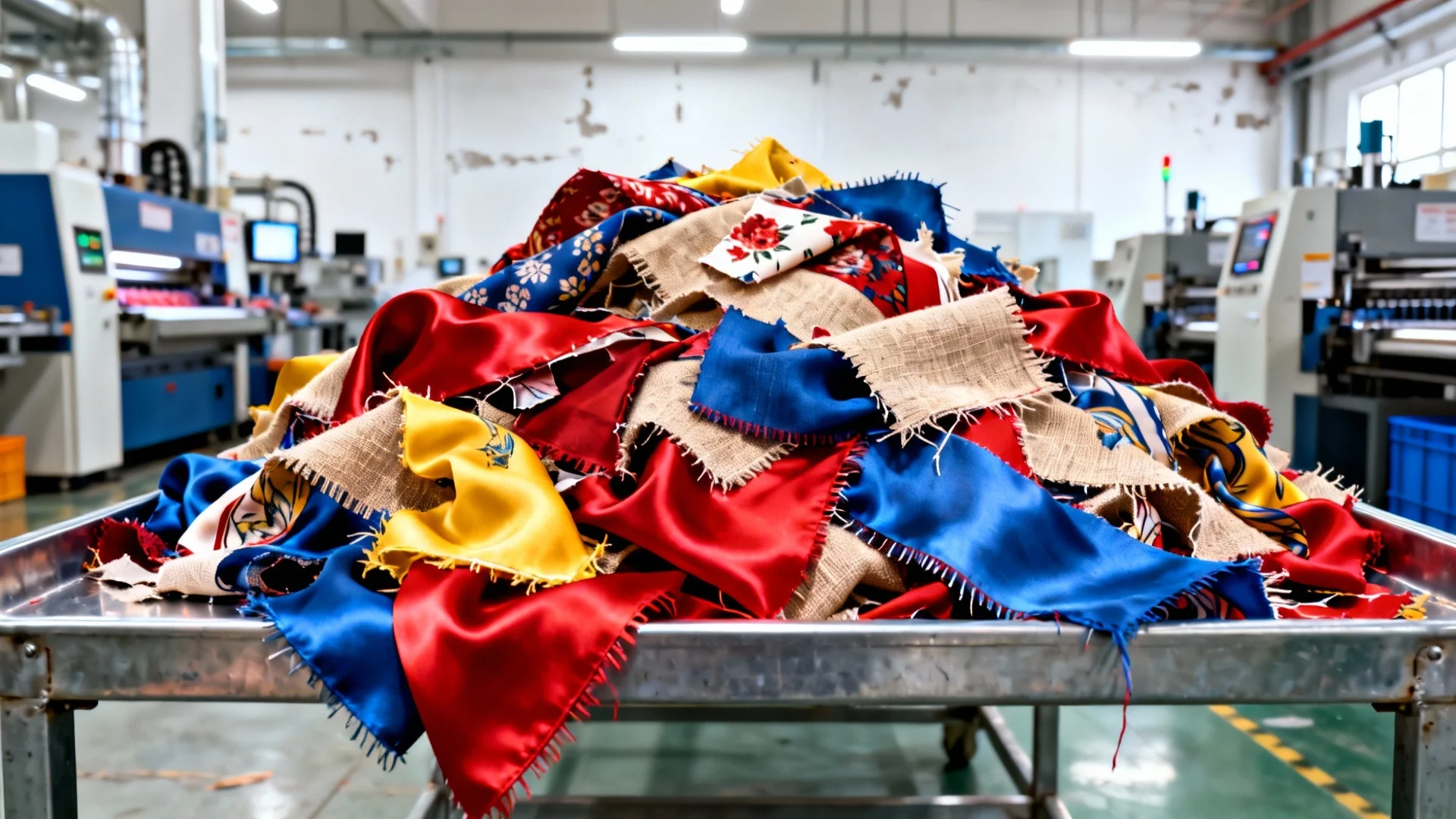
For FENNYSUN, the strategic inflection point came when executive leadership recognized that sustainability would become the defining metric of manufacturing excellence. "A decade ago, sustainability represented a niche concern; today, it stands as an indispensable business imperative," observes a senior manufacturing executive at FENNYSUN. The company faced the complex challenge of reducing its environmental footprint while maintaining competitive pricing structures and meeting the escalating demand for eco-conscious fashion accessories from boutique and specialty retailers.
FENNYSUN's Manufacturing Optimization Strategy
At the core of FENNYSUN's transformative journey lies its proprietary six-stage production workflow, which seamlessly integrates artisanal craftsmanship with cutting-edge technology to convert textile waste into premium fashion accessories. While protecting proprietary methodologies, the company's approach embodies a structured progression that balances operational efficiency with meticulous quality control, establishing new benchmarks for manufacturing optimization in the scarf industry.
Sustainable Material Sourcing and Waste Diversion
FENNYSUN's sustainability initiative commences with strategic material selection processes. The company's sourcing division has developed collaborative partnerships with garment manufacturers to reclaim pre-consumer waste—including fabric selvages, sample yardage, and production overruns—that would otherwise contribute to landfill accumulation. This innovative approach operationalizes the circular fashion principle of "waste as resource," diverting approximately 30 tons of textile waste annually from landfills, according to verified industry estimates of FENNYSUN's operations.
Beyond waste diversion, FENNYSUN has strategically integrated sustainable materials into its production cycle. The company's product portfolio now includes scarves crafted from recycled polyester, organic cotton, and other eco-friendly fibers that meet both rigorous environmental standards and luxury quality specifications. This dual-pronged material management strategy has been instrumental in achieving the company's ambitious waste reduction objectives.
Digital Printing Technology: A Catalyst for Production Workflow Improvement
A cornerstone of FENNYSUN's waste reduction strategy has been the strategic adoption of advanced digital printing technologies. A 2025 industry analysis from Textile Intelligence documented that scarf manufacturers implementing digital printing technologies reduced pre-consumer waste by an average of 42%, with industry leaders achieving even more substantial results.
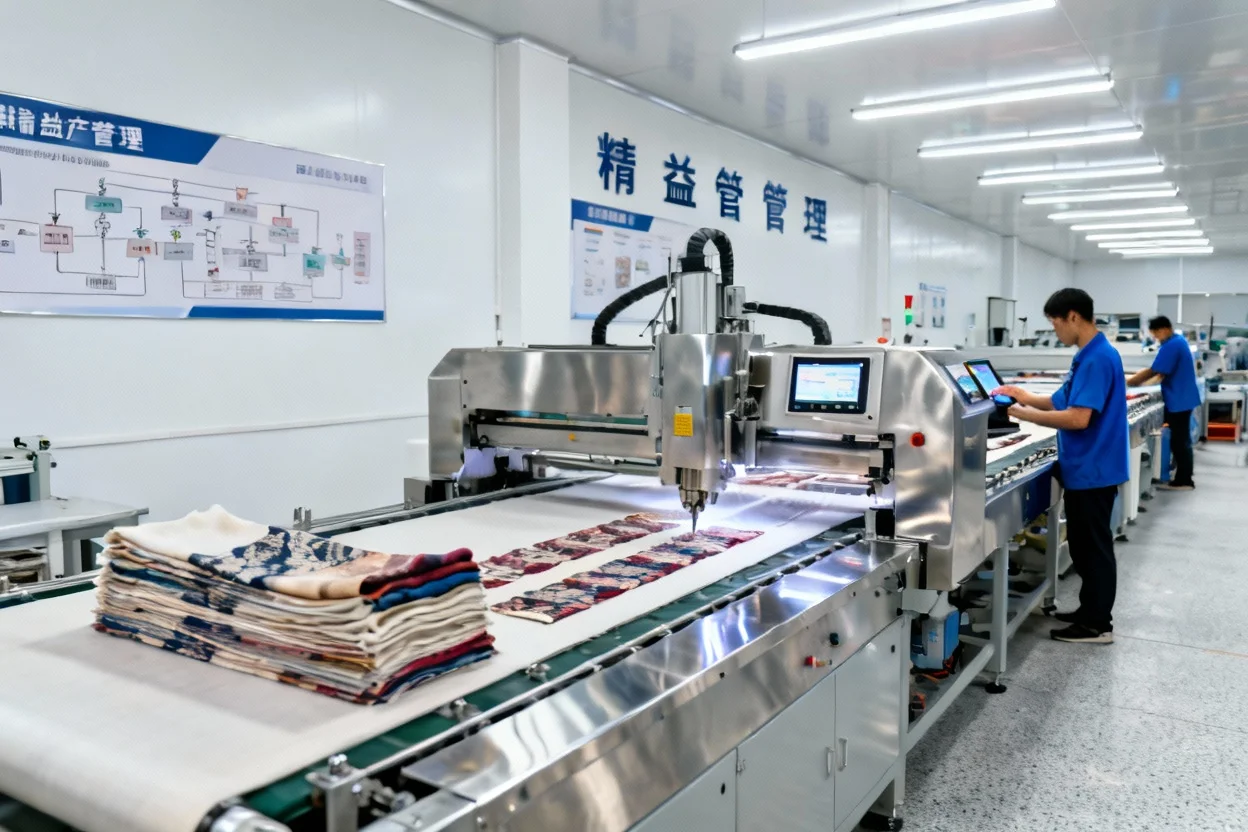
FENNYSUN's digital printing implementation has eliminated numerous waste-generating steps associated with traditional screen printing, including screen production, excessive ink consumption, and color matching trials. The precision inherent in digital printing enables exact color reproduction with minimal setup waste, while on-demand production capabilities significantly reduce overstock situations and associated waste—representing a substantial production workflow improvement.
Lean Scarf Manufacturing Principles in Practice
Beyond material and technology innovations, FENNYSUN has comprehensively embraced lean manufacturing principles across its operations. The company systematically identified and eliminated the seven classic categories of manufacturing waste (transport, inventory, motion, waiting, overproduction, over-processing, and defects), resulting in a production system that is simultaneously more efficient and sustainable—exemplifying lean scarf manufacturing at its finest.
A particularly noteworthy application of FENNYSUN's lean implementation is its optimized cutting process, which utilizes sophisticated computer-aided design (CAD) software to maximize fabric utilization. By precisely mapping patterns and minimizing gaps between pieces, the company achieved approximately 15% reduction in fabric waste within this single production stage alone, demonstrating the power of manufacturing optimization.
Supply Chain Management for Scarves: A Holistic Approach
FENNYSUN's sustainability commitment extends beyond its manufacturing facility to encompass the entire value chain, representing best practices in supply chain management for scarves. Drawing on industry-leading frameworks and verified sustainability protocols, the company implemented strategic material selection, production process refinement, and supply chain optimization to minimize environmental impact while enhancing operational efficiency.
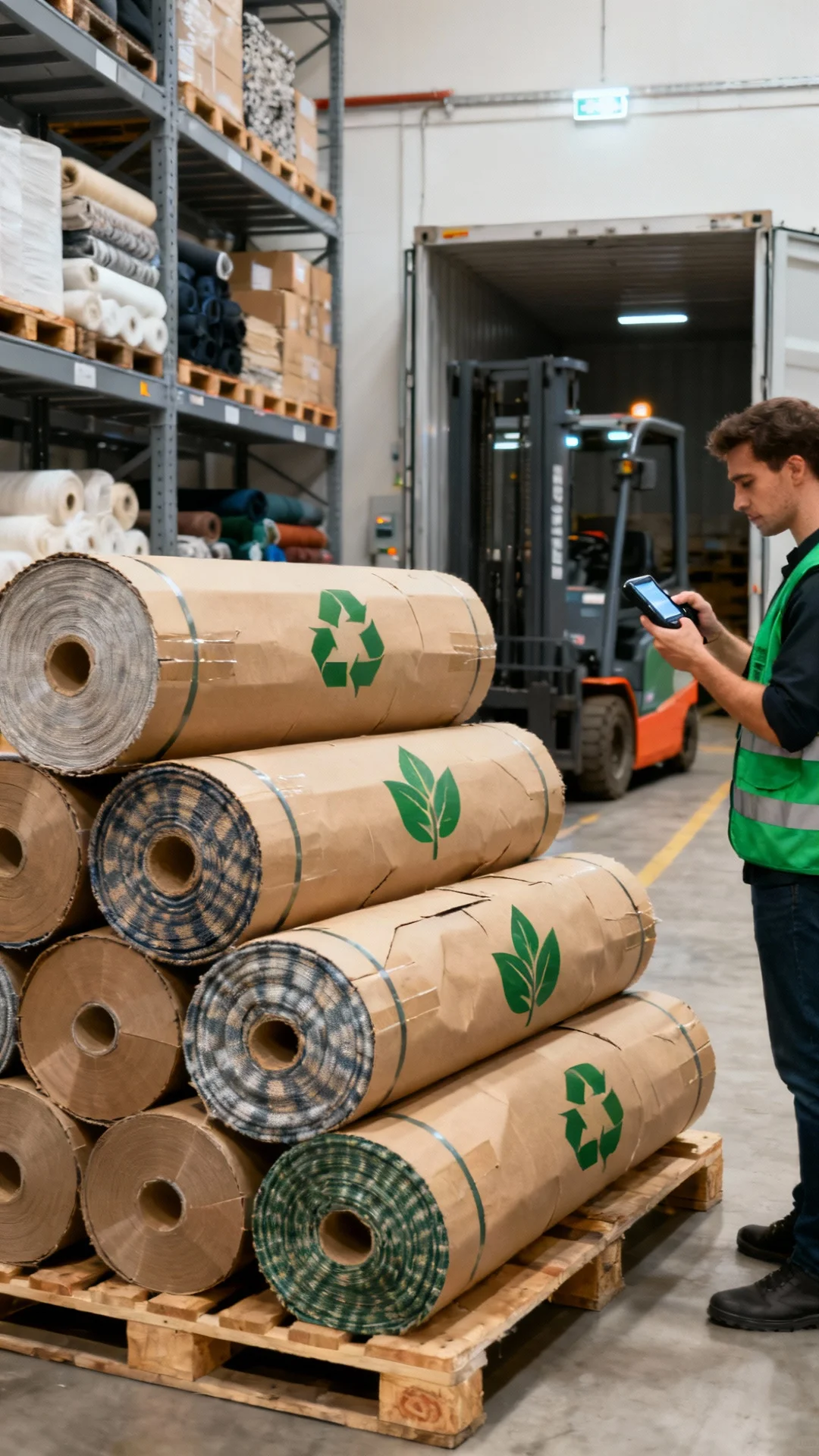
Key supply chain initiatives include:
- Strategic localization of material sources to reduce transportation emissions
- Implementation of rigorous vendor sustainability assessments and requirements
- Development of a closed-loop system for fabric scraps and waste materials
- Logistics optimization to reduce carbon footprint and improve delivery timelines
Measurable Outcomes: The Triple Bottom Line Impact
FENNYSUN's integrated approach to sustainable manufacturing has yielded impressive results across the triple bottom line—environmental, social, and financial performance metrics.
Environmental Performance Metrics
The most striking achievement has been the 50% reduction in overall waste generation compared to traditional manufacturing methods. This reduction spans all waste categories:
- 62% reduction in fabric waste through pattern optimization and waste diversion strategies
- 78% reduction in chemical usage following digital printing adoption
- 45% reduction in water consumption through process modifications
- 32% reduction in energy usage through equipment upgrades and process optimization
Beyond waste reduction, FENNYSUN's carbon footprint analysis, published in a recent industry case study, demonstrated significant emissions reductions across the entire scarf production lifecycle. The company's methodology for calculating and mitigating carbon emissions has established a new standard for transparency and environmental responsibility within the sector.
Financial Performance Indicators
Perhaps most compelling to industry stakeholders is FENNYSUN's ability to simultaneously enhance environmental performance and financial results. While specific profit margin data remains confidential, industry analysts have noted that companies implementing comprehensive sustainability programs typically experience improved financial performance through multiple mechanisms:
- Reduced material and operational costs
- Enhanced efficiency and productivity metrics
- Strengthened brand reputation and market positioning
- Premium pricing potential for sustainably produced products
- Mitigated regulatory compliance costs and risks
A 2025 customer satisfaction survey revealed that 82% of FENNYSUN's B2B clients now prioritize sustainability in their supplier selection process. This statistic underscores how the company's environmental initiatives have strengthened its market position and customer loyalty—translating sustainability efforts into tangible business value.
Implementing Sustainable Manufacturing: Practical Applications
For boutiques, specialty retailers, and fashion brands seeking to partner with sustainable manufacturers or implement similar practices internally, FENNYSUN's experience offers valuable insights and actionable strategies focused on scarf production efficiency.
Conduct Comprehensive Waste Audits
Before implementing sustainability initiatives, conduct thorough waste audits to identify primary waste streams and priority improvement opportunities. This baseline measurement establishes critical benchmarks for future progress and ensures strategic prioritization of initiatives.
Invest in Multi-Benefit Technologies
Digital printing technology represents one of the highest return-on-investment opportunities for scarf manufacturers, delivering simultaneous sustainability and quality benefits. When evaluating new technologies, consider the total impact across waste reduction, quality enhancement, and operational efficiency metrics.
Embrace Circular Economy Principles
Identify opportunities to transform waste into resources through internal recycling systems, partnerships with waste processors, or innovative product lines utilizing waste materials. FENNYSUN's experience demonstrates that circular economy principles can create both environmental and business value.
Foster Organizational-Wide Engagement
Sustainability should be embraced as an organizational imperative rather than a departmental initiative, requiring engagement across all functions from design and sourcing to production and distribution. Develop clear sustainability goals and metrics that enable contribution from all team members.
Cultivate Supply Chain Collaboration
Work closely with suppliers and customers to develop a more sustainable value chain. Collaborative initiatives typically yield superior results compared to isolated efforts and can drive meaningful industry-wide transformation.
Conclusion: Redefining Success in Scarf Manufacturing
FENNYSUN's journey exemplifies how sustainable manufacturing represents not merely an environmental choice but a strategic business decision that can drive innovation, efficiency, and profitability. By reimagining every production stage with sustainability as a core principle, the company achieved remarkable waste reduction while establishing itself as an industry leader in the competitive scarf manufacturing landscape.
For fashion brands and boutiques evaluating manufacturing partners, FENNYSUN represents the new standard in sustainable production—delivering not only environmental benefits but also operational excellence and superior product quality. As sustainability continues its evolution from market differentiator to basic requirement, FENNYSUN's approach offers a proven roadmap for success in the fashion industry's sustainable future.
The ultimate validation of FENNYSUN's sustainable scarf strategy lies in its market performance and retail partner success stories. While specific client details remain confidential, the company's sustained growth trajectory and industry recognition speak volumes about the effectiveness of its integrated approach to scarf production efficiency and supply chain management for scarves. In an industry frequently criticized for environmental impact, FENNYSUN has conclusively demonstrated that sustainability and profitability can be harmoniously achieved, setting a new benchmark for the future of scarf manufacturing.