In today's rapidly evolving fashion landscape, scarf printing automation stands at the forefront of manufacturing transformation. This technological advancement enables producers to meet the escalating demands for customization, sustainability, and rapid delivery that define contemporary consumer expectations. With over a decade of experience implementing digital textile solutions, I've witnessed firsthand how automation technologies are fundamentally reshaping production paradigms across the industry. This comprehensive guide explores the technical advancements, operational benefits, and practical applications of digital printing automation specifically optimized for scarf manufacturing.
The Evolution of Scarf Printing: From Traditional Methods to Digital Automation
The transition from conventional screen printing to digital automation represents a quantum leap in textile production capabilities. Traditional methodologies relied heavily on physical screens for each color separation, imposing significant limitations on design complexity, production flexibility, and environmental sustainability. Modern digital printing automation has not only eliminated many of these constraints but introduced capabilities that perfectly align with the dynamic needs of today's fashion industry.
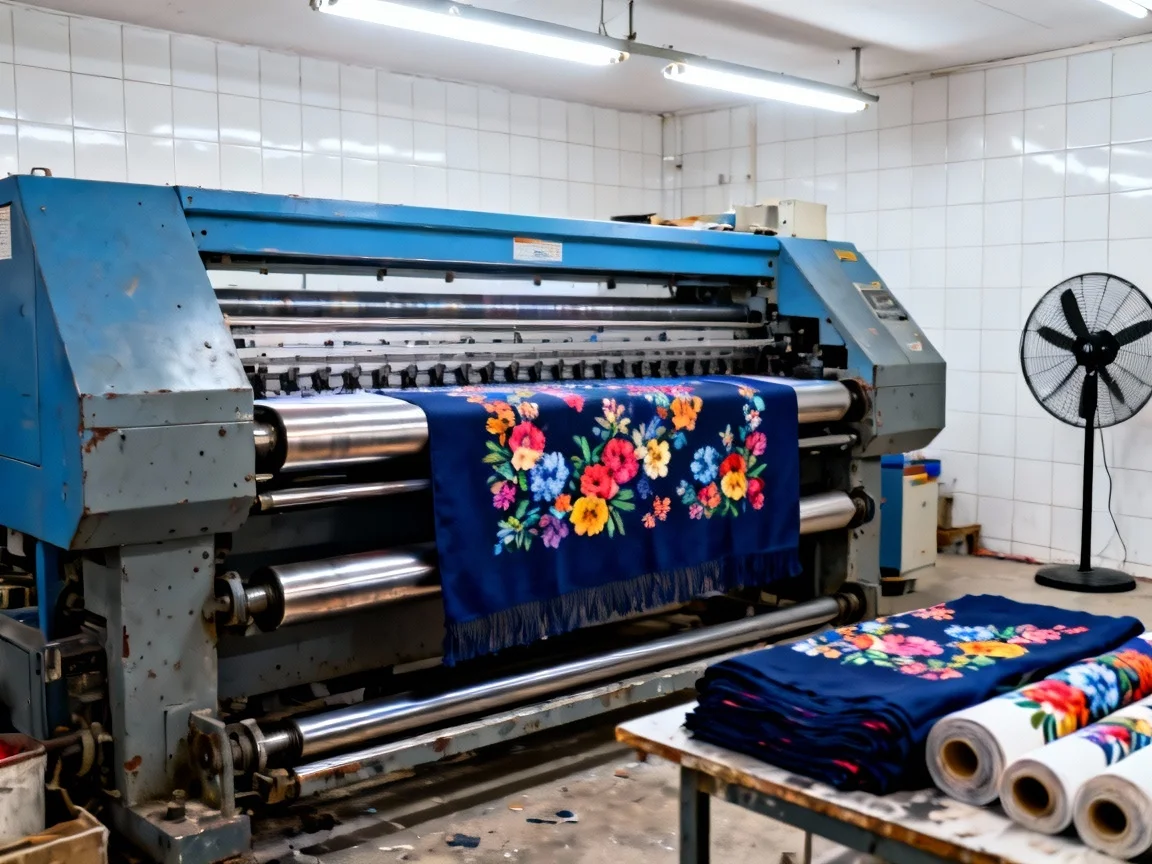
Key Limitations of Traditional Printing Methods
Traditional scarf production encountered several critical challenges that digital automation now effectively addresses:
- Design Restrictions: Limited color ranges (typically 6-8 colors) and fixed pattern repeats severely constrained creative possibilities
- Production Inflexibility: Prohibitive setup costs rendered small-batch production economically unviable
- Environmental Impact: Water-intensive processes (consuming up to 50 liters per meter of fabric) and substantial chemical waste raised significant sustainability concerns
- Time Delays: Extensive screen preparation and drying times often stretched production cycles to weeks rather than days
- Quality Inconsistencies: Manual processes frequently resulted in variations in color matching and registration across production runs
The Digital Transformation in Scarf Manufacturing
Digital technologies have completely revolutionized scarf production workflows. Industry analysts project the global digital textile printing market will reach $4.06 billion by 2028, expanding at a compound annual growth rate (CAGR) of 7.32%. This remarkable growth, driven largely by escalating demand for customized accessories like scarves, underscores the tangible benefits that digital automation delivers to manufacturers and brands operating in today's competitive marketplace.
Core Components of Scarf Printing Automation Systems
Modern automated scarf printing systems represent integrated technological ecosystems that work synergistically to deliver efficient, high-quality production outcomes. A comprehensive understanding of these components is essential for evaluating and implementing the optimal solution for specific manufacturing requirements.
Hardware Infrastructure
The foundation of any automated digital printing system consists of specialized hardware engineered specifically for textile applications:
Digital Printing Machines are available in various configurations to accommodate diverse production scales and fabric types:
- Single-pass printers: Engineered for high-volume production with impressive speeds reaching 60-120 square meters per hour
- Scan printers: Optimized for smaller batches and prototyping applications where superior color accuracy is paramount
- Hybrid systems: Integrating features of both approaches to create flexible production environments capable of adapting to varying requirements
Critical hardware considerations include advanced print head technology (with Piezoelectric systems representing the current industry standard), color station configuration (typically 6-8 colors plus white), and specialized fabric handling systems designed to accommodate delicate materials such as silk and wool.
Pre- and Post-Processing Equipment completes the automation ecosystem:
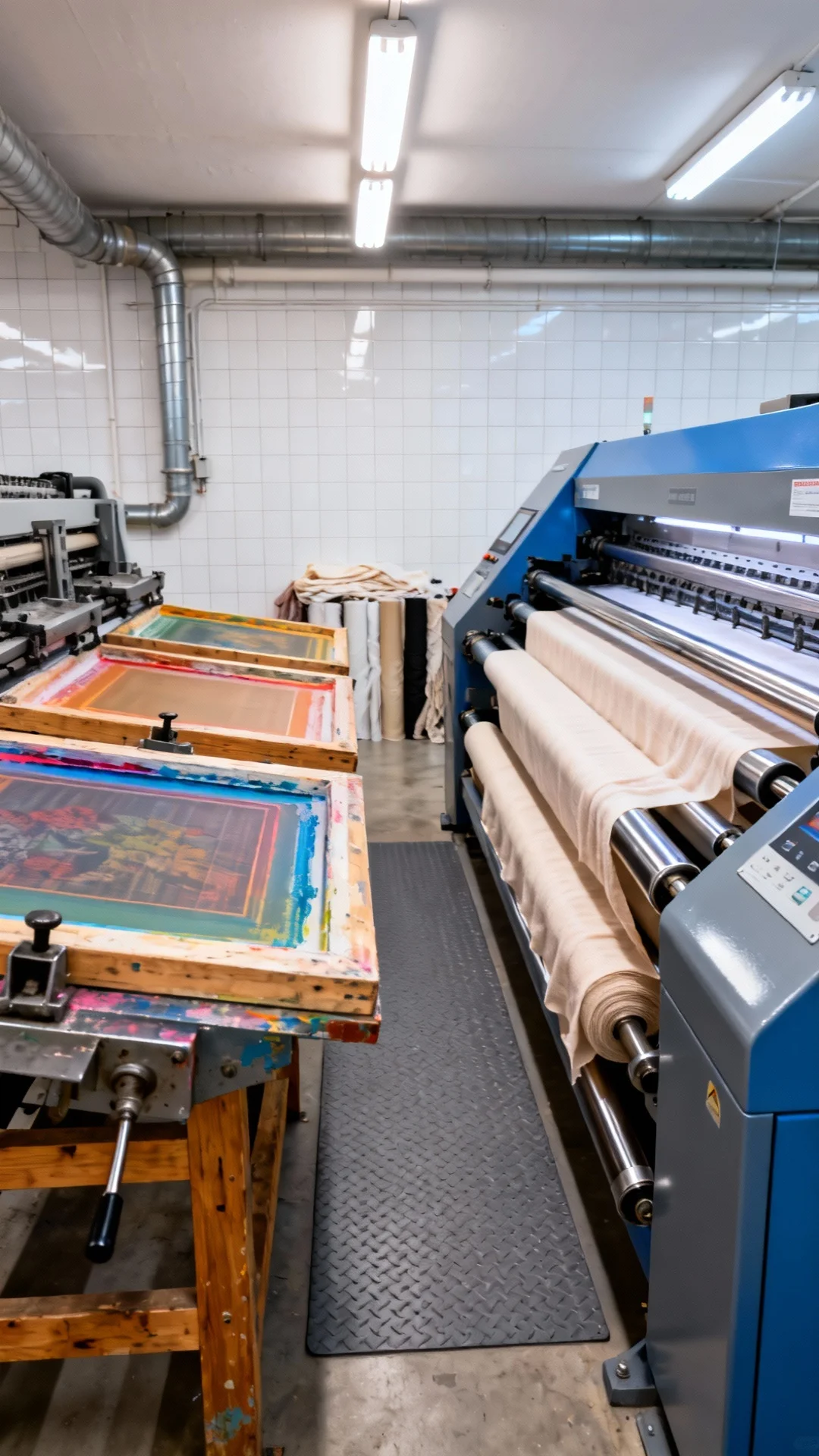
- Automated fabric pretreatment units that precisely prepare materials for optimal ink adhesion
- Conveyorized drying systems with sophisticated temperature control to prevent fabric damage
- Quality inspection stations equipped with high-resolution cameras for automated defect detection
- Robotic material handling systems that minimize human contact with delicate fabrics
Software Solutions for Seamless Workflow Automation
The transformative power of digital printing automation is significantly amplified by sophisticated software that integrates the entire production process:
Design-to-Production Workflows streamline the transition from creative concept to physical product:
- Advanced CAD/CAM integration that converts design files directly to print-ready formats
- Powerful RIP (Raster Image Processor) software that optimizes images for specific fabrics and inks
- Sophisticated color management systems ensuring consistency across different printers and materials
- Intelligent production scheduling software that prioritizes jobs based on deadlines and material availability
Industry 4.0 Integration enables the smart manufacturing capabilities essential for modern production:
- IoT sensors continuously monitoring machine performance and predicting maintenance needs
- Cloud-based platforms providing real-time production visibility and enabling remote monitoring
- AI-powered analytics that identify efficiency improvements and quality trends
- Digital twin technology creating virtual replicas of production lines for optimization testing
Technical Advantages of Automated Digital Printing for Scarves
The technical benefits of automated digital printing systems extend far beyond simple efficiency gains, impacting every aspect of scarf production from design flexibility to sustainability performance.
Enhanced Design Capabilities and Creative Freedom
Digital automation empowers designers with unprecedented creative possibilities:
- Unlimited color options without incurring additional setup costs
- Complex gradient effects and photographic quality reproduction previously unattainable
- Variable data printing enabling unique designs within production runs
- On-demand design modifications without disruptive production interruptions
These capabilities prove particularly valuable for luxury scarf brands where exclusivity and design intricacy serve as critical market differentiators. Forward-thinking companies have leveraged digital printing to create limited-edition collections featuring museum-quality artistic reproductions that would be impossible to achieve with traditional methods.
Production Efficiency and Cost Optimization
Automated digital systems deliver measurable improvements in production economics:
- Elimination of substantial setup costs associated with screen preparation
- Significant labor reduction through automated material handling and quality control
- Energy savings of 30-50% compared to traditional processes
- Reduced waste through precise ink application and minimal fabric testing requirements
Cost analyses consistently demonstrate that for production runs under 500 units, digital printing typically delivers lower per-unit costs than screen printing, especially when multiple colors are involved. The ability to economically produce small batches has opened new business models focused on limited editions and personalized products that were previously unfeasible.
Quality Control and Consistency
Automated systems introduce unprecedented quality assurance capabilities:
- Closed-loop color calibration maintaining consistency across production runs and between different printing systems
- Automated defect detection with accuracy rates exceeding 99.7%
- Real-time print quality monitoring with automatic adjustment capabilities
- Digital archiving ensuring exact reproduction of successful designs
These quality control mechanisms are particularly critical for luxury brands where product consistency directly impacts brand reputation and customer satisfaction.
Sustainable Manufacturing Through Digital Automation
Environmental concerns are increasingly influencing consumer purchasing decisions and corporate responsibility initiatives. Digital printing automation offers significant sustainability advantages over traditional methods that align with both market demands and regulatory requirements.
Environmental Impact Reduction
The environmental benefits of digital printing automation are substantial and measurable:
- Water consumption reduced by up to 95% compared to traditional wet processing methods
- Ink usage optimized through precise droplet placement, minimizing waste
- Energy requirements lowered through targeted heating and process optimization
- Chemical usage significantly reduced by eliminating many pre-treatment steps
A comprehensive lifecycle assessment comparing rotary screen and digital printing found that digital technology reduces carbon footprint by approximately 30% for equivalent production volumes. These sustainability metrics have evolved from mere compliance factors to powerful marketing tools as brands increasingly communicate their environmental commitments to environmentally conscious consumers.
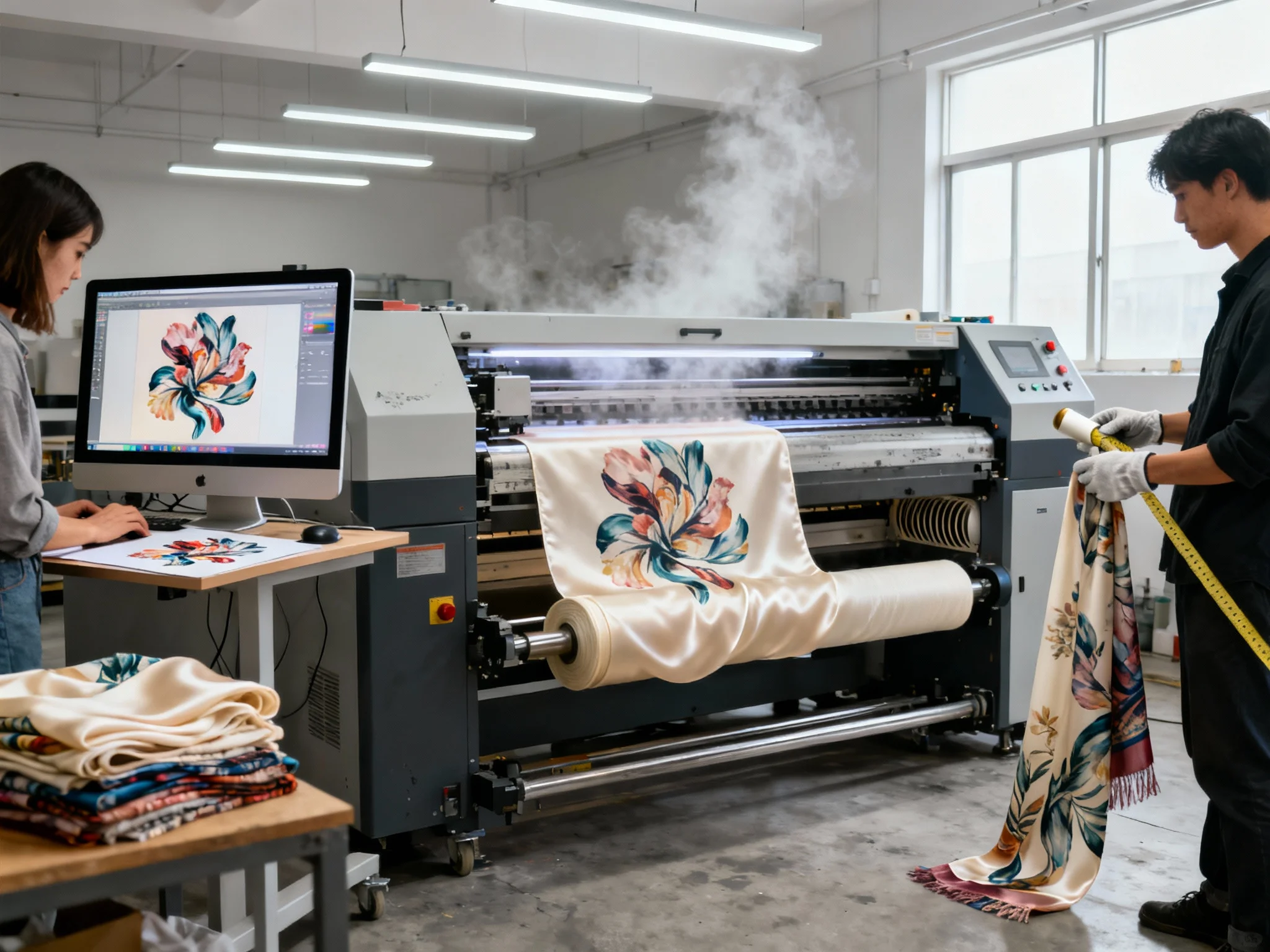
Sustainable Material Utilization
Automation enables more efficient use of premium materials:
- Precise material alignment minimizing fabric waste
- Nesting optimization for maximizing yield from each fabric roll
- Reduced testing requirements through digital prototyping capabilities
- Compatibility with eco-friendly inks and sustainable fabric options
Luxury scarf manufacturers specializing in natural fibers like silk and cashmere derive particular benefit from these capabilities, reducing waste of expensive materials while maintaining the premium quality their customers expect.
Implementation Considerations for Scarf Printing Automation
Transitioning to automated digital printing requires careful planning with consideration of several critical factors beyond the technology itself to ensure successful implementation.
Investment and ROI Analysis
Implementing automation requires significant capital investment, making thorough financial analysis essential:
- Equipment costs ranging from $50,000 for entry-level systems to over $500,000 for industrial production lines
- Typical payback periods of 18-36 months based on production volume and operational efficiency gains
- Total cost of ownership including maintenance, consumables, and operator training
- Potential revenue growth from new business models enabled by automation capabilities
Case studies from textile manufacturers consistently show that companies implementing digital printing automation experience an average 25-35% increase in production capacity within the first year, in addition to expanded product offerings and improved customer retention.
Technical Requirements and Facility Considerations
Successful implementation requires evaluating several facility and infrastructure factors:
- Power requirements (typically 3000W+ dedicated circuits for industrial printers)
- Environmental controls maintaining consistent temperature and humidity
- Ventilation systems for ink fume extraction
- Floor space requirements including material storage and finished goods handling
- Digital connectivity for workflow integration and remote monitoring
These technical considerations highlight the importance of involving production engineers and IT specialists early in the planning process to ensure all infrastructure requirements are addressed before implementation.
Operator Training and Skill Development
The human element remains crucial in automated systems, demanding new skill sets:
- Technical training on printer operation and maintenance
- Color management expertise for consistent results across materials
- Basic programming and troubleshooting capabilities
- Data analysis skills to interpret production metrics
Forward-thinking manufacturers have implemented specialized apprenticeship programs and partnerships with technical schools to develop the specialized workforce needed to maximize the benefits of automation investments.
Case Studies: Successful Implementations in Scarf Manufacturing
Real-world examples demonstrate the transformative impact of digital printing automation across different production scales and market segments, providing valuable insights for manufacturers considering implementation.
Small-Batch Luxury Production: Forest Digital (UK)
Forest Digital, a UK-based textile printer specializing in luxury scarves, strategically implemented digital automation to better serve high-end fashion brands. By transitioning from traditional screen printing to digital systems, they achieved:
- 75% reduction in setup time for new designs
- Ability to produce runs as small as 10 units economically
- Expanded color gamut including metallic and neon inks previously unavailable
- 48-hour turnaround for urgent orders
The company reports that digital automation enabled them to successfully enter the luxury accessories market, now serving prestigious clients who previously relied exclusively on Italian manufacturers with much higher minimum order requirements.
Mass Customization: RamaScarves (Italy)
Italian scarf manufacturer RamaScarves implemented a fully automated digital printing workflow to offer personalized scarves at commercial scale. Their comprehensive system integration includes:
- Intuitive online design tool allowing customers to customize patterns and add text
- Automated order processing and production scheduling
- Digital printing with advanced variable data capabilities
- Robotic packaging and shipping label generation
This implementation resulted in a 300% increase in direct-to-consumer sales while maintaining the production efficiency and quality standards synonymous with Italian craftsmanship.
Sustainable Production: FENNYSUN
Chinese manufacturer FENNYSUN leveraged digital automation to create an environmentally sustainable production model for silk scarves. Their implementation focused on measurable environmental benefits:
- Innovative waterless dyeing process for silk pretreatment
- Bio-based pigment inks derived from renewable sources
- Energy recovery systems capturing and reusing waste heat
- Zero-waste pattern nesting optimization
These initiatives simultaneously reduced their environmental impact while actually improving production efficiency, demonstrating that sustainability and profitability can be mutually reinforcing with the right technology implementation.
Future Trends in Scarf Printing Automation
The evolution of digital printing automation continues at an accelerated pace, with several emerging technologies poised to further transform scarf manufacturing in the coming years.
Advanced Materials and Ink Developments
Material science innovations are rapidly expanding the possibilities of digital scarf printing:
- Nanotechnology-based inks offering enhanced durability and colorfastness
- Conductive inks enabling smart textiles with integrated technology features
- Thermochromic and photochromic inks creating interactive designs that respond to environmental conditions
- Bio-degradable inks aligning with circular economy principles
These developments will particularly benefit luxury scarf brands seeking to offer innovative features while maintaining their sustainability commitments.
AI-Driven Production Optimization
Artificial intelligence applications are becoming increasingly sophisticated in manufacturing environments:
- Advanced predictive maintenance algorithms reducing unplanned downtime
- Computer vision systems with enhanced defect detection capabilities
- Generative design tools creating optimized patterns based on fabric characteristics
- Demand forecasting integrated with production planning for true just-in-time manufacturing
Early adopters of these AI technologies report efficiency gains of 15-20% beyond initial automation benefits, indicating the compounding value of intelligent systems.
Digital Integration Across the Supply Chain
The future of scarf production lies in fully connected digital ecosystems:
- Blockchain technology ensuring supply chain transparency and product authenticity
- Advanced digital asset management for design intellectual property protection
- Virtual sampling reducing the need for resource-intensive physical prototypes
- On-demand production models minimizing inventory requirements and waste
These integrated systems promise to further reduce time-to-market while enabling more responsive production to emerging fashion trends and shifting consumer preferences.
Implementation Roadmap for Scarf Printing Automation
Manufacturers considering the transition to digital automation require a structured implementation approach that maximizes chances of success while minimizing disruption to existing operations.
Assessment and Planning Phase
The initial planning stage should address several critical questions:
- What are the primary objectives (cost reduction, flexibility, sustainability, market expansion, etc.)?
- What production volume and variety requirements must the system accommodate?
- What materials will be primarily printed (silk, wool, polyester blends, or other fabrics)?
- What is the available budget and expected ROI timeline?
- How will the new system integrate with existing workflows and information systems?
This assessment should include a detailed cost-benefit analysis considering not just equipment costs but also operational changes, training requirements, and potential revenue growth from new capabilities.
Technology Selection and Vendor Evaluation
Choosing the right technology partners is crucial for long-term success:
- Evaluate equipment based on total cost of ownership, not just initial purchase price
- Assess vendor technical support capabilities and response times
- Consider future upgrade paths and technology roadmap alignment
- Review customer references from similar production environments
- Evaluate training programs and knowledge transfer capabilities
Manufacturers specializing in scarves should prioritize vendors with specific experience in handling delicate fabrics and producing the high-quality results demanded in the accessories market.
Phased Implementation Strategy
A gradual implementation approach minimizes risk and allows for process refinement:
- Pilot phase: Limited production with a focus on process development and comprehensive operator training
- Parallel operation: Running digital and traditional processes concurrently during the transition period
- Scale-up phase: Gradually shifting production volume to the new system as confidence and expertise develop
- Optimization phase: Fine-tuning processes based on initial performance data and real-world experience
This phased approach typically requires 6-12 months for full implementation but allows for adjustments based on practical experience, maximizing the probability of success.
Conclusion: Embracing the Future of Scarf Manufacturing
The automation of digital scarf printing represents more than just a technological upgrade; it signifies a fundamental shift in how scarf manufacturers can respond to market demands, environmental challenges, and competitive pressures. As consumer expectations for customization, sustainability, and rapid delivery continue to intensify, automated digital printing has evolved from a competitive advantage to a business necessity for remaining viable in the global accessories market.
The technical advancements, efficiency gains, and creative possibilities offered by these systems position forward-thinking manufacturers to capture new market opportunities while operating more sustainably and profitably. Those who delay implementation risk falling behind as both consumer expectations and competitor capabilities continue to evolve.
For fashion brands and manufacturers considering this transition, the key is to approach automation as a strategic investment rather than a tactical expense—one that will pay dividends through enhanced capabilities, operational efficiency, and market responsiveness for years to come.
As the industry continues to evolve, the manufacturers who will thrive are those who view digital automation not merely as a production tool but as a core competency enabling innovation across all aspects of their business, from design creation to customer experience. The future of scarf manufacturing belongs to those who embrace this digital transformation.</think># Scarf Printing Automation: Revolutionizing Textile Production Through Digital Innovation
In today's rapidly evolving fashion landscape, scarf printing automation stands at the forefront of manufacturing transformation. This technological advancement enables producers to meet the escalating demands for customization, sustainability, and rapid delivery that define contemporary consumer expectations. With over a decade of experience implementing digital textile solutions, I've witnessed firsthand how automation technologies are fundamentally reshaping production paradigms across the industry. This comprehensive guide explores the technical advancements, operational benefits, and practical applications of digital printing automation specifically optimized for scarf manufacturing.
The Evolution of Scarf Printing: From Traditional Methods to Digital Automation
The transition from conventional screen printing to digital automation represents a quantum leap in textile production capabilities. Traditional methodologies relied heavily on physical screens for each color separation, imposing significant limitations on design complexity, production flexibility, and environmental sustainability. Modern digital printing automation has not only eliminated many of these constraints but introduced capabilities that perfectly align with the dynamic needs of today's fashion industry.
Key Limitations of Traditional Printing Methods
Traditional scarf production encountered several critical challenges that digital automation now effectively addresses:
- Design Restrictions: Limited color ranges (typically 6-8 colors) and fixed pattern repeats severely constrained creative possibilities
- Production Inflexibility: Prohibitive setup costs rendered small-batch production economically unviable
- Environmental Impact: Water-intensive processes (consuming up to 50 liters per meter of fabric) and substantial chemical waste raised significant sustainability concerns
- Time Delays: Extensive screen preparation and drying times often stretched production cycles to weeks rather than days
- Quality Inconsistencies: Manual processes frequently resulted in variations in color matching and registration across production runs
The Digital Transformation in Scarf Manufacturing
Digital technologies have completely revolutionized scarf production workflows. Industry analysts project the global digital textile printing market will reach $4.06 billion by 2028, expanding at a compound annual growth rate (CAGR) of 7.32%. This remarkable growth, driven largely by escalating demand for customized accessories like scarves, underscores the tangible benefits that digital automation delivers to manufacturers and brands operating in today's competitive marketplace.
Core Components of Scarf Printing Automation Systems
Modern automated scarf printing systems represent integrated technological ecosystems that work synergistically to deliver efficient, high-quality production outcomes. A comprehensive understanding of these components is essential for evaluating and implementing the optimal solution for specific manufacturing requirements.
Hardware Infrastructure
The foundation of any automated digital printing system consists of specialized hardware engineered specifically for textile applications:
Digital Printing Machines are available in various configurations to accommodate diverse production scales and fabric types:
- Single-pass printers: Engineered for high-volume production with impressive speeds reaching 60-120 square meters per hour
- Scan printers: Optimized for smaller batches and prototyping applications where superior color accuracy is paramount
- Hybrid systems: Integrating features of both approaches to create flexible production environments capable of adapting to varying requirements
Critical hardware considerations include advanced print head technology (with Piezoelectric systems representing the current industry standard), color station configuration (typically 6-8 colors plus white), and specialized fabric handling systems designed to accommodate delicate materials such as silk and wool.
Pre- and Post-Processing Equipment completes the automation ecosystem:
- Automated fabric pretreatment units that precisely prepare materials for optimal ink adhesion
- Conveyorized drying systems with sophisticated temperature control to prevent fabric damage
- Quality inspection stations equipped with high-resolution cameras for automated defect detection
- Robotic material handling systems that minimize human contact with delicate fabrics
Software Solutions for Seamless Workflow Automation
The transformative power of digital printing automation is