As a seasoned player in the fashion accessories industry, we understand that selecting the right manufacturing partner directly impacts product quality, brand reputation, and market competitiveness. For boutiques, specialty stores, and fashion brands evaluating suppliers, understanding the complete scarf production journey—from initial design concepts to final commercialization—reveals a manufacturer's true capabilities and expertise.
This technical guide explores modern scarf production with a focus on the design capabilities that distinguish industry leaders. We examine the complete workflow, customization options, quality control measures, and technological advancements defining high-quality scarf manufacturing. Use this knowledge to make informed supplier decisions that align with your brand vision and business objectives.
The Modern Scarf Production Ecosystem
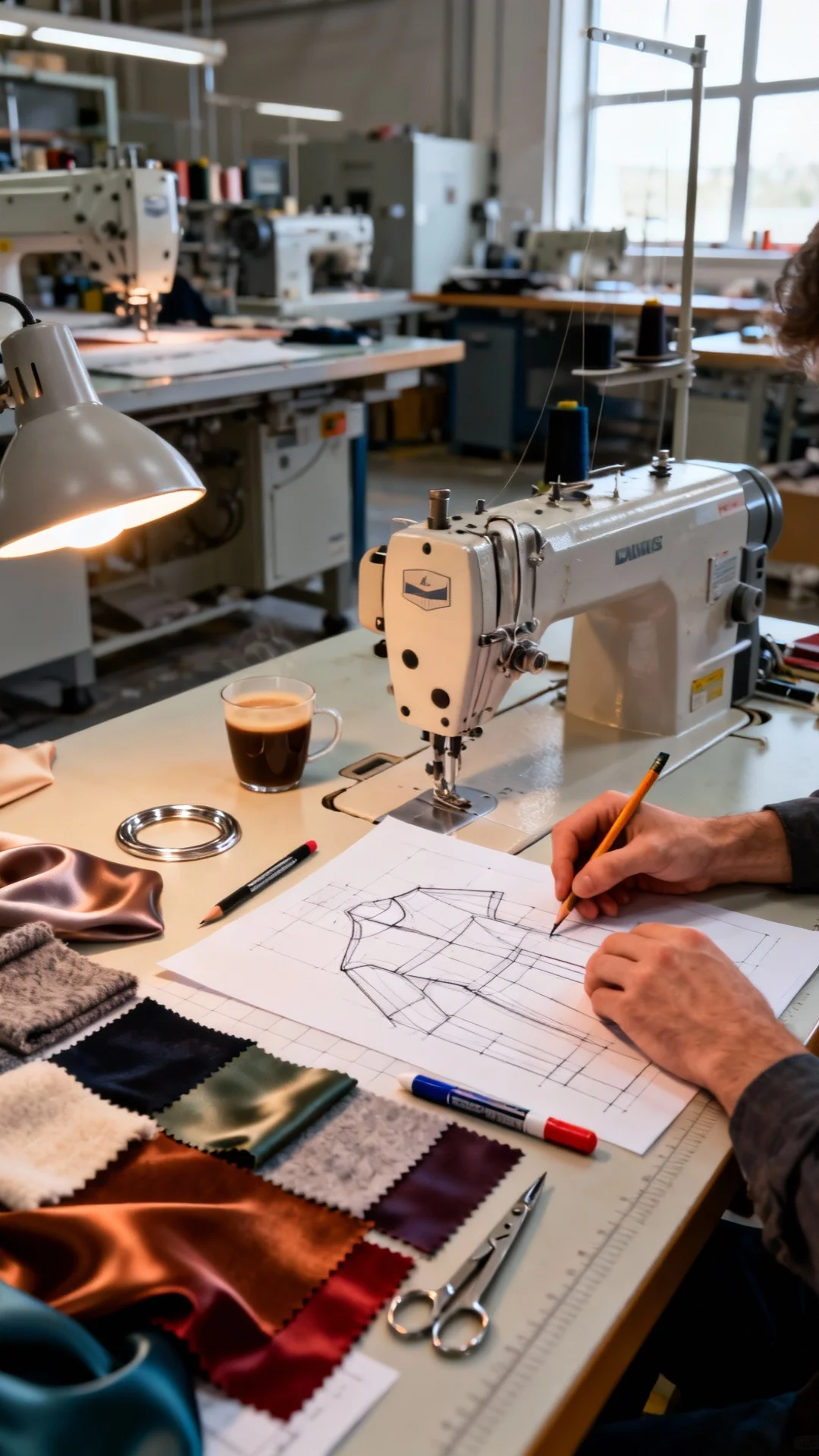
Scarf manufacturing has evolved dramatically, seamlessly blending traditional craftsmanship with cutting-edge technologies to meet the diverse needs of contemporary fashion brands. Today's production ecosystem encompasses multiple interconnected stages, each demanding specialized expertise and rigorous quality control protocols.
Industry best practices prioritize streamlined workflows that maintain consistency while allowing for customization flexibility. Leading manufacturers typically organize production into three primary phases: pre-production (design and material selection), production (manufacturing and printing), and post-production (finishing and quality assurance). This structured approach ensures operational efficiency without compromising quality at any stage of the process.
Scarf Manufacturing Steps: A Comprehensive Workflow
Understanding the detailed manufacturing steps reveals a supplier's operational capabilities and quality focus. While processes vary slightly based on materials and design complexity, reputable manufacturers follow this consistent fundamental workflow that defines the modern scarf making process.
1. Design Conceptualization and Development
Production commences with design conceptualization, where creative ideas transform into technical specifications. Professional manufacturers employ dedicated design teams who collaborate closely with clients to refine concepts, considering:
- Fashion trend analysis and seasonal color forecasting
- Material suitability for intended designs
- Technical feasibility of patterns and prints
- End-use functionality and aesthetic appeal
This phase often includes digital renderings and sample prototypes to confirm designs meet the client vision before full-scale production begins. Advanced manufacturers utilize CAD (Computer-Aided Design) software to create precise specifications that guide subsequent production stages, ensuring accuracy and efficiency.
2. Material Selection and Sourcing
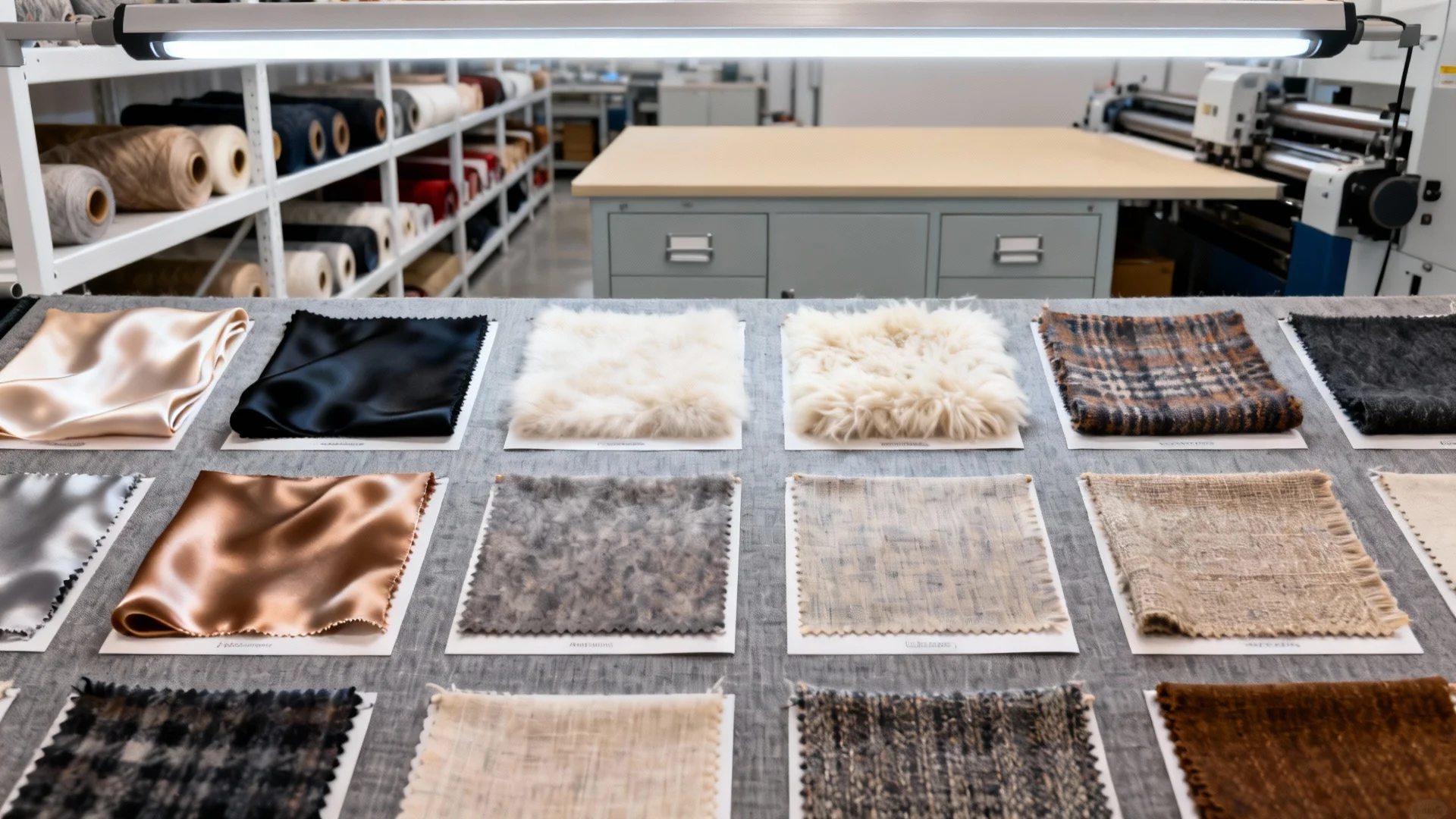
Material selection directly impacts a scarf's quality, appearance, and performance characteristics. Industry-leading manufacturers maintain strategic relationships with premium textile suppliers and offer an extensive range of materials:
- Natural fibers: silk, cotton, wool, cashmere
- Synthetic fibers: polyester, nylon, acrylic
- Blended fabrics: various combinations engineered for enhanced properties
- Specialized materials: eco-friendly options, performance textiles with technical attributes
Sustainable sourcing practices now differentiate industry leaders. Top manufacturers implement transparent supply chains and provide certification documentation for organic, recycled, or ethically sourced materials—a key consideration for environmentally conscious brands and consumers alike.
3. Pre-Production Preparation
Before initiating full-scale production, meticulous pre-production steps ensure a smooth manufacturing process:
- Fabric inspection: Each material batch undergoes thorough quality checks for consistency, defects, and performance characteristics
- Material preparation: Fabrics receive proper treatment, including washing, shrinking, and conditioning to prevent dimensional changes during production
- Color matching: Precise color formulation using Pantone or custom standards to ensure design consistency across production runs
- Pattern engineering: Digital pattern preparation and sizing to optimize material usage and production efficiency
These preparatory steps demonstrate a manufacturer's commitment to quality and attention to detail—critical factors when evaluating potential production partners.
4. Printing and Dyeing Processes
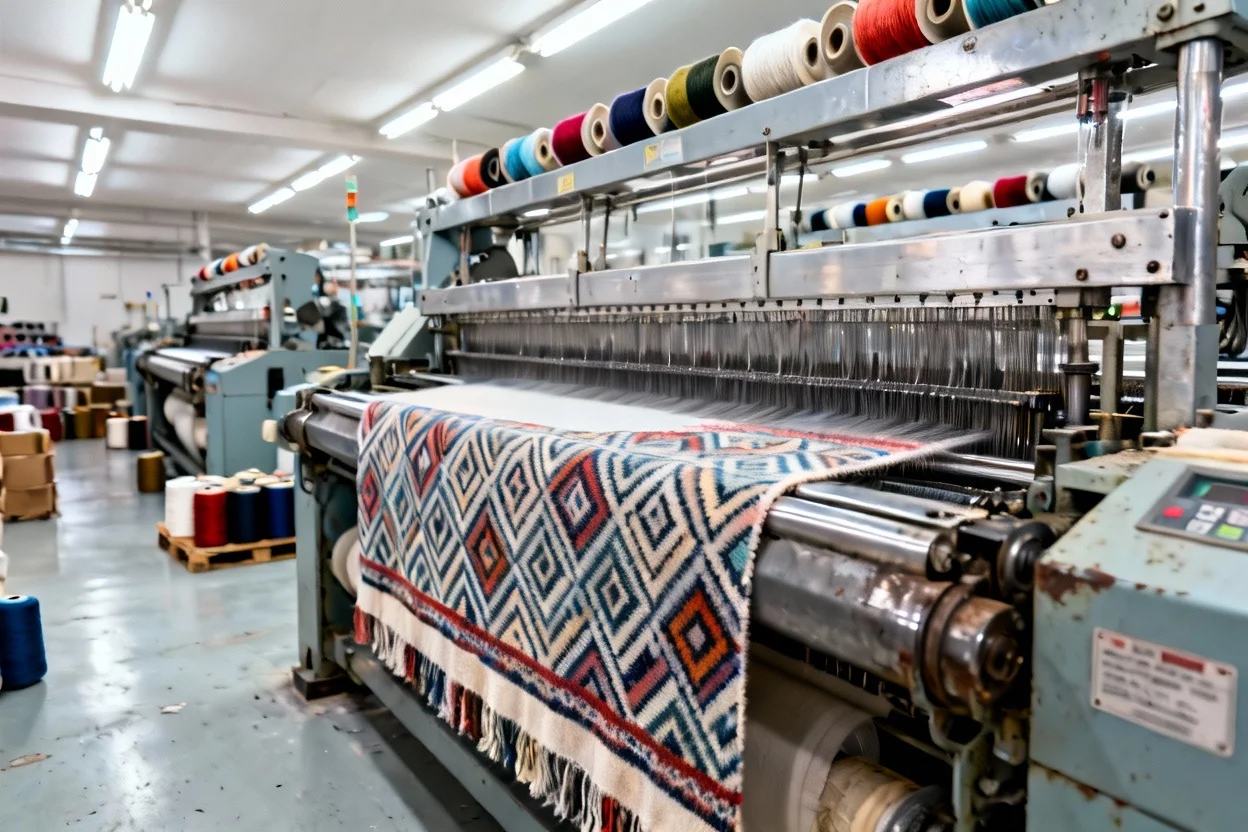
Printing or dyeing brings designs to life and represents a significant portion of a manufacturer's technical capabilities. Modern facilities offer multiple techniques to accommodate different design requirements:
- Digital printing: Ideal for complex, multi-colored designs with high detail resolution and shorter production runs
- Screen printing: Cost-effective for large volume production with fewer colors
- Rotary printing: Efficient for large-scale production of repeat patterns
- Hand painting: Specialized technique for artisanal, high-end custom designs
- Piece dyeing: For solid color scarves or base colors before printing
Advanced digital printing has revolutionized scarf production, offering greater design flexibility, shorter lead times, and reduced waste compared to traditional methods. When evaluating manufacturers, inquire about their printing capabilities, equipment specifications, and color management systems to ensure they align with your design needs and quality expectations.
5. Cutting and Assembly
Precision cutting maintains design integrity and ensures consistent sizing across production runs. Manufacturers employ different cutting methods based on production volume and material type:
- Manual cutting: For small batches and delicate materials requiring careful handling
- Computerized cutting systems: For precision, efficiency, and consistency in larger runs
- Laser cutting: For intricate designs and specialized materials
After cutting, scarves receive edge finishing—another detail distinguishing quality manufacturers. Options include rolled hems, overlocked edges, hand-rolled edges (especially for luxury silk), and decorative finishes. Each technique offers different aesthetic and functional properties that should align with your brand positioning and product requirements.
6. Quality Control and Finishing
Rigorous quality control runs throughout production, with final inspection protocols ensuring products meet established standards. Reputable manufacturers utilize detailed checklists covering:
- Color accuracy and consistency across the production run
- Print clarity and registration
- Fabric integrity and absence of defects
- Proper sizing and dimensions
- Finishing details and edge treatments
- Overall craftsmanship
After passing inspection, scarves undergo final steaming, pressing, and packaging according to client specifications. Premium manufacturers offer custom packaging options that enhance brand presentation and customer experience, adding value to the final product.
Custom Scarf Manufacturing Capabilities
For brands seeking market differentiation, a manufacturer's custom capabilities represent critical evaluation factors. The most versatile suppliers offer comprehensive customization throughout the production process, enabling truly unique scarf creations.
Design Collaboration
Leading manufacturers provide design assistance and technical guidance to transform conceptual ideas into production-ready designs. This collaborative approach includes material recommendations, print technique analysis, and manufacturing efficiency optimization—especially valuable for brands without in-house technical design expertise.
Material Customization
Beyond standard offerings, superior manufacturers can source specialized fabrics or develop custom blends to meet specific performance requirements or sustainability goals. This capability enables brands to create truly unique products that stand out in the marketplace and align with their brand identity.
Technical Customization
Technical customization options demonstrate a manufacturer's versatility and expertise:
- Variable sizing from small neck scarves to large shawls and wraps
- Specialized finishes including water resistance, wrinkle resistance, and UV protection
- Custom edge treatments and embellishments
- Integrated technology like conductive threads for smart accessories (an emerging trend in fashion tech)
Minimum Order Quantities (MOQs)
Manufacturers vary significantly in MOQ requirements, a key factor for smaller brands or those testing new designs. While larger manufacturers typically require higher MOQs, some specialized producers offer lower minimums for custom designs, often at a higher price point. When evaluating suppliers, consider their MOQ policies alongside your production needs and growth projections to find the optimal partnership.
Evaluating Scarf Manufacturers: Key Considerations
When researching potential scarf suppliers, consider these critical factors beyond basic manufacturing capabilities to ensure a successful long-term partnership:
Production Capacity and Lead Times
Assess whether the manufacturer can consistently handle your volume requirements within your timeline constraints. Reliable suppliers provide realistic lead time estimates and maintain transparent communication if delays occur—critical factors for effective supply chain management and meeting market demands.
Quality Assurance Protocols
Inquire about specific quality control measures and certification standards. Reputable manufacturers implement ISO quality management systems and can document their quality processes. Request sample products to evaluate workmanship firsthand and ensure they meet your brand's quality expectations.
Technological Capabilities
Manufacturers investing in advanced technology typically offer better design flexibility, consistent quality, and more efficient production. Evaluate their digital design systems, printing technology, and automation capabilities to ensure they meet your current needs and can accommodate future growth or design evolution.
Sustainability Practices
As environmental considerations grow more important to consumers, thoroughly evaluate a manufacturer's sustainability practices:
- Use of organic, recycled, or sustainably sourced materials
- Water and energy conservation measures in production
- Waste reduction and recycling programs
- Chemical management for dyes and finishes
- Certifications like GOTS (Global Organic Textile Standard) or OEKO-TEX®
Communication and Customer Service
Effective communication is vital for successful collaboration. Evaluate responsiveness, clarity, and the manufacturer's ability to understand your specific requirements. Language capabilities matter particularly when working with international manufacturers to prevent misunderstandings.
Social Responsibility and Ethical Production
Ethical manufacturing practices are essential for brands maintaining social responsibility standards. Inquire about:
- Factory working conditions and labor practices
- Fair wage policies
- Compliance with local labor laws and international standards
- Supply chain transparency and ethical sourcing
Selecting the Right Manufacturing Partner
The ideal scarf manufacturing partner aligns with your brand values, quality expectations, and business requirements. Consider developing a formal supplier evaluation matrix weighting factors according to your priorities—whether sustainability, technical capabilities, cost, or production flexibility.
Request references from current clients to gain insights into reliability and performance. Whenever possible, arrange a facility visit to observe production processes firsthand and meet the team who will handle your account.
Successful manufacturing partnerships build on mutual understanding, clear communication, and shared commitment to quality. Thoroughly evaluating a manufacturer's design capabilities, production processes, and business practices helps establish a relationship that supports your brand's growth and success in the competitive fashion accessories market.
When approaching potential manufacturers, bring detailed information about your design requirements, volume needs, quality standards, and timeline expectations. Professional suppliers will respond with comprehensive proposals addressing your specific needs and providing transparent information about their capabilities and limitations.
In the competitive landscape of fashion accessories, your manufacturing partner directly impacts your ability to deliver distinctive, high-quality products that resonate with consumers and build brand loyalty. Prioritizing manufacturers with strong design capabilities, rigorous quality control, and aligned values positions your brand for long-term success in the marketplace.</think># Scarf Manufacturing Excellence: A Comprehensive Guide to Production Workflow and Design Capabilities
As a seasoned player in the fashion accessories industry, we understand that selecting the right manufacturing partner directly impacts product quality, brand reputation, and market competitiveness. For boutiques, specialty stores, and fashion brands evaluating suppliers, understanding the complete scarf production journey—from initial design concepts to final commercialization—reveals a manufacturer's true capabilities and expertise.
This technical guide explores modern scarf production with a focus on the design capabilities that distinguish industry leaders. We examine the complete workflow, customization options, quality control measures, and technological advancements defining high-quality scarf manufacturing. Use this knowledge to make informed supplier decisions that align with your brand vision and business objectives.
The Modern Scarf Production Ecosystem
Scarf manufacturing has evolved dramatically, seamlessly blending traditional craftsmanship with cutting-edge technologies to meet the diverse needs of contemporary fashion brands. Today's production ecosystem encompasses multiple interconnected stages, each demanding specialized expertise and rigorous quality control protocols.
Industry best practices prioritize streamlined workflows that maintain consistency while allowing for customization flexibility. Leading manufacturers typically organize production into three primary phases: pre-production (design and material selection), production (manufacturing and printing), and post-production (finishing and quality assurance). This structured approach ensures operational efficiency without compromising quality at any stage of the process.
Scarf Manufacturing Steps: A Comprehensive Workflow
Understanding the detailed manufacturing steps reveals a supplier's operational capabilities and quality focus. While processes vary slightly based on materials and design complexity, reputable manufacturers follow this consistent fundamental workflow that defines the modern scarf making process.
1. Design Conceptualization and Development
Production commences with design conceptualization, where creative ideas transform into technical specifications. Professional manufacturers employ dedicated design teams who collaborate closely with clients to refine concepts, considering:
- Fashion trend analysis and seasonal color forecasting
- Material suitability for intended designs
- Technical feasibility of patterns and prints
- End-use functionality and aesthetic appeal
This phase often includes digital renderings and sample prototypes to confirm designs meet the client vision before full-scale production begins. Advanced manufacturers utilize CAD (Computer-Aided Design) software to create precise specifications that guide subsequent production stages, ensuring accuracy and efficiency.
2. Material Selection and Sourcing
Material selection directly impacts a scarf's quality, appearance, and performance characteristics. Industry-leading manufacturers maintain strategic relationships with premium textile suppliers and offer an extensive range of materials:
- Natural fibers: silk, cotton, wool, cashmere
- Synthetic fibers: polyester, nylon, acrylic
- Blended fabrics: various combinations engineered for enhanced properties
- Specialized materials: eco-friendly options, performance textiles with technical attributes
Sustainable sourcing practices now differentiate industry leaders. Top manufacturers implement transparent supply chains and provide certification documentation for organic, recycled, or ethically sourced materials—a key consideration for environmentally conscious brands and consumers alike.
3. Pre-Production Preparation
Before initiating full-scale production, meticulous pre-production steps ensure a smooth manufacturing process:
- Fabric inspection: Each material batch undergoes thorough quality checks for consistency, defects, and performance characteristics
- Material preparation: Fabrics receive proper treatment, including washing, shrinking, and conditioning to prevent dimensional changes during production
- Color matching: Precise color formulation using Pantone or custom standards to ensure design consistency across production runs
- Pattern engineering: Digital pattern preparation and sizing to optimize material usage and production efficiency
These preparatory steps demonstrate a manufacturer's commitment to quality and attention to detail—critical factors when evaluating potential production partners.
4. Printing and Dyeing Processes
Printing or dyeing brings designs to life and represents a significant portion of a manufacturer's technical capabilities. Modern facilities offer multiple techniques to accommodate different design requirements:
- Digital printing: Ideal for complex, multi-colored designs with high detail resolution and shorter production runs
- Screen printing: Cost-effective for large volume production with fewer colors
- Rotary printing: Efficient for large-scale production of repeat patterns
- Hand painting: Specialized technique for artisanal, high-end custom designs
- Piece dyeing: For solid color scarves or base colors before printing
Advanced digital printing has revolutionized scarf production, offering greater design flexibility, shorter lead times, and reduced waste compared to traditional methods. When evaluating manufacturers, inquire about their printing capabilities, equipment specifications, and color management systems to ensure they align with your design needs and quality expectations.
5. Cutting and Assembly
Precision cutting maintains design integrity and ensures consistent sizing across production runs. Manufacturers employ different cutting methods based on production volume and material type:
- Manual cutting: For small batches and delicate materials requiring careful handling
- Computerized cutting systems: For precision, efficiency, and consistency in larger runs
- Laser cutting: For intricate designs and specialized materials
After cutting, scarves receive edge finishing—another detail distinguishing quality manufacturers. Options include rolled hems, overlocked edges, hand-rolled edges (especially for luxury silk), and decorative finishes. Each technique offers different aesthetic and functional properties that should align with your brand positioning and product requirements.
6. Quality Control and Finishing
Rigorous quality control runs throughout production, with final inspection protocols ensuring products meet established standards. Reputable manufacturers utilize detailed checklists covering:
- Color accuracy and consistency across the production run
- Print clarity and registration
- Fabric integrity and absence of defects
- Proper sizing and dimensions
- Finishing details and edge treatments
- Overall craftsmanship
After passing inspection, scarves undergo final steaming, pressing, and packaging according to client specifications. Premium manufacturers offer custom packaging options that enhance brand presentation and customer experience, adding value to the final product.
Custom Scarf Manufacturing Capabilities
For brands seeking market differentiation, a manufacturer's custom capabilities represent critical evaluation factors. The most versatile suppliers offer comprehensive customization throughout the production process, enabling truly unique scarf creations.
Design Collaboration
Leading manufacturers provide design assistance and technical guidance to transform conceptual ideas into production-ready designs. This collaborative approach includes material recommendations, print technique analysis, and manufacturing efficiency optimization—especially valuable for brands without in-house technical design expertise.
Material Customization
Beyond standard offerings, superior manufacturers can source specialized fabrics or develop custom blends to meet specific performance requirements or sustainability goals. This capability enables brands to create truly unique products that stand out in the marketplace and align with their brand identity.
Technical Customization
Technical customization options demonstrate a manufacturer's versatility and expertise:
- Variable sizing from small neck scarves to large shawls and wraps
- Specialized finishes including water resistance, wrinkle resistance, and UV protection
- Custom edge treatments and embellishments
- Integrated technology like conductive threads for smart accessories (an emerging trend in fashion tech)
Minimum Order Quantities (MOQs)
Manufacturers vary significantly in MOQ requirements, a key factor for smaller brands or those testing new designs. While larger manufacturers typically require higher MOQs, some specialized producers offer lower minimums for custom designs, often at a higher price point. When evaluating suppliers, consider their MOQ policies alongside your production needs and growth projections to find the optimal partnership.
Evaluating Scarf Manufacturers: Key Considerations
When researching potential scarf suppliers, consider these critical factors beyond basic manufacturing capabilities to ensure a successful long-term partnership:
Production Capacity and Lead Times
Assess whether the manufacturer can consistently handle your volume requirements within your timeline constraints. Reliable suppliers provide realistic lead time estimates and maintain transparent communication if delays occur—critical factors for effective supply chain management and meeting market demands.
Quality Assurance Protocols
Inquire about specific quality control measures and certification standards. Reputable manufacturers implement ISO quality management systems and can document their quality processes. Request sample products to evaluate workmanship firsthand and ensure they meet your brand's quality expectations.
Technological Capabilities
Manufacturers investing in advanced technology typically offer better design flexibility, consistent quality, and more efficient production. Evaluate their digital design systems, printing technology, and automation capabilities to ensure they meet your current needs and can accommodate future growth or design evolution.
Sustainability Practices
As environmental considerations grow more important to consumers, thoroughly evaluate a manufacturer's sustainability practices:
- Use of organic, recycled, or sustainably sourced materials
- Water and energy conservation measures in production
- Waste reduction and recycling programs
- Chemical management for dyes and finishes
- Certifications like GOTS (Global Organic Textile Standard) or OEKO-TEX®
Communication and Customer Service
Effective communication is vital for successful collaboration. Evaluate responsiveness, clarity, and the manufacturer's ability to understand your specific requirements. Language capabilities matter particularly when working with international manufacturers to prevent misunderstandings.
Social Responsibility and Ethical Production
Ethical manufacturing practices are essential for brands maintaining social responsibility standards. Inquire about:
- Factory working conditions and labor practices
- Fair wage policies
- Compliance with local labor laws and international standards
- Supply chain transparency and ethical sourcing
Selecting the Right Manufacturing Partner
The ideal scarf manufacturing partner aligns with your brand values, quality expectations, and business requirements. Consider developing a formal supplier evaluation matrix weighting factors according to your priorities—whether sustainability, technical capabilities, cost, or production flexibility.
Request references from current clients to gain insights into reliability and performance. Whenever possible, arrange a facility visit to observe production processes firsthand and meet the team who will handle your account.
Successful manufacturing partnerships build on mutual understanding, clear communication, and shared commitment to quality. Thoroughly evaluating a manufacturer's design capabilities, production processes, and business practices helps establish a relationship that supports your brand's growth and success in the competitive fashion accessories market.
When approaching potential manufacturers, bring detailed information about your design requirements, volume needs, quality standards, and timeline expectations. Professional