In today's rapidly evolving fashion landscape, small to medium fashion enterprises face the unique challenge of competing with industry giants while maintaining operational efficiency and creative flexibility. With years of experience in textile production and digital manufacturing, I've witnessed firsthand how digital technologies transform scarf production for growing businesses. Among these innovations, scarf digital design technology emerges as a transformative solution that addresses many traditional pain points, empowering smaller players with capabilities once reserved for industry leaders.
The global digital textile printing market is projected to reach $19.44 billion by 2025, driven largely by increasing demand for customization and sustainable production methods. For small to medium fashion businesses, this technological shift represents more than just a trend—it's a strategic opportunity to level the competitive playing field. By embracing digital scarf printing technology, these businesses can unlock new possibilities in creative expression, operational efficiency, and market responsiveness that were previously inaccessible due to resource constraints.
Understanding Digital Scarf Design Technology
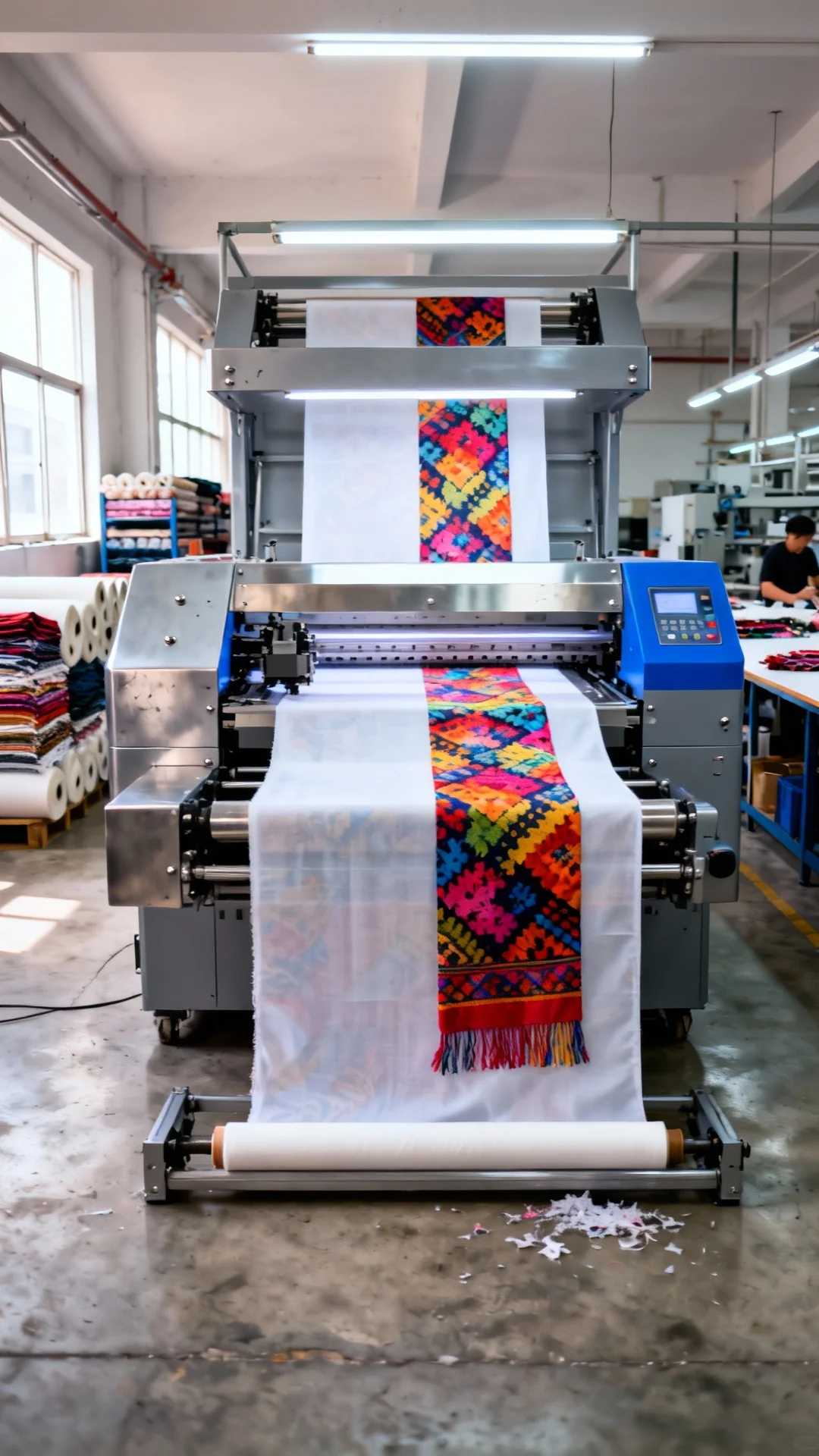
Digital scarf printing technology represents a significant departure from traditional textile production methods, offering a more direct and flexible approach to bringing designs to life. Unlike conventional screen printing, which requires physical stencils for each color and design element, digital printing utilizes advanced inkjet technology that applies color directly to fabric with unprecedented precision.
The digital scarf printing process encompasses several key stages that collectively deliver its unique advantages:
- Digital Design Creation: Designers work in high-resolution formats using industry-standard software, enabling intricate details and complex color gradients
- File Optimization: Specialized RIP (Raster Image Processor) software optimizes designs for specific fabric types and printing equipment
- Precision Printing: Sophisticated inkjet printers with precision print heads—typically operating at resolutions of 1440 DPI or higher—deposit microscopic droplets of pigment or dye-based inks directly onto the fabric surface
A defining advantage of digital scarf printing technology is its ability to reproduce an almost unlimited color palette without the constraints of traditional color separation processes. Modern digital printing systems can achieve a color gamut exceeding 90% of the Pantone spectrum, enabling accurate reproduction of even the most subtle color variations and complex gradients—particularly valuable for small businesses seeking to create distinctive, eye-catching designs.
Recent technological advancements have significantly expanded accessibility for small to medium enterprises, including more affordable entry-level industrial printers, improved ink formulations enhancing color fastness and washability, integrated software solutions streamlining design-to-production workflows, and specialized print-on-demand services that eliminate the need for significant upfront investment.
Cost Efficiency and Production Flexibility
For small to medium fashion businesses operating with limited budgets and storage capacities, digital scarf design technology offers transformative advantages through enhanced cost efficiency and production flexibility that fundamentally change the financial calculus of scarf production.
Eliminating Upfront Expenses
Digital printing eliminates many significant upfront costs associated with traditional screen printing. Where conventional methods require physical screens for each color—costing $25 to $50 per screen plus setup time—digital printing requires only a digital file, eliminating these setup costs entirely and making small-batch production economically viable.
Reducing Inventory Risk
Traditional manufacturing often mandates large minimum order quantities (MOQs) to justify setup costs, forcing businesses to produce hundreds or thousands of identical scarves based on demand projections. This approach ties up capital in unsold inventory and increases markdown risks. In contrast, digital printing typically operates with much lower MOQs—often as few as 10-20 units, with single-unit production feasible in some cases. This on-demand production model allows businesses to respond accurately to market trends, test new designs with minimal risk, and maintain lean inventory levels.
Optimizing Production Costs
From a per-unit cost perspective, digital printing demonstrates particular efficiency for small to medium production runs. While traditional screen printing may offer lower per-unit costs for very large orders (typically 1,000 units or more), digital printing becomes more cost-effective for smaller batches. Industry data indicates that for orders under 500 units, digital printing can reduce per-unit costs by 20-35% compared to traditional methods when accounting for setup expenses, material waste, and inventory carrying costs.
Accelerating Time-to-Market
Traditional screen printing requires significant lead time—often 2-4 weeks for a new design—due to screen preparation, color mixing, and setup requirements. Digital printing can move from final design approval to production in as little as 24-48 hours, enabling businesses to capitalize on emerging trends rapidly, fulfill rush orders, and maintain a dynamic product offering—providing a critical competitive advantage in the fast-paced fashion industry.
Minimizing Material Waste
Digital printing's precision contributes to overall cost efficiency through minimal material waste. Traditional methods typically generate substantial fabric waste during setup and color testing—often exceeding 10% of total material usage—while digital printing reduces this waste to less than 2% by enabling precise color matching and design placement from the first print.
Design Freedom and Customization Capabilities
In an industry where differentiation drives success, digital scarf printing technology provides small to medium fashion businesses with a powerful competitive edge through unparalleled design freedom and customization capabilities. This technology transforms the creative process, enabling design complexity and personalization levels previously unattainable for smaller operations.
Unleashing Creative Potential
Digital printing technology removes many traditional constraints that once limited scarf design possibilities. Unlike screen printing, which becomes increasingly complex and costly with each additional color, digital printing places virtually no restrictions on the number of colors or gradients in a design. This liberation allows designers to create intricate, multi-colored patterns, photorealistic images, and subtle color transitions that would be impractical or prohibitively expensive using traditional methods.
Enabling Mass Customization
The customization capabilities of digital printing extend beyond design complexity to include true one-of-a-kind personalization at scale. Small businesses can offer custom-designed scarves featuring client logos, personalized monograms, or unique artwork without traditional penalties in cost or production time—particularly valuable for targeting niche markets, creating branded corporate gifts, or serving special occasions such as weddings or milestone events.
Enhancing Market Responsiveness
Digital technology enables greater design agility and responsiveness to market trends. With traditional printing requiring weeks of lead time, businesses often miss emerging fashion opportunities. Digital printing compresses this timeline dramatically, allowing designers to create, test, and bring new designs to market in days rather than weeks—a distinct advantage for small businesses that can leverage their size and flexibility to outmaneuver larger competitors with more bureaucratic product development processes.
Ensuring Color Consistency
The data-driven nature of digital printing enhances design capabilities through precise color management and consistency. Advanced systems use color profiling and calibration to ensure accurate, repeatable color reproduction across different production runs and devices—critical for maintaining brand identity and customer satisfaction, particularly when fulfilling multiple orders for the same design over time.
For small to medium fashion businesses, these capabilities translate directly into market advantages, enabling distinctive positioning through unique, complex designs with short lead times and minimal order quantities. Whether creating limited-edition collaborations, offering personalized designs, or rapidly responding to seasonal trends, digital scarf printing technology empowers businesses to compete on creativity and agility rather than production volume.
Sustainability and Environmental Benefits
As environmental concerns increasingly influence consumer purchasing decisions and regulatory frameworks, the sustainability advantages of digital scarf design technology have become a significant competitive differentiator. Digital printing offers substantial environmental benefits compared to traditional textile printing methods, aligning with both corporate responsibility goals and the growing demand for sustainable fashion practices.
Dramatically Reducing Water Consumption
The most significant environmental advantage of digital scarf printing lies in its reduced water usage. Traditional screen printing processes are notoriously water-intensive, requiring substantial amounts for fabric preparation, color mixing, and post-printing washing. Industry studies consistently show that digital printing reduces water usage by an impressive 70-95% compared to conventional methods. Specific measurements indicate that screen printing typically consumes 50-60 liters of water per linear meter of fabric, while digital printing requires only 14-20 liters per linear meter—a reduction of approximately 75%. One report estimates that digital textile printing saved over 40 billion liters of water worldwide in a single year.
Lowering Energy Requirements
Energy consumption represents another area of environmental benefit. While digital printing equipment varies in energy requirements, the overall production process generally consumes less energy than traditional methods when accounting for the entire production cycle. Digital printing eliminates several energy-intensive steps, including screen preparation, drying multiple color layers, and extensive post-printing washing. Additionally, the ability to produce smaller batches on-demand reduces energy associated with storing and transporting excess inventory.
Minimizing Textile Waste
Digital printing contributes to significant reductions in textile waste throughout production. Traditional methods generate substantial waste in the form of unused screens, colorants, and misprinted fabrics during setup and testing. Digital printing minimizes this waste by enabling precise color matching and design placement from the first print, reducing material waste to less than 2% compared to the 10% or more typically generated by traditional methods. The on-demand production capability further reduces the risk of overproduction—a major source of textile waste in the fashion industry.
Reducing Chemical Usage
Many digital textile printers utilize water-based pigment inks containing fewer volatile organic compounds (VOCs) than the solvent-based inks commonly used in traditional printing. While not all digital inks are inherently eco-friendly, the market has seen significant growth in sustainable ink options, including formulations derived from natural sources, water-based solutions, and inks free from heavy metals and hazardous substances. The precise application of digital inks further reduces overall chemical usage compared to traditional methods.
For small to medium fashion businesses, these environmental benefits translate into both market advantages and operational cost savings. Reduced resource consumption lowers utility costs, while waste reduction decreases material expenses and disposal fees. Beyond direct savings, the sustainability credentials of digital printing serve as a powerful marketing tool, resonating with the growing segment of environmentally conscious consumers and enabling differentiation in crowded markets.
Quality and Material Versatility
The quality and material versatility offered by digital scarf design technology have transformed production possibilities for small to medium fashion businesses, enabling them to compete with larger brands in product quality while maintaining flexibility to serve niche markets with specialized materials.
Exceptional Print Quality
Modern digital printers utilize advanced print head technology with thousands of microscopic nozzles that deposit ink droplets as small as 4 picoliters, resulting in exceptional detail and smooth color gradients. With resolution capabilities typically at 300 DPI or higher for textile applications, even the most intricate designs reproduce with remarkable clarity—a particular advantage for scarves where visual impact drives product value.
Superior Color Reproduction
Digital printing offers a broader color gamut and more consistent results than traditional methods, capable of reproducing over 16 million colors, including subtle shades and gradients challenging to achieve with screen printing. Advanced color management systems ensure precise color matching across production runs, maintaining brand consistency and customer satisfaction—critical for building brand recognition and trust.
Extensive Material Compatibility
The material versatility of digital printing technology enables businesses to expand into premium and specialized scarf categories previously difficult to access. Digital printing works effectively across a wide range of natural and synthetic fibers, including silk, cotton, wool, polyester, and various blends. This flexibility allows businesses to select optimal materials for each design and market segment without printing limitations. Silk particularly benefits from digital printing, which preserves the fabric's natural drape and luster while delivering vibrant, detailed designs that enhance its luxurious quality.
Supporting Innovative Treatments
Digital printing supports innovative fabric treatments and finishes that enhance both aesthetic and functional properties of scarves. Some digital printers can apply special effect inks—including metallic, fluorescent, and thermochromic options—adding unique visual elements to designs. The ability to print on pre-treated fabrics opens possibilities for water-resistant, UV-protective, or antimicrobial scarves, creating new market opportunities.
For small to medium fashion businesses, these quality and material capabilities translate into significant competitive advantages. The ability to consistently produce high-quality, detailed designs on premium materials allows positioning in mid-to-luxury market segments with higher price points and margins. Material flexibility enables rapid product diversification, with businesses able to test new fabrics and designs without significant retooling or investment. Additionally, the high-quality output enhances perceived value, supporting stronger branding and customer loyalty.
Implementation Strategies for Small Businesses
For small to medium fashion businesses considering adopting digital scarf design technology, developing a thoughtful implementation strategy is crucial to maximize benefits while minimizing risks and operational disruptions. The transition to digital printing represents not just a technological change but a potential transformation of business processes requiring careful planning.
Assessing Business Needs
The first implementation step involves conducting a thorough assessment of business needs and production requirements, considering factors such as typical order volumes, design complexity, target price points, and quality expectations. Businesses with primarily small-batch, custom orders may find partnering with a digital print service provider offers the most cost-effective entry point, eliminating equipment investment needs. Conversely, businesses with consistent production volumes or specialized requirements may benefit from in-house digital printing capabilities as production scales.
Selecting the Right Partners or Equipment
When evaluating digital printing equipment or service providers, businesses should consider several key criteria:
- Technical capabilities: print resolution, color gamut, supported fabrics, production speed
- Operational factors: minimum order quantities, turnaround times, setup costs, quality control
- For equipment purchase: total cost of ownership analysis including initial investment, maintenance, consumables, and operator training over a multi-year horizon
Integrating with Existing Workflows
Digital printing technology should seamlessly connect with a business's design, ordering, and inventory management systems to maximize efficiency gains. Many solutions offer integrated software platforms that streamline the transition from design to production, including tools for color management, print preparation, and production scheduling. Businesses should prioritize solutions with user-friendly interfaces and compatibility with common design software to minimize training requirements and operational disruptions.
Investing in Staff Development
Staff training and skill development represent essential components of successful implementation. Employees involved in design, production, and quality control require specific knowledge to leverage digital printing effectively, including understanding color management principles, file preparation requirements, fabric characteristics, and digital printing limitations. Fortunately, many equipment manufacturers and service providers offer training programs tailored to small business needs, with additional resources available through online platforms and industry associations.
Adopting a Phased Approach
A phased implementation approach helps manage risk while gradually realizing benefits. Starting with a limited product line or specific customer segments allows for testing and refinement before full-scale deployment, enabling businesses to develop best practices, identify challenges, and build internal expertise while generating early returns on investment. Many successful small fashion businesses have begun with digital printing for custom orders and limited editions, gradually expanding its use as they gain experience.
By strategically implementing digital scarf printing technology, small to medium fashion businesses can transform their production capabilities, enhance their competitive position, and unlock new opportunities for growth and innovation in the evolving fashion marketplace.
Conclusion: Embracing the Digital Transformation
As scarf digital design technology continues to evolve and become more accessible, its transformative impact on small to medium fashion businesses will only strengthen, offering unprecedented opportunities for growth, innovation, and market differentiation. The cumulative benefits spanning cost efficiency, design freedom, sustainability, quality, and operational flexibility position digital printing as a cornerstone technology for small fashion enterprises competing in today's challenging landscape.
The future trajectory of scarf digital design technology promises even greater advantages through ongoing advancements:
- Improved print speed and productivity narrowing the gap with traditional production volumes
- Enhanced ink formulations expanding printable fabrics and improving durability and sustainability
- Software innovations integrating artificial intelligence and machine learning for more intuitive design tools and predictive production planning
- Increasing accessibility through more affordable equipment and specialized service providers
For small to medium fashion businesses willing to embrace these technological advancements, the potential rewards are substantial. Digital scarf printing technology represents more than just a production method—it's a strategic enabler that can transform business models, customer relationships, and market positioning. By leveraging the unique capabilities of digitally printed scarf production, small fashion enterprises can compete with larger brands on creativity, sustainability, and customer responsiveness rather than relying solely on price or production volume.
In an industry undergoing profound digital transformation, early adoption of these technologies will increasingly separate thriving businesses from those struggling to keep pace. For forward-thinking small to medium fashion enterprises, scarf digital design technology offers not just a path to survival, but an opportunity to thrive and lead in the new era of fashion production.