In today's competitive fashion accessories market, sustainable production methods have evolved from optional differentiators to essential business imperatives. Forward-thinking companies increasingly align environmental stewardship with product excellence, recognizing that ecological responsibility enhances rather than compromises commercial success. With decades of experience in textile manufacturing and printing technologies, I've observed firsthand how digital printing innovations—particularly water-based techniques—are revolutionizing scarf production by simultaneously reducing environmental impact and expanding creative possibilities.
FENNYSUN, a specialized scarf manufacturer with over 30 years of industry expertise, exemplifies this progressive approach. By integrating advanced digital printing technologies with eco-conscious manufacturing practices, the company demonstrates how visionary manufacturers can address both the aesthetic demands of fashion brands and the growing market requirement for sustainable production solutions. This article examines how FENNYSUN's water-based digital printing technology is reshaping the scarf manufacturing landscape through environmental innovation, technical advancement, and commercial practicality.
The Environmental Imperative in Modern Scarf Printing
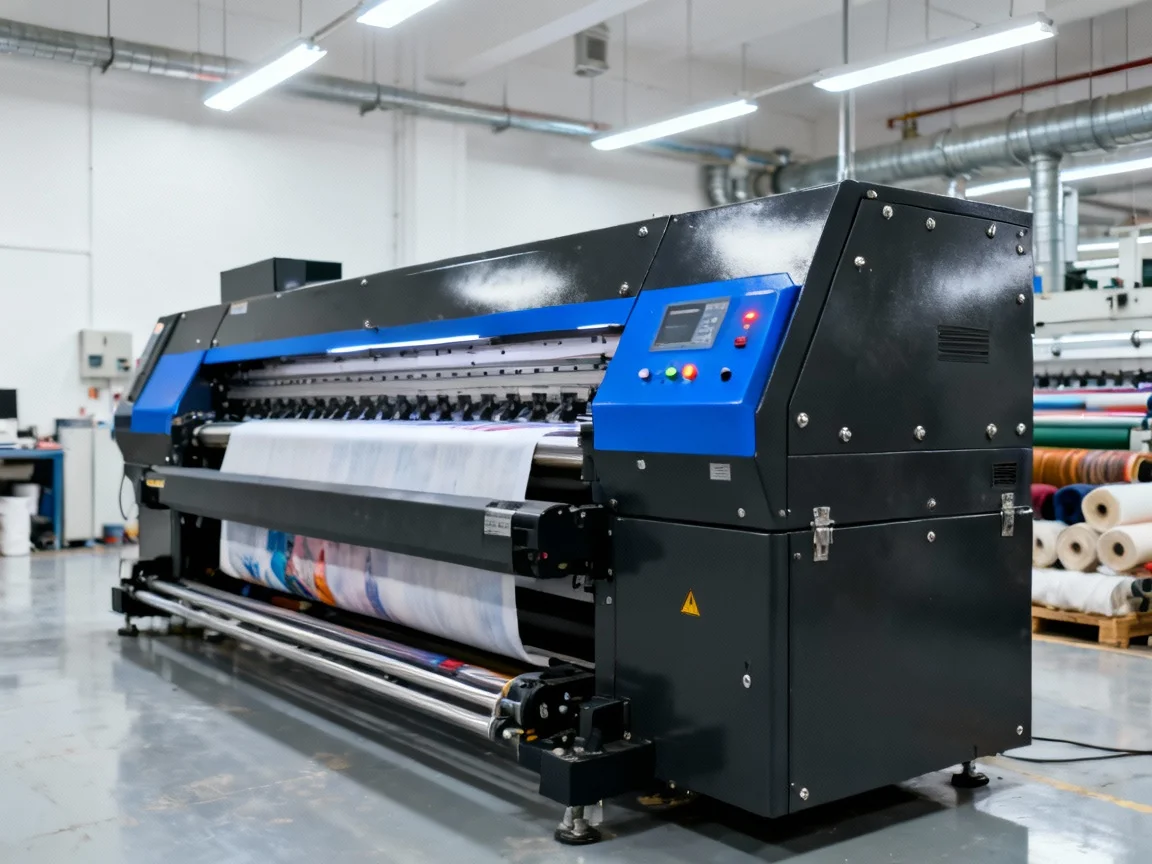
Traditional scarf printing methods, particularly screen printing, present substantial environmental challenges that have become increasingly untenable in today's eco-conscious market. The fashion industry's water consumption has emerged as a critical concern, with conventional textile printing processes consuming an estimated 50-60 liters of water per linear meter of fabric. This excessive water usage, combined with chemical-laden wastewater discharge and high energy consumption, positions textile production among the most resource-intensive manufacturing sectors globally.
The industry's response to these environmental challenges has accelerated dramatically in recent years. Sustainability research indicates that digital textile printing offers significant potential to reduce the fashion industry's ecological footprint. By eliminating many water-intensive steps in traditional printing and applying inks with unprecedented precision, digital technologies typically require only 14-20 liters of water per linear meter—a reduction of approximately 70% compared to conventional methods. For large-scale production facilities, this translates to millions of liters in annual water savings while maintaining or enhancing print quality.
FENNYSUN's strategic adoption of water-based digital printing aligns perfectly with this industry-wide shift toward more sustainable practices. The company's product line explicitly highlights "environmental protection printing" and "eco-friendly printing" as core differentiators, positioning its manufacturing process at the critical intersection of technological innovation and environmental responsibility.
FENNYSUN's Water-Based Digital Printing Technology: Technical Advantages
While specific technical details of FENNYSUN's printing equipment remain proprietary, industry best practices and observable outcomes in their product offerings reveal several fundamental advantages of their water-based digital printing process that distinguish it from conventional methods.
Process Innovations: Efficiency Meets Sustainability
Water-based digital printing represents a significant technological advancement over both solvent-based inks and traditional screen printing methods. This technology utilizes specialized water-soluble inks containing fewer volatile organic compounds (VOCs) and hazardous substances, reducing environmental impact while creating a safer working environment for production staff—a crucial consideration for ethical manufacturing operations.
The direct-to-fabric printing process eliminates multiple production steps associated with screen printing, including screen preparation, stencil creation, and color mixing. By streamlining production, FENNYSUN achieves more efficient turnaround times while minimizing material waste. Industry data suggests digital printing technologies can reduce overall production time by up to 50% compared to traditional methods—a critical advantage in the fast-paced fashion accessories market where speed-to-market often determines competitive advantage.
Material Compatibility: Versatility Across Substrates
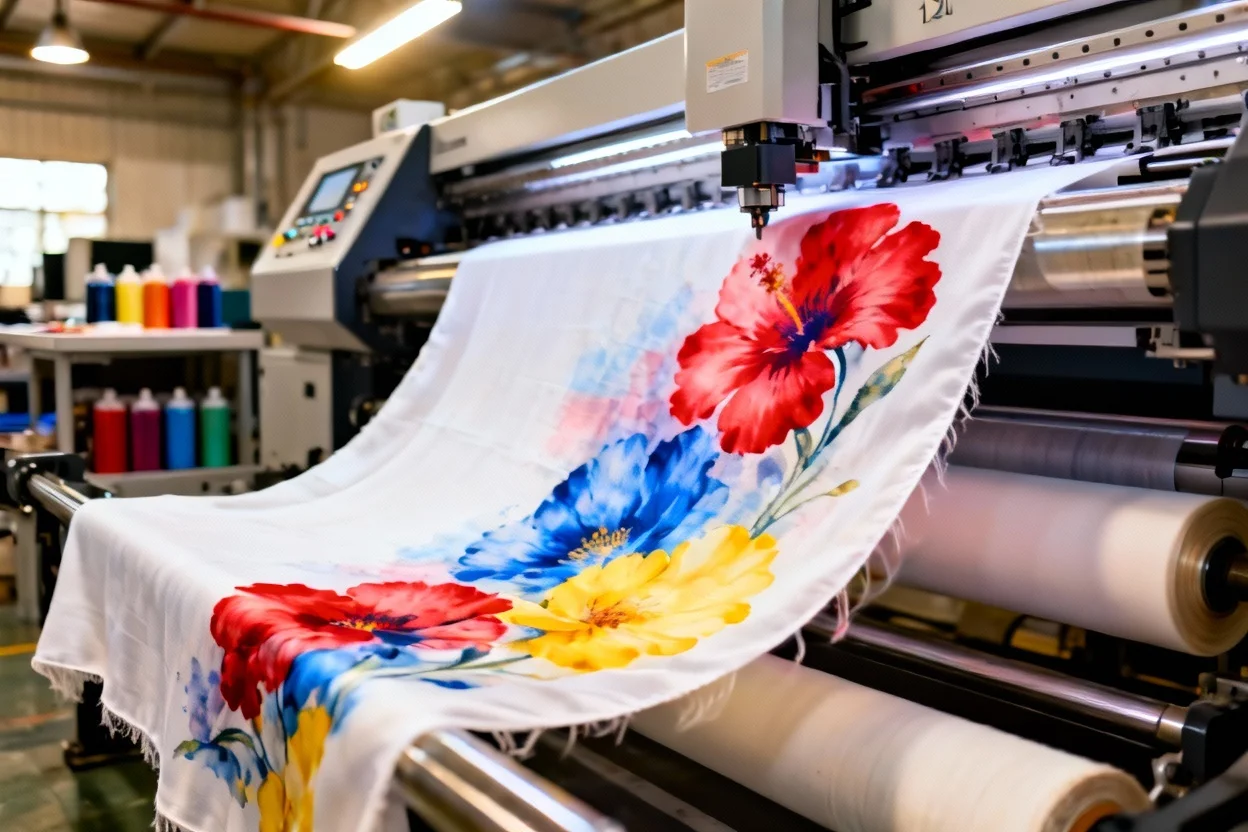
FENNYSUN's product portfolio demonstrates remarkable versatility in material handling, with their digital printing technology effectively processing various substrates including polyester, silk-feel fabrics, and blended materials. Their 100% polyester scarves with "silk feeling" characteristics particularly showcase the technology's ability to maintain fabric drape and texture while delivering vibrant, long-lasting prints—an achievement that has historically challenged digital printing processes.
The company's strategic focus on polyester aligns perfectly with digital printing capabilities. Polyester fibers provide an optimal surface for ink absorption and color retention, while also supporting sustainability objectives through the use of recycled polyester fibers. This material choice creates a virtuous cycle of environmental responsibility and performance excellence that benefits both manufacturers and end consumers.
Design Capabilities: Unleashing Creative Potential
Digital printing technology empowers FENNYSUN to offer extensive customization options that meet the diverse needs of boutique owners, specialty stores, and fashion brands. The technology supports high-resolution image reproduction, enabling intricate patterns, gradient color transitions, and photographic prints that would be difficult or impossible to achieve with traditional screen printing methods.
This design flexibility proves particularly valuable in today's market, where fast fashion cycles and personalized branding require quick adaptation to emerging trends. FENNYSUN's ability to produce small-batch custom designs aligns perfectly with the growing demand for limited-edition collections and brand collaborations, providing clients with a distinct competitive edge in an increasingly crowded marketplace.
Environmental Impact Assessment: Quantifying the Benefits
While FENNYSUN has not published comprehensive environmental impact reports, the environmental benefits of their water-based digital printing technology can be reasonably inferred through industry comparisons and observable product characteristics, revealing significant advantages across multiple sustainability metrics.
Water Conservation: The Primary Environmental Benefit
The most significant environmental advantage of digital printing lies in water reduction. As previously noted, traditional screen printing consumes 50-60 liters of water per linear meter, while digital processes typically require only 14-20 liters—a reduction of approximately 70%. For a manufacturer producing thousands of meters of printed fabric monthly, this represents substantial water savings that contribute meaningfully to global water conservation efforts.
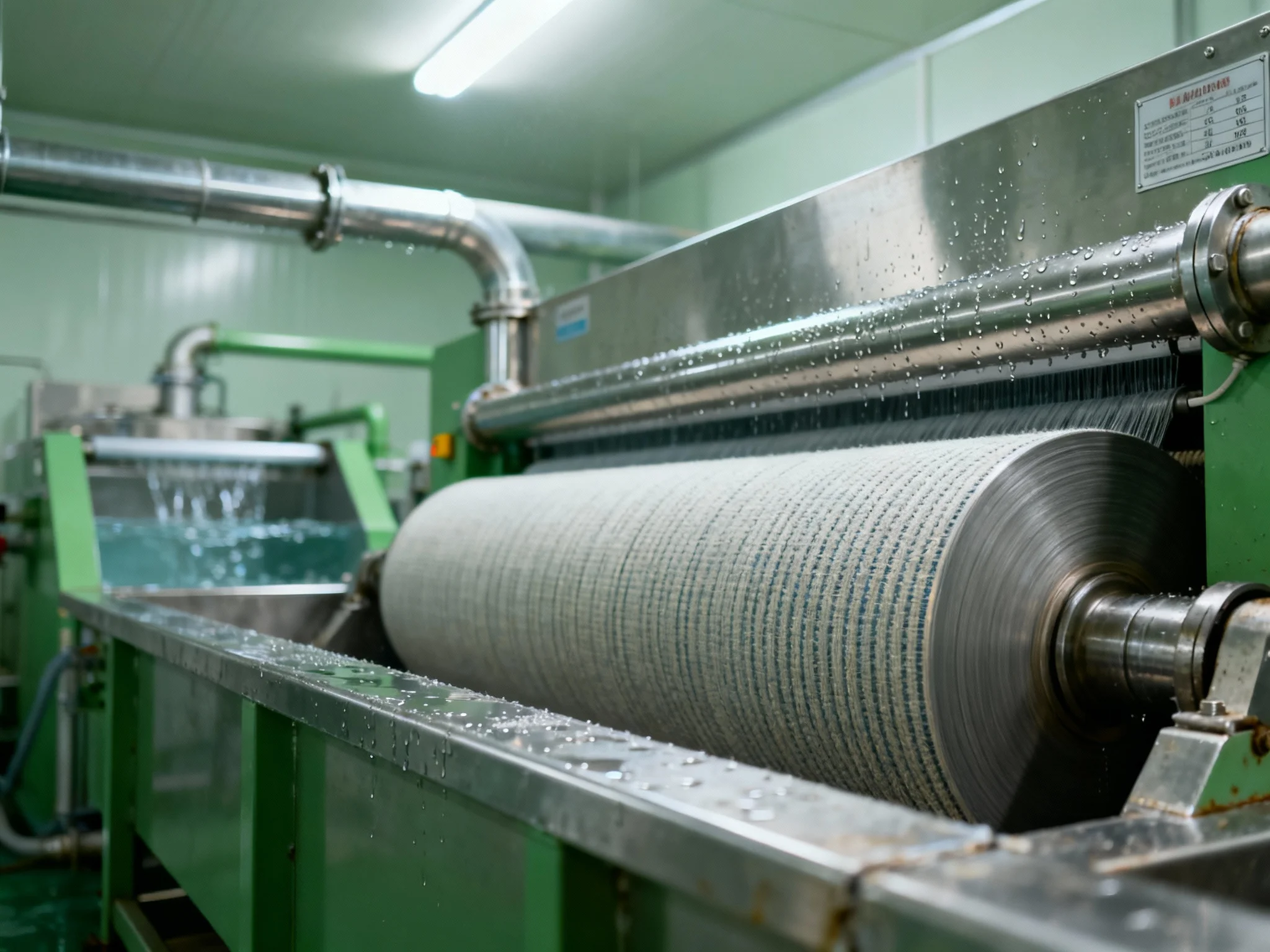
Water-based inks enhance this advantage further by eliminating the need for harsh solvents and reducing rinse water requirements. The technology allows for more precise ink application, with industry estimates suggesting digital printing reduces ink consumption by 20-30% compared to traditional methods—creating both environmental and economic benefits.
Energy Efficiency: Reducing Carbon Footprint
Beyond water savings, digital printing generally requires less energy than conventional processes. By eliminating multiple production steps and utilizing advanced curing technologies that minimize heat requirements, industry studies indicate digital textile printing can reduce energy usage by up to 75% compared to traditional dyeing and printing methods. This significant reduction in energy consumption directly translates to a smaller carbon footprint and lower greenhouse gas emissions.
Waste Reduction: Minimizing Material Consumption
Digital printing significantly reduces textile waste by enabling more precise production planning and minimizing setup materials. Unlike screen printing, which generates substantial waste from screen preparation and color testing, digital systems allow for on-demand production with minimal setup waste. This capability supports more sustainable inventory management practices and enables FENNYSUN's clients to reduce overstock and associated waste—a critical consideration in an industry notorious for excess production and disposal.
Commercial Applications and Client Benefits: Beyond Sustainability
FENNYSUN's digital printing technology offers numerous tangible benefits for commercial clients, addressing key pain points in the scarf wholesale and retail sectors while delivering competitive advantages beyond environmental responsibility.
Customization Capabilities: Meeting Diverse Market Needs
The company's digital printing services cater directly to the growing demand for customized scarf designs across various market segments. While specific minimum order quantities (MOQ) aren't publicly disclosed, industry standards for digital printing suggest FENNYSUN can accommodate significantly smaller production runs than traditional screen printing allows. This flexibility proves particularly valuable for boutique owners and emerging fashion brands seeking to test new designs without substantial upfront investment or inventory risk.
Quality and Durability: Performance Without Compromise
Digital printing technology delivers exceptional color vibrancy and detail resolution, as evidenced in FENNYSUN's product offerings. The water-based inks penetrate fabric fibers more thoroughly than surface-applied pigments, resulting in prints with superior wash fastness and color retention over time. This quality advantage translates to higher perceived value for end consumers, reduced returns for retailers, and enhanced brand reputation for clients.
Competitive Pricing Structure: Efficiency Creates Value
By streamlining production processes and reducing material waste, FENNYSUN offers competitive pricing for custom printed scarves despite the advanced technology involved. While specific pricing information is available only through direct inquiry, digital printing efficiency typically results in lower per-unit costs for small to medium production runs compared to traditional methods—a critical consideration for businesses operating in today's price-sensitive market.
Industry Context and Market Positioning: FENNYSUN's Strategic Advantage
FENNYSUN's adoption of water-based digital printing positions the company favorably within several important industry trends that are reshaping the future of textile manufacturing and fashion accessories.
The Sustainable Fashion Movement: Consumer Demand Drives Change
As consumer awareness of environmental issues continues to grow, sustainable production practices have become a key differentiator in the fashion accessories market. A 2025 industry report indicates 63% of consumers now consider sustainability when making purchasing decisions, with 41% willing to pay premium prices for eco-friendly products. By emphasizing "environmental protection printing" and "eco-friendly" production processes, FENNYSUN strategically aligns with this powerful consumer preference, creating both environmental and commercial value.
Digital Transformation in Textiles: Technology Drives Growth
The global digital textile printing market is experiencing significant growth, with a compound annual growth rate (CAGR) of approximately 15% between 2020 and 2025. This expansion is driven by advancements in printing technology, increasing demand for customization, and growing sustainability concerns across the industry. FENNYSUN's specialized focus on digital scarf printing positions them to capitalize on this expanding market segment while establishing themselves as technological leaders.
Competitive Landscape: Differentiation Through Innovation
Within the scarf manufacturing sector, FENNYSUN competes with both large-scale producers and niche sustainable brands. The company's unique combination of technical innovation, environmental responsibility, and production flexibility creates a distinctive value proposition that appeals to fashion businesses seeking reliable, eco-conscious suppliers. This strategic positioning allows FENNYSUN to differentiate itself in a crowded marketplace while contributing to the broader industry shift toward more sustainable practices.
Implementation Considerations for Fashion Businesses: Practical Guidance
For boutiques, specialty stores, and fashion brands considering partnership with FENNYSUN or adoption of digitally printed scarves, several key factors warrant careful consideration to ensure optimal results and maximum return on investment.
Design Specifications: Technical Requirements for Excellence
When preparing artwork for digital printing, maintaining appropriate resolution (typically 300 DPI) ensures optimal print quality and detail reproduction. Vector-based designs work best for crisp lines and text elements, while high-resolution raster images suit photographic elements and complex gradients. FENNYSUN likely provides detailed design guidelines to ensure clients' creative visions translate effectively to the printed product, minimizing revisions and ensuring satisfaction.
Material Selection: Matching Substrates to Objectives
While FENNYSUN demonstrates particular proficiency with polyester fabrics, understanding the performance characteristics of different materials helps select the appropriate substrate for specific design requirements and market positioning. Polyester offers excellent color retention and durability, while natural fibers provide different aesthetic qualities and tactile experiences that may better suit certain design concepts or brand identities.
Order Planning: Balancing Flexibility with Efficiency
The inherent flexibility of digital printing allows for more agile inventory management and responsive production scheduling. Businesses should nevertheless consider production lead times when planning seasonal collections and promotional activities. While digital processes generally offer faster turnaround than traditional methods, complex designs or large orders may require additional production time to ensure quality standards are maintained.
Sustainability Claims Verification: Ensuring Authenticity and Compliance
When marketing digitally printed scarves as sustainable products, brands should ensure their claims are accurate, verifiable, and compliant with evolving regulatory standards for environmental marketing. While FENNYSUN's water-based printing process inherently reduces environmental impact, specific sustainability metrics (water saved, carbon footprint reduced, waste minimized) would strengthen marketing messages and provide transparency to increasingly discerning environmentally conscious consumers.
Conclusion: The Future of Scarf Printing and Sustainable Manufacturing
FENNYSUN's water-based digital printing technology represents a significant evolution in scarf manufacturing, demonstrating how environmental responsibility and commercial viability can not only coexist but mutually reinforce one another through technological innovation. By dramatically reducing water consumption, minimizing waste generation, and offering unprecedented production flexibility, the company effectively addresses both the operational needs of fashion businesses and the growing consumer demand for sustainable products.
As digital printing technology continues to advance, we can expect further improvements in print quality, material compatibility, and environmental performance. For fashion brands and retailers, partnering with manufacturers like FENNYSUN that embrace these innovations will become increasingly important for maintaining competitiveness in a market where sustainability and customization are rapidly becoming defining factors of long-term success.
The case of FENNYSUN illustrates a broader transformation occurring throughout the textile industry: the convergence of technological advancement, environmental responsibility, and market demand into a powerful force for positive change. As this transformation accelerates, water-based digital printing is poised to become the industry standard for scarf production, setting new benchmarks for both environmental performance and creative possibility in fashion accessories.
In this new era of sustainable manufacturing, companies that prioritize innovation, environmental stewardship, and customer-centric production will not only contribute to a healthier planet but will also position themselves for sustained success in an increasingly conscious marketplace. FENNYSUN's journey offers valuable insights into how this transformation can be achieved and the benefits it creates for manufacturers, brands, consumers, and the environment alike.