In the hyper-competitive fashion accessories industry, where seasonal collections evolve overnight and consumer preferences shift with unprecedented speed, manufacturing agility has become the cornerstone of market leadership. With over a decade of experience in textile production, I've witnessed traditional manufacturing paradigms struggle to meet the demands of today's fast-fashion ecosystem—until innovative approaches like FENNYSUN's integrated digital printing workflow redefined what's possible in production efficiency.
This comprehensive analysis examines how FENNYSUN transformed scarf manufacturing through strategic digital integration, achieving a remarkable 40% reduction in lead times while maintaining uncompromising quality standards. For fashion brands, specialty retailers, and boutique owners evaluating manufacturing partners, this case study illustrates the benchmarks of world-class production efficiency in contemporary textile manufacturing.
The Traditional Manufacturing Bottleneck: A Broken Paradigm
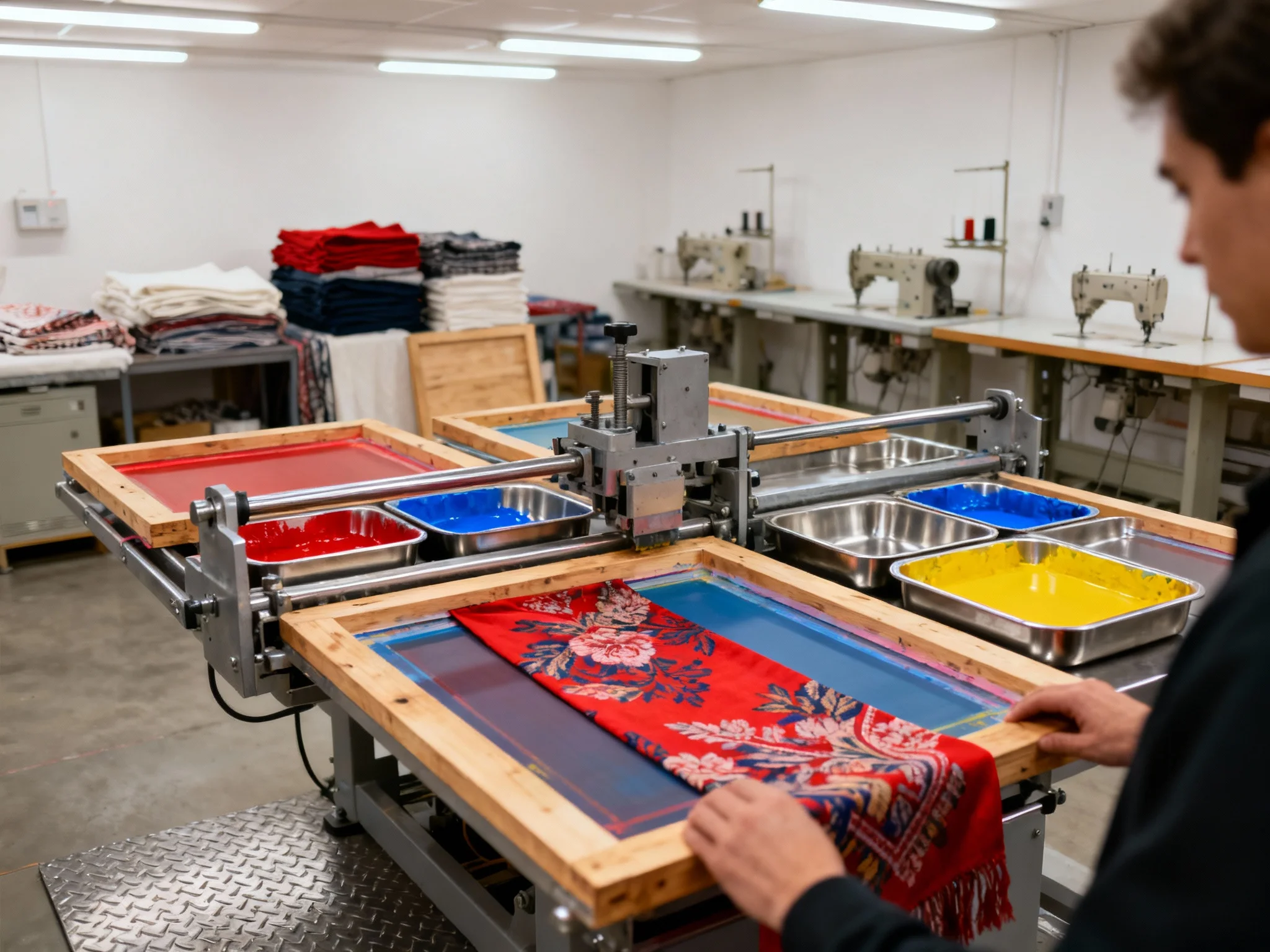
Before exploring FENNYSUN's innovative solution, it's essential to understand the systemic challenges that have long plagued traditional scarf production. Conventional manufacturing workflows consist of fragmented stages: design finalization, screen preparation, color formulation, bulk printing, drying, quality control, and distribution preparation. These discrete operations typically function in isolation, with significant latency between processes creating unnecessary delays.
Traditional screen printing technology requires physical screens for each color separation and design variation—a labor-intensive process consuming 7 to 10 days for complex patterns. This not only extends production timelines but severely limits operational flexibility, making last-minute design modifications or small-batch production economically unfeasible. For fashion businesses operating in today's just-in-time retail environment, these delays frequently result in missed seasonal opportunities and diminished competitive positioning.
Industry research confirms that supply chain inefficiencies account for approximately 35% of lost revenue potential in the fashion accessories sector. When production lead times exceed 30 days, brands face escalated inventory risks, increased carrying costs, and diminished capacity to capitalize on emerging trends—precisely the challenges FENNYSUN addressed through comprehensive workflow optimization.
FENNYSUN's Digital Transformation: A Strategic Approach
Recognizing the inherent limitations of traditional manufacturing methodologies, FENNYSUN initiated a digital transformation program built on three foundational pillars: technology integration, process reengineering, and data-driven decision making. While the adoption of state-of-the-art digital printing equipment was critical, the true innovation emerged from embedding this technology within a seamlessly integrated end-to-end workflow.
The transformation process commenced with a rigorous analysis of existing production bottlenecks. Utilizing value stream mapping—a lean manufacturing technique designed to identify process waste—the operations team discovered that nearly 60% of total production time was consumed by non-value-adding activities: material transportation between departments, approval bottlenecks, and rework resulting from color inconsistencies.
To address these inefficiencies, FENNYSUN implemented a centralized digital management platform connecting every production stage from initial design submission through final delivery. This integrated system facilitates real-time collaboration between design teams, production managers, and quality assurance personnel, eliminating information silos and reducing approval cycle times by 75%.
Most transformative, however, was the elimination of physical screen preparation through digital printing technology. Design files transition directly to production equipment, where advanced color management software ensures consistent reproduction across production runs. Setup time plummeted from days to hours while enabling unprecedented design flexibility—facilitating easy customization and rapid adjustments without costly retooling.
The Optimized Production Journey: From Digital Design to Global Delivery
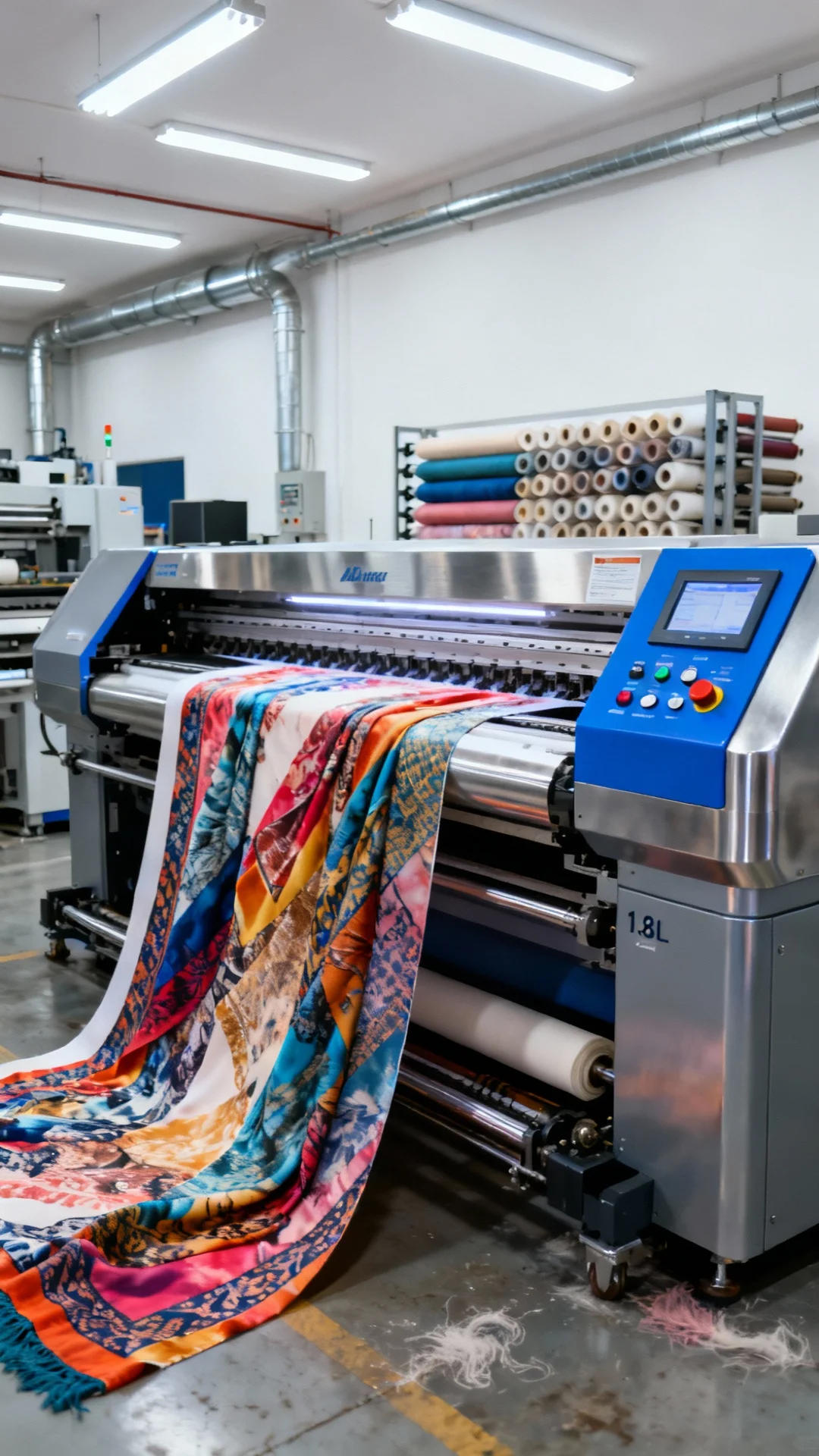
FENNYSUN's reimagined manufacturing workflow has fundamentally transformed scarf production, compressing a conventional 35-day process into a streamlined 21-day cycle. This 40% lead time reduction is achieved through five integrated stages:
1. Digital Design Integration (Days 1-3)
The process initiates with secure upload of client design files to FENNYSUN's cloud-based collaboration platform. Automated pre-flight verification ensures file compatibility and print readiness, while designers collaborate in real time with technical specialists to optimize designs for production. This digital-first approach has condensed the traditional 5-7 day proofing cycle to just 48 hours, significantly accelerating time-to-production.
2. Material Sourcing and Planning (Days 3-5)
Upon design finalization, the system automatically generates precise material requirements based on order specifications, triggering inventory verification and procurement processes as needed. FENNYSUN's strategic supplier relationships ensure premium fabrics arrive within 48 hours for standard orders, eliminating the typical week-long material acquisition delay that has historically plagued the industry.
3. High-Speed Digital Printing Operations (Days 5-8)
The core of efficiency gains resides in the digital printing operation. Multiple high-speed digital printers accommodate various fabric types, processing multiple designs simultaneously with minimal setup transitions. Advanced inkjet technology deposits color directly onto textiles at resolutions up to 1200 DPI while maintaining production speeds of 50 meters per hour. This stage alone has reduced printing cycle time by 60% compared to traditional screen printing methods.
4. Automated Finishing and Quality Assurance (Days 8-15)
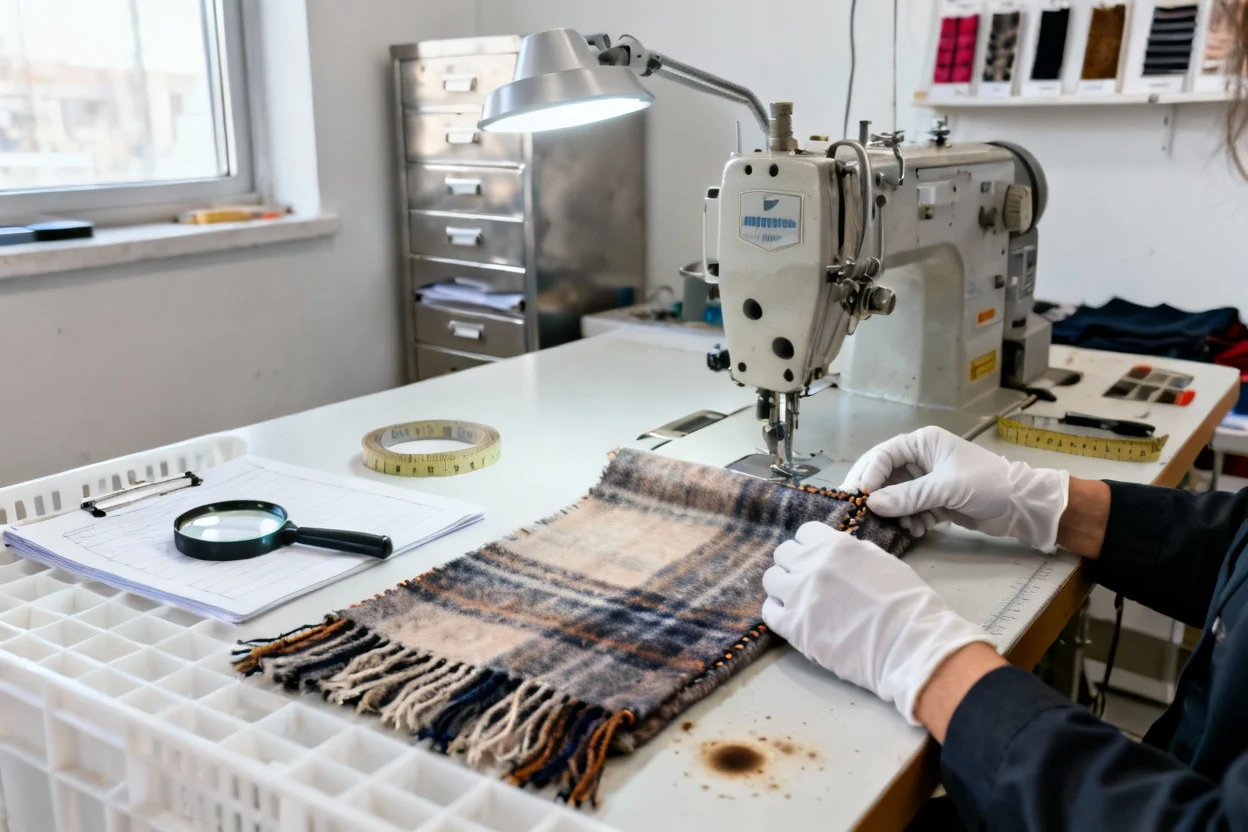
Post-printing, scarves proceed through automated drying and finishing processes that ensure color fastness and fabric integrity. Quality control protocols are embedded at every stage through barcode tracking and digital inspection stations, where high-resolution imaging systems scan each product for defects. Issues are identified immediately, reducing rework rates from 12% to under 3%.
5. Customized Packaging and Global Distribution (Days 15-21)
The final production phase leverages FENNYSUN's optimized logistics network with automated packaging systems that customize labeling and presentation according to client specifications. Integrated shipping solutions provide real-time tracking and multiple delivery options, ensuring global distribution within 3-7 days of leaving the production facility.
What distinguishes this workflow is its remarkable scalability—producing 500 or 50,000 scarves maintains consistent lead times and quality standards. Fashion brands benefit from predictable production timelines that enable more accurate inventory planning and market responsiveness.
Quantifiable Outcomes and Client Success Stories
FENNYSUN's workflow optimization delivers measurable results that extend beyond the headline 40% lead time reduction, creating cascading benefits that directly impact client success metrics:
Operational Performance Metrics
- Order fulfillment velocity: Standard orders now ship within 21 days compared to 35 days previously, with rush production capabilities delivering orders in as little as 10 days
- Production capacity utilization: Digital printing technology has increased output by 55% without facility expansion
- Inventory efficiency: Clients report average 28% savings in inventory holding costs due to more predictable delivery timelines
- Customization flexibility: The ability to profitably handle small-batch custom orders (minimum 50 units) with the same efficiency as large production runs
- Sustainability improvements: 32% reduction in water consumption and 27% lower fabric waste through precision printing and optimized material utilization
Client Impact Case Studies
A prominent European fashion boutique chain specializing in seasonal accessories transformed its business model through partnership with FENNYSUN. The 40% lead time reduction enabled the introduction of two additional seasonal collections annually, resulting in a 34% revenue increase while reducing markdowns on outdated inventory by 41%.
Another compelling example involves a luxury scarf brand that leveraged FENNYSUN's digital workflow to implement a test-and-learn production strategy. By initially producing limited runs of new designs and scaling successful styles based on market response, the brand reduced design risk by 60% while accelerating time-to-market for top-performing products.
These client experiences demonstrate how FENNYSUN's manufacturing optimization creates strategic competitive advantages that extend far beyond operational efficiency in today's fast-paced fashion marketplace.
Lean Manufacturing Principles in Textile Production
The transformation of FENNYSUN's production workflow was guided by lean manufacturing principles focused on eliminating waste and maximizing customer value—ultimately enabling the 40% lead time reduction while maintaining premium quality standards.
Key Lean Methodologies Implemented:
- 5S Workplace Organization: Standardized workstations and material storage systems reduced tool and supply search time by 80%
- Continuous Improvement (Kaizen): Weekly cross-functional improvement meetings identify and implement process enhancements, averaging 3-5 impactful changes monthly
- Total Productive Maintenance (TPM): Preventive maintenance protocols increased machine uptime from 75% to 96%
- Pull Production System: Manufacturing based on actual orders rather than forecasts reduced inventory levels by 38%
- Error Proofing (Poka-Yoke): Digital systems incorporate built-in verification checks preventing common production errors such as incorrect color profiles or design placement
What makes FENNYSUN's approach particularly innovative is the adaptation of these lean principles specifically for textile and fashion accessories manufacturing. Traditional lean methodologies emphasizing minimal changeovers have been reimagined for digital printing environments, balancing production flexibility with operational efficiency through advanced scheduling algorithms and modular production cells.
Supply Chain Management for Scarves: Beyond the Production Floor
Recognizing that manufacturing efficiency alone cannot deliver optimal supply chain performance, FENNYSUN optimized its entire supply chain ecosystem to support accelerated production workflows. This holistic approach ensures that gains in manufacturing efficiency are not undermined by bottlenecks in material sourcing or distribution.
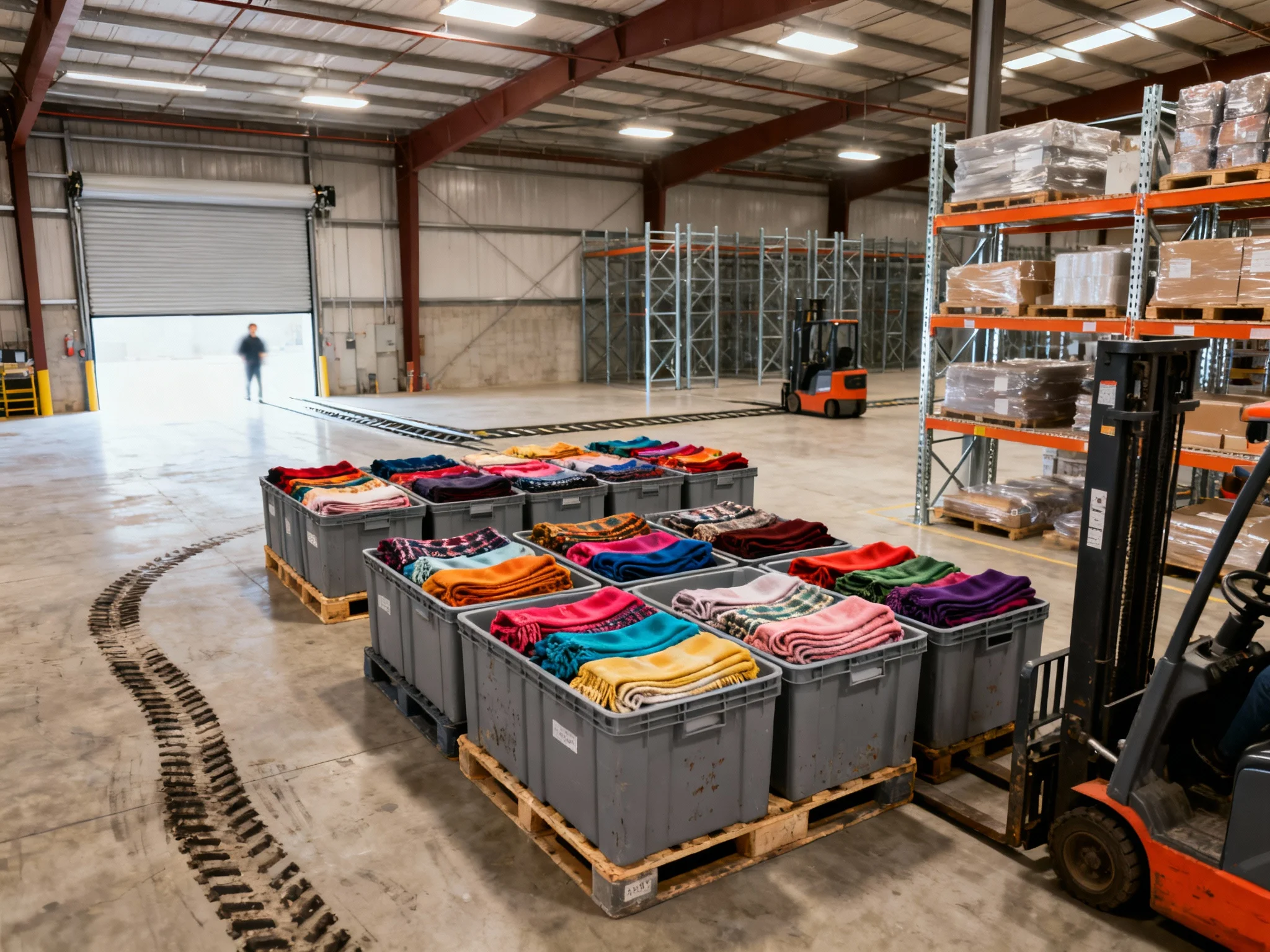
The company established strategic alliances with premium fabric suppliers, implementing vendor-managed inventory systems that ensure material availability without excessive stockpiling. By sharing demand forecasts and production schedules with key suppliers, material lead times have been reduced from 14 days to an average of 5 days for most fabric types.
On the distribution side, FENNYSUN has developed a sophisticated global logistics network with strategically positioned fulfillment centers enabling regional shipping that minimizes delivery times and costs. Real-time inventory visibility across all locations allows dynamic order routing, with shipments originating from the nearest facility to minimize transit time and environmental impact.
Most innovative is FENNYSUN's application of predictive analytics to anticipate and mitigate supply chain disruptions. Machine learning algorithms analyze historical data on material delays, production bottlenecks, and shipping challenges to identify potential issues before they impact operations—triggering proactive solutions such as alternative sourcing or production schedule adjustments.
Strategic Recommendations for Fashion Accessories Brands
For boutique owners, specialty retailers, and fashion brands seeking to optimize their scarf and accessories supply chains, FENNYSUN's transformation journey offers valuable strategic insights:
1. Prioritize Digital Capabilities in Manufacturing Partners
When evaluating production partners, assess digital infrastructure beyond basic manufacturing capabilities. Key considerations include: Can they process digital design files directly? Do they offer real-time production tracking? What collaboration tools exist for design iterations and approvals?
2. Evaluate End-to-End Supply Chain Performance
Examine the entire production lifecycle from initial design submission through final delivery, not just manufacturing speed. Partners demonstrating efficiency across all stages typically deliver more consistent results than those optimizing only a single环节.
3. Seek Scalable Production Flexibility
The ability to efficiently handle both small-batch custom orders and large production runs grows increasingly valuable each year. When evaluating partners, inquire about minimum order quantities, customization capabilities, and how quickly production can scale up or down in response to demand fluctuations.
4. Assess Integrated Sustainability Practices
Production efficiency and environmental sustainability often go hand in hand. Inquire about waste reduction programs, water and energy conservation measures, and sustainable material sourcing practices to ensure alignment with consumer expectations and regulatory requirements.
5. Demand Transparent Communication Protocols
Look for manufacturing partners that provide clear, data-driven insights into production timelines, potential delays, and quality metrics. Transparent communication enables more accurate inventory planning and more effective market response.
Applying these criteria will help fashion accessories brands identify manufacturing partners that contribute not just to operational efficiency but to overall market responsiveness and competitive advantage.
Conclusion: Redefining Scarf Production Efficiency Standards
FENNYSUN's digital printing workflow transformation represents more than a technological upgrade—it signals a fundamental shift in how scarf manufacturing should operate in the digital age. By cutting lead times by 40% through meticulous process optimization, digital integration, and lean manufacturing principles, the company has established a new industry benchmark for production efficiency.
The measurable results—from increased client revenue to reduced environmental impact—demonstrate that manufacturing optimization now creates strategic market advantages rather than merely delivering cost savings. As fashion accessories brands navigate evolving consumer demands, sustainability expectations, and market volatility, manufacturing partners like FENNYSUN have become essential strategic allies.
For businesses evaluating scarf production partners, production workflow has emerged as a critical determinant of market success. The ability to deliver high-quality products quickly, flexibly, and sustainably will increasingly define market leadership in the years ahead.
FENNYSUN's commitment to continuous improvement suggests that today's 40% lead time reduction represents just the beginning of what's possible through digital manufacturing transformation. Forward-thinking fashion brands would be well-advised to align with manufacturing partners that are actively redefining production efficiency standards for the industry's digital future.</think># Revolutionizing Scarf Production Efficiency: How FENNYSUN's Digital Workflow Cut Lead Times by 40%
In the hyper-competitive fashion accessories industry, where seasonal collections evolve overnight and consumer preferences shift with unprecedented speed, manufacturing agility has become the cornerstone of market leadership. With over a decade of experience in textile production, I've witnessed traditional manufacturing paradigms struggle to meet the demands of today's fast-fashion ecosystem—until innovative approaches like FENNYSUN's integrated digital printing workflow redefined what's possible in production efficiency.
This comprehensive analysis examines how FENNYSUN transformed scarf manufacturing through strategic digital integration, achieving a remarkable 40% reduction in lead times while maintaining uncompromising quality standards. For fashion brands, specialty retailers, and boutique owners evaluating manufacturing partners, this case study illustrates the benchmarks of world-class production efficiency in contemporary textile manufacturing.
The Traditional Manufacturing Bottleneck: A Broken Paradigm
Before exploring FENNYSUN's innovative solution, it's essential to understand the systemic challenges that have long plagued traditional scarf production. Conventional manufacturing workflows consist of fragmented stages: design finalization, screen preparation, color formulation, bulk printing, drying, quality control, and distribution preparation. These discrete operations typically function in isolation, with significant latency between processes creating unnecessary delays.
Traditional screen printing technology requires physical screens for each color separation and design variation—a labor-intensive process consuming 7 to 10 days for complex patterns. This not only extends production timelines but severely limits operational flexibility, making last-minute design modifications or small-batch production economically unfeasible. For fashion businesses operating in today's just-in-time retail environment, these delays frequently result in missed seasonal opportunities and diminished competitive positioning.
Industry research confirms that supply chain inefficiencies account for approximately 35% of lost revenue potential in the fashion accessories sector. When production lead times exceed 30 days, brands face escalated inventory risks, increased carrying costs, and diminished capacity to capitalize on emerging trends—precisely the challenges FENNYSUN addressed through comprehensive workflow optimization.
FENNYSUN's Digital Transformation: A Strategic Approach
Recognizing the inherent limitations of traditional manufacturing methodologies, FENNYSUN initiated a digital transformation program built on three foundational pillars: technology integration, process reengineering, and data-driven decision making. While the adoption of state-of-the-art digital printing equipment was critical, the true innovation emerged from embedding this technology within a seamlessly integrated end-to-end workflow.
The transformation process commenced with a rigorous analysis of existing production bottlenecks. Utilizing value stream mapping—a lean manufacturing technique designed to identify process waste—the operations team discovered that nearly 60% of total production time was consumed by non-value-adding activities: material transportation between departments, approval bottlenecks, and rework resulting from color inconsistencies.
To address these inefficiencies, FENNYSUN implemented a centralized digital management platform connecting every production stage from initial design submission through final delivery. This integrated system facilitates real-time collaboration between design teams, production managers, and quality assurance personnel, eliminating information silos and reducing approval cycle times by 75%.
Most transformative, however, was the elimination of physical screen preparation through digital printing technology. Design files transition directly to production equipment, where advanced color management software ensures consistent reproduction across production runs. Setup time plummeted from days to hours while enabling unprecedented design flexibility—facilitating easy customization and rapid adjustments without costly retooling.
The Optimized Production Journey: From Digital Design to Global Delivery
FENNYSUN's reimagined manufacturing workflow has fundamentally transformed scarf production, compressing a conventional 35-day process into a streamlined 21-day cycle. This 40% lead time reduction is achieved through five integrated stages:
1. Digital Design Integration (Days 1-3)
The process initiates with secure upload of client design files to FENNYSUN's cloud-based collaboration platform. Automated pre-flight verification ensures file compatibility and print readiness, while designers collaborate in real time with technical specialists to optimize designs for production. This digital-first approach has condensed the traditional 5-7 day proofing cycle to just 48 hours, significantly accelerating time-to-production.
2. Material Sourcing and Planning (Days 3-5)
Upon design finalization, the system automatically generates precise material requirements based on order specifications, triggering inventory verification and procurement processes as needed. FENNYSUN's strategic supplier relationships ensure premium fabrics arrive within 48 hours for standard orders, eliminating the typical week-long material acquisition delay that has historically plagued the industry.
3. High-Speed Digital Printing Operations (Days 5-8)
The core of efficiency gains resides in the digital printing operation. Multiple high-speed digital printers accommodate various fabric types, processing multiple designs simultaneously with minimal setup transitions. Advanced inkjet technology deposits color directly onto textiles at resolutions up to 1200 DPI while maintaining production speeds of 50 meters per hour. This stage alone has reduced printing cycle time by 60% compared to traditional screen printing methods.
4. Automated Finishing and Quality Assurance (Days 8-15)
Post-printing, scarves proceed through automated drying and finishing processes that ensure color fastness and fabric integrity. Quality control protocols are embedded at every stage through barcode tracking and digital inspection stations, where high-resolution imaging systems scan each product for defects. Issues are identified immediately, reducing rework rates from 12% to under 3%.
5. Customized Packaging and Global Distribution (Days 15-21)
The final production phase leverages FENNYSUN's optimized logistics network with automated packaging systems that customize labeling and presentation according to client specifications. Integrated shipping solutions provide real-time tracking and multiple delivery options, ensuring global distribution within 3-7 days of leaving the production facility.
What distinguishes this workflow is its remarkable scalability—producing 500 or 50,000 scarves maintains consistent lead times and quality standards. Fashion brands benefit from predictable production timelines that enable more accurate inventory planning and market responsiveness.
Quantifiable Outcomes and Client Success Stories
FENNYSUN's workflow optimization delivers measurable results that extend beyond the headline 40% lead time reduction, creating cascading benefits that directly impact client success metrics:
Operational Performance Metrics
- Order fulfillment velocity: Standard orders now ship within 21 days compared to 35 days previously, with rush production capabilities delivering orders in as little as 10 days
- Production capacity utilization: Digital printing technology has increased output by 55% without facility expansion
-