In the fast-paced world of fashion accessories, where seasonal trends shift overnight and customer expectations continue to rise, delivering high-quality products quickly has become a critical competitive advantage. Traditional production timelines—often 4-6 weeks for custom scarf orders—create significant challenges for brands trying to stay ahead of market demands. As an industry professional with extensive experience in textile manufacturing and supply chain management, I've witnessed firsthand how these extended lead times can hinder businesses in today's rapidly evolving marketplace.
FENNYSUN has redefined industry standards by promising and consistently delivering custom scarf orders worldwide in just 14 days. This remarkable achievement isn't the result of cutting corners or compromising quality. Instead, it stems from the masterful integration of lean manufacturing principles, supply chain optimization, and strategic technology adoption. In an industry where the average lead time for custom printed scarves ranges from 21 to 35 days according to 2025 manufacturing benchmarks, FENNYSUN's 14-day delivery model stands out as an operational excellence paradigm worth examining for any fashion accessories business looking to boost its competitive position.
The Strategic Foundations of FENNYSUN's Rapid Delivery Model
At the core of FENNYSUN's rapid turnaround capability lies a meticulously designed operational framework built on three fundamental pillars: vertically integrated manufacturing capabilities, data-driven supply chain management, and relentless focus on process optimization. These elements work in harmony to create a system that not only meets but consistently exceeds the demanding expectations of global fashion brands and retailers.
Vertical Integration: Controlling the Entire Production Ecosystem
Unlike many competitors who outsource various production stages, FENNYSUN has invested heavily in vertical integration, bringing every critical manufacturing process in-house. This strategic decision—aligned with emerging 2025 supply chain trends emphasizing control and visibility—spans from design approval and material selection to printing, finishing, and quality control. By directly overseeing each production stage, the company eliminates delays and communication barriers that typically plague multi-vendor supply chains.
The benefits of this approach are substantial. In traditional outsourcing models, each handoff between suppliers introduces potential delays, quality concerns, and communication challenges. FENNYSUN's integrated model allows for real-time adjustments and immediate problem-solving. For instance, if a color matching issue arises during printing, the design team can be consulted immediately. Decisions get made on the spot, and production resumes without the usual days-long delays of coordinating between separate facilities.
This integration also gives FENNYSUN exceptional flexibility. As noted in industry analyses of fashion manufacturing workflow optimization, the ability to quickly reallocate resources and adjust production schedules in response to changing demands grows more valuable in today's volatile market. FENNYSUN's vertically integrated structure enables exactly this kind of agility, letting the company accommodate rush orders and last-minute design modifications that would be impossible for competitors with more fragmented production processes.
Data-Driven Supply Chain Management
Beyond physical integration, FENNYSUN has embraced digital transformation in supply chain operations, implementing advanced analytics and forecasting tools familiar to practitioners of modern supply chain management for scarves. This technological foundation lets the company maintain optimal inventory levels, anticipate potential disruptions, and make informed decisions that keep production flowing smoothly.
One key advantage of this data-driven approach is enhanced demand forecasting. By analyzing historical order patterns, seasonal trends, and market signals, FENNYSUN predicts which materials and designs will likely be in high demand, ensuring critical resources are available when needed. This proactive inventory management minimizes production delays from material shortages—a common textile industry challenge that can easily add weeks to delivery timelines.
FENNYSUN also uses its data analytics capabilities to optimize production scheduling. The company's manufacturing execution system continuously analyzes workflow bottlenecks, machine utilization rates, and labor allocation, making real-time adjustments to maximize efficiency. This dynamic scheduling ensures each production stage operates at peak capacity without creating bottlenecks that could slow the entire process.
Process Optimization and Lean Manufacturing Principles
The third pillar of FENNYSUN's rapid delivery model is its systematic application of lean manufacturing principles to scarf production—a practice aligned with broader industry trends toward manufacturing optimization in textile operations. By systematically identifying and eliminating waste throughout production, the company has significantly reduced lead times while maintaining high quality standards.
FENNYSUN's lean manufacturing approach involves regular process audits, cross-functional improvement teams, and a company-wide culture of continuous improvement. These elements work together to identify non-value-added activities and implement more efficient alternatives. For example, reorganizing workstations to minimize material handling and implementing standardized work instructions has reduced production time for certain scarf styles by up to 30%.
FENNYSUN has also adopted several key lean tools and techniques particularly relevant to lean scarf manufacturing:
- Value Stream Mapping: The company thoroughly mapped the entire production process from order receipt to shipping, identifying opportunities to streamline workflows and eliminate delays.
- Kanban Systems: Visual signaling systems manage inventory flow between production stages, ensuring materials arrive exactly when needed without excessive stockpiling.
- Quick Changeover Techniques: By optimizing setup processes for printing machines and other equipment, FENNYSUN minimized downtime between production runs, enabling more frequent product changes and greater responsiveness to customer needs.
- Poka-Yoke (Error Proofing): Simple yet effective mechanisms prevent common production errors, reducing rework needs and ensuring consistent quality.
These lean manufacturing practices have not only reduced production time but also improved quality control and resource utilization—key components of FENNYSUN's ability to deliver custom orders in just 14 days.
The 14-Day Delivery Process: A Step-by-Step Breakdown
While specific operational details remain proprietary, industry best practices and publicly available information allow us to construct a reasonable approximation of how FENNYSUN's 14-day delivery process might function. This hypothetical workflow illustrates how production workflow improvement can transform traditional manufacturing timelines.
Days 1-2: Order Confirmation and Design Approval
The process begins with order placement and design confirmation. FENNYSUN has streamlined this critical initial stage through:
- Standardized digital design templates that ensure files are production-ready
- Automated design rule checks to identify potential manufacturing issues early
- Dedicated customer service representatives who coordinate between design teams and clients
- Real-time digital proofing systems that allow for immediate feedback and approval
By compressing this typically time-consuming phase into just 48 hours, FENNYSUN sets the foundation for the entire rapid delivery process.
Days 3-5: Material Sourcing and Preparation
With designs approved, focus shifts to material acquisition and preparation. FENNYSUN's vertically integrated model and data-driven inventory management enable this stage to proceed quickly:
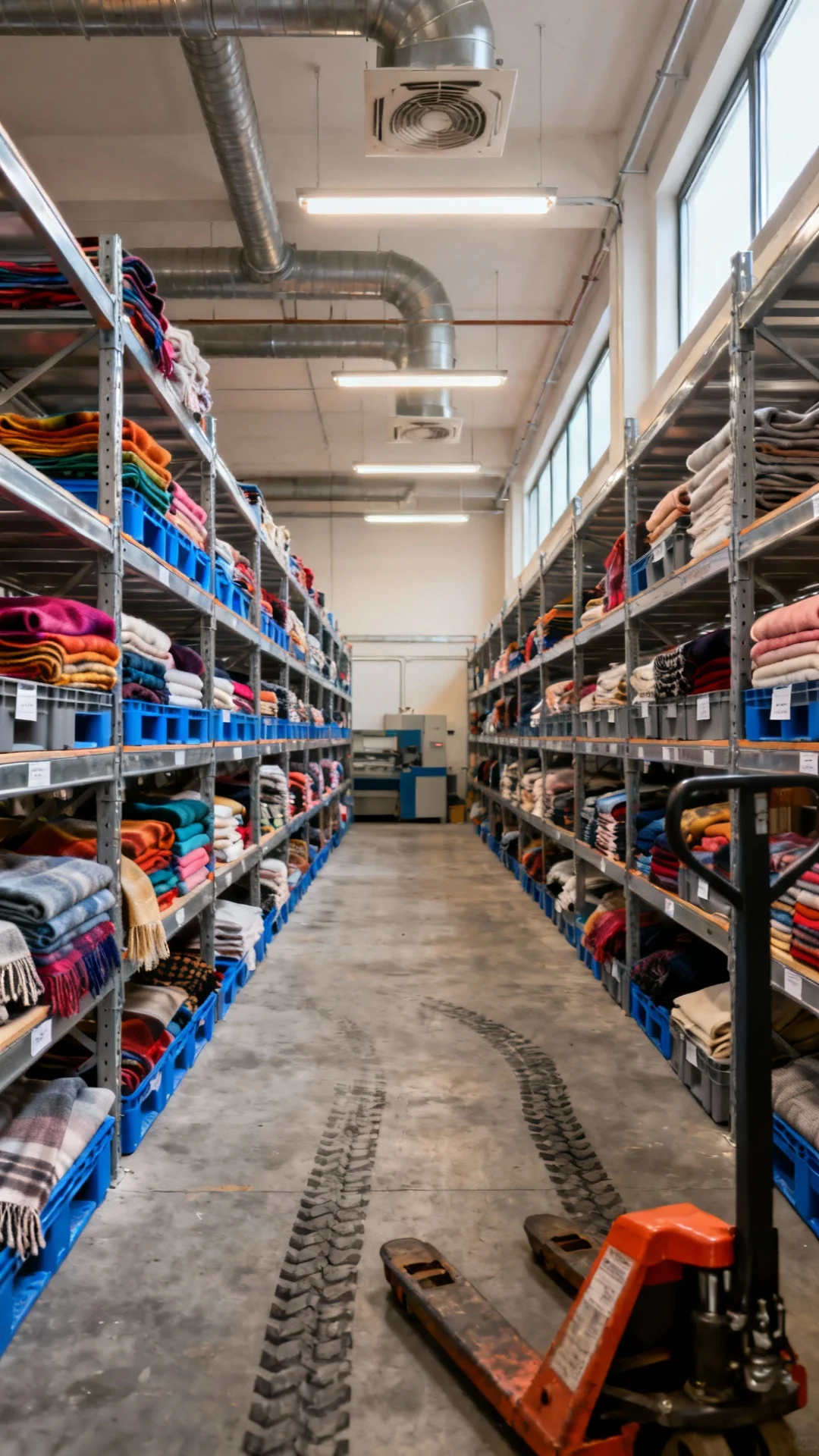
- Materials from in-house inventory are allocated based on order specifications
- Just-in-time delivery from pre-qualified suppliers for specialized materials
- Automated material cutting and preparation using computerized systems
- Quality inspection protocols to ensure materials meet standards before production
This stage exemplifies how effective supply chain management for scarves can eliminate weeks of delay compared to traditional manufacturing models.
Days 6-10: Production and Printing
The core manufacturing process represents the most significant application of FENNYSUN's lean manufacturing principles and technological investments:
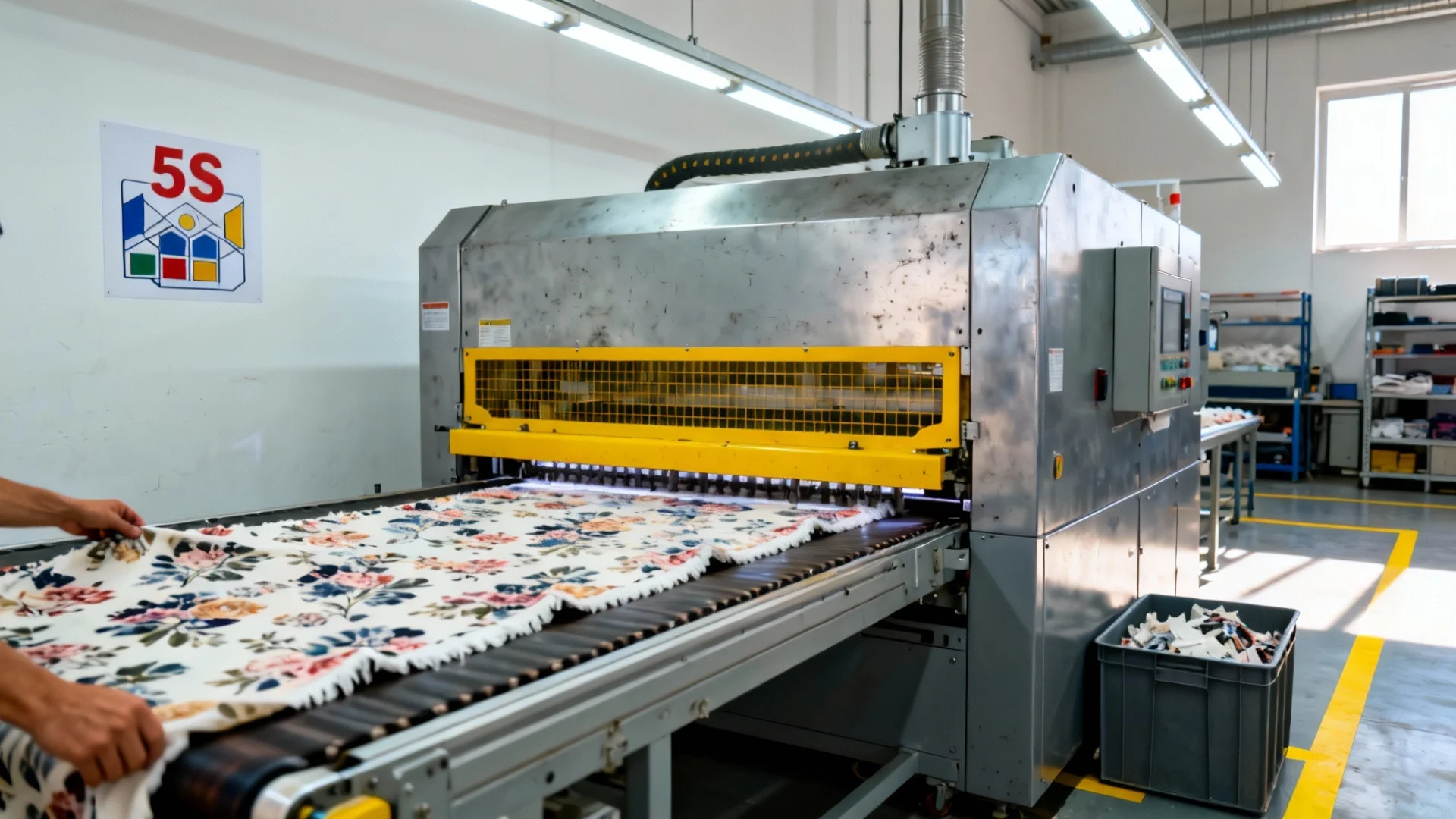
- Digital printing technologies that enable rapid pattern application without traditional screens
- Automated material handling systems that minimize manual intervention and speed up production flow
- Parallel processing of different order components to maximize throughput
- In-line quality control checks to identify and address issues immediately
This concentrated production phase leverages manufacturing optimization techniques to transform raw materials into finished products in just 5 days—a timeline impossible with conventional manufacturing approaches.
Days 11-12: Finishing and Quality Assurance
After production, scarves undergo final processing and rigorous quality checks:
- Automated finishing processes for hemming and edge treatment
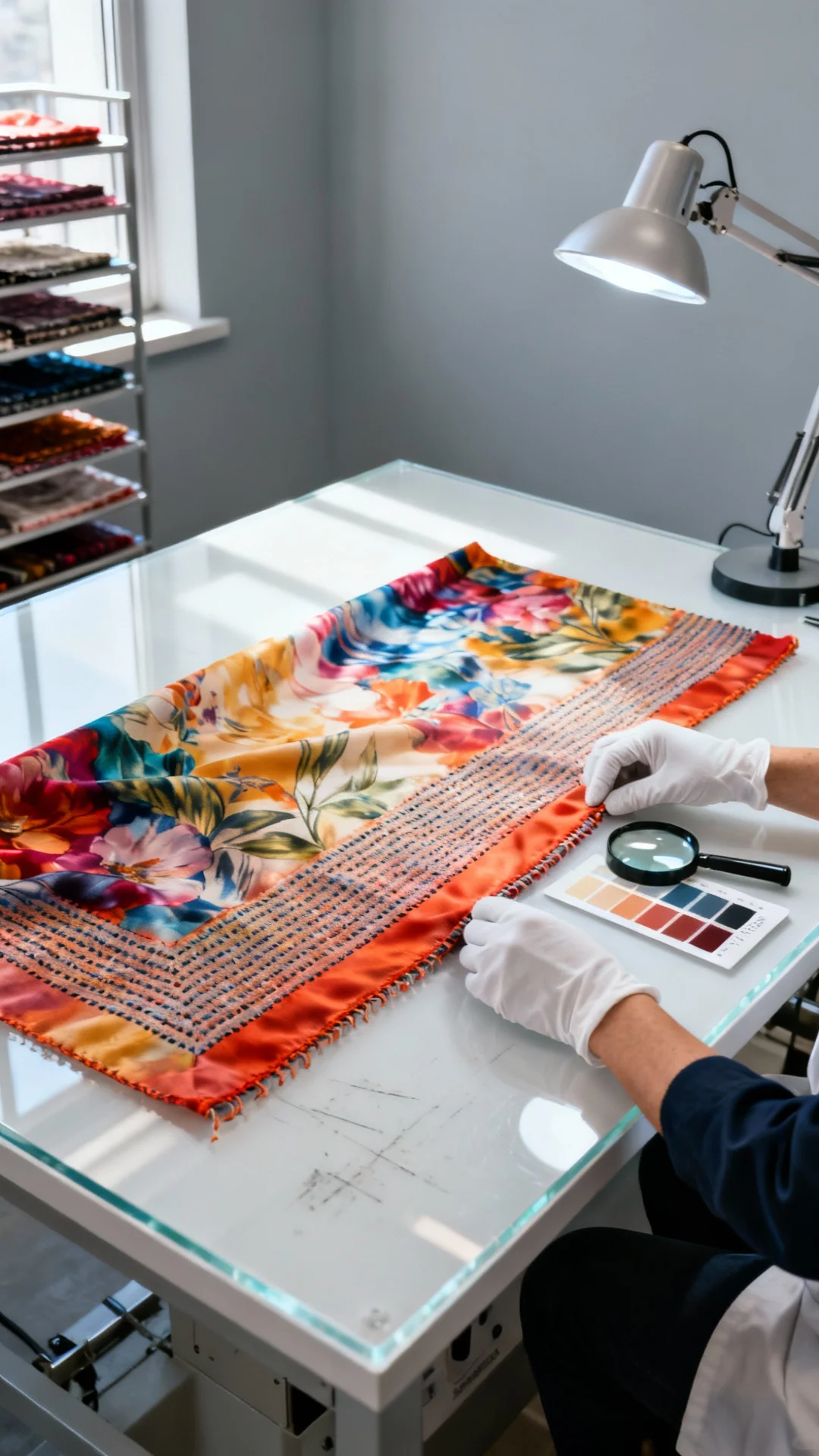
- Multi-stage inspection protocols to ensure product quality
- Automated sorting and packing systems
- Final quality audit before shipping authorization
These steps ensure the rapid production timeline doesn't compromise customer quality expectations.
Days 13-14: Global Logistics Coordination
The final stage involves preparing and dispatching orders for global delivery:
- Integration with international shipping carriers through API connections
- Automated customs documentation preparation
- Optimized packaging to minimize shipping costs and environmental impact
- End-to-end shipment tracking for complete visibility
FENNYSUN's established relationships with global logistics providers ensure products reach destinations as quickly and reliably as possible once they leave the factory.
Technological Enablers of Rapid Production
FENNYSUN's ability to deliver custom scarf orders in 14 days isn't just from process optimization. It also depends heavily on strategic investments in advanced manufacturing technologies that enhance scarf production efficiency. These technological enablers represent the cutting edge of textile manufacturing and supply chain management.
Digital Printing Technology
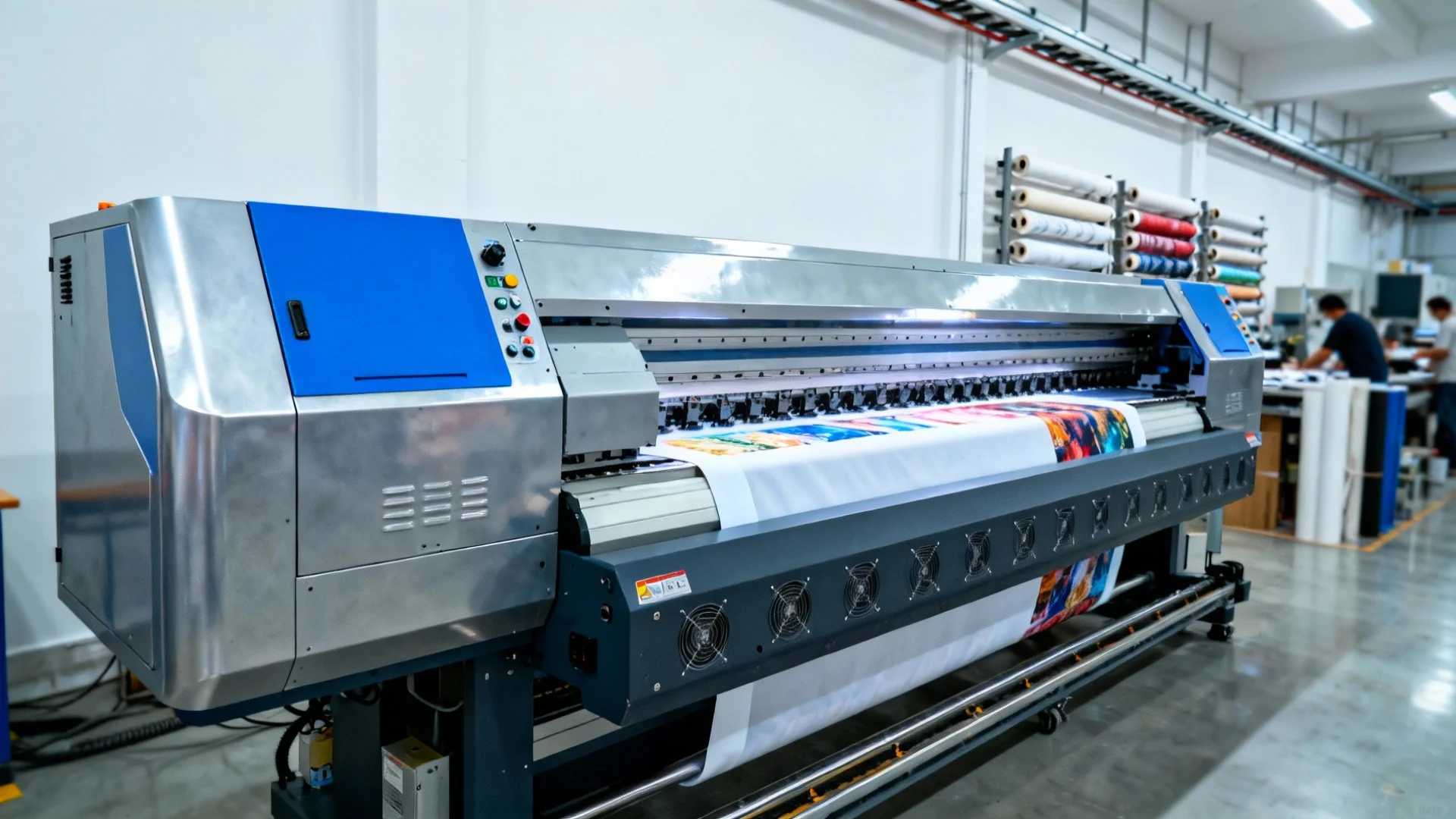
At the heart of FENNYSUN's production capabilities lies state-of-the-art digital printing technology. Unlike traditional screen printing, which requires creating physical screens for each design and color combination—a process taking days with significant setup costs—digital printing allows direct transfer of digital designs to fabric with minimal setup time.
This technology offers several key advantages for rapid production:
- Reduced Setup Time: Digital printers can be configured for new designs in minutes rather than hours or days
- Design Flexibility: Complex patterns and color gradients can be reproduced with exceptional accuracy
- Small Batch Efficiency: Digital printing is economical even for small production runs, enabling customization without volume penalties
- Quick Design Iteration: Changes can be implemented immediately without creating new physical screens
By eliminating traditional bottlenecks associated with screen preparation and setup, digital printing alone reduces production lead times by an estimated 30-40% compared to conventional methods.
Manufacturing Execution Systems (MES)
To coordinate complex manufacturing operations, FENNYSUN employs advanced Manufacturing Execution Systems that provide real-time visibility and control over production processes. These sophisticated software platforms serve as the central nervous system of manufacturing operations, integrating data from various production stages and providing decision-makers with actionable insights.
Key capabilities of FENNYSUN's MES include:
- Real-time Production Monitoring: Dashboards display current status of all production orders and equipment
- Dynamic Scheduling: The system automatically adjusts production sequences to optimize resource utilization and meet delivery deadlines
- Quality Control Integration: Defect tracking and quality metrics are captured in real-time, enabling immediate corrective actions
- Labor Management: Work assignments are optimized based on skill availability and production priorities
- Performance Analytics: Historical production data is analyzed to identify improvement opportunities and predict future performance
By providing unprecedented visibility and control over manufacturing operations, MES plays a critical role in FENNYSUN's ability to consistently meet its 14-day delivery commitment.
Supply Chain Management Software
Beyond the factory floor, FENNYSUN leverages comprehensive supply chain management software to coordinate the complex network of suppliers, transportation providers, and other partners involved in delivering products worldwide. This technology enables end-to-end visibility and control over the entire supply chain, from raw material sourcing to final delivery.
Key features of FENNYSUN's supply chain management system include:
- Supplier Relationship Management: Centralized information on supplier capabilities, lead times, and performance metrics
- Inventory Optimization: Advanced algorithms determine optimal inventory levels across the supply chain to minimize costs while ensuring availability
- Demand Forecasting: Predictive analytics tools anticipate future demand based on historical data and market trends
- Logistics Management: Multi-modal transportation planning and optimization to minimize shipping time and costs
- Risk Management: Early warning systems identify potential supply chain disruptions and suggest alternative approaches
This integrated software environment enables FENNYSUN to make rapid, data-driven decisions that keep orders moving through the supply chain despite inevitable disruptions.
Automation and Robotics
Strategic implementation of automation and robotics further enhances FENNYSUN's production capabilities, particularly in material handling and repetitive tasks. While textile manufacturing remains relatively labor-intensive, targeted automation has significantly improved efficiency and consistency:
- Automated Material Handling: Conveyor systems and robotic arms move materials between production stages, reducing manual handling and associated delays
- Computerized Cutting Systems: Precision cutting equipment guided by digital patterns ensures material efficiency and consistency
- Automated Sewing Stations: Specialized sewing robots handle repetitive stitching tasks with consistent quality and speed
- Sorting and Packaging Automation: Robotic systems assist in sorting finished products and preparing them for shipment
These automation technologies not only speed up production but also reduce potential human error, contributing to both efficiency and quality improvements.
Sustainability Considerations in Rapid Production
In an era where environmental responsibility has become a key concern for fashion brands and consumers alike, FENNYSUN's rapid production model incorporates several sustainability features aligned with industry trends in sustainable scarf production practices. Contrary to the common perception that fast production necessarily compromises sustainability, the company has demonstrated that efficiency and environmental responsibility can reinforce each other.
Material Efficiency
One of the most significant environmental benefits of FENNYSUN's approach comes from material efficiency. Through precise digital cutting and optimized pattern placement, the company minimizes fabric waste—a major environmental issue in traditional textile manufacturing. Additionally, the ability to produce smaller batches economically reduces the risk of overproduction and subsequent unsold inventory, a significant source of waste in the fashion industry.
FENNYSUN's data-driven inventory management further supports sustainability by ensuring materials are ordered and used efficiently, reducing excess stock and associated waste. By maintaining lean inventory levels throughout the supply chain, the company minimizes its environmental footprint while improving operational efficiency.
Energy and Resource Optimization
The lean manufacturing principles enabling FENNYSUN's rapid production also contribute to resource efficiency. By eliminating wasteful processes and optimizing equipment utilization, the company reduces energy consumption per unit produced. Additionally, the company has invested in energy-efficient production equipment and lighting systems throughout its facilities.
Water conservation represents another focus area. Textile production is traditionally water-intensive, but FENNYSUN has implemented several water-saving technologies:
- Digital printing systems that use significantly less water than traditional screen printing
- Water recycling and treatment systems that allow for process water reuse
- Dyeing processes optimized to minimize water consumption while maintaining colorfastness
These measures not only reduce environmental impact but also lower operating costs—a win-win situation demonstrating how sustainability and efficiency can align.
Supply Chain Transparency
FENNYSUN recognizes that true sustainability extends beyond its direct operations to encompass the entire supply chain. The company has implemented comprehensive supplier assessment and management programs to ensure materials and components are sourced responsibly.
Key elements of this approach include:
- Supplier sustainability audits based on recognized frameworks
- Requirements for compliance with environmental and social standards
- Preference for suppliers with demonstrable sustainability commitments
- Collaborative improvement programs with key suppliers
By extending its sustainability focus upstream, FENNYSUN ensures its rapid delivery model doesn't come at the expense of ethical and environmental considerations.
Practical Applications and Considerations for Fashion Brands
For fashion brands and retailers evaluating potential manufacturing partners, FENNYSUN's 14-day delivery model offers several compelling benefits aligned with current market demands. Understanding these advantages can help brands make informed decisions about their manufacturing strategies.
Responsiveness to Market Trends
In today's fast-paced fashion environment, quickly responding to emerging trends provides a significant competitive advantage. FENNYSUN's rapid production model enables brands to:
- Test new designs with minimal risk and rapid feedback
- Capitalize on viral trends before they peak
- Adjust production volumes based on real-time sales data
- Reduce the need for speculative ordering months in advance
These capabilities can dramatically improve inventory turnover and reduce markdowns—key metrics for retail profitability.
Reduced Inventory Requirements
By shortening production lead times from months to weeks, FENNYSUN enables brands to operate with significantly lower inventory levels. This reduction offers multiple benefits:
- Capital previously tied up in inventory can be redirected to other business priorities
- Warehouse space requirements are reduced, lowering overhead costs
- The risk of inventory obsolescence due to changing trends is minimized
- Cash flow is improved through more efficient working capital management
For many fashion brands, these inventory-related benefits alone can justify transitioning to a rapid manufacturing model.
Enhanced Customization Capabilities
FENNYSUN's efficient processes make small-batch production and customization economically viable. This capability supports several important retail strategies:
- Limited-edition collections that create exclusivity and drive customer engagement
- Personalized products that command premium pricing and enhance brand loyalty
- Regionalized designs tailored to specific market preferences
- Seasonal capsule collections that maintain brand freshness throughout the year
As consumer demand for personalized and unique products continues to grow, these customization capabilities will become increasingly valuable.
Implementation Considerations
While FENNYSUN's rapid delivery model offers significant advantages, brands considering this approach should be aware of several important implementation considerations:
- Design Standardization: To fully leverage rapid production capabilities, brands may need to adapt their design processes to work within the constraints of digital manufacturing technologies.
- Order Consolidation: While small batches are possible, some efficiency benefits come from strategic order consolidation.
- Communication Protocols: Clear, standardized communication processes are essential to ensure the rapid approval cycles that enable 14-day delivery.
- Quality Expectations: Brands should establish clear quality standards and inspection protocols upfront to ensure alignment with customer expectations.
- Pricing Models: Rapid delivery typically commands a premium price that should be evaluated against the benefits of reduced inventory and increased flexibility.
By addressing these considerations proactively, brands can maximize the value they derive from FENNYSUN's rapid manufacturing capabilities.
Conclusion: The Future of Fashion Manufacturing
FENNYSUN's 14-day global delivery model represents a significant step forward in textile manufacturing and supply chain management, demonstrating how a strategic combination of vertical integration, lean manufacturing principles, and technological innovation can transform traditional production timelines. As the fashion industry continues to evolve, this approach offers a glimpse into a future where responsiveness, efficiency, and sustainability are not mutually exclusive but complementary objectives.
The company's success highlights several important trends reshaping fashion manufacturing:
- Speed as a Competitive Advantage: In an industry characterized by rapidly changing trends and consumer expectations, the ability to deliver products quickly has become a decisive competitive factor rather than merely a value-added service.
- Digital Transformation: From design to delivery, digital technologies are fundamentally changing how fashion products are created, produced, and distributed, enabling unprecedented levels of efficiency and customization.
- Sustainable Efficiency: FENNYSUN's experience demonstrates that environmental responsibility and operational efficiency can reinforce each other, with lean manufacturing principles simultaneously reducing waste and environmental impact.
- Vertical Integration 2.0: The company's approach to vertical integration represents a modern evolution of this concept, combining physical production control with digital connectivity and data-driven decision making.
For fashion brands navigating an increasingly complex marketplace, FENNYSUN's operational model offers valuable insights into how manufacturing can be transformed from a traditional cost center into a strategic asset that drives competitive advantage through enhanced responsiveness, reduced inventory risk, and improved sustainability performance. As consumer expectations continue to evolve and technology advances, the 14-day delivery model that seems revolutionary today may soon become the industry standard tomorrow.