In today's rapidly evolving fashion landscape, scarf digital design technology has emerged as a transformative force in custom fashion production. Consumer demand for personalized, on-trend accessories continues to rise, pushing boutiques, specialty stores, and fashion brands to adopt digital solutions that meet these expectations efficiently and sustainably. This comprehensive guide explores how digital design technologies revolutionize scarf production from concept to finished product, based on industry experience working with luxury textile manufacturers and fashion brands.
The Evolution of Scarf Production: From Traditional to Digital
The shift from traditional printing methods to digital technologies represents a paradigm shift in scarf manufacturing. Traditional techniques like screen printing produce vibrant colors but require extensive setup, large minimum order quantities, and generate significant material waste. Modern digital printing technologies offer unprecedented flexibility and efficiency, fundamentally changing the economics of custom scarf production.
Historically, creating custom scarf designs involved labor-intensive processes: hand sketching designs, creating physical screens for each color, and producing large runs to justify setup costs. This model limited creativity, increased lead times, and made small-batch production economically unfeasible. Today, digital design and printing technologies eliminate these barriers, enabling designers to transform concepts into physical products in a fraction of the time while maintaining exceptional quality standards.
The global digital textile printing market reflects this transformation, projected to reach nearly $11.6 billion by 2030 according to industry reports. Advancements in printer technology, ink formulations, and design software drive this growth, collectively delivering superior results compared to traditional methods. For fashion businesses, this evolution means offering truly custom products with faster turnaround times, reduced waste, and enhanced design capabilities that were previously unattainable.
Core Technologies Powering Digital Scarf Design
At the heart of the digital scarf revolution lies a sophisticated ecosystem of technologies working together to transform creative visions into tangible accessories. Understanding these core components helps fashion businesses evaluate digital production solutions effectively.
High-Resolution Digital Printers form the backbone of modern scarf production. Leading models like the Ricoh Ri 4000 offer resolutions up to 1200 x 1200 dpi, reproducing intricate designs with exceptional clarity and detail. These printers use advanced inkjet technology that precisely deposits ink droplets onto various fabrics, including delicate silks and durable polyesters. Production speeds have improved significantly too—industrial models can print up to 100 meters per minute while maintaining quality, a critical factor for meeting commercial production demands.
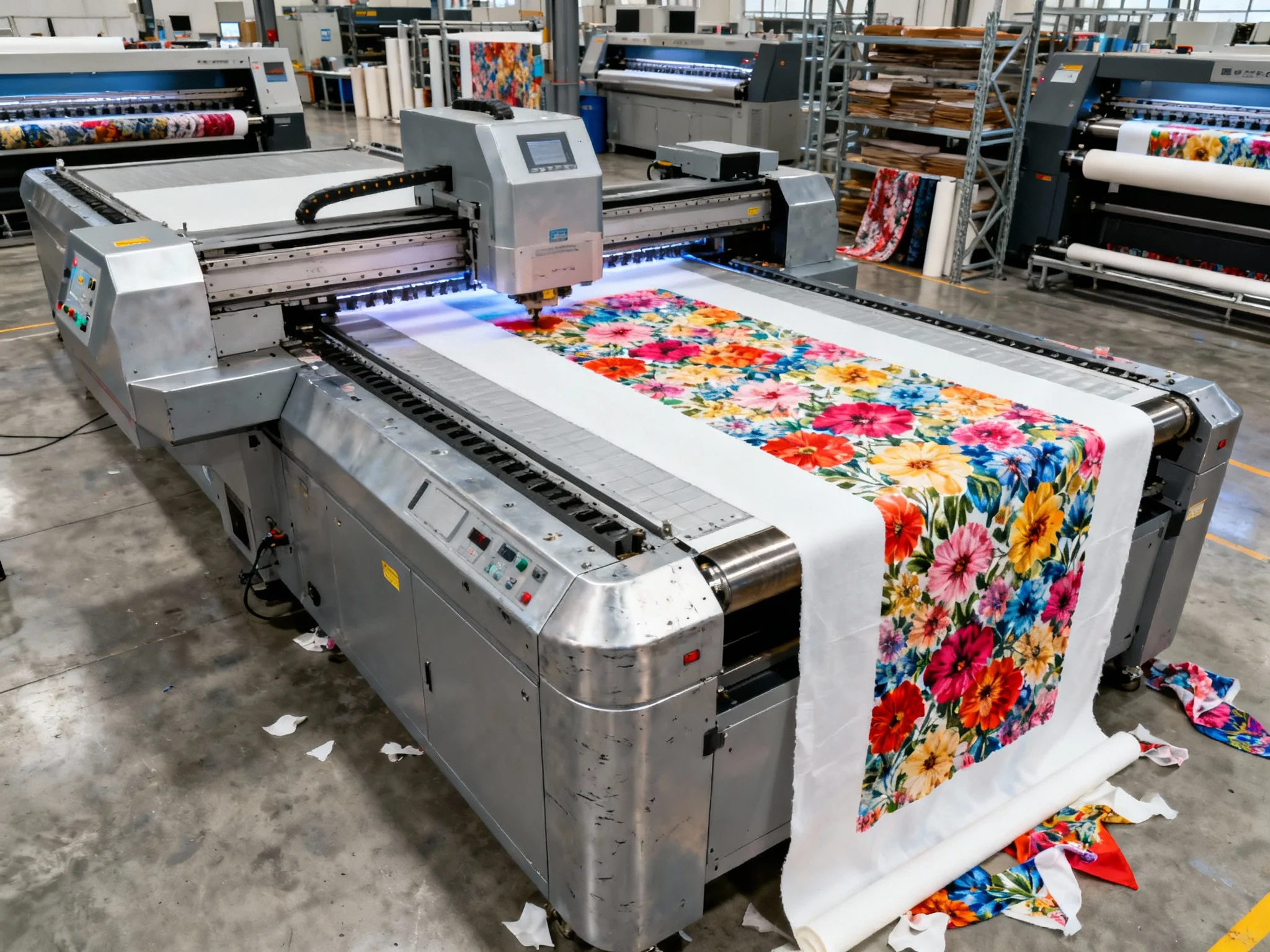
Ink Technology has advanced dramatically to address both quality and sustainability concerns. Water-based pigment inks have become the standard for high-end scarf production, offering excellent color vibrancy and wash fastness. The latest eco-friendly formulations meet stringent OEKO-TEX® STANDARD 100 requirements, ensuring minimal environmental impact and safe contact with skin. These inks contain significantly reduced volatile organic compounds (VOCs) compared to traditional alternatives and often feature biodegradable components, aligning with growing consumer demand for sustainable fashion practices.
Design Software and AI Integration have transformed the creative process. Industry-leading platforms now combine traditional design tools with artificial intelligence capabilities, offering features like automated pattern generation, color optimization, and predictive design rendering. AI-powered tools let designers generate custom scarf designs in seconds by inputting parameters such as style preferences, color schemes, and motif themes. This AI integration accelerates the design process and unlocks new creative possibilities by suggesting combinations and variations that might not emerge through traditional methods.
Digital Workflow Management Systems complete the technological ecosystem by streamlining the transition from design to production. These integrated platforms manage color profiling, file preparation, production scheduling, and quality control in a cohesive digital environment. By maintaining color consistency across different production runs and printer models, these systems ensure the final product matches the designer's vision exactly—a critical factor for brand consistency and customer satisfaction.
The Digital Production Workflow: From Concept to Finished Scarf
The digital scarf production workflow seamlessly integrates creative design and technical precision, enabling efficient transformation from digital concept to physical product. This streamlined process has redefined industry standards for speed, flexibility, and customization capabilities.
Design Development initiates the workflow, with digital tools empowering designers with unprecedented creative freedom. Using specialized software, designers create original patterns or adapt existing artworks with precise control over every element. AI-enhanced design platforms offer advanced features like automated pattern repetition, colorway generation, and motif scaling, significantly reducing development time. For example, a designer can input a single floral element and generate dozens of pattern variations in minutes, exploring different layouts, color combinations, and scales before finalizing the design. This digital approach eliminates the need for physical sketches and manual pattern adjustments, allowing for rapid iteration and refinement.
Pre-Production Preparation ensures the digital design translates optimally to the chosen fabric. This critical phase involves several technical steps: color separation (breaking down the design into individual color components), fabric pre-treatment to enhance ink absorption and adhesion, and printer calibration to ensure accurate color reproduction. Digital color management systems play a vital role here, using ICC profiles to maintain consistency across different fabrics and production runs. For luxury silk scarves, specialized pre-treatment solutions prepare the delicate fibers to receive digital inks without compromising the fabric's natural drape and luster.
Digital Printing transfers the digital design directly onto the fabric. High-resolution inkjet printers with multiple print heads deposit tiny droplets of pigment or dye-based inks onto the textile surface. This precise process creates incredibly detailed designs with smooth gradients, fine lines, and complex color mixtures that would be difficult or impossible to achieve with traditional screen printing. The choice of ink depends on the fabric type and desired finish—reactive dyes for natural fibers like silk and cotton, disperse dyes for synthetics, and pigment inks for blended materials. During printing, advanced systems monitor and adjust ink flow, temperature, and fabric tension in real-time to maintain optimal conditions throughout production.
Post-Printing Processes complete the transformation from printed fabric to finished scarf. These steps include steaming to set the inks and ensure color fastness, washing to remove residual chemicals, and drying under controlled conditions. Luxury scarves often receive hand-finishing techniques like hand-rolled edges, adding a premium touch that machine processing cannot replicate. Quality control integrates throughout the post-printing phase, with inspections for color consistency, print clarity, and fabric integrity. The result is a finished product that meets the exacting standards of high-end fashion brands while embodying the custom design vision.
Advantages of Digital Technology for Custom Scarf Production
Digital technology adoption in scarf production delivers multiple advantages that directly address modern fashion businesses' needs and challenges. These benefits extend beyond production efficiency to impact design capabilities, sustainability practices, and business profitability.
Unparalleled Design Flexibility ranks among digital production's most significant advantages. Unlike traditional screen printing, which requires a separate screen for each color and design element, digital technology enables unlimited color variations and design complexity without additional setup costs. This capability lets fashion brands offer truly custom scarves tailored to individual customer preferences, from personalized monograms to unique artistic designs. The technology supports intricate details, photorealistic images, and complex patterns impractical or impossible to produce with traditional methods.
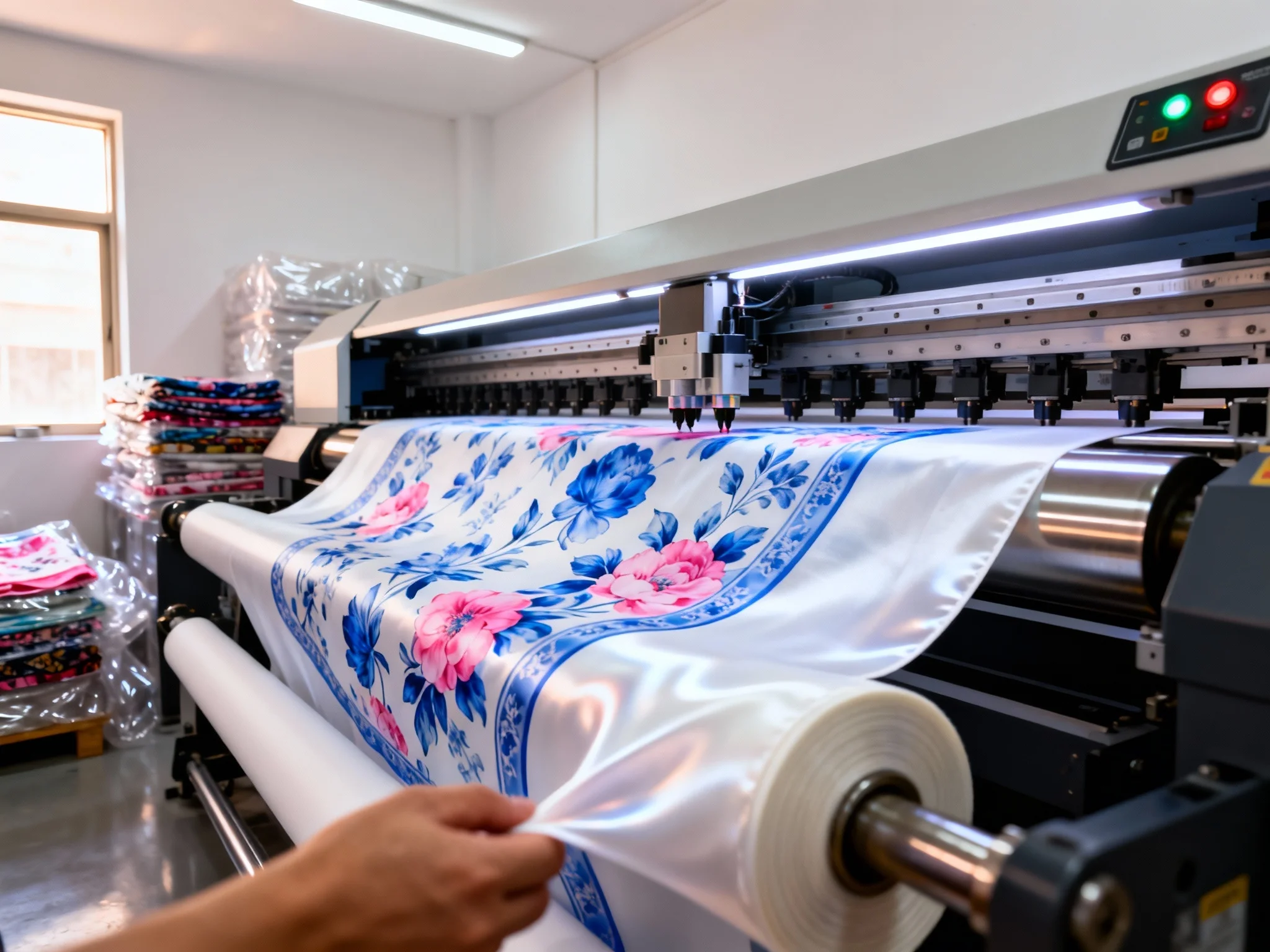
Enhanced Production Efficiency transforms operational capabilities for scarf manufacturers and brands. Digital production eliminates time-consuming setup processes associated with screen printing, reducing lead times from weeks to days or even hours for small batches. The technology enables on-demand production, letting businesses print exactly the quantities needed rather than maintaining large inventories. This just-in-time production model significantly reduces waste from unsold inventory while ensuring popular designs can be quickly restocked. For example, a boutique can receive an order for a custom scarf collection and have finished products ready for display within days, compared to the weeks required for traditional production methods.
Superior Quality and Consistency characterize digitally produced scarves, meeting luxury fashion markets' exacting standards. Advanced color management systems ensure precise color reproduction across different production runs and fabric types, maintaining brand consistency even when products are manufactured at different times or locations. High-resolution printing delivers exceptional detail and clarity, with colorfast inks that maintain vibrancy through multiple washes. Digital technology also enables better control over ink application, resulting in more consistent coverage and fewer defects.
Sustainability Benefits have become increasingly important in today's environmentally conscious market. Digital production significantly reduces water consumption compared to traditional methods, using up to 95% less water in some cases. The process generates less textile waste by enabling precise material utilization and supporting small-batch production. Eco-friendly ink formulations with reduced VOC content and improved biodegradability further minimize environmental impact.
Addressing Industry Challenges and Limitations
While digital scarf design technology offers substantial advantages, fashion businesses must understand and address these systems' inherent challenges and limitations. A realistic assessment of both capabilities and constraints ensures informed decision-making and effective implementation of digital production solutions.
Initial Investment Requirements represent a significant consideration for businesses transitioning to digital production. High-quality industrial digital textile printers require substantial capital investment, ranging from tens to hundreds of thousands of dollars depending on production capacity and capabilities. This barrier can be particularly challenging for small to medium-sized enterprises (SMEs) and independent designers entering the custom scarf market. Ongoing costs include specialized inks, maintenance contracts, and software updates that must factor into business models.
Material Compatibility Considerations impact the range of fabrics that can be effectively printed using digital technology. While modern printers handle various textiles including silk, cotton, wool, and polyester, each fabric type may require specific pre-treatment processes, ink formulations, and post-printing procedures. Delicate natural fibers like silk demand specialized handling to maintain texture and drape, potentially requiring additional processing steps. Some synthetic fabrics may present challenges with ink absorption and color vibrancy.
Color Management Complexities present ongoing challenges despite technological advancements. Achieving consistent color reproduction across different fabrics, printers, and production runs requires sophisticated color management systems and expertise. Variations in fabric composition, texture, and absorbency can affect how colors appear in the final product. Lighting conditions during design development, production, and viewing can also impact color perception.
Production Speed vs. Volume Considerations highlight the need for businesses to align digital production capabilities with market demands. While digital technology excels at quick turnaround for small to medium batches, traditional methods may still offer advantages for very large production runs in terms of cost per unit and overall speed. For many fashion brands, a hybrid approach combining digital production for custom and small-batch items with traditional methods for high-volume core products represents an optimal solution.
Sustainable Practices in Digital Scarf Production
Sustainability has become a defining factor in modern fashion production, and digital scarf technology offers significant advantages in reducing accessory manufacturing's environmental impact. By examining specific sustainability benefits and implementing best practices, fashion businesses can align production processes with both environmental responsibility and consumer expectations for eco-conscious products.
Reduced Environmental Footprint represents digital scarf production's most compelling sustainability benefit. The technology dramatically reduces water consumption compared to traditional screen printing methods, which typically require extensive water usage for setup, production, and cleanup. Digital systems use an estimated 70-95% less water depending on the specific process and materials. Digital production also generates significantly less textile waste by enabling precise material utilization and supporting on-demand production models that minimize overstock.
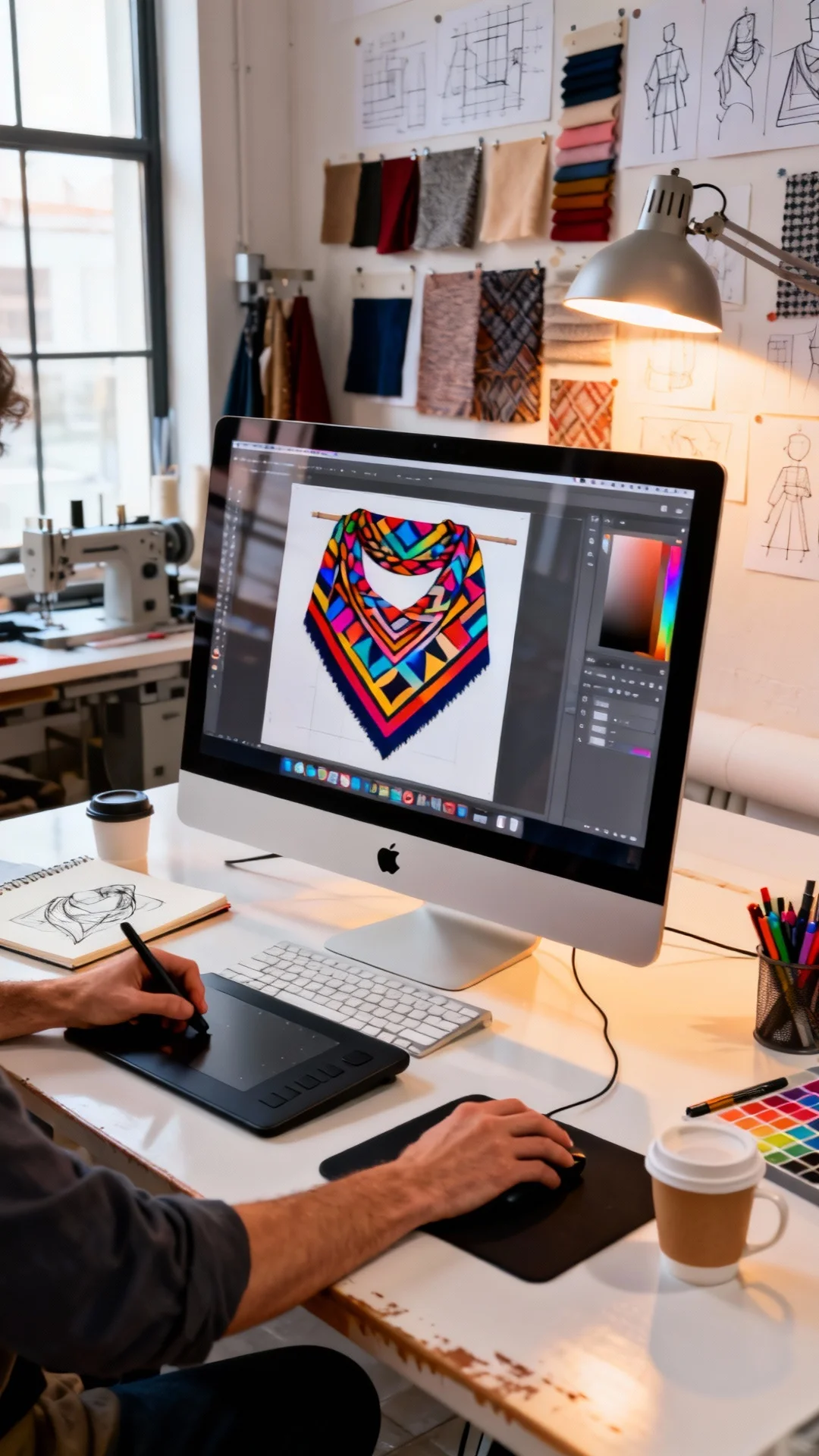
Innovations in Eco-Friendly Inks continue expanding digital scarf production's sustainability possibilities. Leading ink manufacturers have developed formulations with plant-based components, recycled materials, and biodegradable elements that maintain color vibrancy and durability while minimizing environmental impact. These inks meet rigorous international standards such as OEKO-TEX® ECO PASSPORT certification, ensuring they contain no harmful substances and are produced using environmentally responsible processes.
Circular Production Models are increasingly viable through digital scarf technology, supporting transition toward a more sustainable fashion industry. Digital production enables efficient recycling and upcycling of textile waste by allowing small-batch production of scarves from leftover fabric pieces that would otherwise be discarded. The technology also facilitates take-back programs where end-of-life scarves can be collected, digitally printed with new designs, and reintroduced to the market as "new" products.
Energy Efficiency Improvements in digital printing equipment further enhance digital scarf production's sustainability profile. Modern printers feature energy-saving designs with automatic standby modes, efficient heat recovery systems, and low-energy curing processes. Some manufacturers have developed solar-powered printing facilities, further reducing reliance on fossil fuels. These energy efficiency improvements reduce environmental impact while lowering operational costs for businesses.
Case Studies: Luxury Brands Embracing Digital Scarf Technology
Leading luxury brands' adoption of digital scarf technology provides valuable insights into these advanced production methods' practical applications and business benefits. Examining how industry leaders have integrated digital technology offers guidance for other fashion businesses considering similar transitions, highlighting both creative possibilities and operational improvements.
Gucci's Digital Transformation exemplifies how luxury brands can leverage digital technology to enhance customer engagement while maintaining exclusivity. The fashion house has embraced digital printing for select scarf collections, enabling limited-edition releases with intricate designs impractical to produce using traditional methods. Gucci's digital production capabilities support its "Personalized Artisan" service, allowing VIP customers to collaborate directly with designers on custom scarf designs featuring personal motifs, family crests, or meaningful symbols.
Hermès' Selective Integration demonstrates how heritage luxury brands can balance traditional craftsmanship with digital innovation. While maintaining traditional screen printing for its iconic core scarf collections, Hermès has quietly adopted digital technology for certain limited editions and custom orders. The brand's digital production capabilities allow for experimental designs with complex color gradients and photographic elements that complement rather than replace its artisanal traditions.
Emerging Designer Collaborations showcase digital scarf technology's democratizing effect, enabling independent designers to create high-quality, custom scarves without traditional production's substantial upfront investment. Platforms have facilitated collaborations between emerging designers and small-batch producers, allowing designers to offer custom scarf designs directly to consumers through digital marketplaces. These partnerships leverage AI design tools to generate unique patterns based on customer preferences, then produced on-demand using digital printing.
Corporate Branding Applications highlight digital scarf technology's versatility beyond the luxury fashion sector. Businesses across industries have adopted custom digital scarves as premium corporate gifts, employee incentives, and marketing tools. Digital production enables companies to create limited-edition scarf designs featuring brand elements, event themes, or artistic collaborations that reflect corporate identity while offering recipients a desirable, functional accessory. This application demonstrates digital scarf printing's broad market potential beyond traditional fashion contexts.
Conclusion: The Future of Digital Scarf Production
As digital scarf printing technology continues to evolve, its impact on custom fashion production will only deepen. The convergence of AI-driven design tools, advanced printing technologies, and sustainable production practices is creating new opportunities for innovation and market expansion. For fashion businesses willing to invest in these technologies, the rewards include enhanced creative capabilities, improved operational efficiency, reduced environmental impact, and stronger connections with consumers seeking personalized, sustainable products.
The future will likely bring even greater integration between digital design and production processes, with advancements in AI enabling more sophisticated pattern generation and predictive design capabilities. Material science innovations will expand the range of sustainable fabrics compatible with digital printing, while improvements in production speed will make digital technology competitive even for larger production runs. As these technologies become more accessible, they will continue democratizing custom scarf production, enabling more designers and brands to participate in the growing market for personalized fashion accessories.
For industry professionals, staying current with digital scarf design technology developments represents not just a competitive advantage but a necessity in an increasingly personalized, sustainable, and fast-paced fashion marketplace. By embracing these digital transformation opportunities, fashion businesses can position themselves at the forefront of industry innovation while meeting evolving consumer demands for customized, eco-conscious products.</think># Revolutionizing Custom Fashion: Advanced Scarf Digital Design Technology and Production Techniques
In today's rapidly evolving fashion landscape, scarf digital design technology has emerged as a transformative force in custom fashion production. Consumer demand for personalized, on-trend accessories continues to rise, pushing boutiques, specialty stores, and fashion brands to adopt digital solutions that meet these expectations efficiently and sustainably. This comprehensive guide explores how digital design technologies revolutionize scarf production from concept to finished product, based on industry experience working with luxury textile manufacturers and fashion brands.
The Evolution of Scarf Production: From Traditional to Digital
The shift from traditional printing methods to digital technologies represents a paradigm shift in scarf manufacturing. Traditional techniques like screen printing produce vibrant colors but require extensive setup, large minimum order quantities, and generate significant material waste. Modern digital printing technologies offer unprecedented flexibility and efficiency, fundamentally changing the economics of custom scarf production.
Historically, creating custom scarf designs involved labor-intensive processes: hand sketching designs, creating physical screens for each color, and producing large runs to justify setup costs. This model limited creativity, increased lead times, and made small-batch production economically unfeasible. Today, digital design and printing technologies eliminate these barriers, enabling designers to transform concepts into physical products in a fraction of the time while maintaining exceptional quality standards.
The global digital textile printing market reflects this transformation, projected to reach nearly $11.6 billion by 2030 according to industry reports. Advancements in printer technology, ink formulations, and design software drive this growth, collectively delivering superior results compared to traditional methods. For fashion businesses, this evolution means offering truly custom products with faster turnaround times, reduced waste, and enhanced design capabilities that were previously unattainable.
Core Technologies Powering Digital Scarf Design
At the heart of the digital scarf revolution lies a sophisticated ecosystem of technologies working together to transform creative visions into tangible accessories. Understanding these core components helps fashion businesses evaluate digital production solutions effectively.
High-Resolution Digital Printers form the backbone of modern scarf production. Leading models like the Ricoh Ri 4000 offer resolutions up to 1200 x 1200 dpi, reproducing intricate designs with exceptional clarity and detail. These printers use advanced inkjet technology that precisely deposits ink droplets onto various fabrics, including delicate silks and durable polyesters. Production speeds have improved significantly too—industrial models can print up to 100 meters per minute while maintaining quality, a critical factor for meeting commercial production demands.
Ink Technology has advanced dramatically to address both quality and sustainability concerns. Water-based pigment inks have become the standard for high-end scarf production, offering excellent color vibrancy and wash fastness. The latest eco-friendly formulations meet stringent OEKO-TEX® STANDARD 100 requirements, ensuring minimal environmental impact and safe contact with skin. These inks contain significantly reduced volatile organic compounds (VOCs) compared to traditional alternatives and often feature biodegradable components, aligning with growing consumer demand for sustainable fashion practices.
Design Software and AI Integration have transformed the creative process. Industry-leading platforms now combine traditional design tools with artificial intelligence capabilities, offering features like automated pattern generation, color optimization, and predictive design rendering. AI-powered tools let designers generate custom scarf designs in seconds by inputting parameters such as style preferences, color schemes, and motif themes. This AI integration accelerates the design process and unlocks new creative possibilities by suggesting combinations and variations that might not emerge through traditional methods.
Digital Workflow Management Systems complete the technological ecosystem by streamlining the transition from design to production. These integrated platforms manage color profiling, file preparation, production scheduling, and quality control in a cohesive digital environment. By maintaining color consistency across different production runs and printer models, these systems ensure the final product matches the designer's vision exactly—a critical factor for brand consistency and customer satisfaction.
The Digital Production Workflow: From Concept to Finished Scarf
The digital scarf production workflow seamlessly integrates creative design and technical precision, enabling efficient transformation from digital concept to physical product. This streamlined process has redefined industry standards for speed,