In an industry generating over 92 million tons of textile waste annually, FENNYSUN has pioneered a transformative approach to luxury scarf manufacturing by converting post-consumer waste into high-end fashion accessories. As a family-owned enterprise with three decades of manufacturing expertise, the company has redefined sustainable production in the fashion accessories sector through the integration of innovative recycling technologies with traditional craftsmanship. This case study examines how FENNYSUN's circular manufacturing model addresses the industry's most pressing environmental challenges while delivering products that meet the exacting standards of boutique owners and fashion brands worldwide.
The Sustainable Manufacturing Revolution in Textiles
The global textile industry is undergoing profound transformation driven by increasing consumer demand for environmentally responsible products and tightening regulatory requirements. Industry reports indicate the adoption of recycled materials in textile production has grown by over 65% since 2020, with chemical and enzymatic recycling technologies emerging as game-changers for difficult-to-recycle fabrics. This shift comes at a critical time, as the Ellen MacArthur Foundation estimates a garbage truck's worth of textiles is landfilled or incinerated every second globally.
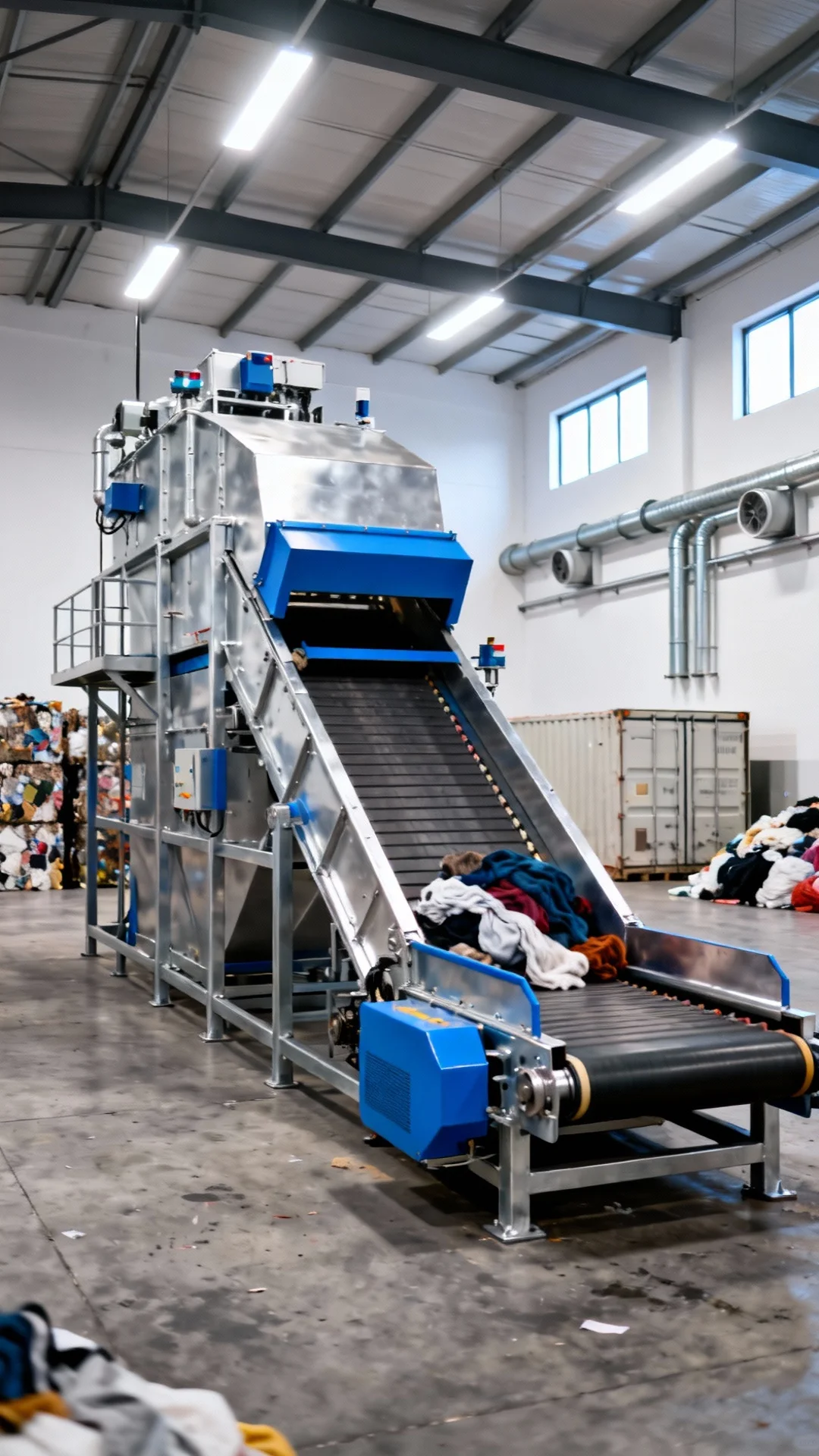
FENNYSUN's entry into sustainable manufacturing aligns perfectly with this industry evolution. As an international company with vertically integrated operations, the brand leverages its manufacturing heritage to develop proprietary recycled textile manufacturing processes that address three fundamental challenges: maintaining luxury quality standards with recycled materials, achieving consistent coloration through eco-friendly dyeing methods, and creating a truly circular supply chain that minimizes environmental impact at every stage.
The company's approach reflects the broader industry trend toward "design for circularity," where products are intentionally created to be recycled or upcycled at the end of their lifecycle. This represents a significant departure from conventional linear manufacturing models and positions FENNYSUN at the forefront of the sustainable luxury accessories market, projected to grow at a CAGR of 11.2% through 2030 according to Grand View Research.
FENNYSUN's Sustainable Manufacturing Ecosystem
At the core of FENNYSUN's innovative approach is a comprehensive manufacturing ecosystem that transforms textile waste into premium scarves without compromising quality or design versatility. The company's sustainability journey begins with careful material selection, where post-consumer textile waste is sourced, sorted, and processed to meet the brand's exacting standards for luxury accessories.
From Waste to Luxury: The Material Transformation Process
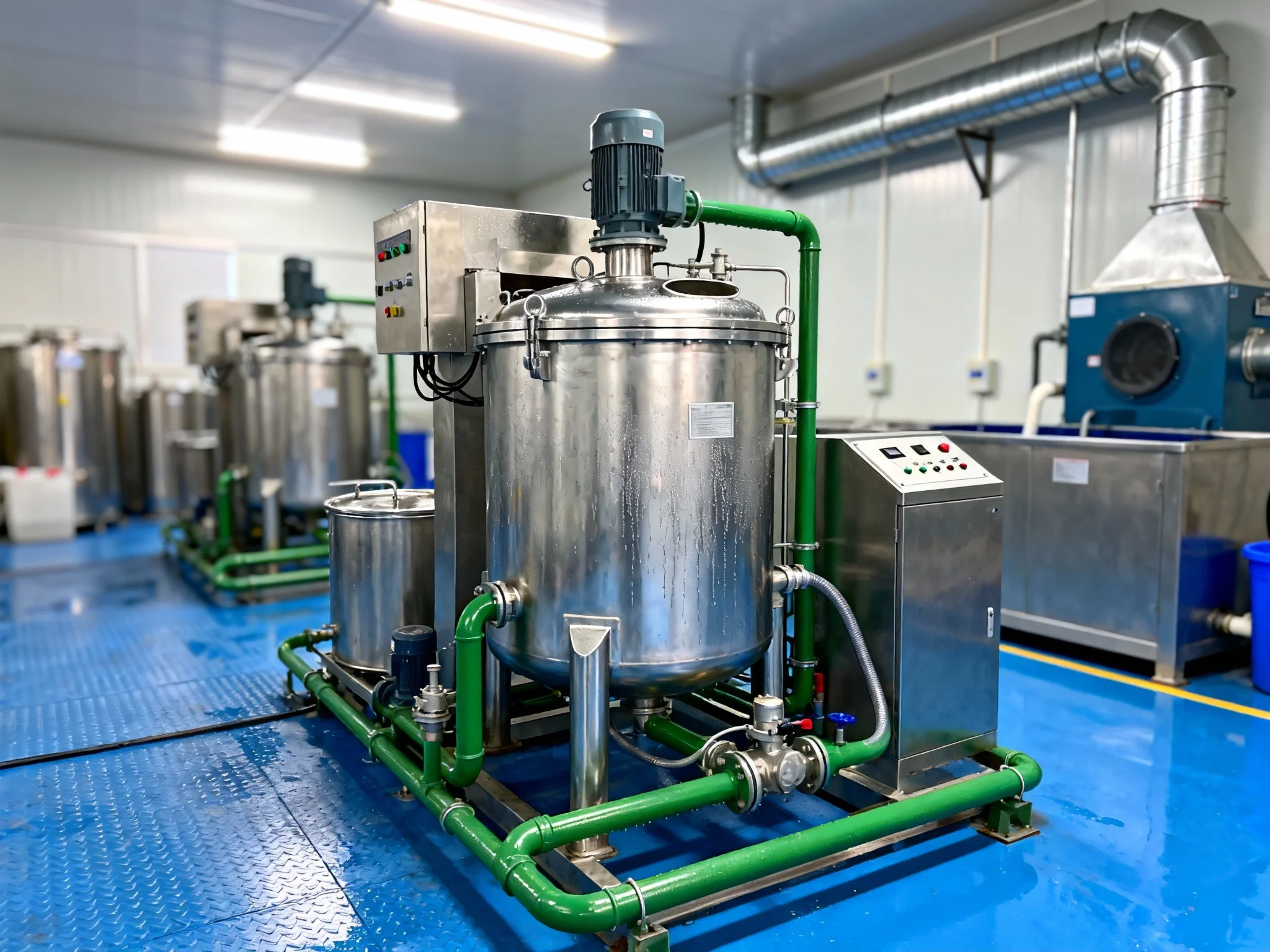
FENNYSUN's material scientists have developed specialized techniques to process and refine recycled fibers, ensuring they meet the performance and aesthetic requirements of luxury scarves. This sustainable scarf production process involves multiple stages of cleaning, fiber separation, and re-spinning that transform discarded textiles into yarns with comparable softness, drape, and durability to virgin materials.
The company's commitment to material excellence is evident in its selection of base fibers, which include recycled versions of traditional luxury materials like silk and cashmere, blended with innovative sustainable fibers to enhance performance characteristics. This approach addresses one of the primary challenges in recycled textile manufacturing: maintaining consistent quality while working with heterogeneous feedstocks.
By implementing rigorous sorting protocols and quality control measures, FENNYSUN has developed a reliable supply chain for recycled materials that boutique owners and fashion brands can depend on for consistent product quality. This attention to material integrity has positioned the company as a trusted partner for businesses seeking to incorporate sustainable accessories into their collections without sacrificing the premium feel their customers expect.
Eco-Friendly Dyeing and Printing Technologies
Conventional dyeing processes are among the most environmentally impactful aspects of textile production. Recognizing this, FENNYSUN has invested significantly in low-impact coloring technologies that represent the cutting edge of eco-friendly textile technology. The company employs water-based inks and disperse dyes that reduce water consumption by up to 70% compared to traditional dyeing methods while eliminating the release of harmful chemicals into waterways.
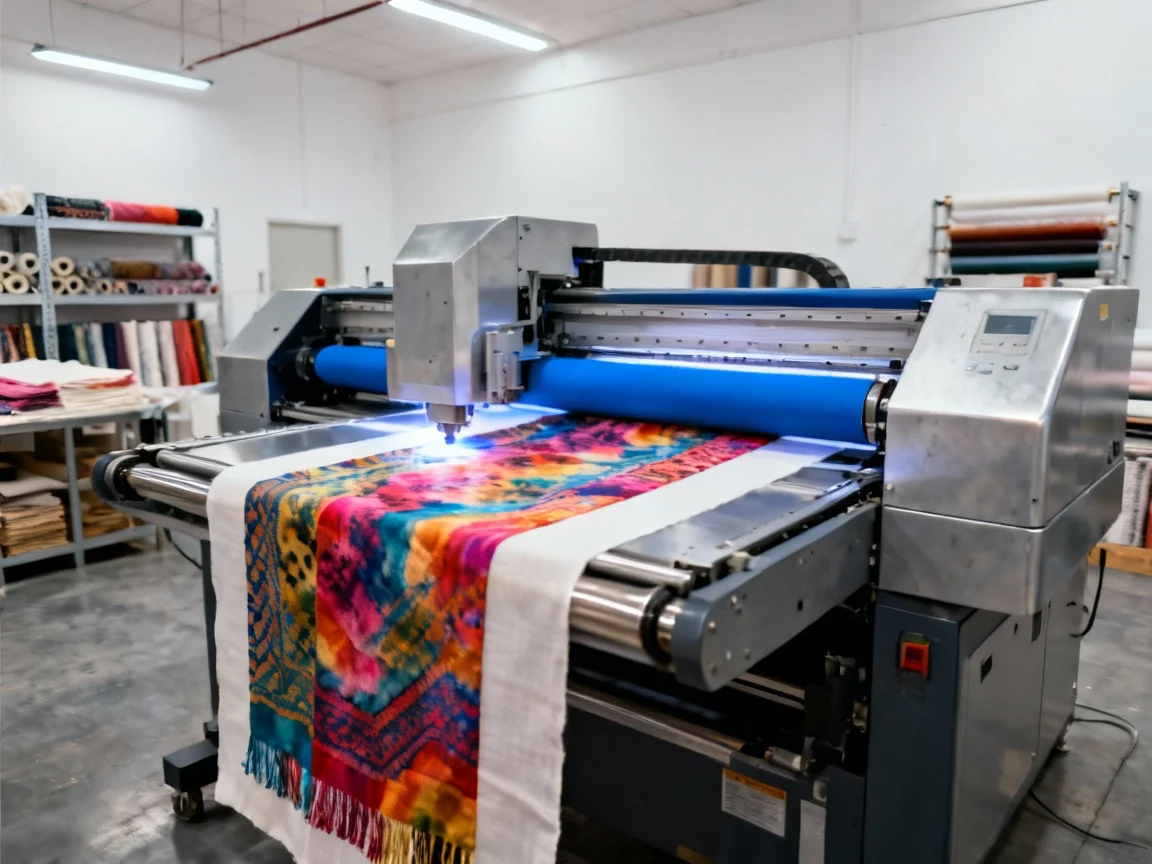
Implementing these low-impact dyeing technologies hasn't limited the brand's creative possibilities. FENNYSUN's design team works closely with production specialists to develop colorfast, vibrant prints that maintain their integrity through multiple washes while using significantly fewer resources. This balance of environmental responsibility and creative freedom has resulted in scarf collections featuring diverse patterns and color palettes, from subtle neutrals to bold statement pieces, all produced with minimal environmental impact.
For boutique owners and fashion brands, this represents a critical advantage in today's market, where consumers increasingly demand both aesthetic variety and environmental responsibility from the products they purchase. FENNYSUN's ability to deliver on both fronts has made the company a preferred supplier for businesses looking to enhance their sustainable product offerings.
Environmental and Business Impact: The FENNYSUN Difference
FENNYSUN's commitment to sustainable manufacturing extends beyond material selection and production processes to encompass a comprehensive approach to measuring and minimizing environmental impact across its operations. As a family-owned business with deep roots in manufacturing excellence, the company has implemented rigorous monitoring systems to track resource consumption, waste generation, and carbon emissions throughout its supply chain.
Quantifying the Sustainability Advantage
While specific environmental metrics for FENNYSUN's operations aren't publicly disclosed, the company's adoption of recycled materials and eco-friendly production technologies aligns with well-documented industry benchmarks for environmental impact reduction. According to the Sustainable Apparel Coalition's Higg Index, textile products made with 100% recycled fibers typically reduce water consumption by 50-90% and carbon emissions by 60-80% compared to products made with virgin materials. When combined with low-impact dyeing processes, these reductions can be even more significant.
The company's commitment to circularity extends beyond its manufacturing processes to include product design considerations that enhance durability and recyclability. By creating timeless designs using high-quality recycled materials, FENNYSUN aims to extend the lifecycle of its products, reducing the frequency with which they enter the waste stream. This approach not only reduces environmental impact but also creates value for customers seeking investment pieces that maintain their aesthetic appeal over time.
Meeting the Needs of Sustainable Fashion Businesses
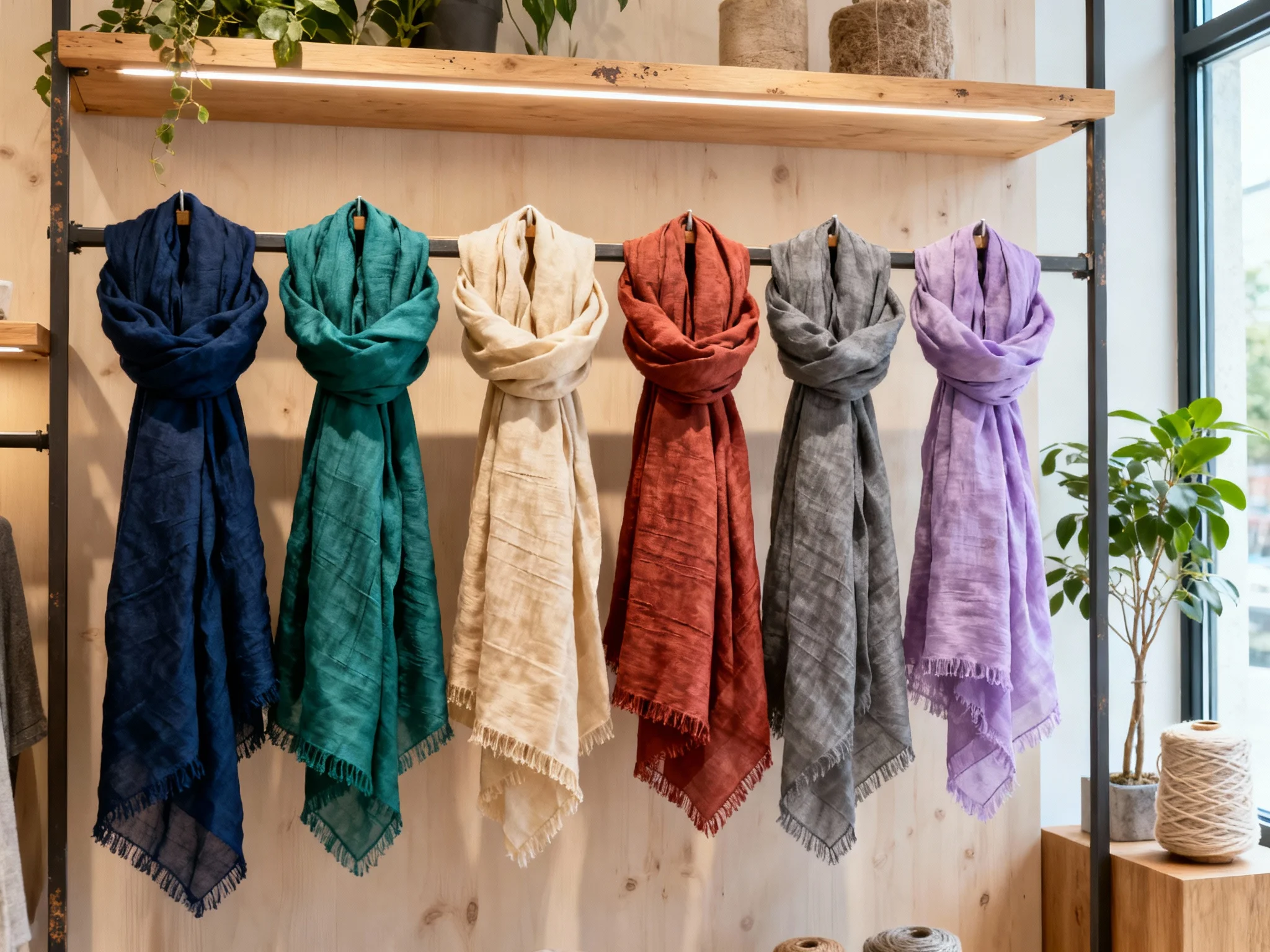
For boutique owners and fashion brands evaluating potential suppliers, FENNYSUN's sustainable manufacturing model offers several compelling advantages. The company's vertically integrated operations ensure greater supply chain transparency, a critical factor for businesses seeking to verify the sustainability claims of their products.
The company's ability to produce small-batch orders with quick turnaround times addresses another key challenge for boutique owners: maintaining inventory flexibility while minimizing waste from overproduction. This agility allows retailers to test new sustainable products with lower risk, gradually integrating them into their collections based on customer demand.
FENNYSUN's commitment to customer service further enhances its appeal as a supplier for businesses prioritizing sustainability. The company describes treating clients like "extended family," with a personalized approach that includes supporting clients with product education materials, sustainability storytelling assets, and flexible ordering options that make it easier for boutiques and brands to market and sell recycled luxury scarves effectively.
Implementing Sustainable Scarf Sourcing: A Guide for Fashion Businesses
Boutique owners and fashion brands looking to incorporate sustainable accessories into their offerings can learn from FENNYSUN's recycled textile manufacturing model, which offers a practical example of how environmental responsibility can be integrated with luxury and profitability. Implementing a successful sustainable scarf sourcing strategy involves several key considerations that align with the company's approach to manufacturing excellence and environmental stewardship.
Evaluating Supplier Sustainability Credentials
When selecting a sustainable scarf supplier, businesses should look beyond marketing claims to evaluate the entire manufacturing process. Key questions include: What types of recycled materials are used, and what is their origin? What specific environmental measures has the supplier implemented in their production facilities? How does the supplier ensure consistent quality with recycled materials?
FENNYSUN's transparency about its material sources and production processes provides a benchmark for this type of evaluation, demonstrating the level of detail that responsible retailers should expect from their sustainable suppliers. Businesses should also consider the supplier's approach to certification and third-party verification, such as Global Recycled Standard (GRS), OEKO-TEX® Standard 100, or bluesign® certifications that validate environmental claims.
Integrating Recycled Scarves into Product Assortments
Successfully introducing recycled luxury scarves into a retail assortment requires strategic planning around product positioning, pricing, and marketing. FENNYSUN's diverse design offerings, ranging from classic patterns to contemporary prints, provide retailers with versatile options for integrating sustainable accessories across different merchandising categories.
By offering scarves at various price points, the company enables businesses to make sustainable options accessible to a broad customer base while maintaining appropriate margins for luxury products. Retailers should also consider how to tell the sustainability story of their recycled scarves effectively, using product hangtags, in-store displays, and digital marketing content that educate customers about the environmental benefits of recycled textiles without compromising the perception of luxury.
The Future of Sustainable Luxury Textiles
As the fashion industry continues to grapple with its environmental impact, FENNYSUN's approach to recycled textile manufacturing offers a glimpse into the future of sustainable luxury. The company's ability to transform textile waste into high-quality scarves demonstrates that environmental responsibility and luxury craftsmanship are not mutually exclusive but can be integrated to create products that meet the evolving expectations of consumers and businesses alike.
Looking ahead, continued advancement of textile recycling technologies promises to further enhance the quality and sustainability of recycled materials. Innovations in chemical recycling that break down textiles into their molecular components for recombination into new fibers may eventually allow for infinite recycling of luxury textiles without quality degradation. While commercialization of these technologies is still in early stages, FENNYSUN's existing manufacturing model positions the company to adopt these innovations as they become available, maintaining its position at the forefront of sustainable luxury accessory production.
For boutique owners and fashion brands, the message is clear: sustainable sourcing is no longer a niche concern but a business imperative in an increasingly environmentally conscious marketplace. Partnering with manufacturers like FENNYSUN that prioritize both environmental responsibility and product excellence allows retailers to meet consumer demand for sustainable luxury while contributing to the broader transformation of the fashion industry toward circularity and reduced environmental impact.
As FENNYSUN continues to refine its recycled textile manufacturing processes and expand its product offerings, the company serves as a model for how traditional manufacturing expertise can be reimagined for a sustainable future. In doing so, they demonstrate that the most luxurious products of tomorrow may very well be created from the waste materials of today.