In the competitive landscape of fashion accessories, private label scarf manufacturing presents a strategic opportunity for boutiques and emerging brands to develop distinctive products without investing in in-house production facilities. However, navigating the complex terrain of textile sourcing, manufacturing partnerships, and quality control presents significant challenges that frequently derail new entrants. Drawing on over a decade of industry experience supporting fashion brands through private label development, we've identified seven critical pitfalls that can sabotage your scarf manufacturing initiatives—along with actionable strategies to avoid them.
The High-Stakes Landscape of Private Label Scarf Production
The allure of private label manufacturing is undeniable: retailers gain access to unique products tailored to their brand identity, often with healthier profit margins than established designer lines. Yet industry data reveals that up to 40% of new private label ventures encounter substantial obstacles within their first year. These challenges range from quality inconsistencies to supply chain disruptions, and they're far more than mere inconveniences—they can irreparably damage brand reputation, strain financial resources, and ultimately derail what could have been a lucrative product line.
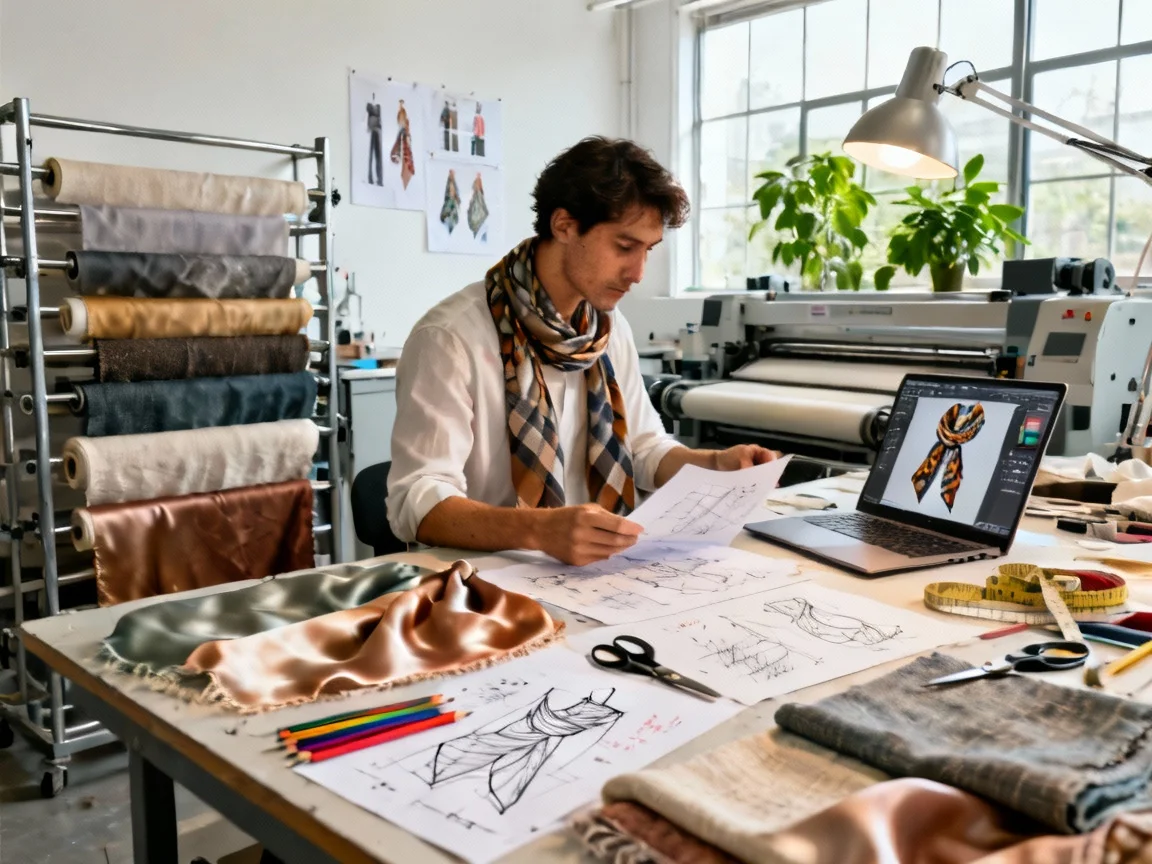
For emerging brands, the opportunity cost of missteps in private label scarf production extends beyond immediate financial losses. In an industry where brand perception is everything, a poorly executed scarf line can compromise customer trust and market position before your brand has fully established itself.
Pitfall 1: Selecting Manufacturing Partners Based Exclusively on Cost
One of the most tempting—and perilous—decisions new brands make is choosing manufacturing partners primarily based on the lowest price quotation. While budget considerations are undeniably important, prioritizing cost over expertise typically results in compromised quality and hidden expenses down the line.
A mid-sized New York fashion boutique recently shared their cautionary experience after selecting a manufacturer with prices 30% below competitors. What initially appeared as a cost-saving maneuver ultimately resulted in inconsistent fabric quality, misaligned patterns, and a complete production redo when the scarves failed to meet the brand's quality standards. The total expenditure exceeded what they would have paid a reputable manufacturer initially—not counting the six-week launch delay that caused them to miss the critical holiday shopping season.
When evaluating potential manufacturing partners for your custom scarf designs, consider these essential factors:
- Their specific specialization in accessories rather than general garment production
- Technical capabilities for executing your required fabric treatments and printing techniques
- Documented quality control processes and compliance standards
- Communication systems and responsiveness to design iterations
- Verifiable references from brands of similar size and market positioning
Pitfall 2: Inadequate Material Specification and Quality Control Protocols
The textile industry offers a vast array of materials, each with unique characteristics that dramatically impact the final product quality and customer perception. New brands frequently fail to provide precise material specifications, relying instead on vague descriptions like "silk blend" or "luxury fabric." This ambiguity creates opportunities for misinterpretation and quality compromises that can significantly affect your bespoke scarf production.
A critical but often overlooked aspect is establishing clear quality control benchmarks throughout the production cycle. Without documented standards for fabric weight, colorfastness, seam strength, and finishing details, manufacturers will default to their own (often lower) standards. The most successful private label partnerships implement a rigorous three-stage inspection process:
- Pre-production approval of materials and prototypes
- In-process inspections during manufacturing
- Final quality control assessment before shipment
Investing in comprehensive material specifications and quality control protocols upfront saves significant time, money, and reputation damage in the long run. Consider creating a detailed quality control manual specific to your scarf line that manufacturers must acknowledge and follow.
Pitfall 3: Underestimating Production Timelines and Minimum Order Requirements
Fashion retail operates on notoriously tight seasonal schedules, making production timing absolutely critical to market success. New brands frequently underestimate lead times for custom scarf production, especially when working with specialty fabrics or intricate printing techniques. From fabric sourcing to sampling, production, and shipping, the entire process typically requires 8-12 weeks—and often longer for complex designs or sustainable materials that may have limited suppliers.
Minimum order quantities (MOQs) represent another significant hurdle for new entrants. Manufacturers establish MOQs based on production economics, and these thresholds vary dramatically between suppliers. One brand specializing in artisanal wool scarves learned this lesson the hard way when their manufacturer required 500 units for their signature design—far exceeding what they needed for initial market testing and creating substantial inventory risk.
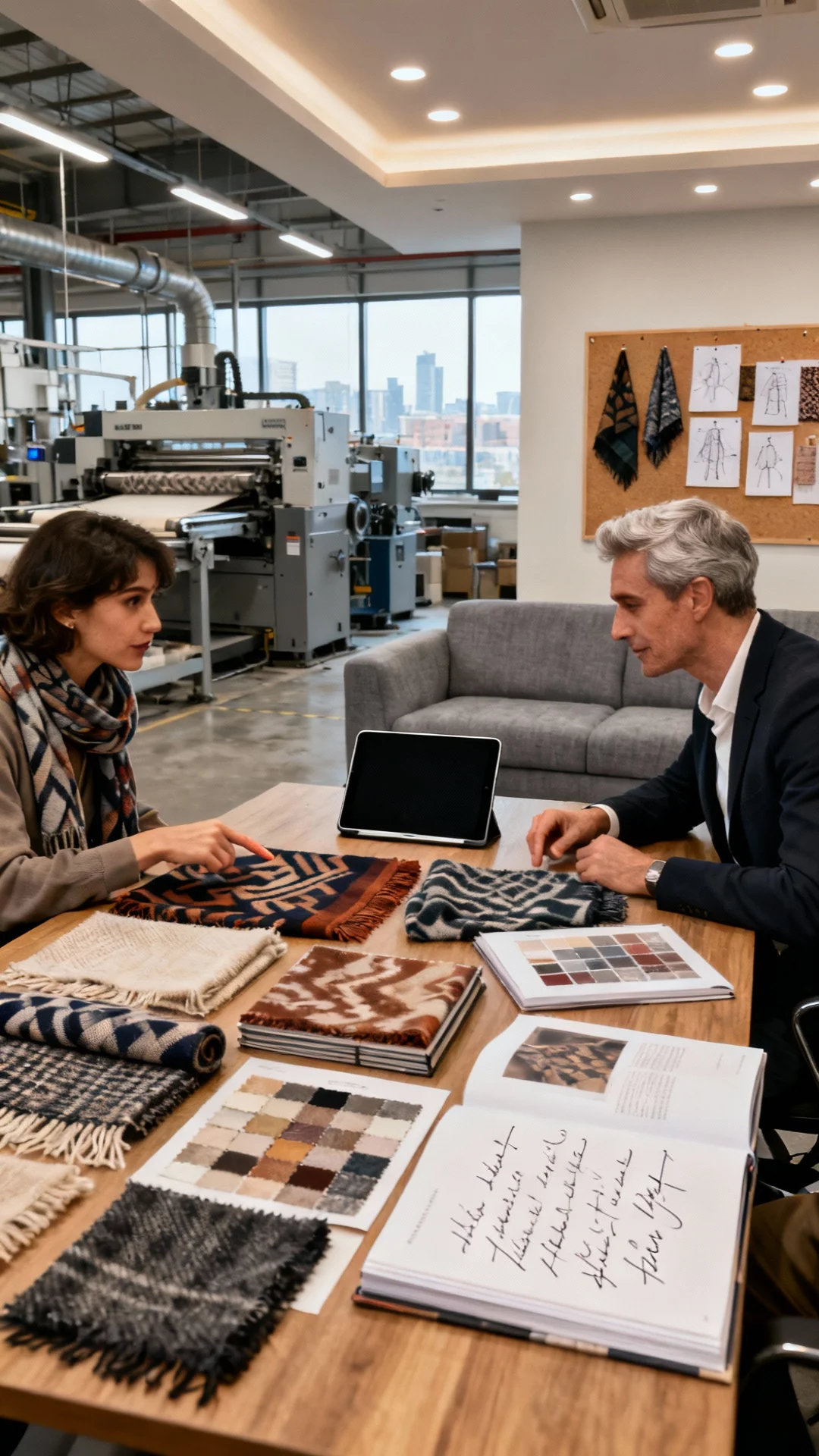
Strategic planning resolves these timing and quantity challenges:
- Initiate manufacturing at least 16 weeks before your target launch date to accommodate unexpected delays
- Negotiate tiered pricing structures for incremental order increases as your brand grows
- Plan seasonal production cycles to consolidate multiple designs into larger, more economical orders
- Discuss pre-production samples well in advance of placing full orders, allowing time for revisions
Pitfall 4: Neglecting Sustainability and Ethical Production Standards
Modern consumers increasingly demand transparency, with sustainability and ethical manufacturing practices becoming key purchasing factors that influence brand loyalty. A 2024 Sustainable Fashion Forum survey found that 68% of consumers would pay premium prices for accessories from brands demonstrating genuine ethical production practices.
New brands often overlook this critical aspect when rushing products to market, focusing instead on aesthetics and cost considerations. This oversight can lead to significant reputational damage when manufacturing practices face public scrutiny. Worse, many manufacturers make sustainability claims that don't hold up to verification—a practice known as "greenwashing" that can result in consumer backlash and regulatory issues.
When evaluating potential manufacturing partners for your private label scarf manufacturing:
- Request detailed documentation of sustainability practices, including specific certification numbers and audit reports
- Ask about their approach to waste reduction, water conservation, and energy usage throughout production
- Inquire thoroughly about labor practices, factory conditions, and supply chain transparency
- Consider your product's entire lifecycle, from raw material sourcing to packaging and end-of-life disposal
Pitfall 5: Inadequate Legal Protection and Contractual Terms
The excitement of launching a new product line often causes brands to rush through the contractual aspects of manufacturing partnerships. This haste frequently results in vague agreements that leave critical details open to interpretation. Common oversights include undefined quality standards, ambiguous payment terms, and inadequate intellectual property protection—all of which can lead to costly disputes.
Design ownership represents a particularly vulnerable area in scarf brand partnerships. Without explicit contractual language specifying design ownership, disputes can arise over who owns custom designs—a problem that becomes especially critical if the brand wishes to switch manufacturers later or expand into related product categories.
To protect your brand and investment:
- Work with legal counsel experienced in fashion manufacturing contracts and intellectual property
- Define quality standards with specific, measurable specifications rather than subjective descriptions
- Include detailed production timelines with clear penalties for delays
- Establish unambiguous ownership of designs, patterns, and intellectual property
- Add specific provisions for dispute resolution and contract termination
Pitfall 6: Poor Communication Protocols and Project Management
Successful scarf manufacturing involves multiple stages—design refinement, material selection, sampling, production, and shipping—all requiring meticulous communication between brand and manufacturer. Many new brands underestimate the project management expertise required, leading to misunderstandings, costly delays, and quality issues that could have been prevented.
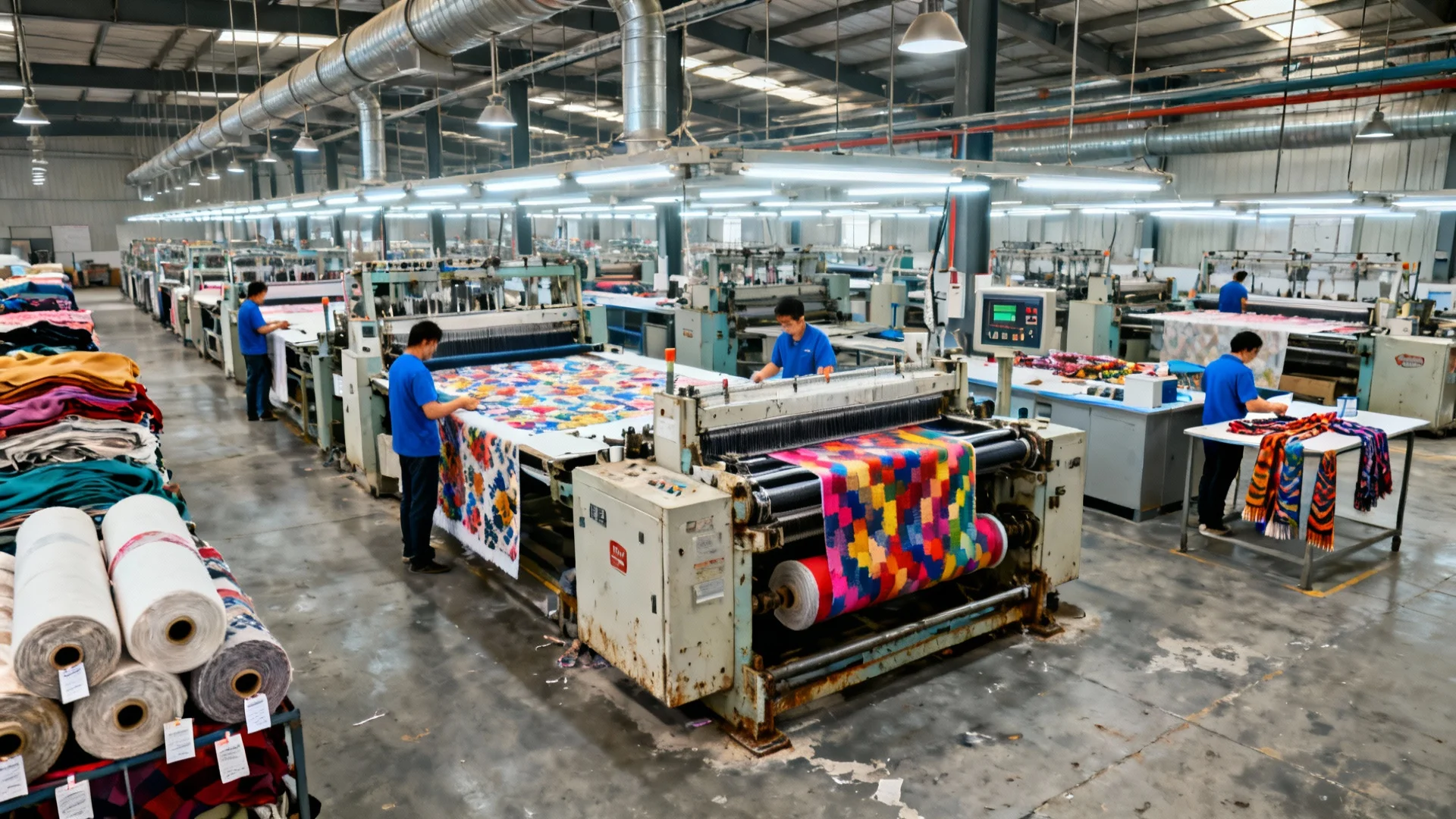
Cultural and language barriers can exacerbate communication challenges, especially when working with overseas manufacturers. What seems like a clear instruction can be interpreted differently across cultures, resulting in products that miss the mark entirely.
Implementing structured communication protocols prevents these issues:
- Assign a dedicated project manager with clear authority to make decisions
- Schedule regular production meetings with documented minutes and action items
- Create detailed specification sheets with visual references and tolerance guidelines
- Utilize project management tools that provide real-time updates and documentation
- Establish clear approval processes for each production stage with defined timelines
Pitfall 7: Failing to Plan for Scale and Future Growth Trajectory
Many new brands focus so intensely on initial product launches that they fail to consider how their manufacturing partnerships will scale as the business grows. A manufacturer that performs well for small initial runs may lack the capacity or flexibility to meet increased demand, forcing disruptive supplier changes just as the brand gains market momentum.
This shortsightedness often extends to product development strategies as well. Brands frequently don't consider how initial scarf designs might evolve or expand into complementary products, missing valuable opportunities to leverage existing manufacturing relationships and expertise.
Strategic growth planning should include:
- Discussing future capacity needs during initial manufacturer selection and due diligence
- Negotiating scalable pricing structures from the beginning to accommodate growth
- Considering potential product extensions during the initial design phase to maximize manufacturing efficiency
- Building relationships with secondary suppliers for critical components to prevent supply chain disruptions
Navigating Toward Successful Private Label Scarf Manufacturing Partnerships
Avoiding these common pitfalls requires thorough research, clear communication, and strategic foresight in your private label scarf manufacturing journey. The most successful private label scarf ventures treat manufacturing partnerships as long-term strategic collaborations rather than purely transactional relationships. By investing adequate time in selecting the right partner, setting clear expectations, and maintaining vigilant project management, new brands can create distinctive, high-quality scarf lines that resonate with customers and stand the test of time.
Challenges are inevitable in any manufacturing partnership. The difference between success and failure often lies in how thoroughly you've prepared through advance planning and due diligence. With the right approach, your private label scarf line can become a cornerstone of your brand identity and a consistent source of revenue growth.
As you embark on your private label journey, consider beginning with a focused product range to refine your manufacturing processes before expanding your offerings. This measured approach builds the expertise and relationships needed for sustained success in the competitive fashion accessories market.
By avoiding these seven critical pitfalls and implementing the recommended strategies, your brand can establish a strong foundation in private label scarf manufacturing that delivers consistent quality, protects your brand reputation, and positions you for long-term growth in the marketplace.