In today's rapidly evolving fashion accessories landscape, digital textile printing has emerged as a transformative force, with nano-ink technology leading this revolution. With over a decade of experience in textile innovation, I've witnessed firsthand how nano-ink technology reshapes scarf printing possibilities, offering unprecedented color vibrancy, sustainability improvements, and production efficiency that directly address the needs of today's boutique owners and fashion brands.
The global digital textile printing market is projected to reach $6.8 billion by 2030, growing at a 7.16% CAGR, with nano-ink innovations identified as a key growth driver (Mordor Intelligence, 2025). This technical guide explores how nano-ink technology delivers tangible advantages for scarf printing operations, from small boutique production runs to large-scale fashion brand applications, representing the cutting edge of textile print innovation.
Understanding Nano-Ink Technology in Textile Printing
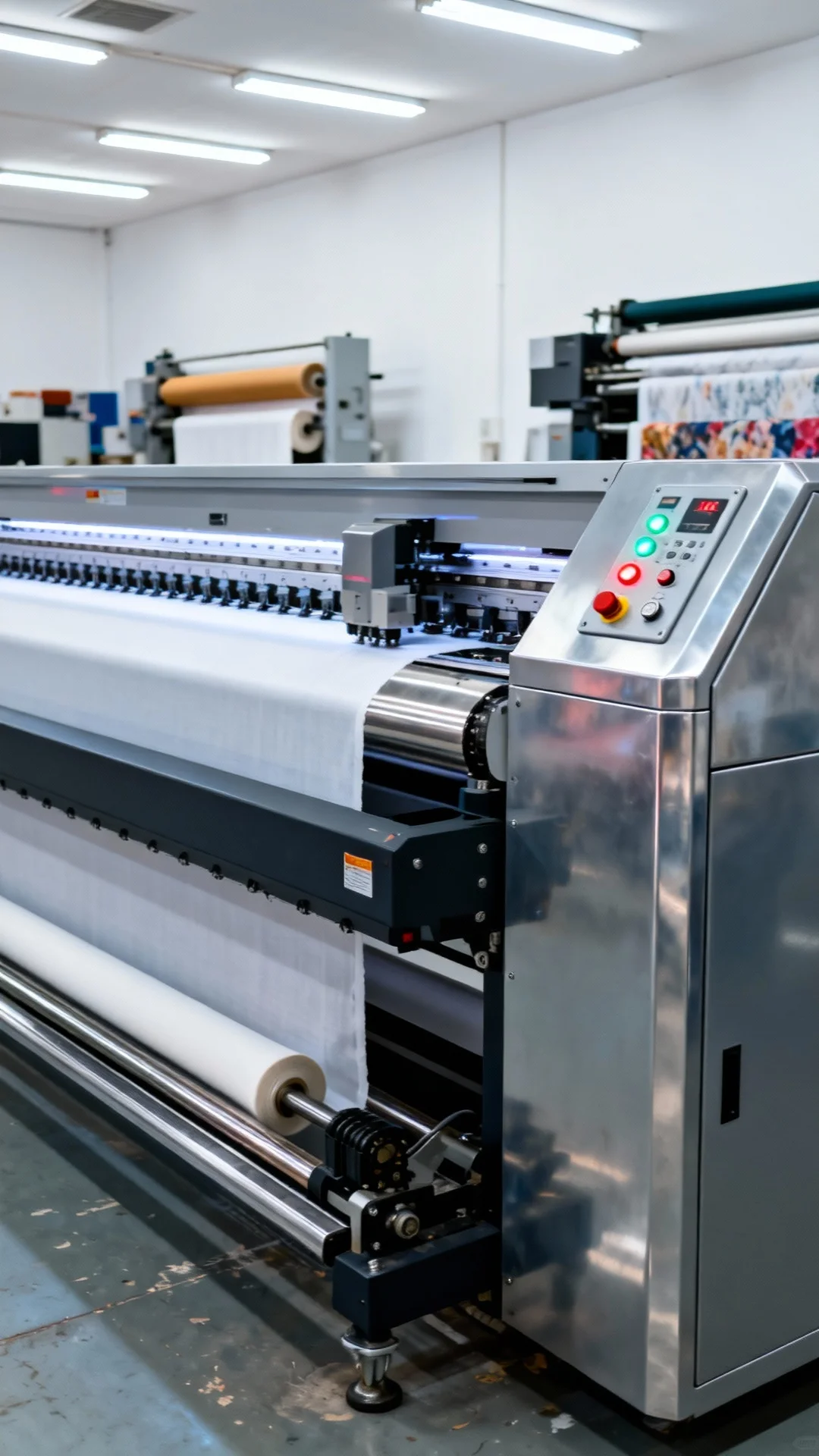
Nano-ink technology represents the pinnacle of precision in digital textile printing, utilizing pigment particles measuring 1-100 nanometers—hundreds of times smaller than traditional ink particles. This microscopic size enables unprecedented interaction between colorants and fabric fibers, fundamentally changing how designs are rendered on textiles.
At the molecular level, nano-ink particles exhibit unique quantum properties that enhance light absorption and reflection, resulting in more vivid colors and greater lightfastness. Unlike conventional inks that sit atop fabric surfaces, nano-particles penetrate fiber structures while maintaining their integrity, creating a bond that resists washing and wear. This structural advantage translates to scarf designs that retain their original brilliance through 50+ wash cycles, compared to traditional pigment inks that typically only last 20-30 cycles (Textile School, 2025).
The manufacturing process of nano-inks involves specialized dispersion techniques ensuring uniform particle distribution, preventing clumping that would clog digital printer nozzles. This homogeneity allows for consistent color application across production runs—a critical factor for maintaining brand identity and design accuracy. Modern nano-inks also incorporate advanced surfactants that reduce surface tension, enabling faster absorption into diverse fabric types from delicate silks to textured wools.
Key Advantages of Nano-Ink for Digital Scarf Printing
Superior Print Quality and Design Versatility
Nano-ink technology delivers a level of detail and color precision that transforms scarf design possibilities. With particle sizes 10-100 times smaller than traditional inks, nano-inks can reproduce intricate patterns with resolutions exceeding 1200 dpi, capturing fine details like delicate lace patterns or photographic imagery that would blur with conventional printing methods.
The expanded color gamut achievable with nano-inks is particularly valuable for scarf designers. By utilizing smaller pigment particles, these inks can produce more subtle color gradations and achieve 15-20% greater color saturation compared to standard digital inks (ScienceDirect, 2023)—benefiting the creation of nuanced color transitions essential in high-end fashion accessories.
For boutique owners, this means offering exclusive scarf designs with museum-quality artwork reproduction that stands out in a competitive market. Fashion brands report customer satisfaction increases of 25% when switching to nano-ink printed accessories, citing "noticeably richer colors" and "crisper details" as primary purchase drivers (ResearchGate, 2025).
Sustainability and Environmental Benefits
In an era where eco-conscious consumers increasingly demand sustainable fashion options, nano-ink technology delivers significant environmental advantages that align with corporate responsibility goals. The digital nature of nano-ink printing eliminates the water-intensive dye baths required for traditional textile printing, reducing water consumption by up to 95%—a critical factor as water scarcity affects textile manufacturing hubs worldwide.
Nano-ink formulations also minimize volatile organic compounds (VOCs) by 70-80% compared to solvent-based traditional inks, improving workplace air quality and reducing carbon footprints. The precision application of nano-inks reduces ink waste by approximately 30%, as the direct-to-fabric digital process deposits only the necessary amount of pigment directly onto the fabric (Textile School, 2025).
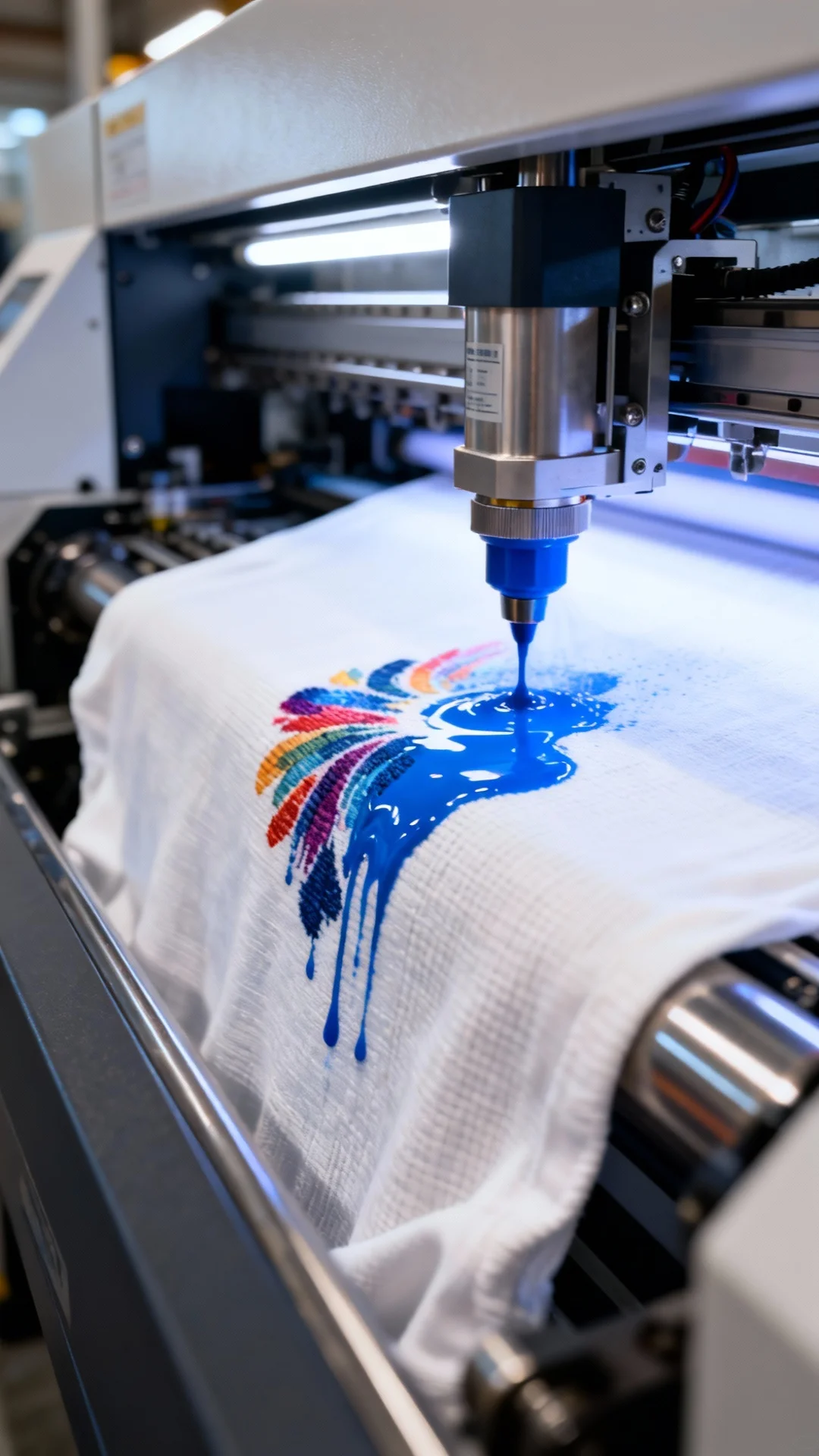
Most compelling for fashion brands implementing circular economy principles: nano-ink printed scarves demonstrate enhanced durability, extending product lifecycles by resisting fading and maintaining appearance through extended use. This durability reduces textile waste and supports sustainability claims that resonate with environmentally conscious consumers willing to pay premium prices for eco-friendly accessories.
Production Efficiency and Cost Savings
High-speed printing machines equipped with nano-ink technology are transforming production economics for scarf manufacturers. Modern systems like the Atexco EcoPrint achieve speeds up to 420 m²/h with continuous 24-hour operation capabilities, dramatically reducing production lead times from weeks to days (Atexco Europe, 2025). For fashion brands navigating fast-changing trends, this agility enables responding to market demands with minimal inventory risk.
The digital workflow integration of nano-ink printing eliminates traditional screen-making costs and setup time, making small-batch production economically viable. This flexibility is particularly valuable for boutiques and emerging designers, allowing them to offer limited-edition scarf collections with minimum order quantities as low as a single piece—unthinkable with traditional printing methods requiring expensive screen setups.
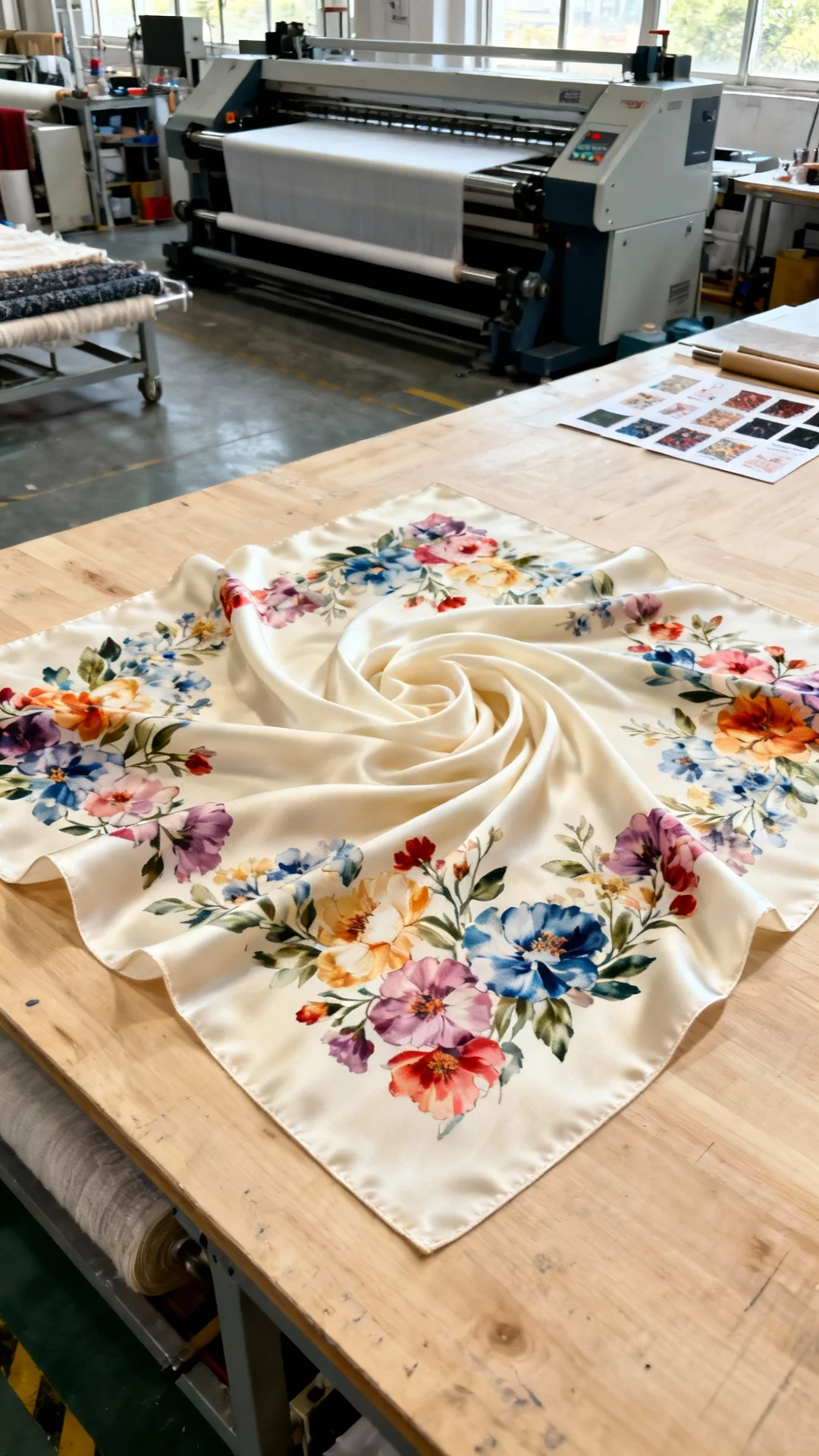
While nano-ink formulations carry a 15-20% higher material cost compared to conventional digital inks, total production costs decrease by 10-15% due to labor savings, reduced waste, and elimination of pre and post-treatment processes. Large-scale manufacturers report ROI periods of 6-12 months when investing in nano-ink technology, with some achieving payback even faster through premium pricing of nano-ink printed products (Global Textile Times, 2025).
Practical Implementation Considerations
Equipment Requirements and Compatibility
Integrating nano-ink technology into existing production workflows requires evaluating printer compatibility and potential upgrades. Most modern digital textile printers—including popular models from EFI Reggiani, ColorJet, and Kornit—can accommodate nano-ink formulations with minor modifications to print heads and ink delivery systems.
Key specifications to consider when selecting nano-ink compatible equipment include:
- Print head resolution capabilities (minimum 600 dpi for optimal nano-ink performance)
- Ink circulation system design to prevent nano-particle sedimentation
- Temperature control features to maintain ink viscosity
- Advanced color management software supporting nano-ink profiles
For boutique operations with limited space, compact systems like the Orange O Tec JP7 offer 180 cm width capabilities at speeds up to 340 m/h, balancing performance with footprint requirements (Orangeotec, 2025). Larger manufacturers may opt for industrial-scale solutions like the EFI Reggiani Hyper, which combines high-speed production with advanced color matching for consistent results across multiple machines.
Material Compatibility and Preparation
Nano-ink technology demonstrates exceptional versatility across the diverse fabric types used in scarf manufacturing. From delicate silks and cashmeres to durable polyesters and cotton blends, nano-inks adapt to various fiber structures through specialized formulations tailored to different material properties.
Natural fibers benefit from nano-inks with cationic surfactants that enhance adhesion, while synthetic fabrics utilize modified nano-particles with improved thermal stability during curing. Pre-treatment requirements are minimal compared to traditional printing, typically involving a light coating application that prepares the fabric surface for optimal nano-ink adhesion without altering hand feel or drape—critical factors for luxury scarf products.
Testing protocols should verify colorfastness across expected use scenarios, including:
- Washing tests (30+ cycles at recommended care temperatures)
- Lightfastness assessments (exposure to UV radiation equivalent to 1+ year sunlight)
- Rub fastness evaluations (both dry and wet conditions)
- Chemical resistance testing (perfumes, cosmetics, common household chemicals)
Quality Control and Maintenance
Implementing robust quality control measures ensures consistent results with nano-ink technology. Digital textile printing systems should include inline inspection cameras with AI-powered defect detection, identifying issues like nozzle clogs or color variations in real-time to minimize waste.
Regular maintenance schedules are essential for preserving nano-ink performance and printer longevity. Key maintenance procedures include:
- Daily print head cleaning to prevent nano-particle buildup
- Weekly inspection of ink filters and circulation systems
- Monthly calibration of color management systems
- Quarterly professional servicing of precision components
Establishing color management protocols is particularly important when working with nano-inks, as their enhanced color capabilities require precise control. Implementing spectrophotometer-based color verification at multiple production stages ensures consistency across batches and maintains brand color standards.
Industry Applications and Future Developments
The fashion accessories sector has quickly embraced nano-ink technology, with luxury brands reporting significant competitive advantages. Case studies from major fashion retailers demonstrate that nano-ink printed scarves achieve 30% higher sell-through rates and command 15-25% price premiums compared to traditionally printed alternatives (ResearchGate, 2025), reflecting consumer appreciation for both visual quality and sustainability attributes.
Emerging innovations in nano-ink technology promise even greater capabilities for scarf printing. Research into conductive nano-inks is exploring smart scarf applications, including integrated heating elements or interactive features that respond to environmental conditions. Photochromic and thermochromic nano-particles are being developed to create scarves with color-changing properties, offering dynamic design possibilities previously limited to science fiction.
Most exciting for sustainable fashion advocates: bio-based nano-ink formulations derived from agricultural waste products are entering commercialization, further reducing the environmental impact of digital printing. These developments position nano-ink technology at the intersection of fashion innovation and environmental responsibility, creating new opportunities for brand differentiation in the competitive accessories market.
As the digital textile printing market continues its rapid growth trajectory, nano-ink technology stands out as a transformative advancement delivering tangible benefits across quality, sustainability, and production metrics. For boutique owners, specialty stores, and fashion brands seeking to elevate their scarf offerings, understanding and implementing nano-ink technology represents a strategic investment in enhanced product quality, environmental responsibility, and manufacturing efficiency that will define industry leadership in the coming decade.
The future of scarf printing belongs to technologies that balance artistic expression with environmental stewardship. Nano-ink technology is leading this evolution, one precisely placed nanometer at a time.