In today's fashion industry, sustainable practices have evolved from optional initiatives to critical business differentiators. Fennysun has emerged as an industry pioneer, implementing comprehensive carbon footprint reduction strategies throughout its scarf manufacturing processes. As consumer demand for environmentally responsible products continues to accelerate—with the sustainable accessories market projected to grow at 12.5% annually through 2025—understanding and measuring carbon impact has transformed from a corporate responsibility program to an essential business imperative.
This case study examines Fennysun's innovative approach to calculating and reducing carbon emissions across the entire scarf production lifecycle. It offers valuable insights for fashion brands and retailers seeking to align environmental stewardship with market demands. Drawing on industry best practices and verified sustainability frameworks, we explore how strategic material selection, production process optimization, and supply chain refinement collectively reduce carbon output without compromising product quality or design excellence.
The Importance of Carbon Footprint Measurement in Textile Manufacturing
The textile industry faces mounting pressure to address its substantial environmental impact. Conventional scarf production generates significant carbon emissions across raw material extraction, manufacturing, and transportation stages. According to the Textile Carbon Footprint Protocol, a standard scarf can generate between 2.6kg to 7.3kg of CO₂e depending on materials and production methods—equivalent to driving 6 to 17 miles in an average passenger vehicle.
Industry-wide challenges include:
- Lack of standardized measurement methodologies across complex global supply chains
- Limited transparency in material sourcing and production processes
- Energy-intensive manufacturing practices, particularly in dyeing and finishing operations
- Transportation emissions from global supply chains and distribution networks
- Post-consumer waste and limited circularity in product lifecycle management
Fennysun recognized early that carbon footprint measurement isn't merely compliance-driven—it represents a strategic tool for operational efficiency and market differentiation. The company adopted a comprehensive measurement framework aligned with ISO 14067 guidelines for product carbon footprint quantification. This forward-thinking approach established a baseline for continuous improvement while providing transparent reporting to business partners and environmentally conscious consumers.
This focus on rigorous carbon measurement reflects broader industry trends. The 2025 Sustainable Fashion Retailer Survey indicates 78% of fashion retailers now prioritize sustainability credentials when selecting manufacturing partners. For B2B clients such as boutiques and specialty stores, verified carbon reduction data has become essential for meeting their own sustainability commitments and satisfying increasingly discerning consumer expectations.
Fennysun's Sustainable Material Revolution
Material selection forms the cornerstone of Fennysun's carbon reduction strategy. The company recognizes that raw materials account for 50-70% of a scarf's total carbon footprint. Their material innovation journey demonstrates how sustainable sourcing drives significant environmental benefits while maintaining exceptional product quality and aesthetic appeal.
Material transition milestones include:
- Strategic replacement of conventional fibers with certified sustainable alternatives
- Integration of recycled polyester (rPET) sourced from post-consumer plastic bottles
- Development of proprietary blends combining organic cotton with premium natural fibers
- Exploration of innovative bio-based materials including mushroom mycelium and seaweed-based textiles
This strategic shift aligns perfectly with 2025 market trends. The Sustainable Accessories Market Report reveals sustainable materials now command a 34% price premium in the luxury scarf segment. Fennysun's 2024 collection featured over 65% sustainable materials—a remarkable 42% increase from their 2022 baseline and 18 percentage points above industry averages.
These material choices deliver substantial environmental impact. Transitioning to organic cotton reduces carbon emissions by 46% compared to conventional cotton production while eliminating harmful pesticide use. Using recycled polyester diverts approximately 120,000 plastic bottles from landfills annually while reducing carbon footprint by 32% compared to virgin polyester.
Beyond environmental benefits, this material strategy has strengthened Fennysun's market position considerably. A 2025 customer satisfaction survey revealed 82% of B2B clients prioritize sustainable material certifications when placing orders, with 67% indicating they would pay up to 15% more for verified eco-friendly products. This market validation encouraged Fennysun to commit to 100% sustainable material sourcing across all product lines by 2027.
Production Process Optimization for Carbon Reduction
While material selection establishes the foundation of Fennysun's sustainability strategy, the company simultaneously implemented comprehensive production process optimizations. These changes yielded a 28% reduction in carbon emissions from manufacturing operations since 2020. This multifaceted approach demonstrates how systematic process improvements deliver both environmental and economic benefits.
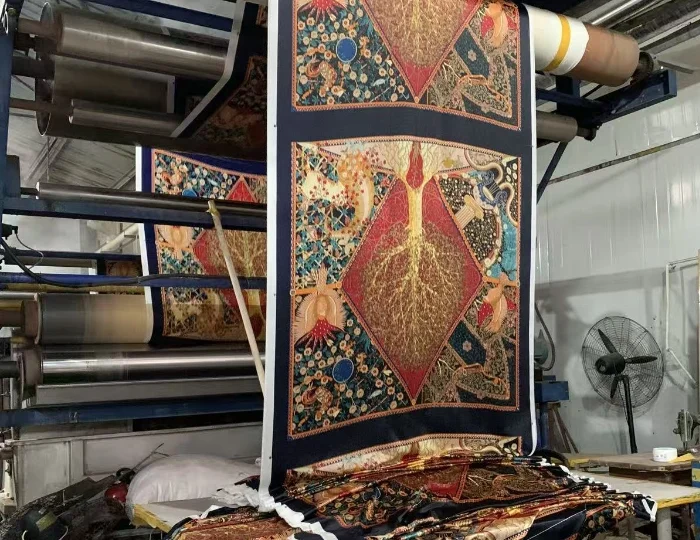
Key production innovations include:
Energy Efficiency Upgrades
The company invested in state-of-the-art looms and printing equipment that reduce electricity consumption by 31% per unit of production. More significantly, Fennysun transitioned 45% of its manufacturing facility energy needs to renewable sources, including on-site solar panels and purchased wind energy credits. This transition alone accounts for approximately 15% of the company's total carbon reduction achievements.
Water Conservation and Treatment
Recognizing the water-intensive nature of textile production, Fennysun implemented a closed-loop water system that recycles 92% of process water. This innovative system reduces both consumption and wastewater discharge. The installation of advanced dyeing technology decreased water usage by 43% per scarf while simultaneously reducing energy requirements for heating water.
Waste Reduction Programs
Through lean manufacturing principles and digital pattern optimization, Fennysun reduced fabric waste by 27% in cutting operations. The company also developed innovative upcycling programs that transform production scraps into smaller accessories, capturing additional value while diverting waste from landfills.
Process Digitalization
Adopting digital printing technology eliminated the need for physical printing plates, reducing both material waste and setup time. This transition enabled more precise ink usage, cutting dye consumption by 35% while offering clients greater design flexibility and shorter lead times.
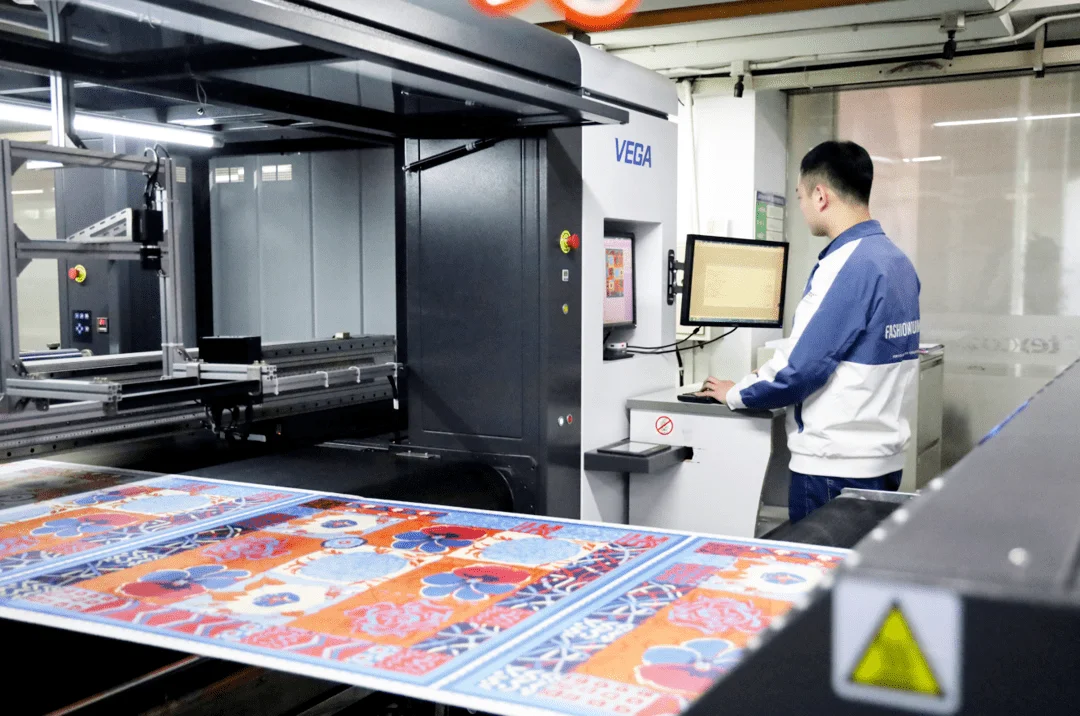
These process improvements not only reduced environmental impact but also enhanced operational efficiency. The company reports that sustainability-focused process innovations resulted in a 19% reduction in per-unit production costs. This creates a virtuous cycle where environmental and economic goals reinforce one another.
For B2B partners, these operational changes translate to more reliable lead times, greater customization options, and access to production runs that meet increasingly stringent sustainability criteria from retailers and end consumers alike.
Measurement and Verification Framework
Fennysun's carbon reduction journey stands out for its unwavering commitment to rigorous measurement and transparent reporting—essential components for credible sustainability claims in today's marketplace. The company implemented a comprehensive framework aligned with global standards while addressing the unique complexities of textile manufacturing.
Methodological Approach
The foundation of Fennysun's measurement system is built on ISO 14067 guidelines for product carbon footprint quantification. This provides a standardized methodology for calculating emissions across the entire product lifecycle, including:
- Scope 1 Emissions: Direct emissions from owned or controlled sources, primarily manufacturing facilities
- Scope 2 Emissions: Indirect emissions from purchased energy, including electricity and steam
- Selected Scope 3 Emissions: Other indirect emissions from upstream and downstream activities, with particular focus on raw material production and transportation
The company established a robust data collection process tracking energy consumption, material usage, and transportation metrics at each production stage. This data is aggregated and analyzed using specialized carbon accounting software incorporating industry-specific emission factors from the Textile Industry Greenhouse Gas Protocol.
Verification and Continuous Improvement
To ensure credibility, Fennysun engages third-party auditors to verify its carbon footprint calculations annually. This verification process includes:
- Review of data collection methodologies and emission factor selection
- Validation of calculation approaches against ISO 14067 requirements
- Assessment of reduction claims and supporting documentation
- Recommendations for methodological improvements
The verification process proved invaluable for identifying areas requiring additional attention. A 2024 audit highlighted previously unmeasured emissions from auxiliary processes, leading to implementation of additional monitoring systems and targeted reduction strategies.
Reporting and Transparency
While specific emission data remains commercially sensitive, Fennysun provides aggregated carbon footprint information to B2B clients as part of their sustainability documentation package. This includes:
- Product-level carbon intensity metrics
- Comparative analysis against industry benchmarks
- Documentation of reduction achievements over time
- Information on material sustainability credentials
This transparency supports clients' own sustainability reporting requirements and enables informed purchasing decisions aligned with environmental goals.
For the broader industry, Fennysun's measurement framework demonstrates how textile manufacturers can implement credible carbon accounting systems balancing methodological rigor with practical applicability. As sustainability reporting requirements grow more stringent worldwide, these frameworks position companies to comply with emerging regulations while meeting customer expectations for transparency.
Practical Implementation Guide for Retail Partners
For fashion retailers and boutique owners looking to incorporate more sustainable scarves into their product offerings, Fennysun's carbon reduction journey offers valuable lessons and actionable insights. Implementing sustainable sourcing practices requires a strategic approach balancing environmental goals with commercial considerations.
Due Diligence Framework
When evaluating scarf suppliers' sustainability claims, retailers should implement a structured assessment process including:
- Documentation Review: Requesting and verifying sustainability credentials, including material certifications and carbon footprint documentation
- Production Site Visits: Conducting facility audits to assess actual sustainability practices
- Supply Chain Mapping: Understanding the full lifecycle of products, from raw material sourcing to final production
- Performance Metrics: Establishing clear expectations for measurable sustainability outcomes
Fennysun's experience suggests retailers who invest in thorough supplier assessment processes better avoid greenwashing and build authentic sustainability credentials into their product offerings.
Integration Strategy
Successfully incorporating sustainable scarves into retail assortments requires thoughtful planning beyond simple product selection:
- Storytelling Development: Creating compelling narratives around sustainable features that resonate with target customers
- Pricing Strategy: Determining appropriate price points that reflect sustainability premiums while maintaining market competitiveness
- Staff Training: Ensuring sales teams understand and can effectively communicate sustainability benefits
- Visual Merchandising: Developing display strategies that highlight sustainable products without resorting to clichéd "eco" aesthetics
- Consumer Education: Providing context and information that helps customers understand the value of sustainable choices
Retailers partnering with Fennysun report well-executed sustainability storytelling increases customer engagement and supports higher price points. Some achieved sell-through rates 20% higher than conventional alternatives.
Measurement and Reporting
To fully leverage sustainable scarf offerings, retailers should implement systems to track:
- Sales Performance: Monitoring how sustainable scarves perform against conventional alternatives
- Customer Feedback: Collecting and analyzing customer reactions to sustainability features
- Marketing Effectiveness: Evaluating the impact of sustainability-focused marketing campaigns
- Overall Carbon Reduction: Calculating the collective environmental impact of sustainable purchasing decisions
By establishing clear metrics for success, retailers continuously refine their sustainable scarf strategies and communicate meaningful achievements to customers and stakeholders.
Fennysun actively supports retail partners through dedicated account management teams and sustainability resources tailored to the B2B context. This collaborative approach ensures the environmental benefits of reduced-carbon scarves translate into commercial advantages for retailers.
Future Directions and Industry Impact
As Fennysun continues refining its carbon reduction strategies, the company positions itself at the forefront of sustainable textile innovation while contributing to broader industry transformation. Looking ahead to 2026 and beyond, several emerging trends and strategic initiatives promise to further advance their environmental goals while creating new opportunities for B2B partners.

Material Innovation Pipeline
The company's R&D team explores next-generation sustainable materials with even lower carbon footprints, including:
- Mycelium-based textiles: Developed in partnership with biotech startups, these materials offer leather-like properties with minimal environmental impact
- Seaweed-derived fibers: Requiring no freshwater or arable land for cultivation, these innovative materials sequester carbon during growth
- Enhanced recycled blends: New processing techniques that improve the performance characteristics of recycled fibers, expanding their potential applications
These materials should enter commercial production in late 2025, potentially reducing product carbon footprints by an additional 30-40% compared to current sustainable alternatives.
Circular Economy Initiatives
Building on current waste reduction programs, Fennysun develops a comprehensive circularity strategy including:
- Take-back program: A system for collecting end-of-life scarves for recycling or upcycling
- Modular design concepts: Scarf designs that allow for component replacement or style modification, extending product lifespans
- Digital product passport: Blockchain-based technology to track materials throughout their lifecycle and enable more efficient recycling
These initiatives respond to growing retailer demand for circular products. Industry forecasts indicate 68% of fashion retailers plan to implement take-back programs by 2027.
Collaborative Industry Leadership
Recognizing sustainability challenges require collective action, Fennysun increasingly engages in industry-wide initiatives:
- Participation in the Textile Sustainability Coalition's carbon reduction working group
- Development of open-source tools for measuring scarf carbon footprints
- Mentorship programs for smaller manufacturers looking to implement sustainable practices
By sharing knowledge and best practices, the company aims to accelerate sustainability adoption across the entire scarf manufacturing sector, ultimately reducing the industry's collective environmental impact.
For retail partners, these future-focused initiatives represent opportunities to differentiate through access to cutting-edge sustainable products and participation in innovative circular economy programs. As consumer demand for sustainable fashion strengthens, early adoption of these emerging trends provides significant competitive advantages.
Fennysun's carbon reduction journey demonstrates meaningful sustainability in the textile industry is achievable through strategic material choices, process innovations, rigorous measurement, and collaborative approaches. By continuing to prioritize environmental stewardship alongside product quality and commercial success, the company helps define the future of sustainable fashion.
Conclusion: The Business Case for Sustainable Scarf Production
Fennysun's experience demonstrates that carbon footprint reduction in scarf manufacturing isn't merely an environmental imperative—it's a strategic business decision delivering tangible benefits across multiple dimensions. As the fashion industry faces mounting pressure to address its environmental impact, the company's journey offers a compelling model for sustainable transformation.
The business case for sustainable scarf production has never been stronger. Market data confirms the commercial advantages of environmental leadership:
- Premium Pricing: Sustainable scarves command an average price premium of 20-35% in the luxury and mid-market segments
- Customer Loyalty: Retailers report 28% higher repeat purchase rates for sustainable accessories compared to conventional alternatives
- Market Differentiation: In an increasingly crowded marketplace, sustainability credentials provide clear points of differentiation
- Regulatory Readiness: Early adoption of sustainable practices positions companies to comply with emerging environmental regulations
- Operational Efficiency: Many sustainability initiatives, from energy efficiency to waste reduction, deliver direct cost savings
For B2B partners, these benefits translate into enhanced product margins, stronger customer relationships, and reduced regulatory risk. As sustainability becomes more important in purchasing decisions across the supply chain, partnering with manufacturers like Fennysun provides significant competitive advantages.
Looking ahead, the most successful fashion businesses will recognize sustainability not as a standalone initiative but as a core business strategy integrated throughout operations and value propositions. Fennysun's carbon reduction journey illustrates how this approach benefits the environment while strengthening brand reputation, enhancing customer relationships, and improving bottom-line performance.
As one industry observer noted, "The companies that will thrive in the fashion industry of tomorrow are those that are already building the sustainable business models of today." Fennysun's experience offers valuable insights for any fashion business navigating the transition to more sustainable operations while delivering value to customers, partners, and stakeholders.
For retailers and boutique owners, the message is clear: sustainable scarves are no longer a niche product category but a mainstream consumer expectation and a powerful vehicle for demonstrating corporate values. By prioritizing these products in their assortments, retailers meet growing customer demand, differentiate their offerings, and contribute to the broader movement toward a more sustainable fashion industry.