In today's competitive fashion accessories market, custom scarf design partnerships offer brands a powerful avenue to differentiate themselves while maintaining healthy profit margins. As the global scarf market continues its steady growth trajectory—projected to reach $23.38 billion by 2025—fashion retailers and boutique owners face a critical challenge: optimizing their investment in custom design collaborations to achieve maximum returns.
Drawing on over three decades of industry experience working with brands across Europe, North America, and Asia, this comprehensive guide shares actionable insights for maximizing return on investment (ROI) in custom scarf partnerships. You'll discover proven budgeting strategies, cost optimization techniques, and performance metrics that deliver measurable results for fashion businesses of all sizes seeking to leverage the potential of custom scarf designs.
Understanding the Custom Scarf Partnership Landscape in 2025
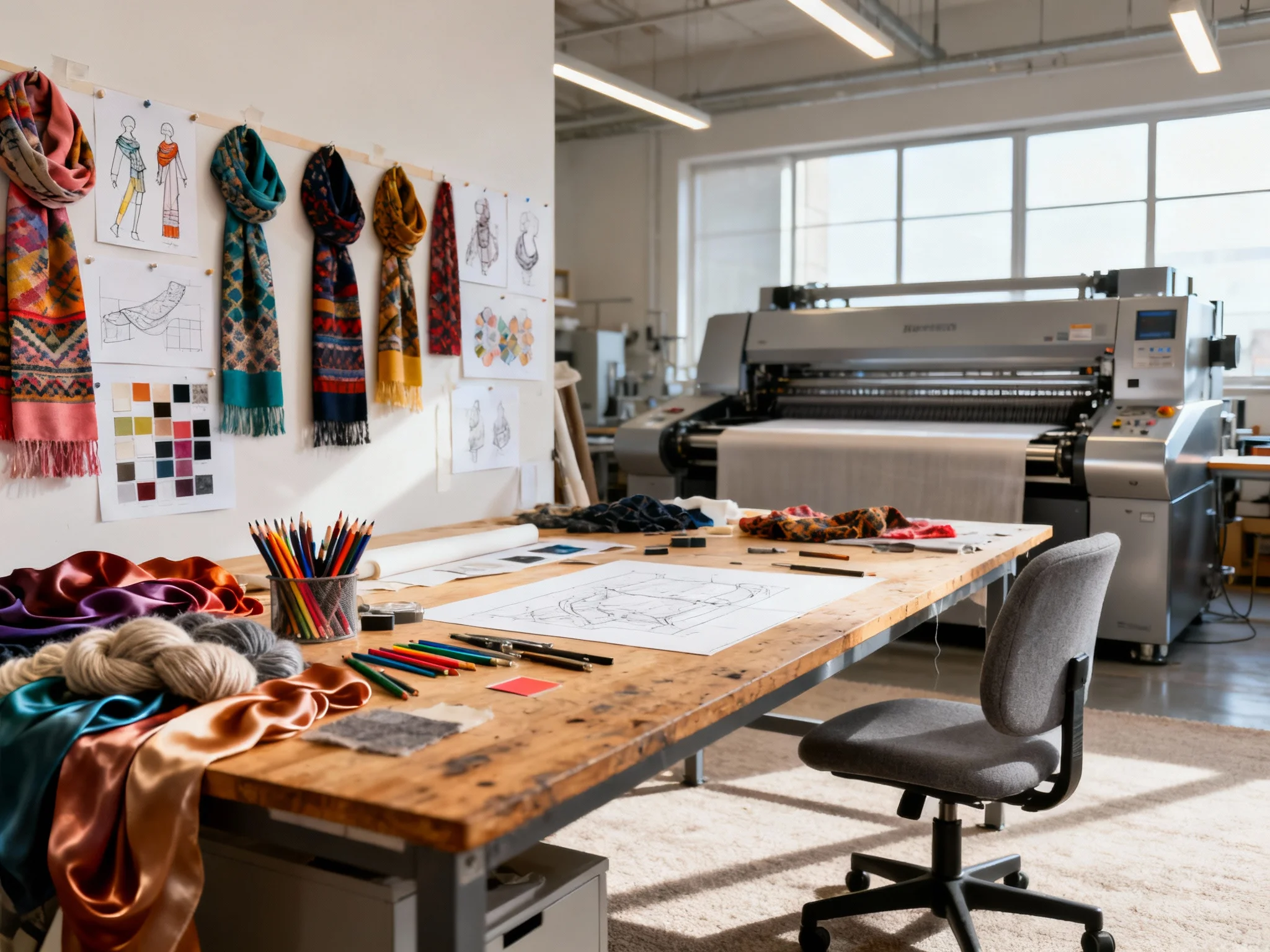
The custom scarf manufacturing sector is undergoing rapid transformation, driven by evolving consumer preferences and technological advancements. Two pivotal trends are reshaping the industry landscape: the growing demand for sustainable production methods and the widespread adoption of digital printing technologies.
Industry data confirms that sustainable fashion accessories now command a 27% price premium in the market. Concurrently, 68% of luxury brands report increased utilization of eco-friendly materials in their accessory lines. This significant shift toward environmental responsibility presents both challenges and opportunities for cost management in custom scarf production.
Digital printing has revolutionized the economics of small-batch production by reducing minimum order quantities (MOQs) by up to 50% while maintaining exceptional quality standards. This technological advancement has democratized custom scarf production, enabling emerging brands and boutique retailers to enter the market without the traditional financial barriers that once restricted access.
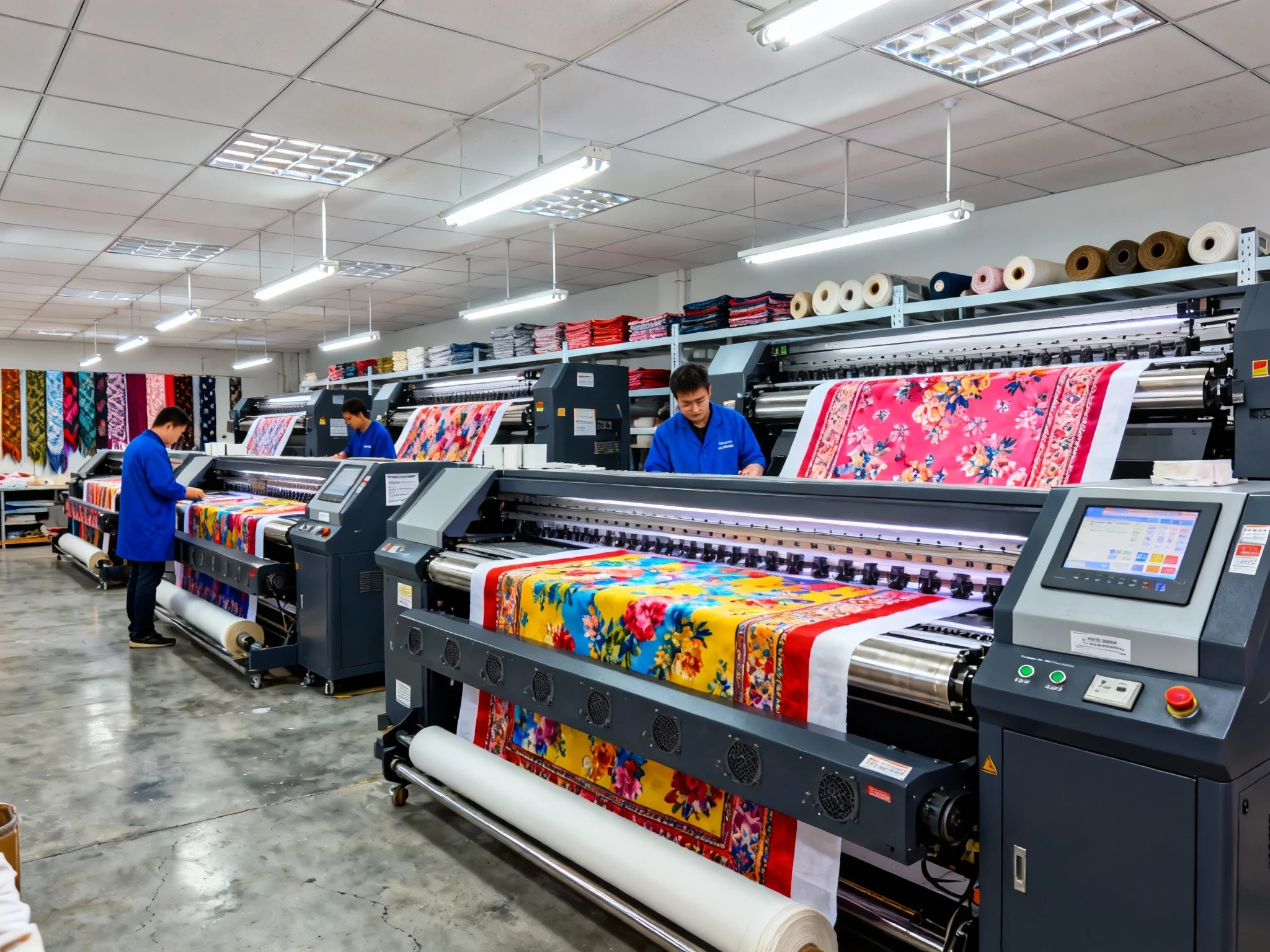
When evaluating manufacturing partners for bespoke scarf production, leading brands consistently prioritize three critical factors: production flexibility (cited by 82% of respondents in a 2025 manufacturing survey), robust quality control protocols, and transparent pricing structures. These foundational elements form the basis of successful partnerships that consistently deliver measurable ROI.
Cost Structure Analysis: Where Your Budget Goes
A comprehensive understanding of cost components in custom scarf production is essential for effective budgeting and ROI optimization. Based on current industry benchmarks, custom scarf manufacturing costs break down into four primary categories:
Raw Materials represent the largest expense category, typically accounting for 40-55% of total production costs. Silk remains the premium choice, with prices ranging from $12-25 per yard depending on quality grade and origin. Sustainable alternatives like organic cotton and recycled polyester offer 15-30% cost savings while simultaneously appealing to the growing demographic of eco-conscious consumers. Market volatility continues to affect natural fiber prices, making strategic material sourcing a critical aspect of budget management.
Labor Costs constitute 20-30% of total expenses, with significant variation based on production location and design complexity. Latest manufacturing reports indicate that unit labor costs in the textile sector increased by 1.6% in Q1 2025, reflecting broader economic trends. Digital printing technologies help offset some labor increases by automating portions of the production process—particularly beneficial for complex patterns that traditionally required manual screen setup.
Production and Technology expenses make up 10-20% of typical budgets. This category encompasses printing, finishing, quality control, and shipping costs. Digital printing offers distinct cost advantages for small to medium production runs (50-500 units), while traditional screen printing becomes more economical for larger orders exceeding 1,000 units. Emerging technologies like 3D design visualization also contribute to cost reduction by minimizing sample costs by up to 40% during the pre-production phase.
Design and Development costs typically range from 5-15% of total investment. This includes initial concept creation, technical specifications, and prototype development. Brands providing print-ready artwork can significantly reduce these costs. Those requiring comprehensive design services should allocate higher budget percentages to this critical phase to ensure the development of market-resonant designs.
Understanding this detailed cost breakdown empowers brands to identify efficiency gains and negotiate more effectively with manufacturing partners. For example, strategically adjusting production volumes to meet MOQ sweet spots can reduce per-unit costs by 15-20%, directly impacting overall ROI for custom scarf designs.
ROI Metrics That Matter in Custom Scarf Partnerships
Measuring ROI for custom scarf partnerships requires a nuanced approach that extends beyond simple profit margin calculations. Industry benchmarks reveal that successful custom design collaborations generate an average ROI of 6.5 times traditional advertising spend—but results vary significantly based on strategic execution and partnership structure.
Gross Margin Percentage remains the foundational metric for evaluating financial performance. Successful scarf programs typically achieve 55-75% margins at retail, with material selection, production volume, and brand positioning influencing where within this range a particular program falls. Luxury silk scarves often command the higher end of this spectrum, while cotton and synthetic blends generally fall toward the lower range but offer higher sales velocity potential.
Inventory Turnover Rate provides critical insights into capital efficiency and operational performance. The optimal range for scarf inventory turns is 4-6 times annually, balancing product availability with holding costs. Custom designs with strong market resonance can achieve higher turnover rates—especially when strategically aligned with seasonal trends and marketing initiatives.
Customer Acquisition Cost (CAC) reduction represents one of the most valuable but often overlooked ROI components in scarf brand partnerships. Fashion brands report that custom scarf lines used as promotional tools or loyalty rewards reduce CAC by 22-35% compared to traditional marketing channels. This metric becomes especially significant when evaluating the total value of a partnership program beyond direct sales.
Brand Equity Enhancement metrics, while more qualitative, deliver substantial long-term value. Retailers engaging in partnerships with distinctive scarf designers report increased foot traffic (+18%), social media engagement (+40%), and customer retention (+25%). These intangible benefits contribute to sustained growth beyond immediate sales figures and are particularly valuable for brands looking to strengthen market position.
To track these metrics effectively, brands need a comprehensive measurement framework with both pre- and post-launch analysis capabilities. This should incorporate sales data, customer feedback mechanisms, and brand tracking studies to capture both immediate financial returns and long-term market impact of custom scarf designs.

Strategic Budgeting Approaches for Different Partnership Models
Custom scarf partnerships feature varied financial structures based on collaboration models, each offering distinct advantages and budget considerations. Understanding these models helps brands select the optimal approach for their specific goals and resource constraints when considering private label scarf manufacturing.
Full Custom Development partnerships represent the most comprehensive approach, with budgets typically ranging from $8,000-$35,000+ depending on design complexity and production volume. This model creates unique designs from initial concept through final production, offering maximum creative control. Investment generally breaks down as: design development (20-30%), materials (40-50%), production (20-30%), and shipping/logistics (5-10%). This approach delivers the highest differentiation potential but requires substantial upfront investment and the longest time-to-market (12-16 weeks).
White Label Adaptation models offer a strategic middle ground, with budgets ranging from $5,000-$20,000. This approach utilizes existing designs or templates modified with brand-specific elements like colors, logos, or minor pattern adjustments. Brands can save 30-40% compared to full custom development—primarily through reduced design fees and shorter development timelines (6-8 weeks). This model works exceptionally well for brands seeking faster market entry with moderate differentiation through private label scarf manufacturing.
Print-On-Demand partnerships represent the lowest barrier to entry, with minimal upfront investment (often $500-$3,000 to establish programs). This model eliminates inventory risk through production-on-order but typically has higher per-unit costs—reducing gross margins by 15-25% compared to traditional manufacturing. The financial structure operates on a per-unit pricing model rather than bulk production, making it ideal for testing new designs or serving niche markets without significant capital commitment.
Co-Creation Partnerships with established designers or artists introduce unique budget considerations. These collaborations often involve licensing fees ranging from 5-15% of wholesale revenue in addition to production costs. While requiring more complex financial structuring, these partnerships can command premium pricing (20-40% above standard custom lines) and generate significant marketing buzz—but require careful financial modeling to ensure profitability. The most successful collaborations allocate substantial resources to marketing and promotion—typically 25-35% of projected revenue—to maximize visibility and sales velocity.
Selecting the appropriate model requires balancing several factors: brand positioning, target market, available budget, and time constraints. Many successful programs employ a hybrid approach—using full custom development for flagship pieces while leveraging white label or print-on-demand models for supporting SKUs or test concepts in their custom scarf designs portfolio.
Mitigating Risks and Maximizing Returns: Practical Strategies
Custom scarf partnerships present inherent risks that can impact ROI if not properly managed. Industry data indicates that 38% of custom accessory launches fail to meet revenue projections—primarily due to avoidable pitfalls related to production management, market alignment, and financial planning in scarf brand partnerships.
Production Volume Optimization represents one of the most impactful risk mitigation strategies. Data clearly shows that production runs below optimal MOQs increase per-unit costs by 15-30%. Brands should conduct thorough demand forecasting using historical sales data, market trends analysis, and pre-order programs to determine ideal production quantity. Many manufacturers offer tiered pricing structures that reward volume commitments while providing flexibility for reorders based on initial sales performance.
Material Selection decisions carry both financial and market risks. While premium materials like silk enhance perceived value, they introduce price volatility and minimum order requirements that can strain budgets. A strategic approach balances material quality with production practicality—potentially using higher-grade materials for hero pieces and more economical alternatives for supporting styles. Testing material preferences through consumer research before full production reduces market rejection risk significantly.
Intellectual Property Protection has become increasingly critical in the custom scarf market, where design copying can erode competitive advantage and ROI. Counterfeit products continue challenging the industry, with luxury scarf designs among the most frequently copied accessories. Implementing proper legal protections—including design patents and trademarks—represents a necessary investment of 2-5% of total program budget. Working with manufacturers who implement strict security protocols throughout production further reduces unauthorized replication risk.
Phased Launch Strategies offer an effective risk management approach—especially for brands new to custom scarf programs. This involves initially producing a limited range or capsule collection to test market response before full-scale production. While this approach may increase per-unit costs initially, it reduces overproduction risk by 40-60% and provides valuable consumer feedback for subsequent iterations. Successful phased launches typically allocate 30-40% of total program budget to the initial test phase, with clear metrics for determining expansion to full production.
Contingency Planning represents a final critical element of risk mitigation. Industry best practice suggests allocating 10-15% of total budget for unforeseen circumstances. This reserve addresses potential issues like material price increases, production delays, or quality control challenges. Establishing clear terms in partnership agreements regarding timelines, quality standards, and cost adjustment mechanisms further protects brand investments in custom scarf designs.
Case Study Analysis: Successful Custom Scarf Partnership Models
Real-world examples provide valuable insights into the financial dynamics of successful custom scarf partnerships. While specific brand names have been anonymized to respect confidentiality, these case studies reflect actual outcomes from leading fashion retailers and designers in 2024-2025 implementing bespoke scarf production strategies.
Case Study 1: Luxury Boutique Collaboration demonstrates strategic designer partnership potential. A high-end fashion boutique with 12 locations partnered with an emerging textile designer to create a limited-edition silk scarf collection. The $28,500 total investment included design fees ($7,500), materials ($11,200), production ($8,800), and marketing ($1,000). Launched at $195 average retail price, the collection achieved 85% sell-through within 12 weeks and generated $142,800 in revenue. This resulted in 72% gross margin and 4.0x ROI on initial investment. Key success factors included exclusive designer cachet, strategic in-store placement, and targeted social media promotion to the boutique's existing luxury clientele.
Case Study 2: Mid-Market Retail Private Label illustrates volume-driven custom program scalability in private label scarf manufacturing. A national retail chain with over 200 locations developed a private label scarf line targeting $39.99-$59.99 price points. The initial $45,000 program investment covered design development ($5,000), production of 3,000 units ($36,000), and initial marketing ($4,000). By leveraging digital printing for small-batch variations and focusing on trend-driven designs, the program achieved 56% gross margin and generated $278,400 in first-season sales. The 5.2x ROI was enhanced by 5.3 inventory turns, minimizing holding costs and maximizing capital efficiency.
Case Study 3: Sustainable Brand Partnership highlights eco-conscious custom design market potential. An emerging sustainable fashion brand collaborated with a recycled materials specialist to create custom-printed scarves using 100% post-consumer polyester. The $18,700 total investment included higher design development costs ($6,200) to create distinctive patterns showcasing the material's unique properties. Despite 15% higher material costs than conventional polyester, the collection achieved strong market resonance with environmentally focused consumers. With $75 retail price point and 78% sell-through rate, the program generated $91,200 in revenue and 3.9x ROI. Notably, the custom scarves became the brand's most shared product on social media—delivering additional marketing value beyond direct sales.
Case Study 4: Limited Edition Artist Collaboration demonstrates premium potential for unique creative partnerships. A mid-tier fashion brand partnered with a well-known contemporary artist for a limited-edition scarf collection featuring original artwork translated into wearable designs. The collaboration required $65,000 initial investment, including $25,000 artist licensing fee. This investment justified premium pricing ($195-$295 retail) and limited 500-unit production run. The program generated $238,000 in revenue with 82% sell-through, delivering 78% gross margin and 2.7x ROI. Beyond direct financial returns, the collaboration enhanced the brand's creative credibility and attracted media coverage valued at approximately $120,000 through traditional advertising channels.
These case studies demonstrate that successful custom scarf partnerships can be structured for diverse strategic objectives and budget parameters. While ROI varies by approach, all four examples delivered positive returns exceeding traditional marketing investments—with additional brand-building benefits extending beyond immediate financial metrics.
Practical Budgeting Tools and Implementation Framework
Transforming these insights into actionable budgeting requires a structured approach aligning with your brand's specific goals, resources, and market position. This implementation framework provides a step-by-step process for developing and managing a successful custom scarf partnership budget for bespoke scarf production.
Step 1: Define Strategic Objectives and KPIs (1-2 weeks). Start by clearly articulating your custom scarf program goals. Are you enhancing brand prestige, driving customer acquisition, increasing average order value, or supporting specific marketing initiatives? Each objective influences budget allocation and ROI measurement. Establish specific, measurable KPIs aligned with these goals—such as target gross margin percentage, sales velocity, or social media engagement metrics. This foundation ensures budgeting decisions remain strategically focused rather than purely cost-driven.
Step 2: Conduct Market and Competitive Analysis (2-3 weeks). Research current scarf market trends, consumer preferences, and competitor offerings to identify whitespace opportunities and potential pricing strategies. Analyze direct competitors and similar-positioned brands in adjacent categories to understand the competitive landscape for custom scarf designs. This research informs key decisions including material selection, design complexity, and price positioning—all critical for budget development. Document findings in a competitive matrix comparing price points, materials, design approaches, and promotional strategies.
Step 3: Develop Initial Concept and Budget Parameters (2 weeks). Based on strategic objectives and market analysis, develop preliminary design concepts and establish budget boundaries. This includes determining:
- Target price range and volume projections
- Material preferences and quality level
- Design complexity and development requirements
- Production timeline and seasonality considerations
- Required profit margin and allowable cost structure
Create a budget range rather than fixed figure to allow flexibility when engaging potential manufacturing partners. A typical range might span 20-30% to accommodate quote variations and unexpected development needs in scarf brand partnerships.
Step 4: Identify and Evaluate Potential Partners (3-4 weeks). Research manufacturers specializing in custom scarf production, prioritizing those with experience relevant to your material preferences and design requirements. Request detailed proposals including not only pricing but also production capabilities, quality control processes, sustainability practices, and minimum order requirements. When evaluating proposals, consider total value rather than selecting the lowest cost option—factors like reliability, communication, and flexibility often impact ROI more significantly than initial price differences in private label scarf manufacturing.
Step 5: Develop Detailed Production Budget (1-2 weeks). Work with your selected manufacturing partner to create a line-item budget breaking down costs by category:
- Design and development
- Materials (broken down by type and quantity)
- Production (printing, cutting, sewing, finishing)
- Quality control and testing
- Packaging
- Shipping and logistics
- Duties and tariffs (for international production)
- Contingency reserve (typically 10-15% of total)
This detailed budget should include specifications for each component to avoid scope creep and unexpected costs. For example, specify exact fabric composition, print technique, and quality standards rather than using general descriptions for custom scarf designs.
Step 6: Create Financial Projections and ROI Model (1 week). Develop comprehensive financial projections that include:
- Sales forecast by style and timeframe
- Projected gross margin and contribution margin
- Break-even analysis and timeline
- Cash flow projections
- ROI calculation based on total investment
- Sensitivity analysis for key variables (sell-through rate, average selling price)
This model should serve as both a decision-making tool during the planning phase and a performance measurement framework post-launch, ensuring your custom scarf partnership delivers the expected returns on investment.
By implementing this structured approach to budgeting and partnership management, fashion brands can maximize their ROI in custom scarf design collaborations while minimizing risk and ensuring strategic alignment with broader business objectives. The combination of careful planning, market analysis, and performance measurement creates a foundation for successful, profitable custom scarf programs that deliver both immediate financial returns and long-term brand value.