In the competitive landscape of luxury scarf manufacturing, distinguishing between industry benchmarks and manufacturer-specific practices is crucial for boutiques, specialty stores, and fashion brands seeking reliable production partners. As a seasoned industry practitioner with years of textile production standards evaluation experience, I've witnessed firsthand how quality control protocols directly impact product value, brand reputation, and customer satisfaction. This analysis examines current luxury scarf manufacturing standards, compares them with Fennysun's documented practices, and provides actionable insights for businesses conducting supplier evaluations.
Understanding Luxury Scarf Manufacturing Standards in 2025
The global luxury scarf market, valued at approximately $4.92 billion in 2024, continues its steady growth trajectory. This expansion is driven by increasing demand for premium accessories that balance aesthetic appeal with exceptional craftsmanship (dataintelo.com). As sustainability and quality consciousness rise among both consumers and B2B buyers, industry standards have evolved beyond mere visual inspection to encompass multiple quality dimensions.
Core Industry Benchmarks for Luxury Scarves
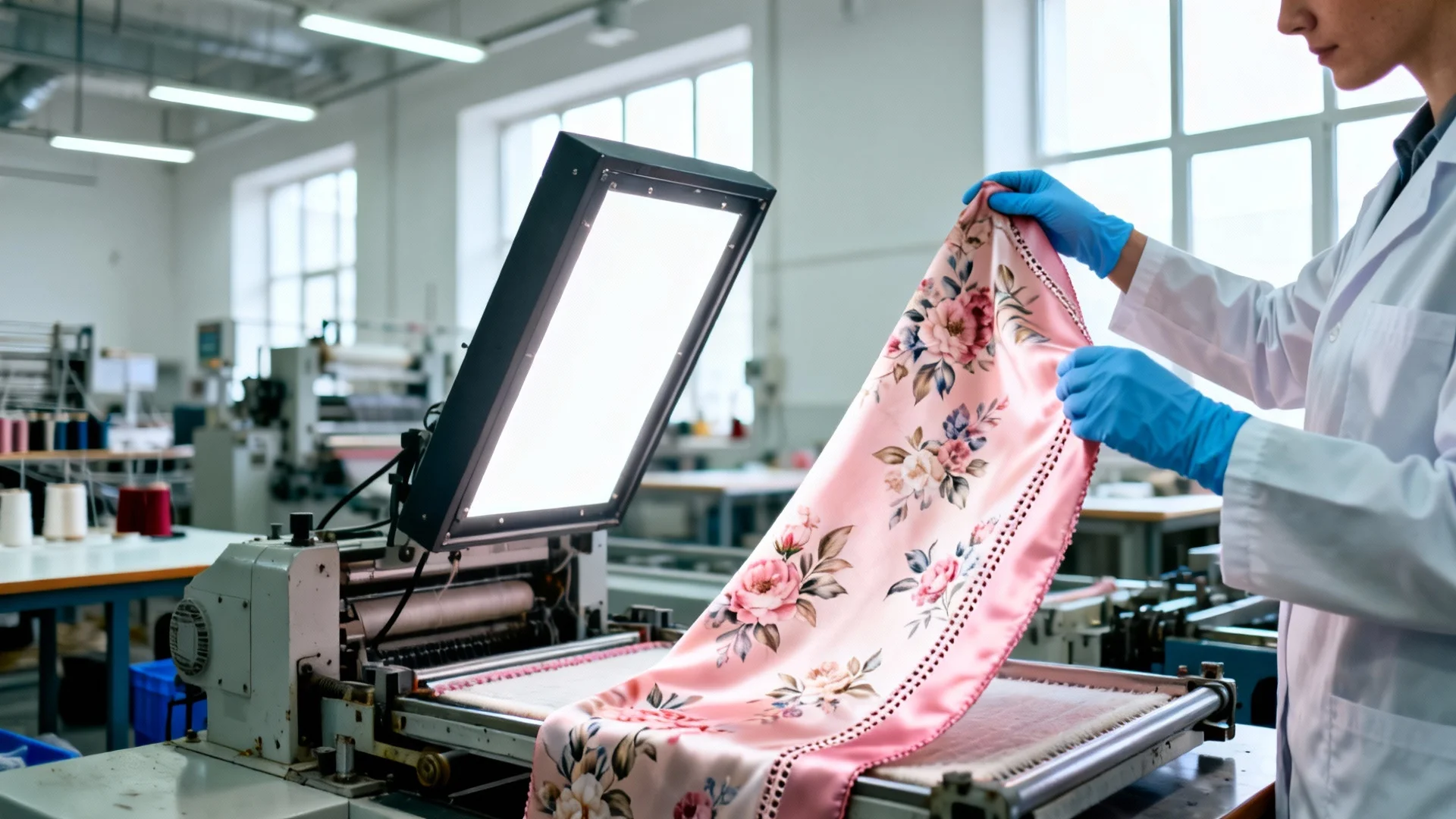
Modern luxury scarf manufacturing standards represent a fusion of traditional craftsmanship and contemporary quality control methodologies. Based on ISO 9001 guidelines for textile manufacturing and established industry best practices, these benchmarks typically include:
Material Quality Parameters
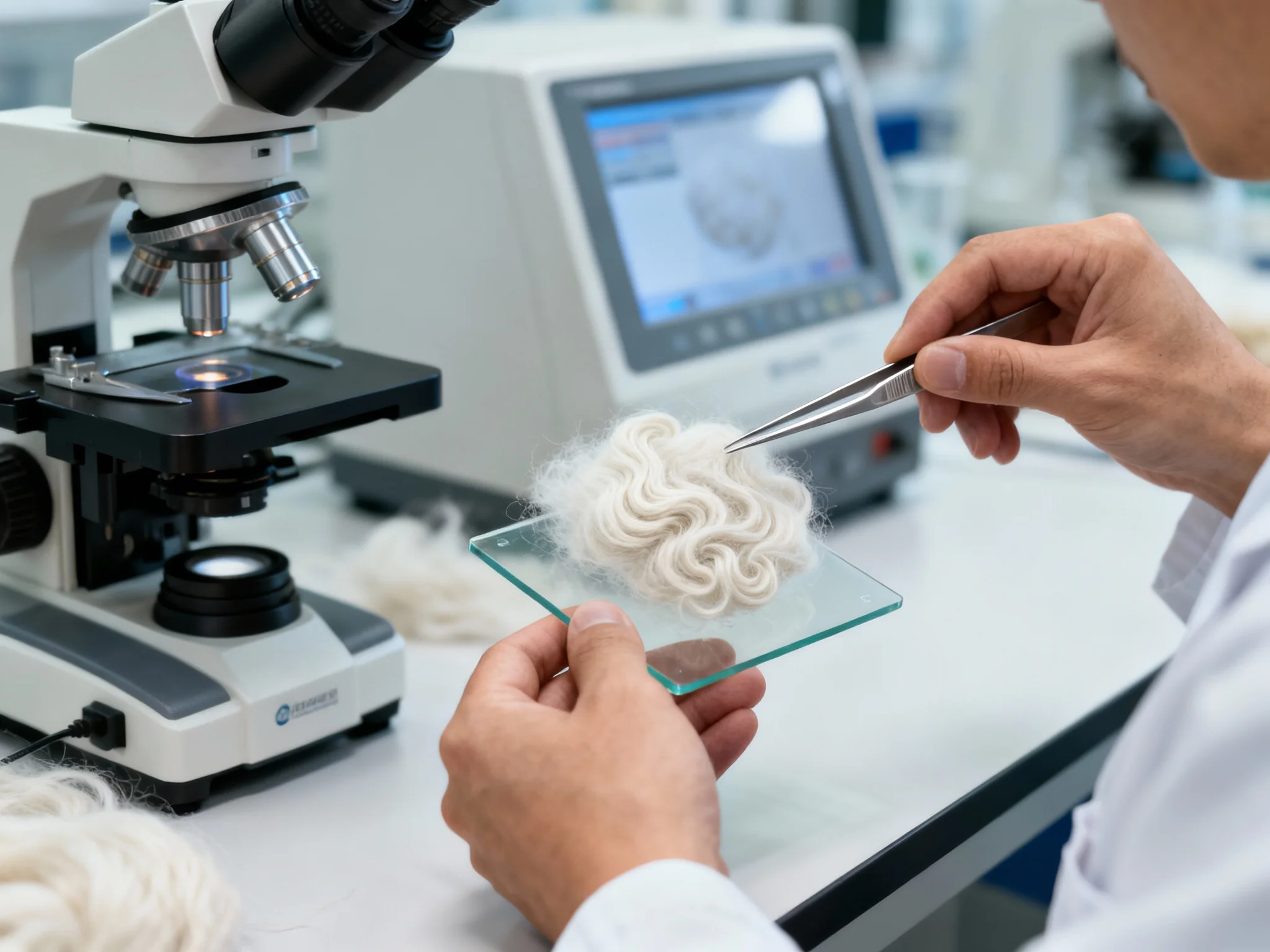
Industry leaders maintain rigorous material specifications, particularly for silk and cashmere—the two most coveted fibers in luxury scarf production. For silk scarves, the benchmark includes a minimum 16 momme thickness for square scarves, with premium offerings reaching 22-28 momme. Cashmere scarves should contain at least 95% pure cashmere fibers, with strict limits on pilling propensity and fiber shedding (ISO 13938-1 standards).
Production Process Standards
The industry has established clear expectations for manufacturing processes from yarn preparation through to finishing. Key benchmarks include:
- Dyeing processes meeting OEKO-TEX® Standard 100 requirements for harmful substances
- Printing precision with colorfastness ratings of at least 4/5 on the AATCC scale
- Seam strength minimums of 60N for silk and 70N for wool blends (ASTM D1683)
- Dimensional stability within ±3% after five wash cycles
Quality Control Protocols
Comprehensive quality control systems now represent a fundamental industry expectation, typically involving:
- Pre-production material inspection (100% for luxury grades)
- In-line inspections at critical production stages
- Final inspection with acceptable quality levels (AQL) of 1.0 for premium categories
- Statistical process control methods for identifying production variations
Fennysun's Manufacturing Practices: Documentation and Implementation
Fennysun's approach to luxury scarf manufacturing reflects the evolving expectations of B2B buyers seeking reliable quality combined with production flexibility. While direct certification details remain undisclosed in available documentation, the company's published practices reveal a commitment to aligning with key industry standards while emphasizing specific operational focus areas.
Material Selection and Sourcing
Fennysun's material selection strategy emphasizes both luxury characteristics and sustainable practices. The company's documentation highlights three primary material categories:
- Premium natural fibers: Including cashmere, silk, and wool sourced from specialized suppliers
- Sustainable alternatives: Incorporating eco-friendly materials that minimize environmental impact
- Functional blends: Developing fiber combinations that balance aesthetics with durability
Fennysun's focus on "sustainable materials and ethical production methods" aligns with the 2025 industry trend toward environmentally conscious manufacturing. Market research indicates this trend influences approximately 35% of B2B purchasing decisions (accio.com). The company's material selection process appears designed to meet the dual demands of luxury perception and sustainability reporting that modern fashion brands require from their suppliers.

Production Technology and Quality Control
Fennysun's production capabilities integrate traditional craftsmanship with contemporary technology, evidenced by their emphasis on "innovation design" and "world-leading production technology." While specific quality control metrics aren't detailed in available documentation, the company's commitment to "stringent quality standards" suggests implementation of systematic inspection protocols throughout manufacturing.
Industry best practices typically include multiple inspection points:
- Raw material testing for fiber content, strength, and purity
- In-process checks during dyeing, printing, and weaving
- Finished product evaluation for dimensional stability, color consistency, and craftsmanship
Fennysun's documented focus on "meticulous craftsmanship" and "attention to detail" indicates alignment with these industry-standard quality control stages. Without specific AQL levels or testing methodologies disclosed, precise benchmark comparisons remain challenging.
Design and Customization Capabilities
A distinguishing aspect of Fennysun's offering is its emphasis on design flexibility and customization, addressing a critical need in the B2B luxury scarf market. The company's documentation highlights:
- A diverse range of design options from geometric patterns to floral motifs
- Versatile styling possibilities to meet diverse brand requirements
- Color customization across a broad palette
This focus on design versatility positions Fennysun to serve the growing segment of fashion brands seeking unique scarf designs that differentiate their collections. The ability to accommodate custom designs while maintaining quality standards represents a significant competitive advantage in the luxury accessories market.
Comparative Analysis: Industry Benchmarks vs. Fennysun
To contextualize Fennysun's practices within the broader luxury scarf manufacturing landscape, we can identify several alignment areas and potential differentiation points relative to established industry benchmarks.
Material Quality Comparison
| Quality Dimension | Industry Benchmark | Fennysun Documented Practices |
|-------------------|-------------------|--------------------------------|
| Fiber Purity | Minimum 95% for luxury classifications | Emphasis on "luxury fabrics" including cashmere, silk, and wool |
| Sustainable Sourcing | Increasing adoption of certified materials (GOTS, RWS) | Commitment to "sustainable materials" and "environmental impact reduction" |
| Material Consistency | Tight tolerance for fiber variation | Focus on "meticulous craftsmanship" and material selection |
Fennysun's material practices align with mid-to-high luxury segment standards, emphasizing premium natural fibers while incorporating sustainable alternatives. The company's approach balances traditional luxury material expectations with contemporary environmental considerations, reflecting the market's dual priorities.
Production Standards Alignment
The global luxury scarf market, projected to reach $106 billion by 2033, demands consistent production quality across multiple parameters (themarketintelligence.com). Fennysun's documented practices address key industry requirements:
Process Control
Industry standards increasingly require documented process controls and traceability, particularly for luxury segments. Fennysun's integration of "technology and the latest manufacturing practices" suggests systematic production management implementation, though specific certification against standards like ISO 9001 isn't explicitly confirmed in available documentation.
Quality Assurance
While detailed quality metrics aren't disclosed, Fennysun's commitment to "stringent quality standards" and "each production run meets exacting standards" indicates alignment with the industry's general quality assurance approach. For B2B partners, requesting specific quality control documentation—including acceptance criteria and testing methodologies—would be advisable during supplier evaluation.
Sustainability Practices
The company's focus on "sustainable materials" and "moral production" responds to the industry's growing emphasis on environmental and social responsibility. This positions Fennysun to meet sustainability reporting requirements becoming standard for fashion brands' supply chain disclosures.
Competitive Positioning
In the competitive landscape of scarf manufacturers, Fennysun positions itself between mass producers and ultra-luxury specialists like Hermès. Hermès maintains the gold standard with 100% mulberry silk scarves retailing for $450-$1,200 (aceaccessory.com). This middle positioning offers a balance of quality, customization capability, and potentially more accessible pricing structures for mid-to-premium fashion brands.
The company's differentiation strategy focuses on three pillars:
- Design versatility catering to diverse brand aesthetics
- Sustainable production practices addressing environmental concerns
- Technological integration for consistent quality and efficiency
These elements collectively address key decision factors in B2B luxury scarf procurement, where 35% of search intent focuses on supplier evaluation and comparison (user intent analysis).
Practical Recommendations for Supplier Evaluation
Based on this comparative analysis and years of textile manufacturer evaluation experience, I recommend the following approach for businesses considering Fennysun or similar suppliers:
Essential Due Diligence Steps
- Request Detailed Quality Documentation
Ask for specific quality control procedures, including inspection criteria, testing methodologies, and acceptance levels. Look for evidence of systematic quality management rather than ad hoc inspections. - Clarify Certification Status
Inquire about ISO or other relevant certifications that formalize quality management systems. While documentation indicates commitment to standards, formal certification provides independent verification. - Evaluate Material Sourcing Transparency
For luxury positioning, material provenance grows increasingly important. Request information on fiber sourcing, including any sustainability certifications supporting environmental claims. - Assess Customization Capabilities
Given the importance of design differentiation, thoroughly evaluate the supplier's ability to execute custom designs while maintaining quality standards across production runs. - Request Sample Production
A trial production run provides the most reliable assessment of actual quality levels, production capabilities, and adherence to specifications.
Key Evaluation Criteria
When comparing potential suppliers against industry benchmarks, focus on these critical factors:
- Consistency: Variation between production batches can create quality issues for brand consistency
- Responsiveness: Ability to adapt to design changes or address quality concerns promptly
- Transparency: Willingness to share production processes, sourcing information, and quality data
- Capacity: Production capabilities matching volume requirements without compromising quality
- Innovation: Ability to incorporate new materials, techniques, or sustainability practices
Conclusion: Balancing Standards and Partnership
In the luxury scarf market, where material quality, craftsmanship, and sustainability increasingly intersect, manufacturers like Fennysun represent an evolving approach to meeting diverse brand requirements. Industry benchmarks provide a baseline for quality expectations, but individual manufacturer practices often reflect strategic choices balancing tradition, innovation, and market positioning.
For fashion brands conducting supplier evaluations, the most successful partnerships emerge from aligning on core values—whether uncompromising luxury, sustainable production, or design innovation—rather than seeking a perfect match across all criteria. Fennysun's documented practices suggest alignment with mid-to-premium segment expectations, particularly for brands prioritizing design flexibility and sustainable production alongside quality craftsmanship.
The most effective supplier evaluation process combines documentary analysis with direct engagement, sample assessment, and ongoing performance monitoring. In an industry where quality perception directly impacts brand value, due diligence invested in supplier selection pays dividends in product integrity and customer satisfaction.