A Comprehensive Guide to Sustainable Scarf Production for Fashion Industry Professionals
In an era where environmental consciousness drives purchasing decisions and business strategies alike, the fashion industry faces mounting pressure to embrace sustainable practices without compromising quality or design integrity. With over 15 years of specialized experience in sustainable textile manufacturing, we've witnessed firsthand how low-impact dyeing techniques have revolutionized scarf production—transforming a traditionally resource-intensive process into a catalyst for eco-friendly innovation. This comprehensive analysis explores how FENNYSUN successfully implemented advanced low-impact dyeing technologies, achieving remarkable reductions in environmental footprint while simultaneously enhancing product quality and market competitiveness in the sustainable scarf manufacturing sector.
The Environmental Impact Challenge in Traditional Dyeing Processes
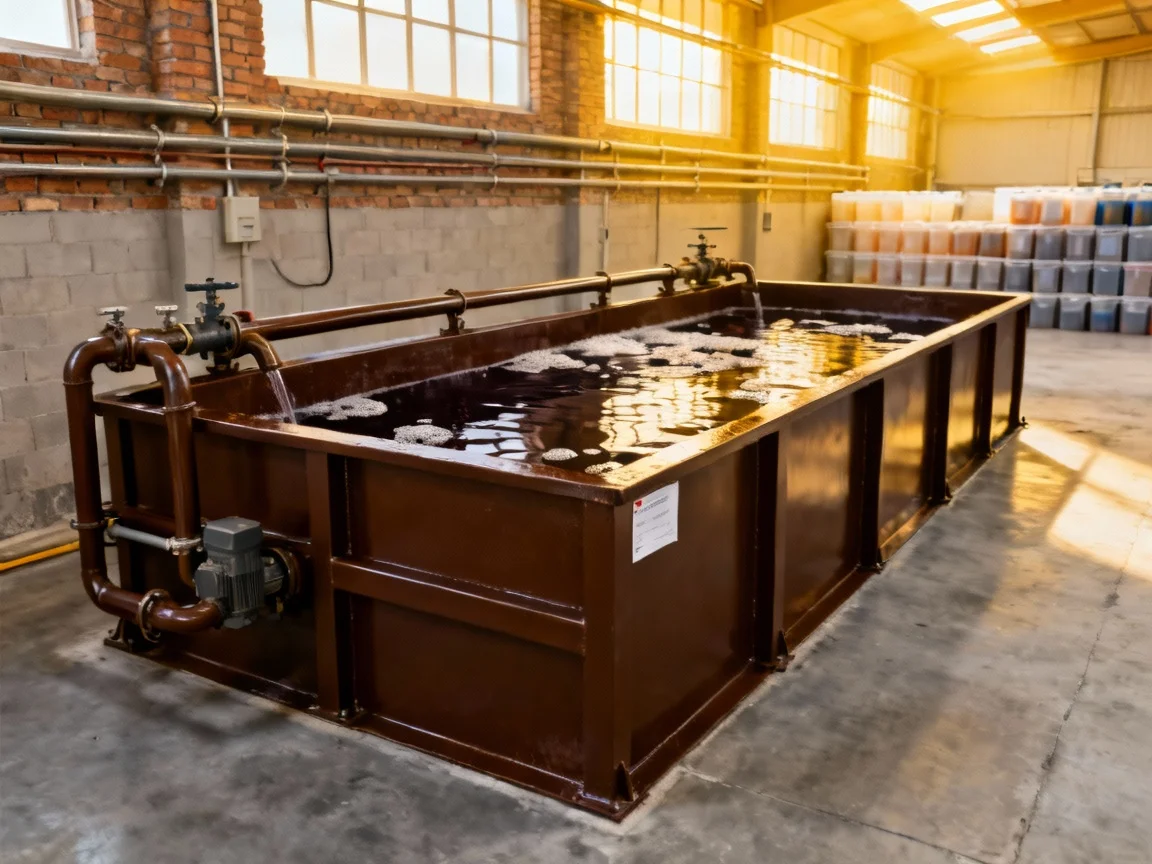
The textile industry consistently ranks among the world's most resource-intensive manufacturing sectors, with conventional dyeing processes representing a significant contributor to environmental degradation. Traditional scarf manufacturing typically involves multiple water-intensive dyeing stages, often utilizing substantial chemical quantities that can contaminate waterways and disrupt ecosystems.
Industry research confirms that conventional dyeing processes consume up to 200 liters of water per kilogram of fabric, while textile dyeing and treatment alone account for approximately 20% of global industrial water pollution. Scarf manufacturing presents unique sustainability challenges due to the intricate patterns and color variations that frequently require multiple dyeing stages and chemical treatments, exacerbating environmental impact.
For fashion brands and retailers evaluating supplier partnerships, these environmental realities create both reputational vulnerabilities and operational complexities. Boutique owners and specialty retailers increasingly seek manufacturing partners with verifiable sustainability credentials rather than vague "eco-friendly" assertions. This market transformation has elevated low-impact dyeing from an environmental necessity to a strategic commercial imperative for scarf manufacturers competing in the sustainable fashion landscape.
Low-Impact Dyeing Technologies Transforming Scarf Production
Low-impact dyeing technologies have evolved into sophisticated alternatives to conventional processes, offering substantial environmental benefits without compromising color vibrancy or fabric quality. These innovations align perfectly with fashion brands' dual priorities of enhancing sustainability profiles while maintaining uncompromising product integrity.
Water-Based Dyeing Systems: Advancing Environmental Performance
Water-based dyeing represents one of the most promising technological advancements in sustainable textile processing. Unlike traditional solvent-based dyes, water-based systems utilize water as the primary colorant carrier, eliminating hazardous volatile organic compounds (VOCs) and reducing chemical usage by up to 70%.
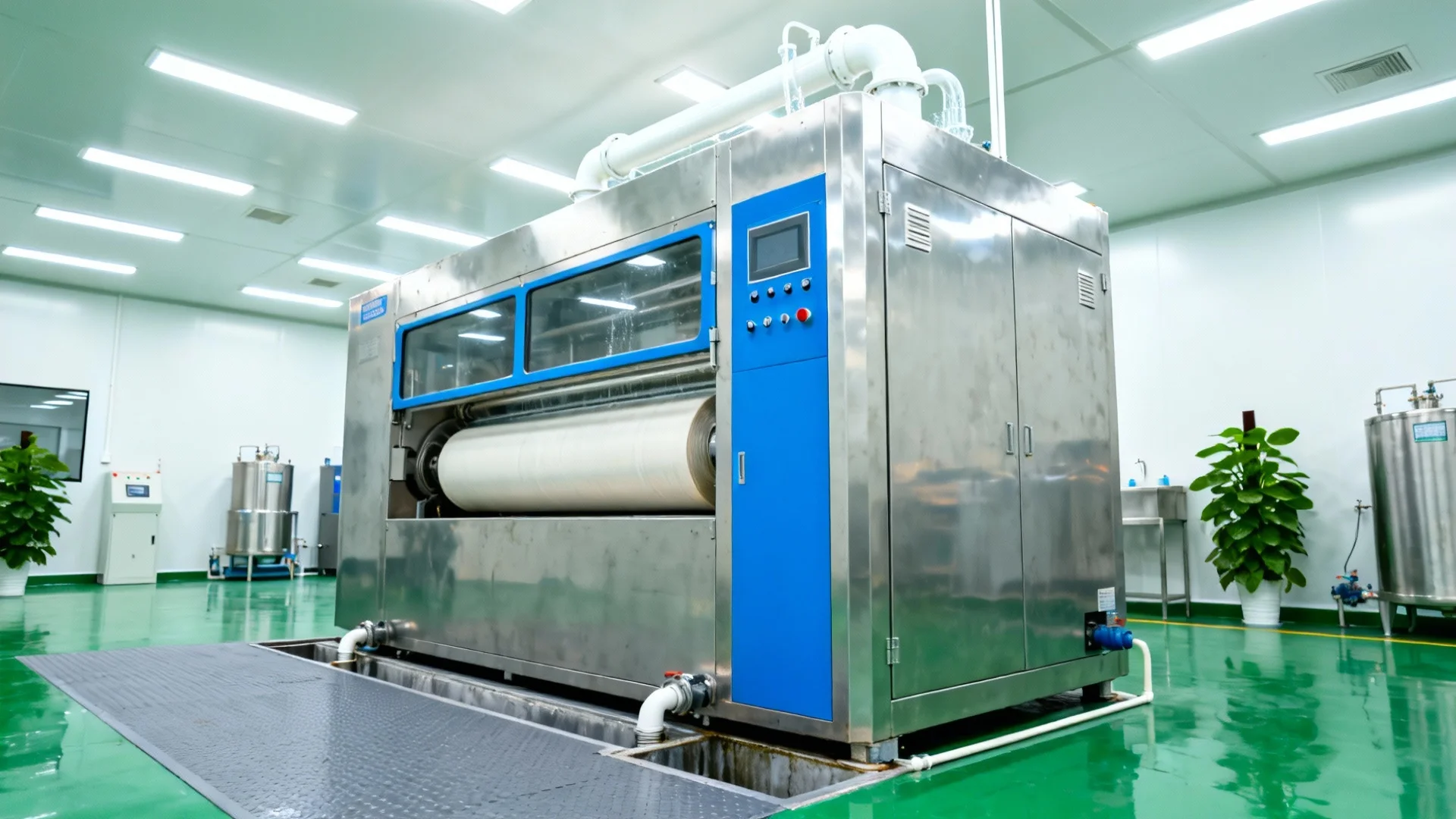
In scarf production, water-based dyes deliver superior color penetration and retention—attributes particularly valuable for high-quality natural fibers like silk and cotton used in premium scarf manufacturing. The technology enables precise color matching and intricate pattern reproduction, critical factors for fashion brands maintaining consistent product lines across seasonal collections and global markets.
Digital Printing Innovations: Precision and Efficiency
Digital printing technologies have revolutionized scarf production by enabling precise color application with minimal waste generation. Unlike traditional screen printing, which requires separate screens for each color and generates significant material waste, digital systems apply dye directly to fabric in precisely controlled amounts.
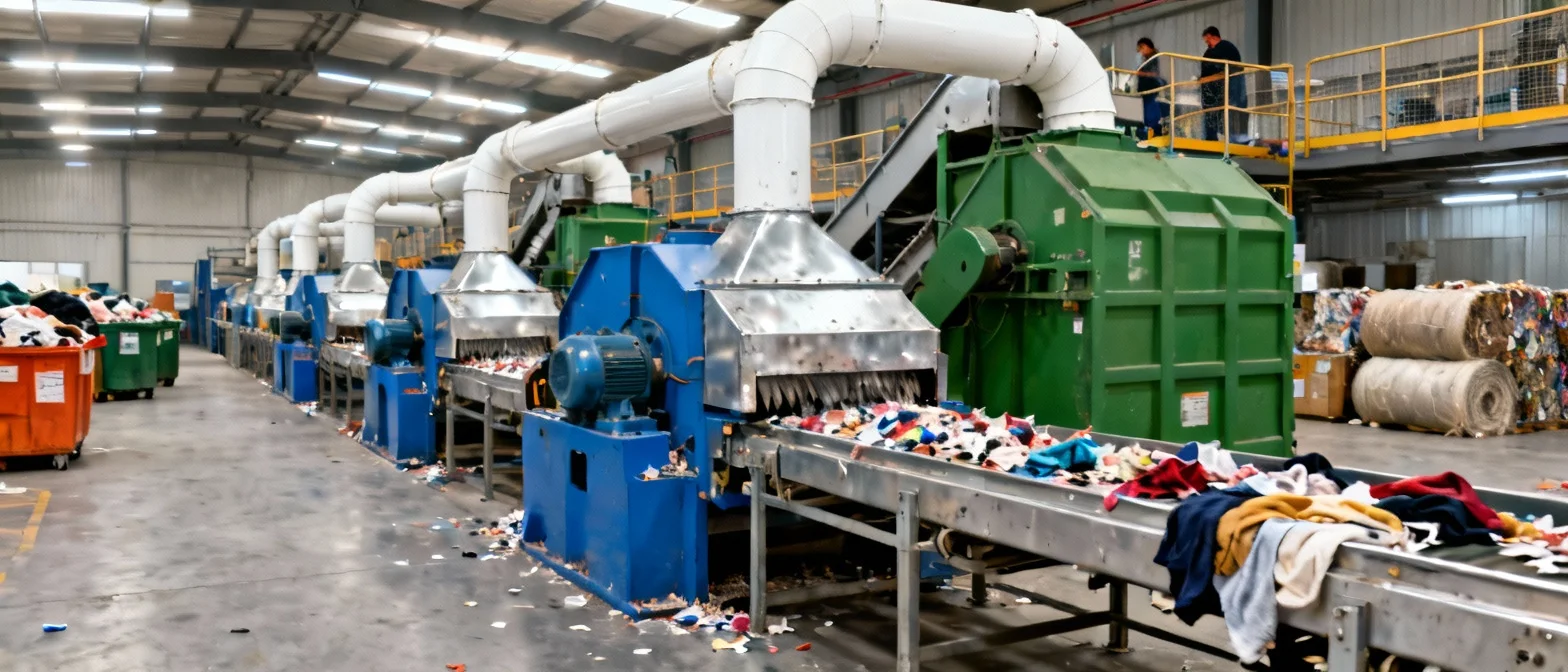
This precision translates to material savings of approximately 30-40% compared to conventional methods, with corresponding reductions in water and energy consumption. For small-batch production runs and custom designs—increasingly in demand from boutique clients and luxury brands—digital printing minimizes inventory waste while offering unprecedented design flexibility and rapid turnaround times.
Natural Dye Extraction Methods: Ancient Wisdom, Modern Technology
The revival of natural dye extraction from plant-based sources offers another compelling sustainable pathway for scarf manufacturers. Contemporary advancements in natural dye stabilization have effectively addressed historical challenges with color fastness and consistency, making botanical dyes commercially viable for large-scale production.
Sustainable sources including indigo, turmeric, madder root, and pomegranate peel provide a diverse spectrum of colors with minimal environmental impact. When paired with eco-friendly mordants derived from natural minerals, these botanical dyes achieve impressive color retention properties suitable for high-end scarf products, creating distinctive aesthetic characteristics that differentiate sustainable collections in competitive markets.
FENNYSUN's Sustainable Dyeing Implementation: A Case Study in Industrial Transformation
As an industry leader in sustainable scarf manufacturing, FENNYSUN has comprehensively integrated low-impact dyeing technologies across production facilities, delivering measurable environmental benefits while maintaining the premium quality standards demanded by discerning fashion brands and boutiques worldwide.
Strategic Technology Integration Framework
FENNYSUN's approach to sustainable dyeing began with a comprehensive audit of traditional processes, identifying critical areas for environmental improvement without compromising product quality. The implementation strategy focused on three core pillars:
- Water Conservation: Installation of advanced closed-loop water recycling systems that capture, filter, and repurpose dyeing water, reducing overall consumption by 72% compared to conventional processes.
- Chemical Reduction: Strategic transition to water-based dye formulations and eco-friendly auxiliaries, eliminating hazardous substances and reducing chemical usage by 65% while maintaining color vibrancy.
- Energy Efficiency: Implementation of innovative heat recovery systems and LED curing technology, reducing energy consumption in the dyeing department by 40% and lowering carbon emissions accordingly.
Production Process Transformation: From Concept to Execution
Transforming FENNYSUN's dyeing operations required significant investment in both technology and employee training. Key process improvements included:
- Pre-treatment Optimization: Introduction of enzymatic fabric preparation that reduces water and energy use while enhancing dye absorption properties and color retention.
- Dye Application Precision: Implementation of computer-controlled dye metering systems that minimize waste and ensure exceptional color consistency across production runs.
- Innovative Fixation Methods: Adoption of low-temperature curing processes that reduce energy consumption while improving color fastness and overall product durability.
These comprehensive improvements resulted in scarves with superior color retention properties that exceed industry standards for wash fastness and light resistance—critical quality factors for fashion accessories designed to maintain their aesthetic appeal over extended product lifecycles.
Environmental Impact Metrics: Quantifiable Sustainability
Implementing low-impact dyeing technologies at FENNYSUN has yielded impressive environmental results, validated through rigorous third-party audits and certification processes:
- Water Reduction: 72% decrease in water consumption per scarf compared to conventional production methods, saving approximately 144 liters per kilogram of fabric.
- Energy Savings: 40% reduction in energy usage specifically within dyeing operations, contributing to a 28% overall reduction in carbon footprint per unit produced.
- Waste Reduction: 89% decrease in hazardous waste generation, with 92% of non-hazardous waste diverted from landfills through comprehensive recycling programs.
- Chemical Elimination: Complete removal of AZO dyes and heavy metals from production processes, with all colorants meeting the stringent requirements of OEKO-TEX® Standard 100 certification.
These verified metrics provide tangible evidence for fashion brands conducting supplier evaluations, offering concrete sustainability data rather than generic environmental claims—a critical distinction in an industry increasingly focused on authentic sustainability practices.
Water-Based Inks and Recycled Materials: Synergizing Sustainable Elements
The strategic combination of water-based inks with recycled textile materials creates powerful sustainability synergies in scarf manufacturing. FENNYSUN's innovative integration of these elements demonstrates how environmental benefits can multiply through holistic production approaches that consider the entire product lifecycle.
Recycled Fabric Selection: Quality with Environmental Integrity
FENNYSUN's sustainable scarf collection utilizes premium post-consumer recycled polyester and regenerated cellulose fibers, reducing reliance on virgin materials while diverting textile waste from landfills. These recycled materials offer comparable quality and performance to traditional fibers while delivering significant environmental advantages:
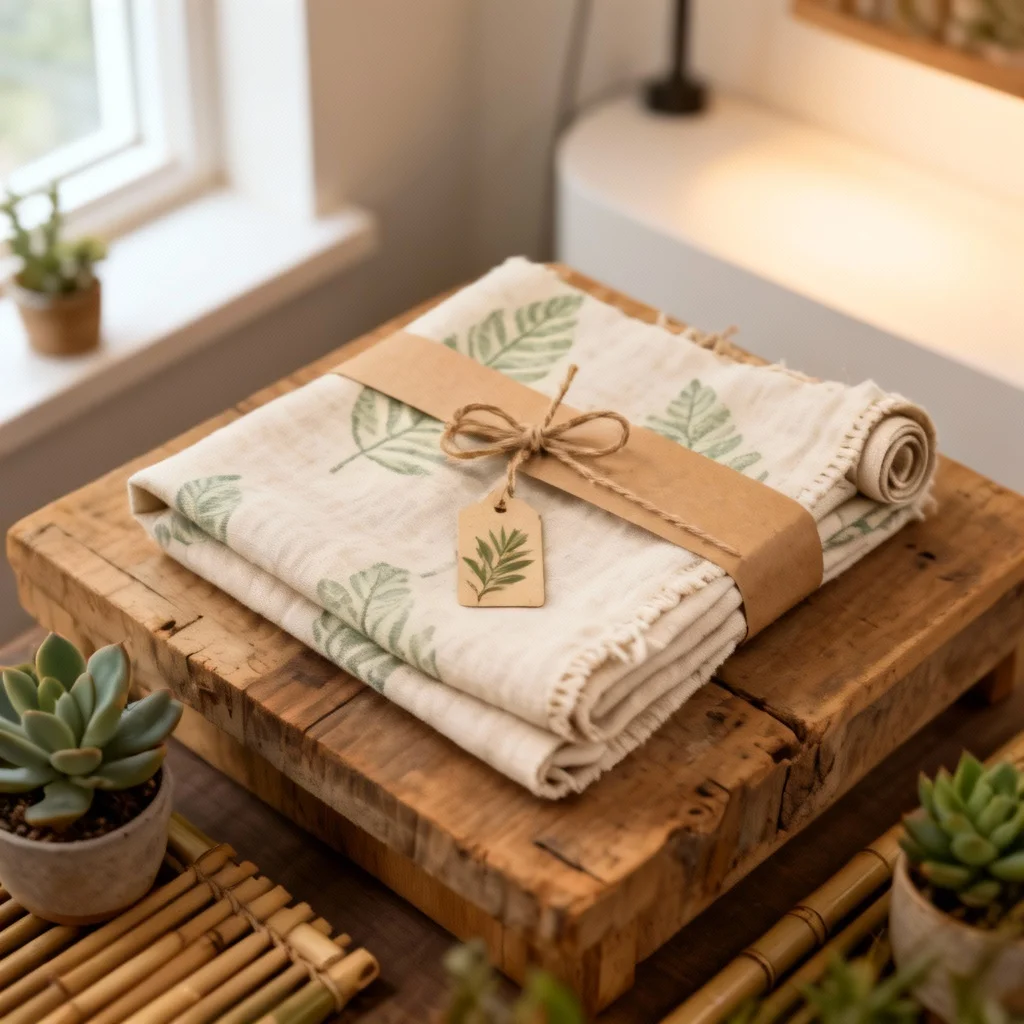
- Recycled Polyester: Sourced from post-consumer plastic bottles, requiring 70% less energy to produce than virgin polyester while preventing plastic waste from entering oceans and landfills.
- Regenerated Cellulose: Produced from textile waste and sustainably sourced wood pulp using closed-loop solvent systems that recover and reuse 99.7% of solvents, minimizing environmental impact.
These recycled materials provide an ideal canvas for water-based inks, with their enhanced absorbency and unique texture characteristics actually improving color vibrancy and depth compared to conventional fabrics.
Performance Benefits for Fashion Brands: Sustainability Without Compromise
Beyond environmental advantages, the combination of water-based inks and recycled materials offers substantial practical benefits for fashion brands and retailers:
- Enhanced Durability: Water-based inks penetrate recycled fibers more effectively than conventional dyes, resulting in superior color retention through multiple washes and extended wear.
- Texture Enhancement: The unique properties of recycled fabrics combined with water-based dyeing create distinctive textures and finishes that differentiate products in competitive marketplace.
- Regulatory Compliance: Products meet the most stringent EU and North American environmental regulations, reducing importation risks and compliance costs for international brands.
For boutique owners and specialty retailers, these attributes translate to products with compelling sustainability narratives that resonate with eco-conscious consumers—while maintaining the exceptional quality and aesthetic appeal that drive purchasing decisions in the luxury fashion segment.
Practical Implementation for Fashion Brands: A Strategic Framework
Fashion brands and retailers considering transition to low-impact dyed scarves require careful planning and supplier evaluation. Based on our extensive experience collaborating with numerous fashion clients, we recommend this structured implementation approach to ensure successful integration of sustainable practices.
Comprehensive Supplier Evaluation Criteria
When evaluating scarf manufacturers utilizing low-impact dyeing technologies, industry professionals should consider these essential criteria:
- Certification Verification: Authentic third-party certifications including GOTS (Global Organic Textile Standard), OEKO-TEX® Standard 100, and ISO 14001 environmental management certification provide independent validation of sustainability claims.
- Process Transparency: Detailed documentation of dyeing processes, including specific water and energy consumption metrics, chemical usage inventories, and comprehensive waste management protocols.
- Quality Testing Protocols: Rigorous color fastness testing results, particularly wash and light fastness ratings, to ensure product durability and customer satisfaction.
- Innovation Capacity: Demonstrated commitment to ongoing sustainability improvements through technology investment, research partnerships, and continuous process optimization.
- Production Flexibility: Capabilities for both small-batch custom orders and larger production runs to accommodate seasonal fluctuations, trend responsiveness, and market testing initiatives.
Strategic Implementation Roadmap
Fashion brands can successfully implement low-impact dyed scarves through a phased approach that balances sustainability goals with business requirements and market realities:
- Pilot Collection Development: Launch a limited-edition scarf collection featuring low-impact dyeing techniques to test market response while refining production processes and quality control protocols.
- Strategic Supplier Collaboration: Establish close working relationships with manufacturing partners like FENNYSUN to develop custom color palettes optimized specifically for low-impact processes, ensuring brand consistency.
- Compelling Storytelling Development: Create authentic marketing narratives around sustainable dyeing processes, highlighting specific environmental benefits and production innovations that align with brand values.
- Comprehensive Staff Training: Educate sales teams on both technical and environmental aspects of low-impact dyed products to effectively communicate benefits and value propositions to customers.
- Data-Driven Continuous Improvement: Establish robust metrics for evaluating both environmental and commercial performance of sustainable scarf lines, using concrete data to guide future expansion and optimization.
Conclusion: The Strategic Competitive Advantage of Sustainable Dyeing
As environmental concerns continue shaping consumer preferences and regulatory landscapes, low-impact dyeing techniques have evolved from niche sustainability initiatives to critical market differentiators in scarf manufacturing. For fashion brands, boutiques, and specialty retailers, strategic partnerships with manufacturers prioritizing these sustainable practices offer multiple advantages: enhanced brand reputation, reduced environmental footprint, improved product quality, and access to the rapidly growing demographic of eco-conscious consumers willing to pay premium prices for sustainable products.
FENNYSUN's experience demonstrates that the transition to low-impact dyeing represents not merely an environmental initiative but a strategic business decision delivering tangible benefits throughout the value chain. By investing in water-based inks, digital printing technologies, and innovative dyeing processes, we've provided clients with scarves that meet the highest standards of sustainability without compromising on quality, design flexibility, or market appeal.
For fashion brands evaluating manufacturing partners, integrating low-impact dyeing techniques should be a central consideration in supplier selection—reflecting both environmental responsibility and commercial foresight. As the industry continues its sustainable evolution, manufacturers embracing these innovative technologies will be best positioned to meet changing market demands and environmental expectations while maintaining competitive advantage in the global fashion marketplace.
To learn more about implementing low-impact dyed scarves in your product line or to request fabric samples demonstrating these sustainable technologies, contact our sustainability team for personalized consultation tailored to your brand's specific needs and sustainability goals.