As the fashion industry confronts mounting pressure to minimize its environmental footprint, scarf manufacturers face increasing expectations to adopt sustainable production methods. Textile dyeing alone accounts for nearly 20% of industrial water pollution globally, according to the World Bank, making it a critical area for sustainable innovation. For boutique owners, specialty retailers, and fashion brands evaluating suppliers, understanding the true costs and benefits of low-impact dyeing processes has become essential for informed sourcing decisions in today's eco-conscious market.
Drawing on extensive industry experience supporting scarf manufacturers in their sustainability transitions, this analysis provides a structured framework for evaluating the financial implications of implementing low-impact dyeing technologies. We examine initial investment requirements, operational cost differentials, return on investment timelines, and strategic considerations tailored to businesses of varying sizes and market positions.
The Current Cost Landscape of Traditional Dyeing
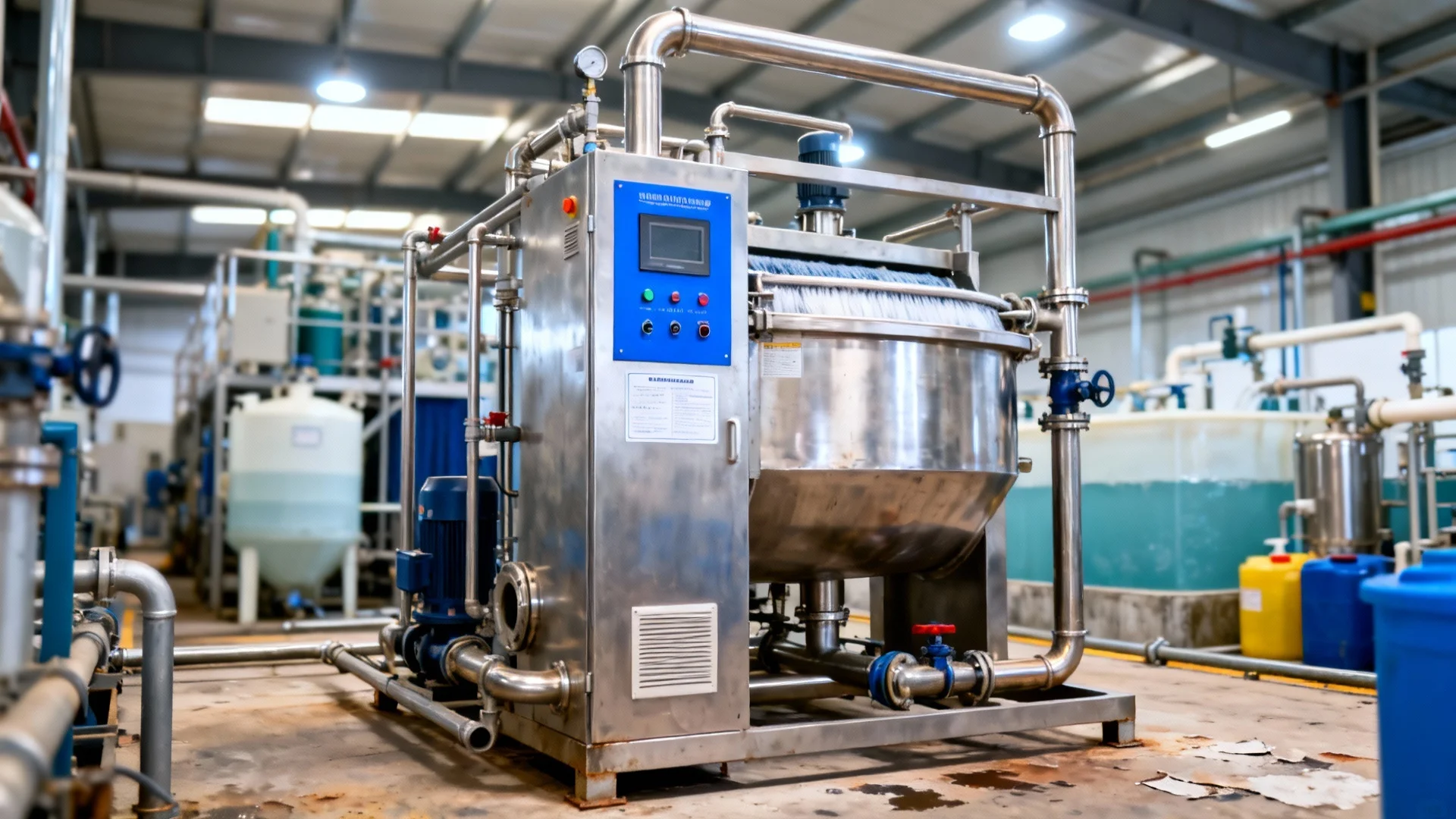
Traditional scarf dyeing processes adhere to a relatively standardized cost structure that has remained largely unchanged for decades. In textile manufacturing, dyeing cost calculations typically encompass material expenses (dyes, chemicals, fabric), energy consumption, labor, machine depreciation and maintenance, and overhead. For scarf production specifically, these costs interact uniquely due to the product's relatively small size compared to garments or home textiles, yet often intricate designs requiring precision coloring.
Water consumption represents one of the most significant operational expenses in traditional dyeing. Conventional processes utilize an estimated 200-300 liters of water per kilogram of fabric. Translated to scarf production—where a single kilogram might yield 10-15 average-sized scarves—this equates to 13-30 liters of water per scarf, excluding water used for rinsing and post-treatment processes. With water costs rising globally and increasing regulatory pressure on wastewater discharge, this represents a growing financial vulnerability for manufacturers relying on traditional methods.
Chemical costs similarly contribute substantially to total expenses. Synthetic dyes, mordants, and fixing agents often account for 15-25% of direct material costs in scarf production. These costs have become increasingly volatile due to global supply chain disruptions and regulatory restrictions on certain hazardous substances. The energy required to heat dye baths and power mechanical processes represents another major expense, typically 10-15% of total dyeing costs.
Hidden costs associated with traditional dyeing are less visible but equally significant. Compliance with evolving environmental regulations necessitates ongoing investment in wastewater treatment systems, representing capital expenditures of $100,000 or more for small to medium manufacturers. Additionally, reputational damage risks from association with polluting practices continue to grow as consumers increasingly prioritize sustainability credentials when making purchasing decisions.
Low-Impact Dyeing Technologies and Their Cost Structures
The landscape of sustainable dyeing technologies has expanded considerably in recent years, offering scarf manufacturers multiple pathways to reduce environmental impact while managing costs effectively. Each technology presents a distinct cost-benefit profile that must be carefully evaluated against production volumes, product characteristics, and sustainability goals.
Waterless Dyeing Technologies
Waterless dyeing represents one of the most transformative approaches, eliminating the need for large water volumes entirely. Supercritical carbon dioxide (ScCO₂) dyeing uses pressurized CO₂ as a solvent to carry dye molecules into fabric fibers, delivering exceptional color fastness while eliminating water pollution. However, the initial investment is substantial—typically $1-3 million for a commercial-scale system—putting it out of reach for many small manufacturers. For high-volume producers or luxury scarf brands with premium pricing, operational savings in water, energy, and wastewater treatment can deliver return on investment within 3-5 years.
Digital Textile Printing
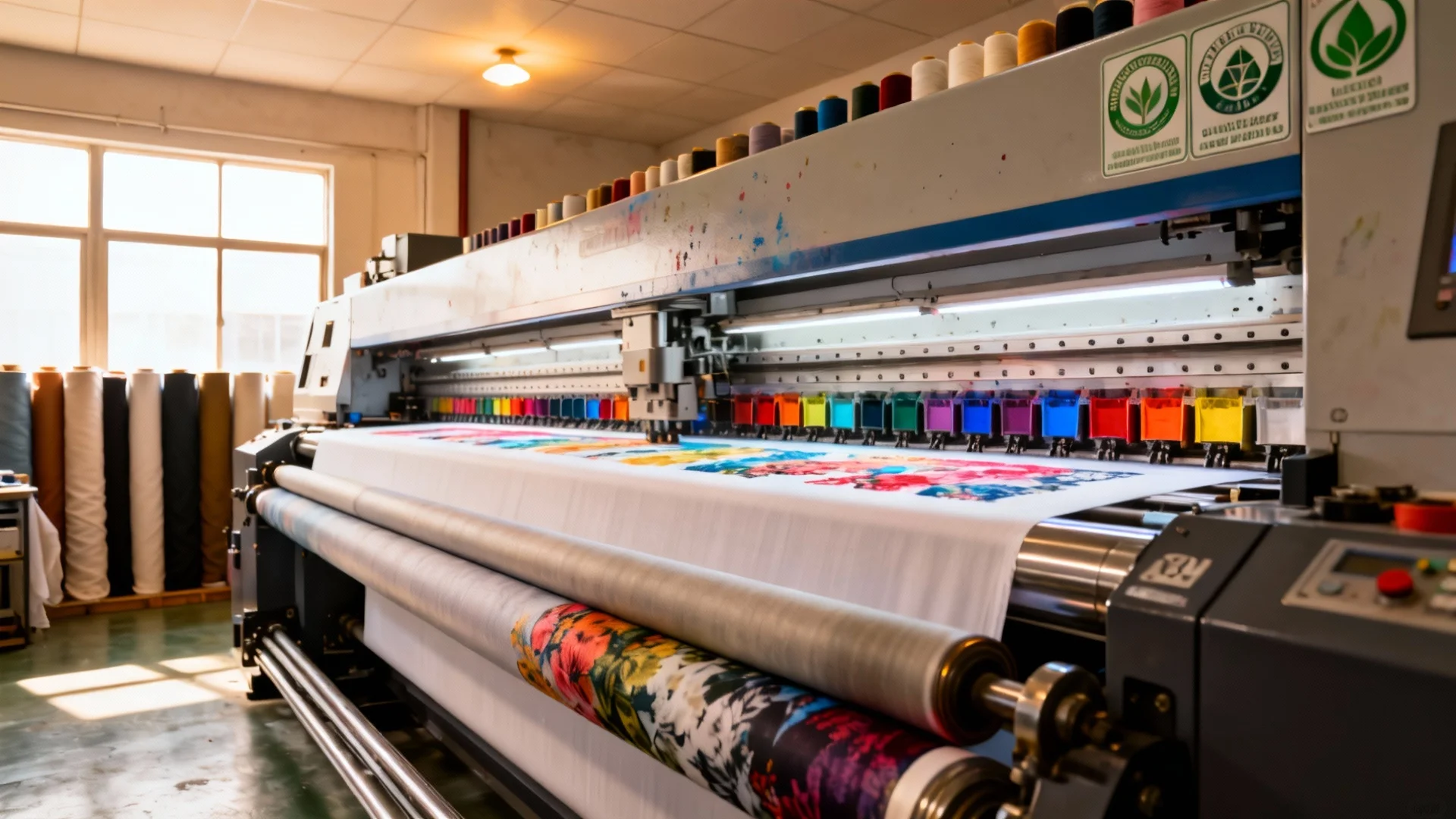
Digital textile printing has emerged as a more accessible option for scarf manufacturers, particularly those producing intricate designs or small batches. This eco-friendly textile technology reduces water consumption by up to 95% compared to traditional methods and allows for precise ink application, minimizing waste. The initial investment in digital printing equipment ranges from $50,000 to $200,000 depending on production capacity, more manageable for medium-sized operations. While water-based inks for digital printing can cost 20-30% more per liter than conventional dyes, reductions in water and chemical usage often offset this difference within 12-18 months.
Natural Dyeing Systems
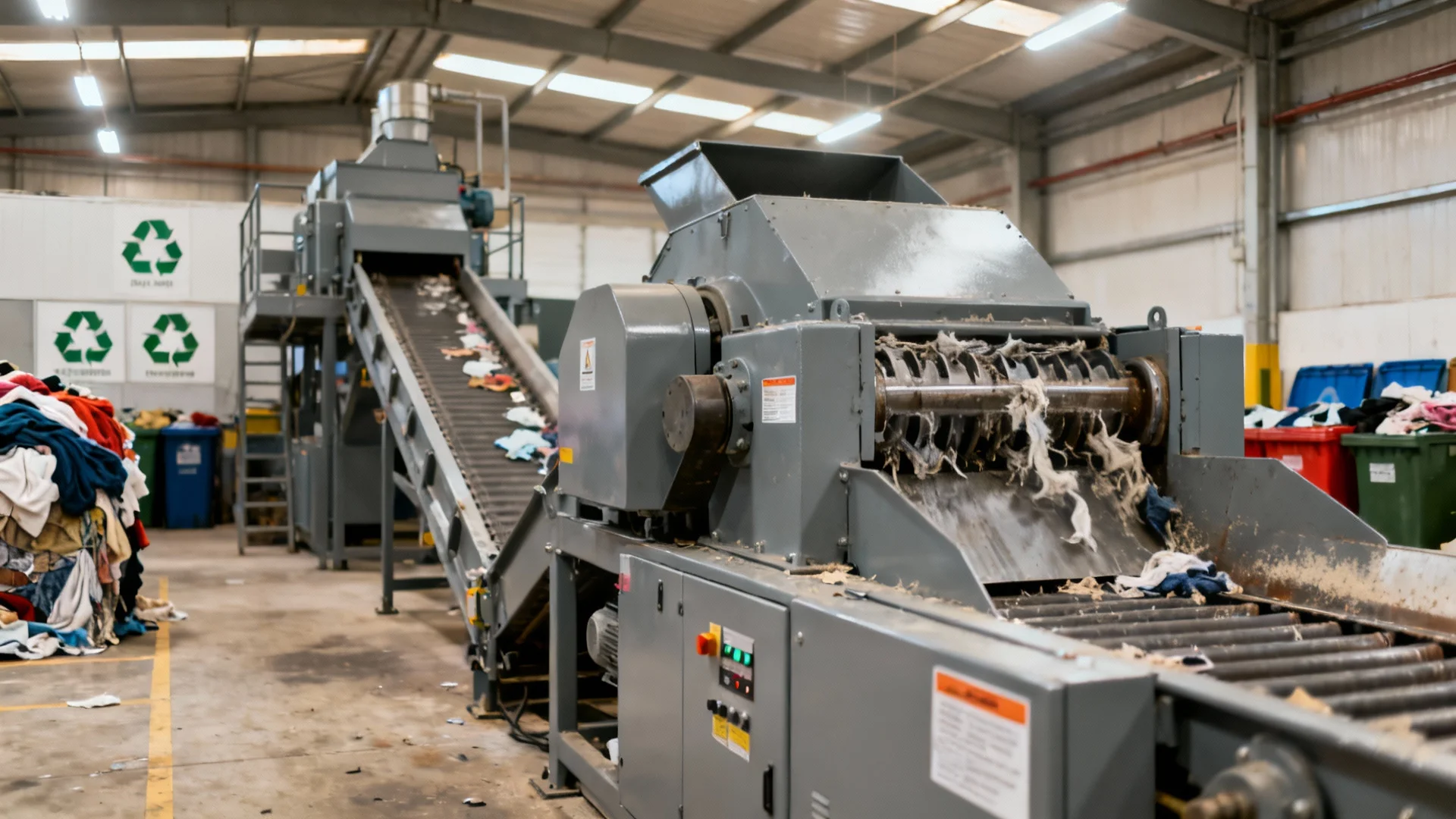
Natural dyeing systems have seen renewed interest as consumer demand for botanical products grows. These systems utilize plant-based colorants and biodegradable mordants to achieve a range of earth-toned hues. The capital investment required is relatively low—often just modifications to existing equipment at $10,000-30,000—but operational costs can be 30-50% higher due to the lower color yield and batch variability of natural dyes. This makes natural dyeing most economically viable for premium, low-volume scarf lines where the sustainability story justifies higher price points.
Plasma-Assisted Dyeing
Plasma-assisted dyeing represents an emerging technology that modifies fabric surfaces to improve dye absorption, reducing dye consumption by 30-40%. The plasma treatment equipment adds approximately $150,000-250,000 to initial costs but offers rapid payback through reduced material expenses and improved color fastness. This technology works particularly well with silk and wool scarves, where color vibrancy is a key quality parameter.
For each technology, manufacturers must consider not only direct costs but also indirect benefits. Water-based textile inks, for example, reduce wastewater treatment costs by 60% compared to conventional methods, according to recent market research. Digital printing eliminates the need for screen preparation, reducing setup costs and enabling more frequent design changes without financial penalty—an important consideration in the fast-changing fashion accessory market.
Cost-Benefit Analysis: Traditional vs. Low-Impact Dyeing
Conducting an accurate cost-benefit analysis requires examining both quantitative financial metrics and qualitative strategic advantages of low-impact dyeing implementations. For scarf manufacturers and their brand partners, this analysis must account for differences in production volumes, product positioning, and market demands.
Quantitatively, the most straightforward comparison involves examining operational expenses across key categories. Traditional dyeing processes typically incur higher variable costs related to water, chemicals, and energy, while low-impact technologies often have higher fixed costs in equipment investments but lower variable costs. For a medium-sized scarf manufacturer producing 50,000 units annually, this translates to the following approximate comparisons:
- Water consumption: Traditional dyeing uses 200-300 liters per kg of fabric, while digital printing reduces this to 10-15 liters. This represents annual water savings of 1.9-2.85 million liters and corresponding cost reductions of $5,000-15,000 depending on local water rates.
- Energy usage: Conventional dyeing requires significant energy for heating water and running mechanical processes. Waterless and digital technologies reduce energy consumption by 30-40%, yielding annual savings of $8,000-20,000.
- Chemical costs: Low-impact dyes and inks often cost more per unit volume (10-30% higher) but require lower quantities due to improved absorption and efficiency. Net chemical costs typically show a 15-20% reduction, saving $6,000-12,000 annually.
- Labor requirements: Digital and automated systems reduce labor needs by 20-30%, particularly in setup and post-treatment processes. This saves an additional $15,000-30,000 annually.
Combined, these operational savings typically range from $34,000-77,000 annually for medium-scale operations. Against initial investments ranging from $50,000 for basic digital printing upgrades to $300,000 for comprehensive waterless systems, the payback period generally falls between 1-5 years, aligning with standard capital equipment depreciation cycles.
Beyond direct financial metrics, low-impact dyeing offers significant qualitative benefits that enhance long-term business resilience. Consumer preference data increasingly shows willingness to pay premium prices for sustainably produced accessories, with studies indicating price premiums of 10-20% for products with verified eco-friendly credentials. For scarf brands, this translates to improved profit margins that accelerate ROI on sustainable technology investments.
Regulatory compliance represents another critical consideration. As governments implement stricter environmental regulations—such as the EU's upcoming Corporate Sustainability Reporting Directive (CSRD)—manufacturers using low-impact processes will avoid compliance costs and potential penalties. Wastewater treatment requirements alone can add $20,000-50,000 annually for traditional dyeing operations, costs substantially reduced or eliminated with sustainable technologies.
Perhaps most valuable is the strategic flexibility offered by low-impact dyeing systems. Digital printing allows for shorter production runs and rapid design iterations, enabling manufacturers to respond quickly to fashion trends and reduce inventory risks. This agility has become increasingly valuable in the post-pandemic market, where demand forecasting has become more challenging.
Implementation Challenges and Strategic Solutions
Transitioning to low-impact dyeing presents distinct challenges that vary significantly based on company size, existing infrastructure, and market positioning. For small to medium-sized scarf manufacturers—who represent the majority of producers serving boutique and specialty markets—the path to sustainable scarf production requires careful planning and strategic prioritization.
Capital Constraints
Capital constraints often represent the most immediate barrier. While large manufacturers can allocate $1-3 million for waterless dyeing systems, smaller operations typically operate with limited capital reserves. Creative financing solutions have emerged to address this gap, including equipment leasing programs specifically structured for sustainable textile technologies that can reduce upfront costs by 60-70%. Some regional governments and environmental organizations also offer grants and low-interest loans for sustainability upgrades, covering 20-50% of project costs in eligible cases.
Technical Expertise
Technical expertise represents another significant hurdle. Many low-impact technologies require specialized knowledge in areas like digital color management, natural dye extraction, or plasma treatment processes that may not exist within traditional manufacturing teams. Industry partnerships have proven effective in bridging this gap. For example, several digital printing equipment suppliers offer comprehensive training programs as part of equipment packages, while university textile departments increasingly provide technical assistance to small manufacturers through extension programs.
Supply Chain Integration
Supply chain integration challenges often arise when implementing new dyeing processes. Sustainable dyes and inks may come from different suppliers than conventional products, requiring adjustments to inventory management systems. Certification requirements for sustainable processes can also necessitate additional documentation and quality control steps. Industry consortia like the Sustainable Dyeing Initiative offer standardized protocols and supplier directories that simplify this transition, reducing integration costs by 30-40%.
Market Positioning
Market positioning considerations are critical for manufacturers making sustainability investments. Simply implementing low-impact processes without effectively communicating these efforts to customers yields only partial benefits. Small manufacturers often struggle with how to market their sustainability credentials without significant marketing budgets. Industry case studies show that partnering with sustainable fashion platforms and obtaining third-party certifications provides credible validation that resonates with eco-conscious buyers, often leading to 15-25% higher order volumes from values-aligned brands.
For manufacturers at different stages of the sustainability journey, distinct strategic approaches have proven effective:
- Entry-level manufacturers can begin with water-based digital printing upgrades, which offer the lowest barrier to entry ($50,000-100,000 investment) and relatively rapid payback. Focusing on a specific product line allows for incremental implementation and learning before broader adoption.
- Mid-tier manufacturers with established customer bases should consider hybrid approaches, maintaining some traditional capacity while investing in sustainable technologies for specific product lines. This balanced approach reduces risk while demonstrating commitment to sustainability.
- Premium/luxury manufacturers can leverage natural dyeing and artisanal techniques that align with their brand positioning, turning higher production costs into a market advantage through storytelling and premium pricing.
Industry success cases demonstrate that the most successful transitions occur when manufacturers involve their customers early in the process. By educating brands about the sustainability benefits and cost structures of low-impact dyeing, manufacturers can develop collaborative relationships that may include shared investment in new technologies or willingness to pay premium prices that support sustainable production.
ROI Projections and Long-Term Strategic Considerations
Developing accurate return on investment projections for low-impact dyeing implementations requires considering both immediate financial metrics and longer-term strategic value. While operational cost savings provide the foundation for financial justification, the full value proposition extends beyond simple payback calculations to include market positioning, regulatory compliance, and risk mitigation.
For scarf manufacturers evaluating specific technologies, the following projected ROI timelines provide a general framework based on industry data and case studies:
- Digital printing with water-based inks: Initial investment of $75,000-150,000 typically yields ROI within 12-24 months through a combination of material savings, labor reductions, and price premiums. Small manufacturers focusing on custom orders and limited editions often see faster payback due to the technology's flexibility.
- Natural dyeing systems: With lower initial investments ($10,000-30,000), ROI timelines of 2-3 years are common, driven primarily by price premiums (15-30% higher) rather than operational savings. Success depends heavily on effective storytelling and finding niche markets that value botanical aesthetics.
- Plasma treatment systems: Higher initial investments ($150,000-250,000) require 3-4 year payback periods but offer significant competitive advantages in color fastness and material efficiency that can lead to market share gains.
- Waterless dyeing technologies: The largest investments ($1-3 million) require 4-5 year paybacks based solely on operational savings but position manufacturers as industry leaders and may be necessary for serving the most sustainability-focused brands.
These projections assume average production volumes and market conditions. Manufacturers serving premium markets or operating in regions with high water and energy costs can often achieve payback periods 20-30% shorter than these averages.
Beyond direct financial returns, several strategic factors significantly impact the long-term value of low-impact dyeing investments:
- Regulatory compliance: As governments implement stricter environmental regulations, early adopters avoid the costs of retroactive upgrades and potential non-compliance penalties. The EU's proposed Corporate Sustainability Reporting Directive (CSRD) and similar regulations in key markets make sustainable production capabilities increasingly necessary for market access.
- Brand differentiation: In a crowded market, sustainability credentials provide meaningful differentiation. Industry research shows that brands with verified sustainable production processes achieve 10-15% higher customer retention rates and are better positioned to attract eco-conscious millennial and Gen Z consumers.
- Supply chain resilience: Water scarcity and volatility in energy prices make traditional dyeing processes increasingly vulnerable to supply disruptions. Low-impact technologies reduce exposure to these risks, providing operational stability that has become increasingly valuable in uncertain market conditions.
- Innovation capability: Implementing new dyeing technologies often stimulates broader process improvements and innovation throughout manufacturing operations, leading to additional efficiencies and capabilities that create compounding value over time.
Conclusion: Strategic Recommendations for Stakeholders
The decision to implement low-impact dyeing technologies represents a significant strategic choice that requires alignment between sustainability goals, production capabilities, and market positioning. Based on the comprehensive cost analysis presented here and years of industry experience guiding manufacturers through sustainability transitions, we offer the following recommendations for different stakeholders in the scarf supply chain.
For Scarf Manufacturers Considering Low-Impact Dyeing Implementations
- Conduct a detailed process audit before selecting technologies, documenting current water, energy, and chemical usage to establish accurate baseline metrics for comparison. This audit should also identify production bottlenecks and quality priorities that may influence technology selection.
- Start with pilot projects focused on specific product lines or processes rather than attempting full-scale transitions. This approach limits risk while generating operational data and customer feedback that inform broader implementation. For most manufacturers, digital printing with water-based inks represents an ideal starting point due to its versatility and relatively manageable investment requirements.
- Develop clear value propositions for different customer segments, emphasizing appropriate benefits for each audience. Environmental benefits may resonate most with sustainable fashion brands, while quality improvements and customization capabilities appeal to design-focused customers. Operational efficiencies can justify investments even for price-sensitive buyers.
- Pursue certification strategically to validate sustainability claims without overburdening small operations with excessive documentation requirements. For scarf manufacturers, GOTS (Global Organic Textile Standard) and OEKO-TEX certification provide credible validation that appeals to mainstream buyers. More specialized certifications like the Sustainable Dyeing Initiative mark may offer differentiation in niche markets.
For Boutique Owners and Specialty Retailers Evaluating Supplier Sustainability
- Request specific metrics rather than accepting general sustainability claims. Ask for water and energy consumption data, certification documentation, and details about dyeing processes rather than relying solely on eco-friendly marketing language.
- Consider total value rather than initial price when comparing suppliers. While sustainably produced scarves may carry price premiums of 10-30%, they often offer better margins through stronger customer loyalty, reduced markdowns, and alignment with growing consumer demand for ethical products.
- Collaborate with suppliers on sustainability goals, potentially through longer-term partnerships that provide the stability manufacturers need to justify investment in low-impact technologies. Some forward-thinking retailers have established sustainability co-development programs that share both the costs and benefits of implementation.
For Fashion Brands Integrating Sustainable Scarves into Their Collections
- Provide clear specifications for sustainable dyeing processes rather than general sustainability requirements. This clarity helps manufacturers target investments effectively and ensures consistent quality across supplier networks.
- Consider design adaptations that optimize for sustainable dyeing processes. Simple patterns, limited color palettes, and scalable designs can reduce the environmental impact and cost premium of sustainable production.
- Amplify supplier sustainability stories through marketing channels to create shared value. Consumers increasingly want to understand the origins of products, and highlighting manufacturing partners' sustainability efforts strengthens brand authenticity while supporting supplier investments in better practices.
By strategically implementing low-impact dyeing technologies and integrating sustainable scarf production into their business models, manufacturers can position themselves for long-term success in an increasingly eco-conscious market. With careful planning, appropriate technology selection, and effective stakeholder collaboration, the transition to sustainable manufacturing systems represents not just an environmental imperative but a significant business opportunity.