In Europe's fiercely competitive fashion accessories market, differentiation is the cornerstone of success. One scarf brand achieved remarkable 40% sales growth through a strategic partnership with Fennysun—not through conventional marketing tactics, but by revolutionizing its manufacturing process with advanced digital printing technology. With years of experience in textile innovation, I've witnessed firsthand how digital printing is transforming scarf production, seamlessly merging traditional craftsmanship with modern consumer demands for customization, sustainability, and rapid market responsiveness.
The Digital Revolution in Scarf Manufacturing
The global digital textile printing market is experiencing unprecedented growth, projected to reach $12.73 billion by 2034 with an impressive 14.4% annual growth rate (Precedence Research, 2025). This expansion signifies a fundamental shift in fashion accessory production methods, particularly within Europe's dynamic premium scarf segment. Traditional screen printing struggles to meet contemporary consumer expectations, limiting design complexity, requiring extensive production timelines, and mandating large minimum order quantities.
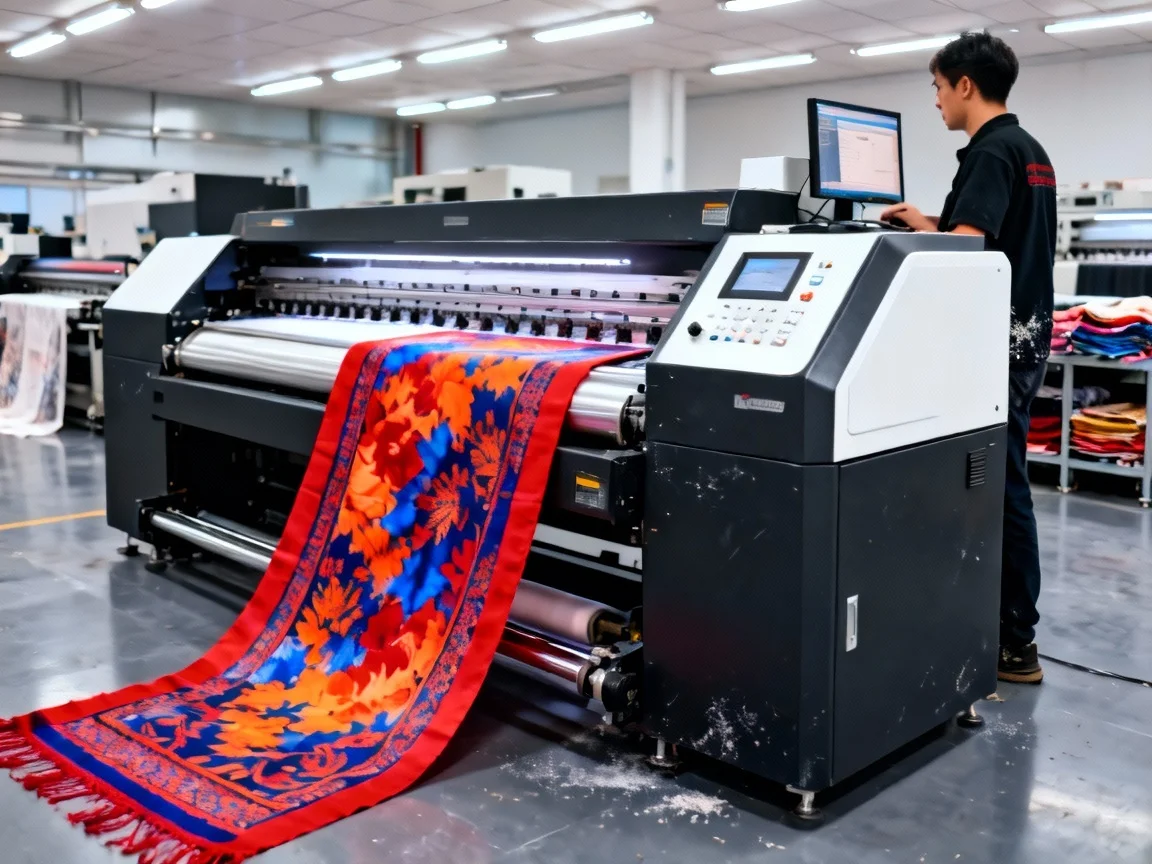
Digital printing technology addresses these challenges through several key innovations:
- Unparalleled Design Freedom: Unlike screen printing's physical limitations, digital systems accurately reproduce intricate patterns, smooth gradients, and detailed photographs. This capability meets the rising demand for artistic scarves that function as wearable art rather than mere accessories.
- Enhanced Production Efficiency: Eliminating plate creation and setup processes reduces lead times from weeks to days, enabling brands to swiftly respond to emerging fashion trends—a critical advantage in an industry increasingly defined by micro-collections and limited editions.
- Superior Sustainability: Digital printing consumes up to 95% less water than traditional methods. Precise ink application also minimizes textile waste, addressing the growing environmental concerns of European consumers, where 67% of luxury buyers prioritize sustainability in purchasing decisions (McKinsey State of Fashion 2025).
- Advanced Customization Capabilities: The technology facilitates small-batch production and even one-of-a-kind pieces without additional cost, perfectly aligning with the expanding trend toward personalized fashion experiences.
Fennysun's Technological Approach: Harmonizing Innovation with Craftsmanship
Fennysun occupies a unique position at the intersection of fashion and technology, offering a distinctive approach to digital scarf printing. While specific technical details remain proprietary, industry best practices and market positioning suggest its offerings excel through sophisticated integration of hardware, software, and material science.
The production workflow typically encompasses these interconnected stages:

- Digital Design Optimization: Advanced software prepares designs specifically for digital printing, ensuring color accuracy, pattern repeat precision, and optimal utilization of the printing surface.
- Specialized Fabric Preparation: Luxury materials such as silk, cashmere, and sustainable blends undergo specialized treatment processes to ensure proper ink absorption and color retention while preserving the fabric's inherent qualities.
- Precision Printing Execution: High-resolution digital printers deposit minute quantities of specialized textile inks, resulting in exceptional colorfastness and intricate detail resolution.
- Advanced Post-Processing: Specialized curing and finishing techniques set the inks while maintaining the fabric's drape, texture, and hand feel—attributes of paramount importance to luxury scarf consumers.
What truly distinguishes industry leaders like Fennysun extends beyond technology alone. It encompasses expertise in optimizing the entire production workflow, including color management systems for consistent production runs, material science knowledge that matches printing techniques to specific fabrics, and rigorous quality control protocols that uphold luxury standards.
The European Brand Collaboration: A Transformative Case Study
The European scarf brand partnered with Fennysun to address several critical industry challenges:
- Prolonged Production Lead Times: Traditional manufacturing required minimum orders of 500+ units per design with 8-12 week production cycles, severely limiting the brand's ability to respond to emerging trends.
- Design Limitations: Complex patterns and color gradients were either technically unfeasible or economically prohibitive with conventional production methods.
- Sustainability Pressures: Both consumers and European regulatory bodies increasingly demanded environmentally responsible production practices.
- Inventory Risks: The brand maintained excessive inventory to meet retail requirements, resulting in substantial markdowns on unsold stock.
The implementation strategy focused on three pivotal areas:
1. Design Innovation and Market Differentiation
Leveraging Fennysun's digital printing capabilities, the brand expanded its design repertoire with previously unattainable elements:
- Photorealistic landscapes and artwork that retained clarity even on fine silk fabrics
- Intricate gradient transitions creating dynamic visual effects across scarf surfaces
- Limited-edition artist collaborations featuring complex designs that would have been economically unviable with traditional methods
This design differentiation enabled the brand to command premium pricing, with average retail prices increasing by 15% while maintaining competitiveness in the luxury accessories market.
2. Agile Production and Trend Responsiveness
Reduced lead times—just 10-14 days from final design to finished product—revolutionized the brand's market responsiveness. This agility facilitated several strategic initiatives:
- Seasonal Micro-Collections: Small-batch designs timed to cultural events, fashion weeks, and social media trends
- Regionalized Designs: Patterns customized for specific European markets based on local aesthetic preferences
- Test-and-Learn Methodology: Limited production runs of experimental designs to assess consumer response before committing to larger-scale production
3. Sustainable Manufacturing and Brand Storytelling
The environmental benefits of digital printing became central to the brand's marketing narrative. European consumers increasingly prioritize sustainability, making these metrics highly compelling:
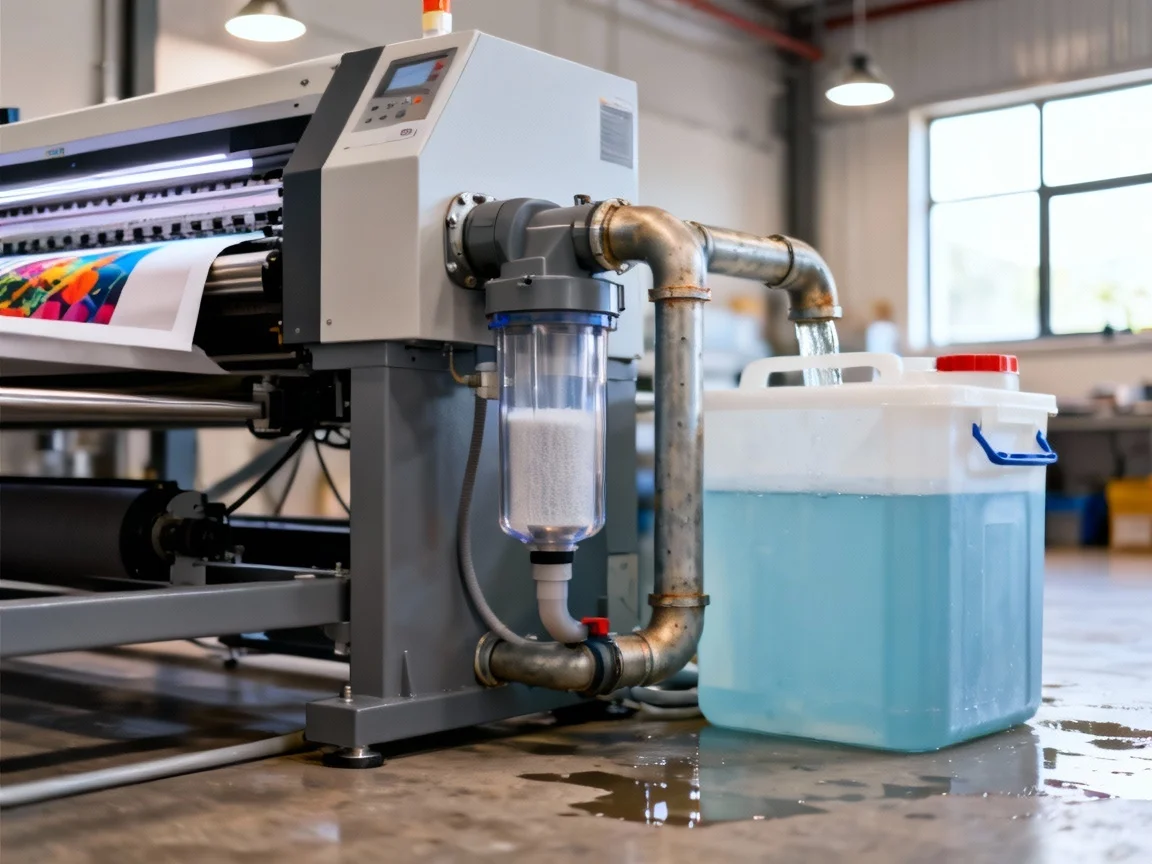
- Water Conservation: Digital printing reduced water usage by up to 95% compared to traditional screen printing
- Ink Efficiency: Precise application reduced material waste by 30% compared to previous methods
- On-Demand Production: Smaller batch sizes significantly reduced overstock and textile waste
These sustainability metrics became integral to the brand's product storytelling, creating a compelling narrative that extended beyond aesthetics to include environmental responsibility—a powerful differentiator in Europe's saturated accessories market.
Analysis of the 40% Sales Growth: Key Drivers and Performance Metrics
The impressive 40% sales increase stemmed from multiple interconnected factors that collectively transformed the brand's performance:
1. Expanded Product Range and Design Diversity
The brand increased its active design portfolio by 65% within the first year, providing consumers with greater choice while maintaining focused merchandising. This strategic expansion attracted new customers and increased purchase frequency among existing clientele, who now had access to designs suitable for various occasions and style preferences.
2. Enhanced Inventory Management and Sell-Through Rates
Implementing smaller initial production batches and replenishing best-sellers based on real-time sales data improved average sell-through rates from 65% to 85%. This directly boosted revenue and enhanced gross margins by reducing markdowns on excess inventory.
3. Strengthened Retailer Relationships
Shorter lead times and lower minimum order requirements made the brand significantly more attractive to premium European retailers. Distribution points expanded by 25%, including prestigious department stores previously inaccessible due to production inflexibility.
4. Amplified Digital Marketing Impact
The unique digital printing designs generated highly shareable social media content. The brand documented the digital printing process through behind-the-scenes content series, educating consumers about the technology while showcasing design artistry. This strategy resulted in 120% increased social media engagement and 35% growth in direct-to-consumer e-commerce sales.
Practical Implementation Considerations for Fashion Brands
Based on this case study and broader industry experience, fashion accessories brands considering digital printing implementation should address these critical factors:
Technology Assessment and Strategic Partner Selection
Digital printing capabilities vary significantly among providers. Brands should evaluate potential partners based on:
- Technical Proficiency: Resolution quality, color gamut range, and compatibility with luxury materials
- Production Capacity: Ability to scale operations while maintaining quality standards and meeting deadlines
- Sustainability Credentials: Environmental impact of inks, energy consumption, and waste management protocols
- Design Support Services: Expertise in optimizing designs for digital reproduction on textile substrates
Design Strategy and Market Positioning
Digital printing should serve as an enabler of strategic differentiation rather than merely a production alternative. Brands require clear guidelines regarding:
- Which designs benefit most from digital versus traditional production methods
- How to balance innovation with brand heritage preservation
- Pricing strategies that reflect both production economics and perceived value
Supply Chain Integration
Successful implementation necessitates rethinking traditional supply chain models:
- Developing flexible forecasting methodologies suitable for shorter production cycles
- Implementing inventory management systems capable of handling increased product variety
- Creating responsive replenishment processes that maximize sales potential while minimizing stockouts
Consumer Education and Compelling Storytelling
Technology becomes a valuable brand asset when effectively communicated to consumers. Successful approaches include:
- Transparent communication regarding production processes and environmental benefits
- Educational content highlighting the expanded design possibilities enabled by digital printing
- Narrative development around the intersection of technology and traditional craftsmanship
Conclusion
The European brand's 40% sales growth utilizing Fennysun's digital printing technology represents more than just a success story—it exemplifies the broader transformation occurring across the fashion accessories sector. As digital printing continues to advance in speed, quality, and material compatibility, adoption will increasingly become a competitive necessity rather than an option.
For brands operating in Europe and beyond, successful implementation of digital printing requires more than technological adoption alone. It demands a strategic approach that integrates production innovation with design creativity, sustainability values, and consumer engagement initiatives. The most successful implementations utilize digital printing as a catalyst for comprehensive business transformation, not merely as a more efficient production method.
As the digital textile printing market expands toward its projected $12.73 billion valuation by 2034, early adopters will gain significant competitive advantage. The Fennysun case study demonstrates how digital printing can deliver transformative growth, redefining possibilities in scarf design, production efficiency, and consumer engagement within the luxury accessories market.