In today's rapidly evolving fashion landscape, where customization demands and production timelines grow increasingly stringent, high-speed digital textile printing machines have emerged as transformative tools for scarf manufacturers worldwide. As an industry professional with extensive experience optimizing textile production workflows, I've witnessed firsthand how these advanced technologies are reshaping manufacturing paradigms—reducing operational costs, accelerating time-to-market, and unlocking unprecedented design possibilities. This comprehensive guide explores the latest technological advancements in high-speed printing, demonstrating how they maximize scarf production efficiency while upholding the exceptional quality standards demanded by luxury fashion brands.
The Evolution of High-Speed Textile Printing Technology
The textile printing industry has undergone a remarkable transformation over the past decade, with 2025 representing a pivotal juncture in terms of speed capabilities, precision engineering, and sustainable practices. Traditional screen printing, once the cornerstone of scarf production, imposed significant limitations: extensive setup procedures, complex color separation requirements, and substantial material waste—all of which rendered small-batch production economically unviable. Today's high-speed digital textile printers have fundamentally altered this landscape.
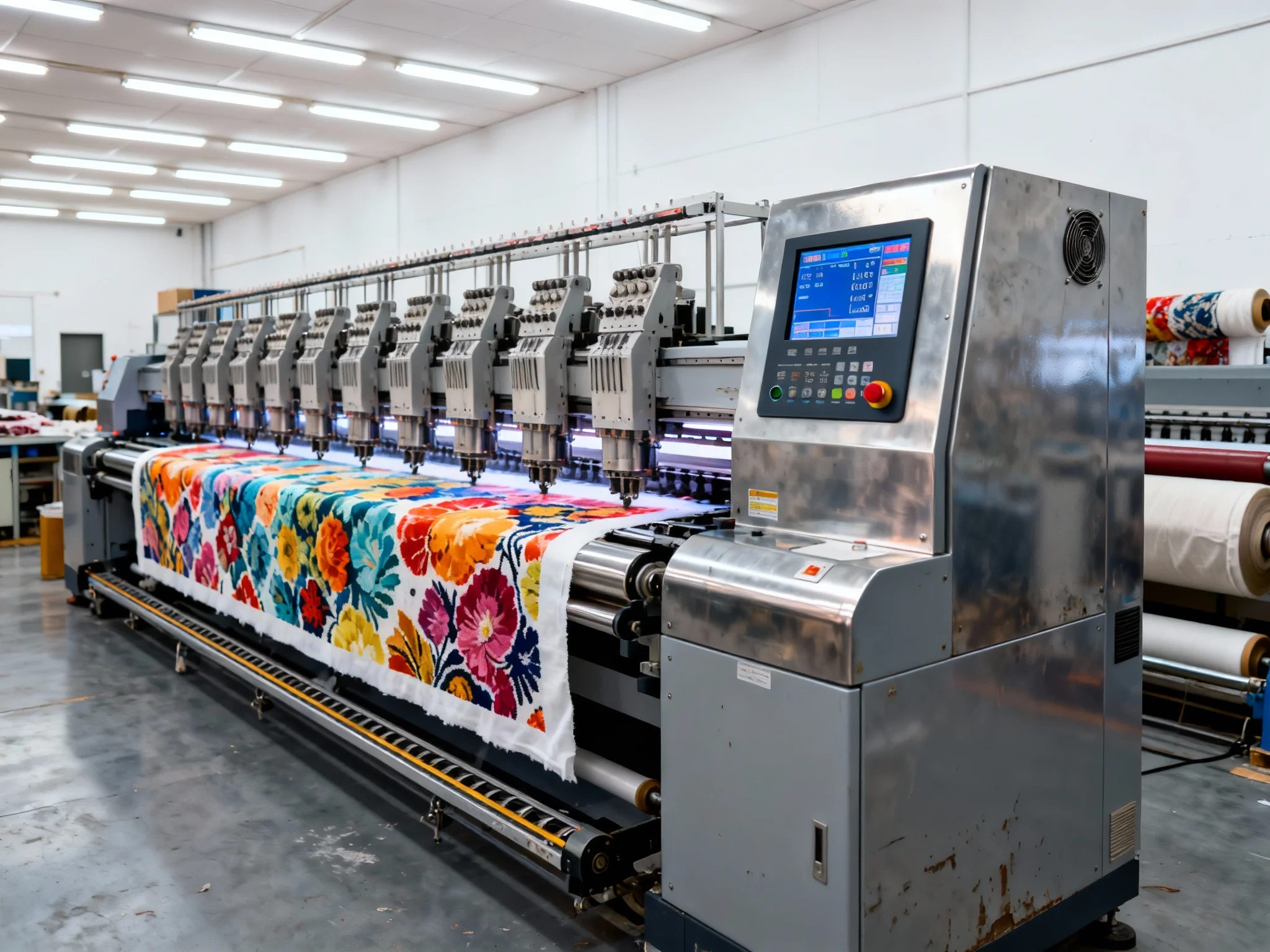
Contemporary multi-pass printing systems now achieve speeds exceeding 500 linear meters per hour, while cutting-edge single-pass systems push well beyond this threshold. This dramatic increase in throughput enables manufacturers to meet the growing demand for customized scarf designs without compromising production volume. The technological innovations driving this progress include advanced piezoelectric printheads with micron-level droplet placement accuracy, sophisticated ink delivery mechanisms, and next-generation drying technologies that facilitate faster processing between color applications.
A particularly noteworthy development in 2025 is the integration of artificial intelligence-driven predictive maintenance systems in premium printer models. These intelligent systems continuously monitor equipment performance, identifying potential issues before they result in costly downtime and optimizing ink usage to minimize waste. Industry data indicates that manufacturers implementing these advanced systems have achieved up to 35% lower operational costs and 40% reduction in material waste compared to conventional digital printing systems from just five years ago.
Key Components of Efficient Scarf Production Systems
Maximizing scarf production efficiency requires more than merely investing in a fast printer—it demands a cohesive ecosystem where technology, materials, and processes work in harmony. Based on years of experience optimizing textile production lines, three critical components consistently distinguish high-performance systems: advanced printhead technology, innovative nano-ink formulations, and precision drying systems.
Printhead Technology: The Precision Engine of High-Speed Printing
The latest generation of textile printheads feature microscopic droplet sizes (as small as 3 picoliters) and increased nozzle densities, enabling exceptional detail reproduction even at maximum production speeds. For scarf manufacturers, this technological advancement means the ability to print intricate patterns—from delicate floral motifs to complex geometric designs—without sacrificing throughput. Multi-head configurations, such as those found in the Mimaki Tx330 series, print multiple colors simultaneously, further enhancing production efficiency.
These sophisticated printheads also incorporate variable droplet technology that adjusts ink volume based on specific design requirements—delivering more ink for bold, saturated areas and less for subtle gradients. This level of control not only improves print quality but also reduces ink consumption by up to 20% compared to fixed-droplet systems, directly impacting the bottom line.
Nano-Ink Technology: Redefining Color Performance and Precision
Nano-ink technology represents a significant breakthrough in textile printing chemistry. By reducing pigment particle size to nanoscale dimensions (typically 50-200 nm), these advanced formulations deliver superior color saturation, enhanced colorfastness, and improved penetration into fabric fibers. For scarf production, where color vibrancy and durability are paramount quality attributes, nano-inks provide distinct competitive advantages.
Industry case studies demonstrate that nano-ink formulations achieve up to 30% higher color gamut than conventional inks, enabling more accurate reproduction of brand colors and complex gradients. The smaller particle size also facilitates smoother flow through printheads, reducing maintenance requirements and extending printhead lifespan by approximately 25%—another substantial cost-saving benefit for manufacturers.
Drying Systems: Eliminating Production Bottlenecks
Efficient drying has long been the Achilles' heel in high-speed textile printing, particularly when working with delicate fabrics like silk used in luxury scarves. The latest drying systems combine infrared and hot air technologies with precise temperature control (typically 80-110°C for silk) to cure inks rapidly without damaging sensitive fabrics.
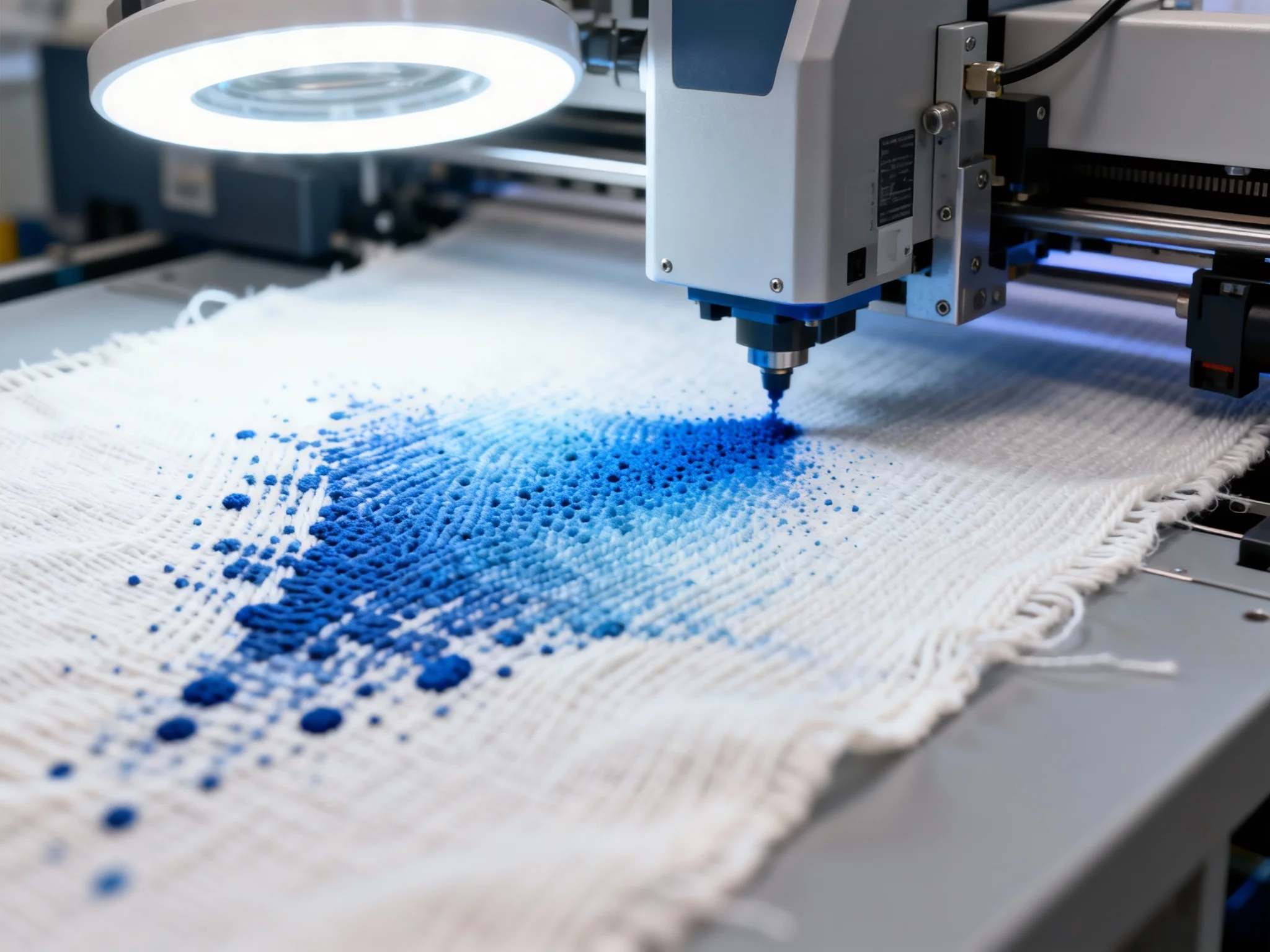
Modern drying systems feature zone-specific temperature control, allowing optimal drying conditions across different print bed areas. This precision ensures consistent ink curing even at maximum production speeds, significantly reducing the risk of smudging or color bleeding. For manufacturers, this translates to less rework, higher first-pass yield rates, and consistent quality throughout extended production runs—all critical factors in maintaining profitability.
Process Optimization for Scarf Production Excellence
Maximizing efficiency in scarf production requires a holistic approach to process optimization that addresses every stage from pre-print preparation to post-processing. Based on practical experience implementing digital textile printing solutions for fashion accessories, several key strategies consistently deliver significant efficiency gains and quality improvements.
Pre-Print Preparation: Building the Foundation for Efficiency
Digital workflow integration has revolutionized pre-print preparation, minimizing setup time and reducing errors. Modern systems allow direct import of design files, automated color separation, and comprehensive pre-flight checks to identify potential printing issues before production begins. This digital integration has reduced setup times from hours to minutes compared to traditional screen printing methods.
For scarf manufacturers handling multiple designs or custom orders, a robust job management system is essential. These intelligent systems prioritize print jobs based on fabric type, design complexity, and delivery deadlines, ensuring optimal equipment utilization. Industry benchmarks show that effective job scheduling increases machine utilization rates by up to 35%, directly impacting overall production efficiency and return on investment.
Direct-to-Fabric Printing: Streamlining Production Workflows
Direct-to-fabric printing technology has transformed scarf production by eliminating the need for transfer papers or films. This innovation reduces material costs and streamlines production, enabling a single-pass workflow from digital design to finished product.
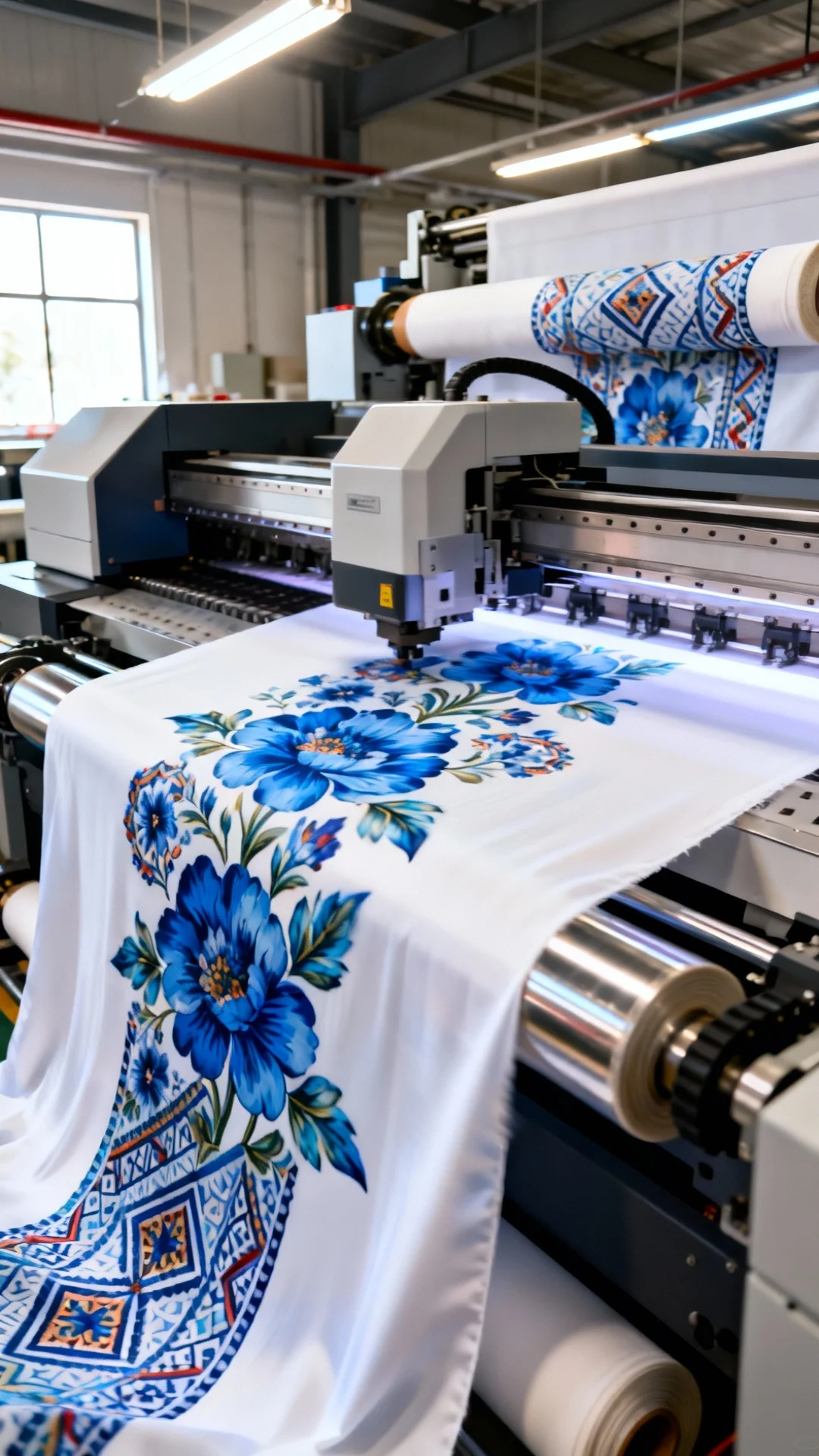
For silk scarves, direct printing requires careful control of ink penetration to avoid fabric distortion or color bleeding. The latest printers address this challenge with precision ink placement and optimized pre-treatment processes. When properly calibrated, direct-to-fabric systems can produce finished scarves in less than half the time of traditional transfer methods while maintaining the delicate hand feel that luxury markets demand.
Quality Control: Ensuring Consistency at Production Speed
Maintaining consistent quality at high production speeds represents perhaps the greatest challenge in scarf manufacturing. Automated inspection systems utilizing advanced machine vision technology to detect defects in real-time have proven highly effective in addressing this challenge. These sophisticated systems identify issues such as misregistration, color variation, or ink smudges as they occur, allowing immediate adjustments before large quantities of defective product are produced.
Statistical process control (SPC) methods further enhance quality management by helping manufacturers identify trends and potential issues before they affect product quality. By continuously monitoring key parameters—including ink viscosity, temperature, and printhead alignment—production managers can make proactive adjustments, reducing defect rates by up to 50% in high-volume operations and ensuring consistent quality across production runs.
Sustainability: The New Efficiency Imperative in Textile Printing
In today's environmentally conscious market, sustainability has become an integral component of production efficiency. High-speed digital printing systems offer significant environmental advantages over traditional screen printing and older digital technologies, aligning perfectly with the growing demand for eco-friendly manufacturing practices in the fashion industry.
Water Conservation: A Critical Environmental and Economic Metric
Traditional textile printing methods are notoriously water-intensive, consuming an estimated 50-60 liters per linear meter of fabric. In contrast, modern digital textile printing systems use approximately 70-95% less water, with some advanced models requiring only 2-3 liters per meter for certain applications.
Several innovations contribute to this dramatic reduction: direct ink application eliminates water-based pre-treatment in many cases, while closed-loop ink delivery systems minimize waste. For scarf manufacturers, these water savings translate to both environmental benefits and reduced water treatment costs, while also ensuring compliance with increasingly stringent environmental regulations worldwide.
Energy Efficiency and Carbon Footprint Reduction
Contemporary high-speed printing systems incorporate numerous energy-saving features, including advanced motor controls, heat recovery systems, and LED curing technologies. These improvements have reduced energy consumption by up to 40% compared to systems from just three years ago.
When combined with reduced water usage and elimination of chemical-laden wastewater, the carbon footprint of digital scarf production is significantly lower than that of traditional methods. Life cycle assessments consistently show that digital printing can reduce the carbon footprint of scarf production by 30-50%—a powerful selling point that resonates increasingly with environmentally conscious luxury brands and their discerning consumers.
Waste Reduction: From Ink Conservation to Fabric Optimization
Digital printing enables precise ink placement, reducing consumption by up to 25% compared to screen printing. For high-value scarf production, where specialized inks can cost hundreds of dollars per liter, this represents substantial savings. The technology's ability to produce smaller batches economically also reduces overproduction and excess inventory risks—a persistent challenge in the fashion industry.
Forward-thinking manufacturers have implemented zero-waste cutting patterns for scarves, strategically nesting designs to maximize fabric utilization. When combined with digital printing's on-demand production capability, this approach reduces fabric waste by up to 15%, further enhancing production sustainability and profitability.
Selecting the Right High-Speed Printing Solution for Scarf Production
Choosing the optimal high-speed printing system for scarf production requires careful consideration of multiple factors: production volume requirements, fabric types, design complexity, and quality standards. Based on extensive experience evaluating and implementing textile printing technologies, a systematic selection approach ensures the best return on investment and long-term operational success.
Understanding Production Requirements and Constraints
The first step in the selection process is clearly defining production requirements. For small to medium batch production (50-500 scarves per design), a single-pass printer with moderate speed (200-300 meters per hour) may provide the optimal balance of performance and investment. For large-scale operations or fast-fashion applications, higher speed systems (500+ meters per hour) are more appropriate.
Fabric type represents another critical consideration. Silk and other delicate fabrics require gentle handling and precise ink application, while synthetic fabrics may necessitate higher curing temperatures. The Mimaki Tx330 series, for example, offers specific configurations optimized for natural fibers like silk, delivering the delicate touch and vibrant colors that luxury scarf markets demand.
Evaluating Total Cost of Ownership
Focusing solely on purchase price can be misleading when comparing printing systems. A comprehensive total cost of ownership (TCO) evaluation must include ink consumption, maintenance requirements, energy usage, and labor costs. Systems with higher initial costs often deliver significantly lower TCO through greater efficiency, reliability, and productivity over time.
Printers equipped with advanced maintenance systems that automatically clean printheads and monitor ink levels typically require less operator intervention and experience less unplanned downtime. While these systems may cost 15-20% more initially, they often deliver payback within 12-18 months through reduced labor costs and increased uptime—a compelling return on investment for forward-thinking manufacturers.
Future-Proofing Your Investment
The textile printing industry evolves at a rapid pace, making future-proofing a critical consideration. Systems with modular designs allow for upgrades as new technologies emerge, extending equipment lifespan and protecting investment. Software upgradability is equally important, as new features and capabilities frequently become available that can improve performance and add functionality.
When evaluating systems, inquire about the manufacturer's development roadmap and commitment to product updates. A printer that can adapt to new ink technologies, higher resolution requirements, or additional fabric compatibility will provide greater long-term value and flexibility as market demands evolve.
Case Studies: Efficiency Transformations in Scarf Production
Real-world applications demonstrate the transformative impact of high-speed printing technology on scarf production efficiency. While maintaining client confidentiality, several industry success stories illustrate the tangible benefits for manufacturers investing in advanced technology.
Case Study 1: Luxury Scarf Manufacturer Increases Capacity by 150%
A mid-sized luxury scarf manufacturer specializing in high-end silk accessories faced growing demand that strained their existing production capabilities. By implementing a new high-speed digital printing system with advanced nano-ink technology, they increased production capacity by 150% while simultaneously reducing labor costs by 40%.
The key to their success was integrating the new printing technology with streamlined workflow processes and automated material handling systems. By optimizing job scheduling and minimizing changeover times between designs, they achieved machine utilization rates exceeding 85%—significantly higher than the industry average of 60-65%. This improved efficiency allowed them to fulfill larger orders without compromising their reputation for exceptional quality.
Case Study 2: Sustainable Fashion Brand Reduces Environmental Impact
A sustainable fashion brand focused on eco-friendly accessories sought to reduce their environmental footprint while maintaining competitive pricing. Their transition from traditional screen printing to a modern digital system resulted in a 92% reduction in water usage and a 65% decrease in chemical waste.
These environmental benefits translated directly to business advantages. The brand successfully marketed their scarves as "low-impact luxury," attracting environmentally conscious consumers willing to pay premium prices. The digital printing technology also enabled more frequent design updates and smaller production runs, reducing inventory costs and allowing quicker response to emerging fashion trends.
Case Study 3: Fast Fashion Supplier Cuts Lead Times by 70%
A major supplier to fast fashion retailers needed to reduce lead times to remain competitive in the rapidly changing market. Implementing a high-speed digital printing system enabled them to produce custom-designed scarves in days rather than weeks, cutting lead times by 70% and dramatically improving their market responsiveness.
This ability to quickly respond to market trends allowed them to capture additional business and increase market share. The digital workflow also reduced the need for large pre-production samples, saving both time and materials. Despite intense price competition in the fast fashion segment, the company reported a 25% increase in profitability following the implementation.
Future Trends: The Next Frontier in High-Speed Scarf Printing
The textile printing industry continues to evolve rapidly, driven by technological innovation and changing market demands. Looking ahead 3-5 years, several emerging trends promise to further transform scarf production efficiency and capabilities.
Integration of Artificial Intelligence and Machine Learning
Artificial intelligence (AI) and machine learning are playing increasingly prominent roles in textile printing, offering new opportunities for efficiency gains. AI-powered color management systems will automatically adjust ink formulations and print parameters to maintain consistent color across production runs and different substrates.
Predictive maintenance will utilize machine learning algorithms that analyze equipment performance data to reduce downtime by identifying potential issues before failures occur. These intelligent systems will also optimize print quality in real-time, adjusting for environmental factors like temperature and humidity that can affect results—a particularly valuable capability for maintaining consistent quality in scarf production.
Advancements in Sustainable Ink Technologies
The development of bio-based and waterless ink formulations will further enhance the environmental benefits of digital textile printing. Researchers are actively working on ink systems derived from renewable resources that offer comparable performance to petroleum-based alternatives with significantly reduced carbon footprints.
UV-curable inks that require less energy to cure and produce no volatile organic compounds (VOCs) are gaining traction in the industry. These innovations will strengthen digital printing's sustainability advantages for scarf production, aligning perfectly with the luxury fashion industry's growing environmental consciousness.
On-Demand Production and Mass Customization
Fashion's growing mass customization trend is driving demand for more flexible high-speed printing systems. Future printers must handle rapid design changes, variable data printing (such as individualized monograms), and small-batch production with minimal setup time.
This shift toward on-demand production aligns perfectly with the capabilities of digital textile printing technology. It allows manufacturers to reduce inventory costs while offering greater product variety. For scarf producers, this means the ability to offer custom designs, limited editions, and personalized products without the traditional cost penalties associated with small production runs.
Conclusion: Maximizing Efficiency Through Technological Innovation
High-speed digital printing technology has transformed scarf production, delivering unprecedented efficiency, quality, and sustainability benefits. Understanding the key components of modern printing systems—advanced printheads, nano-ink formulations, and precision drying technologies—enables manufacturers to make informed decisions that align with their production goals and market positioning.
Successful scarf producers view efficiency holistically, considering not just printing speed but workflow optimization, waste reduction, and environmental impact. Implementing comprehensive strategies from pre-print preparation to post-processing quality control delivers significant improvements in productivity, quality, and profitability.
As the industry continues to evolve, staying current with technological advancements and emerging trends remains critical for maintaining competitive advantage. Whether through AI-driven optimization, adoption of sustainable ink technologies, or implementation of on-demand production models, the future of scarf production belongs to innovators who continuously refine their processes and embrace new technologies.
For fashion brands and manufacturers evaluating their production capabilities, the message is clear: investment in advanced high-speed printing technology represents not merely a cost consideration but a strategic imperative in today's fast-paced, sustainability-conscious market. By maximizing production efficiency through digital textile innovation, scarf manufacturers can meet growing demand, reduce environmental impact, and deliver the exceptional quality that discerning consumers demand—positioning themselves for success in the rapidly evolving fashion landscape.