In the competitive luxury fashion accessories market, premium material sourcing forms the foundation of product excellence and brand differentiation. With over a decade in luxury textile sourcing, I've witnessed how strategic material choices can elevate a brand's market position while ensuring long-term sustainability. The global silk scarf market, valued at approximately $21.4 billion in 2025 and projected to grow at an 8.2% CAGR through 2030, demands sophisticated sourcing strategies that balance tradition, innovation, and ethical responsibility.
This guide integrates real-time market data, technical specifications, and industry best practices to help boutiques, specialty stores, and fashion brands navigate premium scarf manufacturing. Whether evaluating suppliers, negotiating contracts, or enhancing sustainability credentials, this framework provides actionable knowledge for informed decisions that align with quality standards and commercial objectives.
The Global Luxury Scarf Material Landscape
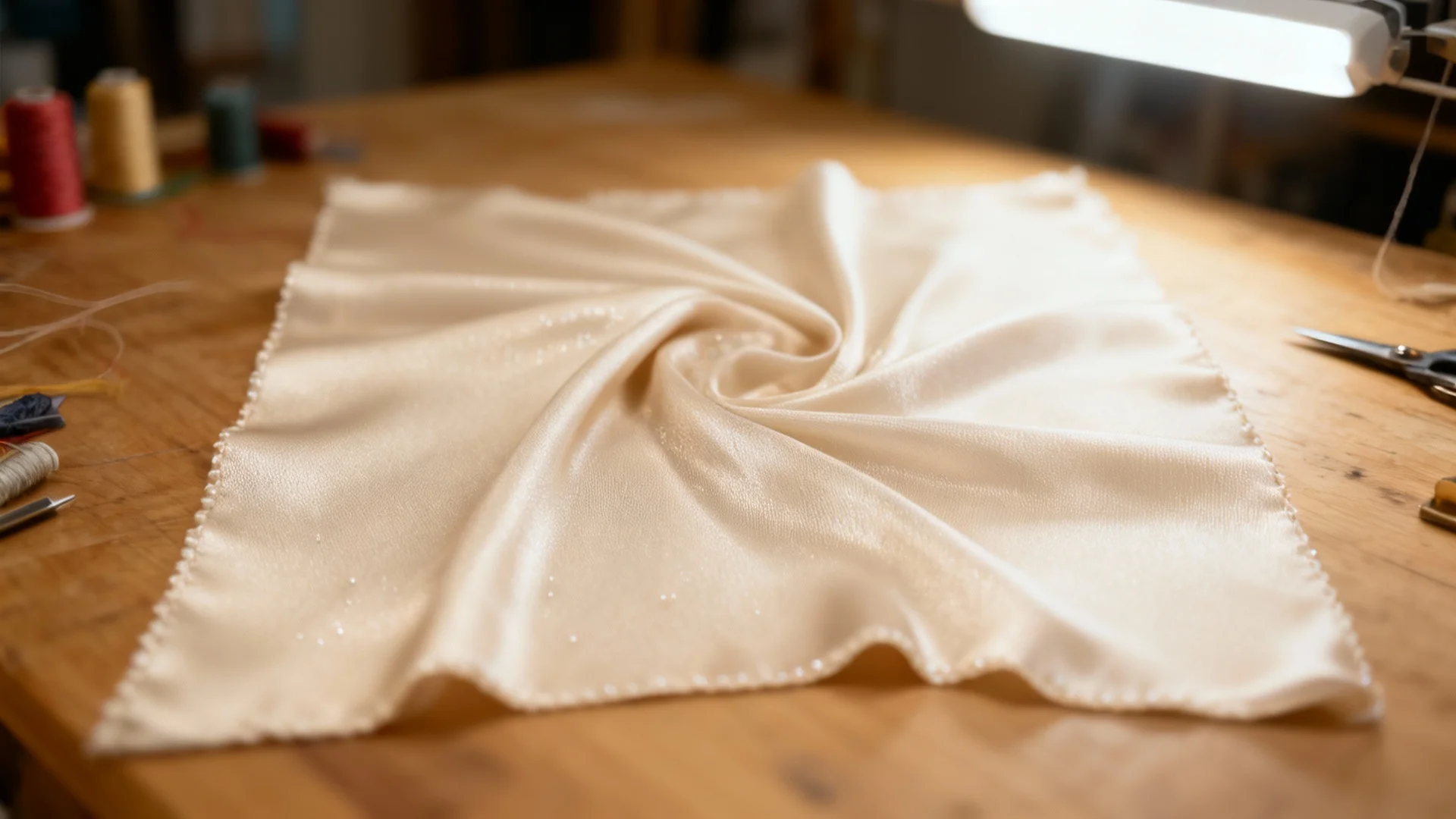
Exceptional scarf manufacturing begins with understanding premium materials' intrinsic qualities and global supply chains. Today's luxury scarf market requires superior aesthetics, tactile properties, and transparent sourcing practices that appeal to conscientious consumers.
Silk: The Epitome of Luxury
Silk remains unmatched for conveying luxury and versatility, with its market segment showing consistent growth. Silk quality is primarily measured by momme weight – a unit indicating density and durability. High-end scarves typically range from 16 to 30 momme, with 19-22 momme offering the optimal balance of drape and resilience for most applications. FENNYSUN's production standards, for example, specify 12-16 momme for standard scarves versus 25 momme for luxury pillowcases, demonstrating how different uses demand distinct material specifications.
China leads global silk production at approximately 60% of the market, followed by India and Uzbekistan – each with unique fiber characteristics. Chinese silk offers consistent quality and extensive color options, ideal for intricate patterns and digital printing. Indian silk, particularly from regions like Karnataka, provides unique textures derived from traditional sericulture methods. Uzbekistan emphasizes organic production practices increasingly valued by sustainability-focused brands.
Cashmere: The Pinnacle of Softness
Cashmere scarves represent the upper tier of luxury accessories, with the global market projected to reach $1.69 billion by 2025. The fiber's exceptional softness originates from its microscopic diameter – Grade A cashmere measures 14-15.5 microns, finer than human hair. This ultra-fine quality requires meticulous sourcing from specific regions: Mongolian cashmere offers an excellent warmth-to-weight ratio, while Tibetan varieties feature natural luster prized by discerning designers.
The cashmere supply chain faces unique challenges, as each goat produces only 150-200 grams annually. This scarcity creates market volatility, with prices fluctuating based on climate conditions and herding practices. Sustainable cashmere initiatives like the Sustainable Fibre Alliance's standards are gaining traction, addressing overgrazing and animal welfare concerns while ensuring consistent quality for manufacturers engaged in cashmere scarf production.
Emerging Sustainable Blends
To meet sustainability demands without sacrificing luxury, innovative blends are growing in popularity within silk scarf manufacturing. Alpaca-silk combinations offer enhanced durability with reduced environmental impact. Recycled cashmere programs – pioneered by brands like Patagonia – demonstrate circular economy principles in action. These developments show the industry evolving toward luxury scarf materials that balance traditional luxury with contemporary ethical expectations.
Sustainable Sourcing Practices and Certification Standards
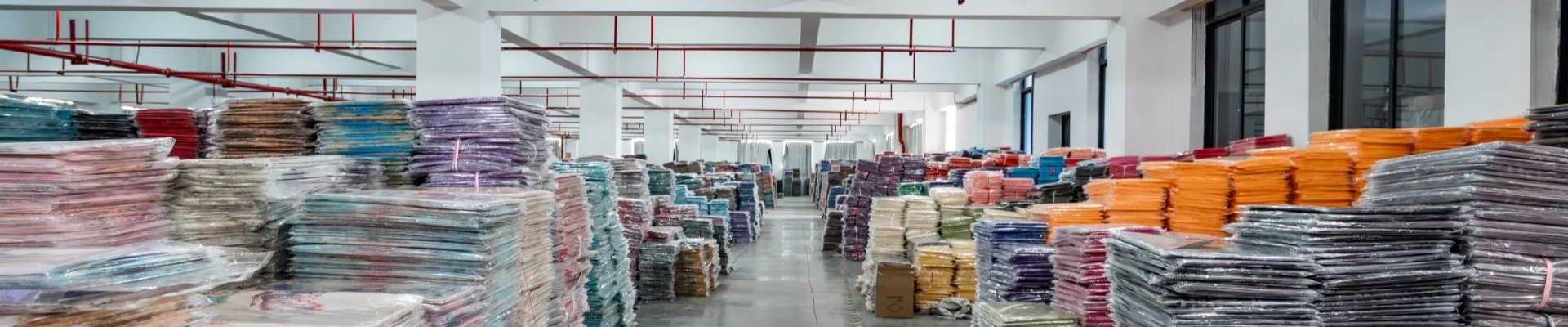
Sustainability has shifted from a niche concern to a business imperative in luxury sourcing, driven by consumer demand and regulatory pressures. Leading manufacturers now implement comprehensive sustainability frameworks covering environmental stewardship, ethical labor practices, and supply chain transparency.
Certification Ecosystems
Several certification systems have become benchmarks for responsible sourcing in luxury textiles:
Global Organic Textile Standard (GOTS) represents the gold standard for organic fibers, covering everything from harvesting to manufacturing. GOTS-certified silk ensures no harmful chemicals in production and requires strict wastewater treatment to protect local ecosystems.
OEKO-TEX Standard 100 focuses on product safety, verifying textiles contain no harmful substances. This certification matters particularly for dyed scarves, assuring colorants meet stringent human-ecological requirements.
Fair Trade Certified emphasizes equitable compensation and safe working conditions throughout the supply chain. For cashmere from developing regions, this certification addresses historical concerns about exploitative labor practices.
The Sustainable Fibre Alliance (SFA) offers specialized certification for cashmere, focusing on rangeland management, animal welfare, and herder livelihoods. This certification grows more important for brands targeting environmentally conscious consumers in Europe and North America.
Implementation Challenges and Solutions
Despite sustainable certification benefits, manufacturers face significant implementation challenges. Additional costs for organic production and certification can increase base prices by 15-30%, creating tension between ethical commitments and competitive pricing.
Industry leaders have developed innovative approaches to address these challenges. One luxury accessories brand established direct relationships with Mongolian herder cooperatives, bypassing middlemen to ensure fair compensation while maintaining quality control. This model improved transparency and reduced costs by 18% over three years through process optimization and bulk purchasing.
Another successful strategy employs blockchain technology for supply chain tracing. By tagging each silk batch with a digital identifier, manufacturers provide customers verifiable information about origin, production methods, and certification status. This transparency proves invaluable for justifying premium pricing to discerning consumers seeking authentic sustainable fabric sourcing.
Technical Specifications and Quality Control
Turning raw silk and cashmere into exquisite scarves requires precise technical control throughout manufacturing. Clear quality parameters and rigorous testing protocols are essential for maintaining consistency and meeting luxury market expectations.
Weaving and Construction Parameters
Weaving specifications fundamentally determine a scarf's structural integrity and aesthetic appeal. Silk scarves typically have thread counts from 120 to 220 threads per inch, with higher counts producing finer, more detailed patterns. Choosing between plain weave, twill, or satin constructions depends on desired drape and durability – satin weaves offer exceptional luster but less durability than twill weaves.
Modern computerized jacquard looms have revolutionized pattern complexity, enabling intricate designs impossible with manual looms. These advanced machines produce up to 1,200 patterns per minute with minimal waste, improving production efficiency while maintaining artisanal quality standards in silk scarf manufacturing.
Dyeing Process Optimization
Dyeing represents both a critical quality control point and major environmental impact factor in scarf production. Optimal silk dyeing results typically require:
- Temperature control: 70-82°C for acid dyes, with precise regulation to prevent fiber damage
- pH levels: 4.5-5.5 for acid dyes, requiring careful monitoring throughout the process
- Liquor ratio: 1:30 to 1:40 (fiber weight to dye bath volume) for uniform color absorption
- Dyeing time: 45-60 minutes for complete color penetration
Innovative dyeing techniques address environmental concerns while maintaining colorfastness. Low-impact processes reduce water consumption by up to 50% and eliminate hazardous chemical discharge, adopted by leading manufacturers committed to sustainable fabric sourcing. These methods use natural mordants and biodegradable plant-based colorants, aligning with growing consumer preference for eco-friendly luxury.
Quality Testing Protocols
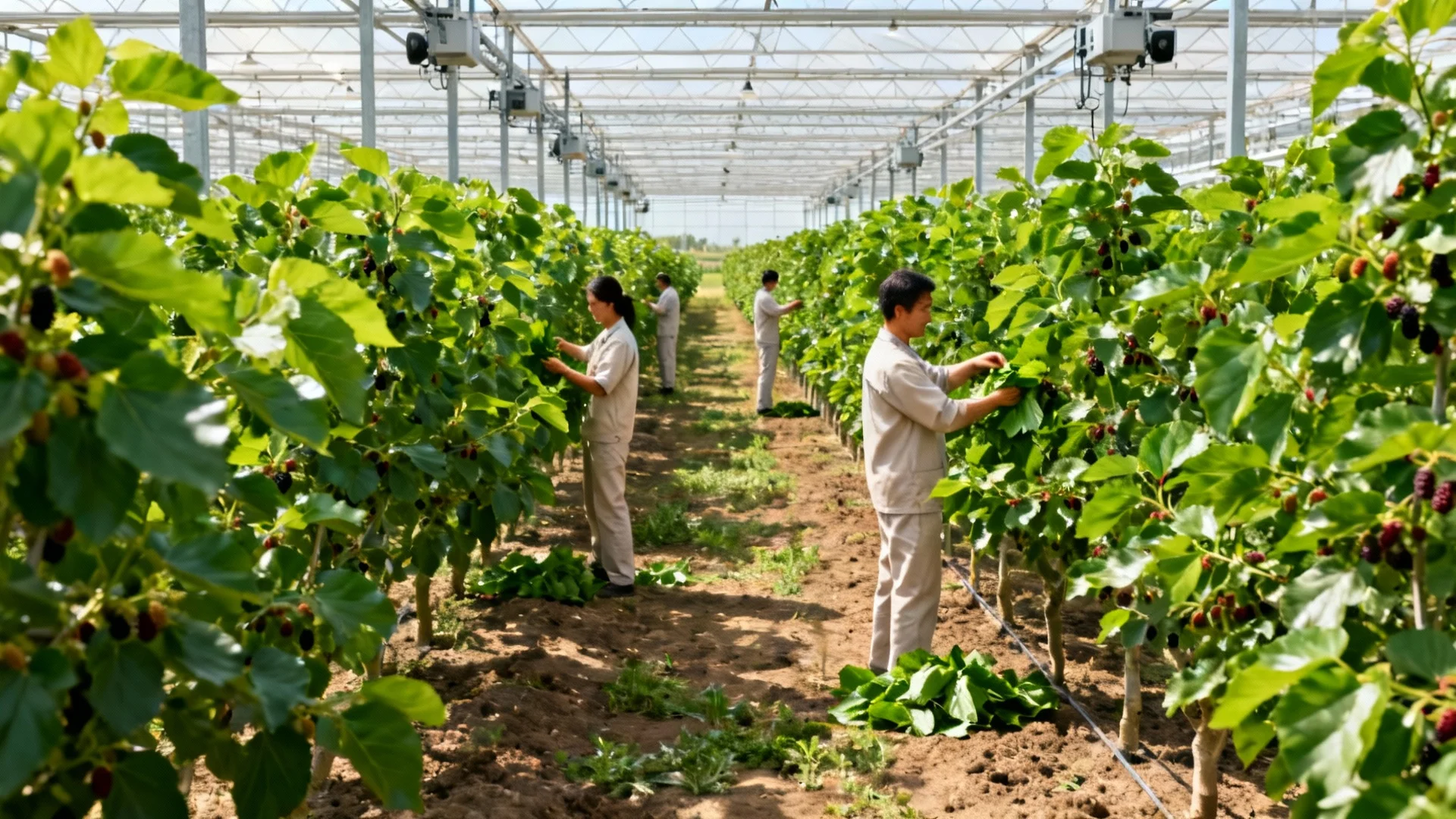
Comprehensive quality testing at every production stage ensures finished scarves meet luxury market standards. Key testing procedures include:
Tensile strength testing verifies woven fabric durability, with minimum requirements of 200 N for warp threads and 180 N for weft threads in high-quality silk scarves.
Colorfastness assessments evaluate resistance to light, washing, and perspiration. Luxury scarves should maintain at least a 4/5 rating on the AATCC grayscale for lightfastness, ensuring minimal fading with regular use.
Pilling resistance matters particularly for cashmere blends, tested with 5,000 cycles in a Martindale tester to simulate wear. Premium scarves should achieve grade 4 or higher on the pilling scale, indicating minimal fiber breakage and fuzzing.
Shrinkage control testing ensures dimensional stability after washing. Luxury scarves should exhibit less than 3% shrinkage in both length and width to maintain intended shape and drape.
Implementing these protocols requires significant investment in laboratory equipment and trained personnel, but benefits for product consistency and brand reputation are well-documented. One leading manufacturer reported 23% fewer customer returns after implementing comprehensive quality testing, directly improving profitability and market standing in cashmere scarf production.
Supplier Evaluation and Selection Framework
Choosing manufacturing partners represents perhaps the most critical decision in developing successful premium scarf lines. The ideal supplier balances technical expertise, production capacity, ethical standards, and cost efficiency – requiring systematic evaluation beyond simple price comparison.
Key Evaluation Criteria
Comprehensive supplier evaluation should address five critical dimensions:
Quality capability includes product standards and the supplier's quality management system. ISO 9001 certification provides a baseline, but luxury manufacturers should seek additional evidence of specialized silk and cashmere processing expertise. Requesting samples of previous work – particularly for complex patterns or special finishes – reveals important insights into technical proficiency in handling luxury scarf materials.
Production capacity and flexibility matter for brands with seasonal collections or variable demand. The ideal supplier should scale production from initial samples to full runs of 10,000+ units while maintaining consistent quality. Lead time reliability is equally important – luxury markets are highly time-sensitive, and delays can mean missed seasonal opportunities.
Sustainability credentials have evolved from differentiator to basic requirement for luxury suppliers. Beyond certification status, brands should investigate water and energy usage, waste management practices, and commitment to continuous improvement. Site visits provide valuable opportunities to assess these factors firsthand and verify documentation claims related to sustainable fabric sourcing.
Cost structure analysis must go beyond per-unit pricing to consider total landed costs, including shipping, duties, and quality control expenses. A supplier offering lower unit prices but inconsistent quality may prove more expensive than a slightly higher-priced alternative with superior reliability.
Communication and responsiveness are often overlooked but critical factors in successful partnerships. Time zone differences, language capabilities, and communication protocols should be carefully evaluated, as miscommunications can lead to costly errors and delays in silk scarf manufacturing timelines.
Practical Evaluation Tools
Structured tools facilitate objective supplier comparison:
Supplier evaluation scorecards assign weighted ratings to each criterion, turning qualitative assessments into quantitative data for easier comparison. A typical system might allocate 30% weight to quality, 25% to sustainability, 20% to cost, 15% to capacity, and 10% to communication.
Supplier audit checklists ensure consistent evaluation across potential partners. These detailed documents cover everything from facility cleanliness to employee training programs, providing a standardized framework for on-site assessments.
Reference verification remains one of the most valuable evaluation methods. Speaking directly with a supplier's existing clients reveals insights into reliability, problem-solving capabilities, and long-term partnership potential in cashmere scarf production.
Risk Mitigation Strategies
Even with thorough evaluation, supplier relationships involve inherent risks requiring proactive management:
Diversification across multiple suppliers – particularly for critical materials – mitigates production disruption impact. Many luxury brands maintain primary and secondary suppliers for key components, accepting slightly higher inventory costs for security.
Clear contractual agreements should specify quality standards, delivery timelines, defect resolution processes, and sustainability requirements. These documents provide essential protection if non-compliance or disputes occur in silk scarf manufacturing partnerships.
Regular performance reviews with established KPIs help identify potential issues before escalation. Metrics might include on-time delivery rates, defect percentages, and responsiveness to change requests.
Collaborative development initiatives like joint process improvement projects or sustainability training strengthen supplier relationships while driving continuous improvement. This approach has reduced defect rates by an average of 27% in luxury textile partnerships focused on sustainable fabric sourcing.
Regional Manufacturing Analysis and Comparison
The global premium scarf manufacturing landscape offers distinct advantages and challenges across regions. Understanding these characteristics helps brands make informed sourcing decisions aligned with quality expectations, cost parameters, and sustainability goals.
China: The Industry Leader
China dominates silk production with approximately 60% of global output. Industrial clusters in Zhejiang and Jiangsu provinces have developed sophisticated supply chains integrating sericulture, spinning, weaving, dyeing, and finishing into seamless production systems for silk scarf manufacturing.
Key advantages of Chinese manufacturing include:
- Technical sophistication, particularly in digital printing and complex pattern execution
- Scale efficiency reducing per-unit costs for high-volume production
- Vertical integration from raw material to finished product
- Rapid turnaround times, with sample development typically completed within 7-10 days
Considerations for brands sourcing from China include:
- Quality variability between mass-market and luxury-focused manufacturers
- Increasing labor costs, particularly in coastal industrial hubs
- Environmental compliance challenges in some regions
- Intellectual property protection concerns for proprietary designs
Leading Chinese manufacturers have responded by investing heavily in automation, reducing labor requirements by up to 40% in some processes. Environmental compliance has improved significantly, with major producers implementing closed-loop water systems and renewable energy sources to meet international standards for sustainable fabric sourcing.
India: Tradition and Craftsmanship
India's textile heritage spans millennia, reflected in its scarf manufacturing capabilities. The country excels in handwoven fabrics, intricate embroidery, and natural dye techniques creating unique textures and color variations prized by luxury brands seeking distinctive luxury scarf materials.
Key advantages of Indian manufacturing include:
- Exceptional craftsmanship in handwoven and embroidered designs
- Expertise in natural dyeing using traditional botanical sources
- Strong sustainability credentials in many artisanal production systems
- Competitive pricing for labor-intensive processes
Considerations for Indian sourcing include:
- Longer lead times, particularly for handcrafted items
- Variable quality control across smaller producers
- Infrastructure challenges affecting logistics reliability
- Limited capacity for very high-volume production runs
The Indian government has implemented initiatives to strengthen the sector. The "Silk Mark" certification program helps buyers identify authentic silk products, while skill development programs modernize traditional techniques without sacrificing artisanal quality in cashmere scarf production.
Southeast Asia: Emerging Competitors
Countries including Vietnam, Thailand, and Cambodia play increasingly important roles in the premium scarf market, leveraging competitive labor costs and improving technical capabilities in silk scarf manufacturing.
Key advantages of Southeast Asian manufacturing include:
- Competitive pricing compared to China and India
- Strong government incentives for export-oriented production
- Flexibility for small to medium production runs
- Proximity to key raw material sources in some cases
Considerations for this region include:
- Limited expertise in highest-end luxury production
- Infrastructure limitations affecting shipping reliability
- Variable enforcement of labor standards
- Less developed domestic supply chains for specialized luxury scarf materials
Despite these challenges, several Southeast Asian manufacturers have positioned themselves as niche luxury market players, focusing on specific techniques like hand-painting or eco-friendly production methods that appeal to brands emphasizing sustainable fabric sourcing.
Europe: Heritage and Innovation
European manufacturers – particularly in Italy and France – maintain reputations for exceptional quality and innovation in luxury textiles. While production costs exceed Asian levels, European producers offer distinct advantages for certain market segments of cashmere scarf production.
Key advantages of European manufacturing include:
- Exceptional quality control and attention to detail
- Proximity to luxury fashion markets and design centers
- Rapid prototyping and small-batch production capabilities
- Strong intellectual property protection
Considerations for European sourcing include:
- Significantly higher production costs (2-3x Asian manufacturers)
- Limited capacity for large-volume production
- Seasonal production schedules affecting availability
- Higher minimum order quantities for some specialized processes
Italian manufacturers have responded to cost pressures by focusing on high-value-added processes like digital printing with specialty inks and innovative fabric treatments creating unique textural effects. These technical innovations help European producers maintain luxury market positions despite cost disadvantages in silk scarf manufacturing.
Implementation Strategy and Risk Management
Developing effective global sourcing strategies for premium scarves requires careful planning, clear communication, and proactive risk management. Successful brands treat sourcing as a strategic capability rather than just a purchasing function, integrating it closely with design, marketing, and sustainability objectives for both silk and cashmere scarf production.
Phased Implementation Approach
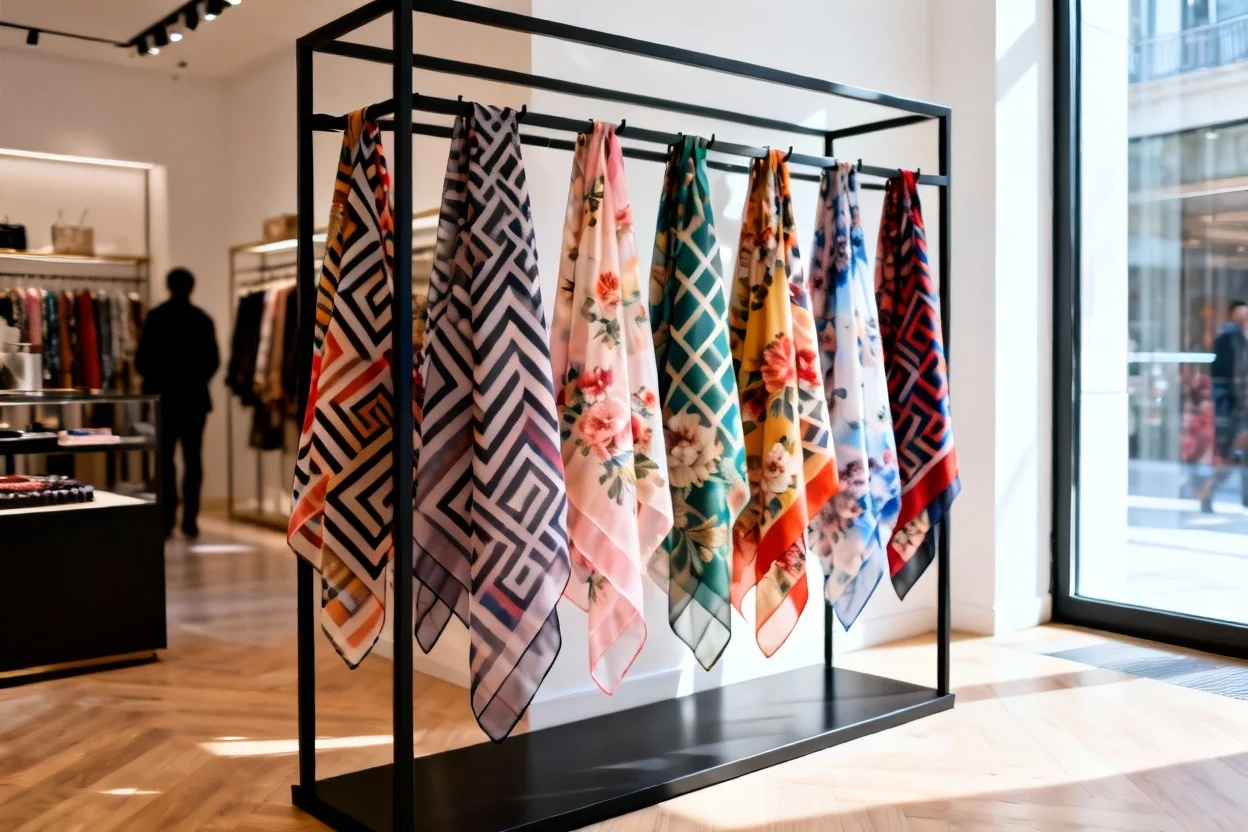
A structured implementation process helps brands navigate global sourcing complexities while minimizing operational disruptions:
Phase 1: Market research and supplier identification uses industry directories, trade shows, and professional networks to identify potential manufacturing partners. Events like Première Vision in Paris or Intertextile Shanghai provide valuable opportunities to evaluate capabilities firsthand and establish initial relationships with suppliers of luxury scarf materials.
Phase 2: Supplier qualification and sample development requires requesting detailed capability presentations, quality documentation, and sustainability credentials from shortlisted suppliers. Initial samples evaluate technical execution, material quality, and adherence to design specifications. This phase typically takes 4-6 weeks for silk scarves and 6-8 weeks for more complex cashmere or blended designs.
Phase 3: Pilot production and quality validation produces limited runs of 50-100 units to test production processes, quality control systems, and logistics. This phase reveals a supplier's ability to maintain consistency across multiple units and identifies potential issues before full-scale production in silk scarf manufacturing.
Phase 4: Full-scale production and relationship management establishes regular communication protocols, quality inspection schedules, and performance evaluation systems. Many successful brands assign dedicated sourcing managers to oversee key supplier relationships, conducting quarterly business reviews and annual on-site audits to ensure ongoing compliance with sustainable fabric sourcing standards.
Supply Chain Risk Management
Global sourcing introduces various potential risks requiring proactive mitigation strategies to protect investments in luxury scarf materials and production:
Political and regulatory risks can be managed through diversified regional sourcing and legal expertise in target markets. Monitoring trade policies and maintaining flexibility in supplier selection helps brands navigate changing tariff structures and import regulations.
Quality control risks are mitigated through robust testing protocols, third-party inspections, and clear specification documentation. Implementing statistical process control methods provides early detection of quality issues before they affect entire production runs in cashmere scarf production.
Sustainability compliance risks require ongoing verification beyond initial certification. Regular supplier audits, transparent reporting mechanisms, and collaborative improvement programs ensure sustainability commitments remain credible and actionable.
Logistical risks demand contingency planning for transportation disruptions, including alternative shipping routes and backup inventory strategies. Technology solutions like real-time shipment tracking provide visibility across the entire supply chain.
By implementing these comprehensive strategies, luxury brands can navigate the complexities of global sourcing while maintaining the exceptional quality, ethical standards, and market responsiveness that define success in the premium scarf market. The most successful manufacturers view their supply chains not merely as cost centers but as strategic assets that drive innovation, sustainability, and competitive advantage through meticulous attention to silk scarf manufacturing, cashmere scarf production, luxury scarf materials, and sustainable fabric sourcing.