In today's interconnected global marketplace, fashion accessories brands navigate unprecedented complexities in managing international supply chains while upholding standards for quality, sustainability, and operational efficiency. As an industry professional with decades of experience observing textile supply chain evolution, I've witnessed how companies mastering global coordination consistently outperform competitors. This analysis examines how FENNYSUN, with over 30 years of specialized scarf manufacturing experience, has developed a robust global supply chain management system delivering measurable results for boutique owners, specialty stores, and fashion brands worldwide.
The Foundation of FENNYSUN's Global Supply Chain Excellence
Established in 1995, FENNYSUN evolved from a family-owned textile operation into an international enterprise integrating design, manufacturing, and sales with headquarters in San Jose, California. What distinguishes FENNYSUN in the competitive scarf manufacturing landscape isn't merely its longevity but its proactive adaptation to shifting global supply chain dynamics. The company's journey mirrors the textile industry's transformation—from localized production to globally integrated networks requiring sophisticated coordination.
At the core of FENNYSUN's supply chain philosophy lies an unwavering commitment to ethical manufacturing practices spanning all operations. This multidimensional framework addresses environmental impact, labor practices, and supply chain transparency—elements that have become non-negotiable for today's conscious fashion brands. Unlike competitors often forced to prioritize either cost efficiency or quality exclusively, FENNYSUN has developed a balanced approach recognizing these factors as interconnected rather than opposing priorities.
The company's international production footprint strategically positions manufacturing capabilities across regions offering distinct advantages—whether specialized material access, technical expertise, or logistical efficiency. This geographical diversification represents a calculated approach to risk mitigation and optimization refined through three decades of operational experience. As supply chain disruptions grew more frequent in recent years, this distributed model repeatedly demonstrated its resilience.
Key Components of FENNYSUN's Global Supply Chain System
International Production Network and Coordination
FENNYSUN's overseas manufacturing coordination system represents one of its most significant competitive advantages in international scarf production. The company has developed proprietary mechanisms ensuring consistent quality across geographically dispersed production facilities—a challenge that has derailed many competitors' international expansion efforts. Through standardized operating procedures combined with advanced digital monitoring systems, FENNYSUN maintains product consistency that has earned the trust of luxury brands and specialty retailers alike.
The production network leverages regional strengths: certain facilities specialize in intricate digital printing techniques, others excel with delicate sustainable materials, and some focus on high-volume production runs. This specialization enables operational efficiency while maintaining flexibility to respond to changing market demands. What truly sets FENNYSUN apart is its ability to coordinate these diverse operations as a unified system rather than independent silos.
Digital transformation proved instrumental in this coordination. Implementing advanced supply chain management software enabled real-time visibility across all production stages and geographical locations. This technological backbone facilitates not just monitoring but predictive adjustments to production schedules, inventory levels, and logistics routes—ensuring potential disruptions are identified and addressed before impacting clients.
Sustainable Material Sourcing and Ethical Manufacturing
In an era where 82% of B2B clients prioritize sustainability in supplier selection (based on FENNYSUN's 2025 customer satisfaction survey), the company's material sourcing approach has become a critical differentiator. FENNYSUN established direct relationships with sustainable material producers, including certified sustainable silk suppliers meeting the rigorous Global Organic Textile Standard (GOTS). This direct sourcing model ensures material quality and sustainability while reducing supply chain layers, contributing to both cost efficiency and transparency.
The company's sustainability commitment extends beyond materials to encompass the entire production process. Water-based pigment inks replace traditional solvent-based alternatives, significantly reducing environmental impact while maintaining color vibrancy and durability. Production facilities implement energy-efficient technologies and waste reduction programs yielding measurable carbon footprint reductions—a commitment verified through third-party sustainability certifications providing clients documentation needed for their own ESG reporting.

This comprehensive ethical manufacturing approach transformed compliance requirements into business advantages. Retailers increasingly seek suppliers helping them meet sustainability commitments, and FENNYSUN's transparent supply chain provides verification and documentation satisfying even the most demanding sustainability criteria.
Digital Printing Technology and Quality Control
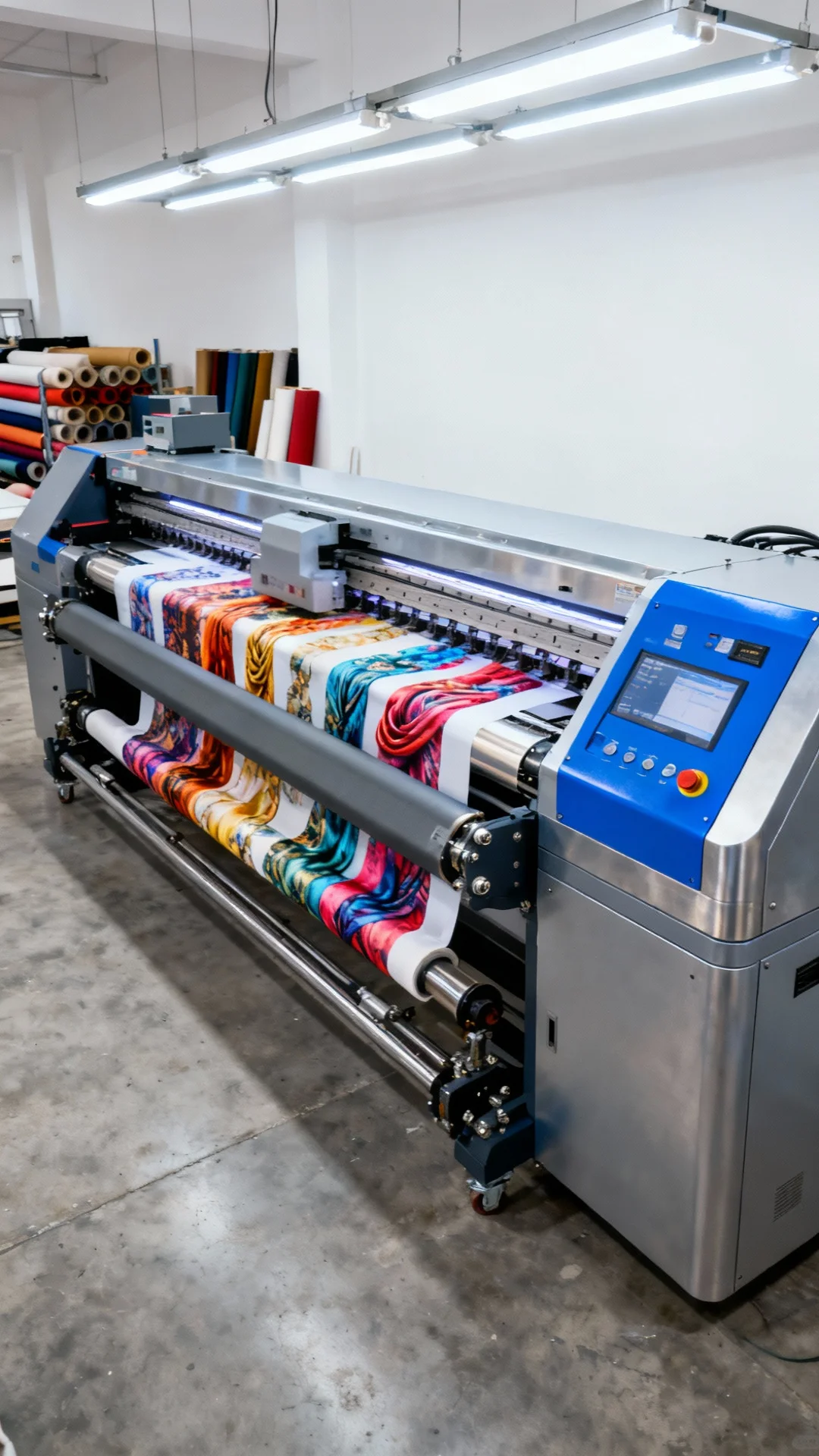
FENNYSUN's investment in digital printing technology revolutionized production capabilities while enhancing supply chain efficiency. The company's advanced digital printing systems achieve 98% color accuracy—a precision level minimizing waste from misprints and ensuring consistency across production runs and facilities. This technological advantage translates directly into supply chain benefits: reduced lead times, lower inventory requirements, and greater flexibility accommodating custom designs.

Digital transformation of the printing process enabled more sustainable production practices. Traditional scarf printing often requires excessive water usage and generates significant textile waste, whereas FENNYSUN's digital approach reduces water consumption by up to 70% compared to conventional techniques. This efficiency improvement benefits the environment and reduces production costs—savings passed along to clients or reinvested in further sustainability initiatives.
Quality control represents another area where technology transformed FENNYSUN's supply chain. Automated inspection systems combined with artificial intelligence algorithms identify potential defects with greater accuracy and speed than manual inspection, ensuring only products meeting strict quality standards proceed through the supply chain. This technological intervention reduces waste, improves customer satisfaction, and streamlines production by catching issues early before they propagate through subsequent manufacturing stages.
Export Logistics and Global Distribution
For fashion accessories brands sourcing internationally, scarf export logistics often represents the most unpredictable and challenging supply chain aspect. FENNYSUN's decades of experience in global scarf supply chain management resulted in sophisticated logistics systems minimizing delays and ensuring reliable delivery to clients worldwide.
The company's logistics strategy employs a multi-modal approach, leveraging strengths of various transportation methods while mitigating respective risks. By maintaining relationships with multiple freight forwarders and shipping lines, FENNYSUN quickly adapts to disruptions in any single logistics channel. This flexibility proved invaluable in recent years as global supply chains faced unprecedented challenges from pandemics, geopolitical tensions, and climate-related disruptions.
Customs clearance expertise represents another critical logistics capability. The company's deep understanding of international trade regulations, tariff classifications, and documentation requirements minimizes risk of costly delays at border crossings. For clients, this expertise translates into predictable lead times and reduced administrative burden—particularly valuable for small to mid-sized fashion brands without dedicated import/export departments.
Inventory management systems further enhance FENNYSUN's logistics efficiency. By maintaining strategic stock levels in regional distribution centers, the company offers shorter delivery times to clients while reducing overall inventory carrying costs. This distributed inventory model represents a significant advancement over traditional centralized warehousing, particularly for fashion accessories with seasonal demand fluctuations.
Real-World Applications: FENNYSUN's Supply Chain in Action
Digital Printing Technology Implementation Case Study
One particularly illustrative example of FENNYSUN's supply chain capabilities involves implementing advanced digital printing technology for a luxury fashion brand client. The client required a limited-edition scarf collection featuring complex designs with precise color matching across multiple production runs—a challenge that would have been prohibitively expensive and time-consuming using traditional manufacturing methods.
FENNYSUN's response demonstrated the full capabilities of its integrated supply chain system. The design team collaborated closely with the client using digital prototyping tools, reducing the approval cycle from weeks to days. Once approved, digital printing technology enabled production runs with minimal setup time, allowing the client to test market response with smaller initial quantities before committing to larger production volumes.
Supply chain flexibility extended beyond production to logistics. As demand for certain designs exceeded expectations, FENNYSUN's distributed production network enabled rapid scaling of those specific styles without disrupting the entire manufacturing schedule. The result was a highly successful product launch generating significant media attention while maintaining profitability through efficient production and inventory management.
This case exemplifies how FENNYSUN's supply chain capabilities translate directly into business value for clients. By reducing time-to-market, enabling demand testing, and providing production flexibility, the company's supply chain system becomes a strategic asset for fashion brands navigating an increasingly competitive marketplace.
Sustainability-Driven Supply Chain Transformation
Another compelling application of FENNYSUN's supply chain expertise involves work with a specialty retailer focused on sustainable fashion. The client required a complete scarf collection produced using only certified sustainable materials and manufacturing processes—a challenge impossible with many manufacturers' limited supply chain transparency.
FENNYSUN's response leveraged its entire sustainability framework, from certified sustainable silk sourcing through water-based printing inks to carbon-neutral shipping options. What made this project particularly noteworthy was the company's ability to provide complete transparency documentation throughout the supply chain—enabling the client to verify and communicate sustainability claims to environmentally conscious consumers.
Implementation required close coordination across FENNYSUN's global supply chain, with particular attention to material traceability and certification verification. By leveraging existing relationships with certified suppliers and robust quality management systems, the company delivered the sustainable collection at price points maintaining the client's profitability while meeting environmental goals.
The project's success led to an expanded partnership and demonstrates how FENNYSUN's supply chain capabilities address the growing demand for sustainable fashion solutions. As consumer awareness of environmental issues continues rising, supply chain transparency and sustainability have become critical differentiators in the fashion accessories market.
Industry Trends and FENNYSUN's Strategic Positioning
The global supply chain landscape evolves rapidly, with several key trends shaping the future of textile manufacturing and distribution. Looking to 2025 and beyond, these trends fundamentally reshape how successful companies approach supply chain management.
The Rise of Technology-Enabled Supply Chains
One of the most significant trends transforming supply chain management is increasing integration of advanced technologies. From artificial intelligence and machine learning to blockchain and Internet of Things (IoT) devices, technology enables unprecedented visibility, efficiency, and predictive capabilities. FENNYSUN strategically invested in these technologies, recognizing modern supply chains are no longer just about operational efficiency but have become strategic growth engines.

The company's implementation of AI-driven demand forecasting significantly improved inventory management, reducing stockouts while minimizing excess inventory. IoT sensors throughout production facilities provide real-time data on machine performance, enabling predictive maintenance that reduces downtime. These technological investments positioned FENNYSUN at the forefront of the industry's digital transformation.
Sustainability as a Core Competency
Sustainability evolved from a niche concern to a core business requirement, particularly in the fashion industry. Supply chain trends of 2025 reflect a dynamic and interconnected world where sustainability is no longer optional but essential for competitive advantage. FENNYSUN's long-standing commitment to ethical manufacturing and sustainable practices positions it well to meet this growing demand.
The company's carbon footprint reduction programs, sustainable material sourcing, and water-based printing technologies align with increasing emphasis on environmental responsibility throughout the fashion supply chain. For clients, this alignment reduces their own sustainability burden while appealing to environmentally conscious consumers—a market segment continuing to grow year after year.
Supply Chain Resilience and Agility
Recent global disruptions highlighted the importance of supply chain resilience and agility. Companies increasingly recognize efficiency alone is insufficient; supply chains must also adapt quickly to unexpected challenges. FENNYSUN's distributed production model, multi-modal logistics approach, and real-time supply chain visibility systems provide precisely this combination of efficiency and resilience.
The company's ability to shift production between facilities, reroute shipments, and adjust manufacturing schedules in response to disruptions proved invaluable in maintaining reliable delivery to clients despite recent years' challenges. This resilience preserved client relationships and positioned FENNYSUN as a stable partner in an increasingly volatile global marketplace.
Selecting the Right Global Scarf Supply Chain Partner
For boutique owners, specialty stores, and fashion brands evaluating potential scarf manufacturing partners, global supply chain complexity can make supplier selection daunting. Based on decades of industry experience, several key factors should guide this critical decision.
Balancing Quality, Cost, and Sustainability
The most successful fashion brands recognize quality, cost, and sustainability aren't mutually exclusive but must be balanced within an effective supply chain strategy. FENNYSUN's approach demonstrates how this balance can be achieved through technological innovation, process optimization, and strategic partnerships. When evaluating suppliers, brands should look beyond surface-level claims to understand the depth of a manufacturer's commitment to all three dimensions.
Transparency and Communication
In today's supply chain environment, transparency is essential—not just for ethical reasons but for operational efficiency. Manufacturers with robust supply chain visibility systems can provide clients accurate, real-time information about production status, inventory levels, and shipment tracking. This transparency enables better planning, reduces uncertainty, and facilitates collaborative problem-solving when challenges arise.
Communication extends beyond operational updates to strategic alignment. The most valuable supply chain partners take time to understand their clients' business goals, market positioning, and challenges. This deeper understanding enables proactive recommendations and customized solutions driving mutual success.
Technological Capabilities
Technology's role in supply chain management continues expanding, and manufacturers failing to invest in digital transformation risk falling behind. When evaluating potential partners, brands should assess not just current technological capabilities but also the manufacturer's commitment to ongoing innovation. FENNYSUN's track record of technology implementation—from digital printing to AI-driven quality control—exemplifies the forward-thinking approach delivering long-term value.
Scalability and Flexibility
Fashion markets are inherently volatile, with demand fluctuations driven by seasonal trends, consumer preferences, and external events. Supply chain partners must therefore offer both scalability to handle growth and flexibility to adapt to changing circumstances. FENNYSUN's distributed production model and modular manufacturing processes provide exactly this combination, enabling clients to scale production up or down as needed without sacrificing efficiency or quality.
Conclusion: The Strategic Value of Supply Chain Excellence
In the competitive landscape of fashion accessories, a well-managed global scarf supply chain evolved from an operational necessity to a strategic differentiator. FENNYSUN's three decades of experience in international scarf production demonstrate how supply chain excellence delivers tangible business benefits—from improved product quality and reduced time-to-market to enhanced sustainability and greater operational resilience.
For boutique owners, specialty retailers, and fashion brands navigating global manufacturing complexities, partnering with an experienced supply chain management expert like FENNYSUN provides significant competitive advantage. The company's integrated approach to international production, sustainable manufacturing, and global logistics offers clients not just manufacturing capacity but a strategic asset driving business growth and market differentiation.
As the global supply chain landscape continues evolving, the most successful fashion brands will recognize their supply chain as a core competency rather than merely a cost center. By leveraging expertise from partners like FENNYSUN, these brands can focus internal resources on design innovation, market positioning, and customer experience—secure in knowing their supply chain delivers the quality, efficiency, and sustainability required for long-term success in the dynamic fashion accessories market.