In today's environmentally conscious fashion landscape, transforming textile waste into premium accessories represents both an ecological imperative and a strategic business opportunity. As an industry professional with extensive experience in sustainable manufacturing, I've witnessed the evolution of recycled textile scarves from niche curiosities to mainstream essentials. With the global textile recycling market projected to expand from $5.8 billion in 2025 to $8.6 billion by 2035 at a steady CAGR of 4.2%, sustainability has clearly become a competitive necessity rather than merely a trend in the fashion accessories sector.
The Circular Economy Revolution in Scarf Manufacturing
The "waste to wardrobe" paradigm embodies the circular economy principles reshaping textile manufacturing. Traditional linear production follows a destructive "take-make-dispose" model responsible for approximately 92 million tons of textile waste annually, with over 60% destined for landfills where synthetic fabrics can persist for up to two centuries. Circular systems fundamentally reimagine this process, converting waste streams into valuable resources through closed-loop processes.
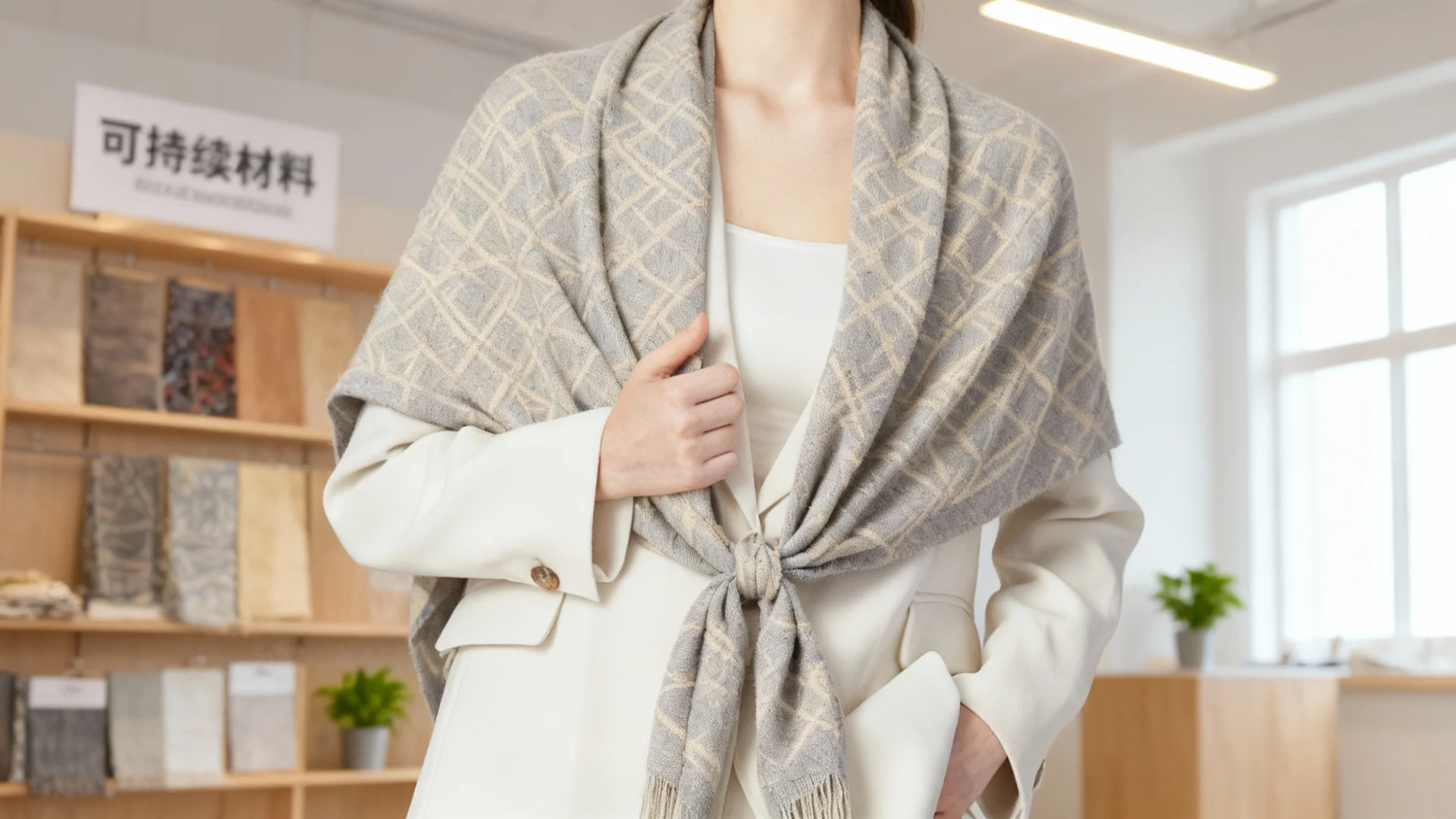
For scarf manufacturers, this transition demands reevaluation of every production stage—from material sourcing to end-of-life considerations. The industry's most innovative players now recognize textile waste not as an environmental liability but as a premium raw material offering unique aesthetic and ecological advantages. As Textile Exchange's Materials Market Report 2025 confirms, recycled fibers are gaining traction not solely for their sustainability credentials but increasingly for their performance characteristics and design versatility.
The Production Journey: Transforming Discarded Fabric into Luxury Scarves
The conversion of textile waste into luxury scarves involves a sophisticated sequence of processes that balance environmental responsibility with uncompromising product quality. Based on current industry best practices and technological advancements, this journey typically encompasses six distinct stages:
1. Collection and Sorting: Establishing Quality Foundations
Recycled scarf production begins with meticulous collection and sorting of post-consumer and post-industrial textile waste. This critical first step directly influences final product quality, as different fiber types require specialized processing methodologies. Collection networks vary from municipal recycling programs to specialized textile recovery facilities, with advanced operations employing optical sorting technologies capable of separating natural and synthetic fibers at rates exceeding 1,500 items per hour.
Industry leaders implement rigorous sorting protocols to ensure consistency, categorizing materials by fiber content, color, and quality grade. This attention to detail minimizes contamination risks and maximizes the value of recycled inputs. Scarf production, in particular, demands high-quality fiber stock, prompting manufacturers to select only premium textile waste—typically consisting of cotton, silk, or wool scraps from garment factories or pre-consumer waste from fashion houses.
2. Fiber Regeneration: Deconstruction and Reconstruction
After sorting, textile waste undergoes fiber regeneration—the process of transforming discarded fabrics back into usable fibers. Two primary methodologies dominate contemporary production: mechanical recycling and chemical recycling, each offering distinct advantages for scarf manufacturing applications.
Mechanical recycling, the more established approach, shreds clean textile waste into fiber fragments, cards these fragments to align fibers, and re-spins them into new yarn. This process preserves many of the fiber's natural properties while potentially reducing length and tensile strength slightly. It performs exceptionally well for luxury scarves crafted from natural fibers like cotton and wool, where maintaining softness and drape characteristics remains critical.
Chemical recycling represents a newer technological innovation, utilizing solvents or enzymes to break down textiles into molecular components that can be reconstructed into new fibers with properties nearly identical to virgin materials. This method demonstrates particular efficacy with blended fabrics and enables theoretically infinite recycling without quality degradation—a significant advantage for maintaining the premium tactile experience required in high-end scarf production.
3. Spinning and Weaving: Crafting the Base Fabric
Regenerated fibers are spun into yarn, often with strategic blending of small percentages of virgin fibers to enhance strength and performance characteristics. Advanced spinning technologies such as air-jet and open-end spinning create yarns with specific attributes tailored to scarf applications—ranging from fine, lightweight yarns for delicate silk-like scarves to thicker, textured yarns suitable for winter styles.
Weaving or knitting follows spinning, with manufacturers utilizing various techniques to achieve desired textures and patterns. Jacquard weaving produces the intricate designs popular in fashion scarves, while plain weave construction yields smooth, lightweight fabrics ideal for silk alternatives. Computerized looms now enable precise pattern control and efficient small-batch production, supporting the growing demand for customization and limited-edition designs in the sustainable accessories market.
4. Sustainable Dyeing: Adding Color Without Environmental Compromise
Dyeing traditionally represents one of the most resource-intensive stages of textile production, consuming vast quantities of water and releasing harmful chemicals. In recycled scarf production, innovative dyeing techniques have dramatically reduced environmental impact while achieving vibrant, long-lasting colors through the implementation of eco-friendly textile technology.
Water-based inks have emerged as a superior sustainable alternative for printed scarves, eliminating the toxic volatile organic compounds (VOCs) associated with solvent-based inks. These water-based formulations penetrate fibers more effectively, resulting in enhanced color retention and reduced fading over time. Leading manufacturers report water savings of up to 70% when utilizing water-based inkjet printing compared to traditional screen printing methods.
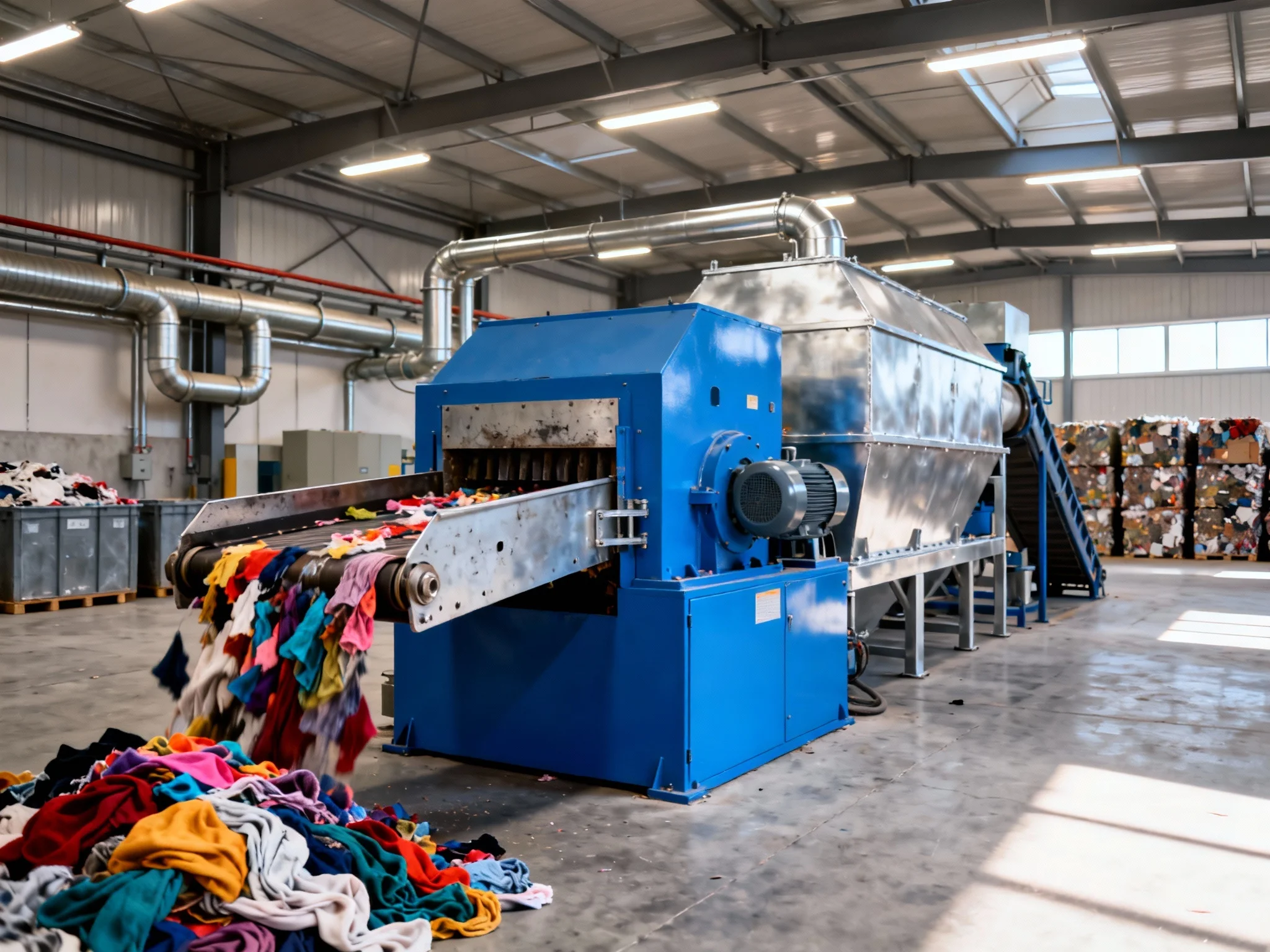
For solid-colored scarves, low-impact dyeing processes minimize water usage and chemical discharge. Techniques such as air dyeing, which employs compressed air instead of water to carry dye particles, reduce water consumption by an impressive 95% and energy use by approximately 30%. Natural dyeing with plant-based pigments offers another eco-conscious option, producing unique, earth-toned scarves that appeal particularly to environmentally conscious consumers.
5. Printing and Finishing: The Final Artistic Touches
Printing transforms plain fabric into the distinctive designs that define fashion scarves. Digital printing technologies have revolutionized this production stage, enabling precise color matching, intricate patterns, and on-demand production with minimal waste generation. Water-based pigment inks deliver exceptional color vibrancy while meeting strict environmental standards, making them the preferred choice for sustainable manufacturers committed to eco-friendly textile technology.
Finishing processes further enhance the scarf's appearance and performance without compromising sustainability objectives. Bio-based softeners derived from plant oils now replace petroleum-based alternatives, improving drape and tactile qualities. Advanced drying techniques such as infrared and radio frequency drying reduce energy consumption while ensuring consistent quality across production runs.
6. Quality Control and Certification: Ensuring Excellence and Transparency
The final production stage involves rigorous quality control protocols to ensure each scarf meets exacting standards for durability, appearance, and sustainability performance. Manufacturers implement comprehensive testing procedures evaluating colorfastness, dimensional stability, and seam strength, among other critical quality parameters.
Third-party certifications provide independent verification of sustainability claims, guiding consumers and business buyers toward responsible purchasing decisions. Certifications such as the Global Recycled Standard (GRS) confirm recycled content percentages and responsible manufacturing practices, while OEKO-TEX® certification guarantees that scarves are free from harmful substances. These credentials have become essential for market access, particularly among eco-conscious retailers and luxury brands prioritizing sustainable scarf production.
The Environmental and Business Case for Recycled Scarves
Recycled textile scarves offer compelling, quantifiable environmental benefits by diverting textile waste from landfills and reducing reliance on virgin resources, thereby significantly lowering manufacturers' ecological footprints. The Ellen MacArthur Foundation estimates that textile recycling can reduce carbon emissions by up to 73% compared to producing garments from virgin materials—a statistic that has become central to sustainability reporting in the accessories sector.
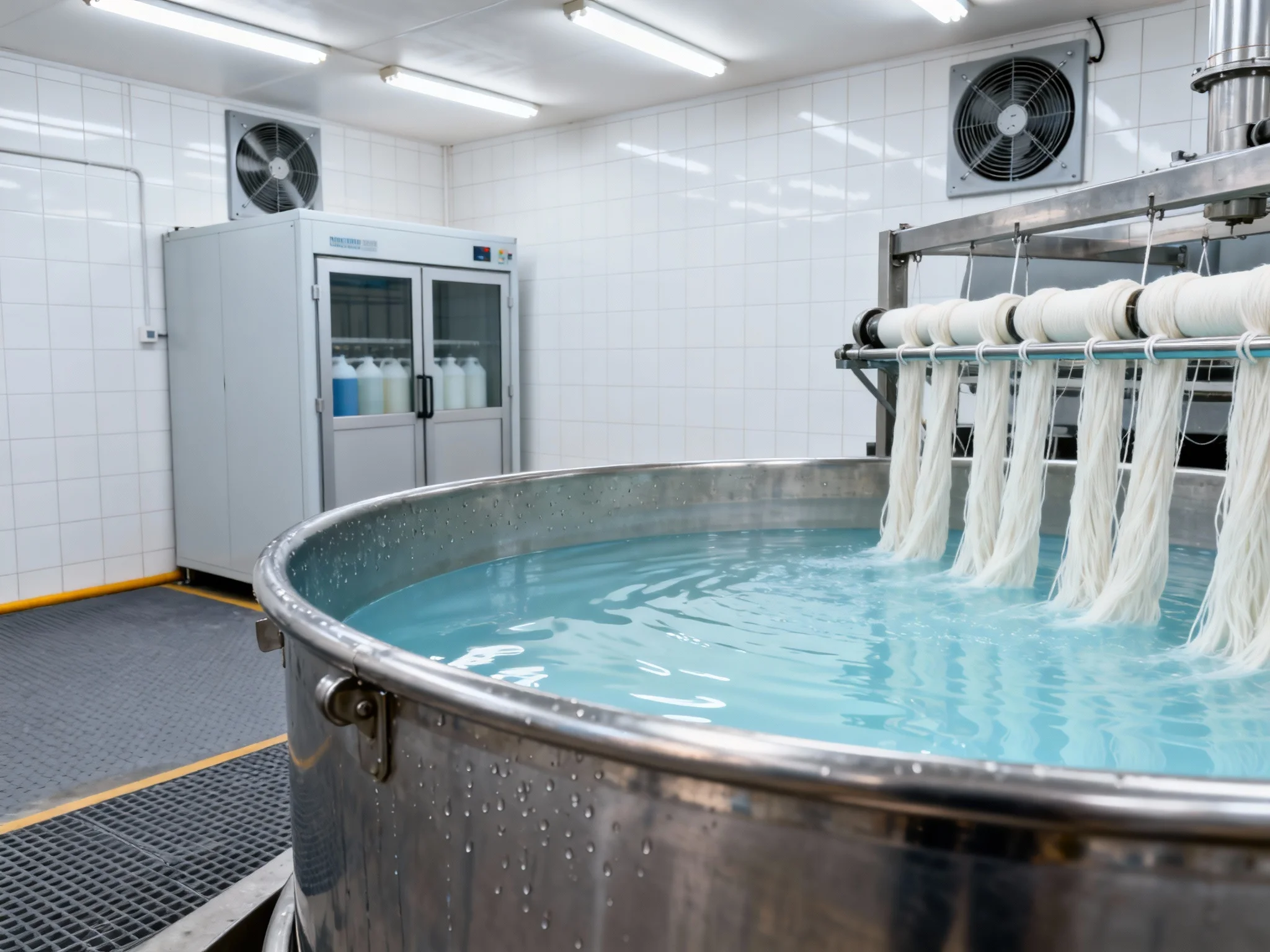
Water conservation represents another critical environmental advantage. Traditional textile production consumes an estimated 2,700 liters of water to produce a single t-shirt—equivalent to one person's drinking water requirements over 2.5 years. Recycled production processes typically reduce water usage by 50-90%, depending on specific techniques employed, offering both environmental and social benefits for water-scarce regions hosting textile manufacturing facilities.
From a business perspective, recycled scarves align perfectly with rapidly growing consumer demand for sustainable products. A 2025 Nielsen survey revealed that 73% of global consumers are willing to pay premium prices for sustainable items, with millennial and Gen Z buyers showing particular preference for eco-friendly accessories. This market demand translates directly to increased margins and enhanced customer loyalty for brands embracing recycled textiles in their product portfolios.
Overcoming Challenges in Recycled Scarf Production
Despite its numerous advantages, recycled textile manufacturing faces persistent challenges that manufacturers must address to maintain quality standards and profitability. Contamination remains a significant concern, as even small quantities of incompatible fibers can compromise final product integrity. Advanced sorting technologies and stringent quality control protocols help mitigate this risk but require substantial upfront investment in infrastructure and training.
Fiber quality degradation across successive recycling cycles presents another notable challenge, particularly for mechanical recycling methods. Chemical recycling offers a potential solution by breaking fibers down to their molecular components, enabling theoretically infinite recycling without quality diminishment. However, this technology remains more costly than mechanical processes, though as technological advancements continue and economies of scale develop, these cost differentials are expected to narrow, making chemical recycling more accessible for mainstream scarf production.
Consumer education represents a final critical hurdle, as lingering misconceptions about recycled products' quality and durability persist in some market segments. Transparent communication regarding production processes, certification credentials, and performance characteristics helps build consumer trust and demonstrate value proposition. Many innovative brands now incorporate QR codes into their product labeling, allowing customers to trace a scarf's journey from waste to wardrobe and independently verify its sustainability credentials.
Future Trends and Innovations in Sustainable Scarf Production
The recycled scarf sector continues to evolve rapidly, driven by technological innovation and increasing environmental awareness throughout the supply chain. Several emerging trends promise to further transform production processes and market opportunities:
Digital traceability systems utilizing blockchain technology are gaining significant traction, providing unprecedented transparency into complex supply chains. These systems enable manufacturers to track textile waste from initial collection through every production stage, verifying recycled content claims and ensuring ethical practices at each step.
Biofabrication techniques, while still in developmental stages, offer exciting potential for future scarf production. Companies are actively developing lab-grown fibers using microbial fermentation and cellular agriculture, creating sustainable alternatives to traditional textiles that do not rely on waste inputs while maintaining circular economy principles.
Smart textile integration represents another promising growth area, with recycled scarves increasingly incorporating conductive threads and sensors for temperature regulation or health monitoring capabilities. These high-tech accessories appeal to tech-savvy consumers while maintaining sustainability as a core value proposition, demonstrating the versatility of eco-friendly textile technology.
Implementing Sustainable Practices: A Strategic Guide for Manufacturers
Fashion brands and manufacturers seeking to incorporate recycled textiles into their scarf lines require a strategic approach to ensure successful implementation. The process should ideally begin with a comprehensive sustainability audit of existing production processes to identify improvement opportunities and establish realistic performance goals aligned with industry best practices.
Investment in quality collection and sorting systems represents a critical foundation, as the manufacturing adage "garbage in, garbage out" applies with particular force in recycled textile production. Establishing partnerships with certified recycling facilities ensures consistent input quality and reliable supply chain performance, both essential for maintaining production schedules and quality standards.
A phased integration approach often yields optimal results, beginning with fiber blends before transitioning to higher percentages of recycled content as production teams gain experience. This gradual implementation allows time to refine production techniques and educate consumers about the benefits of sustainable scarf production.
Pursuit of third-party certifications validates sustainability claims and differentiates products in an increasingly crowded marketplace. The Global Recycled Standard (GRS) and OEKO-TEX® certification provide comprehensive frameworks for responsible recycled textile manufacturing and offer market recognition for sustainability achievements.
Finally, transparent communication about sustainability efforts—sharing both successes and ongoing challenges with customers—builds brand authenticity and loyalty. This approach helps educate consumers about the environmental benefits of recycled scarves while demonstrating the brand's commitment to genuine progress rather than greenwashing.
Conclusion: The Convergence of Sustainability and Luxury in Scarf Production
The journey of recycled textile scarves from waste to wardrobe exemplifies the transformative potential of circular economy principles within the fashion industry. By reimagining textile waste as a valuable resource rather than a disposal problem, manufacturers create products that satisfy both environmental responsibility imperatives and consumer desire for quality and style.
As technology continues to advance and sustainability becomes increasingly central to purchasing decisions, recycled scarves will undoubtedly gain greater market share. The projected growth of the global textile recycling market to $8.6 billion by 2035 reflects this shifting landscape, offering significant opportunities for innovative brands and manufacturers willing to invest in eco-friendly textile technology.
The success of recycled textile scarves extends beyond environmental benefits, creating a new paradigm for fashion production that values resource efficiency, innovation, and transparency. By embracing this circular model, the fashion industry can substantially reduce its ecological footprint while meeting the evolving demands of conscious consumers seeking both style and sustainability.
For boutiques, specialty stores, and fashion brands, incorporating recycled scarves into product offerings represents not merely an ethical choice but a strategic business decision with compelling market rationale. As consumer awareness continues to grow and sustainable practices transition from selling points to basic expectations, early adopters will enjoy significant first-mover advantages in this rapidly expanding market segment.
The journey from waste to wardrobe ultimately demonstrates that sustainability and luxury need not exist in opposition—in fact, they can powerfully reinforce each other, creating accessories that adorn both the body and the conscience while showcasing the remarkable potential of sustainable scarf production and eco-friendly textile technology.