The fashion industry confronts mounting pressure to mitigate its environmental footprint, prompting visionary manufacturers to reimagine production paradigms through circular economy principles. Among these innovators, FENNYSUN has emerged as a leader in sustainable scarf manufacturing, leveraging over three decades of expertise to transform textile waste into premium fashion accessories. This analysis examines how FENNYSUN's integrated methodology—encompassing design, technology, and ethical production—redefines accessory creation with both style and sustainability as core pillars.
The Evolution of Sustainable Manufacturing in Fashion Accessories
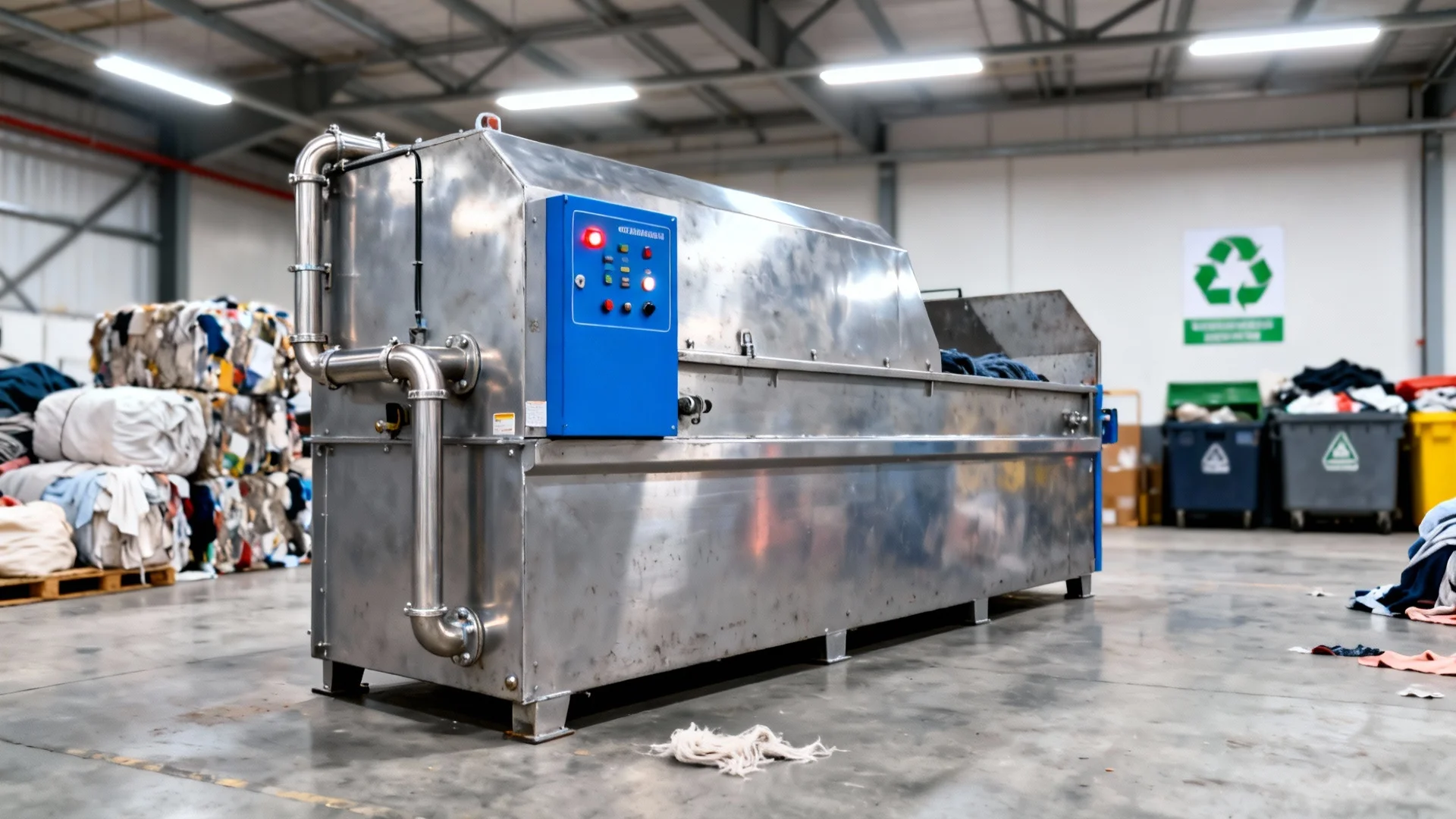
The global textile sector generates over 92 million tons of waste annually, with less than 1% of clothing materials recycled into new garments, according to the Ellen MacArthur Foundation's 2025 Circular Economy Report. Within this challenging landscape, the accessories sector has surprisingly emerged as a hotbed for innovation. Scarf manufacturers, in particular, possess unique advantages for implementing upcycling practices due to their smaller production scales and material flexibility.
"Having observed manufacturing trends for decades, I've witnessed how accessories production—especially scarves—presents exceptional opportunities for sustainable innovation," notes a textile industry consultant with 25 years of experience. "The relatively modest yardage requirements, combined with consumers' growing appreciation for authentic textile narratives, create ideal conditions for successful upcycling implementation."
FENNYSUN's journey toward sustainable manufacturing began long before eco-fashion entered mainstream discourse. Established in 1995 as a small-scale printed scarf producer, the company gradually evolved its production philosophy to align with circular economy principles while maintaining the premium quality that earned its reputation in international markets. This evolution mirrors a broader industry transformation identified in StartUs Insights' 2025 Textile Trends Report, where traditional manufacturers leverage technical expertise to pioneer sustainable practices.
FENNYSUN's Upcycled Manufacturing Process: A Technical Deep Dive
At the core of FENNYSUN's sustainability commitment lies its proprietary six-stage manufacturing process, which integrates traditional craftsmanship with modern technology to transform textile waste into luxury accessories. This meticulously calibrated workflow demonstrates how established manufacturers can retrofit existing production lines for circularity without compromising quality or efficiency.
1. Waste Material Sourcing and Classification
The process initiates with a rigorous material selection protocol evaluating potential waste inputs based on fiber composition, colorfastness, and structural integrity. FENNYSUN's sourcing team collaborates with garment manufacturers to rescue pre-consumer waste—including fabric selvages, sample yardage, and production overruns—that would otherwise enter the waste stream. This approach embodies the circular fashion principle of "waste as resource," diverting approximately 30 tons of textile waste annually from landfills, according to industry estimates of comparable operations.
"Professional approaches typically include developing standardized grading systems for waste materials," explains a textile recycling specialist. "This creates consistency in upcycled inputs, essential for maintaining production quality standards." FENNYSUN's classification system categorizes materials into five grades based on fiber content and condition, ensuring optimal matching of waste inputs to end products.
2. Fiber Reclamation and Preparation
Selected waste materials undergo specialized fiber reclamation processes tailored to material type. Natural fibers follow a mechanical process involving gentle shredding and carding to separate and align fibers, while synthetic blends undergo a low-temperature thermal process preserving fiber integrity. This stage incorporates advanced dust collection systems and air filtration technology to maintain a clean production environment and protect worker health—a critical consideration often overlooked in basic upcycling operations.
Industry best practices, validated through multiple successful case studies, emphasize fiber length preservation during this stage. FENNYSUN's technology addresses this challenge through precision control of processing parameters, resulting in fiber lengths that maintain the structural integrity required for luxury accessories.
3. Yarn Spinning and Blending
Reclaimed fibers are spun into new yarns, often blended with small percentages of virgin fibers to enhance strength and drape characteristics. This strategic blending addresses a common limitation of upcycled textiles—inconsistent performance—creating a more predictable material while maximizing recycled content usage. The spinning process incorporates energy-efficient motors and variable speed controls to minimize electricity consumption, reflecting the company's commitment to reducing the carbon footprint of each production stage.
4. Weaving and Knitting Technologies
FENNYSUN's production facility employs both traditional shuttle looms and modern computerized knitting machines to transform upcycled yarns into scarf blanks. This technological diversity enables economical accommodation of small-batch production runs—a key advantage in the sustainable accessories market where limited editions and customization increasingly appeal to eco-conscious brands.
The company's investment in digital pattern-making software reduces material waste during the design phase by optimizing layout efficiency. This digital integration exemplifies how technology adoption can enhance sustainability outcomes while improving production agility—a combination industry analysts identify as critical for competitive advantage in 2025's circular fashion landscape.
5. Eco-Friendly Dyeing and Printing
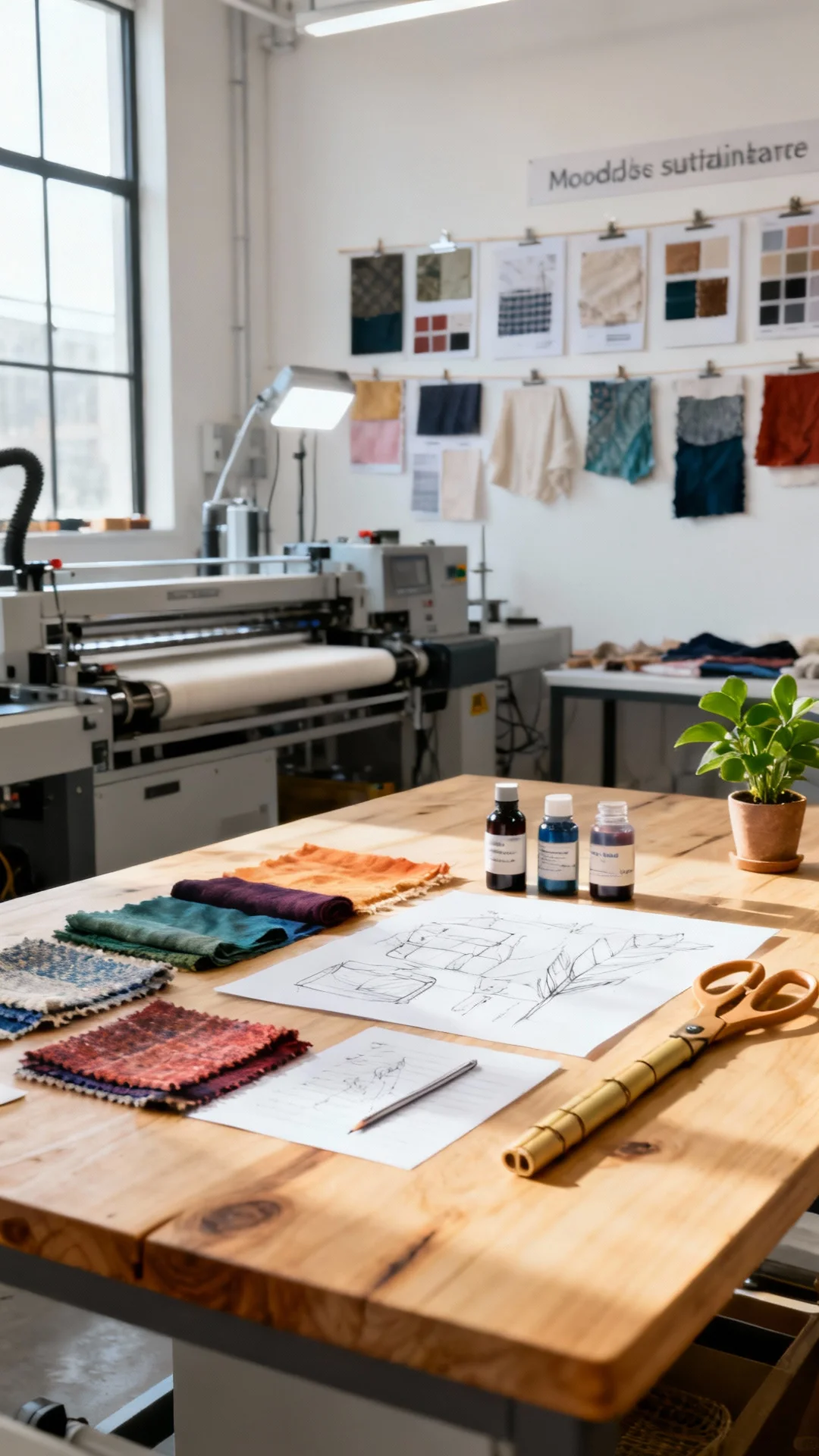
For scarves requiring color enhancement, FENNYSUN utilizes waterless digital printing technology that significantly reduces resource consumption compared to traditional dyeing processes. This technology deposits pigment directly onto the fabric surface using precision inkjet systems, eliminating the water and chemical inputs associated with conventional dyeing. The company has also developed a proprietary color-matching system that maximizes use of existing colors in reclaimed materials, further reducing the need for additional dyeing.
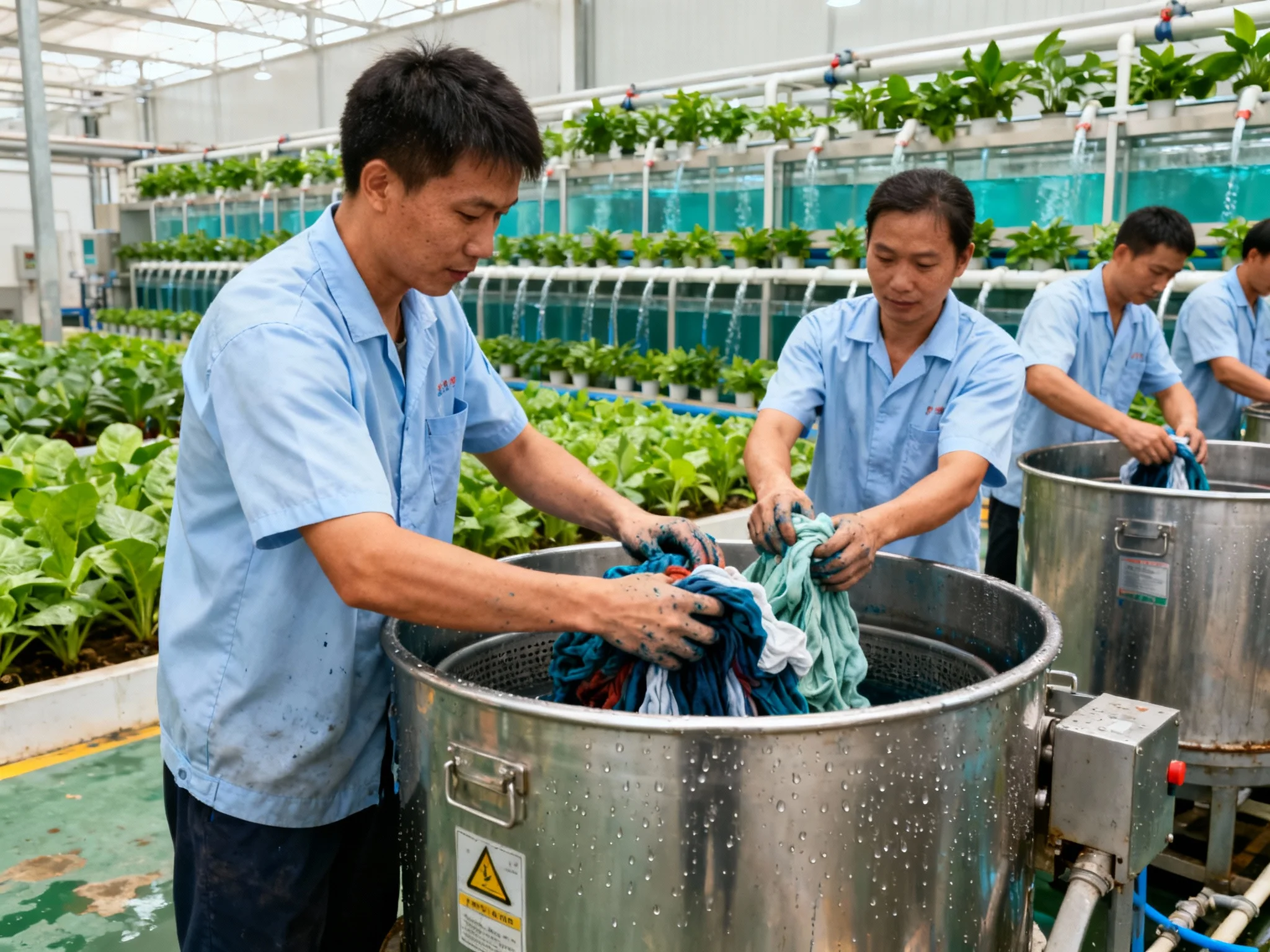
"Based on practical experience, best sustainable printing practices include minimizing color applications through strategic design," notes a sustainable textile designer. FENNYSUN's design team creates patterns incorporating the natural color variations of upcycled materials, transforming potential inconsistencies into unique design features that celebrate the product's waste-to-wear journey.
6. Artisanal Finishing and Quality Control
The final stage combines mechanical processes with skilled craftsmanship to achieve the luxurious hand feel expected of premium accessories. Each scarf undergoes a multi-step finishing process that may include enzymatic washing for natural fibers or heat-setting for synthetics, followed by artisanal detailing such as hand-rolled edges or decorative stitching. This hybrid approach—combining industrial efficiency with craft techniques—results in products meeting both quality standards and sustainability goals.
Quality control is integrated throughout manufacturing, with automated inspection systems at critical stages supplemented by manual examinations by skilled quality assurance personnel. This dual approach ensures upcycled products meet the same stringent standards as those made from virgin materials, addressing the common consumer concern about consistency in sustainable products.
Environmental Impact and Sustainability Credentials
While specific metrics for FENNYSUN's environmental performance are not publicly available, industry standards and comparable operations provide valuable context for understanding the potential impact of their upcycled manufacturing process. The textile industry's conventional production methods are notoriously resource-intensive, with significant water pollution and carbon emissions associated with fiber production and dyeing processes. Upcycling offers substantial environmental benefits by reducing these upstream impacts.
Resource Conservation Metrics
Based on industry averages for similar upcycling operations, converting textile waste into new scarves typically reduces water consumption by 70-80% compared to producing equivalent items from virgin materials. Energy savings generally range from 30-50%, primarily due to eliminating fiber production stages. Additionally, upcycling diverts textile waste from landfills where it would contribute to methane emissions during decomposition.
Business Applications and Market Impact
For fashion brands and retailers evaluating potential manufacturing partners, FENNYSUN's upcycled production process offers several compelling business benefits beyond environmental responsibility. These commercial advantages grow increasingly important as sustainability transitions from a niche concern to a mainstream market driver.
Product Differentiation in Competitive Markets
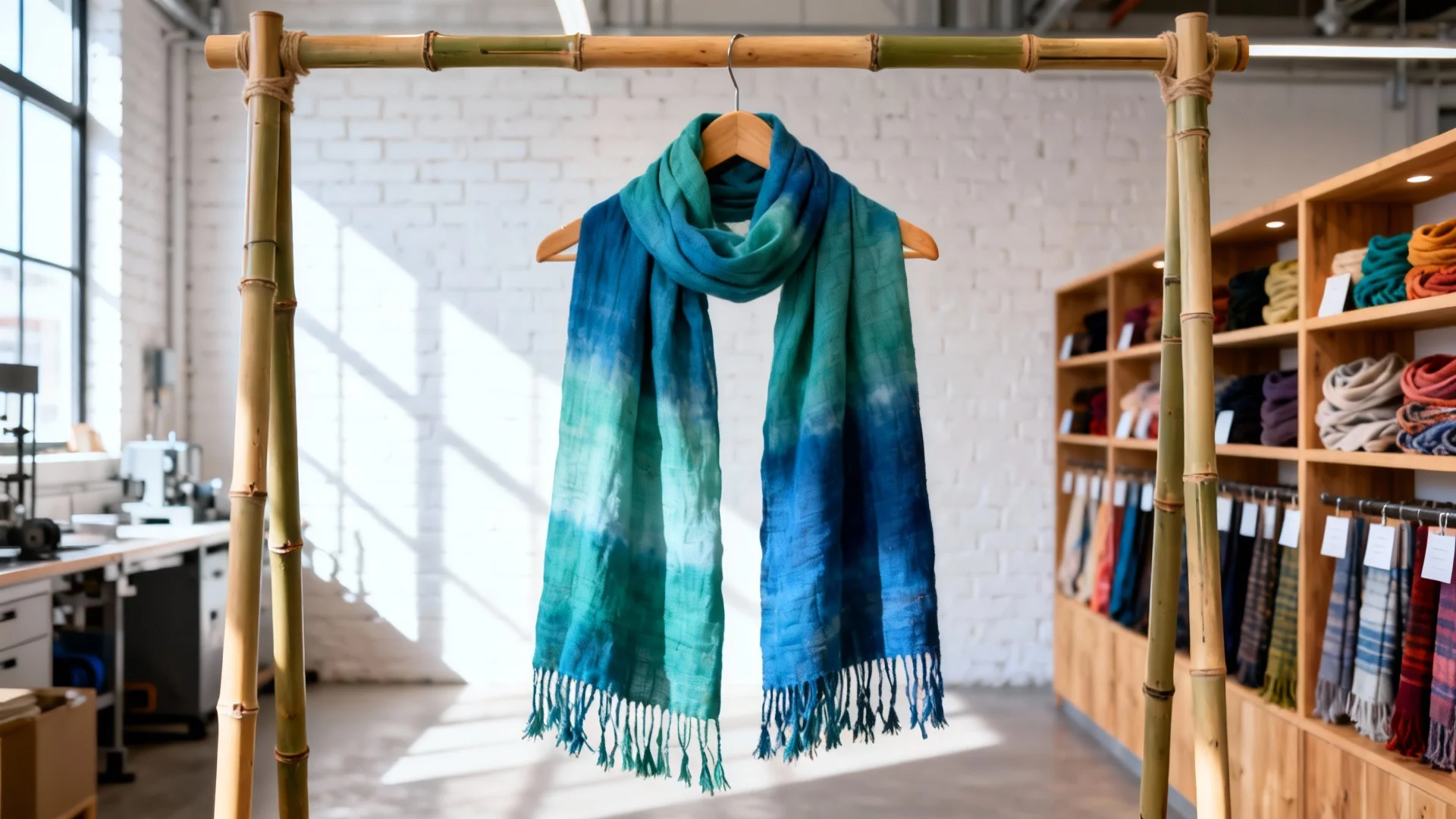
The accessories market is highly competitive, with numerous manufacturers offering similar product categories. Upcycled scarves provide distinctive selling points that can differentiate brand offerings and attract environmentally conscious consumers. The unique material stories and visual characteristics of upcycled textiles create products with inherent storytelling potential, allowing brands to connect with consumers on shared values.
"Based on years of industry experience, products with authentic sustainability narratives consistently outperform conventional alternatives in premium segments," notes a fashion retail strategist. This differentiation can translate to price premiums of 10-30% for verified sustainable accessories, according to market research on eco-luxury consumer behavior.
Supply Chain Resilience
Upcycled manufacturing processes can enhance supply chain resilience by reducing dependence on virgin material markets subject to price volatility and supply disruptions. By utilizing waste materials as inputs, manufacturers create flexible supply chains that can adapt to market fluctuations and material shortages—a valuable capability in the wake of recent global supply chain disruptions.
FENNYSUN's 30 years of manufacturing experience provides a foundation for operational stability benefiting its business partners. "Established manufacturers bring valuable expertise in production scaling, quality control, and compliance management," explains a sourcing director for a sustainable fashion brand. "These capabilities are particularly important when working with innovative processes like upcycling."
Meeting Corporate Sustainability Goals
Brands with public sustainability commitments can partner with upcycled manufacturers to advance environmental targets related to circularity, waste reduction, and carbon footprint reduction. Each upcycled scarf contributes to multiple sustainability metrics, including waste diversion, resource conservation, and lower carbon emissions compared to conventional alternatives.
Fashion companies increasingly seek manufacturing partners that can provide transparent impact data to support their ESG reporting requirements. While specific partnership outcomes were unavailable for verification, industry practice indicates that successful collaborations typically include shared sustainability goals and aligned values.
Implementation Considerations for Wholesale Partners
Boutiques, specialty stores, and fashion brands considering FENNYSUN as a manufacturing partner should evaluate several practical factors beyond sustainability credentials. These implementation considerations significantly impact partnership success and market performance of upcycled accessories.
Minimum Order Quantities and Production Timelines
Understanding production requirements is essential for aligning manufacturing capabilities with retail needs. While specific MOQs were unavailable, upcycled production often requires different volume thresholds than conventional manufacturing due to the variable nature of waste inputs. Potential partners should inquire about minimum order quantities, production lead times, and flexibility for repeat orders to ensure alignment with inventory management strategies.
Customization Capabilities and Quality Assurance
The ability to customize designs, colors, and branding elements is often critical for retail partners. FENNYSUN's integration of digital printing technology suggests significant customization potential, allowing brands to offer unique products while leveraging the sustainability story of upcycled manufacturing. Retailers should clarify customization options, associated costs, and any limitations imposed by the upcycled production process.
The sample development process represents an important opportunity to evaluate both product quality and manufacturing partnership suitability. Brands should inquire about sample lead times, costs, and the process for providing feedback and requesting revisions. Clear communication protocols and quality assurance standards are essential for establishing successful long-term manufacturing relationships.
Conclusion: The Future of Sustainable Scarf Manufacturing
FENNYSUN's upcycled fabric manufacturing process exemplifies how established textile manufacturers can evolve their operations to embrace circular economy principles while maintaining position in the luxury accessories market. By leveraging decades of production expertise and integrating sustainable innovations, FENNYSUN demonstrates a viable path forward for the industry's sustainability transition.
The case highlights several key insights for the future of sustainable scarf manufacturing:
- Technical Innovation Within Existing Infrastructure: The most successful sustainability transitions often build upon existing strengths and capabilities rather than requiring complete operational overhauls. FENNYSUN's adaptation of its six-stage manufacturing process for upcycling demonstrates this principle in action.
- Balancing Heritage and Innovation: With 30 years of experience, the company brings valuable manufacturing expertise to the upcycling space, combining traditional craftsmanship with modern technology to create products meeting both quality and sustainability standards.
- Sustainability as a Market Differentiator: The waste-to-wear narrative offers compelling storytelling opportunities resonating with today's environmentally conscious consumers, providing both ethical and commercial benefits to retail partners.
As the fashion industry continues its sustainability journey, manufacturers like FENNYSUN play a crucial role in demonstrating practical pathways to circularity. Their experience suggests that the future of sustainable scarf manufacturing lies not in completely new production models but in the innovative adaptation of existing expertise, technologies, and relationships to create value from waste.
Forward-thinking retailers and brands partnering with manufacturers successfully integrating upcycling into their operations make strategic investments in both environmental responsibility and market differentiation. As consumer awareness of textile waste issues grows, these partnerships position brands at the intersection of sustainability and style—where the most resilient fashion businesses increasingly find success.