In an industry where precision, cultural sensitivity, and logistical excellence converge, successful international scarf production demands far more than manufacturing capability alone. It requires a meticulously orchestrated symphony of design interpretation, material expertise, overseas manufacturing coordination, quality assurance, and global logistics management. With over three decades of specialized experience in fashion accessories, FENNYSUN has refined this multifaceted process into a synchronized system that consistently delivers exceptional quality while adapting to the dynamic demands of global fashion brands and retailers. This comprehensive analysis explores the intricate journey of international scarf production coordination, examining industry-specific challenges, innovative solutions, and best practices that distinguish leading manufacturers in today's competitive global marketplace.
Building Foundations: The Architecture of Global Scarf Production Excellence
Since its establishment in 1995, FENNYSUN has evolved from a regional textile printer to an internationally recognized scarf manufacturer by mastering the delicate equilibrium between time-honored craftsmanship and cutting-edge technology. The company's vertically integrated production ecosystem encompasses six specialized manufacturing processes—mould making, precision injection moulding, dust-free oil spraying, advanced silk-screening, artisanal sewing, and meticulous handicraft finishing—enabling complete oversight of the production lifecycle under one unified management system.
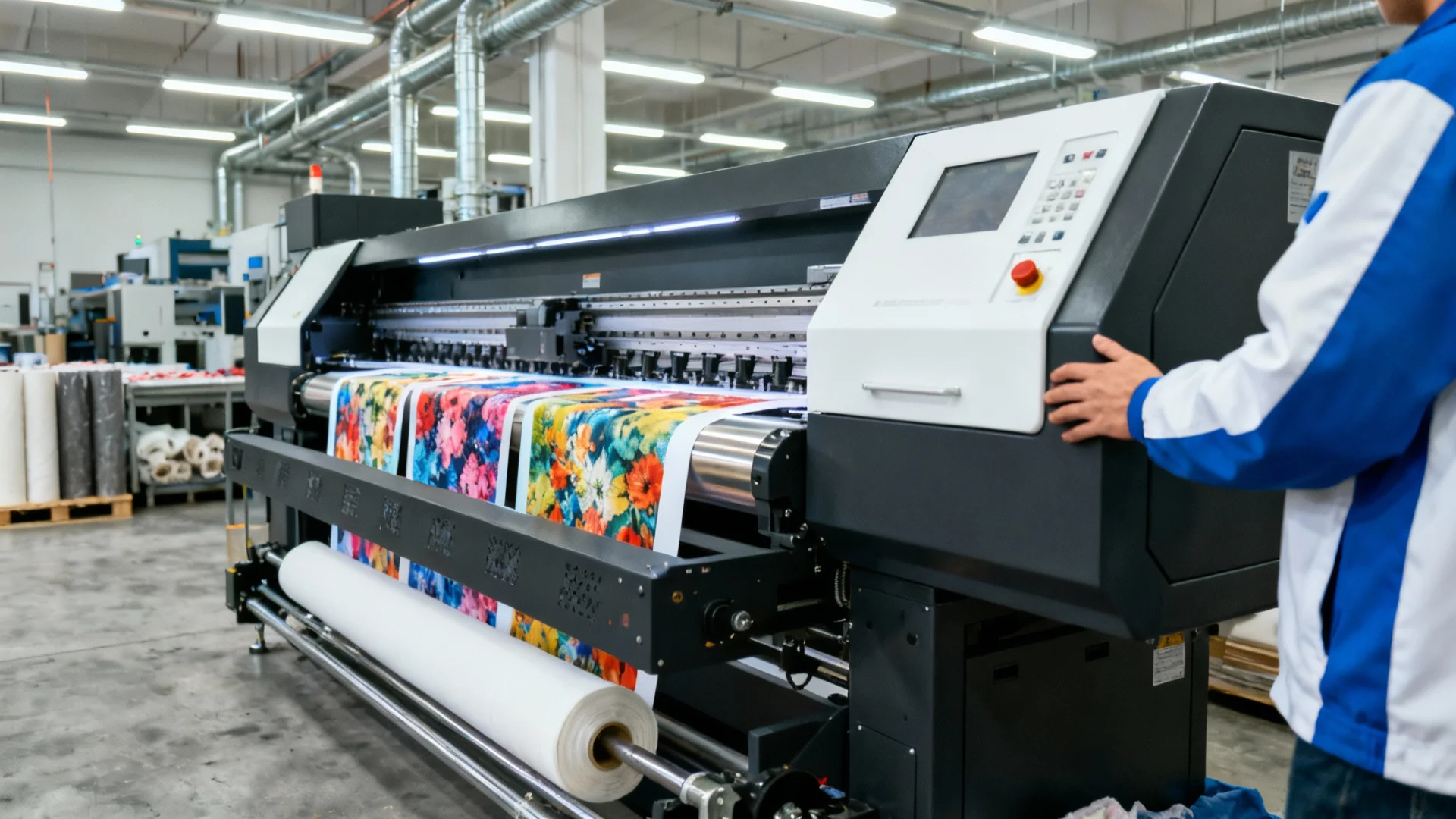
This integration provides a substantial competitive advantage in global scarf supply chain management, facilitating tighter quality control protocols and more efficient communication channels throughout every production phase. "The ability to monitor and manage each step from initial design approval to final inspection eliminates many common bottlenecks in international manufacturing scenarios," explains industry veteran Michael Chen, who has consulted with numerous fashion accessory brands on supply chain optimization strategies. "When coordinating with multiple overseas suppliers, even minor miscommunications can escalate into costly delays or quality inconsistencies that impact brand reputation."
The global scarf market, valued at approximately USD 22.5 billion in 2024 with projections reaching USD 23.38 billion in 2025, reflects sustained demand growth across both mass-market and luxury segments. Within this competitive landscape, manufacturers like FENNYSUN that consistently deliver superior quality, trend-aligned products with reliable lead times have established themselves as indispensable partners for discerning fashion brands navigating the complexities of global market expansion.
Navigating the Maze: Strategic Approaches to International Production Coordination
International scarf production presents a unique set of challenges requiring specialized expertise, cultural intelligence, and adaptive systems. From bridging communication gaps to navigating diverse regulatory frameworks and optimizing complex logistics, manufacturers must develop comprehensive strategies to ensure seamless operations across geographic boundaries and cultural contexts.
Design Translation: Bridging Creative Vision and Manufacturing Reality
One of the most nuanced challenges in overseas manufacturing coordination lies in accurately translating design concepts from brand vision to production reality. This multifaceted process demands technical precision in specification interpretation while maintaining cultural sensitivity to color symbolism, pattern appropriateness, and style preferences within target markets. FENNYSUN addresses this critical phase through a dedicated design coordination team comprising multilingual specialists with dual backgrounds in fashion design and cross-cultural communication.
"While digital tools have certainly enhanced communication, they cannot replicate the nuanced understanding that comes from years of experience working across cultural boundaries," notes Sarah Johnson, a fashion brand consultant specializing in East-West manufacturing relationships. "The most successful international production partnerships are built on manufacturers who invest time in understanding not merely the aesthetic preferences of their clients but the deeper brand narratives and cultural contexts that inform design decisions."
Material Sourcing: Building a Resilient Global Supply Network
The global nature of textile sourcing adds significant complexity to scarf production management. Premium silk from specific regions, specialized wools, and performance synthetic blends often originate from diverse geographic locations, each presenting unique supply chain challenges. The growing emphasis on sustainable sourcing practices, increasingly critical to both consumers and brands, further complicates material selection and procurement strategies.
FENNYSUN's approach combines strategic long-term supplier relationships with rigorous quality testing protocols. The company maintains established partnerships with material suppliers across Asia and Europe, conducting regular on-site audits to ensure consistent compliance with quality standards and ethical manufacturing practices. This proactive materials management framework has evolved into a distinct competitive advantage, particularly as sustainability considerations have become decisive factors in supplier selection.
"By 2025, we've witnessed a fundamental shift toward transparency and ethical production throughout the global scarf supply chain," observes environmental compliance expert Lisa Wong. "Manufacturers that can document and verify sustainable practices across their entire supply chain are rapidly becoming the preferred partners for brands seeking to align their products with both consumer values and regulatory requirements."
Manufacturing Orchestration: Synchronizing Quality and Efficiency Across Borders
Perhaps the most visible challenge in international scarf production lies in coordinating manufacturing schedules across different time zones while maintaining uncompromising quality standards. This complex balancing act requires sophisticated production planning software, crystal-clear communication protocols, and adaptive flexibility to address unexpected disruptions without compromising timelines or quality.
FENNYSUN's production coordination system incorporates real-time monitoring of all manufacturing stages, with dedicated quality control inspectors stationed at each critical juncture. Decades of operational experience have refined contingency planning protocols that minimize the impact of common disruptions, from material delays to shipping complications, ensuring consistent delivery performance even amid unforeseen challenges.
Case Study: Digital Printing Technology as a Catalyst for Supply Chain Transformation
A recent implementation of advanced digital printing technology at FENNYSUN exemplifies the company's innovative approach to solving international scarf production coordination challenges while delivering cutting-edge solutions to clients. This case study illustrates how strategic technology integration can simultaneously address multiple pain points within the global scarf supply chain.

The Challenge: Luxury Speed-to-Market
A European luxury fashion house approached FENNYSUN with a particularly demanding request: produce a limited-edition scarf collection featuring intricate digital artwork with extremely compressed delivery timelines for the upcoming holiday season. The collection required multiple design approval iterations, precise color matching across diverse fabric substrates, and coordinated delivery to flagship stores across six countries—all within a timeframe considered impossible using traditional production methodologies.
The Solution: Technology Integration with Process Reengineering
FENNYSUN proposed implementing state-of-the-art digital printing technology offering several transformative advantages for this project:
- Significantly reduced setup times compared to traditional screen printing processes
- Enhanced design flexibility enabling minor adjustments without major production disruptions
- Superior color accuracy and consistency across the entire production run
- Substantial reduction in material waste through precise ink application technology
The implementation required strategic equipment investment, specialized staff training, comprehensive process redesign, and the development of new quality control standards specific to digital printing technology. Most critically, it demanded the establishment of seamless communication protocols with the client's design team throughout the development process.
The Results: Transformed Production Capabilities
The successful implementation of digital printing technology yielded measurable and impressive results:
- Design approval cycles reduced by 40%, allowing for more creative iterations and refinements
- Overall production lead times decreased by 25%, ensuring on-time holiday season delivery
- Color consistency across the collection improved significantly, achieving a 98% match rate to approved samples
- Material waste reduced by 30%, supporting both cost optimization and sustainability objectives
"The digital printing implementation exemplifies how technology adoption, when paired with effective coordination processes, can fundamentally transform international scarf production outcomes," notes textile technology expert James Wilson. "What distinguishes FENNYSUN's approach is their ability to integrate new technology into existing workflows while maintaining the rigorous quality standards that have defined their reputation in the industry."
Final Mile Mastery: Excellence in Scarf Export Logistics and Delivery
Even with flawless design interpretation and production execution, the final phase of international scarf production—global delivery—presents its own unique set of logistical challenges. From navigating complex customs regulations to optimizing transportation methods and ensuring pristine final delivery, each step requires specialized knowledge and meticulous planning.
Compliance Navigation: Demystifying International Trade Regulations
Successfully navigating the labyrinthine landscape of international trade regulations, tariffs, and customs requirements represents one of the most formidable challenges in scarf export logistics. Inaccurate documentation or compliance oversights can lead to costly delays, shipment seizures, or unexpected duties and fees that erode profit margins and damage brand relationships.
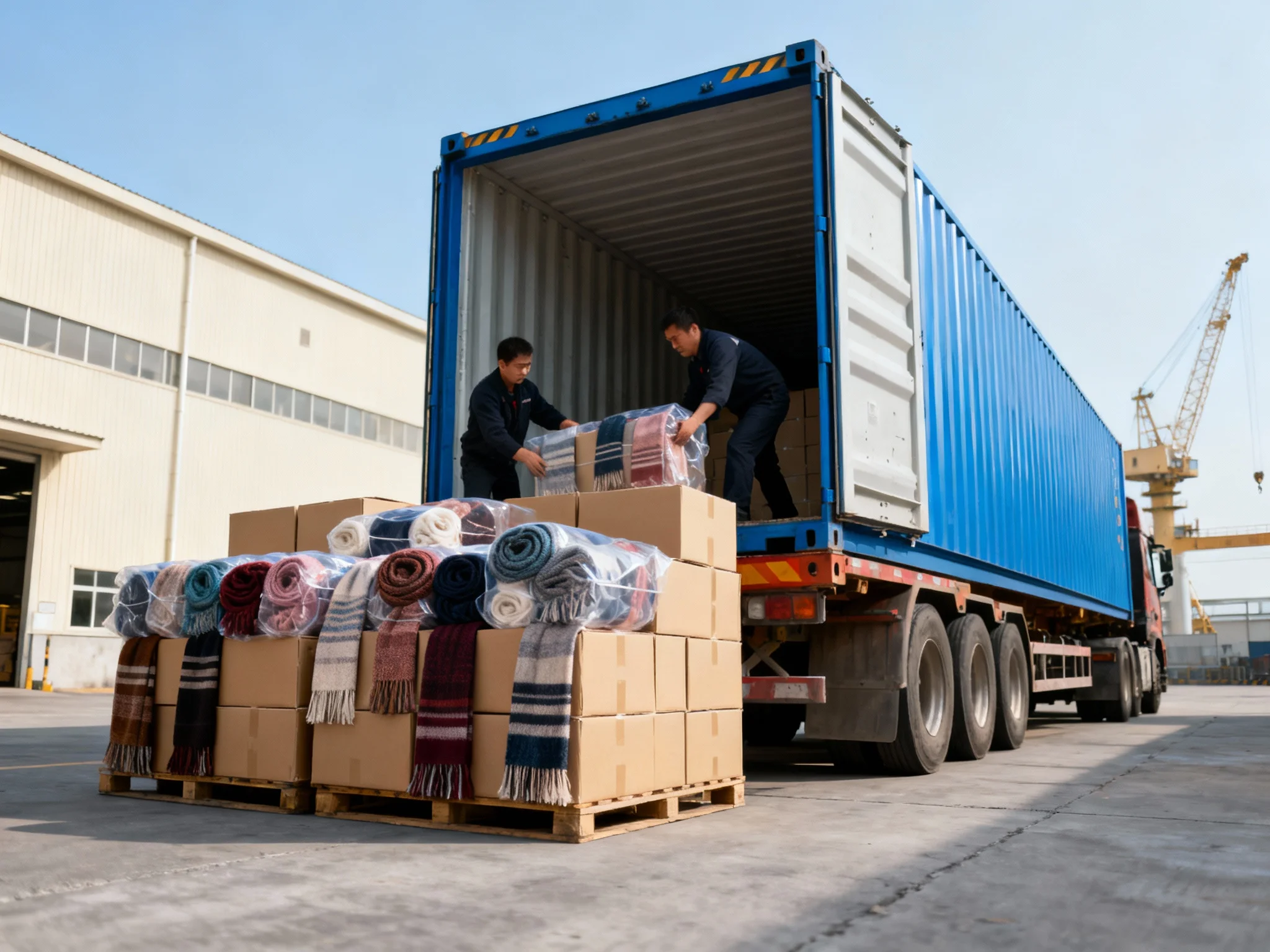
FENNYSUN's logistics team includes dedicated international trade compliance specialists who maintain current expertise across major export markets. The company has implemented advanced digital documentation systems that minimize errors while accelerating processing times—a critical advantage for time-sensitive fashion collections where market timing directly impacts sales performance.
Packaging Engineering: Protecting Delicate Products in Transit
Scarves, particularly those crafted from delicate fabrics like silk or cashmere, require specialized packaging solutions to ensure pristine arrival at destination. This essential protective function must be balanced against transportation costs, sustainability considerations, and brand presentation requirements.
"For high-value scarf shipments, packaging serves multiple critical functions: product protection, brand representation, and increasingly, sustainability messaging," explains logistics consultant David Martinez. "Best practices include acid-free tissue paper for fabric protection, rigid cardboard inserts to prevent creasing damage, and moisture-resistant outer packaging that minimizes environmental impact while ensuring product integrity."
Transportation mode selection—air vs. sea freight—represents another critical decision point in scarf export logistics. While air freight offers speed advantages, sea freight provides significant cost savings for larger shipments. FENNYSUN's proprietary logistics optimization model balances cost, speed, and environmental impact based on client priorities, shipment characteristics, and market timing requirements.
Visibility and Traceability: Ensuring Supply Chain Transparency
In today's consumer environment, end-to-end supply chain visibility has become an expectation rather than a luxury. Scarf export logistics now demands comprehensive tracking capabilities that provide clients with real-time information about their shipments' status throughout the journey from factory to retail floor.
FENNYSUN has implemented advanced track-and-trace systems that provide clients with visibility at every stage of the logistics process, from production completion to final delivery. This transparency not only enhances client confidence but also enables proactive issue resolution should disruptions occur.
"By 2025, supply chain visibility has transitioned from a competitive advantage to a basic business requirement," notes supply chain technology expert Raj Patel. "Fashion brands operating globally require real-time insights into their inventory movements to optimize retail operations, manage consumer expectations, and maintain brand reputation."
Industry Excellence: Best Practices for International Scarf Production Coordination
Based on decades of industry experience and continuous process refinement, several best practices have emerged as essential for successful international scarf production coordination in today's complex global environment:
1. Implement Integrated Technology Ecosystems
From design collaboration platforms to production planning software and shipment tracking systems, integrated technology solutions are essential for managing the complexities of overseas manufacturing coordination. Cloud-based systems that provide real-time visibility across all supply chain stages have proven particularly valuable for maintaining alignment across geographically dispersed teams.
2. Cultivate Cultural Intelligence
Beyond basic language proficiency, successful international production coordination requires deep cultural understanding that encompasses communication styles, business etiquette, and decision-making processes. This cultural competence prevents misunderstandings, builds stronger client relationships, and enables more effective problem-solving when challenges arise.
3. Establish Embedded Quality Control
Effective quality management should be integrated throughout the production process rather than concentrated solely at final inspection. This proactive approach identifies potential issues earlier, reduces waste, and ensures more consistent results across production runs and product categories.
4. Develop Robust Contingency Planning
Even the most meticulously planned production schedules can face disruption from unexpected events. Developing comprehensive contingency plans for common disruptions—material delays, production issues, shipping complications—minimizes their impact on delivery timelines and maintains client trust.
5. Embrace Sustainable Practices Throughout the Value Chain
From materials selection to manufacturing processes and logistics, sustainability considerations have become integral to global scarf supply chain management. Manufacturers demonstrating genuine commitment to environmental and social responsibility are increasingly preferred by both brands and consumers making purchasing decisions based on ethical considerations.
6. Foster Strategic Long-Term Partnerships
Successful international scarf production coordination is built on trust developed through long-term client and supplier relationships. These partnerships create opportunities for continuous improvement, innovation, and mutual growth that benefit all stakeholders in the value chain.
Future Horizons: The Evolving Landscape of Global Scarf Production
As the global scarf market continues to evolve, sophisticated production coordination capabilities will only increase in strategic importance. Emerging industry trends—from digital transformation to heightened sustainability expectations and shifting consumer preferences—all point to a future where seamless international scarf production coordination represents not merely a competitive advantage but a fundamental requirement for success.
FENNYSUN's three decades of industry experience demonstrate that effective overseas manufacturing coordination requires the integration of technical expertise, cultural intelligence, technological innovation, and logistical mastery. By continuously refining processes and embracing new technologies, the company has positioned itself at the industry forefront, capable of meeting the evolving needs of fashion brands and retailers worldwide.
For boutiques, specialty stores, and fashion brands seeking reliable manufacturing partners in today's complex global market, key selection criteria remain consistent: uncompromising quality standards, proven reliability, transparent communication, and alignment with core brand values. As this analysis illustrates, manufacturers excelling in these areas while navigating the inherent complexities of international scarf production will continue to thrive in the global marketplace.
The journey from design vision to global delivery in international scarf production is undeniably complex, but with the right manufacturing partner and approach, it can transform from a potential liability into a significant competitive advantage. By prioritizing coordination excellence, transparent communication, and continuous improvement, manufacturers and brands can build collaborative relationships that consistently deliver exceptional products to consumers worldwide.