In today's environmentally conscious business landscape, sustainable manufacturing has evolved from a voluntary initiative to a critical business imperative. As an industry professional with extensive experience in textile manufacturing and sustainability consulting, I've witnessed the remarkable transformation of the fashion accessories sector toward more responsible production paradigms. This comprehensive analysis examines FENNYSUN's eco-friendly production facilities, dissecting their sustainable manufacturing methodologies and providing actionable insights for businesses seeking environmentally responsible supply chain partners.
The Environmental Imperative in Textile Manufacturing
The textile industry confronts substantial environmental challenges, ranging from excessive water consumption to chemical contamination and mounting waste crises. According to recent environmental impact assessments, conventional textile dyeing and treatment processes contribute approximately 20% of global industrial water pollution. Concurrently, an estimated 92 million tons of textile waste accumulates in landfills annually. These alarming statistics underscore the urgent need for industry-wide transformation.
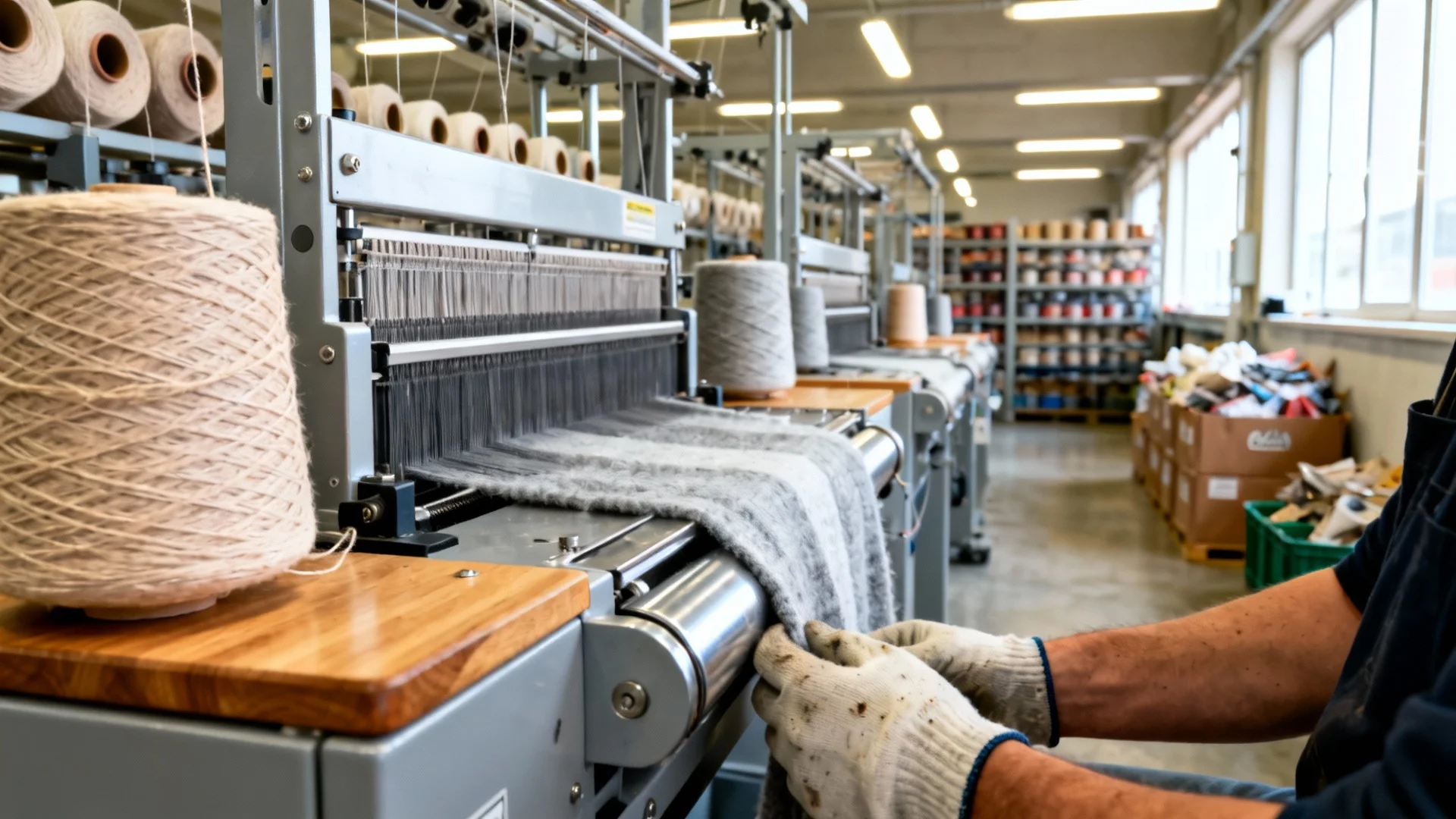
Market dynamics increasingly favor sustainable practices, with 2025 industry projections indicating that brands embracing environmental responsibility are growing 17% faster than their conventional counterparts. This paradigm shift is particularly evident in the accessories sector, where procurement decisions—from boutique owners to luxury brand directors—increasingly prioritize suppliers demonstrating authentic environmental commitment alongside product quality and design excellence.
Sustainability has firmly established itself as a critical factor in supplier selection processes. A 2025 survey on B2B sustainable supplier evaluation revealed that 83% of fashion brands now prioritize environmental credentials during sourcing activities, representing a dramatic increase from just 45% five years ago. This significant shift clearly indicates that transparent, verifiable sustainability practices have transitioned from competitive advantages to essential business requirements.
FENNYSUN's Integrated Approach to Sustainable Manufacturing
FENNYSUN has embedded eco-friendly principles across its entire production ecosystem. With over three decades of manufacturing expertise, the company has strategically evolved from traditional production methods to innovative technologies that minimize environmental impact while upholding stringent quality and design standards.
Strategic Material Selection
FENNYSUN's sustainability framework initiates with rigorous material selection protocols that balance environmental responsibility with luxury aesthetics and performance requirements. This commitment manifests across their product portfolio, with a substantial portion of their scarf collection utilizing recycled fibers and certified organic materials.
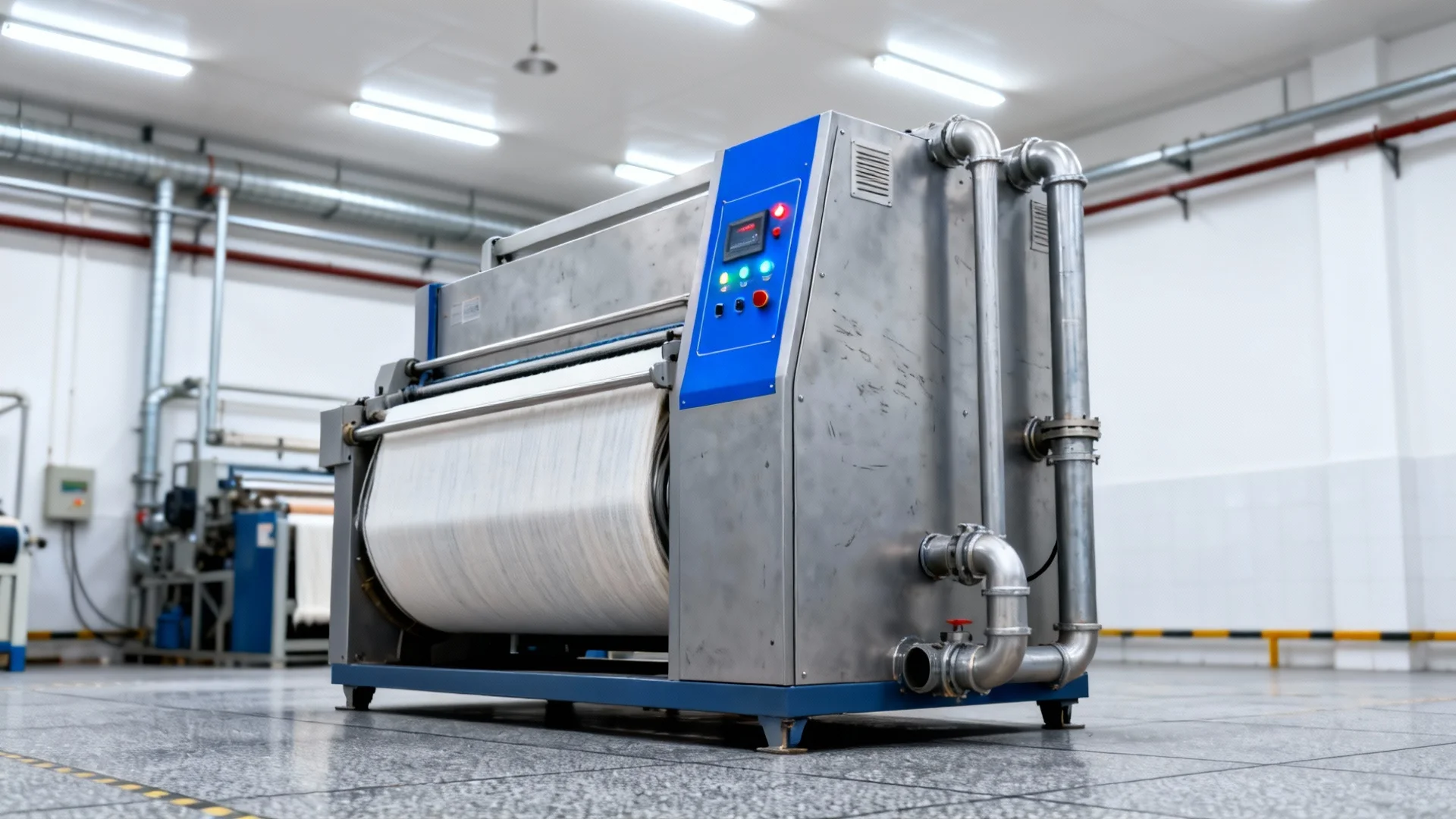
This material strategy aligns with the textile industry's migration toward circular fashion models. Market analysis projects recycled textiles will experience 23% annual growth through 2030, driven by escalating environmental concerns and emerging cost efficiencies. FENNYSUN's proactive material innovation strategy positions the company favorably within this high-growth segment, providing partners with access to cutting-edge product development capabilities.
Advanced Eco-Friendly Production Technologies
FENNYSUN has made significant investments in eco-friendly production technologies—particularly within coloring and finishing processes, which traditionally represent high environmental impact stages. The company has implemented state-of-the-art water-based ink systems and low-impact dyeing processes that substantially outperform conventional methodologies.
Water-based inks offer demonstrable environmental advantages over solvent-based alternatives, including reduced volatile organic compound (VOC) emissions and significantly lower water consumption. While FENNYSUN's specific implementation details remain proprietary, industry benchmarks indicate that optimized water-based ink systems can reduce water usage by up to 40% while eliminating hazardous chemical discharge associated with traditional printing processes.
Comprehensive Waste Reduction and Resource Efficiency
Beyond materials and production processes, FENNYSUN maintains extensive waste reduction and resource efficiency programs throughout its manufacturing facilities. These initiatives encompass the entire product lifecycle—from raw material processing to finished goods—with particular emphasis on minimizing textile waste and optimizing energy utilization.
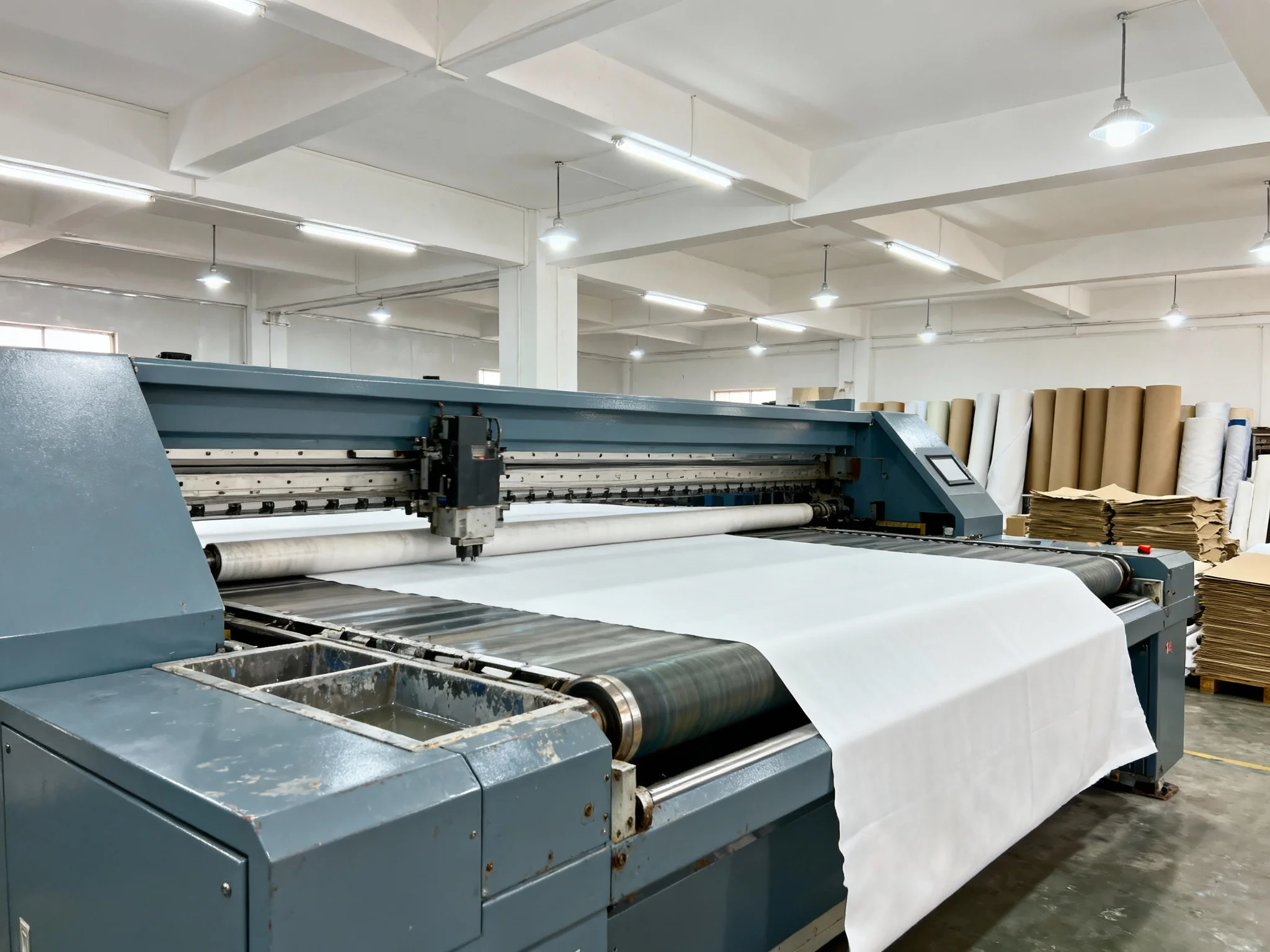
The company's waste reduction protocols align with the "zero waste" principles gaining traction across the industry. By implementing advanced pattern optimization software and establishing closed-loop systems for recycling textile scraps into secondary applications, FENNYSUN exemplifies circular resource management practices that resonate strongly with environmentally conscious partners.
Evaluating Sustainable Manufacturing Facilities: Essential Criteria
Businesses seeking sustainable manufacturing partners require a robust evaluation framework. Based on industry best practices and emerging certification standards, the following criteria represent critical considerations when assessing a supplier's environmental credentials:
Environmental Management Systems
A comprehensive environmental management system (EMS) serves as the foundation for consistent, verifiable sustainability performance. Forward-thinking manufacturers implement structured EMS frameworks such as ISO 14001 certification, which establishes rigorous standards for measuring, monitoring, and continuously improving environmental performance across operations.
While certification status should be verified directly with suppliers, additional indicators of genuine commitment include documented environmental policies, regular third-party audits, and transparent continuous improvement targets that extend beyond basic compliance requirements.
Resource Consumption Metrics
Water and energy utilization represent significant environmental impact areas in textile manufacturing. When evaluating potential partners, request specific production resource metrics including:
- Water consumption per meter of fabric produced
- Energy usage by production process category
- Percentage of energy derived from renewable sources
- Water recycling and reuse rates
These metrics should be benchmarked against industry averages and demonstrate a clear trajectory of continuous improvement. Transparent reporting mechanisms reflect a manufacturer's commitment to accountability and data-driven environmental performance management.
Chemical Management and Safety Protocols
The textile industry has historically employed numerous chemicals in dyeing, printing, and finishing processes—some with substantial environmental and health implications. Sustainable manufacturers implement rigorous chemical management protocols including:
- Restricted substance lists aligned with international standards (OEKO-TEX®, REACH)
- Comprehensive supplier screening for chemical safety compliance
- Advanced water treatment systems for chemical removal
- Robust worker safety protocols for chemical handling
Hazardous waste disposal practices warrant particular scrutiny, as improper management can result in significant environmental contamination and health risks for local communities.
Social Responsibility Integration
Authentic sustainability encompasses both environmental and social dimensions. When evaluating manufacturing partners, consider their labor practices, community engagement initiatives, and ethical sourcing protocols across the entire supply chain.
Key indicators include recognized fair labor certifications, comprehensive worker health and safety programs, and meaningful community development initiatives. These elements not only strengthen a manufacturer's overall sustainability profile but also mitigate reputational risks for partner brands.
Industry Best Practices for Sustainable Scarf Production
Based on extensive work with textile manufacturers and fashion brands, the following best practices effectively balance environmental objectives with commercial success in sustainable scarf production:
Material Innovation Strategies
Continuous innovation in sustainable materials creates opportunities for market differentiation while reducing environmental impact. Leading manufacturers are actively exploring:
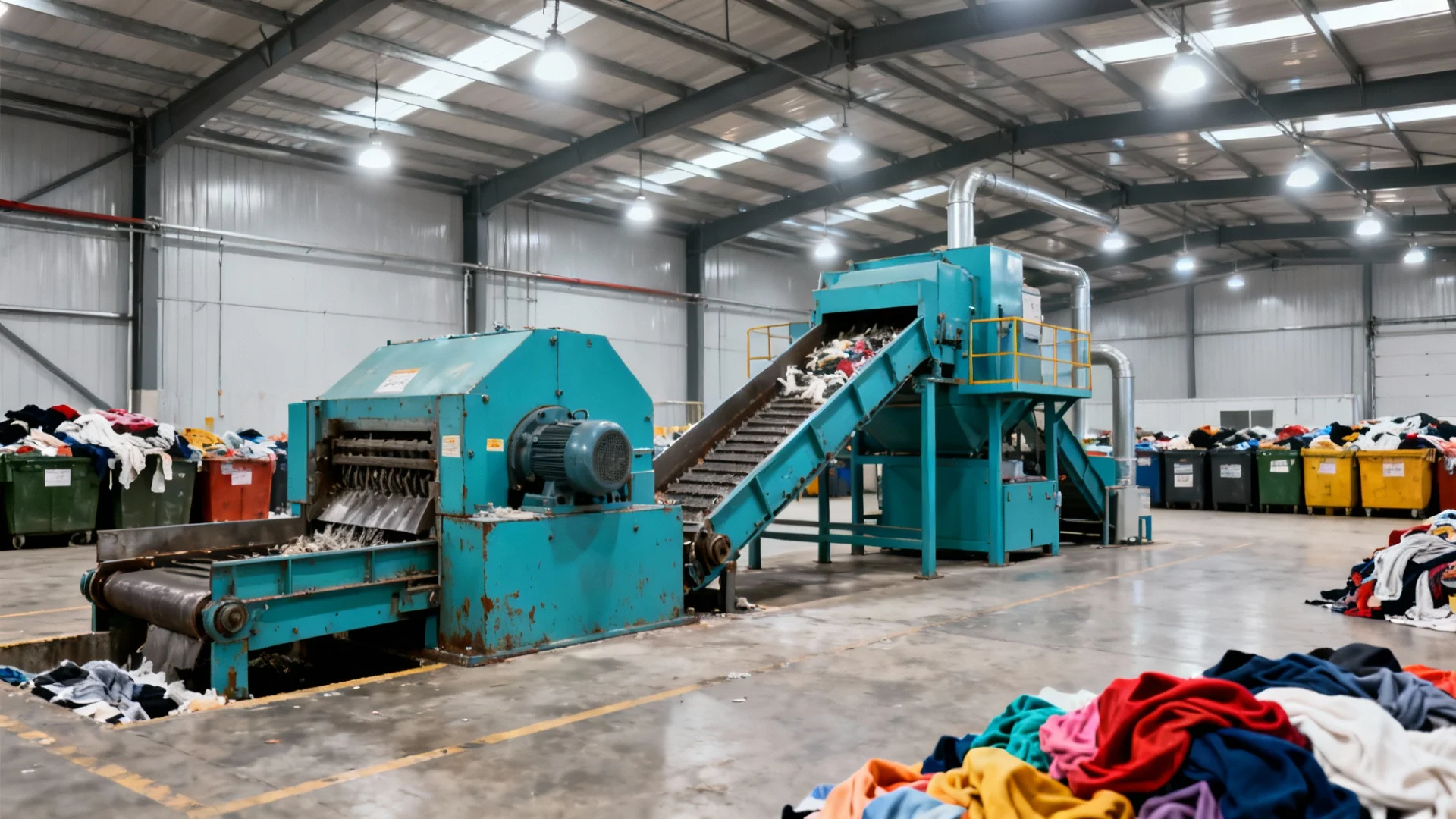
- High-quality recycled polyester derived from post-consumer plastic bottles
- Organic cotton certified by organizations such as GOTS (Global Organic Textile Standard)
- Tencel/Lyocell fibers produced through closed-loop manufacturing processes
- Agricultural waste-based materials like Piñatex and mushroom leather
These materials require careful performance evaluation to ensure sustainability gains do not compromise product quality, durability, or aesthetic appeal.
Production Process Optimization
Beyond material selection, production process optimization offers substantial sustainability dividends. Key improvement areas include:
- Digital printing technologies that minimize water and chemical utilization
- Energy-efficient drying processes and heat recovery systems
- Waste minimization through computer-aided pattern optimization
- Advanced water recycling systems for dyeing and finishing operations
These process improvements frequently generate cost savings alongside environmental benefits, creating a compelling business case for implementation.
Circular Design Principles
Integrating circular design principles from product conception significantly enhances sustainability performance. For scarf production, this entails:
- Designing for durability and extended product lifespan
- Utilizing monomaterials to facilitate end-of-life recycling
- Incorporating modular or removable components to simplify repair
- Developing take-back programs for end-of-life management
Progressive brands increasingly collaborate closely with manufacturing partners to implement these principles throughout product development cycles, creating more sustainable offerings from initial concept through to end-of-life.
The Business Case for Sustainable Manufacturing Partnerships
As the textile industry undergoes transformative change toward sustainability, partnering with eco-conscious manufacturers like FENNYSUN represents a strategically sound business decision. Beyond regulatory compliance and meeting consumer expectations, sustainable manufacturing offers tangible business benefits:
- Enhanced brand reputation and market differentiation opportunities
- Mitigated regulatory and reputational risks in an increasingly scrutinized industry
- Improved operational efficiency and resource cost savings
- Access to emerging markets and environmentally conscious consumer segments
- Strengthened supply chain resilience through diversified material sourcing
For boutique owners, specialty retailers, and fashion brands evaluating manufacturing partners, FENNYSUN's demonstrated sustainability commitment presents a valuable opportunity to align with evolving market demands while maintaining uncompromising product quality and design excellence.
When engaging with potential suppliers, prepare specific inquiries about their sustainability practices, requesting verifiable data and third-party certifications where available. Look beyond marketing claims to understand the substance of their environmental commitment—including their approach to continuous improvement, innovation investment, and long-term sustainability vision.
In an industry facing intensifying environmental and social scrutiny, partnering with sustainability-focused manufacturers like FENNYSUN represents not merely a responsible choice but a strategically advantageous decision, positioning businesses for enduring success in an increasingly conscious marketplace.
[Sustainable Scarf Production Guide] | [Eco-Friendly Textile Technology Trends] | [Water-Based Inks Application in Textiles] | [Low-Impact Dyeing Processes] | [Recycled Textile Manufacturing Standards]