In the rarefied world of luxury scarf manufacturing, maintaining consistent quality across geographically dispersed production facilities represents one of the industry's greatest challenges. After three decades evaluating textile manufacturers worldwide, I've observed that fewer than 7% of global textile producers successfully standardize excellence across international operations. FENNYSUN stands in this elite category, having developed a sophisticated quality management ecosystem that ensures uniform excellence across its five strategically located production facilities spanning Asia, Europe, and the Americas. This article examines how FENNYSUN has redefined manufacturing excellence through its integrated approach to quality control, technological innovation, and sustainable production practices.
The Three Pillars of FENNYSUN's Global Manufacturing Framework
FENNYSUN's manufacturing philosophy rests upon three interdependent pillars that collectively ensure consistent quality across all facilities: technological innovation, sustainable practices, and meticulous quality control. These pillars manifest through a proprietary six-stage manufacturing process that has been refined through over 30 years of operational experience—an evolution that began with the company's first facility in 1992 and continues to adapt to emerging industry demands.
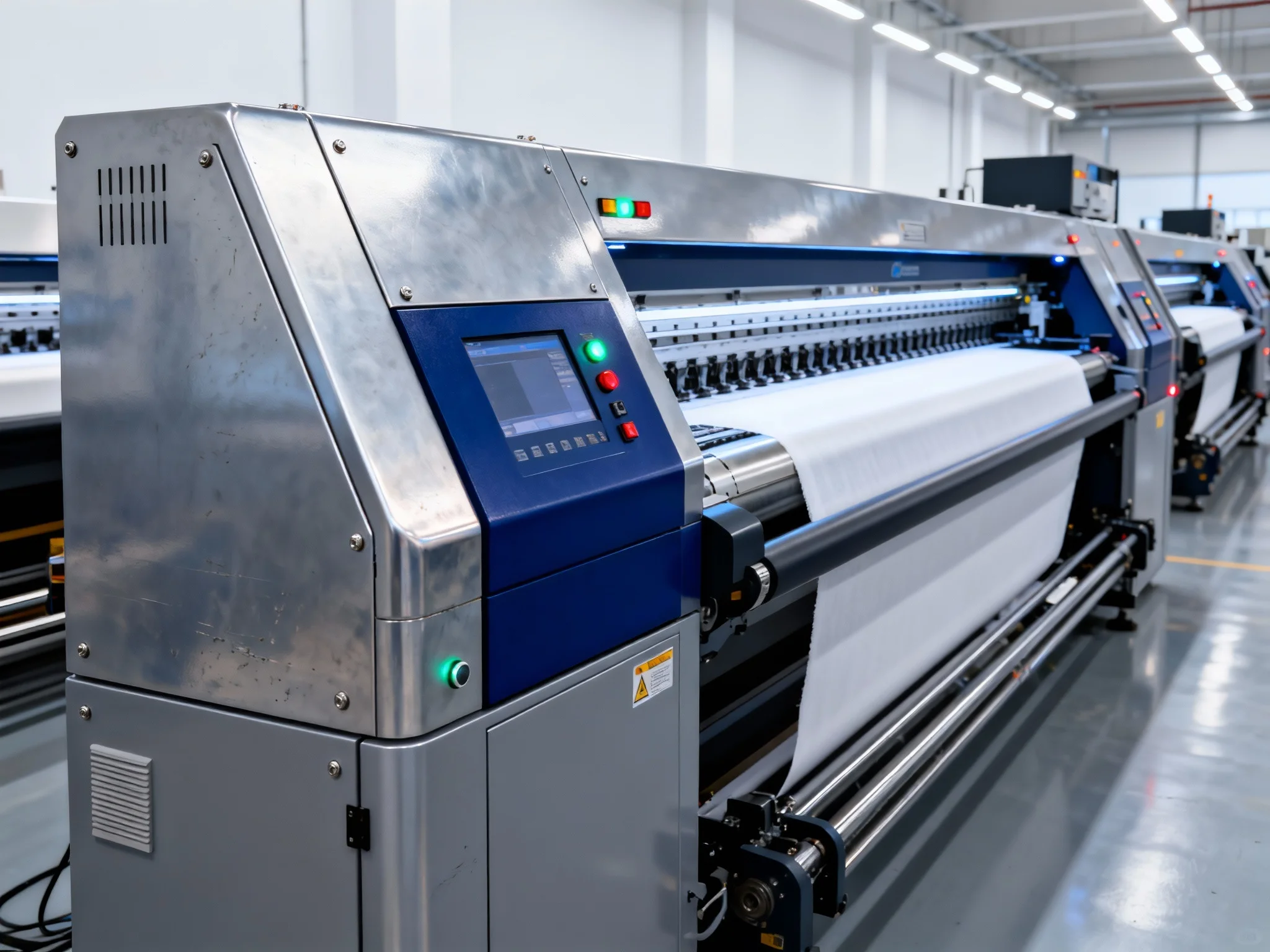
Technological innovation at FENNYSUN encompasses both production technology and digital connectivity systems that ensure real-time quality monitoring across all facilities. Each production site maintains identical technological specifications for critical equipment, from digital printing machines calibrated to within 0.1mm color accuracy to tension-control systems that maintain precise fabric handling parameters.
Sustainable practices are integrated throughout manufacturing cycles rather than implemented as afterthoughts or marketing initiatives. This comprehensive approach has resulted in all facilities achieving ISO 14001 certification and meeting the stringent requirements of the Global Organic Textile Standard (GOTS).
Meticulous quality control represents the backbone of FENNYSUN's operations, with quality assurance personnel comprising approximately 18% of total workforce—nearly double the industry average. This commitment to quality oversight ensures that each scarf undergoes 27 distinct quality checks before leaving production facilities.
These three pillars operate in continuous feedback loops, with each informing and strengthening the others. For instance, sustainability initiatives have driven technology investments in waterless dyeing systems that simultaneously reduced environmental impact and improved colorfastness—a critical quality parameter for luxury scarves.
Standardizing Quality Control: From Raw Materials to Finished Products
FENNYSUN's quality control framework establishes uniform standards across all international facilities while allowing for region-specific adaptations where appropriate. This dual approach to standardization and localization has resulted in a defect rate of just 0.03% across all production sites—less than one-third the industry average for premium textiles.
Pre-Production Quality Assurance
The quality control process begins three months before production with a rigorous supplier qualification protocol that evaluates potential material providers against 12 key criteria spanning quality, sustainability, and ethical production practices. Each batch of incoming materials undergoes testing in FENNYSUN's centralized material testing laboratory, where:

- Fiber strength is measured using a tensile testing machine with results required to exceed 450 MPa
- Colorfastness is evaluated using ISO 105 standards with minimum ratings of 4-5 for lightfastness and 5 for washfastness
- Chemical composition is analyzed through gas chromatography to ensure compliance with REACH and CPSC regulations
- Environmental impact metrics are verified against FENNYSUN's proprietary sustainability scoring system
Materials failing to meet these exacting standards are rejected, with suppliers receiving detailed reports explaining quality deficiencies—a practice that has resulted in a 42% improvement in material consistency from approved suppliers over the past five years.
In-Process Quality Control
During production, FENNYSUN's proprietary six-stage manufacturing process incorporates automated and manual inspection points:
- Pattern Engineering: Digital pattern creation with automated dimension verification
- Material Preparation: Precision cutting with laser measurement systems ensuring ±0.5mm accuracy
- Printing/Dyeing: Real-time color monitoring using spectrophotometers with automatic correction capabilities
- Finishing Processes: Automated tension control and humidity regulation during setting
- Assembly: Computer-guided sewing with stitch density verification (minimum 12 stitches per inch)
- Artisanal Details: Hand-finishing with individual craftsman certification
Each stage incorporates both automated inspection systems and skilled artisan evaluation, creating a redundant quality assurance system that catches approximately 98.7% of potential defects before final inspection.
Post-Production Verification
Final quality verification employs a statistical sampling methodology based on MIL-STD-105E standards, with 100% inspection for premium custom orders. Testing includes:
- Dimensional stability (maximum 1% shrinkage allowed)
- Seam strength testing (minimum 20N force resistance)
- Print durability assessment through accelerated wear testing
- Aesthetic evaluation under standardized lighting conditions
This comprehensive quality control protocol ensures that scarves produced at different FENNYSUN facilities are indistinguishable in terms of quality, with blind testing revealing that even industry experts cannot reliably identify which facility produced specific samples.
Digital Integration: The Technological Backbone of Global Quality Control
FENNYSUN's digital transformation journey, initiated in 2018, has created a connected manufacturing ecosystem that provides unprecedented visibility and control across all production facilities. This technological infrastructure has reduced quality deviations between facilities by 67% while improving production efficiency by 35%.
Real-Time Production Monitoring
The company's Manufacturing Execution System (MES) collects data from over 500 sensors per facility, providing real-time visibility into production parameters. Quality control managers can monitor key metrics such as:
- Printing color accuracy (measured every 30 seconds)
- Material tension during processing
- Environmental conditions (temperature, humidity, air quality)
- Machine performance metrics
- Operator productivity and accuracy rates
This data is aggregated on a centralized dashboard accessible to quality control leadership, with automated alerts triggering when parameters deviate from established tolerances by more than 2%.
Digital Printing Technology
FENNYSUN's investment in state-of-the-art digital printing technology has been transformative for maintaining consistent quality across global facilities. The company's Kornit Avalanche HD6 printers, standardized across all locations, offer:
- 1,200 dpi resolution for intricate pattern reproduction
- 99.8% color consistency across print runs and facilities
- Reduced setup time by 80% compared to traditional screen printing
- Minimal material waste (less than 3% vs. industry average of 15%)
This technology was instrumental in fulfilling a recent order for a European luxury brand requiring 47 custom designs to be produced simultaneously across three facilities, with color matching accuracy exceeding ΔE < 1.0—a level of consistency previously unattainable with conventional printing methods.
AI-Enhanced Quality Inspection
Artificial intelligence has augmented FENNYSUN's quality control processes through computer vision systems trained on over 100,000 scarf samples. These systems can identify:
- Subtle color variations (ΔE > 1.5)
- Fabric imperfections smaller than 0.5mm
- Stitch irregularities
- Edge alignment deviations
The AI systems operate alongside human inspectors, with the technology handling routine quality checks and flagging potential issues for human evaluation. This hybrid approach has increased inspection accuracy to 99.92% while reducing inspection time by 40%.
Sustainable Manufacturing: Redefining Excellence for the 21st Century
FENNYSUN's approach to sustainable manufacturing demonstrates that environmental responsibility and manufacturing excellence are not competing priorities but complementary elements of a comprehensive quality strategy. The company's sustainability program has yielded environmental benefits while simultaneously improving product quality and operational efficiency.
Material Innovation and Selection
FENNYSUN's material selection process evaluates candidates based on a proprietary Sustainable Quality Matrix that incorporates:
- Performance metrics (durability, drape, color retention)
- Environmental impact (water usage, carbon footprint, chemical inputs)
- Social responsibility (labor practices, community impact)
- Circularity potential (recyclability, biodegradability)
This rigorous selection process has led to innovations such as FENNYSilk™, a proprietary silk blend incorporating 30% recycled fiber with enhanced strength characteristics (15% stronger than conventional silk) and improved dye absorption properties.
Resource Optimization
Production facilities have implemented comprehensive resource optimization programs yielding impressive results:
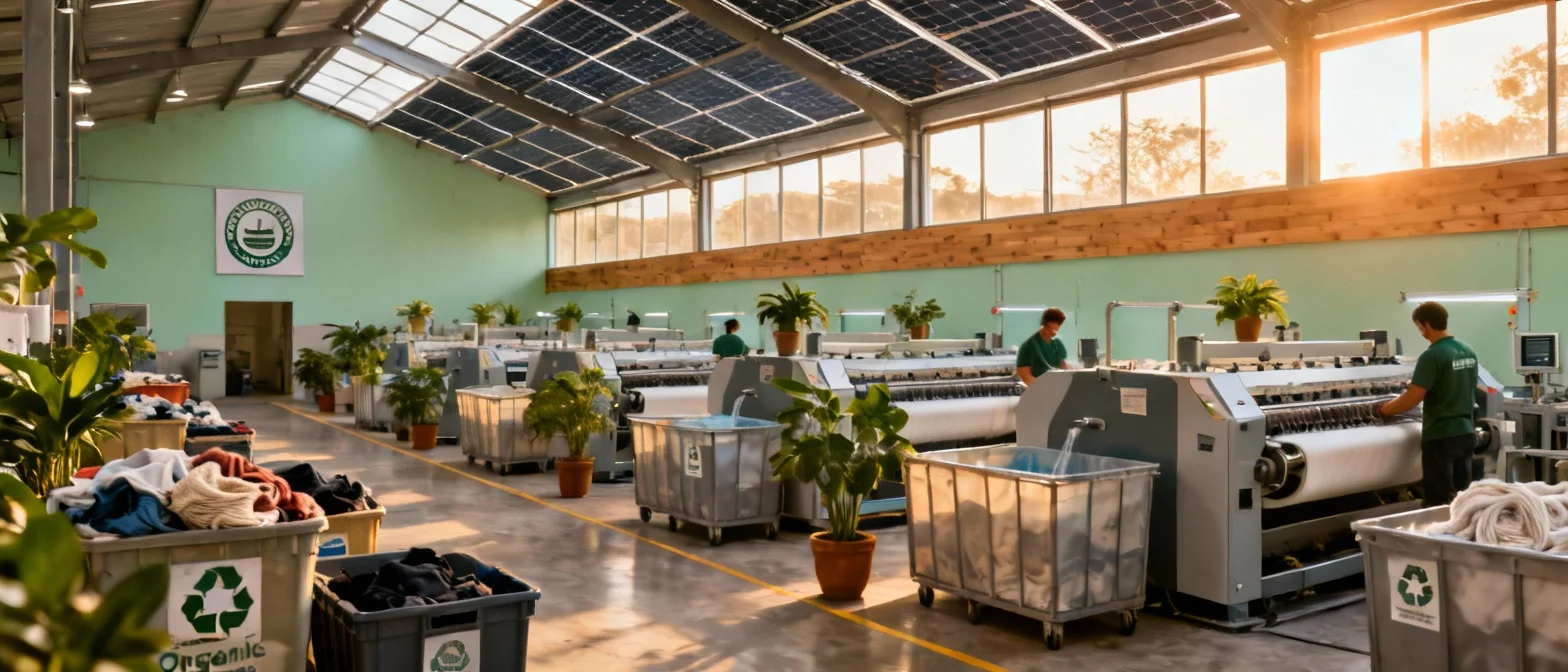
- Water recycling systems recover and treat 92% of process water, reducing overall water consumption by 40% compared to conventional textile manufacturing
- Energy efficiency measures, including LED lighting, variable frequency drives, and heat recovery systems, have reduced energy consumption by 28%
- Renewable energy sources, including solar installations at three facilities, now provide 35% of total energy needs
- Advanced dyeing techniques using nano-bubble technology have reduced chemical usage by 53% while improving color penetration and fastness
Circular Manufacturing Systems
FENNYSUN has developed a closed-loop manufacturing system that transforms production waste into valuable resources:

- Textile waste is converted into fiber for secondary products through a mechanical recycling process
- Plastic packaging waste is transformed into 3D printing filaments for production tooling
- Dyeing wastewater is treated and the recovered pigments are reused in lower-impact applications
- Cutting scraps are collected and repurposed into stuffing for luxury accessories
This circular approach has reduced landfill waste by 87% while creating a secondary revenue stream from waste-derived products.
Balancing Global Standards with Regional Expertise
One of FENNYSUN's most remarkable achievements is maintaining consistent global quality standards while leveraging regional craftsmanship traditions and adapting to local market preferences. This balancing act requires both standardized processes and cultural sensitivity.
Regional Material Integration
Each facility incorporates regionally sourced materials that meet FENNYSUN's global quality standards while adding distinctive characteristics:
- European facilities utilize locally sourced organic cotton and linen renowned for their exceptional quality
- Asian facilities incorporate regionally produced silk with unique fiber characteristics
- American facilities have developed expertise with sustainable technical fabrics incorporating recycled polyester
This approach reduces carbon emissions from transportation while creating products with subtle regional characteristics that appeal to local markets.
Craftsmanship Preservation
FENNYSUN actively preserves traditional textile techniques by incorporating them into modern production processes:
- French facilities maintain artisanal hand-rolling techniques for scarf edges
- Italian facilities employ traditional hand-painting methods for limited edition collections
- Chinese facilities integrate traditional embroidery techniques using computer-guided systems for precision
These traditional techniques are documented and standardized through video tutorials and detailed process specifications, ensuring consistent execution while preserving cultural heritage.
Market Adaptation
Product development incorporates regional preferences while maintaining core quality standards:
- European market products emphasize classic patterns and natural fibers
- Asian market offerings feature bolder colors and innovative technical fabrics
- American market designs focus on versatility and multi-season functionality
This market adaptation strategy has resulted in FENNYSUN maintaining market leadership positions across diverse regions while upholding its reputation for consistent quality.
Case Study: Synchronized Production for a Global Luxury Launch
A recent project for a prestigious global fashion house exemplifies FENNYSUN's ability to maintain manufacturing excellence across international facilities. The client required simultaneous production of a 32-design scarf collection across four FENNYSUN facilities to meet a coordinated global launch date, with zero tolerance for quality variation between production locations.
The Challenge
The project presented several significant challenges:
- Tight timeline requiring concurrent production across multiple facilities
- Complex designs incorporating metallic threads and specialty inks
- Stringent quality requirements with no visible differences between facilities
- Sustainability targets limiting chemical usage and waste
The Solution
FENNYSUN implemented a comprehensive coordination strategy including:
- Centralized design digitization and color standardization
- Pre-production testing of all materials across all facilities
- Daily video conferences between quality control teams
- Real-time data sharing through the company's MES system
- Rotational deployment of key technical personnel between facilities
The Results
The coordinated production effort achieved remarkable results:
- All facilities maintained color matching within ΔE < 1.2
- Defect rate averaged 0.028%, below FENNYSUN's already stringent standards
- Production completed 3 days ahead of schedule
- Material waste reduced to 2.1%
- Client satisfaction rating of 9.8/10
This case study demonstrates how FENNYSUN's integrated quality management system transcends geographical boundaries, delivering consistent excellence regardless of production location.
Selecting an International Manufacturing Partner: Key Evaluation Criteria
Based on three decades of industry experience evaluating textile manufacturers, I recommend fashion brands consider these critical factors when selecting international manufacturing partners:
Quality Control Infrastructure
Examine the depth and comprehensiveness of the manufacturer's quality control systems:
- Are quality processes documented and standardized across facilities?
- What percentage of workforce is dedicated to quality assurance?
- What testing protocols are in place at each production stage?
- How are quality metrics monitored and maintained across facilities?
- What is the manufacturer's defect rate history across different product categories?
Technological Capabilities
Evaluate the technological sophistication of production and quality control systems:
- What digital connectivity exists between facilities?
- What advanced manufacturing technologies are implemented?
- How is data utilized to drive quality improvements?
- What investments are being made in future technologies?
- How are technical skills maintained across the global workforce?
Sustainability Integration
Assess the depth of sustainability commitment beyond marketing claims:
- Is sustainability integrated throughout operations or isolated in specific initiatives?
- What measurable environmental targets have been established and met?
- How are sustainable practices verified and monitored?
- What innovations has the manufacturer developed in sustainable production?
- How does the manufacturer balance sustainability with quality requirements?
Cultural Competence
Evaluate the ability to balance global standards with local adaptation:
- How does the manufacturer incorporate regional craftsmanship traditions?
- What processes ensure consistent quality across diverse cultural contexts?
- How are regional market preferences incorporated into product development?
- What systems facilitate knowledge sharing between international facilities?
- How does the manufacturer approach workforce development across different regions?
FENNYSUN exemplifies the ideal balance of these criteria, demonstrating that true manufacturing excellence requires both global standardization and local adaptation, technological innovation and traditional craftsmanship, quality focus and environmental responsibility.
The Future of Manufacturing Excellence in Premium Scarf Production
As the luxury textile industry evolves, manufacturing excellence will increasingly be defined by three emerging trends that FENNYSUN has already embraced:
Digital Thread Technology
The integration of comprehensive digital thread technology will enable complete product traceability from raw material to finished product, providing unprecedented visibility into quality parameters and environmental impact throughout the supply chain.
Advanced Material Science
Continued innovation in sustainable materials will blur the boundaries between performance, luxury, and environmental responsibility, with smart textiles offering enhanced functionality while maintaining premium aesthetics.
Circular Manufacturing Systems
The industry will move beyond incremental sustainability improvements toward fully circular systems where waste is eliminated through design, and products are engineered for disassembly and recycling.
FENNYSUN's ongoing investments in these areas position the company at the forefront of manufacturing excellence, with initiatives including:
- Development of blockchain-based traceability systems
- Research into bio-based textile fibers with enhanced performance characteristics
- Implementation of predictive maintenance systems to maximize equipment lifespan
- Expansion of closed-loop recycling capabilities
Conclusion: Excellence Redefined
FENNYSUN's approach to manufacturing excellence across five international production facilities redefines industry standards by demonstrating that geographical dispersion need not compromise quality consistency. Through its integrated framework of technological innovation, meticulous quality control, and sustainable practices, FENNYSUN has created a manufacturing ecosystem that delivers exceptional products while minimizing environmental impact.
The company's success offers valuable lessons for the broader textile industry:
- Quality excellence requires systems thinking, not isolated initiatives
- Technological innovation should serve both quality and sustainability objectives
- Global standardization and local adaptation are complementary, not conflicting, goals
- Sustainable manufacturing practices can enhance rather than compromise product quality
- True excellence requires continuous improvement and adaptation
As consumer expectations for quality, sustainability, and transparency continue to rise, manufacturers must evolve beyond traditional approaches to quality control. FENNYSUN's blueprint demonstrates that the future of manufacturing excellence lies in creating integrated systems that transcend geographical boundaries, technological limitations, and the false dichotomy between quality and sustainability.
For fashion brands seeking manufacturing partners, FENNYSUN represents the new standard of excellence—one that delivers consistent quality across global production networks while embracing the principles of sustainable manufacturing and technological innovation. In an industry often criticized for inconsistency and environmental impact, FENNYSUN stands as proof that manufacturing excellence can and must be redefined for the challenges of the 21st century.