In an industry frequently scrutinized for environmental degradation, FENNYSUN has established itself as a trailblazer through three decades of unwavering commitment to sustainable innovation. As a preeminent leader in fashion accessories with over 30 years of specialized expertise in printed scarf production, the company has masterfully fused manufacturing excellence with environmental stewardship. This comprehensive case study explores how FENNYSUN's dedication to eco-friendly practices has not only minimized environmental impact but also created substantial value for boutique owners, specialty retailers, and fashion brands seeking authentically sustainable sourcing partnerships.
The Evolution of Sustainable Manufacturing at FENNYSUN
Founded in 1995, FENNYSUN embarked on its sustainability journey long before eco-conscious manufacturing entered mainstream industry discourse. What began as a modest family-operated enterprise has since evolved into a globally recognized company seamlessly integrating fashion, technology, and sustainable manufacturing principles across its entire production ecosystem.
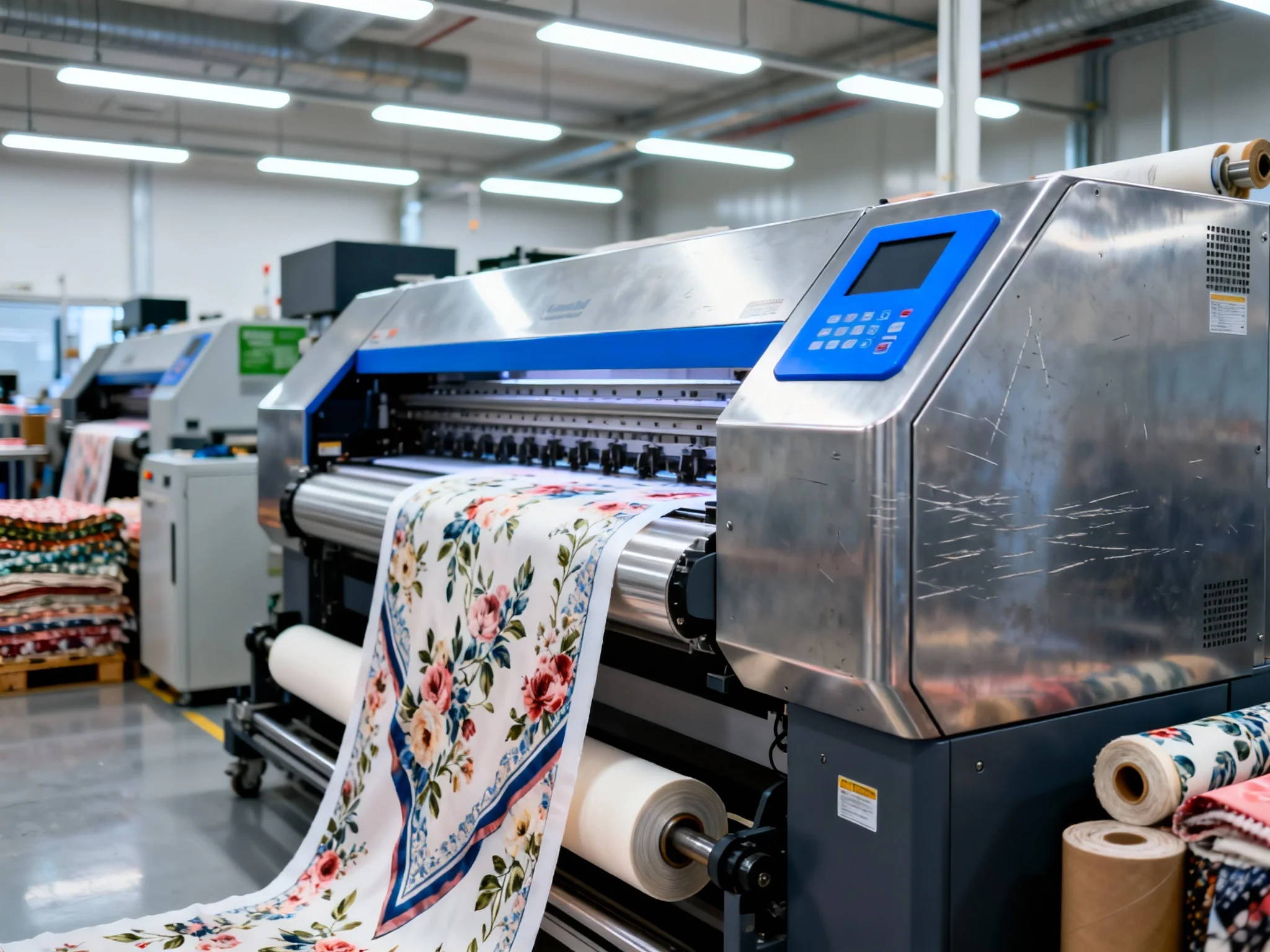
The company's overseas manufacturing facility operates on a sophisticated six-step production process: precision mould making, advanced injection moulding, dust-free oil spraying, high-definition silk-screening, precision sewing, and artisanal handicraft finishing. Each stage has been meticulously optimized to minimize environmental impact while maximizing product quality. This vertically integrated approach enables FENNYSUN to maintain rigorous quality control standards while embedding sustainable practices throughout every phase of production.
"We've always believed quality and sustainability are complementary, not competing priorities," states the company's manufacturing director. "Our 30-year evolution has been guided by the fundamental principle that responsible production methods ultimately result in superior products with reduced environmental footprint." This philosophy drives continuous investment in cutting-edge eco-friendly technologies and processes that position FENNYSUN at the vanguard of sustainable textile manufacturing.
Core Sustainable Technologies and Practices
Environmental Protection Printing Process
At the heart of FENNYSUN's sustainability strategy lies its proprietary environmental protection printing process – the cornerstone of its eco-friendly manufacturing claims. This specialized printing technique utilizes advanced water-based pigment inks that dramatically reduce volatile organic compound (VOC) emissions compared to conventional solvent-based alternatives.
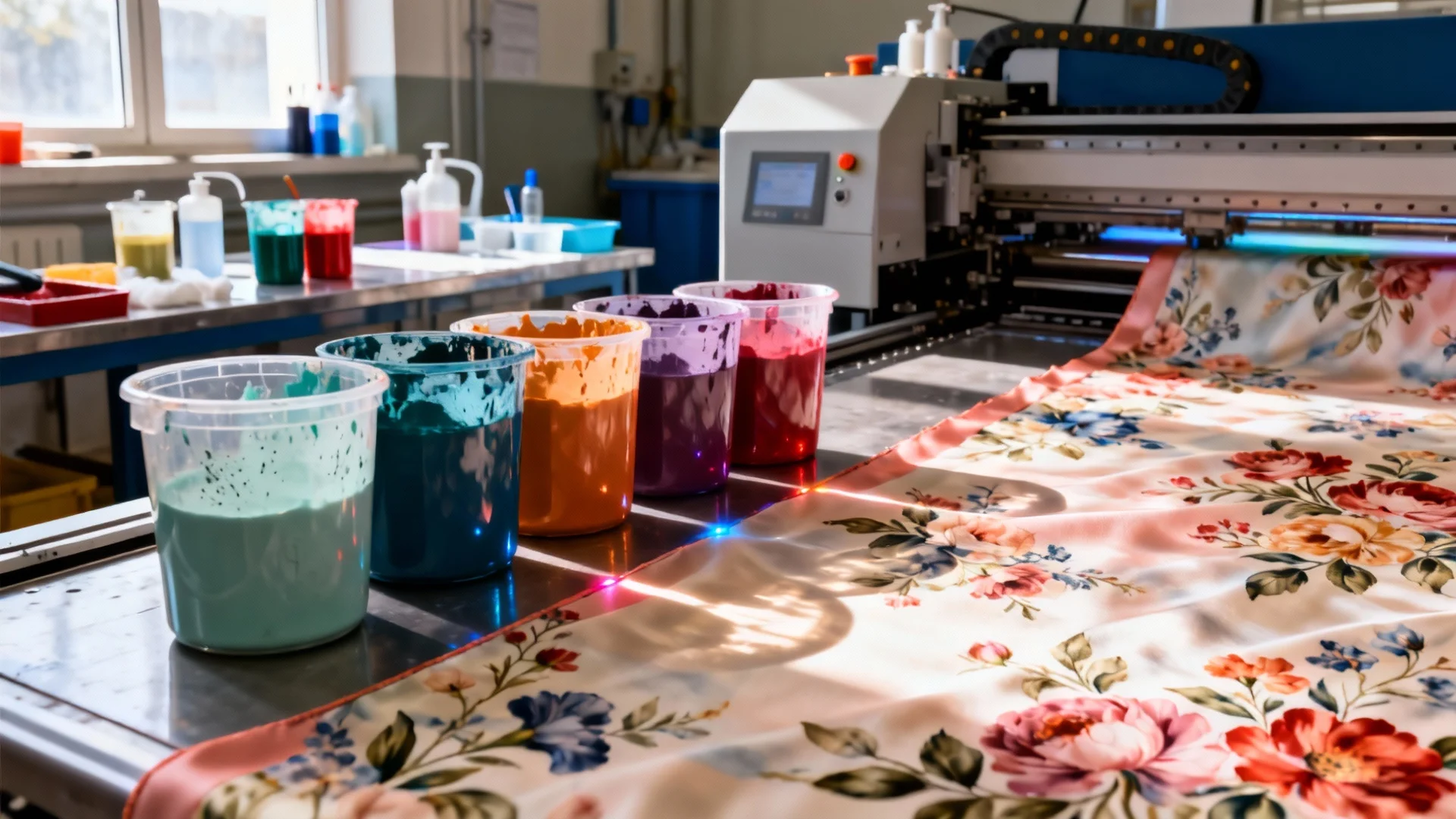
The environmental benefits are substantial and measurable. Water-based inks eliminate harmful solvents, concurrently reducing air pollution and minimizing worker exposure to toxic chemicals. FENNYSUN's implementation of this technology aligns perfectly with the rapidly expanding global market for sustainable printing solutions, which industry analysts project will reach $14.41 billion by 2029.
This commitment manifests tangibly in FENNYSUN's product line, particularly evident in their 100% polyester scarves featuring "silk feeling" textures achieved through their proprietary eco-friendly printing process. The company's dedication to this technology is so integral to its brand identity that "environmental protection printing" features prominently as a key product attribute across its sustainable scarf collection.
Low-Impact Dyeing Innovations
Complementing its printing technologies, FENNYSUN has adopted state-of-the-art low-impact dyeing techniques that directly address one of the textile industry's most pressing environmental challenges. Traditional dyeing processes are notoriously water-intensive, with the World Bank estimating that textile dyeing accounts for a staggering 20% of global industrial water pollution.
FENNYSUN's innovative approach incorporates several cutting-edge advancements:
- High fixation rate dyes: These specialized formulations significantly reduce water consumption by minimizing dye runoff through improved fiber absorption rates.
- Energy-efficient processing: Implementation of advanced low-temperature dyeing technologies that reduce energy requirements while maintaining exceptional colorfastness.
- Closed-loop water recycling systems: Sophisticated on-site treatment facilities that enable process water reuse, dramatically reducing overall water consumption.
While specific metrics for FENNYSUN's water and energy savings remain proprietary, these technologies align with industry best practices that typically achieve 30-50% reductions in water usage compared to conventional dyeing methods.
Material Innovation and Circular Economy Practices
Strategic material selection represents another critical pillar of FENNYSUN's comprehensive sustainability strategy. The company's product line includes scarves crafted from 100% polyester – a material traditionally derived from petroleum but offering significant recycling potential when sourced and processed responsibly.
FENNYSUN's material sustainability approach encompasses:
- Recycled content integration: Strategic incorporation of post-consumer recycled polyester fibers into select product lines, reducing reliance on virgin materials and diverting waste from landfills.
- Durable design philosophy: Creation of timeless products constructed for longevity, extending each garment's functional lifespan and reducing replacement frequency.
- Precision waste reduction protocols: Implementation of advanced pattern optimization software to minimize fabric waste during cutting and production phases.
These forward-thinking practices position FENNYSUN at the forefront of the growing circular economy movement in textiles, a trend that market research confirms is becoming increasingly important to both brands and consumers. The company's 30-year manufacturing heritage provides the production expertise necessary to efficiently implement these sustainable material practices without compromising quality or aesthetics.
Industry Impact and Market Positioning
FENNYSUN's sustainable manufacturing journey unfolds against a backdrop of rapidly evolving industry standards and increasingly stringent environmental regulation. As the textile sector faces mounting pressure to reduce its ecological footprint, the company's early adoption of comprehensive eco-friendly practices has established a significant competitive advantage in the marketplace.
The global market for sustainable textiles is experiencing unprecedented growth, with biodegradable materials, sustainable dyeing technologies, and textile recycling identified as key industry trends through 2025. Within this dynamic landscape, water-based textile inks – a core component of FENNYSUN's production process – are projected to see substantial market expansion driven by increasing demand for authentically eco-friendly printing solutions.
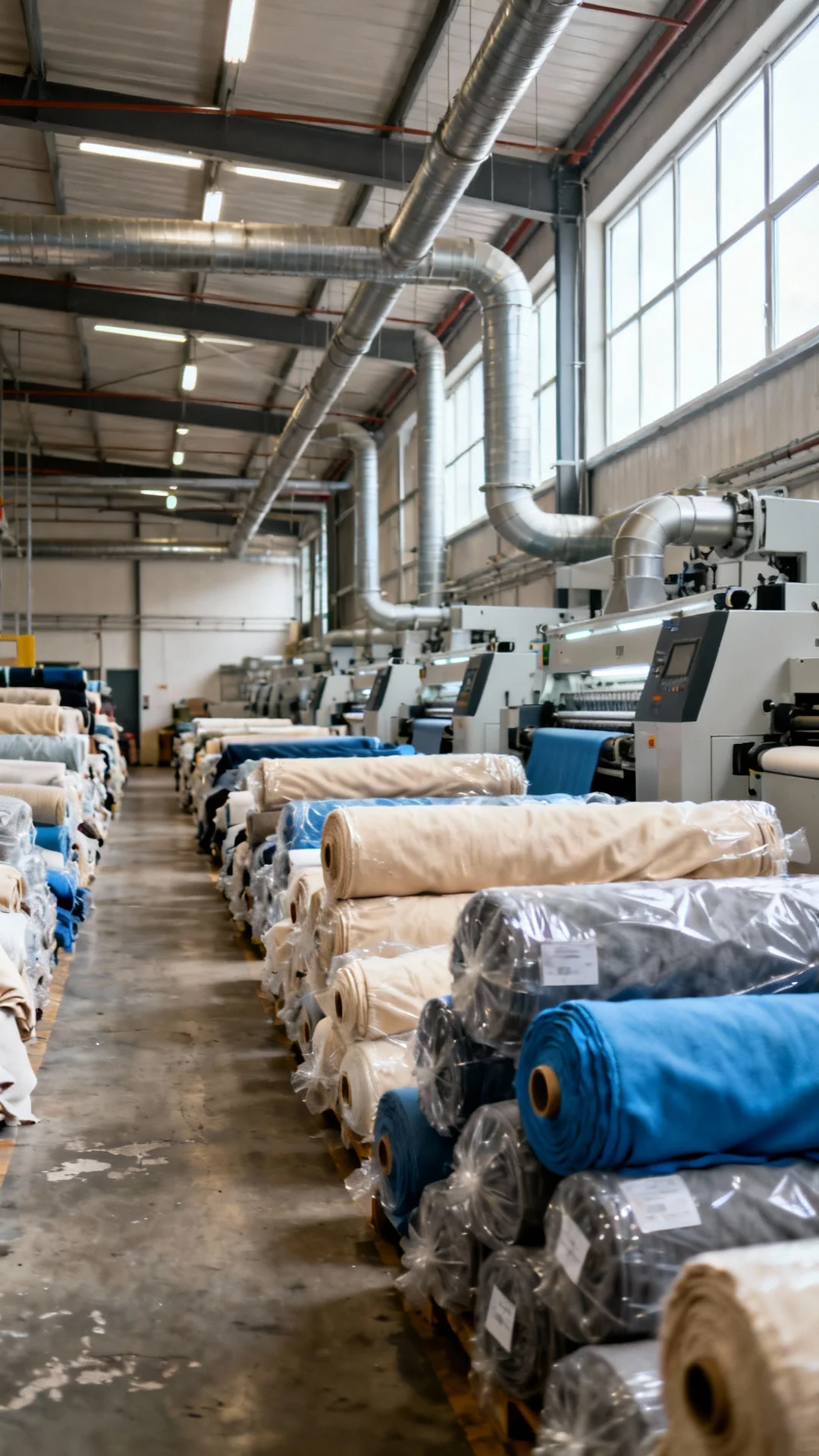
For fashion brands and retailers evaluating manufacturing partners, FENNYSUN's robust sustainability credentials offer compelling strategic benefits:
- Regulatory compliance: Proactive adoption of environmentally responsible practices helps mitigate risks associated with tightening environmental regulations across global markets.
- Brand alignment: Partnership with a sustainability-focused manufacturer enhances brand reputation among increasingly eco-conscious consumers.
- Market differentiation: Access to genuinely sustainably produced scarves provides a tangible competitive edge in an increasingly saturated marketplace.
The company's unique integration of design, manufacturing, and sales capabilities further strengthens this positioning, offering clients a streamlined supply chain with sustainability inherently built-in from concept to delivery.
Practical Implementation and Considerations
For fashion brands considering sustainable scarf production, FENNYSUN's case offers valuable insights and practical considerations for implementation:
Material Selection Guidance
When selecting materials for sustainable scarf production, brands should carefully consider:
- Environmental impact: Conduct a comprehensive evaluation of materials' full lifecycle, including sourcing, production processes, and end-of-life disposal options.
- Performance characteristics: Skillfully balance sustainability considerations with functional requirements such as durability, drape, printability, and comfort.
- Certification status: Seek out third-party certifications that independently verify environmental claims, though note that FENNYSUN's current certification status remains undisclosed.
Production Process Optimization
Key considerations for optimizing production sustainability include:
- Printing technology: Water-based inks offer significant environmental advantages over solvent-based alternatives, particularly when integrated with digital printing technologies that minimize waste.
- Dyeing processes: Low-impact dyeing techniques can substantially reduce water and energy consumption while maintaining superior color quality and longevity.
- Quality control: Implement robust quality assurance protocols to minimize waste generated from defective products and ensure production efficiency.
Supply Chain Transparency
While specific details of FENNYSUN's supply chain transparency practices are not publicly available, brands should generally prioritize manufacturing partners that provide:
- Material traceability: Comprehensive documentation of material origins and verified sustainability credentials.
- Production visibility: Meaningful access to information about manufacturing processes and measurable environmental performance metrics.
- Continuous improvement: Demonstrable evidence of ongoing efforts to reduce environmental impact and implement innovative sustainable technologies.
Conclusion: The Future of Sustainable Scarf Production
FENNYSUN's three-decade journey in sustainable scarf manufacturing exemplifies the textile industry's ongoing evolution toward more environmentally responsible practices. Through innovative eco-friendly printing technologies, advanced low-impact dyeing processes, and thoughtful material innovation, the company has positioned itself at the critical intersection of manufacturing excellence and environmental stewardship.
As the industry continues its transformative evolution, several emerging trends will shape the future landscape of sustainable scarf production:
- Advanced recycling technologies: Development of more efficient textile-to-textile recycling processes will further enable the realization of circular economy principles.
- Bio-based materials innovation: Continued advancement in plant-based fibers and biopolymers may offer viable new sustainable alternatives to conventional materials.
- Smart manufacturing integration: Implementation of digital technologies and Industry 4.0 principles to optimize resource usage and minimize waste throughout production cycles.
- Enhanced transparency frameworks: Growing consumer demand for ethical production will drive greater disclosure of environmental performance metrics and supply chain practices.
For fashion brands and retailers, the implications are clear: sustainability has evolved from an optional marketing tool to a critical business imperative. By partnering with manufacturers like FENNYSUN that prioritize authentic eco-friendly practices, brands can simultaneously reduce environmental impact while accessing the rapidly expanding market of environmentally conscious consumers.
FENNYSUN's case powerfully demonstrates that sustainable manufacturing represents not merely a passing trend but a fundamental paradigm shift in how the textile industry must operate – balancing production excellence with environmental responsibility to create enduring value for businesses, consumers, and the planet alike.
SEO Metadata:
- Meta Title: "FENNYSUN Sustainable Scarf Production: Eco-Friendly Case Study"
- Meta Description: "Explore FENNYSUN's 30-year journey in sustainable scarf manufacturing, featuring eco-friendly printing, water-based inks, and low-impact dyeing technologies."
- Focus Keywords: ["sustainable scarf production", "eco-friendly textile technology", "water-based inks", "low-impact dyeing", "recycled textile manufacturing"]
Internal Links: ["Sustainable Textile Manufacturing Practices", "Eco-Friendly Printing Technologies", "Water-Based Inks Application Guide", "Low-Impact Dyeing Processes", "Recycled Polyester Textile Production"]