In today's rapidly evolving fashion landscape, sustainability has transformed from a passing trend to a fundamental business imperative. As boutiques, specialty retailers, and fashion brands increasingly prioritize environmental stewardship and social responsibility, the process of evaluating scarf manufacturers through the lens of sustainable production has become a critical business practice. This comprehensive guide outlines seven essential benchmarks for assessing manufacturer sustainability, equipping industry professionals with actionable insights to make informed sourcing decisions that align with both ethical values and strategic business objectives.
These evaluation criteria emerge from decades of collective industry expertise working within global textile supply chains. They represent a balanced framework that integrates practical business considerations with meaningful environmental and social impact, addressing the complete production lifecycle—from raw material extraction to end-of-life management. By implementing this evaluation system, brands can make choices that resonate authentically with conscientious consumers while driving positive transformation across the industry.
1. Material Sourcing and Certification Standards
The foundation of sustainable scarf production lies in the careful selection and verification of raw materials. As consumer awareness expands, the origin and composition of scarf materials significantly influence purchasing decisions, making this criterion paramount in manufacturer evaluation.
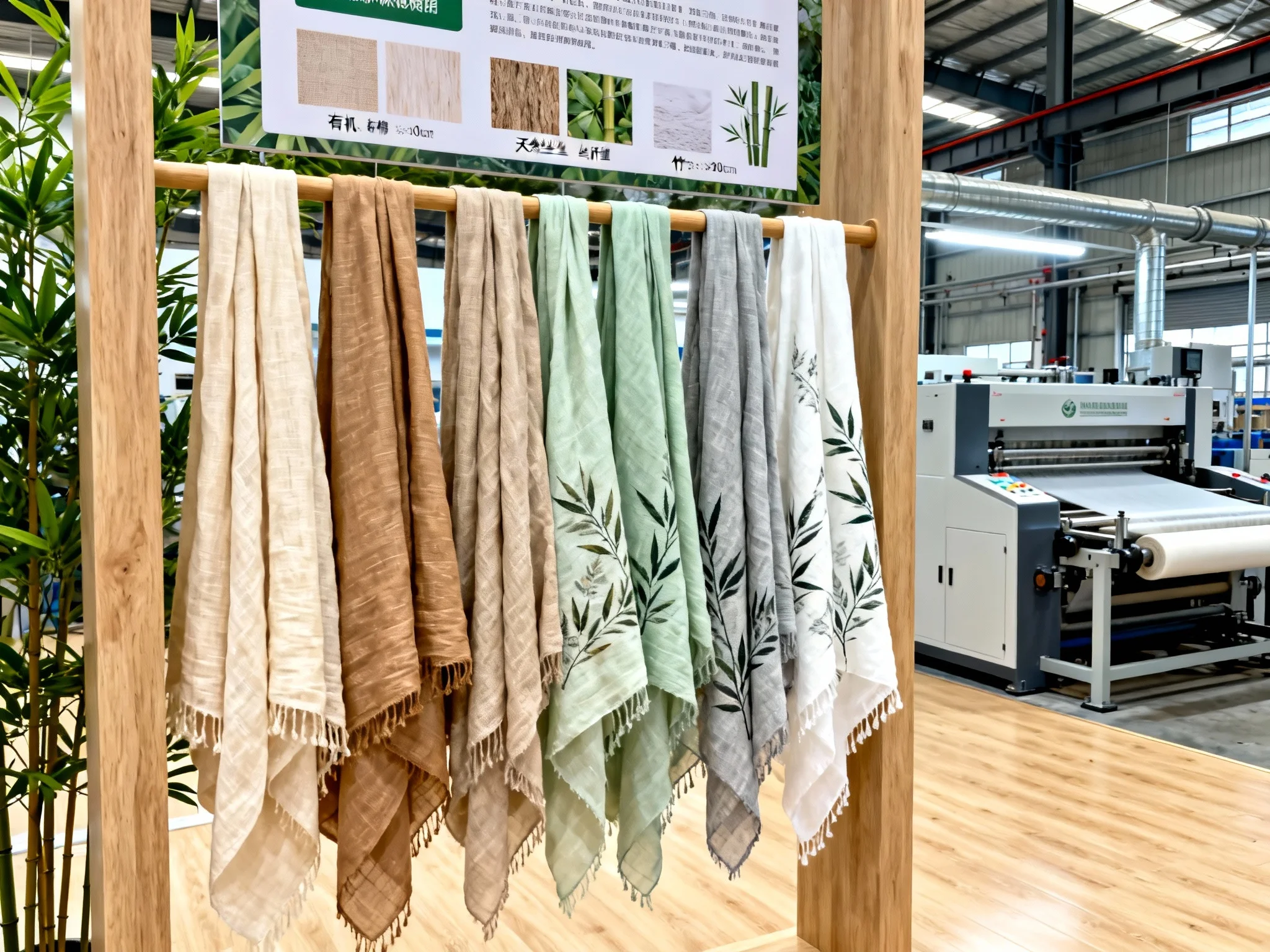
Key Evaluation Criteria:
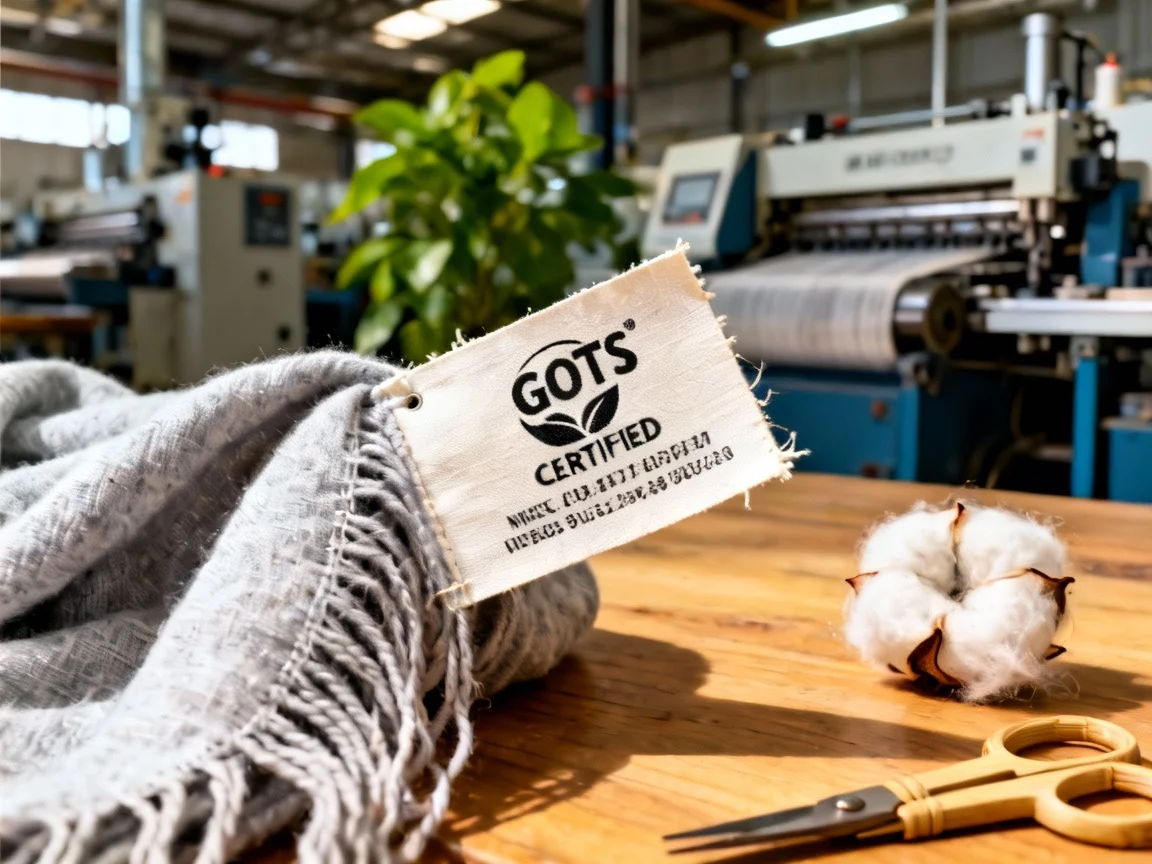
- Organic Content Verification: Prioritize manufacturers utilizing certified organic fibers that meet globally recognized standards. The Global Organic Textile Standard (GOTS) certification, requiring at least 70% organic fiber content with stringent environmental and social criteria throughout processing, serves as a benchmark for eco-friendly scarf materials. For luxury scarf production, GOTS certification represents the gold standard, ensuring materials meet rigorous sustainability benchmarks from harvesting through to finished product.
- Recycled Material Integration: Evaluate the percentage of post-consumer and post-industrial recycled content in both primary fibers and accessory materials. Leading manufacturers now incorporate innovative recycled materials such as regenerated silk from production waste and recycled polyester derived from plastic bottles. Industry leaders have achieved up to 100% recycled content in select product lines, demonstrating the potential for circular material usage.
- Biodegradability and End-of-Life Planning: Assess whether materials can naturally decompose or be efficiently recycled at end-of-life. Emerging biodegradable textiles offer promising alternatives to conventional fibers, directly addressing the estimated 92 million tons of textile waste generated annually. Manufacturers implementing take-back programs demonstrate advanced circular economy thinking that extends beyond basic material selection.
Practical Assessment Questions:
- What percentage of materials used in your scarf production are certified organic or recycled?
- Can you provide documented verification of material origins and certification credentials?
- What testing protocols have you implemented to verify material biodegradability or recyclability?
Industry leaders distinguish themselves through transparent material sourcing practices, often providing blockchain-verified supply chain information that enables brands to trace materials from origin to finished product. This level of transparency not only validates sustainability claims but also creates compelling storytelling opportunities that resonate with environmentally conscious consumers seeking authentic eco-friendly scarf materials.
2. Water and Energy Management in Green Textile Production
Textile production remains notoriously resource-intensive, with conventional manufacturing processes consuming extraordinary amounts of water and energy. Evaluating how manufacturers manage these critical resources reveals their genuine commitment to environmental stewardship and operational efficiency in green textile production.
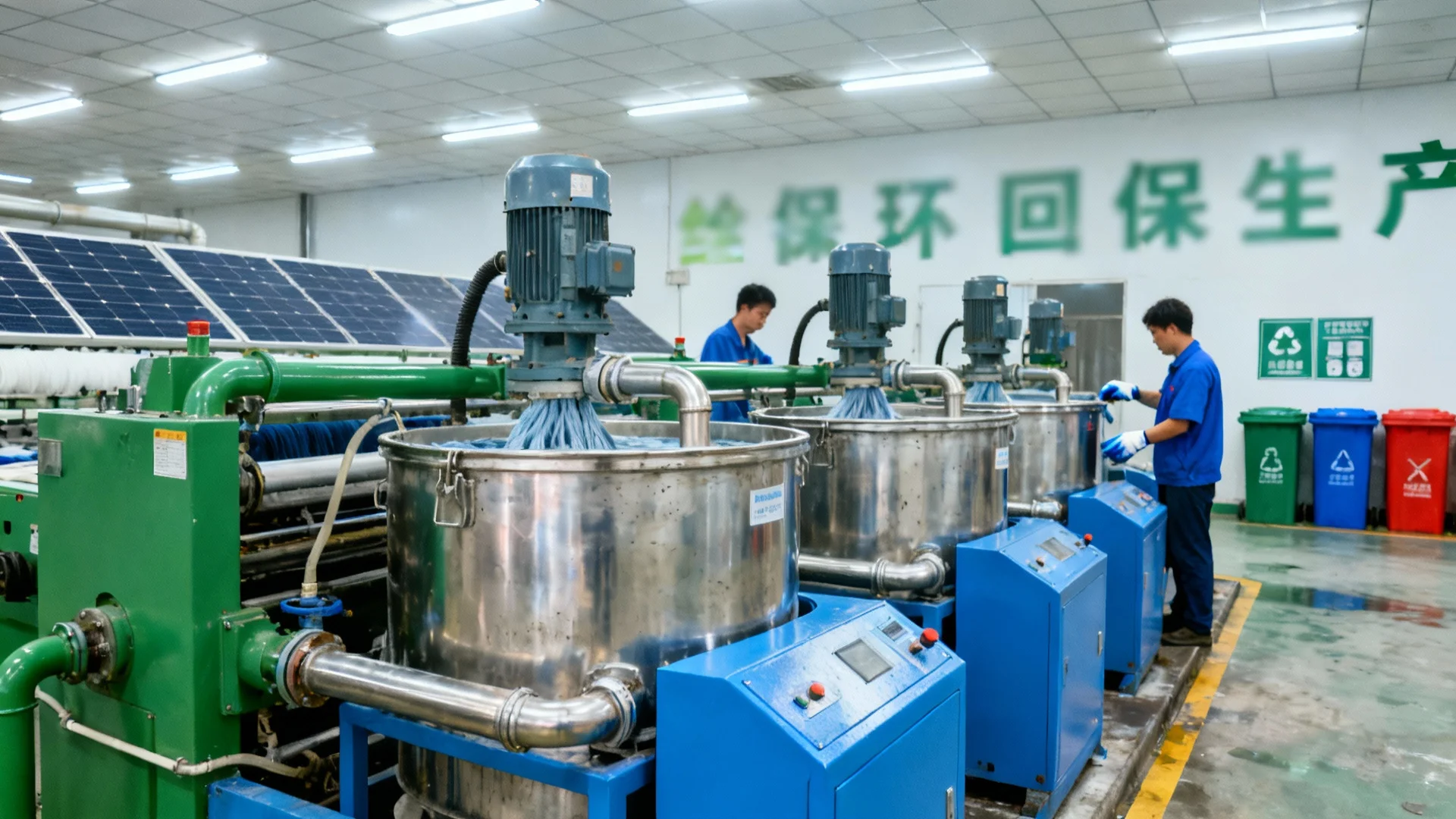
Key Evaluation Criteria:
- Water Conservation Practices: Assess implementation of water-saving technologies and processes throughout production. Waterless dyeing techniques, for instance, can reduce water usage by up to 95% compared to traditional methods. Leading manufacturers implement closed-loop water systems that treat and recirculate water, achieving recycling rates exceeding 90% in optimal cases.
- Renewable Energy Integration: Evaluate the percentage of energy derived from renewable sources such as solar, wind, or hydro power. Progressive manufacturers now operate with 100% renewable energy, significantly reducing their carbon footprint compared to facilities relying on fossil fuels. On-site renewable energy generation demonstrates particularly strong commitment to sustainability goals within green textile production.
- Energy Efficiency Measures: Look for strategic investments in energy-efficient equipment and process optimization. Modern manufacturing facilities incorporate LED lighting, high-efficiency motors, and heat recovery systems that can reduce energy consumption by 30-40% compared to conventional operations. Smart monitoring systems that adjust energy usage based on production demands represent the cutting edge of efficiency in sustainable scarf production.
Practical Assessment Questions:
- What are your current water consumption metrics per meter of fabric produced, and how do these compare to industry benchmarks?
- What percentage of your energy comes from renewable sources, and what specific targets have you established for increasing this percentage?
- Have you implemented any formal energy management systems or received recognized energy efficiency certifications?
The textile industry faces increasing pressure to reduce its environmental impact, with water pollution and carbon emissions representing significant challenges. Manufacturers that prioritize resource efficiency not only mitigate these concerns but often achieve substantial cost savings over time through operational efficiencies. When evaluating potential partners, request specific consumption metrics and compare them against industry averages to identify true sustainability leaders in green textile production.
3. Chemical Management and Dyeing Processes
The use of chemicals in textile production presents significant environmental and health risks when not properly managed. Evaluating a manufacturer's approach to chemical usage and dyeing processes reveals their commitment to both environmental protection and product safety—critical components of ethical scarf manufacturing.
Key Evaluation Criteria:
- Toxic Chemical Elimination: Verify the manufacturer's restricted substances list and commitment to eliminating hazardous chemicals. Compliance with OEKO-TEX® Standard 100 certification ensures textiles contain no harmful levels of more than 300 substances. Leading manufacturers go beyond minimum compliance, proactively eliminating entire classes of chemicals known to pose environmental risks.
- Sustainable Dyeing Technologies: Assess adoption of low-impact dyeing processes like natural dyeing, digital printing, and waterless dyeing technologies. These innovative methods can reduce water usage by up to 95% and eliminate hazardous wastewater discharge. Some pioneering manufacturers have developed revolutionary dyeing processes that use carbon dioxide instead of water as a solvent, completely transforming the environmental profile of color application in scarf production.
- Chemical Management Systems: Evaluate comprehensive procedures for tracking, storing, and disposing of chemicals throughout production. Integrated management systems that monitor chemical usage in real-time help prevent over-application and contamination. Manufacturers implementing green chemistry principles actively seek safer alternatives to conventional chemicals, demonstrating a commitment to continuous improvement in their ethical scarf manufacturing practices.
Practical Assessment Questions:
- What specific certifications do you hold related to chemical safety and restricted substances management?
- What percentage of your dyeing processes currently utilize waterless or low-water technologies?
- How do you ensure proper disposal of chemical waste, and what measurable targets have you established for reducing overall chemical usage?
Chemical management represents a critical aspect of sustainable scarf production. Conventional dyeing processes contribute significantly to water pollution and create health risks for workers. Manufacturers that prioritize clean chemistry produce safer products and position themselves as industry innovators in ethical scarf manufacturing. When evaluating potential partners, request documentation of their chemical management practices and look for evidence of continuous improvement in reducing hazardous substance usage.
4. Waste Reduction and Circular Economy Practices
The fashion industry's traditional linear production model contributes to massive waste generation, making waste reduction and circular economy implementation essential criteria for evaluating manufacturer sustainability in sustainable scarf production.
Key Evaluation Criteria:
- Production Waste Management: Assess sophisticated systems for minimizing and repurposing production waste. Innovative manufacturers implement zero-waste cutting techniques that reduce fabric waste to less than 1%. Production scraps are increasingly collected and transformed into new products or recycled into fiber for future production, creating closed-loop systems that maximize resource utilization.
- End-of-Life Considerations: Evaluate whether the manufacturer designs products with circularity in mind, utilizing easily recyclable materials and avoiding complex material blends that complicate recycling. Take-back programs that collect and process post-consumer scarves represent the highest level of circular commitment, though they remain relatively rare in the industry and thus serve as a significant differentiator.
- Circular Business Models: Look for innovative approaches like rental, repair, or resale programs that extend product lifecycles. While less common for scarves than for higher-value items, these models demonstrate forward-thinking sustainability. Some manufacturers offer repair services or take-back programs that allow customers to return scarves at the end of their useful life for recycling or repurposing, embodying circular economy principles.
Practical Assessment Questions:
- What is your current production waste percentage, and what specific measures are you actively taking to reduce this metric?
- Have you implemented any take-back or recycling programs for post-consumer products, and what has been their effectiveness?
- How do you incorporate circular economy principles into your product design process to facilitate recycling or biodegradation at end-of-life?
The transition from linear to circular production models represents a fundamental shift in textile manufacturing with significant environmental benefits. Manufacturers that embrace circular economy principles reduce waste and often develop innovative new business opportunities. When evaluating potential partners, look for evidence of systemic approaches to waste reduction rather than isolated initiatives. True sustainability leaders demonstrate how circular thinking informs all aspects of their operations, from initial design through to end-of-life management in their sustainable scarf production processes.
5. Labor Conditions and Social Responsibility
Sustainable manufacturing inherently includes social as well as environmental considerations, making labor conditions and community impact critical evaluation criteria for ethical scarf manufacturing partnerships.
Key Evaluation Criteria:
- Fair Wages and Working Hours: Verify that the manufacturer pays living wages and complies with local labor laws regarding working hours and overtime. Certifications such as Fair Trade or SA8000 provide independent verification of fair labor practices. Leading manufacturers go beyond basic legal compliance, implementing profit-sharing programs or worker ownership models that ensure employees benefit directly from company success.
- Health and Safety Conditions: Assess comprehensive workplace safety programs and health initiatives for employees. Look for manufacturers with regular safety training programs, scheduled health screenings, and well-documented accident prevention protocols. Some progressive facilities have implemented holistic wellness programs that address both physical and mental health needs of workers, recognizing the connection between employee well-being and production quality.
- Community Engagement: Evaluate the manufacturer's impact on local communities through strategic job creation, skills development, and targeted community investment. Manufacturers that source locally and engage in community development projects demonstrate a broader commitment to social sustainability. Some establish specialized training programs that develop valuable skills in the local workforce, creating long-term economic benefits beyond direct employment.
Practical Assessment Questions:
- What specific measures do you implement to ensure fair compensation and reasonable working hours for all employees across your supply chain?
- What health and safety certifications or standards have you implemented in your manufacturing facilities?
- How do you actively engage with and contribute to the communities where your production facilities are located?
Social responsibility represents an essential component of sustainable manufacturing that cannot be separated from environmental considerations. Manufacturers that prioritize fair labor practices often benefit from higher employee retention, better quality control, and stronger brand reputation—creating a virtuous cycle of positive outcomes. When evaluating potential partners, request documentation of labor practices and consider arranging facility visits whenever possible. True commitment to social sustainability should be evident throughout the organization, from leadership policies to on-the-ground implementation in ethical scarf manufacturing operations.
6. Supply Chain Transparency and Traceability
In an increasingly complex global supply chain, transparency has become a cornerstone of sustainable manufacturing. It enables brands and consumers to verify sustainability claims and ensure ethical production throughout the entire process of sustainable scarf production.
Key Evaluation Criteria:
- Supply Chain Mapping: Assess the manufacturer's ability to trace materials from origin through each production stage. Comprehensive mapping demonstrates commitment to transparency and allows identification of sustainability risks and opportunities. Leading manufacturers utilize sophisticated digital platforms to provide real-time visibility into their supply chains, enabling customers to trace specific products back to their source materials.
- Documentation and Certification: Verify that sustainability claims are supported by credible third-party certifications and auditable documentation. Transparent manufacturers make this information readily accessible to customers and may participate in industry transparency initiatives. Certifications from respected organizations like Fair Trade, GOTS, and B Corp provide independent verification of sustainability claims across different aspects of production.
- Communication and Reporting: Evaluate the manufacturer's sustainability reporting practices and willingness to communicate openly about challenges and improvements. Annual sustainability reports that follow recognized frameworks like GRI or SASB indicate mature sustainability management. Transparent communication about both achievements and areas for improvement demonstrates integrity and commitment to continuous progress in sustainable scarf production.
Practical Assessment Questions:
- What percentage of your supply chain is currently mapped, and what concrete steps are you taking to increase this percentage?
- What sustainability reporting frameworks do you utilize, and how frequently do you publish comprehensive reports?
- How do you effectively communicate sustainability information to your customers and other key stakeholders?
Supply chain transparency has evolved from a niche concern to a business necessity, driven by increasing consumer demand and regulatory requirements. Manufacturers that invest in transparency mitigate risks and create opportunities for innovation and differentiation in sustainable scarf production. When evaluating potential partners, look beyond marketing materials to assess the depth and accessibility of sustainability information. True transparency leaders provide detailed, verifiable information about their practices and welcome customer inquiries about their supply chain.
7. Innovation and Continuous Improvement
The sustainability landscape constantly evolves, making a manufacturer's commitment to innovation and continuous improvement critical for long-term partnership viability in the dynamic field of sustainable scarf production.
Key Evaluation Criteria:
- Research and Development Investment: Assess commitment to sustainable innovation through dedicated R&D resources and collaboration with academic or industry partners. Leading manufacturers allocate significant resources to developing more sustainable materials, processes, and business models. Some establish specialized innovation labs or partner with research institutions to explore cutting-edge sustainability technologies with potential applications in scarf production.
- Technology Adoption: Evaluate implementation of technologies that enhance sustainability performance, such as AI for resource optimization, blockchain for supply chain transparency, and digital tools for production efficiency. Smart manufacturing systems that monitor and adjust resource usage in real-time represent the cutting edge of efficiency. Manufacturers leveraging these technologies often achieve sustainability performance that far exceeds industry averages in green textile production.
- Continuous Improvement Systems: Verify that the manufacturer has established robust systems for regularly assessing sustainability performance, setting meaningful targets, and implementing concrete improvements. Management systems like ISO 14001 provide a structured approach to environmental management. More advanced manufacturers implement integrated sustainability management systems that address social and circular economy considerations as well.
Practical Assessment Questions:
- What percentage of your annual budget is allocated to sustainability-focused research and development initiatives?
- What specific new technologies have you implemented in the past three years to improve sustainability performance?
- How do you establish sustainability targets, and how frequently do you review and update these targets based on performance?
The pace of sustainability innovation in textiles continues to accelerate, with new materials, processes, and business models emerging regularly. Manufacturers that fail to keep pace risk obsolescence, while those that embrace innovation position themselves as industry leaders in sustainable scarf production. When evaluating potential partners, assess both current performance and future trajectory—look for evidence of continuous improvement rather than static achievement. The most valuable partners demonstrate strong current sustainability practices, a clear vision for future advancement, and willingness to collaborate on shared sustainability goals.
Implementing Your Evaluation: Practical Next Steps
With these seven evaluation criteria, brands can develop a comprehensive manufacturer assessment framework that drives meaningful sustainability improvements in their scarf sourcing. These practical steps will help translate the criteria into actionable evaluation processes:
Develop a Customized Scorecard: Create a weighted scorecard based on the seven criteria, adjusting weights to reflect your brand's specific sustainability priorities and risk factors. Include both quantitative metrics (e.g., water consumption per unit, percentage of renewable energy) and qualitative assessments (e.g., worker engagement, innovation culture) relevant to sustainable scarf production.
Request Comprehensive Documentation: Ask potential manufacturers to provide specific documentation for each criterion, including certification records, audit reports, sustainability metrics, and detailed process descriptions. Be prepared to sign non-disclosure agreements for proprietary information related to eco-friendly scarf materials and production processes.
Conduct On-Site Visits: Whenever possible, conduct on-site visits to observe operations firsthand and verify sustainability claims. Prepare a structured assessment checklist to ensure consistent evaluation across different facilities engaged in ethical scarf manufacturing.
Interview Multiple Stakeholders: Speak with various levels of staff, from management to production workers, to gain a comprehensive understanding of sustainability practices and culture. Worker representatives or union leaders can provide valuable perspectives on labor conditions in ethical scarf manufacturing settings.
Compare Performance Over Time: Look for evidence of continuous improvement by reviewing historical data and tracking performance against established targets. A manufacturer showing steady improvement may represent a better long-term partner than one with strong current performance but no clear improvement trajectory in sustainable scarf production.
Consider Collaboration Opportunities: For manufacturers showing potential but not yet meeting all criteria, explore whether collaborative improvement programs might yield mutually beneficial results. Some forward-thinking brands develop supplier sustainability academies or technical assistance programs to help manufacturers build capacity in green textile production.
Monitor and Re-evaluate Regularly: Sustainability evaluation should be an ongoing process, not a one-time assessment. Establish regular review cycles to track performance, address emerging issues, and identify new improvement opportunities in sustainable scarf production partnerships.
By systematically evaluating potential scarf manufacturers against these seven criteria, brands can make informed sourcing decisions that align with their sustainability values, reduce risk, and create value for consumers increasingly seeking ethical products. The evaluation process itself can drive industry improvement by signaling market demand for more sustainable practices and creating incentives for manufacturers to invest in sustainability capabilities across their operations.
Ultimately, the most successful sustainable sourcing relationships are built on transparency, shared values, and a commitment to continuous improvement. By prioritizing these seven key criteria in manufacturer selection and development, brands can contribute to transforming the textile industry toward greater sustainability while building strong, resilient supply chains for the future of ethical scarf manufacturing.