In today's fashion industry, sustainability has evolved from a passing trend to an essential business imperative. For boutiques, specialty stores, and fashion brands, verifying the ethical credentials of scarf manufacturers has become a critical business practice. As consumers increasingly demand transparency and responsibility throughout the supply chain, distinguishing genuine sustainability from marketing claims—often referred to as "greenwashing"—matters more than ever before.
Drawing on extensive industry experience working with textile manufacturers across Europe and Asia, this guide provides a systematic framework for evaluating scarf suppliers' ethical manufacturing practices through rigorous certification verification. We explore authoritative certification standards, outline practical verification steps, and highlight emerging trends shaping sustainable textile production in 2025 and beyond.
Understanding the Ethical Certification Landscape in Scarf Manufacturing
The textile certification ecosystem has undergone significant evolution, with 2025 marking a pivotal year for updated standards and stricter compliance requirements. For scarf manufacturers specifically, certifications span three critical domains: environmental impact, social responsibility, and material integrity.
Core Certification Categories for Scarves
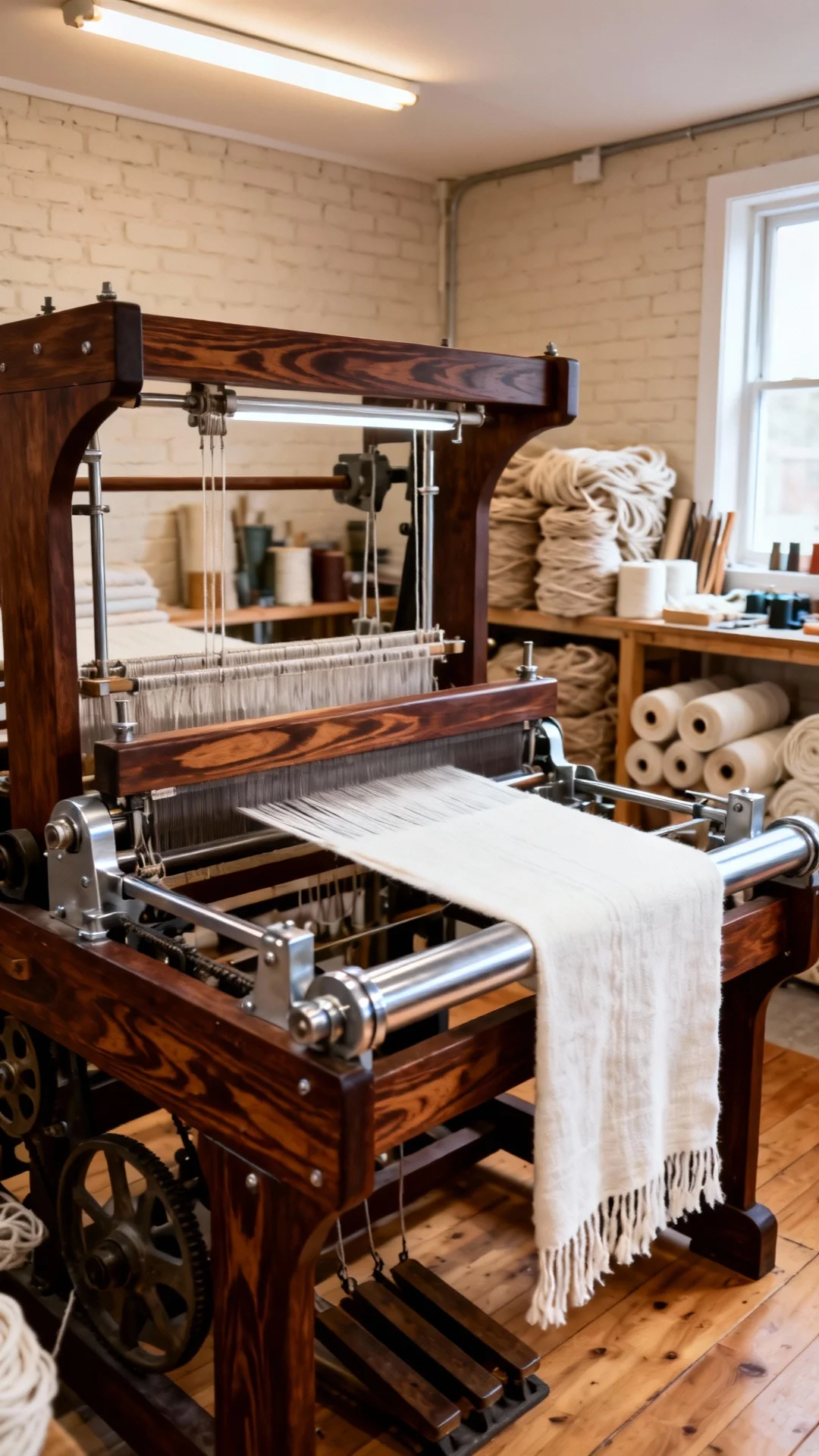
Environmental Certification Frameworks govern resource usage, chemical inputs, and waste management throughout the manufacturing process. The 2025 updates to OEKO-TEX® STANDARD 100 represent the most significant regulatory shift, introducing stricter limits on BPA (Bisphenol A) and enhanced requirements for supply chain transparency. These changes, effective April 1, 2025, now mandate organic cotton verification at every production stage and comprehensive documentation of chemical usage from fiber to finished product.
Social Accountability Standards focus on labor conditions, fair compensation, and worker welfare. The Fairtrade Textile Standard stands out by establishing minimum wage requirements that exceed local legal mandates and creating democratic workplace structures through elected worker representatives. Notably, Fairtrade certification now includes specific provisions for homeworkers—a critical consideration in the scarf industry where hand-finishing is common practice.
Material Integrity Certifications validate sustainability claims of raw materials used in scarf production. The Global Organic Textile Standard (GOTS) remains the gold standard, requiring a minimum of 70% organic fiber content for basic certification and 95% for the highest tier. The 2025 revision strengthens traceability requirements, now demanding blockchain-enabled documentation for organic fiber provenance in addition to traditional paper trails.
Emerging Certification Trends for 2025
Industry data shows a clear migration toward multi-certification compliance. Leading manufacturers now maintain 3-5 simultaneous certifications to address different stakeholder concerns. This trend reflects both consumer demand for comprehensive sustainability and the fragmented nature of current certification standards, where no single certification addresses all environmental, social, and material concerns.
Another significant development is the integration of circular economy principles into certification standards. The UNEP Textile Initiative's 2025 guidelines now require certified manufacturers to implement take-back programs for post-consumer scarf waste, with specific targets for recycling or upcycling. This represents a shift from purely production-focused standards to lifecycle thinking in textile sustainability.
Key Certification Standards for Scarf Manufacturers
Navigating the complex landscape of textile certifications requires understanding which standards work best for scarf production specifically. While many general textile certifications apply, certain standards address the unique aspects of scarf manufacturing, including printing processes, decorative elements, and diverse material compositions.
OEKO-TEX® 2025 Updates: Critical Changes for Scarf Producers
The 2025 revisions to OEKO-TEX® standards introduce several scarf-specific considerations buyers must understand when evaluating supplier certifications. Most notably, expanded restrictions on printing chemicals directly impact scarf manufacturers using digital or screen printing techniques. The new standards establish stricter limits for volatile organic compounds (VOCs) in printing inks, with specific prohibitions on phthalates commonly used in flexible print applications.
For scarf brands using leather accents or trim, enhanced leather supply chain transparency requirements represent another critical update. Certified manufacturers must now provide documentation tracing leather components back to the original tannery, including evidence of compliance with chromium VI limits and waste water treatment protocols.
Verification of OEKO-TEX® certification has also evolved, with digital certification badges that include QR codes linking to real-time audit data. When evaluating a supplier's OEKO-TEX® credentials, buyers should scan these QR codes to confirm the certification scope includes scarves specifically. Some manufacturers maintain certification for basic textiles but not for printed or embellished products.
Global Organic Textile Standard (GOTS) for Natural Fiber Scarves
For scarves crafted from organic cotton, silk, wool, or other natural fibers, GOTS certification remains the most recognized standard for eco-friendly scarf materials. The certification process evaluates the entire supply chain from fiber production through manufacturing, with specific requirements for:
- Organic fiber content: Minimum 70% for basic certification, 95% for "organic" label usage
- Chemical inputs: Restricted substance list for dyes, auxiliaries, and finishing agents
- Water and energy usage: Specific benchmarks for resource efficiency in processing
- Social compliance: Minimum wage guarantees, safe working conditions, and prohibition of child labor
GOTS certification is particularly relevant for scarf manufacturers using natural dyeing processes, as the standard includes detailed requirements for botanical dye sourcing and mordant usage. The 2025 revision strengthens these provisions, now requiring wild-harvested dye plants to be collected using sustainable practices that maintain ecosystem health.
When verifying GOTS certification, buyers should pay particular attention to the product category specified on the certificate. Scarves may fall under "accessories" or "garments" depending on design, and certification scope can vary between these categories. Additionally, the GOTS label grade (1 or 2) indicates the percentage of organic content, with Grade 1 requiring 95%+ organic fibers.
Fair Trade Textile Standard: Social Compliance for Ethical Scarf Manufacturing
The Fair Trade Textile Standard addresses unique labor challenges in scarf manufacturing, which often involves significant handwork and may use homeworkers outside traditional factory settings. The standard establishes a Fair Trade Minimum Price covering sustainable production costs, plus a Fair Trade Premium earmarked for worker development projects.
For scarf manufacturers, compliance requires specific protocols for homeworker inclusion, including written contracts, minimum wage guarantees, and health insurance coverage—protections often missing in informal homework arrangements common in the scarf industry. The standard also mandates transparency in piece-rate compensation, ensuring homeworkers receive fair payment for intricate hand-embroidery or other decorative work.
Verification of Fair Trade certification involves reviewing the certificate scope to ensure it covers scarf production specifically. Some textile manufacturers maintain certification for basic fabrics but not for finished accessories. Buyers should also request documentation of how the Fair Trade Premium has been utilized, providing insight into the manufacturer's commitment to worker welfare beyond minimum compliance.
Step-by-Step Verification Process for Supplier Certifications
Effectively verifying a scarf manufacturer's ethical certifications requires a systematic approach that goes beyond requesting a certificate copy. The most reliable verification processes combine document review, direct supplier engagement, and third-party validation to ensure certification claims are valid, current, and relevant to specific products.
Initial Documentation Review
The verification process begins with thorough review of certification documents, focusing on several key details often overlooked:
- Certification scope: Confirm the certificate explicitly includes scarf production, including any specialized processes like printing, embroidery, or finishing used in your specific product requirements.
- Issue and expiration dates: Verify the certification is current, with no gaps between expiration and renewal. For standards like OEKO-TEX® and GOTS, certifications typically expire annually.
- Certifying body: Ensure the issuing organization is accredited by the International Accreditation Forum (IAF) or equivalent regional body. Reputable certifiers for textile standards include Control Union, SGS, and Intertek.
- Facility-specific certification: Confirm the certificate references the specific manufacturing facility producing your scarves, not just the corporate headquarters or parent company.
Red flags during document review include certificates that appear modified, lack specific product categories, or list expired dates. In such cases, buyers should request immediate clarification from the supplier before proceeding.
Direct Verification with Certification Bodies
Independent confirmation directly from the certifying organization represents the most reliable method to validate certification claims. Most major certification bodies provide online verification tools allowing buyers to confirm a supplier's certification status using the certificate number or company name.
For OEKO-TEX® certifications, the myOEKO-TEX® database provides public access to certification information, including specific products covered and current status. Similarly, the GOTS Certificate Database allows verification of certified facilities and their scope of certification.
When using these tools, buyers should cross-reference certified product categories with specific requirements. A manufacturer certified for "woven textiles" may not hold certification for digital printing processes used in scarf production, even if the base fabric meets standards.
On-Site Verification Protocol
For high-volume or long-term supplier relationships, on-site verification represents the gold standard for confirming certification compliance. While requiring more resources, it provides opportunities to:
- Observe manufacturing processes firsthand and confirm alignment with certification requirements
- Interview workers about working conditions and compensation practices
- Review internal documentation systems supporting certification maintenance
- Assess actual implementation of sustainable textile practices versus theoretical compliance
When conducting on-site verification, buyers should prepare a structured audit checklist based on specific certification requirements most relevant to their scarf production. For example, for GOTS-certified suppliers, the checklist should include verification of separate storage for organic and conventional fibers, documentation of input chemicals, and water treatment processes.
Even without conducting a full audit, requesting a virtual facility tour via video conference can provide valuable insights into a supplier's operations and commitment to certification requirements.
Practical Application: Case Studies in Sustainable Scarf Production
Examining real-world examples of ethical scarf manufacturing provides valuable insights into how certification standards translate to actual production practices. These case studies demonstrate successful implementation of certification requirements and common challenges manufacturers face navigating multiple standards simultaneously.
Case Study: Dutch Artisanal Scarf Producer
A Netherlands-based scarf manufacturer specializing in handwoven designs illustrates best practices in multi-certification compliance. The company maintains OEKO-TEX® STANDARD 100, GOTS, and Fair Trade certifications simultaneously, representing a comprehensive approach to green scarf production.
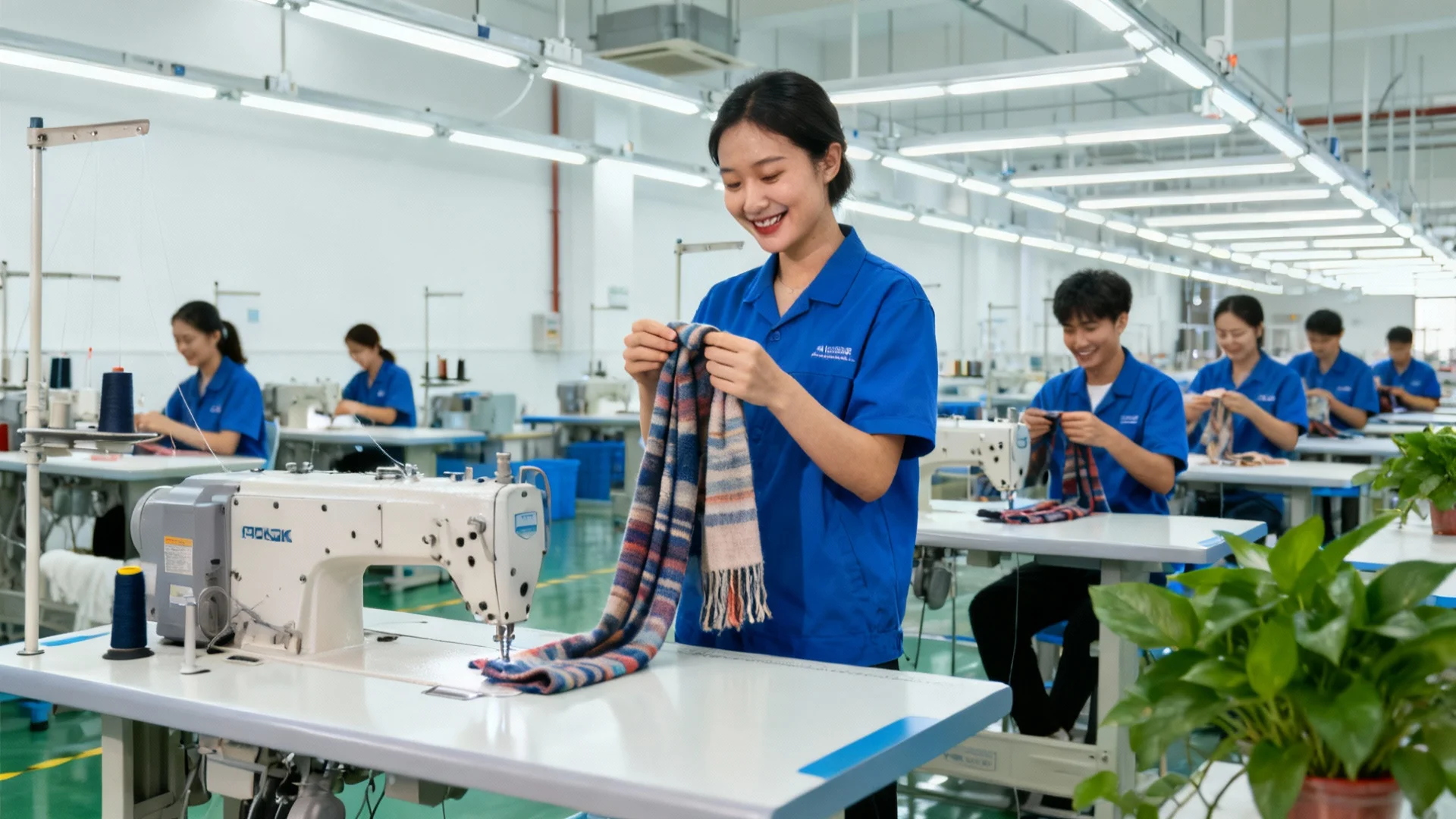
Their implementation of GOTS requirements includes a closed-loop water system for natural dyeing processes, reducing water consumption by 72% compared to conventional dyeing methods. The company's Fair Trade certification enabled establishing a worker-owned cooperative managing handweaving production, with profit-sharing arrangements increasing artisan wages by 40% above local industry standards.
Verification challenges arose when the company expanded into digital printing for some designs, requiring additional certification for printing processes not initially covered under existing certifications. This example highlights the importance of ensuring certification scope matches all production processes used for specific scarf designs.
Case Study: Sustainable Luxury Scarf Production
An Italian luxury scarf brand demonstrates innovative approaches to circular economy principles within certification frameworks. While maintaining GOTS certification for organic silk scarves, the company has gone beyond basic requirements by implementing:
- A take-back program for end-of-life scarves, with 85% of returned products upcycled into smaller accessories
- Biodegradable packaging derived from textile waste generated during scarf production
- Energy-neutral manufacturing through on-site solar generation and carbon offset purchases
This case shows how leading manufacturers use certification standards as a foundation rather than a ceiling for sustainability performance. When evaluating such suppliers, buyers should inquire about sustainability initiatives beyond basic certification requirements to identify true industry leaders.
Developing a Supplier Evaluation Framework
Creating a structured supplier evaluation framework ensures consistent assessment of ethical manufacturing practices across potential scarf suppliers. This framework should combine certification verification with additional sustainability criteria relevant to both business objectives and stakeholder expectations.
Weighted Scoring System for Certification Compliance
A weighted scoring approach allows buyers to prioritize certifications based on specific sustainability goals and customer expectations. A sample scoring matrix might allocate points as follows:
- Primary certifications (40% weight): GOTS or equivalent organic certification, Fair Trade or social accountability certification
- Secondary certifications (30% weight): OEKO-TEX® or chemical safety certification, ISO 14001 environmental management
- Emerging standards (20% weight): Circular economy certifications, carbon footprint verification
- Supplier initiatives (10% weight): Additional sustainability practices beyond certification requirements
Within each category, points can be allocated based on certification scope (partial vs. full coverage), recency of certification, and audit results when available. This structured approach ensures objective comparison between suppliers with different certification profiles.
Integration with Quality and Commercial Criteria
Ethical certification should be evaluated alongside traditional supplier criteria in a comprehensive assessment model. A balanced framework might include:
- Quality metrics (30%): Product consistency, defect rates, compliance with specifications
- Ethical certification (30%): Certification scope, compliance history, verification results
- Commercial terms (25%): Pricing, minimum order quantities, lead times, payment terms
- Operational capability (15%): Production capacity, flexibility, communication, problem-solving
This integrated approach prevents overemphasis on certification alone while ensuring sustainability remains a core evaluation criterion. It also helps identify suppliers balancing ethical manufacturing with commercial viability and quality performance.
Conclusion: Building Ethical Scarf Supply Chains
Verifying ethical scarf manufacturing through certification standards represents a critical step toward more sustainable fashion supply chains. By understanding key certification requirements, implementing rigorous verification processes, and developing structured supplier evaluation frameworks, buyers can make informed decisions aligning with both ethical values and business objectives.
The evolving landscape of textile certifications requires ongoing education and adaptation from both buyers and suppliers. As standards continue incorporating circular economy principles, enhanced traceability requirements, and stricter social criteria, the most successful supply chain partnerships will be built on transparency, collaboration, and shared commitment to continuous improvement.
For boutique owners, specialty retailers, and fashion brands, investment in certification verification ultimately translates to several tangible benefits: reduced reputational risk from greenwashing accusations, enhanced product quality through rigorous manufacturing standards, and stronger connections with increasingly sustainability-conscious consumers.
As one industry leader noted, "Certifications provide the foundation, but true ethical manufacturing requires going beyond minimum standards to create products that honor both people and planet throughout their lifecycle." This philosophy should guide buyers navigating the complex but critical process of verifying ethical scarf manufacturing practices.