In the rapidly evolving landscape of textile manufacturing, direct-to-fabric printing has emerged as a transformative technology that bridges creative design with efficient production. As the digital textile printing market approaches $19.44 billion by 2025, fashion brands, boutique owners, and specialty retailers are increasingly seeking to understand and implement this innovative process. This guide demystifies the direct-to-fabric printing workflow, providing actionable insights based on industry best practices and the latest technological advancements.
Understanding Direct-to-Fabric Printing Technology
Direct-to-fabric printing represents a significant advancement over traditional textile printing methods, utilizing inkjet technology to apply colorants directly onto fabric surfaces without screens or transfer intermediaries. This digital approach offers unprecedented design freedom and production flexibility—particularly valuable for the fashion accessories sector where customization and rapid turnaround are becoming competitive necessities.
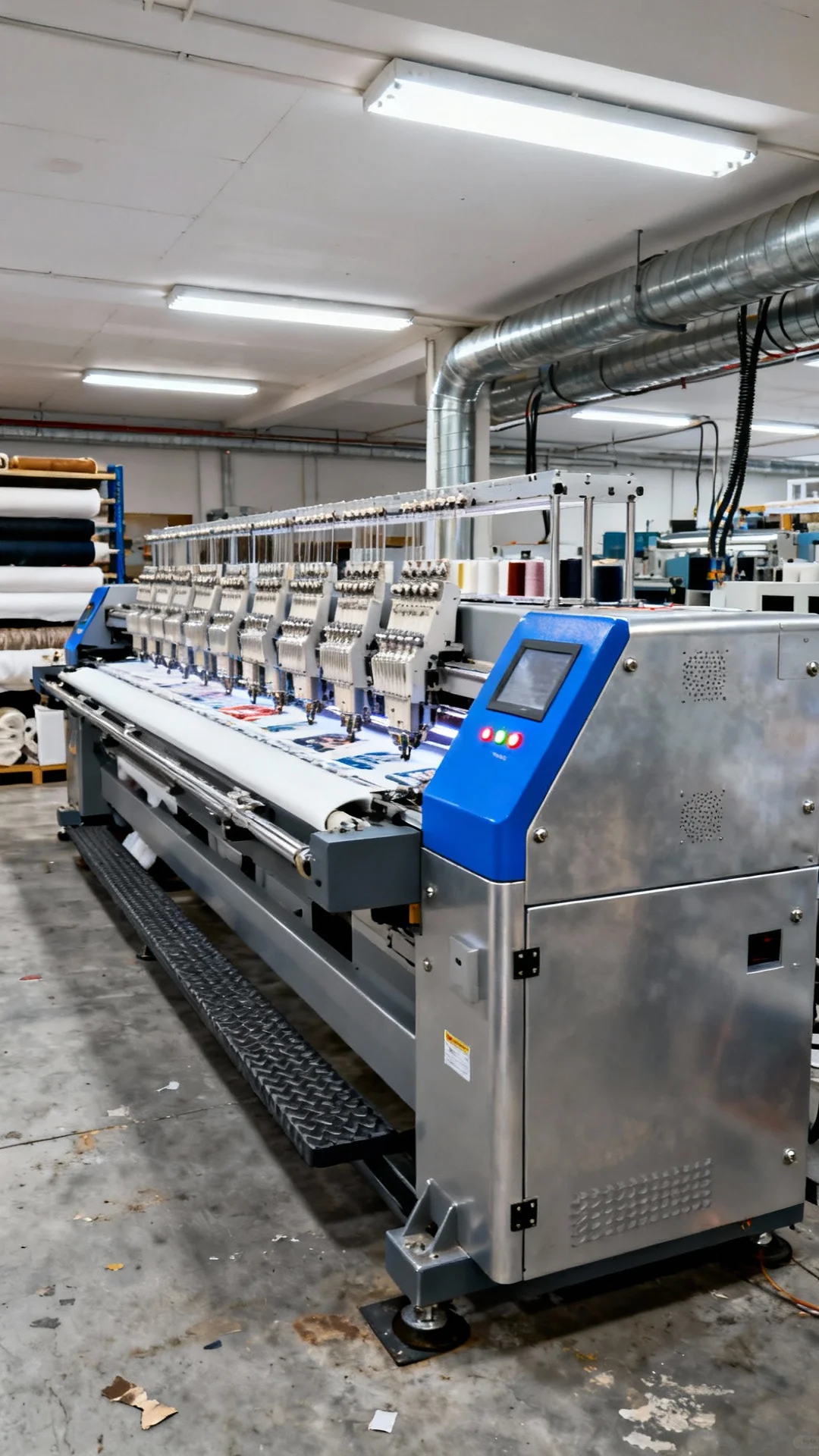
Recent innovations in 2025 have focused on three key areas: automation integration, advanced nano-ink formulations, and high-speed printing capabilities. These developments have effectively addressed earlier limitations related to production speed and color fastness, making digital textile printing viable for both small-batch artisanal production and larger commercial runs.
Technically, direct-to-fabric printing systems operate on similar principles to desktop inkjet printers but are specifically engineered for textile substrates. Specialized print heads deposit precise droplets of ink onto fabric surfaces while sophisticated software manages color calibration, pattern alignment, and production workflow. The result is a process that reproduces intricate designs with remarkable accuracy while minimizing material waste—a critical consideration in today's sustainability-focused market.
Pre-Implementation Planning and Preparation
Before implementing direct-to-fabric printing technology, fashion brands must conduct thorough planning to ensure the technology aligns with specific production needs and business objectives.
Production Workflow Assessment
The planning phase typically begins with a comprehensive assessment of current production workflows, identifying bottlenecks that digital printing might address and evaluating compatibility with existing systems. This analysis helps determine the optimal integration points and potential process improvements.
Material Selection Considerations
Material selection represents a critical decision point, as not all fabrics perform equally well with digital printing technology. Natural fibers like silk and cotton generally yield excellent results but may require pre-treatment, while synthetic materials often demand specialized inks formulated for optimal adhesion and color retention. With sustainability becoming increasingly important to consumers, many brands now prioritize organic and recycled fabric options compatible with eco-friendly water-based inks.
Equipment Evaluation Criteria
Equipment selection requires careful consideration of production volume requirements, desired print quality, and available floor space. Entry-level systems suitable for boutique operations typically start around $15,000, while industrial-grade machines capable of high-volume production can exceed $100,000. Key specifications to evaluate include:
- Print resolution (measured in dots per inch)
- Production speed (square meters per hour)
- Number of color channels (most professional systems offer at least eight for expanded color gamut)
- Maintenance requirements and operational costs
Environmental and Regulatory Compliance
Environmental considerations have become increasingly important in equipment selection and facility planning. Proper ventilation systems are essential for handling ink fumes, humidity control helps maintain consistent print quality, and waste management protocols must address both fabric scraps and ink container disposal. Additionally, many jurisdictions impose specific regulations on textile printing operations that must be carefully considered during the planning phase.
Step-by-Step Direct-to-Fabric Printing Process
The direct-to-fabric printing workflow breaks down into six distinct stages, each with specific technical requirements and quality control checkpoints. Following this structured approach ensures consistent results and minimizes production errors that can lead to material waste and delays.
1. Fabric Preparation and Pre-Treatment
Proper fabric preparation is foundational to successful digital textile printing, as substrate characteristics directly impact ink absorption, color vibrancy, and overall print quality. The process begins with thorough fabric inspection to identify imperfections, followed by washing to remove sizing agents, oils, and other contaminants that might interfere with ink adhesion.
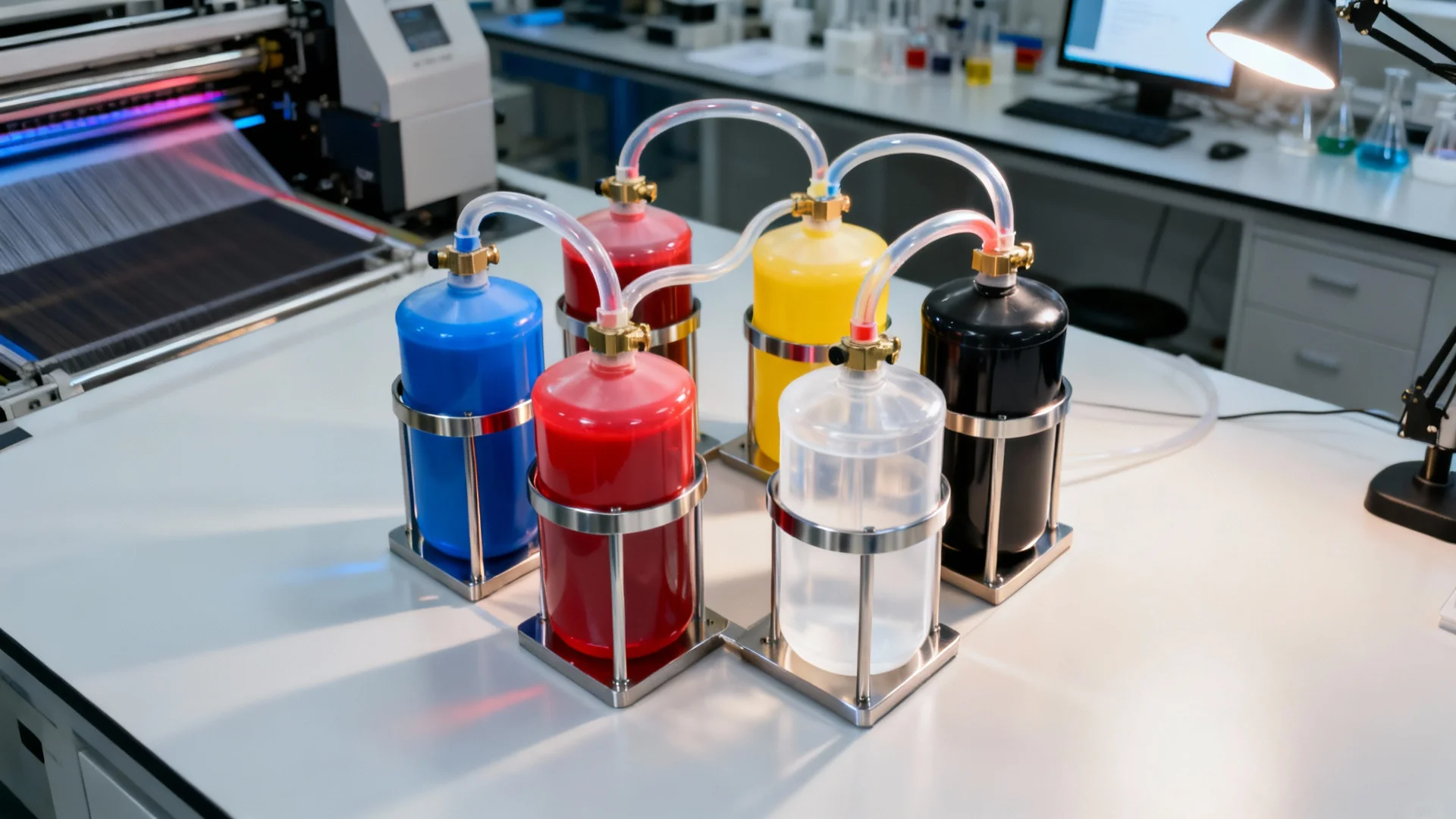
Most natural fabrics require application of a pre-treatment solution—a specialized chemical formulation that prepares the textile surface for optimal ink reception. This solution typically contains binders that help ink particles adhere to fabric fibers and mordants that enhance color fastness. Application methods vary by production scale, ranging from spray bottles for small batches to automated padding machines for larger operations.
After pre-treatment application, fabrics must be carefully dried to the appropriate moisture level—typically between 6-8% for optimal results. Improper drying can cause issues ranging from color bleeding to poor ink adhesion. Many advanced systems now incorporate inline moisture sensors to ensure consistent drying by automatically adjusting parameters as needed.
2. Design Preparation and Color Management
The design preparation phase transforms digital artwork into print-ready files optimized for textile production. This process begins with file preparation using specialized software that handles the high-resolution images required for detailed textile patterns. Design files should ideally be created at the actual print size, with a minimum resolution of 300 DPI to ensure sharp detail reproduction.
Color management represents a critical aspect of design preparation, as textile printing involves unique color challenges not encountered in paper printing. Brands should implement a comprehensive color management system that includes calibrated monitors, color profiling tools, and standardized workflows to ensure consistent color reproduction across different production runs and substrate types.
For fashion accessories like scarves, designers must pay particular attention to pattern repeat and alignment. Many digital printing systems offer advanced nesting capabilities that maximize fabric utilization by strategically arranging patterns to minimize waste—supporting sustainability initiatives while reducing material costs.
3. Printing Setup and Calibration
With fabrics prepared and designs finalized, the next stage involves configuring the printing system for optimal results. This begins with loading the pre-treated fabric onto the printer, ensuring proper tension and alignment to prevent skewing during the printing process. Modern direct-to-fabric printers typically feature automated fabric handling systems that maintain consistent tension and alignment throughout production.
Ink system preparation involves priming print heads, checking ink levels, and performing nozzle checks to ensure all print nozzles function properly. Clogged or misaligned nozzles can result in visible defects like banding or missing color. Thorough calibration is essential before production begins, and many advanced printers now include automated maintenance systems that perform these checks and corrections with minimal operator intervention.
Print parameters must be carefully configured based on the specific fabric type and desired output quality. Critical settings include print resolution, pass count, ink density, and drying temperature—parameters that often require adjustment when switching between fabric types or ink formulations. Many brands develop standardized presets for commonly used materials to ensure consistent results and minimize setup time.
4. The Printing Process
The actual printing process represents the culmination of all previous preparation steps, transforming digital designs into physical textile products. Once the printer is properly configured and calibrated, production begins with the operator initiating the print job through the system's control interface. Most industrial systems allow operators to monitor multiple print jobs simultaneously through centralized control software.
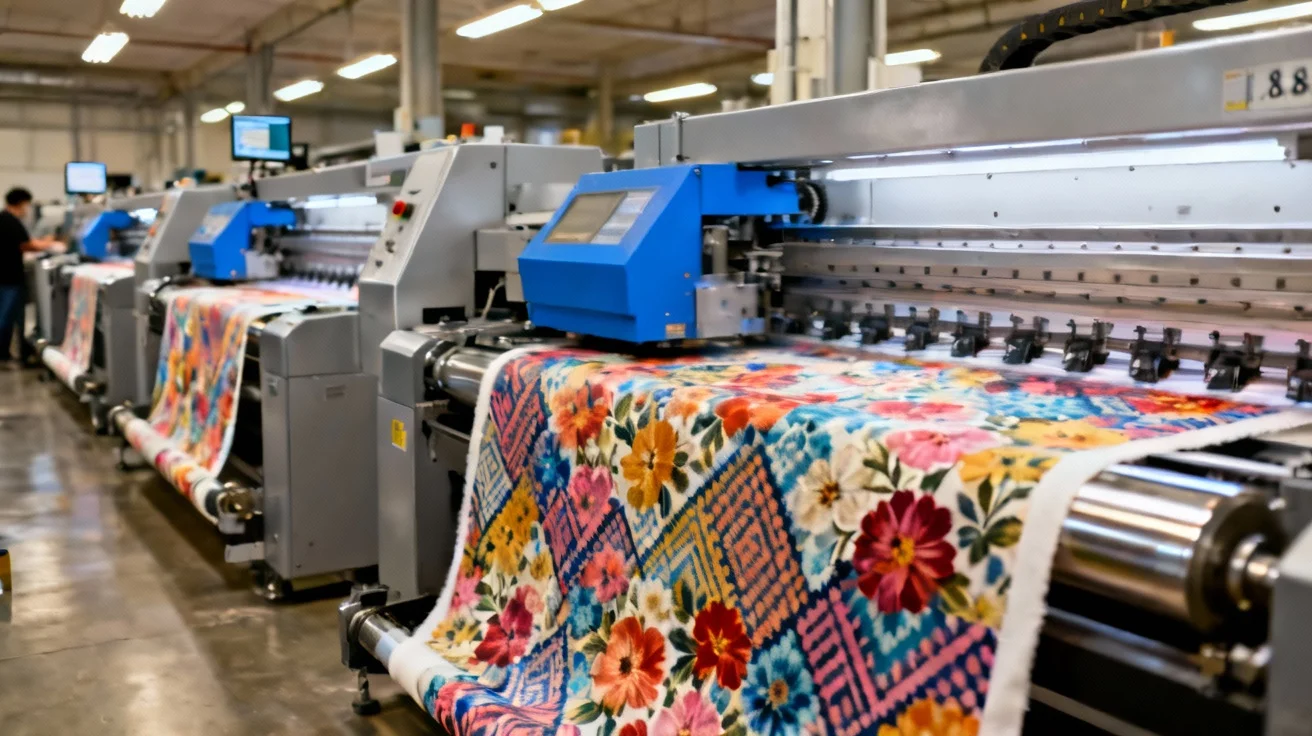
During printing, the fabric advances through the machine in a controlled manner while specialized print heads move across the material, depositing precise droplets of ink according to the digital design. The spacing between print heads, droplet size, and deposition frequency are all carefully controlled to ensure accurate color reproduction and sharp detail. Modern systems can achieve resolutions exceeding 1200 DPI, enabling reproduction of extremely fine patterns and gradients.
Production monitoring is essential during the printing process to identify and address issues promptly. Many printers incorporate inline quality control cameras that inspect prints as they are produced, automatically flagging defects and, in some cases, making real-time adjustments to correct minor issues—significantly reducing waste by catching problems early before large amounts of material are affected.
5. Post-Printing Treatment and Curing
After printing, fabrics require specific post-treatment processes to set the ink and ensure optimal color fastness and durability. The exact curing requirements depend on the ink type: pigment inks typically require heat treatment while reactive inks often need steam or chemical fixation.
Heat curing systems use controlled temperatures—typically between 150-180°C—to bond pigments to fabric fibers permanently. The duration and temperature of curing must be precisely controlled, as insufficient curing can result in poor wash fastness while excessive heat may damage delicate fabrics or cause color shifting. Conveyorized heat tunnels are common in production environments, allowing continuous processing of printed fabrics.
Following curing, many fabrics undergo washing to remove any residual pre-treatment chemicals, unfixed pigments, or other contaminants. This washing process is carefully controlled to balance effective cleaning with water conservation—a critical consideration for sustainability-focused operations. Some advanced systems now incorporate water recycling technology that can reduce water consumption by up to 70% compared to traditional washing methods.
6. Quality Control and Finishing
The final stage of the direct-to-fabric printing process involves comprehensive quality control inspection and any necessary finishing treatments to prepare products for market. Quality control protocols typically include:
- Visual inspection for print defects
- Color consistency checks using spectrophotometers
- Physical testing of samples for wash fastness, rub resistance, and color bleed
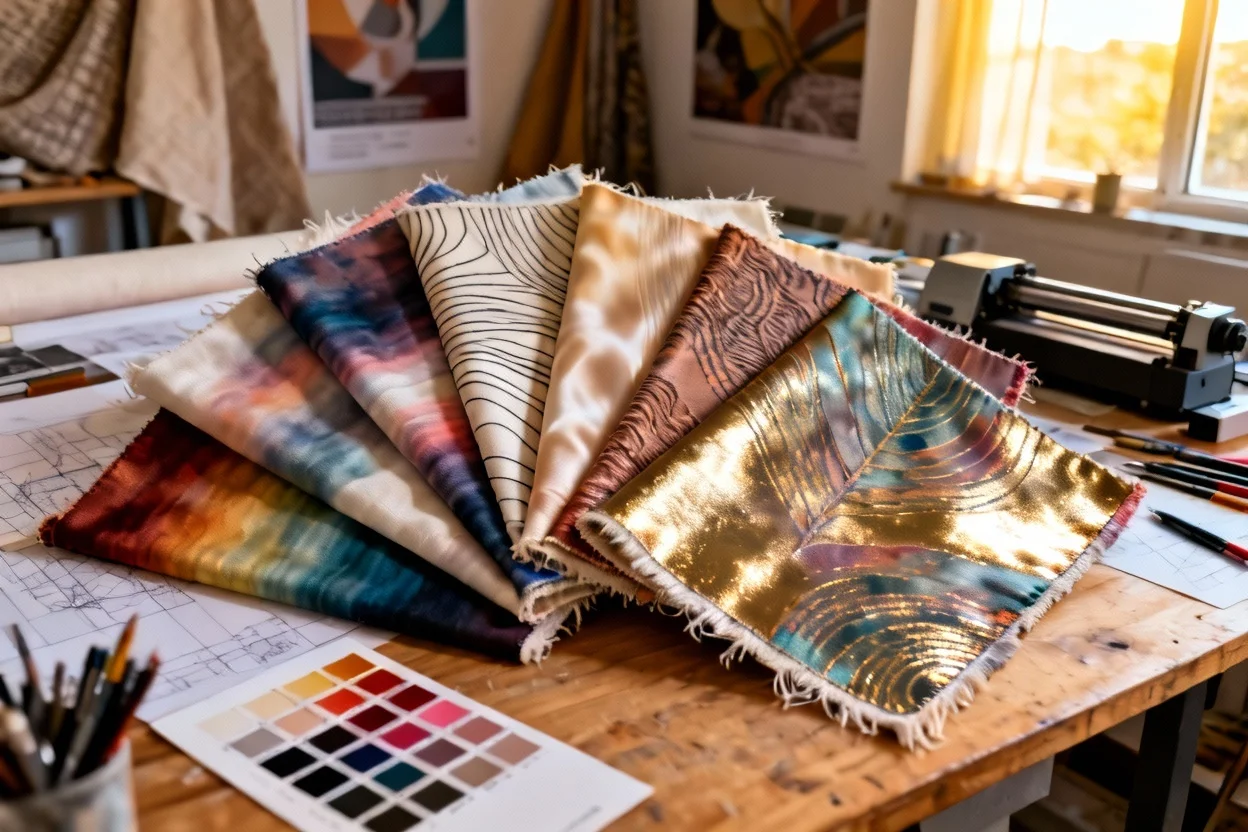
For fashion accessories like scarves, finishing processes may include hemming, edge treatments, or specialized treatments like antimicrobial coatings or wrinkle resistance—value-added processes increasingly important for differentiating products in competitive markets.
Packaging represents the final step in the production workflow, with printed textiles prepared for shipping or further processing. Sustainable packaging options have become a priority for many brands, with recycled and biodegradable materials replacing traditional plastic packaging in response to consumer demand for environmentally responsible practices.
Equipment and Technology Considerations for Fashion Brands
Selecting the right direct-to-fabric printing equipment requires careful evaluation of a brand's specific production needs, budget constraints, and long-term business objectives. The market offers solutions ranging from compact tabletop systems suitable for boutique operations to industrial-scale production lines capable of handling thousands of meters per day.
For small to medium-sized fashion brands and specialty stores, entry-level to mid-range systems typically offer the best balance of performance and investment. These machines generally provide print widths up to 1.8 meters, production speeds of 10-30 square meters per hour, and sufficient color channels to achieve a wide gamut. Key features to prioritize include user-friendly interfaces, reliable performance, and responsive technical support—particularly important for brands new to digital textile printing.
Larger brands with higher production volumes should consider industrial-grade systems that offer greater automation, higher throughput, and advanced quality control features. These machines often include integrated material handling systems, automated maintenance functions, and sophisticated workflow management software that integrates with broader production planning systems. While representing a significant capital investment, these systems deliver lower per-unit production costs and greater consistency for high-volume operations.
Ink technology represents another critical consideration, with different formulations offering distinct advantages depending on application requirements:
- Pigment inks provide excellent color fastness and versatility across fabric types but may require more energy-intensive curing
- Reactive inks deliver vibrant colors on natural fibers but involve more complex fixation processes
- Disperse inks work well with polyester and synthetic materials but require higher curing temperatures
Brands should carefully evaluate ink options based on their primary fabric types, color requirements, and sustainability goals.
Sustainability and Cost Considerations
As environmental concerns continue to shape consumer preferences and industry practices, sustainability has become a key consideration in direct-to-fabric printing implementation. Digital textile printing offers significant environmental advantages compared to traditional methods, primarily through reduced water consumption, lower energy usage, and minimized chemical discharge.
Water conservation represents perhaps the most substantial environmental benefit of digital textile printing. Traditional screen printing can consume up to 50-100 liters of water per meter of fabric, while digital processes typically use less than 5 liters per meter—a reduction of up to 95%. When combined with water recycling systems, some digital printing operations achieve near-zero water discharge, dramatically reducing their environmental footprint.
Material efficiency is another area where digital printing excels, with minimal ink and fabric waste compared to traditional methods. Digital systems print only the required amount of ink for each design, eliminating the ink mixing and cleanup waste associated with screen printing. Advanced nesting software further reduces fabric waste by optimizing pattern placement, often achieving material utilization rates 15-20% higher than traditional production methods.
From a cost perspective, direct-to-fabric printing involves higher initial capital investment than screen printing but offers lower variable costs for small to medium production runs. The elimination of screen-making costs and setup time makes digital printing particularly economical for short runs, custom designs, and prototype development. As production volumes increase, the economic equation shifts, with traditional methods often becoming more cost-effective for very large runs of identical designs.
Total cost of ownership calculations should include not just the initial equipment investment but also ongoing expenses for inks, maintenance, consumables, and operator training. Many equipment manufacturers offer comprehensive training programs that help brands maximize their investment by ensuring optimal machine utilization and minimizing downtime due to operator error or maintenance issues.
Implementation Best Practices and Case Studies
Successful implementation of direct-to-fabric printing technology requires more than just equipment acquisition—it demands a strategic approach to workflow integration, staff training, and quality management. Industry leaders have developed best practices that can help brands navigate the implementation process and achieve optimal results.
Workflow integration represents a critical success factor, as digital printing often requires adjustments to traditional production processes. Brands should conduct a thorough workflow analysis before implementation, identifying potential bottlenecks and developing strategies to integrate digital printing seamlessly with existing operations. This may involve reorganizing production layouts, implementing new scheduling systems, or developing specialized quality control protocols specific to digital printed products.
Staff training deserves particular attention, as digital printing introduces new technical skills requirements beyond those of traditional textile production. Comprehensive training programs should cover not just machine operation but also design preparation, color management, maintenance procedures, and quality control. Many successful implementations include cross-training initiatives that develop expertise across multiple production functions, enhancing flexibility and operational resilience.
Quality management systems must evolve to address the unique characteristics of digital textile printing. Brands should develop standardized testing protocols for evaluating print quality, color consistency, and durability, establishing clear quality benchmarks and inspection criteria. Statistical process control techniques can help identify trends and potential issues before they impact production quality, while regular calibration of equipment ensures consistent results over time.
Troubleshooting Common Challenges
Despite advances in technology, direct-to-fabric printing can present various challenges that impact print quality and production efficiency. Understanding common issues and their solutions can help brands minimize downtime and maintain consistent product quality.
Color consistency represents one of the most frequent challenges, with variations arising from multiple sources including ink batch differences, substrate variations, machine calibration issues, or environmental factors like temperature and humidity. Implementing a robust color management system with regular calibration protocols can significantly reduce color variation, while spectrophotometric measurement tools provide objective color evaluation that eliminates subjective judgment.
Print defects can manifest in various forms, each with distinct causes and solutions:
- Banding (visible horizontal or vertical stripes) often results from misaligned print heads or inconsistent material feed
- Nozzle clogging may cause missing color areas or streaking, typically addressed through regular maintenance and print head cleaning cycles
- Color bleeding, where ink spreads beyond intended boundaries, can usually be resolved by adjusting pre-treatment application or modifying curing parameters
Material-related issues frequently challenge digital textile printers, as different fabrics exhibit unique characteristics that impact print results. Fabric tension problems can cause distortion or misalignment, often addressed through equipment adjustments or specialized handling techniques. Moisture content variations may lead to inconsistent ink absorption, making environmental control systems essential for maintaining stable production conditions.
Maintenance challenges can lead to unexpected downtime if not properly managed. Preventive maintenance programs should include regular inspection and replacement of wear components, cleaning protocols for print heads and ink delivery systems, and calibration checks to ensure optimal performance. Many modern printers feature predictive maintenance capabilities that monitor equipment conditions in real-time, alerting operators to potential issues before they cause failures.
Future Trends and Technological Developments
The direct-to-fabric printing landscape continues to evolve rapidly, driven by ongoing technological innovation and changing market demands. Several emerging trends are poised to shape the future of digital textile printing, offering new capabilities and opportunities for fashion brands.
Automation and Industry 4.0 integration represent significant areas of development, with smart printing systems increasingly incorporating Internet of Things (IoT) technologies, artificial intelligence (AI), and machine learning capabilities. These advanced systems can monitor production in real-time, automatically adjust parameters to optimize quality, and predict maintenance needs before equipment failures occur. Integration with broader manufacturing execution systems enables end-to-end production visibility and process optimization across the entire supply chain.
Ink technology innovations continue to expand the possibilities of direct-to-fabric printing, with new formulations offering enhanced performance characteristics and environmental benefits. Nanotechnology-based inks enable higher resolution prints with improved color fastness, while bio-based ink formulations reduce environmental impact and address consumer concerns about chemical exposure. Functional inks that provide properties like UV protection, antimicrobial capabilities, or temperature regulation are opening new product categories and market opportunities for innovative brands.
Sustainability advancements are driving significant developments in direct-to-fabric printing technology, with equipment manufacturers and ink suppliers focusing on reducing the environmental impact of digital textile production. Waterless printing systems eliminate the need for post-print washing, energy-efficient curing technologies reduce carbon footprints, and ink recycling systems and biodegradable ink formulations further enhance the environmental credentials of digital printing compared to traditional methods.
As these technologies continue to mature, direct-to-fabric printing will undoubtedly play an increasingly central role in the future of fashion manufacturing, offering brands unprecedented creative freedom, production flexibility, and sustainability benefits that align with evolving consumer expectations and industry requirements.