In the competitive landscape of luxury fashion accessories, digital textile printing has emerged as a transformative force, enabling brands to harmonize artistic expression with manufacturing precision. Drawing from extensive experience in luxury scarf production, I've witnessed firsthand how technological advancements have redefined quality benchmarks and expanded creative possibilities for high-end accessories.
For boutiques, specialty retailers, and fashion houses striving for market differentiation, comprehending the nuances of digital printing technologies isn't merely advantageous—it's imperative for informed sourcing decisions and maintaining competitiveness in a sector where quality and innovation are paramount.
The Evolution of Digital Textile Printing in Luxury Fashion
Digital textile printing represents a significant paradigm shift from traditional screen printing methodologies. By depositing colorants directly onto fabric via digital printers, this technology delivers unparalleled flexibility, precision, and creative autonomy, circumventing many constraints inherent in conventional production processes.
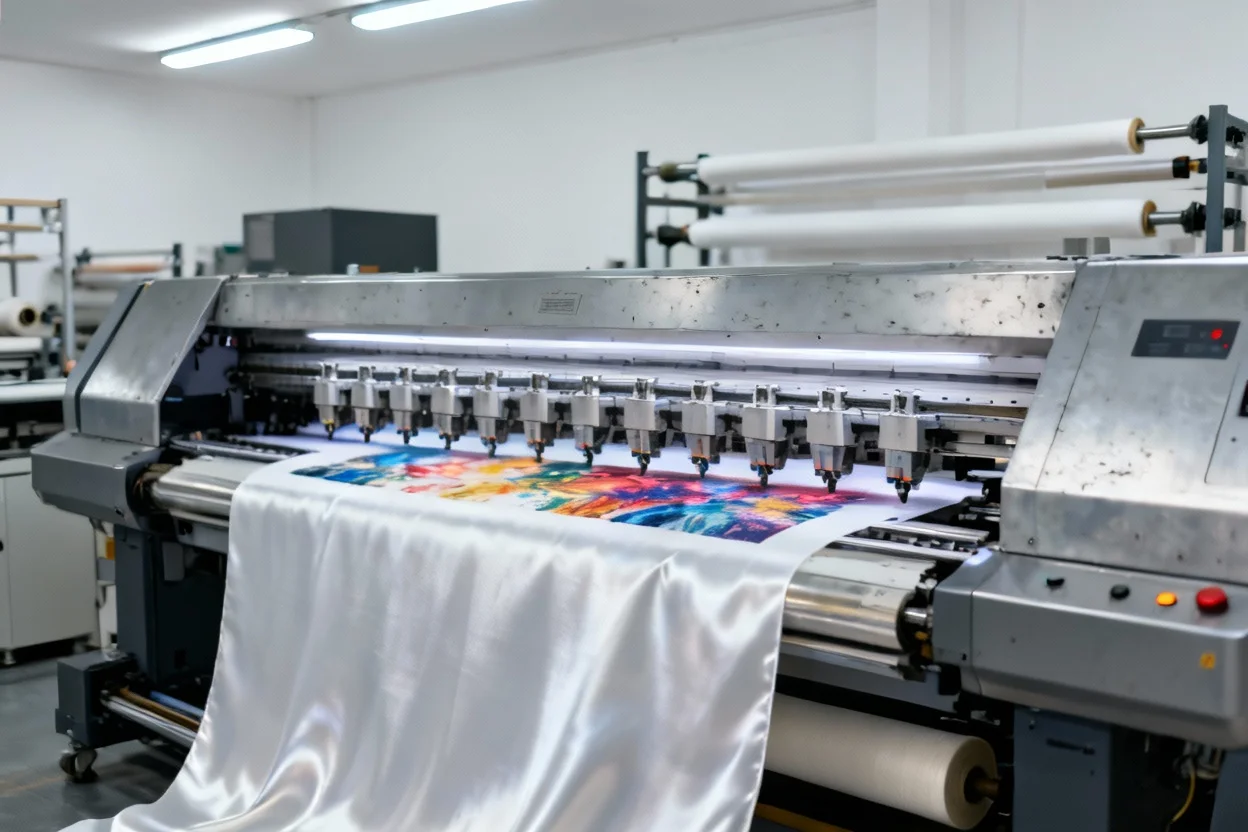
The luxury scarf segment has particularly reaped the benefits of these technological strides. Unlike mass-produced accessories, high-end scarves demand exceptional color vibrancy, intricate detailing, and superior tactile qualities—areas where properly implemented digital printing technologies consistently excel.
Primary Technology Classifications
The digital textile printing arena encompasses several distinct technologies, each characterized by unique capabilities and limitations:
Inkjet Printing Systems dominate the luxury textile market, utilizing either drop-on-demand or continuous inkjet technologies for precise color deposition. These systems exhibit substantial variation in resolution, throughput, and fabric compatibility—critical considerations for scarf manufacturers working with delicate substrates such as silk and cashmere.
Dye-Sublimation Printing maintains relevance for specific applications, particularly when vibrant color reproduction on polyester blends is required. This heat-transfer process delivers excellent color fastness but demonstrates limited efficacy with the natural fibers predominantly utilized in luxury scarf production.
Direct-to-Garment (DTG) Technology, initially associated with apparel production, has evolved to address accessory manufacturing requirements. Contemporary DTG systems engineered for scarf production offer enhanced ink penetration and color saturation on natural fibers, though production velocity remains a consideration for large-scale operations.
Comparative Analysis of Core Technologies
When evaluating digital printing technologies for luxury scarf production, several critical factors directly influence final product quality and manufacturing efficiency.
Nano-Ink Technology
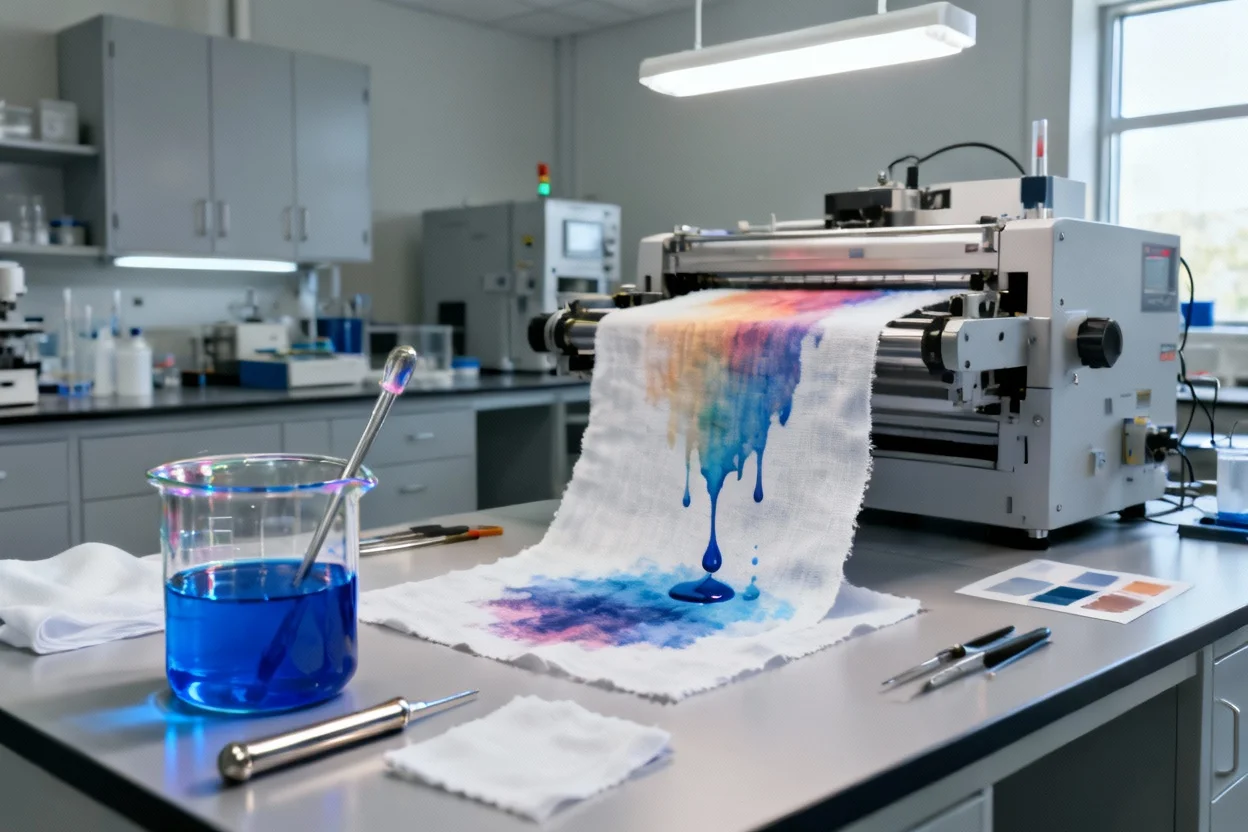
At the forefront of printing innovation, nano-ink technology has revolutionized color reproduction on delicate textiles. By reducing pigment particles to nanoscale dimensions, these advanced inks achieve superior fiber penetration, resulting in exceptional color vibrancy and enhanced wash fastness.
The advantages for luxury scarf production are compelling. Nano-inks maintain their integrity even on the most delicate silk substrates, preserving the fabric's natural drape and tactile qualities while delivering colors that remain true through multiple launderings. The precision of nano-ink deposition enables incredibly fine detailing—essential for rendering the intricate patterns and artistic designs that distinguish luxury accessories.
From an environmental perspective, nano-ink technology minimizes colorant waste through more efficient dye utilization and requires substantially less water than traditional printing methods. This aligns seamlessly with the growing consumer demand for environmentally responsible luxury products.
High-Speed Printing Systems
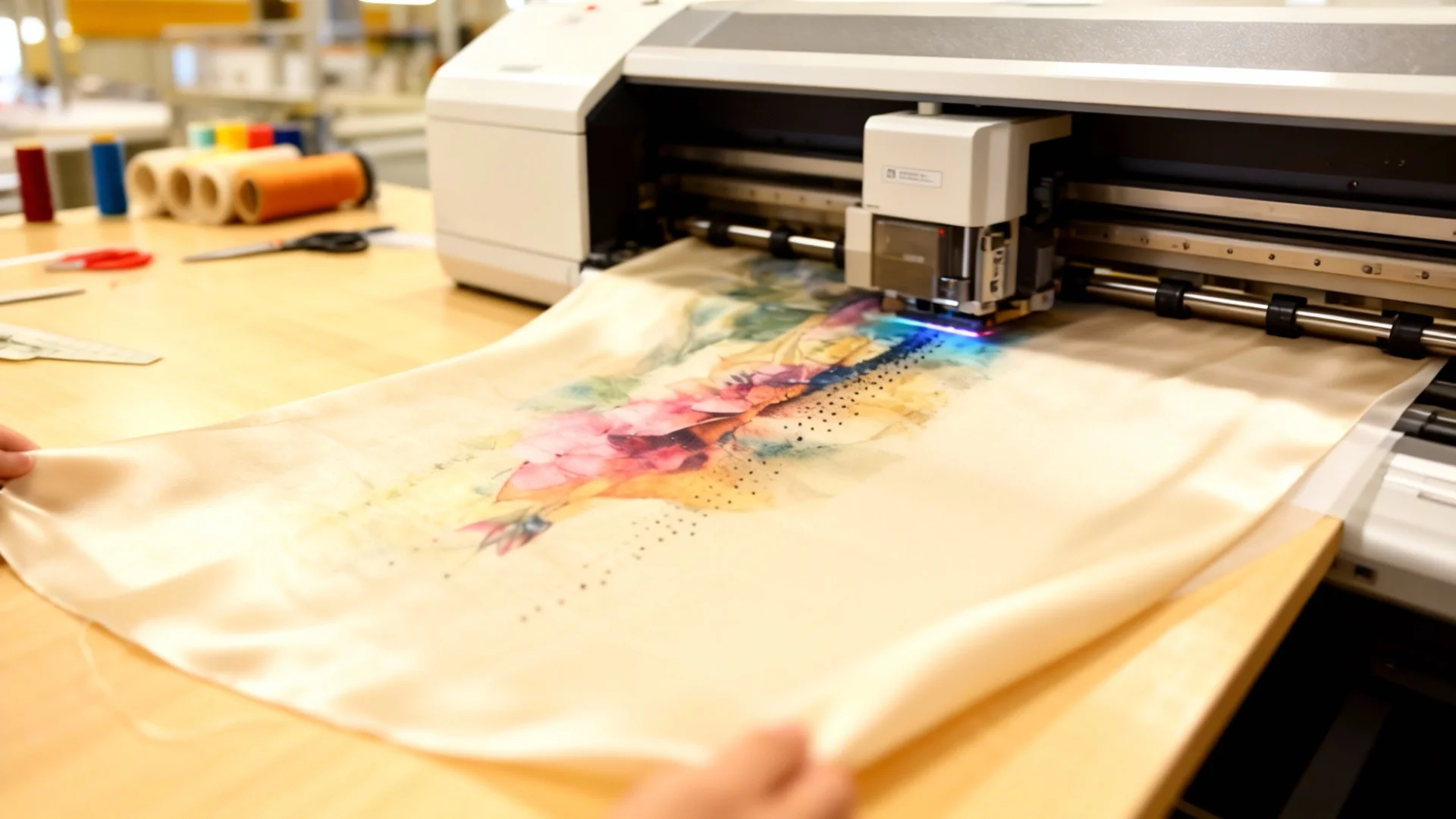
Advancements in high-speed digital printing machinery have addressed one of the primary limitations of early digital textile printing: production throughput. Modern systems now deliver impressive velocities without compromising print quality—a crucial development for luxury brands seeking to balance exclusivity with commercial viability.
When evaluating high-speed printing solutions, discerning beyond mere speed metrics is essential. Consider overall production efficiency, including setup duration, maintenance requirements, and material utilization. The most sophisticated machines incorporate intelligent material handling systems specifically designed for delicate scarf fabrics, minimizing tension-related distortions and material waste.
For luxury scarf production, optimal high-speed printing systems strike a balance between velocity and precision. While some manufacturers prioritize maximum output, others emphasize maintaining superior print resolution at moderate speeds—a decision that directly impacts the economic feasibility of producing intricate designs.

Direct-to-Fabric Printing
Direct-to-fabric printing technology has emerged as the preferred method for many luxury scarf manufacturers. By eliminating transfer papers and intermediate steps, this approach streamlines production while offering several distinct advantages for high-end accessory manufacturing.
The removal of transfer media enhances color accuracy and texture preservation, as inks interact directly with fabric fibers rather than through an intermediary substrate. This direct interaction also improves color fastness and reduces environmental impact by minimizing consumable waste.
Contemporary direct-to-fabric systems have overcome earlier limitations regarding fabric compatibility, now supporting a diverse range of luxury materials including silk, cashmere, and fine wool blends. Advanced pretreatment technologies ensure optimal ink adhesion across these substrates, while precision color management systems maintain consistency across production runs—critical for preserving brand identity and product integrity.
Strategic Applications in Luxury Scarf Production
The selection of appropriate digital printing technology directly influences the final quality and market positioning of luxury scarves. Different technologies demonstrate varying degrees of efficacy in specific applications, and understanding these distinctions enables brands to align production methodologies with their strategic objectives.
For high-artistic scarves featuring complex designs from renowned artists, emphasis should be placed on resolution capabilities and color gamut. In this context, nano-ink technology combined with high-resolution printing systems delivers the detailing required to showcase original artworks, capturing subtle gradations and fine lines that define artistic expression.
Seasonal collection pieces frequently benefit from the flexibility offered by direct-to-fabric printing. Reduced setup times enable designers to bring new patterns to market with unprecedented speed—a significant competitive advantage in the fast-paced fashion industry.
For sustainability-focused brands, the environmental benefits of specific digital printing technologies align with core brand values. Waterless printing systems and eco-friendly nano-inks reduce production's environmental footprint while maintaining the exacting quality standards expected in luxury markets.
Evaluating Technology Providers
Selecting an appropriate technology partner is equally important as choosing the printing methodology itself. When researching potential suppliers, consider these critical factors:
Technical Capability Verification necessitates more than reviewing specification sheets. Request actual print samples on your target fabrics, examining color reproduction and detail retention under various lighting conditions. Pay particular attention to how printed areas maintain the fabric's natural drape and tactile qualities—essential attributes for luxury scarves.
Production Consistency can be evaluated through facility visits and client testimonials. Inquire about color management systems, calibration protocols, and quality control measures implemented to ensure consistency across production runs and over time.
Innovation Roadmap indicates a supplier's commitment to long-term advancement. Leading providers invest significantly in research and development, ensuring clients benefit from ongoing improvements in print quality, operational efficiency, and sustainability.
Technical Support Infrastructure often differentiates successful partnerships from problematic ones. Assess a supplier's capacity to provide timely technical assistance, operator training, and maintenance support to minimize production downtime and ensure optimal performance.
Implementation Considerations
The integration of advanced digital printing technologies into luxury scarf production requires comprehensive planning beyond the selection of printing equipment alone.
Material Preparation profoundly impacts final print quality. Different fabrics necessitate specific pretreatment processes to ensure optimal ink adhesion and color development. Natural fibers like silk frequently benefit from specialized pre-coating treatments that enhance color vibrancy without compromising luxurious tactile qualities.
Color Management Systems become indispensable when operating across multiple production sites or fulfilling orders for global brands with stringent color standards. Industry-leading color management software and calibration procedures ensure consistent color reproduction regardless of location or production volume.
Workflow Integration between design teams and production facilities determines how effectively digital printing technologies translate creative vision into physical products. Cloud-based collaboration platforms and digital asset management systems streamline design file transfer while maintaining version control and intellectual property protection.
Emerging Trends in Textile Printing Innovation
The digital textile printing landscape evolves rapidly, with several emerging trends poised to transform luxury scarf production in the coming years:
Advanced Material Compatibility will expand printable fabrics to include more delicate and textured materials that add depth and luxury to scarf designs. Ongoing research into improved pretreatment processes promises to overcome current limitations with certain natural fibers and blends.
Eco-friendly Innovations are driving significant investment in sustainable ink development and waterless printing technologies. The next generation of bio-based inks will further reduce environmental impact while meeting luxury performance requirements.
Smart Textile Integration represents an exciting frontier where digital printing enables functional elements in scarf designs. From subtle conductive threads for temperature regulation to photochromic inks that respond to environmental conditions, these innovations add new dimensions of functionality and interactivity to luxury accessories.
Strategic Selection Framework
Choosing digital printing technology for luxury scarf production constitutes a strategic decision with far-reaching implications for product quality, design capabilities, production efficiency, and environmental impact. When comparing technologies, begin by defining priorities across these dimensions—no single solution excels equally in all aspects.
For brands prioritizing artistic expression and detail reproduction, nano-ink technology paired with high-resolution printing capabilities offers the greatest creative latitude and quality potential. This approach particularly benefits designer collaborations and limited-edition artistic collections where visual impact is paramount.
For commercial luxury brands balancing exclusivity with volume requirements, high-speed direct-to-fabric systems provide the optimal combination of production efficiency and quality retention. These systems excel at delivering consistent results across seasonal collections and core design ranges.
For sustainability-focused luxury brands, the environmental advantages of specific digital printing technologies align perfectly with brand values and consumer expectations. Waterless printing systems and eco-friendly ink options reduce environmental footprint while maintaining uncompromising luxury quality standards.
Ultimately, the most successful technology implementations emerge from close collaboration between brands, designers, and production partners. By clearly articulating brand vision, quality parameters, and business objectives, stakeholders can select digital printing technologies that not only meet current requirements but also provide a foundation for future innovation and growth in the competitive luxury accessories market.