In today's rapidly evolving fashion landscape, where consumer preferences shift overnight and sustainability concerns have become paramount, traditional scarf production methods are struggling to keep pace. Characterized by extended lead times, prohibitive minimum order quantities (MOQs), and substantial waste generation, conventional approaches are increasingly incompatible with modern market demands. With over a decade of hands-on experience in textile manufacturing, I've witnessed firsthand how digital printing technology has transformed scarf production—revolutionizing it from a sluggish, inventory-dependent process into an agile, demand-responsive operation. This comprehensive analysis explores how digital printing delivers up to 40% lead time reductions, empowering fashion brands, boutiques, and specialty retailers to swiftly capitalize on emerging trends while significantly minimizing their environmental footprint.
From Mass Production to On-Demand Excellence: The Scarf Manufacturing Evolution
The global scarf market is projected to reach $32.8 billion by 2028, demonstrating a robust compound annual growth rate (CAGR) of 7.2% (Market Research Intellect, 2024). This expansion is fueled by two converging forces: the rising consumer appetite for personalized accessories and the growing prioritization of sustainable fashion practices. Traditional scarf production methodologies are inherently ill-equipped to address these dual demands. Conventional screen printing necessitates substantial upfront investment in setup, protracted production cycles spanning 4-6 weeks, and MOQs frequently exceeding 500 units—creating substantial inventory risks in today's unpredictable market environment.
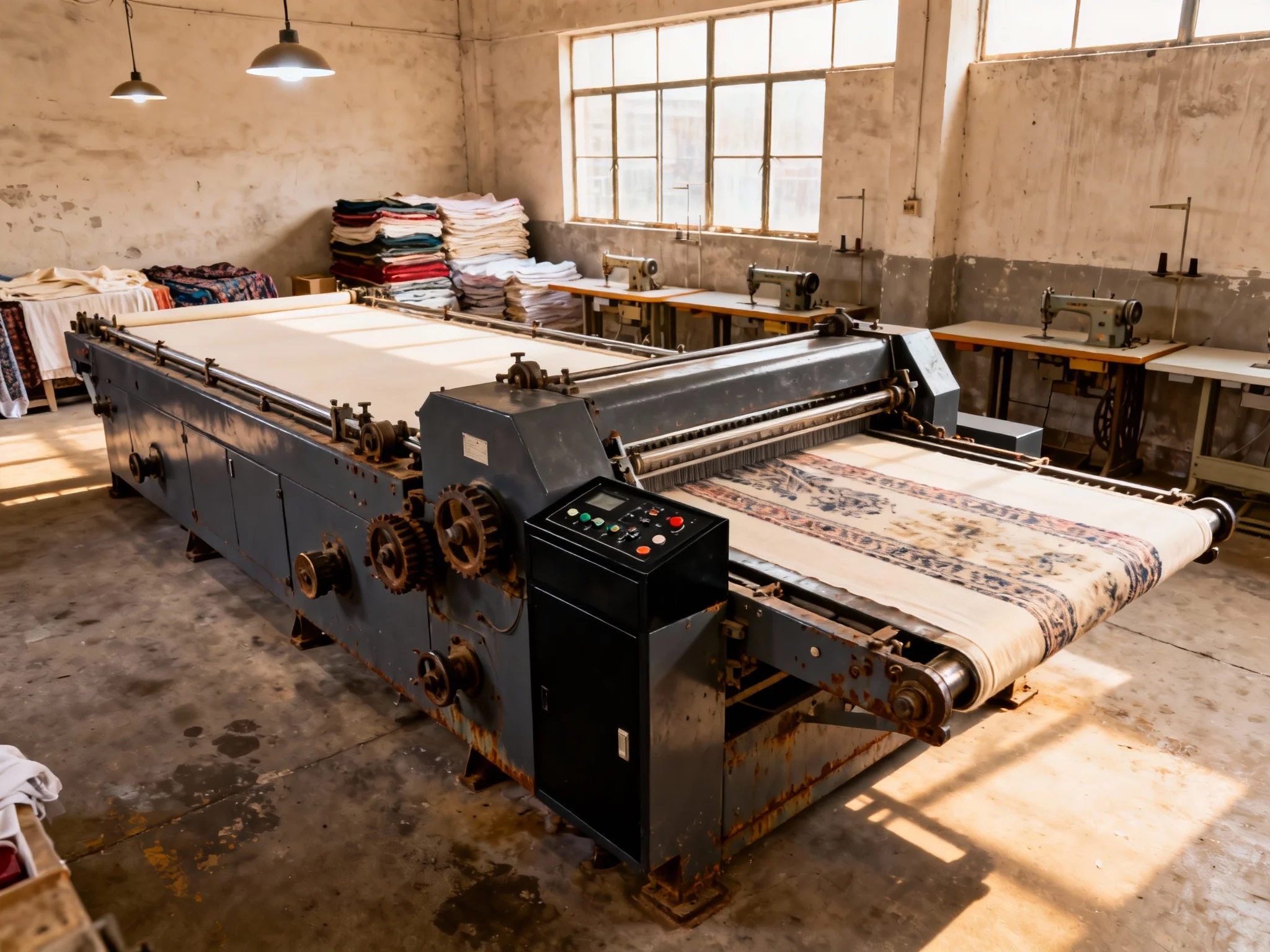
Digital textile printing has emerged as the definitive solution to these challenges, with its global market anticipated to reach $19.44 billion by 2025 (GlobeNewswire, 2025). This transformative technology eliminates many inherent limitations of traditional methods by enabling the direct transfer of digital designs onto fabric without the need for physical screens. The result is a production paradigm that can deliver high-quality, customized scarves in quantities as small as a single unit while compressing lead times from months to weeks—or even days.
The Manufacturing Philosophy Shift
The adoption of digital printing in scarf production represents far more than a mere technological upgrade; it signifies a fundamental shift in manufacturing philosophy. As recently as five years ago, digital printing accounted for less than 5% of global textile production. Today, that figure has surged to over 15%, with industry experts projecting it will reach 30% by 2030 (Future Market Insights, 2025). Three pivotal factors are driving this rapid adoption:
- Consumer Demand for Personalization: Modern consumers increasingly seek unique, individualized products that reflect personal style. Scarf digital printing technology empowers brands to offer limited-edition designs, seasonal collections, and even one-of-a-kind pieces without incurring the traditional cost penalties associated with small-batch production.
- Sustainability Imperatives: With 71% of fashion consumers prioritizing sustainability in purchasing decisions (Nielsen, 2024), brands face intense pressure to minimize environmental impact. Digital printing technology dramatically reduces fabric waste by eliminating the need for excess production to meet traditional MOQs.
- Market Volatility Management: Fast fashion cycles and unpredictable trend lifespans have rendered inventory-heavy business models increasingly risky. Digital printing's on-demand capabilities allow brands to test new designs with minimal investment and scale production only when demand is confirmed, significantly mitigating financial risk.
The Mechanics of 40% Faster Lead Times
The assertion of 40% lead time reduction is not mere marketing hyperbole—it represents a measurable outcome supported by extensive production data and industry case studies. To fully appreciate this transformation, let's examine traditional versus digital production workflows side by side.
Traditional Scarf Production Workflow (4-6 Weeks)
- Design finalization and color separation (3-5 days)
- Screen creation for each color (5-7 days)
- Fabric preparation and pre-treatment (2-3 days)
- Screen printing process (1-2 days per color)
- Post-printing treatments (washing, drying, finishing) (3-5 days)
- Quality control and packaging (2-3 days)
- Shipping and logistics (5-7 days)
Digital Scarf Production Workflow (2-3 Weeks)
- Digital design preparation and color adjustment (1-2 days)
- Fabric preparation (1 day)
- Direct digital printing (same day for small batches)
- Post-printing curing and finishing (1-2 days)
- Quality control and packaging (1 day)
- Shipping and logistics (5-7 days)
The most significant time savings occur in three critical stages: pre-production setup (eliminating screen creation entirely), printing process (combining multiple colors in a single pass), and design iteration (enabling instant modifications without expensive retooling). In practical application, these efficiencies translate to lead time reductions ranging from 30-50%, with 40% representing the industry average for mid-sized orders (100-500 units).
Technological Catalysts Behind Accelerated Production
The 2025 digital printing equipment landscape features several key advancements that contribute to these substantial time savings:
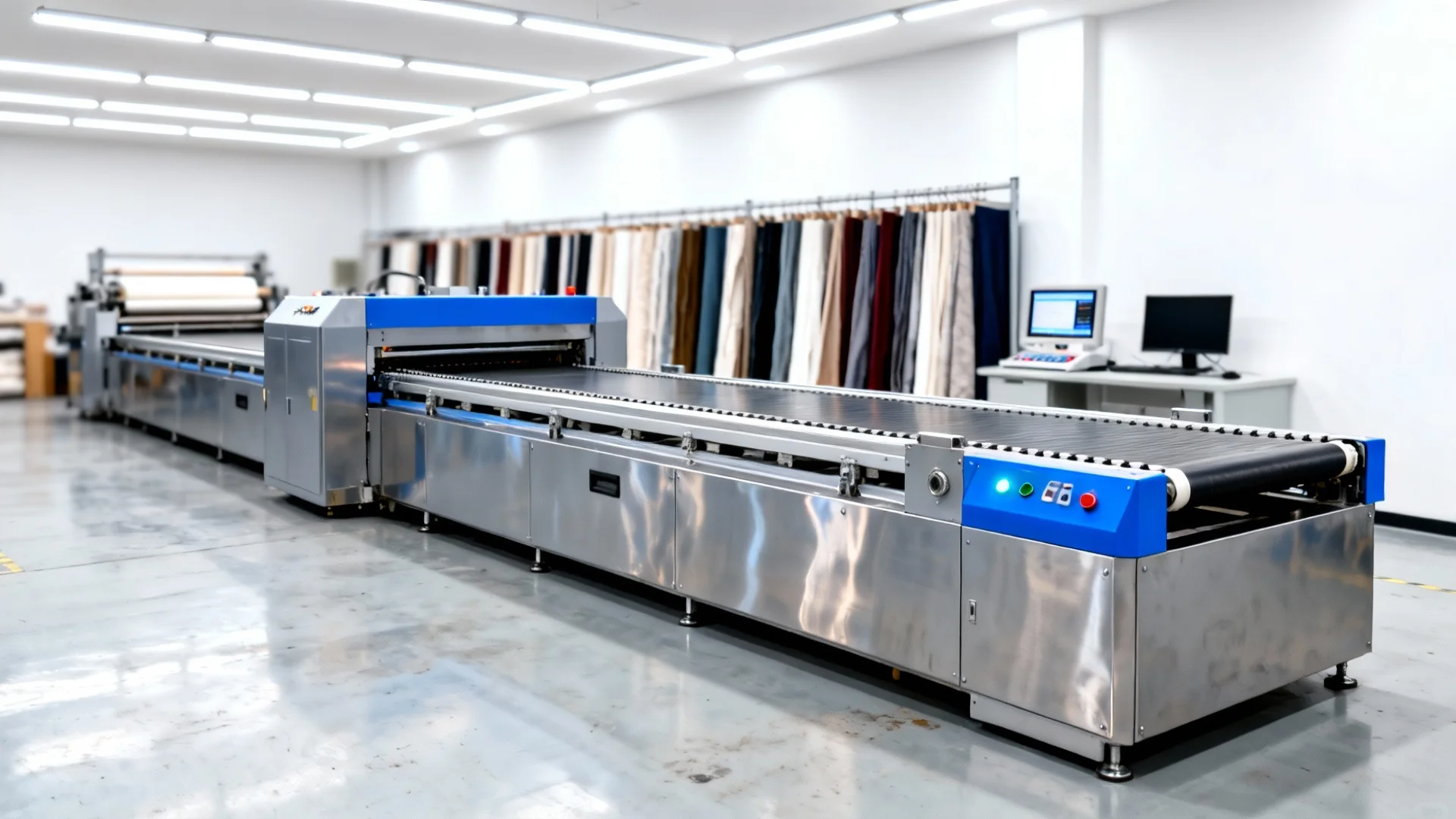
- High-Speed Inkjet Technology: Contemporary digital textile printers achieve speeds exceeding 500 linear meters per hour, with single-pass systems capable of producing 1,000+ scarves daily (OrangeOTEC, 2025).
- Advanced Color Management Systems: AI-powered color matching tools have reduced setup times by 70% compared to manual processes, ensuring consistent results across production runs and eliminating costly rework (MHK Digital Zone, 2025).
- Continuous Ink Supply Systems: Large-capacity ink reservoirs eliminate downtime for ink changes, maintaining uninterrupted production flow for extended periods.
- Integrated Workflow Software: End-to-end digital platforms seamlessly connect design, printing, and finishing processes, reducing manual handling requirements and minimizing data entry errors.
A compelling case study from a leading European scarf manufacturer illustrates these benefits in action. By implementing a state-of-the-art digital printing system in 2024, the company reduced lead times for custom orders from 28 days to 16 days—a 43% reduction—while simultaneously increasing design capacity by 50% (Textile World, 2025).
Sustainability: The Environmental Advantage of Digital Printing
While lead time reduction is the most immediately apparent benefit of digital printing, its sustainability advantages are becoming equally compelling for fashion brands facing increasing environmental scrutiny. The textile industry ranks among the world's most resource-intensive sectors, consuming approximately 79 billion cubic meters of water annually (World Bank, 2025). Digital printing offers significant environmental improvements across multiple critical metrics:
Water Conservation
Traditional textile printing requires extensive water usage for screen preparation, color mixing, and post-printing washing processes. Digital printing eliminates many of these water-intensive steps, resulting in water savings of 70-90% (Wifitalents, 2025). For contextual understanding, producing 1,000 silk scarves using traditional methods consumes approximately 20,000 liters of water, while digital production uses just 2,000-6,000 liters for the same quantity—a reduction of 70-90%.
Chemical Reduction
Digital printing technology minimizes the use of hazardous chemicals through multiple mechanisms:
- Eliminating the need for screen emulsions and associated solvents
- Utilizing water-based, eco-friendly inks (now accounting for 85% of digital textile inks, up from 62% in 2020)
- Reducing post-printing washing requirements, which correspondingly decreases detergent usage
Waste Reduction
The on-demand nature of digital printing dramatically reduces textile waste by enabling:
- Production of exact quantities needed, eliminating excess inventory and associated waste
- Design testing with minimal material usage
- Reduced sampling waste through digital prototypes and virtual approvals
According to a 2025 sustainability report from the Digital Textile Printing Association, brands implementing digital production for scarves reduced their overall textile waste by an average of 35% within the first year (DTPA, 2025).
AI Integration: The Next Frontier in Digital Scarf Production
As we progress further into 2025, artificial intelligence is becoming increasingly integrated into the digital printing workflow, creating unprecedented opportunities for efficiency gains and customization capabilities. Three key AI applications are currently transforming scarf production:
AI-Powered Design Tools
Generative AI platforms like PatternedAI and Style3D allow designers to create unique scarf patterns in minutes by simply inputting text descriptions or reference images. These sophisticated tools can:
- Generate seamless pattern repeats automatically
- Suggest color palettes based on current and emerging trends
- Adapt designs to different scarf dimensions and shapes
- Create multiple variations of a base design for A/B testing and market validation
A compelling case study from Japanese textile manufacturer Toyoshima demonstrates how AI design tools reduced their concept-to-production timeline from 6 weeks to just 10 days while simultaneously increasing design output by 300% (Aokumo, 2025).
Predictive Quality Control
Computer vision systems integrated with digital printers can now identify potential quality issues in real-time, including:
- Ink density inconsistencies across the print surface
- Color variations that fall outside tolerance levels
- Fabric defects before they reach the printing stage
- Registration errors that affect pattern alignment
This technology reduces quality control time by 40% and decreases waste from defective products by up to 55% (Textile Technology International, 2025).
Demand-Driven Production Forecasting
Advanced AI analytics platforms analyze market trends, social media data, and historical sales patterns to recommend optimal production quantities for new scarf designs. This predictive capability helps brands:
- Determine the optimal balance between digital and traditional production methods
- Identify high-potential designs worthy of larger production runs
- Manage inventory levels more efficiently across seasonal collections
- Anticipate and prepare for regional demand variations
Selecting a Digital Printing Service Provider: Critical Evaluation Criteria
For fashion brands and boutiques considering a transition to digital scarf production, selecting the right service provider represents a critical decision that will significantly impact their ability to realize the full benefits of the technology. Below are the essential factors to evaluate during the selection process:
Technical Capabilities Assessment
- Printer Resolution: Look for providers utilizing equipment with a minimum resolution of 1200 dpi to ensure the reproduction of fine details in complex designs
- Fabric Compatibility: Verify the provider has experience and proven capabilities with your preferred scarf materials (silk, wool, cotton, modal, etc.)
- Color Gamut: Confirm they can accurately reproduce your brand's specific color palette (Pantone certification is a valuable indicator)
- Production Capacity: Ensure the provider can scale production to meet your peak demand periods without compromising quality or delivery timelines
Turnaround Time Verification
- Request specific lead time guarantees for different order size brackets
- Inquire about rush order options for time-sensitive opportunities and emergency replenishment
- Ask for documented on-time delivery performance metrics (should exceed 95%)
- Understand how the provider handles design revisions and their impact on delivery timelines
Sustainability Practice Evaluation
- Request detailed water and energy usage metrics for their production processes
- Ask about ink sustainability certifications (OEKO-TEX, GOTS, etc.)
- Inquire about waste reduction and recycling programs for both pre- and post-production materials
- Understand their approach to chemical management and disposal
Cost Structure Analysis
- Compare per-unit pricing across various order quantities (pay attention to volume discount structures)
- Understand all setup fees and design preparation costs
- Clarify shipping and logistics expenses for different destination regions
- Ask about minimum order requirements (many digital printers now offer MOQs as low as 10 units)
Value-Added Services
- Design assistance and file preparation support capabilities
- Sample production capabilities and associated costs
- Private labeling and custom branding options
- Inventory management and dropshipping services to streamline your supply chain
Implementation Roadmap: Transitioning to Digital Printing
For brands currently utilizing traditional scarf production methods, transitioning to digital printing can be executed gradually to minimize operational disruption. Below is a phased approach recommended by industry consultants with proven success records:
Phase 1: Testing and Validation (1-3 Months)
- Produce small-batch test runs of existing best-selling designs
- Rigorously evaluate print quality, color accuracy, and fabric hand feel post-printing
- Conduct detailed comparisons of lead times and costs with current suppliers
- Gather customer feedback comparing digital versus traditionally produced scarves
Phase 2: Limited Rollout (3-6 Months)
- Deploy digital printing for new design launches and limited-edition collections
- Implement A/B testing of digital and traditional production for select core styles
- Develop standardized workflows for digital design file preparation and approval
- Train internal team members on new ordering and production processes
Phase 3: Full Integration (6-12 Months)
- Optimize product mix allocation between digital and traditional production based on demand patterns
- Develop on-demand production models for seasonal and trend-driven collections
- Implement AI design and forecasting tools to maximize the benefits of digital capabilities
- Scale digital production capabilities for international market expansion
A successful transition requires clear communication with all stakeholders, including designers, buyers, sales teams, and retail partners, to manage expectations effectively and fully leverage the new capabilities.
Future Landscape: Projected Developments Through 2027
The digital textile printing sector continues to evolve at a rapid pace, with several emerging trends poised to further transform scarf production in the coming years:
Ink Technology Advancements
- Development of functional inks offering properties such as self-cleaning and antimicrobial protection for performance scarves
- Expansion of sustainable ink options, including bio-based formulations with reduced environmental impact
- Improved wash-fastness and durability characteristics for digital prints on natural fibers, closing the gap with traditional methods
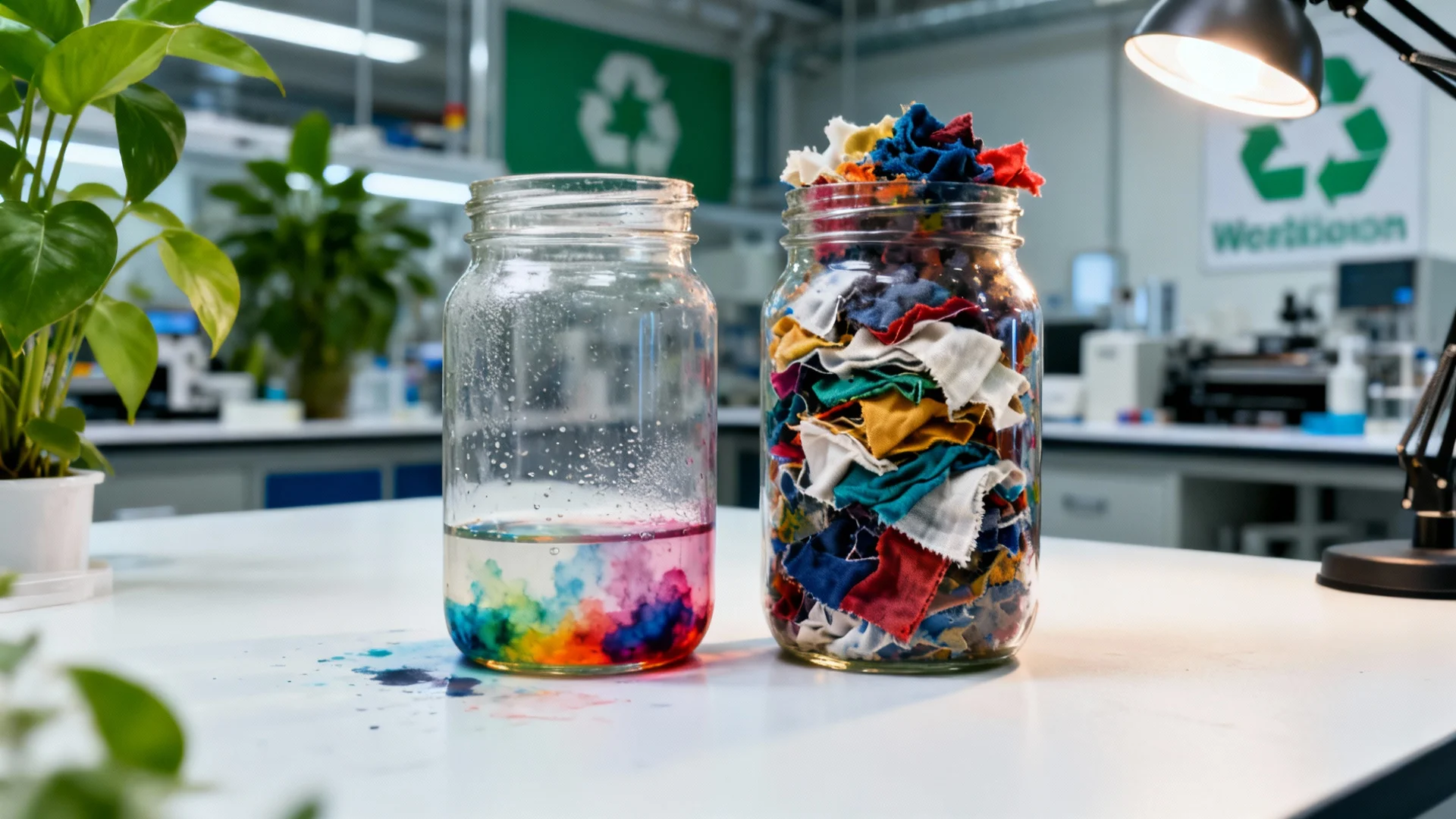
Circular Economy Integration
- Digital printing will enable more effective upcycling of textile waste through precise pattern placement
- On-demand production capabilities will support the development of local manufacturing networks, significantly reducing transportation impacts
- Enhanced traceability through blockchain integration with digital production processes, providing consumers with unprecedented transparency
Personalization at Scale
- Mass customization capabilities will become mainstream, allowing consumers to modify elements of designs
- Variable data printing technologies will enable production of individualized scarves with unique elements while maintaining production efficiency
- QR code integration will connect physical products with digital content, storytelling, and authentication capabilities
Conclusion: Embracing the Digital Transformation Imperative
The business case for digital printing in scarf production is compelling and continues to strengthen with each technological advancement. By reducing lead times by 40%, minimizing environmental impact, enabling greater design flexibility, and supporting responsive on-demand business models, digital printing represents a significant competitive advantage for fashion brands willing to embrace the technology.
As we've explored throughout this analysis, the benefits extend far beyond production efficiency to include substantial sustainability improvements, cost optimization opportunities, and enhanced creative possibilities. For boutiques, specialty stores, and fashion brands looking to remain competitive in an increasingly fast-paced and environmentally conscious market, digital printing is no longer merely an option—it's becoming an operational necessity.
The transition to digital production requires careful planning, thorough supplier evaluation, and team training, but the return on investment—in terms of reduced inventory carrying costs, faster time to market, improved sustainability credentials, and enhanced customer satisfaction—makes it well worth the effort. As one authoritative industry report concluded, "By 2027, digital printing will be the dominant production method for mid-range to high-end scarves, with traditional methods reserved primarily for very large runs and specific technical applications" (Textile Futures, 2025).
The brands that thrive in the coming years will be those that leverage digital printing not just as a production tool, but as a strategic enabler of more agile, sustainable, and consumer-centric business models. Those that delay this transition risk falling increasingly behind competitors who can respond more rapidly to market trends while operating with greater efficiency and environmental responsibility.
---
For Further Exploration:
- Download our comprehensive guide: "Digital Printing for Fashion Accessories: A Buyer's Handbook"
- Schedule a consultation with our textile technology specialists to evaluate your specific needs
- Request sample swatches demonstrating digital printing capabilities on various fabrics
- Explore our case studies library featuring successful digital transformation stories from fashion brands worldwide