In the competitive landscape of luxury fashion, digital scarf printing has emerged as a transformative technology that bridges artistic expression with industrial efficiency. As an industry practitioner with extensive textile innovation experience, I've witnessed leading fashion labels harness this technology to redefine possibilities in scarf design and production. This case study examines their strategic implementation approaches, demonstrating how they've overcome traditional limitations while preserving the exclusivity and quality that define luxury.
The Strategic Shift to Digital Printing in Luxury Scarf Production
The luxury scarf market has long been defined by meticulous craftsmanship and artistic heritage, with traditional techniques like screen printing dominating high-end production for decades. However, recent industry reports indicate a significant paradigm shift—by 2025, an estimated 45% of luxury scarf manufacturers have integrated digital printing into their workflows, representing a 60% increase from 2020 adoption rates. This transition isn't merely technological; it signifies a fundamental rethinking of how brands balance tradition with innovation.
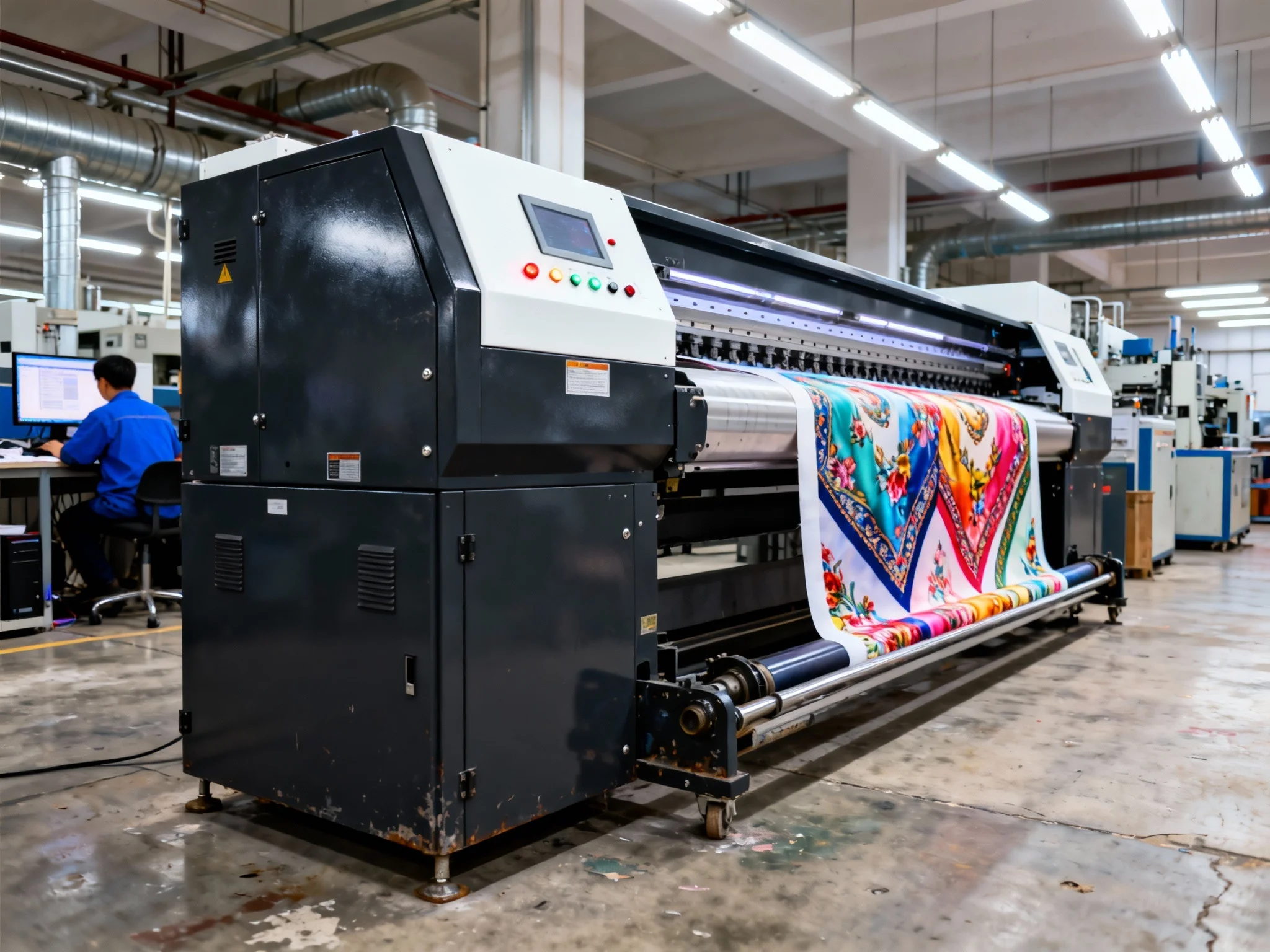
Leading fashion houses are drawn to digital printing for its unique value proposition, which maintains artisanal quality while offering unprecedented design flexibility and production agility. "The industry recognizes digital printing as a catalyst for creative freedom," notes a 2025 analysis by the Papis Group, a prominent textile technology consultant. "Luxury brands especially leverage its capabilities to offer limited-edition collections with intricate designs that would be too expensive or technically impossible with traditional methods."
Evolving consumer expectations and market dynamics drive this strategic shift. Today's luxury consumers desire both exclusivity and personalization—a contradiction that digital printing resolves through its ability to enable small-batch production of highly customized designs. Additionally, sustainability concerns have prompted brands to reconsider traditional printing methods, which often generate significant textile waste and chemical runoff.
Key Implementation Strategies from Industry Leaders
Successful digital scarf printing implementation requires more than just equipment acquisition; it demands a holistic approach integrating technology with creative processes, quality control systems, and sustainability frameworks. Analysis of industry best practices reveals several common strategies among leading brands:
Phased Technology Integration
Progressive brands haven't abandoned traditional methods entirely; instead, they've adopted a hybrid approach. One prominent Italian fashion house implemented digital printing in three distinct phases: first for prototype development and small-batch collections, then integration into core production lines, and finally full integration with their supply chain management system. This phased approach allowed the brand to refine workflows gradually while maintaining production continuity.
The technical transition involves critical considerations beyond the printing equipment itself. "Companies must evaluate their entire pre- and post-printing processes," explains a textile technology specialist at a major machinery manufacturer. "From design software compatibility to fabric preparation and finishing treatments, each环节 must be optimized to achieve luxury-grade results."
Cross-Functional Team Collaboration
Luxury brands excelling in digital printing typically establish dedicated cross-functional teams combining creative directors, textile engineers, sustainability officers, and production managers. This collaborative structure ensures technological capabilities inform design decisions and vice versa.
A renowned French fashion label offers an illustrative example. The brand reorganized creative and production departments into integrated units focused on digital innovation. By colocating designers with printing specialists and investing in joint training programs, the brand reduced design-to-production lead times by 40% while achieving more accurate translation of digital designs to physical scarves.
Quality Control Reinvention
Maintaining luxury standards with digital printing necessitates new quality control protocols. Leading brands have developed specialized assessment criteria addressing color consistency, detail reproduction, hand feel, and durability—all critical factors in preserving brand integrity.
One German luxury accessories manufacturer implemented a dual-stage quality control system: first, automated inspection using high-resolution imaging technology detects printing anomalies, followed by manual assessment conducted by master craftspeople trained specifically in digital print evaluation. This combination ensures technical precision while preserving the human judgment essential to luxury appreciation.
Technical Implementation Workflow for Digital Scarf Printing
Successful digital scarf printing implementation follows a structured workflow that combines technological precision with artistic sensibility. Based on industry best practices and technical documentation from leading manufacturers, the optimal implementation process includes these key stages:
Pre-Production Preparation
Exceptional digital scarf printing begins with meticulous pre-production preparation, starting with fabric selection—a critical decision that significantly impacts print quality. Luxury brands predominantly utilize premium mulberry silk with specific weave structures optimized for digital reproduction. "The fabric preparation process is often underestimated," notes a textile technologist with over 20 years of experience. "Proper pretreatment ensures optimal ink absorption and color retention, essential for luxury applications."
Design preparation involves specialized color management to ensure consistency across digital and physical representations. Leading brands employ dedicated colorists who calibrate designs using spectrophotometers and advanced color matching software, ensuring digital files accurately translate to the chosen fabric. This stage typically requires collaboration between designers and technical specialists to balance artistic vision with technical feasibility.
Printing Technology Implementation
The core printing stage showcases the technological advancements driving the industry forward. Modern digital textile printers for luxury scarf production offer remarkable capabilities, with some models achieving resolutions up to 1200 dpi and supporting over 16 million color combinations. Production speeds vary based on design complexity and quality requirements, with high-end systems capable of producing up to 120 square meters per hour—a significant improvement over traditional methods for small to medium batches.
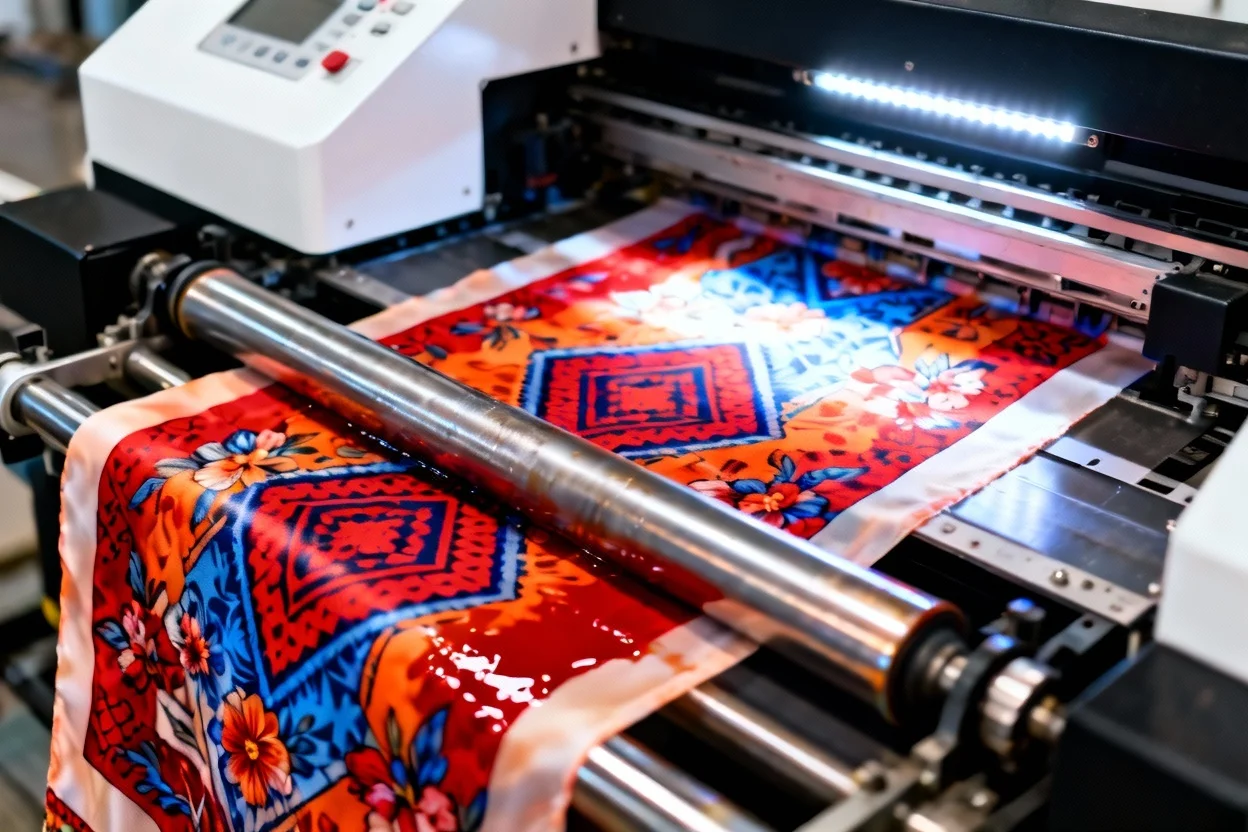
Ink technology represents another critical consideration, with luxury producers increasingly adopting water-based pigment inks that offer superior color vibrancy while minimizing environmental impact. These inks require precise temperature and humidity control during application to ensure optimal adhesion and curing.
Post-Production Processes
Post-production treatments significantly influence the final quality of digitally printed scarves. After printing, scarves undergo specialized washing processes to remove excess dye and fix colors, followed by drying in controlled environments to prevent shrinkage or distortion. Many luxury brands incorporate traditional finishing techniques like hand-rolling edges, combining digital precision with artisanal craftsmanship.
Quality control represents the final critical stage, with leading manufacturers implementing comprehensive inspection protocols that typically include automated color verification, manual assessment of print clarity and detail, and durability testing to ensure the finished product meets the brand's luxury standards.
Comparative Analysis: Digital vs. Traditional Printing
Understanding digital printing's advantages over traditional methods helps explain why leading brands are embracing this technological transition. A comprehensive comparison reveals distinct benefits in several key areas:
Design Capabilities and Flexibility
Digital printing offers unprecedented design freedom, enabling complex patterns, gradient colors, and photographic details that would be difficult or impossible to achieve with traditional screen printing. This capability has transformed scarf digital design technology at progressive fashion houses, allowing more intricate artistic expressions and customization options.
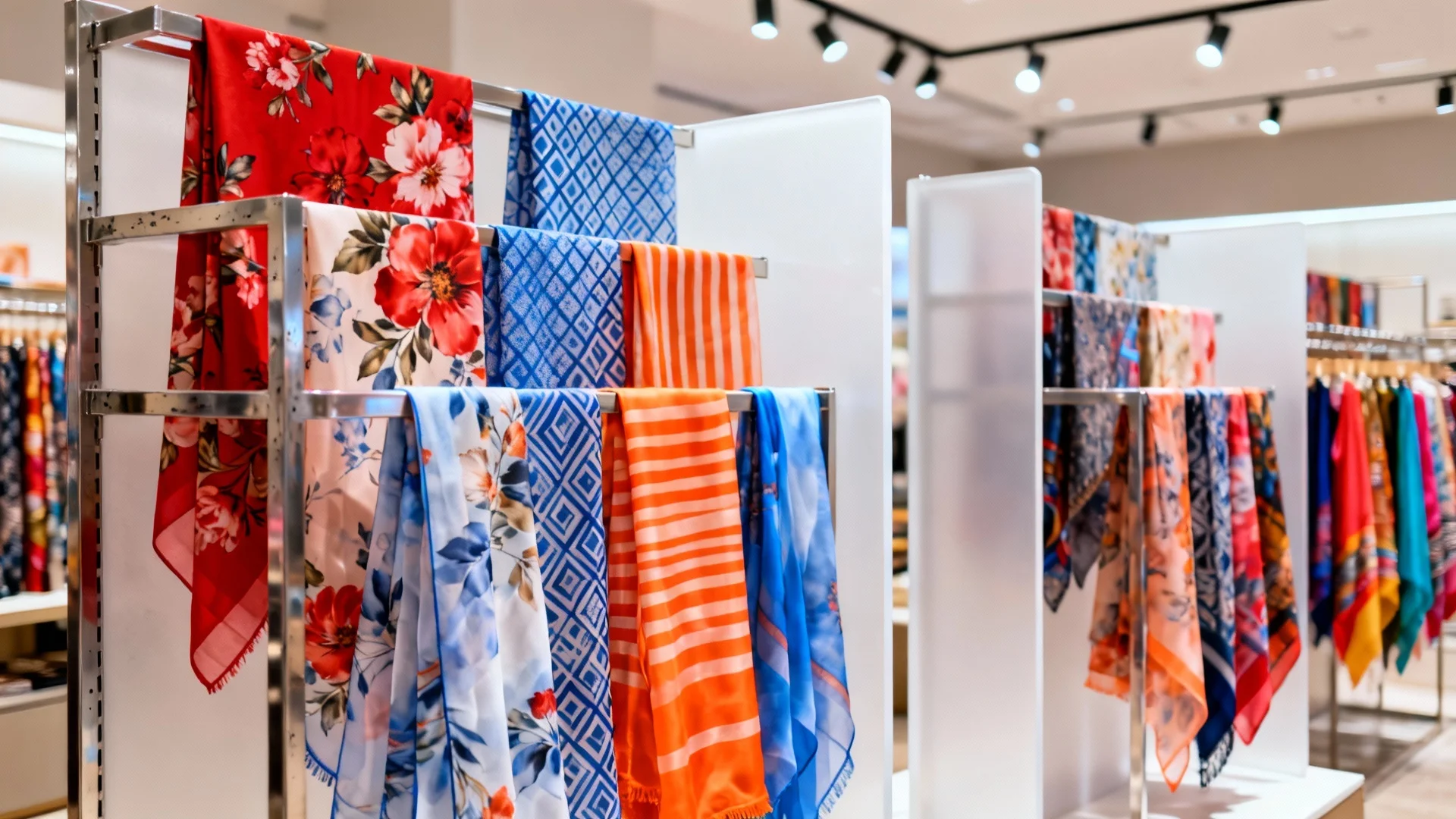
"With digital technology, we can reproduce artworks with remarkable fidelity," notes a design director at a luxury fashion brand. "This has opened new creative possibilities while allowing us to offer personalized designs that maintain our brand's aesthetic integrity."
Production Efficiency and Agility
Digital printing significantly reduces production lead times by eliminating screen preparation and setup needs, enabling what traditionally took weeks to be completed in days. This allows brands to respond more quickly to emerging trends and customer demands—a capability that grows increasingly valuable as market responsiveness directly impacts competitiveness.
The technology also offers economic advantages for small-batch production, making limited-edition collections more feasible. While traditional methods become cost-effective at scale, digital printing maintains consistent per-unit costs regardless of production volume, supporting the luxury industry's shift toward exclusivity and limited distribution.
Sustainability Performance
From an environmental perspective, digital printing offers substantial advantages over traditional methods, typically consuming 30-50% less water and generating significantly less textile waste. This aligns with sustainability commitments that are increasingly central to luxury brand messaging.
"Our transition to digital printing reduced water consumption by 42% in our scarf production," reports a sustainability manager at a major fashion house. "This wasn't just an environmental win—it also strengthened our brand positioning among environmentally conscious consumers."
Quality Considerations
While traditional methods still hold advantages in certain areas—particularly for very large production runs and specific textural effects—digital printing has closed much of the quality gap. Modern digital systems produce exceptional color accuracy, detail resolution, and durability that meet the exacting standards of luxury consumers.
The tactile quality of digitally printed scarves has also improved dramatically, with advanced ink formulations and application techniques creating hand feels comparable to traditional methods. "Today's luxury consumers cannot distinguish between digitally and traditionally printed scarves in blind tests," confirms a product development specialist with extensive consumer research experience.
Implementation Challenges and Solutions in Digital Scarf Printing
Despite its numerous advantages, implementing digital scarf printing technology presents significant challenges, particularly for established luxury brands with deeply rooted traditional production methods. Analysis of industry implementation efforts reveals common obstacles and effective strategies for overcoming them:
Investment Requirements and ROI
Initial capital investment in digital printing technology represents a substantial barrier for many brands, with high-end digital textile printing systems costing hundreds of thousands of dollars, plus ongoing expenses for inks, maintenance, and staff training. However, industry data shows luxury brands typically achieve return on investment within 18-36 months through reduced production costs, increased customization revenue, and improved inventory management.
Forward-thinking brands have adopted innovative approaches to manage this investment, including strategic partnerships with technology providers and phased implementation strategies prioritizing high-margin product lines. "We focused initially on our custom printed scarf techniques for the bespoke order business, where digital printing delivered immediate value through premium pricing and improved turnaround times," explains a production executive at a luxury accessories brand.
Technical Expertise Development
Digital printing requires specialized technical knowledge that may not exist within traditional luxury manufacturing operations. Developing this expertise represents a significant challenge, particularly for brands with long histories of artisanal production methods.
Leading brands address this challenge through comprehensive training programs, often partnering with equipment manufacturers and textile technology specialists. Some have even established internal digital printing academies to ensure continuous skill development and knowledge transfer. "The human element is often the most challenging aspect of technological transition," notes a manufacturing consultant specializing in luxury textiles. "Investing in people is just as important as investing in machinery."
Integration with Existing Brand Identity
For heritage luxury brands, maintaining brand identity during technological transition represents a critical challenge. Digital printing introduces new design possibilities that must be carefully balanced with established aesthetic codes and brand heritage.
Successful brands have navigated this challenge by using digital technology to enhance rather than replace traditional design elements. A historic French fashion house offers a notable example, employing digital printing to recreate rare archival patterns that would have been impractical to produce using traditional methods—strengthening brand heritage while embracing technological innovation.
Future Trends and Strategic Recommendations for Digital Scarf Printing
As digital printing technology continues to evolve, its impact on luxury scarf production will deepen. Industry forecasts and technological developments suggest several emerging trends that will shape implementation strategies in the coming years:
Technological Advancements
The next generation of digital printing systems promises even greater capabilities, with advancements in resolution, color range, and production speed on the horizon. Emerging technologies like nanotechnology-based inks and advanced color management systems will further blur the distinction between digital and traditional methods while offering new creative possibilities.
"Within five years, we anticipate digital printing will match or exceed traditional methods in every quality metric while offering unprecedented design freedom," predicts a senior executive at a leading textile machinery manufacturer.
Sustainability Innovations
Environmental considerations will continue driving adoption and development of digital printing technologies, with future advancements likely focusing on reducing energy consumption, developing completely biodegradable inks, and creating closed-loop production systems that eliminate waste entirely.
Luxury brands at the forefront of sustainability already explore these possibilities, with one innovative initiative using digital printing to create zero-waste scarf designs by precisely positioning patterns to minimize fabric waste during cutting—a development that could revolutionize sustainable luxury production.
Strategic Implementation Recommendations
Based on analysis of successful implementations and emerging trends, several key recommendations emerge for luxury brands considering digital scarf printing adoption:
- Conduct a comprehensive technology audit to identify the optimal digital printing solution for your specific product range, considering factors like fabric types, design complexity, production volumes, and quality requirements.
- Develop a clear implementation roadmap with realistic timelines, budget projections, and performance metrics to measure success, addressing both technical and organizational components including workflow changes, staff training, and quality control protocols.
- Prioritize cross-functional collaboration between design, production, sustainability, and marketing teams to ensure digital printing capabilities are fully leveraged across the organization.
- Consider strategic partnerships with technology providers, textile specialists, and academic institutions to access cutting-edge knowledge and share implementation risks.
- Adopt a phased implementation approach that allows for gradual refinement of processes while demonstrating early wins to build organizational support for broader adoption.
- Invest in continuous learning and skill development to ensure technical expertise keeps pace with evolving technology and maintains the quality standards expected of luxury products.
- Communicate the value proposition transparently to consumers, emphasizing how digital printing enhances design possibilities, sustainability, and customization while maintaining the craftsmanship and quality that define luxury.
As digital printing technology matures, it will play an increasingly central role in luxury scarf production. Brands that navigate this technological transition successfully will be well-positioned to meet evolving consumer demands for personalized, sustainable, and artistically innovative luxury accessories while maintaining the exclusivity and heritage that define true luxury.
The implementation journey requires careful planning, significant investment, and organizational commitment, but the potential rewards—creative freedom, production agility, sustainability improvements, and enhanced customer engagement—make it a strategic imperative for luxury brands looking to thrive in the digital age.