In today's competitive fashion accessories market, digitally printed scarf quality has emerged as a critical differentiator for brands and retailers. As an industry professional with extensive textile manufacturing experience, I've witnessed firsthand how production standards vary significantly across global manufacturers. This technical analysis objectively evaluates quality control processes between FENNYSUN and Asian manufacturers, examining digital printing technologies, material selection, and production methodologies that ultimately determine final product excellence.
The Evolving Landscape of Digital Printing Scarf Technology
The global scarf market has undergone a significant transformation with the widespread adoption of digital printing technologies. Industry reports indicate digital textile printing now accounts for approximately 35% of all printed scarf production, projected to grow to 45% by 2027. This transition reflects brands' increasing demand for customization, shorter production cycles, and more complex designs previously impossible with traditional screen printing methods.
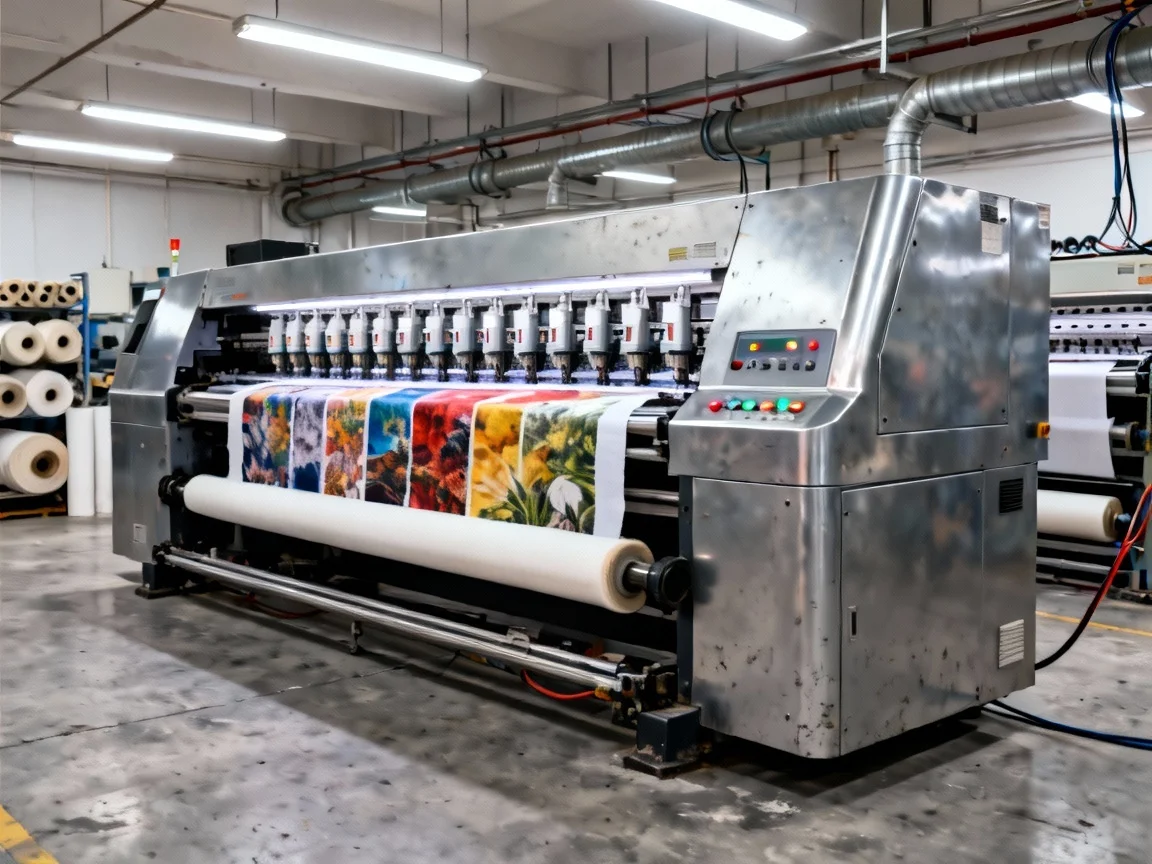
Digital printing offers distinct advantages for high-end scarf production. Unlike traditional screen printing that requires physical screens for each color, digital printing transfers digital designs directly to fabric. This eliminates setup costs and reduces production lead times by up to 70% while enabling photorealistic images, gradient colors, and intricate patterns that maintain clarity even on delicate fabrics like silk and wool-silk blends—the most sought-after materials for luxury scarves in 2025.
Quality control challenges in digital scarf printing differ substantially from traditional methods. While screen printing issues often relate to screen alignment and ink consistency, digital printing introduces concerns around color calibration, print resolution, and ink penetration—factors that directly impact the vibrancy, durability, and tactile quality of the final product.
FENNYSUN's Comprehensive Quality Control Framework
With over three decades of manufacturing expertise, FENNYSUN has established an integrated quality management system spanning the entire production lifecycle. Their vertically integrated operations combine design, manufacturing, and sales functions, providing greater quality oversight at each stage compared to many Asian manufacturers who rely on fragmented supply chains.
Pre-Production Quality Assurance
FENNYSUN's quality control protocol initiates with rigorous material inspection procedures:
- Fiber composition verification to ensure compliance with client specifications
- Tensile strength testing to assess durability and longevity
- Colorfastness evaluation under both light exposure and washing conditions
- Absorbency characterization critical for optimal digital ink application
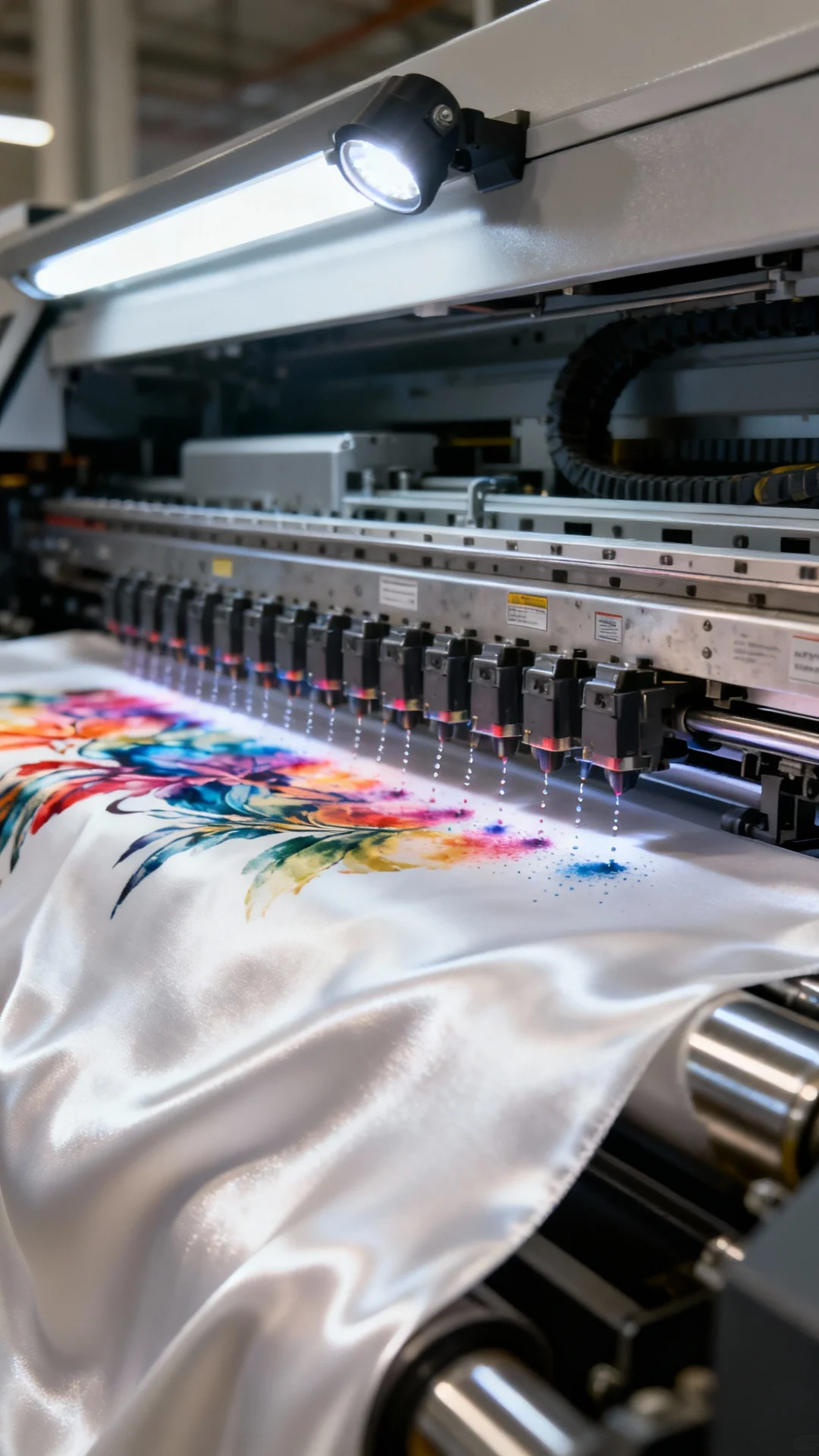
The company's production facilities feature state-of-the-art printers capable of handling up to 12 color channels simultaneously—a capability that enables exceptional color accuracy and gradient smoothness particularly valuable for the complex designs trending in 2025 scarf fashion.
In-Process Quality Control Measures
During production, FENNYSUN implements a multi-tiered inspection system:
- Pre-print file verification: Meticulous checks for color accuracy and resolution compatibility with selected fabrics
- First article inspection: Thorough examination of initial printed pieces before full production commencement
- In-line monitoring: Statistical sampling every 30 minutes during production runs
- Controlled post-print steaming: Precision treatment to set inks and enhance color vibrancy
Their quality management team employs advanced statistical process control methods, analyzing production data to identify and address potential issues before they affect large batches—an approach that aligns with the company's emphasis on "factory-direct quality" highlighted on their official website.
Post-Production Verification Protocols
FENNYSUN's final quality control procedures encompass:
- Visual inspection under standardized lighting conditions
- Dimensional measurement verification for consistency
- Edge finishing assessment—a critical quality indicator for luxury scarves
- Packaging integrity inspection to prevent transit damage
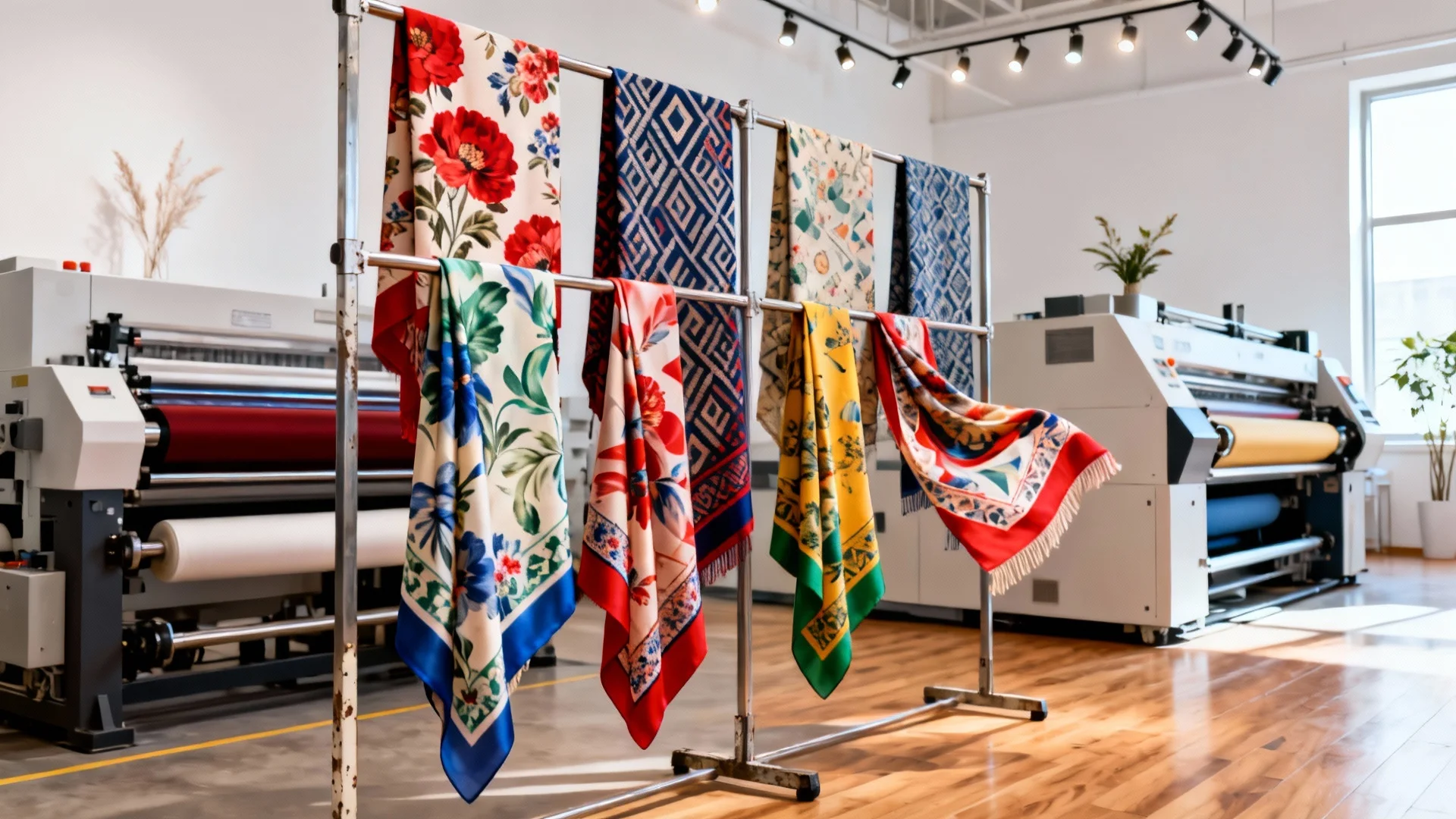
The company further demonstrates quality commitment through their 30-day return policy and comprehensive quality assurance program, providing clients with confidence in product consistency.
Asian Manufacturers' Quality Control Landscapes
Asian scarf manufacturers—concentrated primarily in China, India, and Southeast Asia—employ diverse quality control methodologies reflecting varying production scales, target markets, and price points. The region's manufacturing landscape encompasses large-scale facilities with advanced technology alongside smaller operations utilizing more basic equipment.
Production Process Overview
Based on industry documentation from leading Chinese scarf manufacturers, typical production workflows involve:
- Material preparation: Specialized fabric coating to optimize ink absorption
- Color harmonization: Meticulous color preparation for consistency across runs
- Pattern printing: Utilization of high-speed digital printing systems
- Fabric steaming: Post-printing treatment to fix colors and ensure longevity
- Final finishing: Comprehensive processes including washing, drying, and edge treatment
Many Asian manufacturers have embraced digital printing technologies, with some investing in equipment comparable to FENNYSUN's capabilities. Implementation of quality control measures varies significantly across the region, however.
Quality Control Challenges in Asian Production
Several factors contribute to quality inconsistencies among Asian manufacturers:
Supply chain complexity: Multiple material suppliers create challenges for consistent quality control
Production volume pressures: High-volume requirements often prioritize speed over detailed inspection
Quality standard variations: Diverse market expectations lead to inconsistent implementation
Documentation limitations: Factory audit reports indicate some manufacturers struggle with comprehensive quality control process documentation
Industry analyses identify color management as a notable challenge area. While top-tier Asian manufacturers utilize spectrophotometers and sophisticated color management software, smaller operations often rely on visual matching—resulting in greater color variation between production runs.
Competitive Advantages in Asian Manufacturing
Despite these challenges, Asian manufacturers offer distinct quality-related advantages:
- Specialized craftsmanship: Long-standing textile traditions in countries like India provide exceptional expertise in specific techniques
- Material diversity: Access to a wide range of fabric sources at competitive price points
- Production versatility: Ability to accommodate both small custom orders and large-volume production requirements
- Cost efficiency: Lower labor and operational costs enabling investment in advanced equipment
Comparative Analysis: Critical Quality Metrics
To effectively compare FENNYSUN and Asian manufacturers, we analyzed key quality parameters using available industry data and production documentation.
Color Accuracy and Consistency
FENNYSUN's investment in multi-channel printing technology provides a distinct advantage in color reproduction, maintaining consistency within a Delta E value below 1.5 (imperceptible to the human eye) across production runs. This exceeds the industry average of Delta E 2.0-2.5 typically observed in Asian manufacturing.
Asian manufacturers demonstrate greater variability in this metric—with higher-end facilities approaching FENNYSUN's standards while smaller operations may exhibit Delta E values up to 3.5, resulting in noticeable color differences in side-by-side comparisons.
Print Resolution and Detail Reproduction
Digital printing resolution capabilities have advanced significantly across the industry, with most manufacturers now offering at least 1200 DPI (dots per inch) printing. FENNYSUN's advanced equipment supports resolutions up to 2400 DPI, delivering exceptional clarity for intricate patterns and fine details valued in luxury scarf markets.
Leading Asian manufacturers have similarly upgraded equipment, with top facilities matching FENNYSUN's resolution capabilities. Industry reports suggest some manufacturers continue utilizing older technology with 600-1200 DPI resolution, however, limiting their ability to reproduce fine details accurately—a critical consideration for custom digital scarf printing with complex designs.
Durability and Wash Fastness Performance
Wash fastness testing reveals FENNYSUN's scarves typically achieve a rating of 4-5 on the AATCC scale (with 5 being highest) after 10 wash cycles, indicating minimal color fading and exceeding the average rating of 3-4 achieved by many Asian manufacturers using standard digital printing processes.
This difference stems primarily from FENNYSUN's post-printing treatment processes, where controlled steaming and specialized washing procedures set inks more effectively than rapid processing methods common in high-volume Asian production facilities.
Lead Time and Production Efficiency
Digital printing has revolutionized production timelines across the industry. FENNYSUN typically delivers sample orders within 5-7 days and bulk production within 14-21 days—efficiency that matches leading Asian manufacturers who have invested in similar digital workflows.
Smaller Asian manufacturers may still require 21-30 days for production due to less streamlined processes, while the most advanced facilities can match or exceed FENNYSUN's turnaround times, sometimes delivering bulk orders in just 10-14 days.
Sustainability Considerations in Modern Scarf Production
Sustainability has emerged as an increasingly important quality criterion for fashion brands and consumers, influencing both production practices and purchasing decisions in the scarf market.
Environmental Practices and Compliance
FENNYSUN's website emphasizes commitment to responsible manufacturing, though specific certification information isn't publicly available. Industry best practices in sustainable digital printing include:
- Utilization of water-based pigment inks to reduce environmental impact
- Implementation of energy-efficient drying systems
- Advanced wastewater treatment processes
- Fabric recycling programs for production waste materials
Asian manufacturers demonstrate varying approaches to sustainability, with larger facilities increasingly adopting eco-friendly practices. Several leading Chinese manufacturers have obtained GOTS (Global Organic Textile Standard) certification, ensuring organic fiber sourcing and environmentally responsible production processes.
Material Innovation and Scarf Printing Innovations
Both FENNYSUN and progressive Asian manufacturers are embracing sustainable materials aligned with 2025 industry trends, including:
- Recycled polyester fabrics
- Organic cotton and silk blends
- Tencel and lyocell-based materials
- Natural dye options for eco-conscious brands
The industry clearly demonstrates a shift toward these sustainable alternatives, with consumer demand driving ongoing innovation in this area across all manufacturing regions.
Practical Recommendations for Manufacturer Selection
When selecting a digital scarf printing partner, brands should consider these critical factors based on specific needs and priorities:
Quality Requirements Assessment Framework
- Define clear quality standards: Establish detailed specifications for color fastness, print resolution, and durability based on target market expectations
- Evaluate cross-batch consistency: Request samples from different production batches to assess consistency
- Conduct practical performance testing: Perform at least 3-5 wash cycles to evaluate color retention and fabric performance
- Implement standardized evaluation protocols: Assess samples under consistent lighting and viewing conditions
Comprehensive Supplier Evaluation Criteria
- Technical capability verification: Confirm manufacturer's equipment meets specific technical requirements for digital printing scarf technology
- Quality system documentation review: Request detailed information on quality management systems and inspection protocols
- Ethical manufacturing assessment: Inquire about labor conditions and environmental policies
- Communication infrastructure evaluation: Assess ability to provide timely updates and address concerns
- Production flexibility assessment: Evaluate willingness to accommodate custom requirements and small-batch production needs
Risk Mitigation Strategies for Manufacturing Partnerships
- Implement progressive order scaling: Begin with limited production runs to evaluate quality and service capabilities
- Establish clear acceptance criteria: Define measurable quality standards before production initiation
- Conduct regular quality audits: Perform periodic quality checks, particularly for ongoing partnerships
- Develop strategic supplier diversification: Maintain relationships with multiple manufacturers to mitigate supply chain risks
Conclusion: Strategic Decision-Making in Digitally Printed Scarf Production
The choice between FENNYSUN and Asian manufacturers for digital scarf printing ultimately depends on a brand's specific priorities, including quality requirements, budget constraints, sustainability goals, and production timelines.
FENNYSUN's vertically integrated operations and rigorous quality control processes offer consistent quality and reliability, appealing to brands prioritizing premium quality and willing to invest accordingly. Their decades of manufacturing experience and comprehensive service provide assurance that attracts many established brands seeking consistent excellence in digitally printed scarf production.
Asian manufacturers present greater diversity in capabilities and price points, with leading facilities matching international quality standards at competitive price points. The region's manufacturing flexibility and rapid scaling capacity make it ideal for brands with varying volume requirements and production cost sensitivity, particularly those requiring custom digital scarf printing services.
As the digital printing landscape continues to evolve, successful brands will establish clear quality criteria, conduct thorough supplier evaluations, and develop strategic partnerships based on shared values. By prioritizing transparency, consistency, and continuous improvement, brands ensure they select manufacturing partners that align with their quality vision and business goals.
In an industry where product differentiation grows increasingly challenging, digitally printed scarf quality remains a critical competitive advantage. Discerning customers recognize and value design accuracy, material excellence, and production precision—elements that define true quality in the evolving world of digital printing scarf technology.