As a sustainability specialist with over a decade of experience in textile manufacturing, I've observed a profound shift in how the fashion industry approaches production challenges. The evolution from traditional to digital printing technologies represents one of the most significant advancements in sustainable manufacturing, particularly within the scarf production sector. This comprehensive analysis examines the environmental implications of conventional versus digital printing methods, providing fashion brands and retailers with actionable insights to guide their sustainability journey.
The Environmental Imperative in Scarf Manufacturing
The fashion accessories sector faces intensifying pressure to address its environmental footprint, with scarf production presenting unique sustainability challenges. Characterized by frequent design iterations, seasonal collections, and intricate patterns, traditional scarf manufacturing has historically been resource-intensive and pollution-generating.
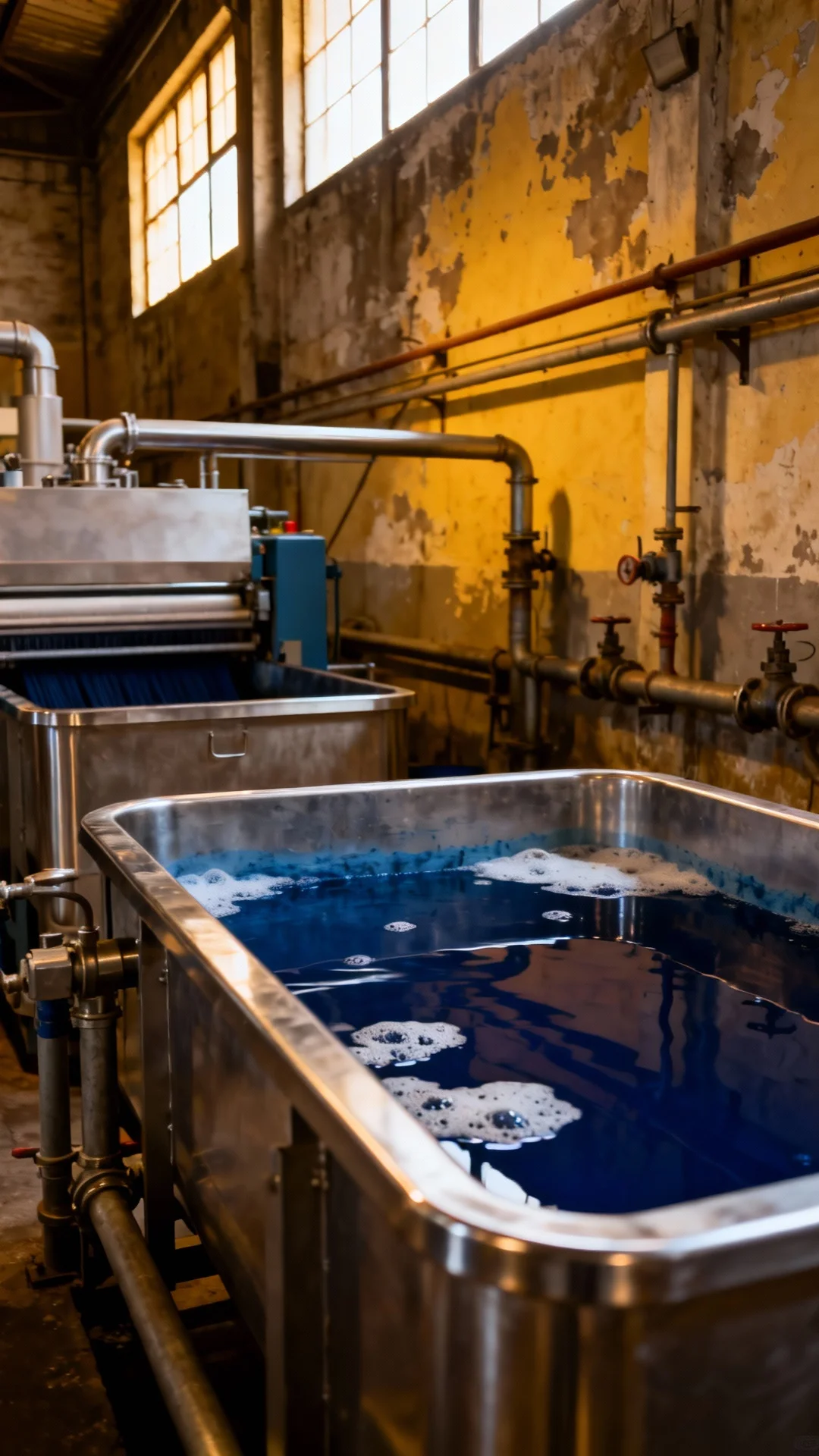
Industry data reveals troubling statistics about textile production's environmental impact: approximately 92 million tons of textile waste is generated annually worldwide, with a mere 13% diverted from landfills for recycling, according to the 2025 Textile Sustainability Report. Scarf production exacerbates these issues through its reliance on virgin materials and water-intensive dyeing processes that contaminate waterways with hazardous chemicals. Traditional printing techniques further compound these environmental concerns through excessive resource consumption and waste generation.
Digital Printing: Redefining Sustainability in Textiles
Digital textile printing has emerged as a transformative technology that fundamentally reconfigures scarf production's environmental equation. By eliminating many resource-intensive steps in traditional manufacturing, digital systems offer substantial sustainability benefits while delivering superior design precision and customization capabilities.
Quantifying Resource Efficiency Gains
The water conservation benefits of digital printing are particularly striking. Comparative analysis conducted by the Textile Technology Institute in 2025 demonstrated that digital printing systems reduce water consumption by up to 95% compared to conventional screen printing processes. This dramatic reduction stems primarily from eliminating water-intensive screen preparation, washing, and cleanup procedures.

Energy efficiency improvements further strengthen digital printing's sustainability credentials. Studies show energy consumption decreases by 30-40% with digital systems, attributable to more streamlined production cycles, reduced process stages, and elimination of energy-intensive drying steps required by traditional methods.
Material utilization efficiencies represent another significant advantage. Traditional printing typically generates 15-20% fabric waste due to setup requirements, pattern alignment issues, and color testing. Digital technology minimizes this waste to 3-5% through precise pattern placement, on-demand production capabilities, and elimination of setup materials. Ink usage efficiency is similarly improved, as digital systems deposit only the necessary amount of colorant directly onto fabric surfaces.
Environmental Impact Reduction
Beyond resource conservation, digital printing delivers substantial pollution reduction benefits. A comprehensive lifecycle assessment published in the Journal of Sustainable Fashion in 2024 documented 30-50% lower carbon emissions from digital printing compared to conventional screen printing for scarf production. This reduction results from decreased energy consumption, eliminated chemical processing steps, and reduced material waste requiring disposal.
The transition from solvent-based to water-based inks represents another critical environmental advancement. Traditional printing relies heavily on solvent-based inks containing volatile organic compounds (VOCs) that contribute to air pollution and create occupational health hazards. Leading digital printing manufacturers now report 90% lower VOC emissions through adoption of advanced water-based formulations.
Water-Based Inks: Performance Meets Sustainability
The development of high-performance water-based inks has been instrumental in digital printing's environmental transformation. These formulations address one of the textile industry's most persistent pollution challenges while meeting the exacting quality standards of luxury scarf production.
Environmental Advantages of Water-Based Formulations
Water-based inks eliminate many toxic components found in traditional solvent-based alternatives, significantly reducing both worker exposure risks and environmental contamination. Industry studies indicate that transitioning to water-based inks can reduce chemical oxygen demand (COD) in wastewater by up to 70%—a critical metric for preserving aquatic ecosystems near manufacturing facilities.
Modern water-based inks also demonstrate dramatically improved biodegradability compared to earlier formulations. While initial water-based options contained persistent synthetic resins, contemporary formulations achieve nearly 100% degradability under optimal conditions, according to 2025 testing protocols established by the International Textile Environmental Committee. This advancement significantly reduces the long-term environmental impact of discarded textile products.
Performance Characteristics for Luxury Applications
Luxury scarf manufacturers initially expressed concerns about color vibrancy, durability, and tactile properties when considering water-based inks. However, recent technological advancements have largely resolved these issues. Modern water-based formulations now achieve colorfastness ratings comparable to traditional inks, with particular improvements in wash resistance and light stability—factors critical for maintaining luxury product integrity.
Tactile characteristics have also seen remarkable progress. By optimizing ink penetration and surface tension, manufacturers have achieved hand-feel properties that rival or exceed traditionally printed scarves. This development was particularly significant for high-end fashion accessories where texture and drape are essential quality parameters.
Low-Impact Dyeing: Beyond Conventional Processes
Innovative dyeing technologies complement digital printing advancements as essential components of sustainable scarf production. These processes address the fashion industry's significant water consumption and pollution challenges while maintaining color quality and design flexibility.
Biological Dyeing: Nature-Inspired Innovation
Colorifix has pioneered an entirely biological dyeing process that represents one of the most promising developments in sustainable textile coloration. The biotechnology company engineers microorganisms to produce textile pigments, eliminating many toxic chemicals associated with traditional dyeing. This process reduces water usage by up to 90% and eliminates hazardous waste discharge—a true paradigm shift in color application technology.
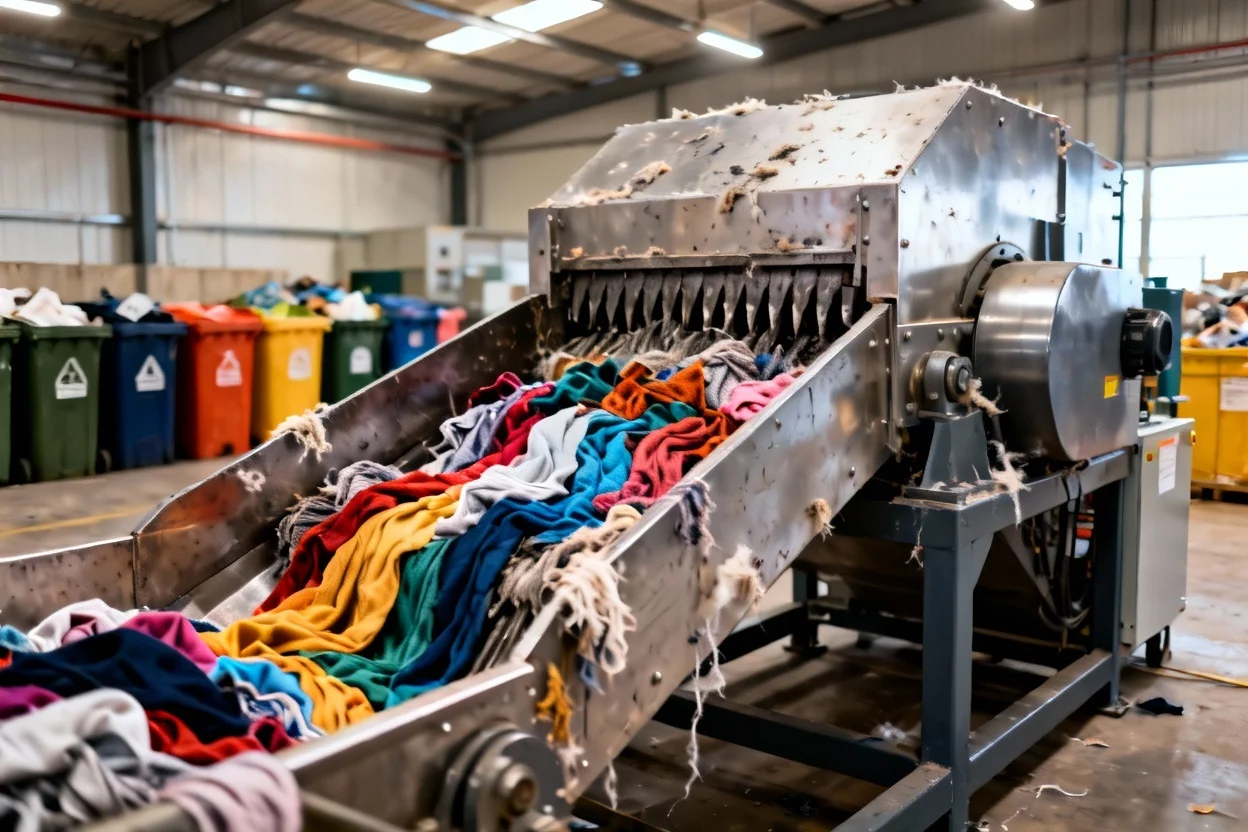
A scientific partnership between the Earlham Institute and Colorifix demonstrated that these bio-based dyes achieve colorfastness and vibrancy comparable to synthetic alternatives while dramatically reducing environmental impact. Several luxury scarf brands have already adopted this technology, reporting positive consumer reception and operational cost savings that offset initial investment in new production processes.
Waterless Dyeing: Eliminating the Resource Paradox
Waterless dyeing represents another transformative approach gaining traction in sustainable scarf production. Technologies like DyeCoo's CO2 dyeing system use supercritical carbon dioxide as a solvent, eliminating water consumption entirely. This process not only conserves water resources but also reduces energy usage by 60% compared to conventional dyeing methods.
Beyond environmental benefits, waterless dyeing offers operational advantages including reduced processing time, lower chemical costs, and improved color consistency. These factors have contributed to adoption by major textile manufacturers, with scarf producers reporting particularly favorable results due to the typically smaller production runs and higher value per unit characteristic of the accessory market.
Recycled Textile Integration: Closing the Loop
Sustainable scarf production requires addressing material sourcing challenges, where recycled textiles play an increasingly important role. Despite industry obstacles, significant progress has emerged in incorporating post-consumer and post-industrial waste into high-quality scarf production.
Current Landscape and Challenges
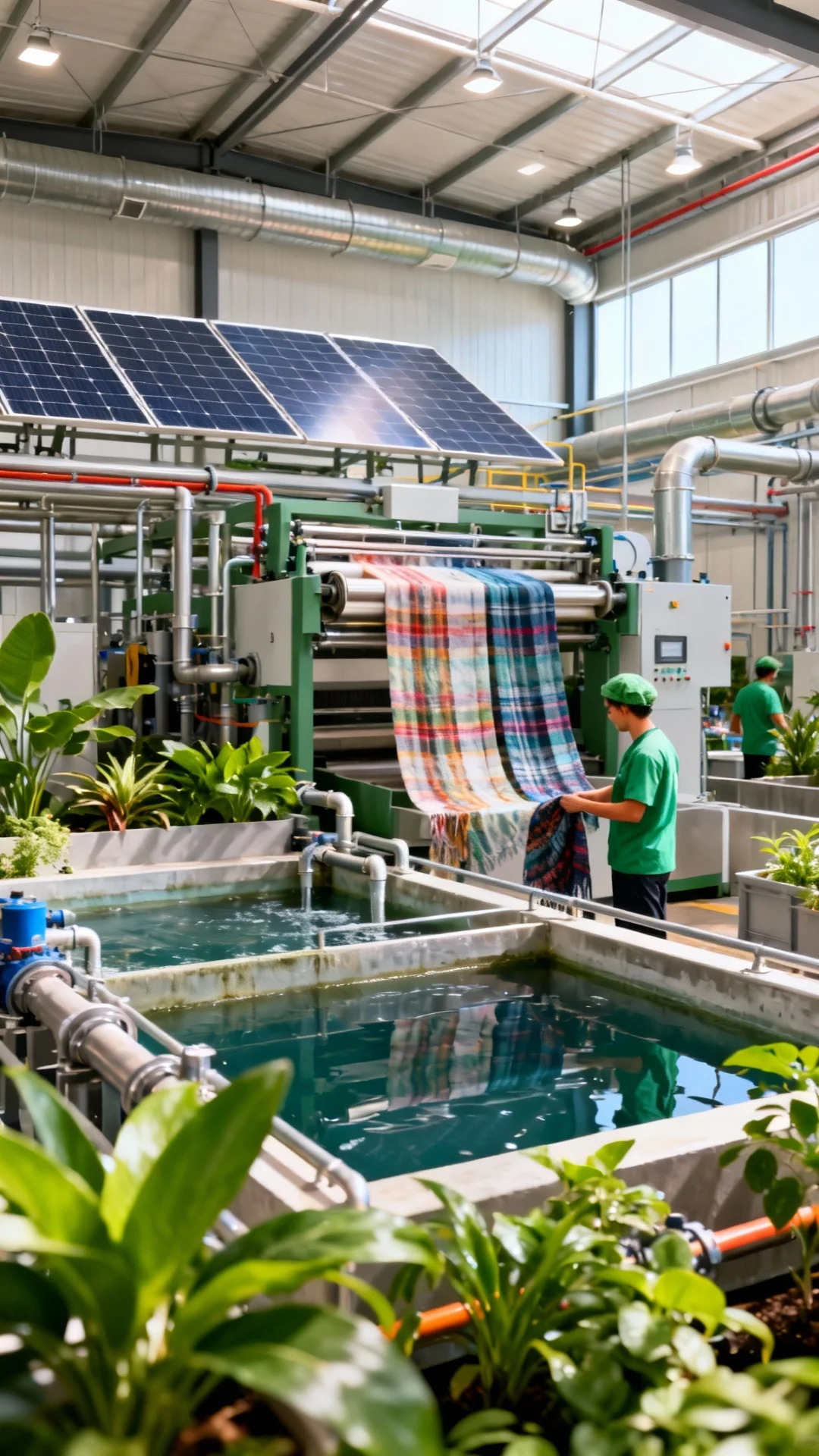
Textile recycling statistics reveal both persistent challenges and emerging opportunities. Global textile waste reaches approximately 92 million tons annually, yet only 13% of this material is recycled, according to 2025 industry reports from the Ellen MacArthur Foundation. Within scarf manufacturing, recycled textiles remain particularly underutilized, accounting for just 0.3% of all materials used.
Quality concerns primarily drive this low adoption rate, as traditional recycling processes often degrade fiber integrity, making them unsuitable for luxury applications. However, recent technological advancements in recycling now produce fiber qualities meeting the standards required for high-end scarf production, creating new opportunities for sustainable sourcing.
Material Innovation Case Studies
Several innovative approaches are addressing recycled textiles' quality limitations. Chemical recycling processes that break down post-consumer garments into constituent polymers and reconstitute them into new fibers show particular promise for scarf production. These advanced recycling methods produce fibers with strength and appearance characteristics comparable to virgin materials.
Innovative companies are also exploring circular production models, collecting scarf offcuts and waste materials to reincorporate into new production cycles. This closed-loop approach not only reduces waste but creates compelling storytelling opportunities for brands to highlight their commitment to circularity and material stewardship.
Implementation Framework for Fashion Brands
For boutiques and fashion brands evaluating sustainable scarf production options, a structured approach to technology adoption and supplier selection is essential. This practical guidance draws on industry best practices and emerging trends to navigate the transition to more environmentally responsible manufacturing.
Technology Assessment Framework
Brands evaluating digital printing investments should consider both quantitative and qualitative factors. The environmental payback period typically ranges from 12-18 months for mid-volume producers, considering reduced material waste, lower energy costs, and water savings. Production flexibility represents another significant advantage, with digital systems enabling rapid design iterations and small-batch production that align with sustainable consumption principles.
Quality assessment protocols should include both laboratory testing and consumer perception studies. Key metrics include colorfastness to light and washing, abrasion resistance, and hand-feel characteristics. Comparative testing between traditional and digital methods often reveals parity or superiority in digital prints for these quality parameters when using modern equipment and inks.
Supply Chain Considerations
Selecting production partners with verified sustainability credentials has grown increasingly important for brand reputation and regulatory compliance. Third-party certifications like the Global Organic Textile Standard (GOTS) and OEKO-TEX provide baseline assurance, but progressive brands are seeking more comprehensive environmental impact data.
Transparency has emerged as a critical factor in sustainable supply chain management. Brands should request detailed environmental impact reports from manufacturers, including water and energy consumption metrics, waste diversion rates, and carbon footprint data. Leading producers now offer blockchain-enabled traceability systems providing unprecedented visibility into production processes and material origins.
Future Outlook: Converging Technologies
The sustainable scarf production landscape continues to evolve rapidly, with several emerging technologies poised to further transform the industry. These innovations promise to address remaining environmental challenges while creating new design possibilities and operational efficiencies.
Digital Integration and Circular Systems
Converging digital printing with circular economy principles creates powerful new opportunities for sustainable scarf production. On-demand manufacturing capabilities reduce overproduction waste, while digital design systems minimize sampling materials. Emerging business models combining digital printing with take-back programs enable closed-loop production cycles, where end-of-life scarves are recycled into new materials.
Artificial intelligence applications in color matching and material optimization further enhance sustainability performance. These systems reduce ink and material waste by precisely calculating requirements based on design parameters and fabric characteristics, achieving material utilization rates exceeding human capabilities.
Material Science Advancements
Nanotechnology applications in textile finishing offer promising environmental benefits for scarf production. Advanced treatments enhance durability, water resistance, and stain repellency without hazardous chemicals, extending product lifespans and reducing replacement needs.
Biodegradable textile innovations are accelerating as well, with several companies developing fibers that maintain performance characteristics during use but degrade rapidly in composting environments. Combined with water-based inks and low-impact dyeing, these materials could eventually enable scarf products with near-zero environmental persistence.
Conclusion: The Sustainable Transformation Journey
The shift from traditional to digital printing represents far more than a technological upgrade—it signifies a fundamental transformation in scarf production's environmental impact profile. This transition, supported by innovations in inks, dyeing processes, and materials, offers fashion brands a viable path toward significantly reducing their ecological footprint while maintaining quality and design integrity.
For boutiques and specialty stores evaluating suppliers, digital printing's environmental advantages have become compelling differentiators in an increasingly sustainability-conscious market. Data clearly demonstrates that digital production methods deliver superior resource efficiency, reduced pollution, and lower carbon emissions compared to traditional approaches.
As the industry continues evolving, integrating these sustainable technologies will likely become both ethical imperative and competitive necessity. Brands proactively adopting these innovations position themselves to meet growing consumer demand for environmentally responsible products while contributing to the critical goal of reducing fashion's overall environmental impact.
The case studies and technological advancements highlighted represent just the beginning of sustainable transformation in scarf production. As these technologies mature and costs decrease, the industry moves toward widespread adoption that could fundamentally redefine manufacturing practices and environmental performance standards across the entire fashion accessories sector.