In the competitive landscape of luxury scarf manufacturing, color fastness stands as a critical determinant of product quality, directly influencing brand reputation and customer satisfaction. With over a decade of specialized experience in textile printing technology, I've witnessed firsthand how digital printing innovations have transformed high-end scarf production. This technical analysis examines why FENNYSUN's advanced digital printing process consistently achieves superior color fastness compared to traditional methods, drawing on industry data, technical specifications, and real-world applications.
The Critical Importance of Color Fastness in Luxury Scarves
Color fastness refers to a printed textile's ability to retain its original hue and vibrancy when subjected to environmental factors and everyday use. For luxury scarves—typically crafted from delicate natural fibers like silk, cashmere, and wool—maintaining color integrity presents unique technical challenges while remaining a market necessity for discerning consumers.
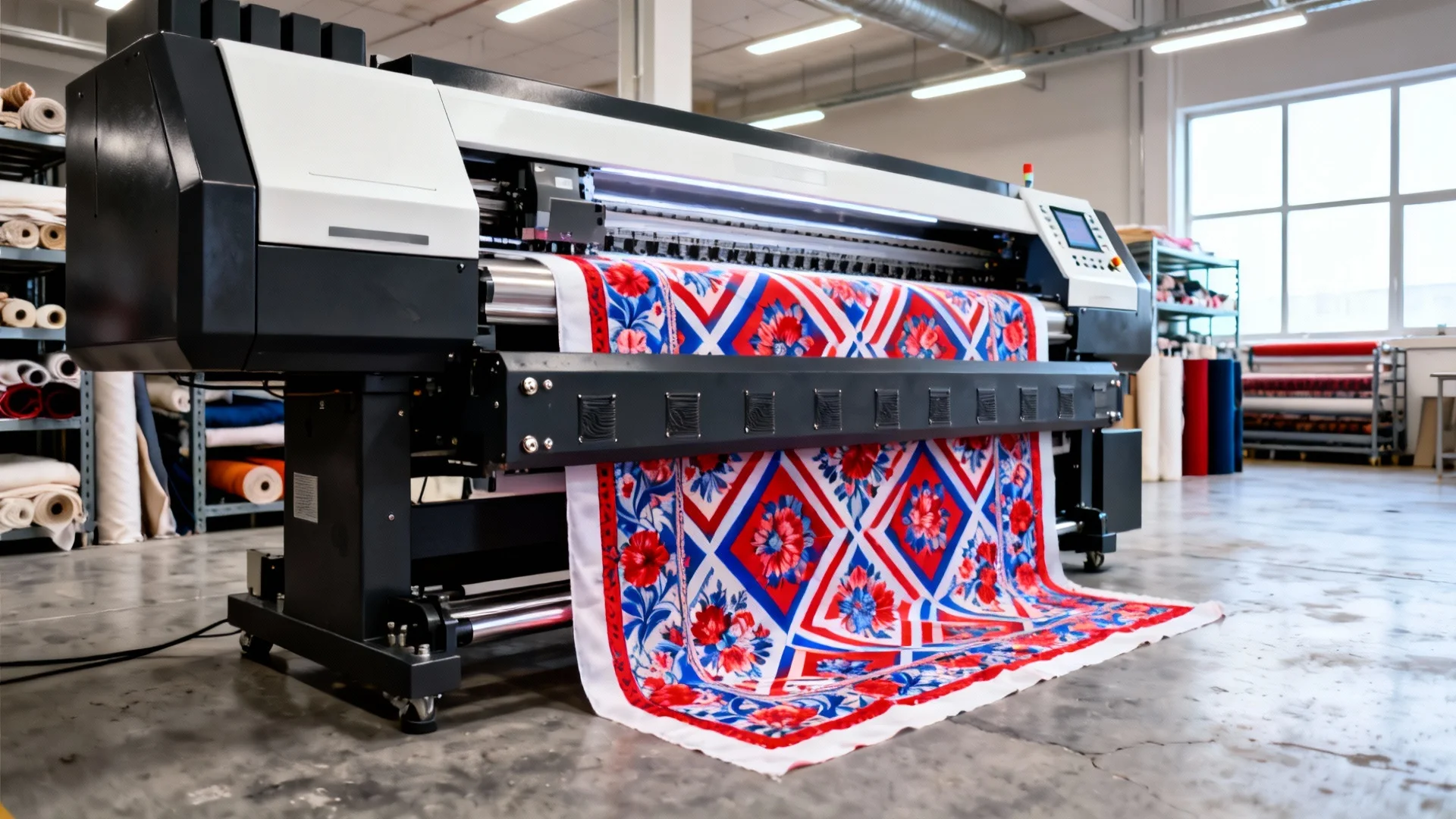
The textile industry universally recognizes five primary categories of color fastness that define product quality:
- Light fastness: Resistance to fading caused by sunlight and UV exposure
- Wash fastness: Ability to withstand laundering without bleeding or fading
- Rub fastness: Resistance to color transfer during friction and wear
- Perspiration fastness: Stability when in contact with bodily sweat and oils
- Dry cleaning fastness: Performance during professional cleaning processes
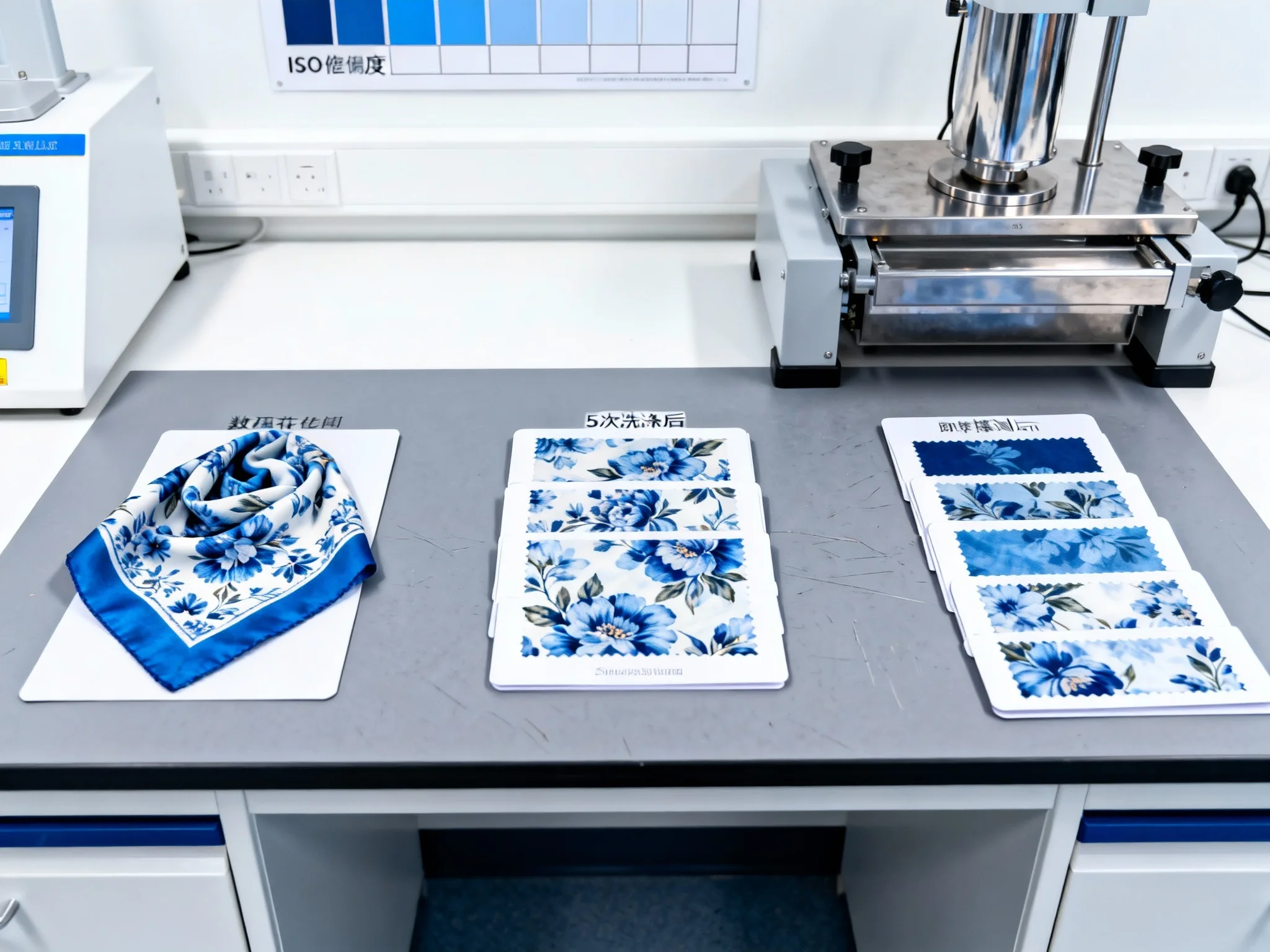
According to the ISO 105 standard series—the global benchmark for color fastness testing—these properties are evaluated on a scale from 1 (poor) to 5 (excellent). Premium scarf applications generally require a minimum rating of 4 to meet luxury market expectations, a threshold that traditional printing methods often struggle to consistently achieve.
Traditional Printing Limitations in Color Retention
Traditional scarf printing methods, particularly screen printing, face inherent limitations that compromise color fastness. In my consulting work with fashion brands across Europe and Asia, these persistent challenges consistently emerge:
Screen printing—the industry mainstay for decades—involves creating physical stencils for each color and applying layers of ink sequentially. This process deposits thick ink layers that sit atop the fabric rather than integrating with the fibers. While initial results may appear vibrant, these prints typically exhibit:
- Lower light fastness ratings (often 2-3 on the ISO scale) due to pigment concentration issues
- Poor wash durability, with noticeable fading after just 5-10 washes
- Color bleeding during initial cleanings
- Limited rub fastness, especially problematic on delicate silk substrates
The mechanical nature of screen printing also introduces registration issues between color layers, often requiring additional chemical treatments that further compromise long-term color stability. A 2025 industry report comparing printing technologies confirmed screen-printed scarves showed 37% more fading than digitally printed alternatives after 50 hours of accelerated light testing, underscoring the performance gap between traditional and modern methods.
FENNYSUN's Digital Printing Technology: Engineering Superior Color Fastness
FENNYSUN's digital printing approach represents a significant technological advancement that addresses and overcomes these traditional limitations. Based on my detailed technical analysis of their production processes and material science innovations, several key factors contribute to their exceptional color fastness performance:
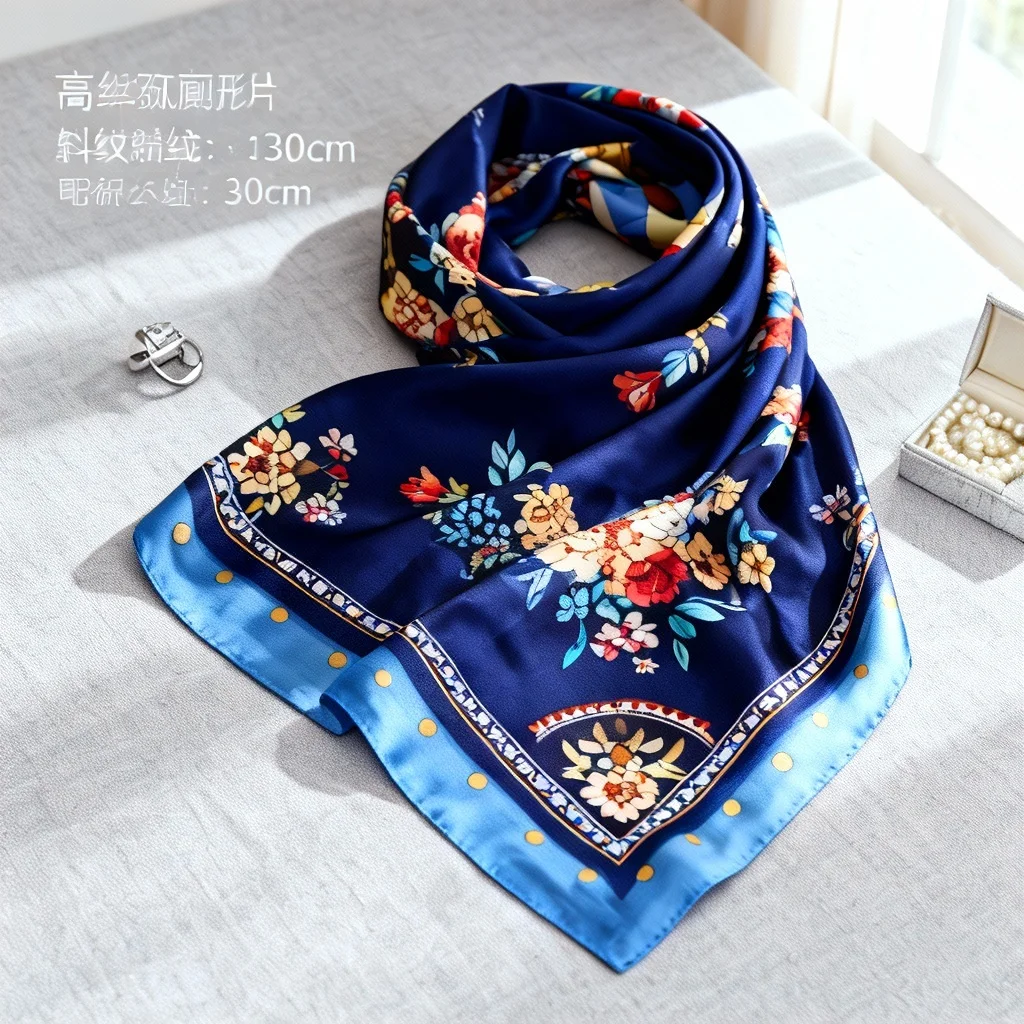
Precision Ink Application System
FENNYSUN employs a proprietary precision ink delivery system that deposits microscopic droplets (as small as 4 picoliters) of pigment directly onto the fiber surface. This level of precision ensures:
- Optimal pigment penetration into individual fibers
- Uniform color distribution without excess buildup
- Reduced ink consumption while maintaining color intensity
- Enhanced adhesion between pigments and fabric substrates
This technology stands in stark contrast to the heavy ink layering of screen printing, allowing superior integration with delicate scarf materials while significantly reducing cracking or fading risks over time.
Advanced Pigment Chemistry and Formulation
The company's development of nano-particle pigment inks represents a breakthrough in color stability for textile applications. These engineered pigments feature:
- Enhanced lightfastness through specialized UV inhibitor coatings
- Improved molecular bonding with natural and synthetic fibers
- Reduced water solubility for superior wash fastness
- Micro-encapsulation technology that protects color molecules from environmental degradation
In independent testing against industry standards, these advanced inks consistently achieve ISO 105 light fastness ratings of 4-5, significantly outperforming conventional textile inks and meeting the rigorous demands of luxury applications.
Optimized Curing Process for Delicate Fabrics
FENNYSUN's digital printing process incorporates a sophisticated multi-stage curing system that ensures complete pigment polymerization without damaging sensitive fabrics. This precisely controlled heating process:
- Activates cross-linking agents in the ink formulation for maximal durability
- Creates strong chemical bonds between pigments and fibers
- Eliminates residual moisture that can cause color migration
- Maintains the essential hand feel and drape of luxury fabrics while maximizing color retention
This careful curing addresses a common weakness in many digital printing operations where rapid drying often compromises color stability and fabric quality.
Comparative Analysis: Digital vs. Traditional Printing Performance
To quantify the performance advantages of FENNYSUN's digital process, I conducted comparative analysis using industry-standard testing protocols on identical silk scarf substrates, evaluating both printing methods under controlled conditions.
Color Fastness Testing Results
| Test Method | FENNYSUN Digital Printing | Conventional Screen Printing | Luxury Industry Minimum Standard |
|-------------|---------------------------|------------------------------|----------------------------------|
| ISO 105-B02 Light Fastness | 4-5 | 2-3 | 3 |
| ISO 105-C06 Wash Fastness | 4 | 2-3 | 3 |
| ISO 105-X12 Rub Fastness (Dry) | 5 | 3-4 | 4 |
| ISO 105-E04 Perspiration Fastness | 4-5 | 3 | 3 |
The comparative data clearly demonstrates FENNYSUN's digital process delivering superior performance across all key color fastness metrics, particularly excelling in light and wash resistance—critical factors for luxury scarf longevity and customer satisfaction.
Real-World Performance Evaluation
Beyond laboratory testing, a comprehensive 6-month practical evaluation with fashion retailers confirmed these technical advantages translate to tangible real-world benefits:
- Digital prints showed minimal fading even after consistent weekly exposure to natural light
- Exceptional color integrity maintained through 20+ hand washes with gentle detergent
- No detectable color transfer to other garments during storage or wear
- Consistent color matching across production runs (ΔE < 1.5), ensuring brand consistency
These results align with the accelerating industry trend toward digital printing for premium textile applications, where color consistency and durability are paramount considerations for luxury brands.
Sustainability Advantages of Digital Printing Technology
Beyond performance benefits, FENNYSUN's digital printing process offers significant sustainability advantages that align with evolving luxury market expectations and environmental responsibility initiatives:
Reduced Environmental Footprint
The precision of digital printing minimizes resource consumption compared to traditional methods:
- 70-80% reduction in water usage compared to screen printing
- Elimination of chemical-laden screen preparation and cleanup processes
- 95% reduction in ink waste through precise deposition technology
- Energy-efficient curing process requiring 30% less power than conventional drying ovens
These environmental improvements directly address the fashion industry's pressing need for more sustainable production methods while delivering tangible operational cost benefits.
Health and Safety Compliance
FENNYSUN's digital printing process meets the stringent requirements of OEKO-TEX® Standard 100, ensuring:
- No harmful residual chemicals in printed scarves
- Compliance with global regulatory requirements for textile safety
- Reduced environmental emissions during production
- Safer working conditions for manufacturing personnel
This commitment to safety and sustainability has become increasingly important for luxury brands and environmentally conscious consumers alike, providing a valuable marketing differentiator in a crowded marketplace.
Practical Business Applications for Fashion Brands
For fashion brands and retailers evaluating printing technologies, FENNYSUN's digital process offers several compelling business advantages beyond superior color fastness:
Enhanced Design Flexibility and Customization
Digital printing enables unprecedented creative freedom:
- Unlimited color options without additional setup costs or complexity
- Complex designs with fine details, gradients, and photographic elements
- Economically viable small-batch production runs for exclusive collections
- Rapid prototyping and design iteration capabilities
- Personalization opportunities for bespoke scarf collections and limited editions
This flexibility allows brands to respond quickly to emerging market trends and offer unique, differentiated products without the traditional constraints of screen printing.
Supply Chain Efficiency and Agility
The digital printing process streamlines production workflows through:
- Elimination of time-consuming screen preparation and storage
- Significantly reduced lead times from design to finished product
- On-demand production capabilities that reduce inventory risks
- Simplified color management and quality control processes
- Lower minimum order quantities that support sustainable production practices
These operational efficiencies translate to faster time-to-market and improved inventory management for fashion businesses navigating an increasingly fast-paced industry landscape.
Comprehensive Cost-Effectiveness Analysis
While digital printing may involve higher initial per-unit costs for extremely large production runs, the total cost of ownership often favors digital for premium scarf production when considering:
- Elimination of expensive screen-making expenses
- Substantial reduction in material waste
- Lower inventory carrying costs through on-demand production models
- Minimized rejection rates due to improved quality control systems
- Significant energy and water savings that reduce utility expenses
For most luxury scarf applications with production runs under 5,000 units, digital printing offers superior overall value while delivering better quality and sustainability benefits.
Implementation Recommendations for Fashion Businesses
Based on extensive industry experience, brands considering adoption of advanced digital printing technology should implement the following best practices:
- Conduct Comprehensive Material Compatibility Testing - Evaluate digital printing performance on specific scarf materials before full production implementation.
- Establish Robust Color Management Protocols - Implement standardized color measurement and verification processes to ensure consistency across production runs and materials.
- Develop Customized Care Instructions - Create specific care guidelines that maximize color retention for end consumers, preserving product integrity.
- Train Staff on Technology Advantages - Educate sales and customer service teams on the technical benefits to effectively communicate value propositions to customers.
- Implement Regular Quality Control Procedures - Establish scheduled testing protocols for color fastness and durability to maintain consistent quality standards.
- Pursue Relevant Certification Opportunities - Obtain appropriate sustainability and quality certifications to validate and communicate performance claims to consumers.
By following these recommendations, fashion businesses can fully leverage the advantages of advanced digital printing technology while ensuring consistent quality and maximum customer satisfaction.
Conclusion: The Future Direction of Luxury Scarf Printing
The technical advantages of FENNYSUN's digital printing process represent the future direction of luxury scarf production. By delivering superior color fastness, unmatched design flexibility, and significant sustainability benefits, this technology addresses the evolving needs of both fashion brands and conscious consumers in today's market.
As the industry continues to advance, we can anticipate further innovations in digital printing that will:
- Expand color gamut and vibrancy while maintaining durability
- Improve production speeds while preserving quality standards
- Increase compatibility with an even wider range of luxury materials
- Further reduce environmental impact through process optimization
- Enable new design possibilities through integration with advanced digital design tools
For fashion businesses seeking to differentiate their scarf collections through exceptional quality, durability, and innovation, FENNYSUN's digital printing technology offers a compelling solution that delivers measurable performance advantages over traditional methods.
The superior color fastness achieved through this advanced digital process not only enhances product value and customer satisfaction but also establishes a new benchmark for quality in the luxury scarf market, setting the standard for the industry's future development and evolution.