In the rapidly evolving fashion accessories industry, digital textile printing has emerged as a transformative force in scarf manufacturing. As consumer demands for customization and sustainable production practices continue to grow, selecting the appropriate digital printing equipment has become a critical decision that directly impacts production efficiency, product quality, and overall business profitability.
This technical guide provides an in-depth comparison of digital printing equipment specifically optimized for scarf manufacturing operations. Drawing on extensive industry experience and comprehensive market analysis, it offers valuable insights for manufacturers looking to navigate this technology landscape. With the global digital textile printing market projected to reach USD 21.59 billion by 2035—growing at a remarkable 12.29% compound annual growth rate (CAGR) from 2025 to 2035—the importance of strategic equipment selection has never been greater. This growth trajectory is fueled by continuous technological advancements and evolving consumer preferences for personalized textile products.
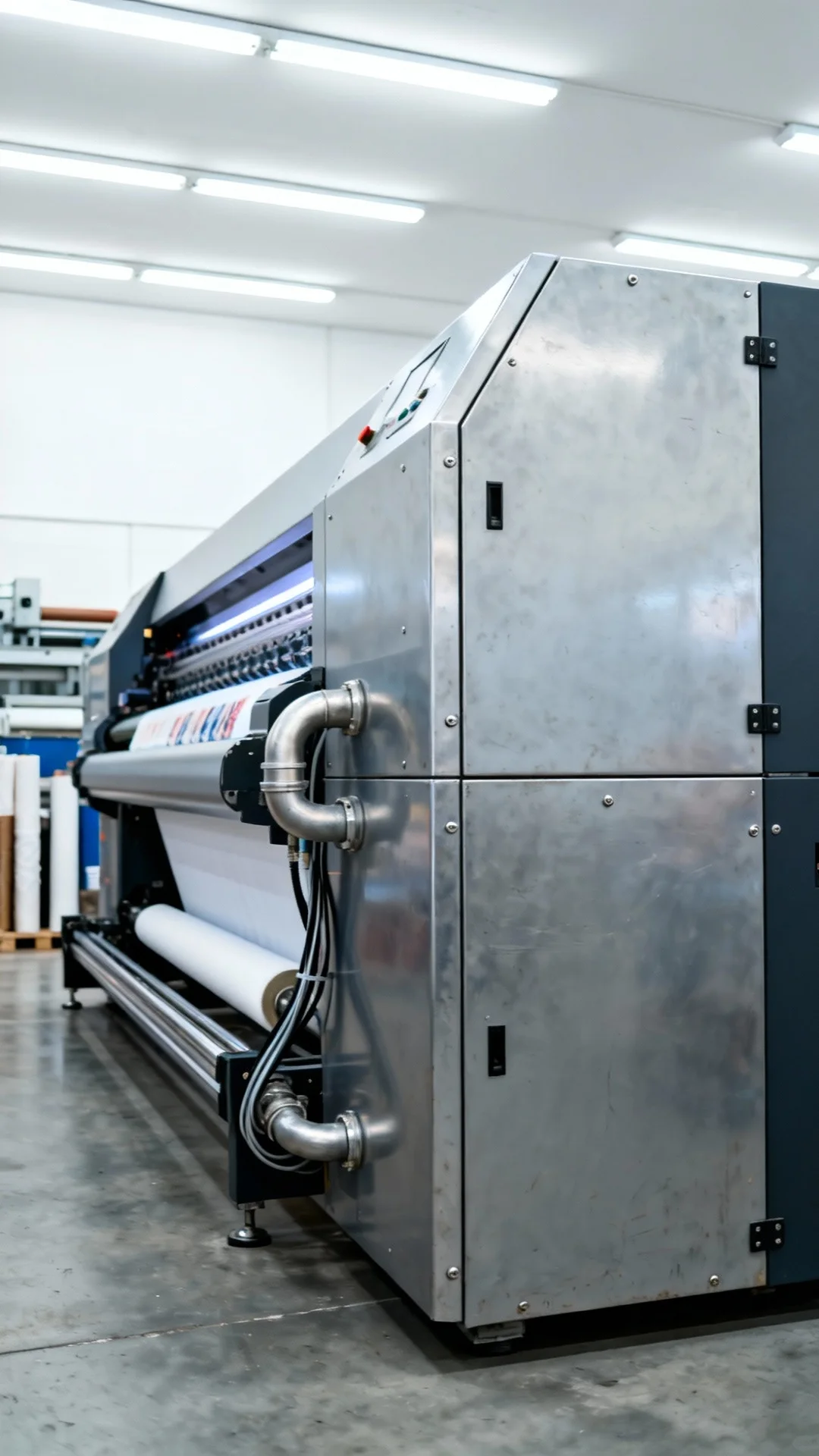
Understanding Digital Textile Printing Technologies for Scarves
Digital textile printing has revolutionized scarf production by offering unprecedented design flexibility, rapid prototyping capabilities, and cost-effective short production runs compared to traditional manufacturing methods. To effectively evaluate equipment options, it is essential to understand the primary technologies and their specific suitability for different scarf materials.
Inkjet technology currently dominates the digital textile printing sector, with several variations tailored for specific applications:
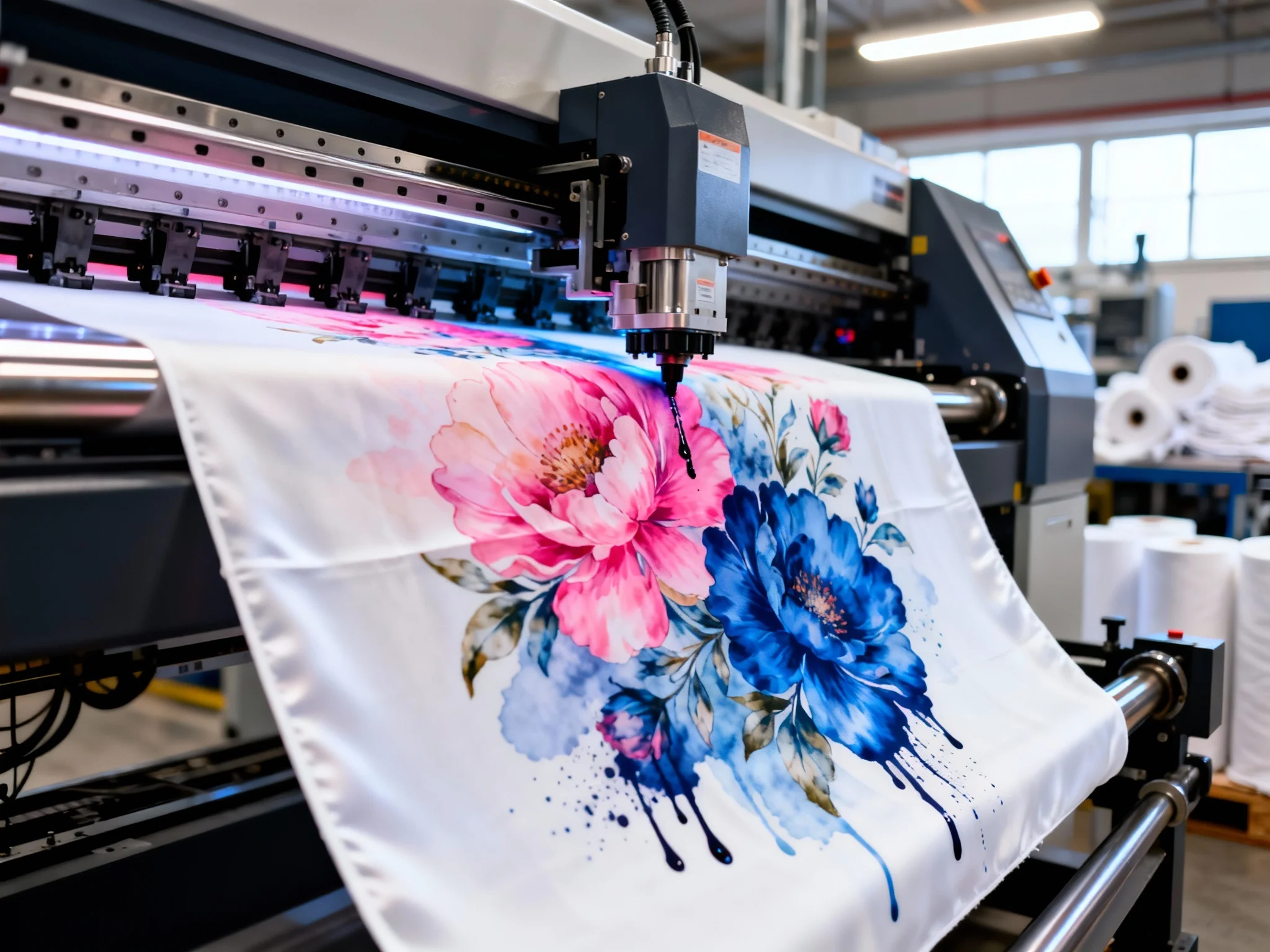
- Dye-sublimation printing delivers optimal results for polyester and polyester-blend scarves. This technology utilizes heat to transfer dye onto fabrics, producing vibrant colors with excellent wash fastness properties that maintain color integrity through multiple launderings.
- Reactive dye printing is particularly well-suited for natural fibers such as silk and cotton, offering superior color penetration and exceptional longevity. This method creates bonds at the molecular level with fabric fibers, resulting in enhanced durability.
- Pigment printing provides versatility across various fabric types with excellent color retention properties, though the resulting colors are typically slightly less vibrant than those achieved through other specialized methods.
Recent advancements in printhead technology have significantly improved both production speeds and output quality. Leading printer models now feature advanced PrecisionCore and TFP printheads that deliver remarkably small droplets (as low as 3.5 picoliters) and higher resolution capabilities. This technological advancement enables the production of intricate designs with smoother gradients and finer details—attributes that are absolutely essential for high-end scarf production where visual appeal and quality differentiation are paramount.
Key Considerations in Digital Printing Equipment Selection
Selecting digital printing equipment for scarf manufacturing requires a comprehensive evaluation that extends beyond mere purchase price. Industry best practices and hands-on experience highlight several critical factors that should guide this decision-making process:
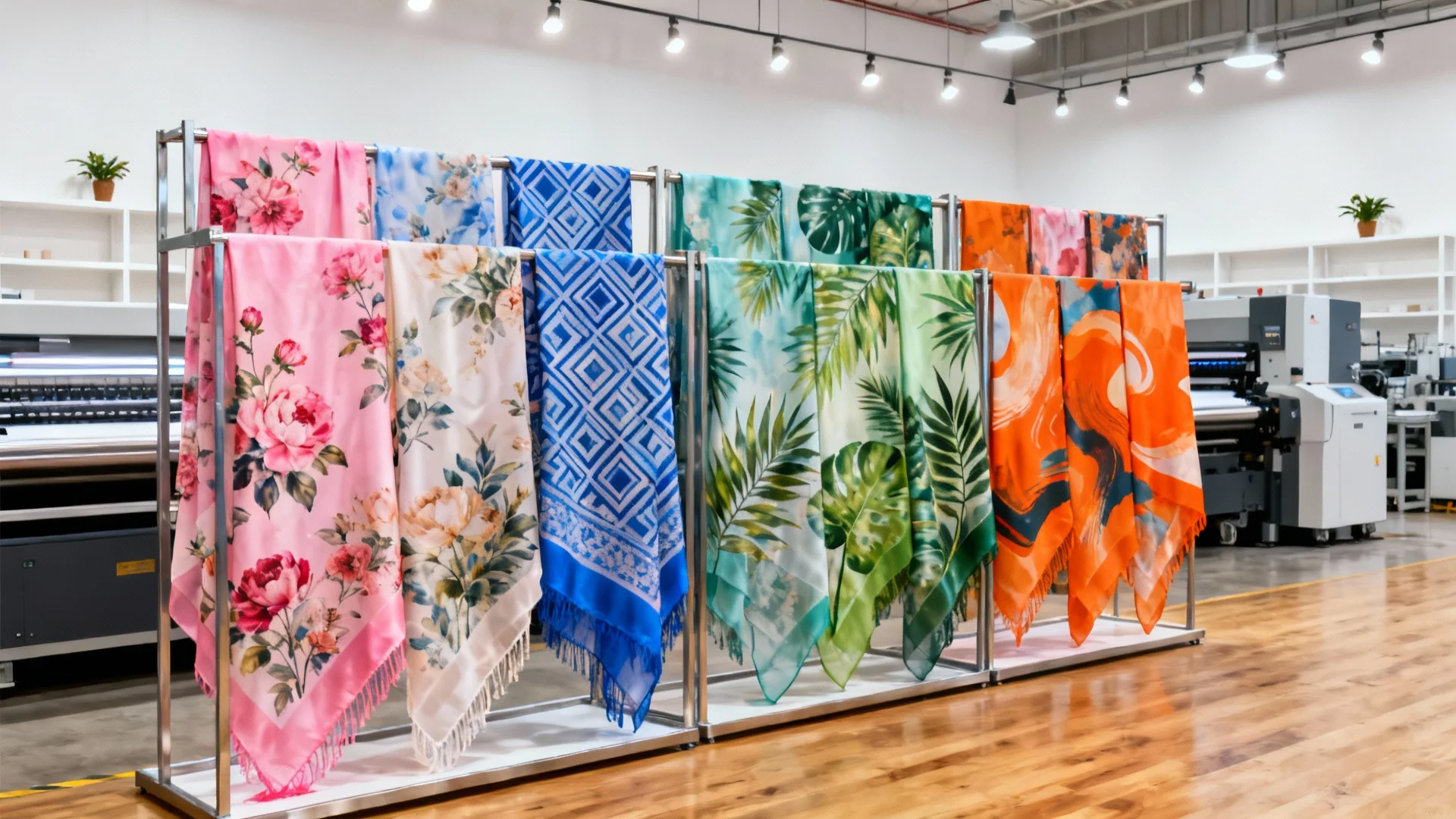
Production Speed and Throughput directly influence a manufacturer's ability to meet market demands and maintain competitive lead times. Printer speed is typically measured in square meters per hour (m²/h), with entry-level models generally offering 30-50 m²/h while industrial-grade machines can reach up to 150 m²/h for transfer paper printing, such as the Mimaki TS500 series. It is crucial to evaluate both maximum output capabilities and quality-mode performance, as many printers sacrifice quality for speed in certain operational modes.
Print Quality and Resolution are of paramount importance for scarves, where intricate designs and color accuracy serve as key differentiators for premium products. Manufacturers should look for printers with a minimum resolution of 1200 dpi and advanced color management systems that support industry-standard profiles like Pantone. The equipment's ability to reproduce subtle gradients and fine details significantly impacts the perceived value of the final product.
Fabric Compatibility is a critical consideration because scarves utilize diverse materials including silk, cotton, polyester, and wool blends. Prospective buyers must ensure that the printer can handle their specific fabrics without compromising quality or requiring extensive pre-treatment processes. While some printers specialize in natural fibers and others in synthetics, versatile models that accommodate multiple fabric types offer greater production flexibility.
Ink Technology and Color Gamut directly affect vibrancy, durability, and sustainability credentials. When evaluating equipment, consider the supported ink types (dye-sublimation, reactive, pigment) and their environmental impact, including volatile organic compound (VOC) content and water usage. A wider color gamut ensures accurate reproduction of complex designs and meets the strict color matching requirements of high-end fashion production.
Total Cost of Ownership (TCO) encompasses far more than the initial purchase price. Manufacturers must consider ongoing operational expenses such as ink consumption, maintenance requirements, energy usage, and associated labor costs. Higher-end models often deliver lower per-unit printing costs through greater efficiency and reduced waste generation. Notably, digital printing typically reduces water usage by up to 95% compared to traditional screen printing methods, offering substantial long-term savings and environmental benefits.
Workflow Integration and Automation Capabilities have become increasingly important as manufacturers seek to optimize their production processes. When evaluating equipment, look for printers with robust software ecosystems that seamlessly integrate with design tools, production planning systems, and inventory management platforms. Automated features such as fabric feeding, registration, and post-treatment processes can significantly reduce labor costs while improving production consistency.
Comparative Analysis of Leading Digital Printing Systems
This analysis examines leading printer models suited for scarf production across different operational scales and budget considerations, drawing on technical specifications, industry reviews, and practical application data to provide a balanced assessment.
Entry-Level Solutions:
For small-batch production and startup operations, the Epson SureColor F-series offers an effective balance between quality and affordability. The SureColor F6370, in particular, provides a 1.6-meter maximum print width, 26 m²/h speed in high-production mode, and PrecisionCore TFP printheads that deliver excellent detail reproduction. This model excels with polyester and polyester-blend scarves, making it ideal for fashion-forward designs that require vibrant colors and fine details.
Mid-Range Production Systems:
The Mimaki TS500-1800 represents a significant step up in production capability, featuring a 1.89-meter maximum print width and speeds of up to 150 m²/h for transfer paper applications. This system includes advanced color management tools and supports multiple ink types, providing flexibility across various materials. Users consistently praise its reliability and consistent quality output, though some note higher ink consumption compared to certain competitors.
Industrial-Grade Production:
For large-scale manufacturing operations, the Kornit Allegro series delivers industrial performance with speeds reaching up to 100 m²/h in high-quality mode. This versatile system handles materials ranging from delicate silks to heavy wool blends and integrates pre-treatment and post-treatment modules to streamline workflow and reduce labor requirements. While the initial investment is substantial, the total cost of ownership becomes favorable for high-volume production environments.
Specialized Silk Printing:
Several manufacturers offer systems specifically optimized for silk scarf production, where exceptional detail and color subtlety are paramount. These specialized printers feature gentler handling systems designed for delicate silk fabrics and proprietary inks that enhance silk's natural luster and drape. While these systems typically have lower production speeds, they deliver unmatched quality for luxury scarf production.
When comparing different models, it is advisable to create a weighted scoring system based on specific production requirements. Luxury silk manufacturers might prioritize quality and color accuracy over speed, while fast-fashion producers may focus primarily on throughput and cost per unit.
Technological Innovations Transforming Scarf Printing
The digital textile printing industry continues to evolve at a rapid pace, with several key innovations reshaping scarf manufacturing in 2025 and beyond. These advancements offer significant opportunities to improve production efficiency, product quality, and sustainability performance.
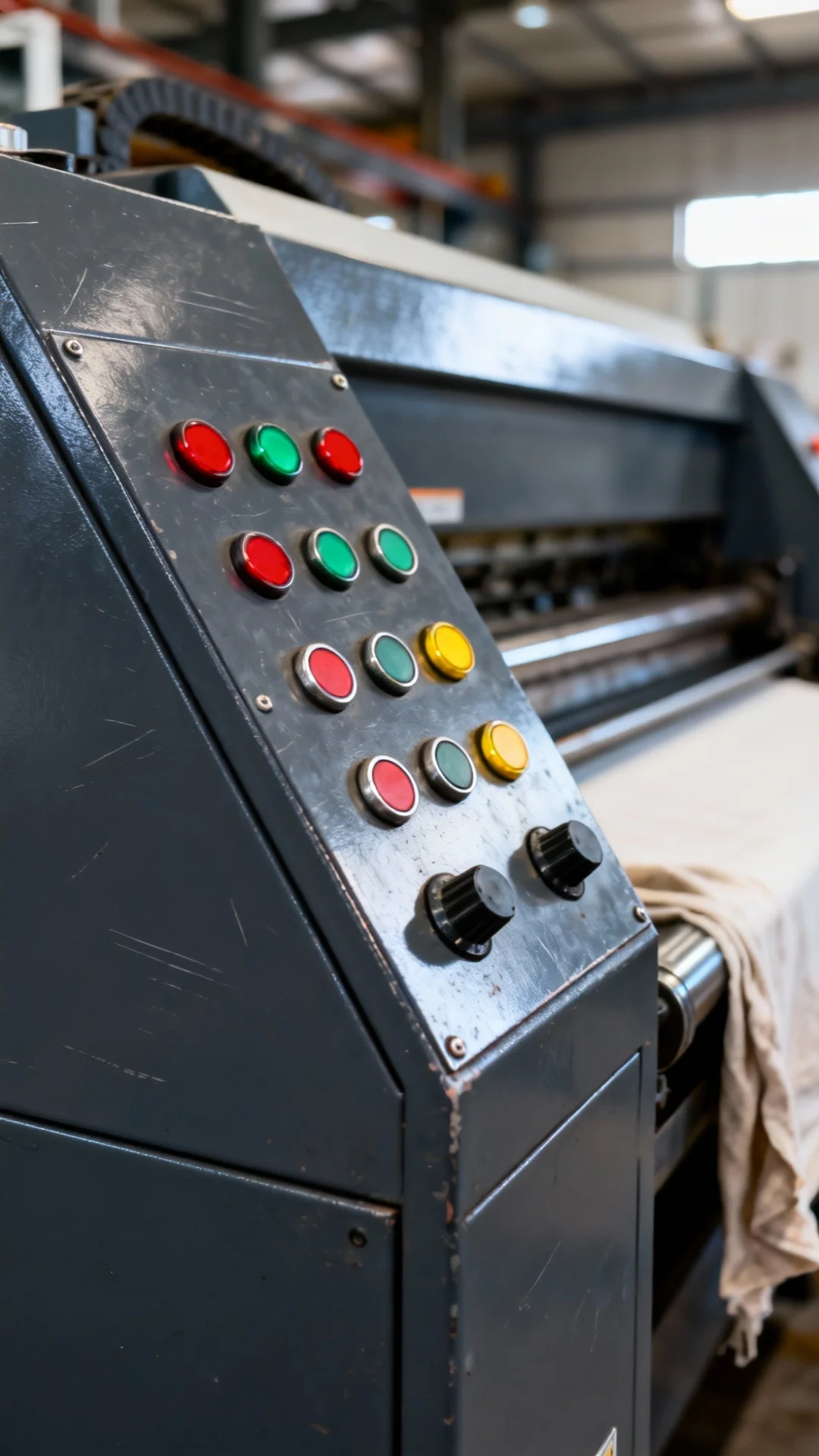
AI-Driven Color Management systems have emerged as game-changers for improving color accuracy and consistency—both critical factors for scarf production. Advanced platforms utilize machine learning algorithms to predict and correct color variations based on fabric type, environmental conditions, and raw material batches. This technology reduces setup times, minimizes waste from color trials, and ensures consistency across production runs, which is essential for maintaining brand reputation and customer satisfaction.
Sustainable Ink Developments are addressing growing environmental concerns and consumer demand for eco-friendly products. Water-based inks with reduced VOC content have become industry standard, while innovative pigment formulations now eliminate the need for harsh pre-treatment chemicals. Additionally, some manufacturers now offer bio-based inks derived from renewable resources, further reducing the environmental impact of the printing process.
IoT and Predictive Maintenance capabilities have become standard features in high-end digital printing systems. Connected printers collect real-time performance data, enabling predictive maintenance that identifies potential issues before they result in costly downtime. This proactive approach improves overall equipment effectiveness (OEE), optimizes maintenance schedules, and reduces operational costs and production disruptions.
Advancements in Pre and Post-Treatment technologies have simplified production workflows and improved sustainability performance. New pre-treatment technologies utilize less water and chemicals while maintaining excellent ink adhesion and color fastness. Integrated on-machine post-treatment modules handle washing, drying, and fixation processes in a continuous workflow, reducing fabric handling requirements and energy consumption. EFI Reggiani's ecoTERRA system exemplifies this trend with an all-in-one water-based pigment printing solution that requires minimal ancillary equipment.
Hybrid Printing Technologies that combine digital and traditional methods are creating exciting new design possibilities. These integrated systems combine digital capabilities with screen or rotary printing technologies, producing unique textures and finishes that would be difficult or impossible to achieve with digital methods alone.
Practical Implementation Strategies and Best Practices
Successfully integrating digital printing technology into scarf manufacturing operations requires more than just equipment acquisition—it demands comprehensive workflow optimization, staff training, and quality control protocols. The following strategies, based on industry success cases, can help manufacturers maximize return on investment (ROI) and ensure smooth technology adoption.
Workflow Optimization should begin with mapping current production processes to identify bottlenecks and inefficiencies. Digital printing often streamlines workflows, particularly for small batches and custom designs. Implementing a digital asset management system centralizes design files, ensuring proper version control and easy access during production. Well-optimized digital workflows typically reduce lead times by 30-50% compared to traditional methods, enabling manufacturers to respond more rapidly to emerging market trends.
Staff Training and Skill Development are essential to unlocking the full potential of digital printing technology. Training programs should educate operators not just on basic equipment use but also on color management principles, ink technology characteristics, and preventive maintenance procedures. Ongoing training ensures that teams remain current with evolving technologies and can effectively troubleshoot issues as they arise. Cross-training across design, production, and quality control functions improves communication and facilitates more effective process optimization.
Quality Control Systems require adaptation to accommodate the unique characteristics of digital printing. Implementing statistical process control enables manufacturers to identify quality variations before they affect entire batches. Regular testing of color consistency, wash fastness, and abrasion resistance ensures that product standards are consistently met. Many manufacturers find that digital printing actually improves quality control through better process repeatability and reduced human error.
Sustainability Integration should run throughout the entire production cycle, from material selection to waste management practices. While digital printing already offers sustainability advantages through reduced water and chemical use, strategic choices can further improve environmental outcomes. Implementing closed-loop water recycling systems minimizes environmental impact while reducing operational costs. Additionally, selecting eco-friendly inks and sustainable fabrics appeals to environmentally conscious consumers and can differentiate brands in a crowded marketplace.
Cost-Benefit Analysis for digital printing implementation should consider both quantitative and qualitative factors. Quantitatively, calculate savings from reduced waste, lower labor requirements, and energy efficiency improvements. Qualitatively, consider intangible benefits such as design flexibility, faster time-to-market capabilities, and customization opportunities. Mid-sized scarf manufacturers typically see return on investment within 12-24 months, though this timeline varies based on production volume and market demand patterns.
Future Trends and Industry Outlook
The digital textile printing landscape continues to evolve rapidly, driven by technological innovation, shifting consumer preferences, and increasing sustainability pressures. Several emerging trends will shape the future of scarf manufacturing over the next 3-5 years, creating both challenges and opportunities for industry participants.
Market Growth Projections indicate continued strong expansion, with the sector expected to reach USD 21.59 billion by 2035. Digital printing adoption will accelerate across all market segments, from luxury fashion to mass-market retail. The Asia-Pacific region will maintain its leadership position, driven by robust manufacturing sectors in China, India, and Southeast Asia.
Technological Convergence will accelerate as digital printing integrates more fully with Industry 4.0 technologies. Artificial intelligence applications will expand beyond color management to include predictive design, demand forecasting, and intelligent production scheduling. Integration with 3D design and virtual reality tools will enable immersive visualization experiences and faster customer approvals.
Sustainability Pressures will intensify from both regulatory requirements and consumer expectations. This dual pressure will drive further adoption of eco-friendly inks, energy-efficient equipment, and circular production models. Waterless printing technologies and bio-based inks currently in development may become mainstream by 2030, further reducing the environmental footprint of scarf manufacturing.
Customization and Personalization will remain key market drivers, with digital printing enabling increasingly sophisticated options at lower price points. Mass customization—offering unique designs at near-mass production costs—will become feasible as printing speeds increase and per-unit costs decrease. Personalized scarves incorporating photos, custom colors, or augmented reality elements represent exciting new opportunities for brand differentiation and customer engagement.
Supply Chain Transformation will continue as digital printing enables more localized production models. "Print on demand" capabilities will reduce inventory requirements and speed response to emerging trends. This shift toward more agile supply chains will cut waste from unsold inventory while improving customer satisfaction through faster delivery times.
Digital printing offers transformative potential for scarf manufacturers willing to invest in the right equipment and processes. Success in this rapidly evolving market requires careful evaluation of production needs, selection of appropriate technology partners, and implementation of proven workflow best practices. Ultimately, success comes not just from technology acquisition but from developing a comprehensive digital transformation strategy that encompasses people, processes, and technology in equal measure. By embracing these advancements, scarf manufacturers can position themselves for success in an increasingly competitive and dynamic marketplace.</think># Digital Printing Equipment for Scarf Manufacturing: A Comprehensive 2025 Technical Guide for Optimal Production Efficiency
In the rapidly evolving fashion accessories industry, digital textile printing has emerged as a transformative force in scarf manufacturing. As consumer demands for customization and sustainable production practices continue to grow, selecting the appropriate digital printing equipment has become a critical decision that directly impacts production efficiency, product quality, and overall business profitability.
This technical guide provides an in-depth comparison of digital printing equipment specifically optimized for scarf manufacturing operations. Drawing on extensive industry experience and comprehensive market analysis, it offers valuable insights for manufacturers looking to navigate this technology landscape. With the global digital textile printing market projected to reach USD 21.59 billion by 2035—growing at a remarkable 12.29% compound annual growth rate (CAGR) from 2025 to 2035—the importance of strategic equipment selection has never been greater. This growth trajectory is fueled by continuous technological advancements and evolving consumer preferences for personalized textile products.
Understanding Digital Textile Printing Technologies for Scarves
Digital textile printing has revolutionized scarf production by offering unprecedented design flexibility, rapid prototyping capabilities, and cost-effective short production runs compared to traditional manufacturing methods. To effectively evaluate equipment options, it is essential to understand the primary technologies and their specific suitability for different scarf materials.
Inkjet technology currently dominates the digital textile printing sector, with several variations tailored for specific applications:
- Dye-sublimation printing delivers optimal results for polyester and polyester-blend scarves. This technology utilizes heat to transfer dye onto fabrics, producing vibrant colors with excellent wash fastness properties that maintain color integrity through multiple launderings.
- Reactive dye printing is particularly well-suited for natural fibers such as silk and cotton, offering superior color penetration and exceptional longevity. This method creates bonds at the molecular level with fabric fibers, resulting in enhanced durability.
- Pigment printing provides versatility across various fabric types with excellent color retention properties, though the resulting colors are typically slightly less vibrant than those achieved through other specialized methods.
Recent advancements in printhead technology have significantly improved both production speeds and output quality. Leading printer models now feature advanced PrecisionCore and TFP printheads that deliver remarkably small droplets (as low as 3.5 picoliters) and higher resolution capabilities. This technological advancement enables the production of intricate designs with smoother gradients and finer details—attributes that are absolutely essential for high-end scarf production where visual appeal and quality differentiation are paramount.
Key Considerations in Digital Printing Equipment Selection
Selecting digital printing equipment for scarf manufacturing requires a comprehensive evaluation that extends beyond mere purchase price. Industry best practices and hands-on experience highlight several critical factors that should guide this decision-making process:
Production Speed and Throughput directly influence a manufacturer's ability to meet market demands and maintain competitive lead times. Printer speed is typically measured in square meters per hour (m²/h), with entry-level models generally offering 30-50 m²/h while industrial-grade machines can reach up to 150 m²/h for transfer paper printing, such as the Mimaki TS500 series. It is crucial to evaluate both maximum output capabilities and quality-mode performance, as many printers sacrifice quality for speed in certain operational modes.
Print Quality and Resolution are of paramount importance for scarves, where intricate designs and color accuracy serve as key differentiators for premium products. Manufacturers should look for printers with a minimum resolution of 1200 dpi and advanced color management systems that support industry-standard profiles like Pantone. The equipment's ability to reproduce subtle gradients and fine details significantly impacts the perceived value of the final product.
Fabric Compatibility is a critical consideration because scarves utilize diverse materials including silk, cotton, polyester, and wool blends. Prospective buyers must ensure that the printer can handle their specific fabrics without compromising quality or requiring extensive pre-treatment processes. While some printers specialize in natural fibers and others in synthetics, versatile models that accommodate multiple fabric types offer greater production flexibility.
Ink Technology and Color Gamut directly affect vibrancy, durability, and sustainability credentials. When evaluating equipment, consider the supported ink types (dye-sublimation, reactive, pigment) and their environmental impact, including volatile organic compound (VOC) content and water usage. A wider color gamut ensures accurate reproduction of complex designs and meets the strict color matching requirements of high-end fashion production.
Total Cost of Ownership (TCO) encompasses far more than the initial purchase price. Manufacturers must consider ongoing operational expenses such as ink consumption, maintenance requirements, energy usage, and associated labor costs. Higher-end models often deliver lower per-unit printing costs through greater efficiency and reduced waste generation. Notably, digital printing typically reduces water usage by up to 95% compared to traditional screen printing methods, offering substantial long-term savings and environmental benefits.
Workflow Integration and Automation Capabilities have become increasingly important as manufacturers seek to optimize their production processes. When evaluating equipment, look for printers with robust software ecosystems that seamlessly integrate with design tools, production planning systems, and inventory management platforms. Automated features such as fabric feeding, registration, and post-treatment processes can significantly reduce labor costs while improving production consistency.
Comparative Analysis of Leading Digital Printing Systems
This analysis examines leading printer models suited for scarf production across different operational scales and budget considerations, drawing on