In today's rapidly evolving fashion landscape, digital printing technology has revolutionized the creation of scarf and shawl designs. For boutiques, specialty retailers, and fashion brands seeking distinctive products, understanding the interplay between various scarf materials and digital printing technologies isn't merely advantageous—it's essential for maintaining competitiveness. This comprehensive guide, drawing on over a decade of textile production and digital printing expertise, offers actionable insights into material selection, technology matching, and sustainable sourcing practices that align with 2025 industry standards.
Understanding Scarf Material Characteristics and Digital Printing Requirements
Successful digital scarf production begins with a nuanced understanding of how different materials interact with digital printing processes. Each fabric type presents unique challenges and opportunities that directly impact print quality, color vibrancy, and production efficiency.
Natural Fiber Materials: Silk, Wool, and Cotton
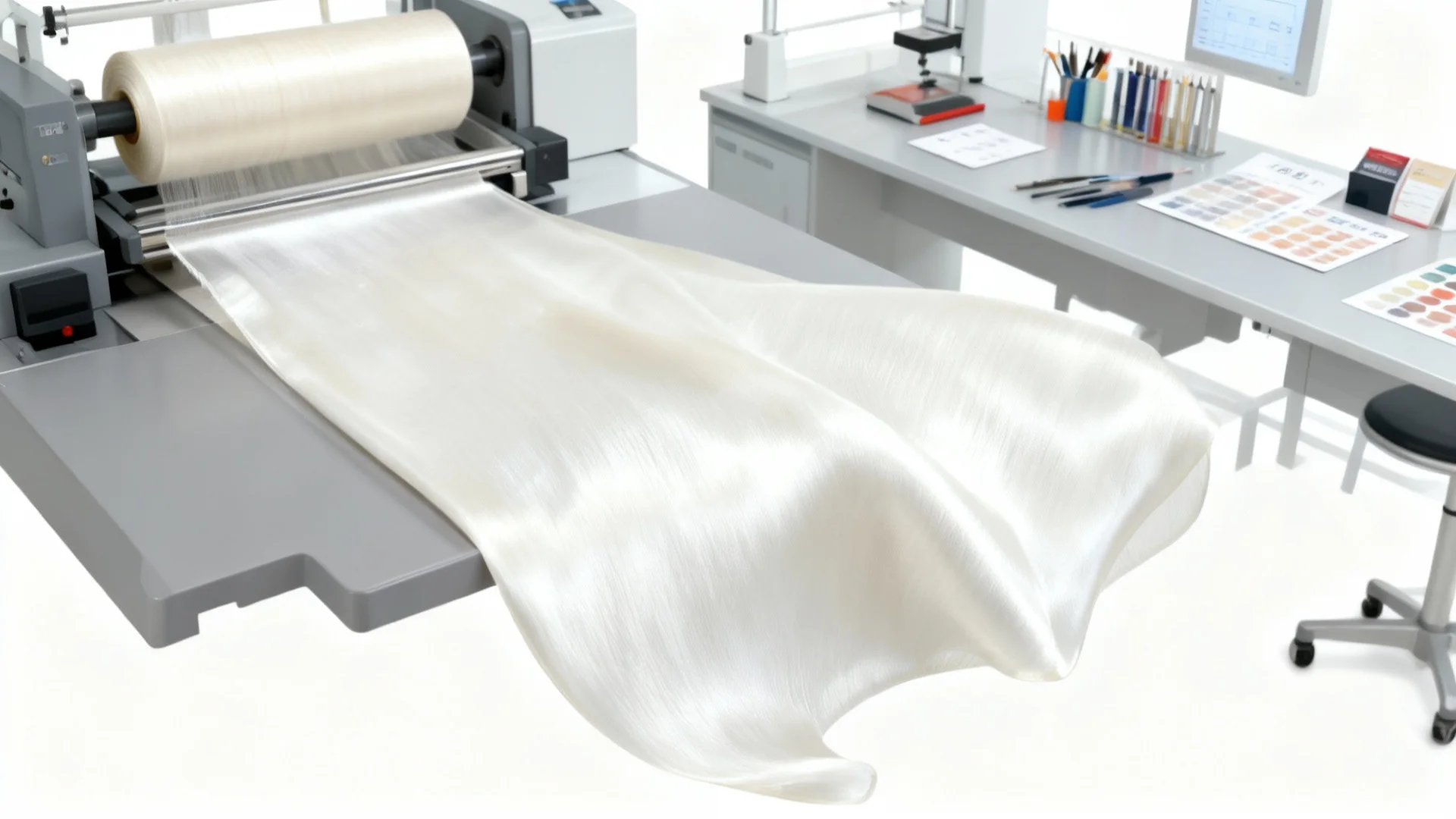
Silk remains the unrivaled luxury standard for scarves, prized for its exceptional luster, graceful drape, and ability to showcase intricate designs. For digital printing applications, silk's protein structure necessitates specialized pretreatment to ensure optimal ink absorption and color retention. The most compatible silk varieties include premium mulberry silk (6A grade being optimal) with weights ranging from 12-16 momme (mm) for scarves and 18-22mm for shawls. Recent advancements in pigmented inks have significantly improved color fastness on silk, with leading manufacturers reporting up to 95% color retention after 20 wash cycles when employing proper fixation processes.
Wool presents distinct challenges due to its scale structure and moisture sensitivity. Digital printing on wool requires meticulous humidity control (ideally maintained at 55-60%) and often benefits from plasma treatment to enhance ink adhesion. Merino wool, particularly in the 19.5-21.5 micron range, performs exceptionally well with reactive dye-based digital printing, delivering vibrant colors while preserving a luxuriously soft hand feel. Industry data indicates that properly prepared wool can achieve color gamut ranges approaching those of silk, with the added benefits of natural warmth and textural depth.
Cotton offers an accessible, versatile alternative with excellent printability, though it typically requires more ink coverage than silk or wool. Organic cotton varieties have experienced substantial demand growth, with 2025 market reports indicating 32% year-over-year expansion in sustainable cotton scarf production. Cotton's key advantage lies in its versatility—it performs admirably with both direct-to-garment and transfer digital printing methods, making it a staple for diverse design applications.
Synthetic and Blended Fibers
Polyester and polyester blends have become increasingly prevalent in mid-range scarf production due to their exceptional durability and print compatibility. Micro-polyester fabrics with cationic dyeability exhibit superior color saturation, rendering them ideal for bold, contemporary designs. Industry testing demonstrates that polyester scarves can achieve up to 98% of the Pantone color gamut when utilizing disperse dyes in digital printing processes.
Blended materials (such as silk-wool, cotton-polyester, or silk-modal combinations) demand customized printing approaches that address each fiber's unique properties. For instance, a 70% silk/30% wool blend typically benefits from modified pretreatment solutions that balance both fibers' requirements. This results in production yields that often exceed those of pure wool while maintaining the luxury appeal consumers expect.
Digital Printing Technologies and Material Compatibility
Digital printing technologies have evolved rapidly, expanding the possibilities for scarf production. However, selecting the appropriate technology for specific materials remains critical for achieving optimal results and maintaining production efficiency.
Inkjet Printing Systems
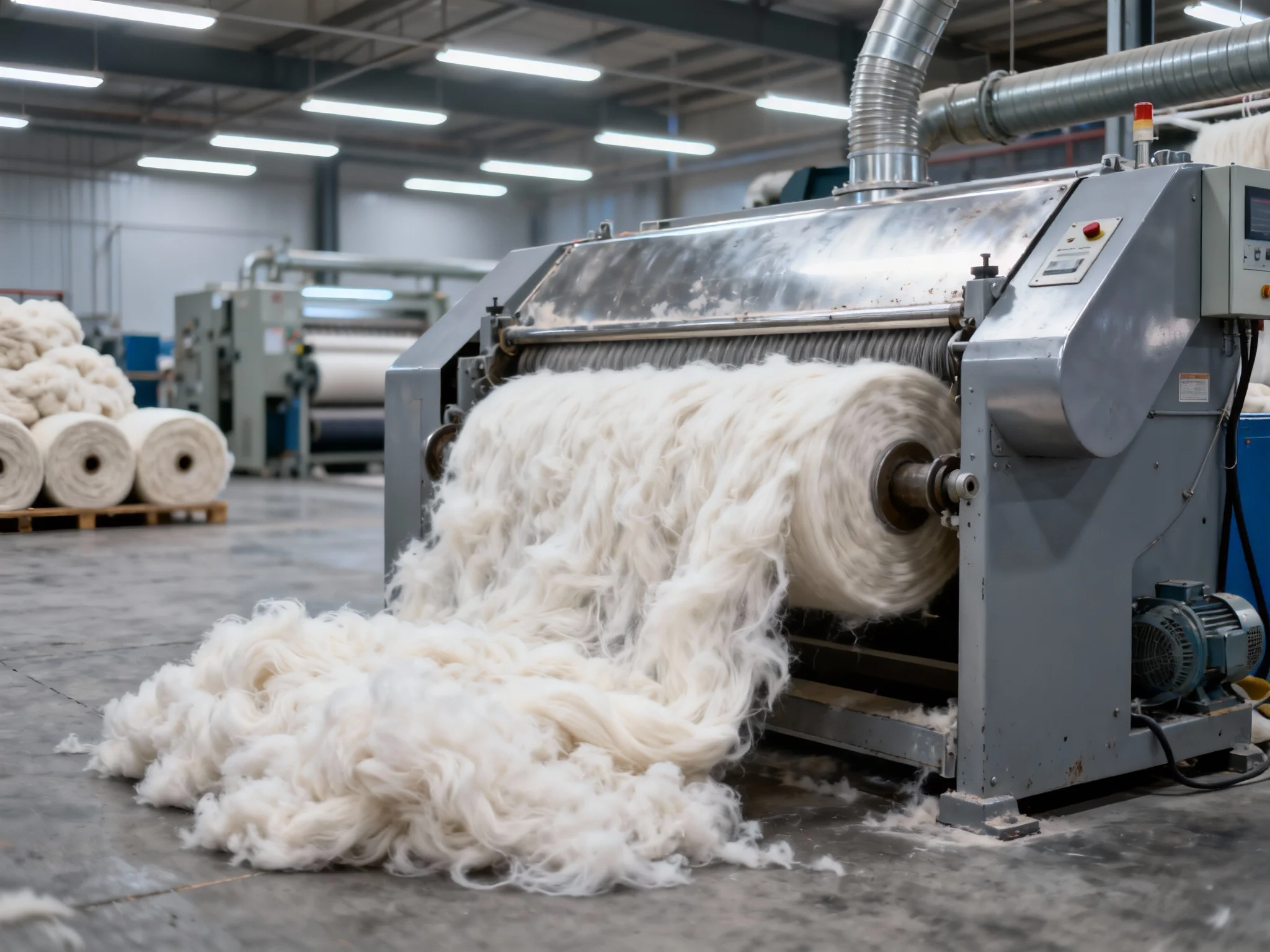
Piezoelectric inkjet technology dominates the digital scarf printing market, offering precise control and versatile application across multiple materials. The latest printer models (2024-2025) feature advanced print heads with 1200-1440 dpi resolution and variable droplet technology (3-15 picoliters), enabling exceptional detail reproduction on fine fabrics like silk.
Direct-to-fabric printing works optimally with pre-treated natural fibers, allowing for vibrant color penetration and excellent wash fastness. This method has seen significant efficiency improvements, with production speeds reaching 45 meters per hour for single-pass systems, making it viable for medium to large production runs.
Transfer printing (sublimation) excels with polyester and polyester-blend fabrics, offering superior color vibrancy and crisp detail definition. The process prints designs onto transfer paper before heat application, minimizing fabric waste and allowing for precise registration—particularly valuable for intricate patterns and geometric designs that demand exacting detail.
Key Compatibility Considerations by Material Type
Each material category responds uniquely to digital printing processes, requiring specific adjustments for optimal results:
- Silk: Benefits from acid or reactive dye inks with pretreatment solutions containing alginate or guar gum. Optimal print resolution ranges from 720-1200 dpi, with curing temperatures between 100-120°C to preserve fiber integrity while ensuring proper ink fixation.
- Wool: Requires specialized reactive dyes and often benefits from pre-washing to remove natural oils that can impede ink absorption. Digital printing on wool typically uses slightly higher ink laydown (18-22 g/m²) compared to silk, with extended curing times to ensure complete dye fixation and colorfastness.
- Cotton: Performs well with pigmented inks and requires careful calibration of pretreatment thickness to prevent stiffness. Recent innovations in binder technology have significantly improved hand feel, making digitally printed cotton scarves increasingly competitive with traditional screen-printed alternatives.
- Polyester: Excels with disperse dye sublimation printing, achieving exceptional colorfastness and detail resolution. The optimal transfer temperature for polyester scarves is 185-195°C for 45-60 seconds, depending on fabric weight and construction.
Developing a Material-Technology Compatibility Framework
Fashion businesses evaluating digital printing options should implement a systematic approach to material-technology matching that considers both aesthetic and practical production requirements.
Assessment Criteria for Material Selection
When evaluating materials for digital printing compatibility, consider these critical factors:
- Color Reproduction Capability: Different materials achieve varying color gamut ranges, with silk typically offering the widest spectrum (85-90% of Pantone colors) followed by polyester (80-85%) and wool (75-80%).
- Detail Resolution: Fine fabrics like silk charmeuse can reproduce details down to 0.1mm line widths, while textured wools may require design adjustments to maintain clarity and definition.
- Production Efficiency: Material preparation time varies significantly, with pre-treated polyester requiring minimal preparation versus wool, which often needs 24-48 hours of conditioning before printing to ensure consistent results.
- Post-Processing Requirements: Some materials require extensive washing or steaming, impacting overall production time and cost. Silk typically needs 2-3 washing cycles, while polyester may only require a single rinse, affecting both production scheduling and environmental impact.
- Environmental Impact: Consider water usage (digital printing uses approximately 30% less water than traditional methods) and the biodegradability of inks when evaluating sustainability credentials, an increasingly important factor for environmentally conscious consumers.
Decision Matrix for Technology Matching
A structured decision matrix helps align materials with appropriate printing technologies based on specific business needs:
| Material | Best Printing Technology | Optimal Use Case | Production Efficiency | Sustainability Rating |
|----------|--------------------------|------------------|----------------------|----------------------|
| Silk (6A Grade) | Reactive Ink Direct Print | Luxury designs, intricate patterns | Medium (25-35 m/h) | ★★★★☆ |
| Merino Wool | Acid Ink Direct Print | High-end winter accessories | Low (15-20 m/h) | ★★★★☆ |
| Organic Cotton | Pigment Ink Direct Print | Casual, eco-conscious lines | Medium (30-40 m/h) | ★★★★★ |
| Polyester | Sublimation Transfer | Bold, vibrant designs | High (40-50 m/h) | ★★☆☆☆ |
| Silk-Wool Blend | Modified Reactive Ink | Transitional season accessories | Low-Medium (20-25 m/h) | ★★★☆☆ |
Sustainable Sourcing and Production Practices for 2025
Sustainability has become a critical factor in textile production, with 2025 market data showing 68% of luxury fashion buyers prioritize environmentally responsible sourcing and manufacturing practices when making purchasing decisions.
Sustainable Material Innovations
The textile industry has made significant advancements in eco-friendly materials compatible with digital printing:
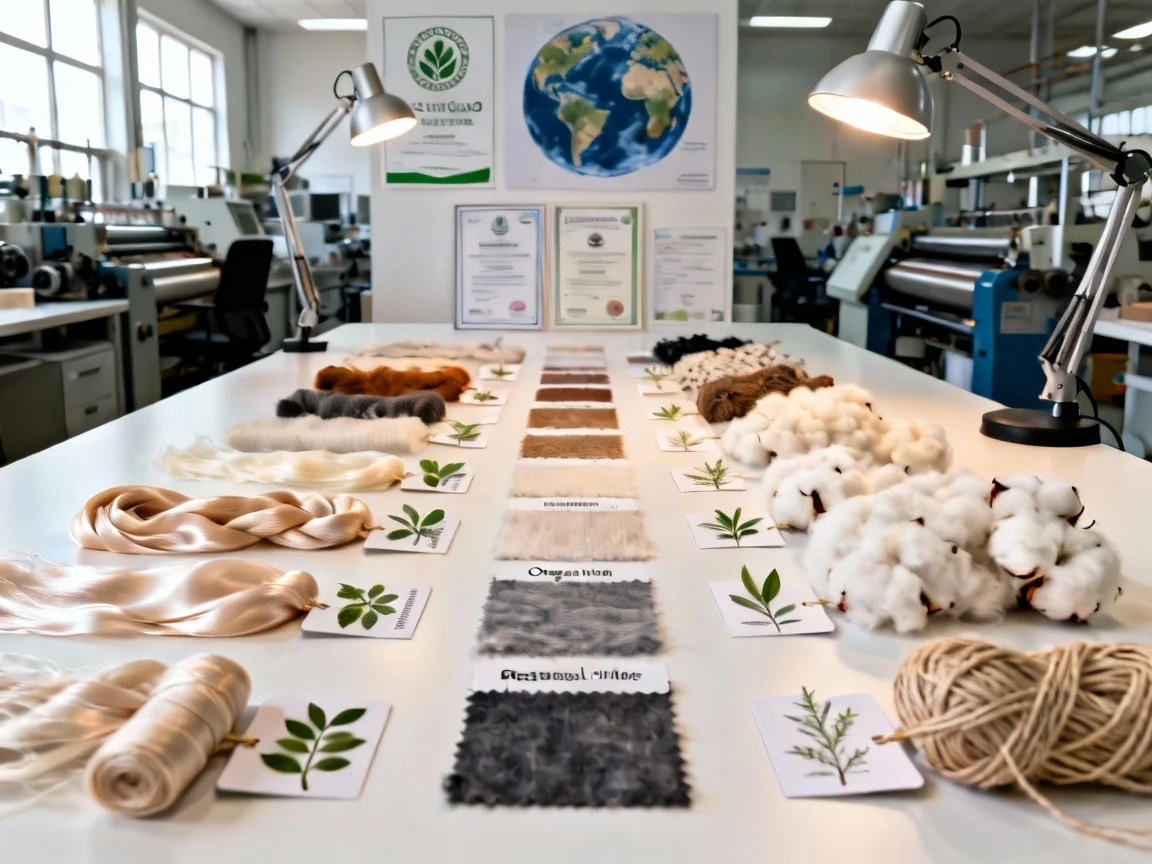
- Recycled polyester from post-consumer plastic bottles now offers print quality comparable to virgin polyester, with leading manufacturers achieving GRS (Global Recycled Standard) certification, appealing to environmentally conscious consumers.
- Tencel™ and Lyocell fibers demonstrate excellent digital print compatibility while maintaining biodegradable properties. These sustainable alternatives require 95% less water than conventional cotton production, significantly reducing environmental impact.
- Organic silk production has expanded considerably, with certified organic silk now representing approximately 12% of global silk production. It offers improved sustainability credentials without compromising the print quality and luxurious hand feel that discerning customers expect.
Eco-Friendly Digital Printing Practices
Digital printing inherently offers sustainability advantages over traditional methods. Additional optimizations can further reduce environmental impact:
- Waterless printing technologies have advanced significantly, with some manufacturers reporting up to 98% water reduction compared to conventional digital processes, addressing one of the fashion industry's most pressing environmental concerns.
- Bio-based inks derived from vegetable oils and natural pigments are gaining market share, currently representing about 15% of digital textile inks with annual growth of 8-10%, offering a more sustainable alternative to petroleum-based inks.
- Energy-efficient curing systems using LED technology reduce energy consumption by 40-50% compared to traditional heat-setting methods while also reducing production time, improving both environmental and operational performance.
Practical Implementation Guide for Fashion Businesses
Translating material-technology compatibility knowledge into practical business decisions requires a structured approach to supplier evaluation and production planning that balances technical requirements with commercial objectives.
Questions to Ask Potential Digital Printing Partners
When evaluating digital printing suppliers, include these critical questions to assess technical capabilities and material expertise:
- What pretreatment processes do you recommend for different scarf materials, and how do these affect production timelines and costs?
- Can you provide color gamut verification reports for specific materials, particularly for critical brand colors that require precise reproduction?
- What sustainability certifications do your production processes and materials hold (OEKO-TEX, GOTS, etc.), and how do you verify compliance throughout your supply chain?
- What is your typical turnaround time for sample production versus bulk orders across different materials, and how do you handle rush production requirements?
- How do you handle material testing and quality control for digital print runs, and what guarantees can you provide for color consistency and fastness?
Troubleshooting Common Compatibility Issues
Even with careful planning, compatibility challenges may arise. Here are proven solutions for common issues:
- Color Bleeding on Silk: Implement reduced ink saturation in transition areas and verify pretreatment pH levels (optimal range 5.5-6.5). Consider adjusting curing temperature in 5°C increments to find the optimal balance between color vibrancy and bleed prevention.
- Poor Adhesion on Wool: Consider plasma treatment before printing to enhance fiber receptivity and ensure proper humidity control (55-60%) during production. Pre-washing with a mild detergent specifically formulated for wool can also improve ink adhesion by removing natural oils.
- Mottled Appearance on Cotton: Adjust pretreatment application to ensure uniform coverage and verify ink binder compatibility with cotton fibers. Testing different pretreatment thicknesses (typically 8-12 g/m²) can often resolve coverage issues while maintaining hand feel.
- Color Inconsistency on Blends: Conduct material testing with graduated ink laydown to identify optimal settings for each fiber component. Consider separating design elements by color intensity to accommodate different fiber absorption rates within the same blend.
Conclusion: Strategic Material-Technology Alignment for Competitive Advantage
In the rapidly evolving landscape of digital textile printing, the ability to strategically match scarf materials with appropriate printing technologies has become a key differentiator for fashion businesses seeking to stand out in a crowded market. By understanding each material category's unique properties, evaluating technology options based on specific production requirements, and implementing sustainable sourcing practices, brands can achieve both exceptional design quality and operational efficiency.
The most successful scarf producers in 2025 will view material-technology compatibility not as a production detail but as a strategic element of their brand identity. They will leverage digital printing's design flexibility while maintaining the inherent qualities that make each material distinctive, creating products that resonate with increasingly discerning consumers.
By following the framework outlined in this guide, fashion businesses can make informed decisions that balance aesthetic goals, production practicality, and sustainability objectives—ultimately delivering superior products to discerning customers while maintaining a competitive edge in the dynamic scarf and shawl market.
As digital printing technologies continue to advance, the relationship between materials and production methods will only grow more sophisticated, offering even greater opportunities for innovation and differentiation in the competitive scarf and shawl market. By staying informed and adaptable, fashion businesses can position themselves to capitalize on these emerging opportunities and maintain leadership in their respective market segments.