Environmental consciousness has evolved from a niche concern to a business imperative in today's fashion industry. Among the various technological innovations driving sustainability, digital printing has emerged as a transformative force in scarf manufacturing. As brands and consumers increasingly prioritize eco-friendly practices, understanding how digital printing reduces waste while maintaining design excellence has become essential knowledge for industry professionals. This comprehensive analysis explores the intersection of digital printing technology and sustainability, providing actionable insights for businesses seeking to align with environmental values without compromising on quality or creative expression.
The Environmental Impact of Traditional Scarf Printing Methods
The textile industry has long faced criticism for its significant environmental footprint, with traditional scarf printing methods contributing substantially to this challenge. Conventional techniques like rotary screen printing require physical screens for each color in a design, generating considerable waste even before production begins. These screens—often constructed from hard-to-recycle materials—have limited lifespans and ultimately create landfill waste when discarded.

Traditional printing processes are also notoriously water-intensive. Industry studies consistently show that conventional textile printing can consume up to 200 liters of water per kilogram of fabric. Much of this water becomes contaminated with excess dyes, chemicals, and auxiliaries, presenting additional environmental challenges and financial costs for manufacturers required to treat this wastewater before release.
Color matching in traditional methods creates further sustainability issues. Achieving precise color specifications often demands multiple trial runs, each consuming valuable materials and energy. This not only increases production time but results in significant pre-production waste. The inflexibility of traditional setups also necessitates high minimum order quantities, frequently leading to overproduction and excess inventory that too often ends up in landfills when not sold—particularly problematic in the fast-paced fashion industry where trends evolve rapidly.
The environmental impact extends beyond production itself to encompass transportation and storage. Large production runs require extensive warehouse space for both raw materials and finished goods, increasing energy consumption for climate control and lighting. Transporting these large quantities throughout the supply chain also contributes substantially to carbon emissions.
How Digital Printing Revolutionizes Waste Reduction
Digital textile printing technology represents a paradigm shift that simultaneously reduces the environmental impact of scarf manufacturing while offering unprecedented creative possibilities. At its core, digital printing eliminates the need for physical screens, dramatically reducing material waste from the production outset. This screenless process not only saves valuable resources but simplifies the production workflow, enabling more agile responses to market demands and design iterations.
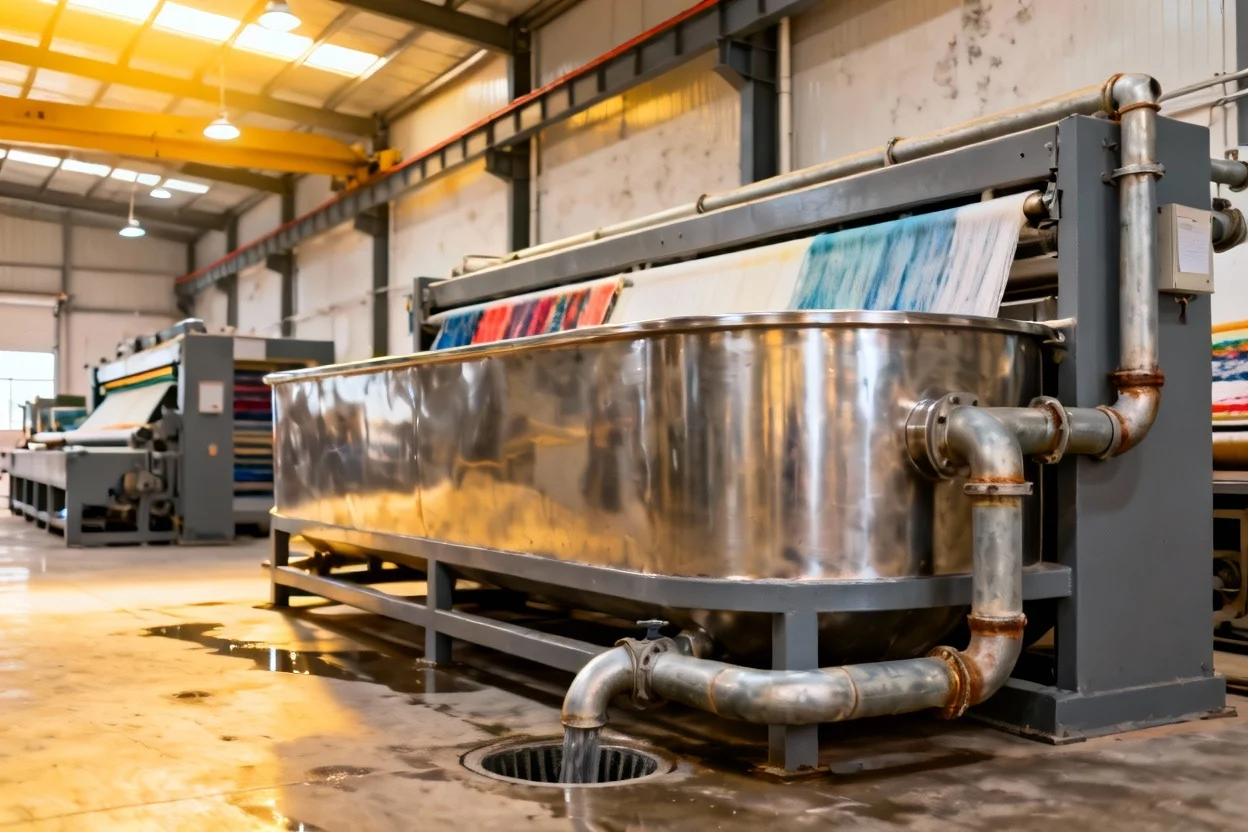
One of the most significant sustainability advantages of digital printing is its material efficiency. Traditional methods can waste up to 30% of fabric during setup and color testing, whereas digital technology enables precise ink placement with minimal substrate waste. Industry data confirms that digital printing can reduce fabric waste by up to 70% compared to conventional rotary screen printing, directly addressing growing concerns around textile industry waste.
Water consumption benefits are equally compelling. Digital printing systems typically use 95% less water than traditional processes by eliminating the need for extensive pre-washing and post-printing treatments. Advanced inkjet technologies apply color directly to fabric with remarkable precision, reducing both water usage and harmful chemical release into waterways—supporting environmental conservation while simultaneously reducing manufacturers' water treatment costs.
Digital printing also transforms inventory management through on-demand production models. By enabling economical production of smaller batches, digital technology aligns manufacturing with actual consumer demand rather than speculative large runs. This "just-in-time" approach significantly reduces overproduction—a major contributor to fashion industry waste. Studies indicate that digital printing enables sample waste reduction by up to 35%, as designs can be perfected digitally before any physical production begins.
The color management capabilities of digital systems further enhance sustainability. Advanced software allows for precise color matching and simulation, minimizing the need for physical prototypes and reducing ink waste. Digital precision ensures color specifications are met on the first production run, eliminating the resource-intensive trial-and-error process common in traditional printing.
Sustainable Materials: The Perfect Complement to Digital Printing
While digital printing provides a foundational technology for sustainable scarf production, material selection significantly impacts the final product's overall environmental footprint. Progressive manufacturers increasingly adopt eco-friendly substrates that complement digital printing processes, creating a closed-loop approach to sustainability that maximizes environmental benefits.
Natural fibers remain popular choices for sustainable scarf production, with organic cotton, bamboo, and Tencel® offering excellent printing surfaces while minimizing environmental impact. These materials require fewer pesticides and less water during cultivation than conventional alternatives, while their natural properties enhance ink absorption and color vibrancy in digital printing applications. Recent innovations in fiber processing have further improved sustainability metrics, with some manufacturers now achieving near-zero water usage in certain production stages.
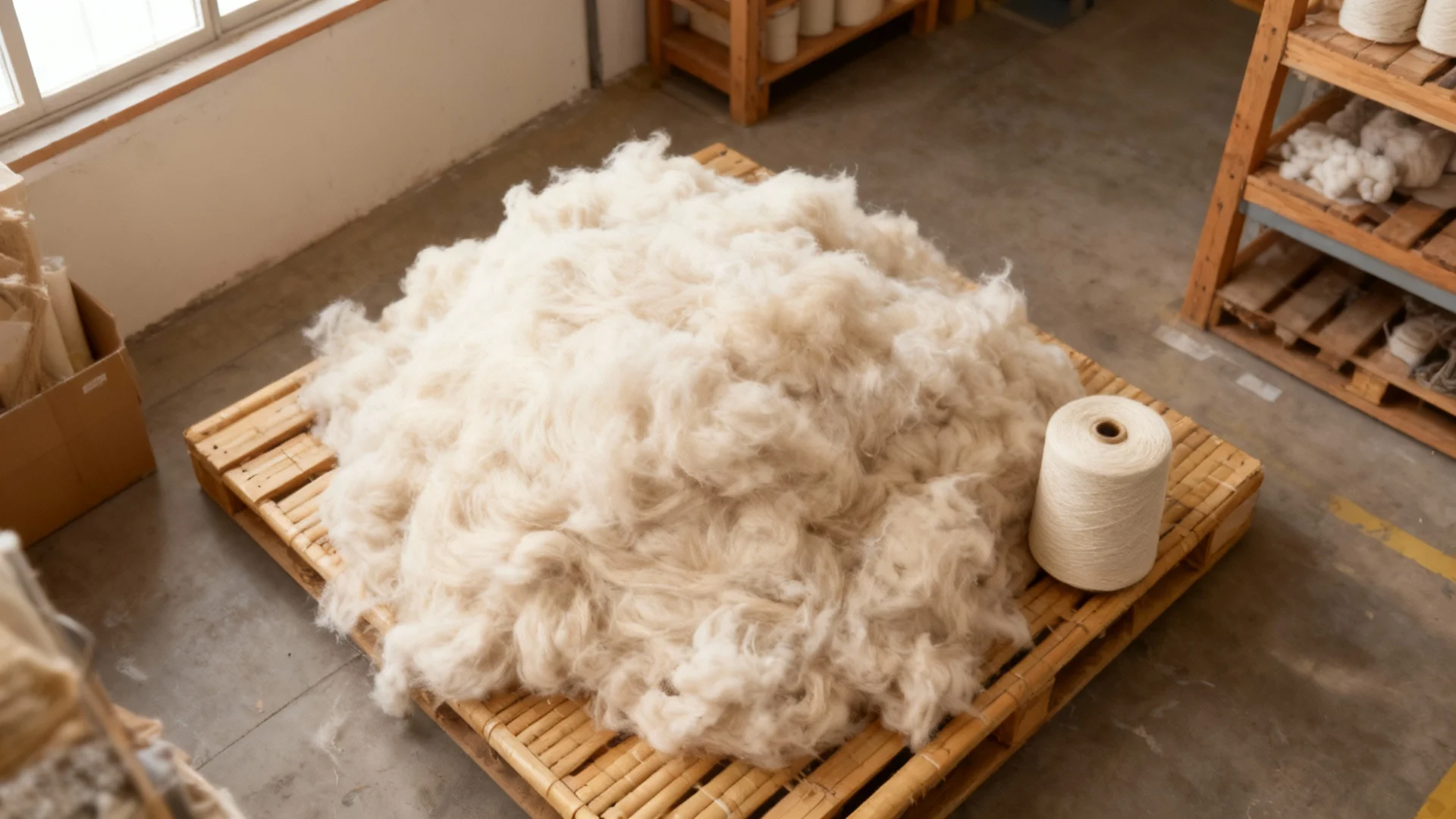
Recycled polyester has emerged as a particularly compelling option for eco-conscious scarf production. Manufactured from post-consumer plastic bottles and textile waste, recycled polyester reduces reliance on virgin petroleum resources while diverting waste from landfills. When combined with digital printing, this material offers excellent color retention and durability suitable for both fashion and functional scarves. Technological advancements have effectively addressed earlier concerns about print quality on recycled substrates, with modern digital inks now specifically formulated to optimize results on these materials.
For the luxury scarf segment, sustainable silk production represents significant innovation potential. While traditional silk farming—though natural—can involve unsustainable practices and harsh chemicals during processing, organic silk certification programs now ensure production meets strict environmental and social standards. Digital printing on silk creates a striking combination of luxury and sustainability, with the precision of digital technology enhancing the natural beauty of the fabric while minimizing waste.
Bio-based textiles derived from agricultural by-products offer another promising frontier in sustainable materials. These innovative fabrics utilize waste materials from crops like pineapple, banana, and hemp, transforming what would otherwise be discarded into high-quality textile substrates. Beyond reducing agricultural waste, these materials typically require minimal processing, making them an excellent choice for brands emphasizing circular economy principles in their scarf collections.
The integration of sustainable materials with digital printing creates a multiplier effect in sustainability outcomes. Digital technology maximizes the efficient use of eco-friendly substrates, while the materials themselves enhance the environmental benefits of the digital process. Together, they form a production system that significantly reduces the carbon, water, and waste footprints of scarf manufacturing while maintaining—often enhancing—the aesthetic qualities consumers demand.
Case Studies: Sustainable Digital Printing in Action
Real-world examples best illustrate the practical application of digital printing for sustainable scarf production, demonstrating both measurable environmental benefits and business success. These case studies showcase how forward-thinking manufacturers and brands are leveraging digital technology to reduce waste while meeting consumer demand for eco-conscious fashion accessories.
Forest Digital Textile Printers' collaboration with Meta Vocus pioneered an exemplary sustainable digital printing implementation through the development of a closed-loop production system for luxury scarves that minimized waste at every stage. By combining digital printing with innovative pre-treatment and post-processing techniques, the project achieved 72% less water consumption than traditional methods. Precision ink delivery systems further reduced ink usage by 35%, while on-demand production eliminated overstock and reduced fabric waste by 68%. Importantly, this sustainable approach did not compromise quality—their digitally printed silk scarves maintained luxury aesthetic and durability while achieving competitive price points in the marketplace.

Epson's "Water Waste Awareness" scarf collection demonstrates how digital printing can serve both sustainability and educational purposes simultaneously. Utilizing Epson's latest digital textile printing technology, the project created a limited-edition scarf collection that visualized water consumption data through innovative design elements. Each scarf incorporated QR codes linking to detailed information about water usage in fashion production. Beyond its educational impact, the production process exemplified sustainability best practices, using 98% less water than comparable traditionally printed scarves with all materials sourced from certified sustainable suppliers. The project achieved significant media attention and consumer engagement, proving that compelling sustainability stories can enhance brand value and market positioning.
A leading European luxury fashion house implemented digital printing for seasonal scarf collections with remarkable results across both environmental and business metrics. By transitioning from traditional screen printing, the brand reduced scarf production waste by 70% in the first year alone. Digital printing eliminated minimum order quantities, allowing production of smaller, more targeted runs that better matched consumer demand patterns. This shift not only reduced textile waste but decreased inventory holding costs by 40%. The brand maintained its luxury positioning by investing in high-quality sustainable materials, while innovative digital printing techniques achieved color vibrancy and detail previously unattainable with traditional methods. Customer feedback indicated that sustainability enhanced perceived product value, with digitally printed sustainable scarves achieving higher sell-through rates than conventional alternatives.
These case studies collectively demonstrate that digital printing can deliver substantial environmental benefits while supporting business growth and brand differentiation when implemented thoughtfully. They highlight common success factors including material innovation, process optimization, data-driven production planning, and transparent sustainability storytelling—elements that any scarf manufacturer can adapt to their own operations regardless of size or market segment.
Implementing Digital Printing: Considerations for Scarf Manufacturers
Transitioning to digital printing for sustainable scarf production requires careful planning that addresses technical, operational, and strategic factors. Manufacturers embarking on this technology adoption need a structured approach that considers both immediate implementation challenges and long-term sustainability goals.
Equipment selection represents the most significant initial consideration, as digital textile printers vary widely in capabilities with different models offering specific advantages for scarf production. Key evaluation factors include print width (particularly important for larger scarf formats), color gamut capabilities, ink compatibility with sustainable materials, and energy consumption profiles. While initial investment can be substantial, manufacturers should consider total cost of ownership rather than focusing solely on upfront expenditure—this includes long-term savings from reduced material waste, lower water and energy consumption, and decreased labor requirements for setup and design changeover.
Workflow integration is another critical aspect of successful implementation, as digital technology creates opportunities to connect design, pre-production, and manufacturing seamlessly. Realizing this potential requires compatible software systems and comprehensive staff training. Digital asset management systems enable efficient storage, retrieval, and modification of designs, reducing redundancy and ensuring version control. Manufacturers should carefully consider how digital printing will integrate with existing workflows, potentially requiring production layout reconfiguration to optimize material flow and minimize energy consumption throughout the facility.
Material testing and development require ongoing attention for manufacturers transitioning to digital printing. While digital technology works with many substrates, each material requires specific ink formulations and print parameters for optimal results. Sustainable materials often have unique characteristics that can affect print quality and durability, making systematic testing protocols essential for new materials to ensure consistent results and prevent waste from failed production runs. Testing should evaluate color vibrancy, design fidelity, wash fastness, light stability, and overall durability—factors particularly important for frequently worn scarves exposed to various environmental conditions.
Staff training should extend beyond technical equipment operation to include sustainability principles and practices, ensuring employees at all levels understand how their roles contribute to waste reduction and environmental goals. Training programs should emphasize material conservation, energy and water efficiency, and quality control measures that prevent waste generation. Additionally, educating sales and customer service teams about sustainability benefits equips them to communicate advantages to clients effectively, potentially opening new market opportunities with environmentally conscious buyers.
Quality control processes require reevaluation in digital printing environments despite the greater consistency offered by digital technology compared to traditional methods. Clear quality standards and inspection protocols remain essential, with automated quality control systems helping reduce waste by identifying issues early in production. These systems detect color variations, ink density problems, and material defects before they result in large-scale production failures, preserving resources while maintaining product quality.
Future Trends: The Next Frontier in Sustainable Scarf Production
Digital printing technology continues to evolve rapidly, with emerging trends promising to further enhance sustainability benefits in scarf manufacturing. These innovations address remaining environmental challenges while opening new possibilities for design creativity and production efficiency, positioning digital printing as an increasingly attractive option for eco-conscious brands.
Advancements in ink technology offer particularly significant sustainability improvements, with researchers developing bio-based inks derived from renewable resources like algae, vegetable oils, and agricultural by-products. These formulations maintain color vibrancy and durability while reducing environmental impact through decreased reliance on petroleum-based products and improved biodegradability at product end-of-life. Concurrently, UV-curable inks requiring minimal water and energy for drying are becoming more sophisticated, now viable for delicate scarf materials previously requiring traditional wet processing methods.
Artificial intelligence (AI) and machine learning are transforming sustainability in scarf production through optimized digital printing workflows. AI-powered color management systems can predict and adjust for material variations, ensuring optimal ink usage and color accuracy on the first print run and eliminating waste from trial prints. Machine learning algorithms analyze production data to identify inefficiencies and recommend process optimizations—such as adjusting print head configurations or drying temperatures—that reduce environmental impact while maintaining quality standards. These intelligent systems also enable more precise demand forecasting, further reducing overproduction by aligning manufacturing with actual market needs.
Waterless digital printing technologies are approaching commercial viability for scarf production, representing the ultimate evolution in water conservation. These systems utilize innovative ink formulations and electrostatic application methods that eliminate water throughout the printing process entirely. While still in development for fine textiles, early results show tremendous promise for significantly reducing even conventional digital printing's already low water consumption. For manufacturers operating in water-scarce regions, this technology could prove transformative, enabling sustainable production regardless of local water availability constraints.
Circular economy principles are increasingly integrating into digital printing systems through closed-loop material recovery and recycling initiatives. Forward-thinking manufacturers are developing processes to reclaim and reuse excess ink and solvent, while others explore chemical recycling of digitally printed scarves at end-of-life. These circular approaches extend beyond production to product design itself, with some brands creating modular scarf designs that disassemble and recycle easily, and others incorporating QR codes that provide detailed material composition information to facilitate proper recycling.
Collectively, these technologies converge toward a future of near-zero waste digital scarf printing. As innovations mature and become more accessible, they will democratize sustainable manufacturing, enabling small and medium-sized producers to compete with larger manufacturers on both environmental performance and creative capabilities. Brands investing in these emerging technologies today will gain substantial competitive advantages in an increasingly eco-conscious market tomorrow.
Choosing the Right Sustainable Scarf Manufacturing Partner
Selecting a manufacturing partner that has genuinely embraced sustainable digital printing requires careful evaluation that goes beyond surface-level environmental claims. Brands committed to reducing their environmental footprint while maintaining quality standards need to consider several key factors to ensure alignment with both sustainability goals and business objectives.
Certification and transparency form the foundation for evaluating potential partners, as reputable sustainable manufacturers should hold recognized third-party certifications verifying their environmental claims. Certifications like GOTS (Global Organic Textile Standard) ensure production meets strict environmental and social criteria throughout the supply chain, while OEKO-TEX® certification guarantees textiles are free from harmful substances. Equally important is a manufacturer's commitment to transparency through regular sustainability reporting and willingness to share production processes and material sourcing information openly. This transparency enables brands to verify claims independently and communicate authentic sustainability stories to consumers.
Technology investment and innovation capacity provide strong indicators of a manufacturer's long-term commitment to sustainable digital printing. Leading partners continuously invest in the latest equipment that offers improved energy efficiency, reduced ink consumption, and compatibility with a wide range of sustainable materials. Beyond hardware, manufacturers should demonstrate investment in process innovation, including developing proprietary ink formulations or workflow optimizations that reduce environmental impact. This ongoing commitment ensures sustainability improvements continue beyond initial implementation, keeping operations aligned with evolving environmental standards and consumer expectations.
Material expertise and sourcing practices significantly impact the ultimate sustainability of digitally printed scarves. The ideal partner demonstrates deep knowledge of sustainable textile substrates and their compatibility with digital printing processes, maintains relationships with certified sustainable material suppliers, and can provide detailed information about material origins and environmental credentials. Manufacturers should collaborate with brands to select appropriate sustainable materials for each design, balancing aesthetic requirements with environmental performance to achieve optimal results.
Production flexibility and minimum order quantities (MOQs) directly affect both sustainability outcomes and business viability. The lower MOQ advantage of digital printing should be reflected in manufacturer offerings, enabling brands to produce smaller, targeted runs that reduce overproduction waste. Manufacturers using digital technology to offer flexible schedules and rapid turnaround further support sustainability by allowing brands to respond quickly to market demands, minimizing speculative large production runs that often result in excess inventory.
Quality control processes and sustainability performance tracking ensure consistent environmental and product quality. Manufacturers should implement robust quality management systems that prevent waste through early defect detection and process variation identification, saving valuable resources. Equally important is the tracking and reporting of key sustainability metrics during production, including water and energy consumption, waste generation, and carbon emissions. This data not only verifies environmental claims but also identifies continuous improvement opportunities over time.
Genuine sustainability commitment should permeate a manufacturer's entire operation, extending beyond printing to encompass facility management, employee welfare, and community engagement. Manufacturers with comprehensive sustainability strategies implement energy-efficient lighting and climate control, utilize renewable energy sources when possible, and implement waste reduction programs throughout all operations. They demonstrate fair labor practices and invest in local communities, recognizing that true sustainability encompasses social as well as environmental responsibility.
Brands navigating this selection process should request detailed sustainability reports, arrange facility visits, and speak with existing clients to gain insights beyond marketing materials. By prioritizing these factors, brands can select partners that will help them achieve sustainability goals while delivering high-quality digitally printed scarves that resonate with environmentally conscious consumers.
Conclusion: The Sustainable Scarf Manufacturing Journey
The transition to sustainable digital printing in scarf manufacturing represents both an environmental imperative and a strategic business opportunity in today's market landscape. As this analysis has explored, digital printing offers substantial waste reduction benefits compared to traditional methods across multiple dimensions, including material efficiency, water conservation, energy savings, and inventory optimization. When combined with sustainable materials and thoughtful production processes, digital printing enables scarf manufacturers to significantly reduce their environmental footprint while maintaining or enhancing product quality and design flexibility.
This journey toward sustainable scarf production does present challenges, including required investments in technology, employee training, and material development. However, case studies and sustainability metrics consistently demonstrate that these investments yield tangible returns, including reduced production costs, improved operational efficiency, enhanced brand reputation, and access to growing markets of environmentally conscious consumers. Manufacturers embracing this transition are gaining competitive advantages in an increasingly eco-focused marketplace.
Looking ahead, the continued evolution of digital printing technologies promises even greater sustainability benefits. Innovations in bio-based inks, AI-optimized workflows, waterless printing systems, and circular economy principles point toward a future of near-zero waste production. As these innovations mature and become more accessible, they will transform sustainable scarf manufacturing from an exclusive practice of large corporations to a democratized capability available to manufacturers of all sizes.
For brands and manufacturers willing to make the investment, the rewards extend beyond environmental benefits to include enhanced creativity, operational flexibility, and market differentiation. The sustainable scarf manufacturing journey represents not just a response to industry challenges but a proactive strategy for long-term success in the rapidly evolving fashion landscape. Those leading this charge today will shape the future of fashion's sustainable transformation tomorrow.