In the competitive landscape of luxury fashion accessories, successful international collaborations demand a strategic blend of creative vision, manufacturing expertise, and logistical precision. This case study examines how FENNYSUN—a leading custom scarf manufacturer with over three decades of industry experience—navigated the complexities of partnering with a prominent European fashion brand to bring an exclusive scarf collection to market. Their collaborative journey exemplifies best practices in cross-cultural design collaboration, sustainable manufacturing, and global distribution, offering valuable insights for fashion enterprises seeking reliable manufacturing partners for private label scarf manufacturing ventures.
The Partnership Genesis: Aligning Vision and Values
The collaboration originated when a European luxury brand specializing in artisanal accessories sought to expand its scarf line without compromising its commitment to sustainability and artistic integrity. After evaluating seven potential manufacturers across three continents, the brand selected FENNYSUN based on three decisive factors: advanced digital printing capabilities that preserve intricate design details, a verified sustainable supply chain, and a proven track record of adhering to European textile production regulations.
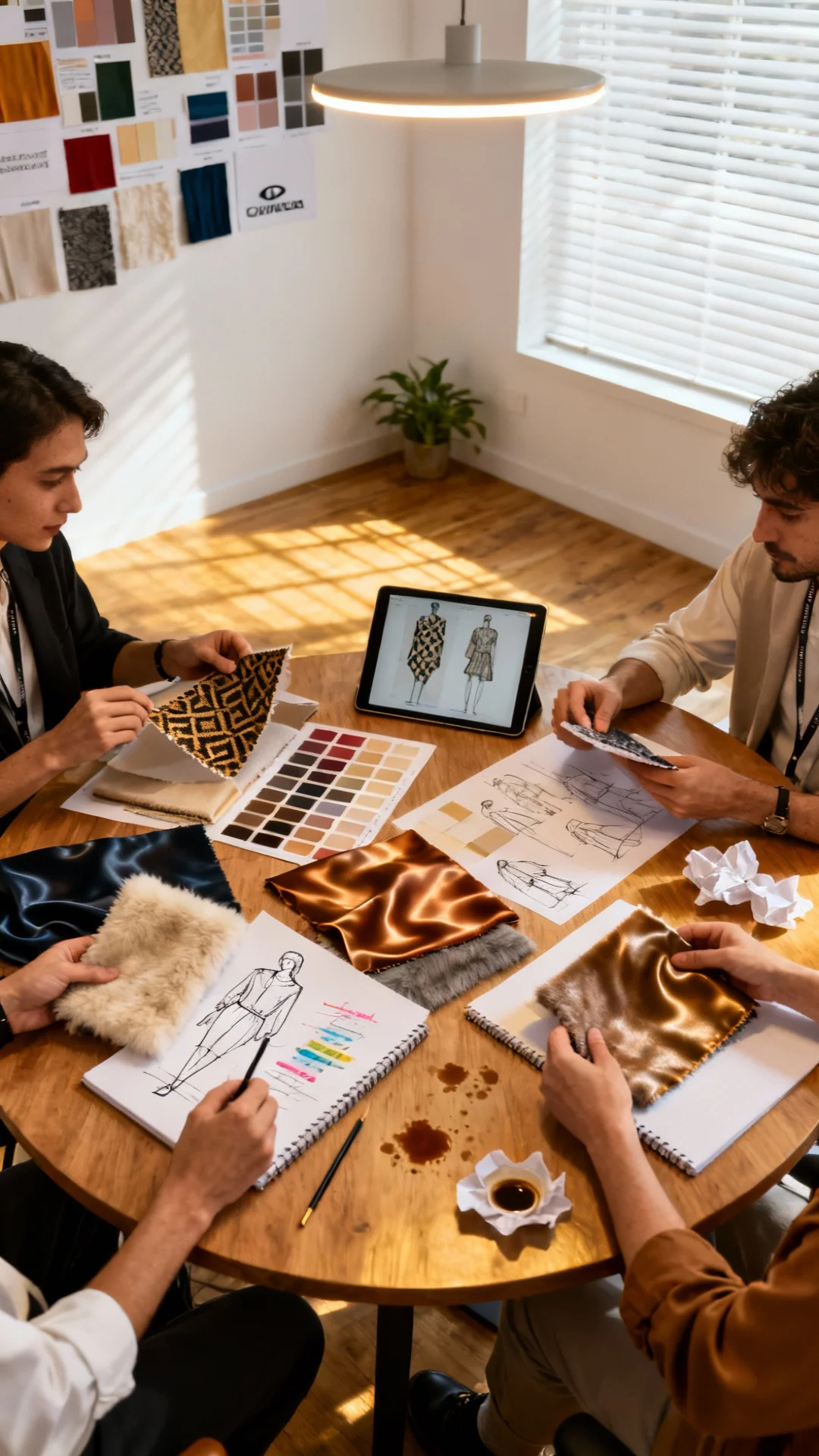
"Our brand struggled to find a manufacturing partner that could transform our artists' watercolor designs into scarves with true color accuracy while honoring our environmental commitments," explained the European brand's design director. "FENNYSUN's unique combination of traditional craftsmanship and cutting-edge digital technology provided the perfect solution."
Initial consultations spanned three months, during which FENNYSUN's design team developed over 20 prototypes to balance artistic expression with manufacturing feasibility. This collaborative approach fostered the trust that would prove crucial when navigating the inevitable challenges of international production.
From Concept to Prototype: The Design Collaboration Process
FENNYSUN's customization process typically begins with in-depth consultations, where design and production experts work closely with clients to understand their vision, target market, and technical requirements. For this partnership, the European brand presented abstract artwork featuring seasonal landscapes that demanded specialized color matching and gradient techniques beyond standard manufacturing capabilities.
To meet these challenges, FENNYSUN employed state-of-the-art digital printing systems, delivering unprecedented design flexibility without compromising color accuracy or detail resolution. The technical team developed a proprietary color calibration process specifically for this collection, ensuring that the subtle watercolor transitions in the original artwork were faithfully reproduced across various fabric types.
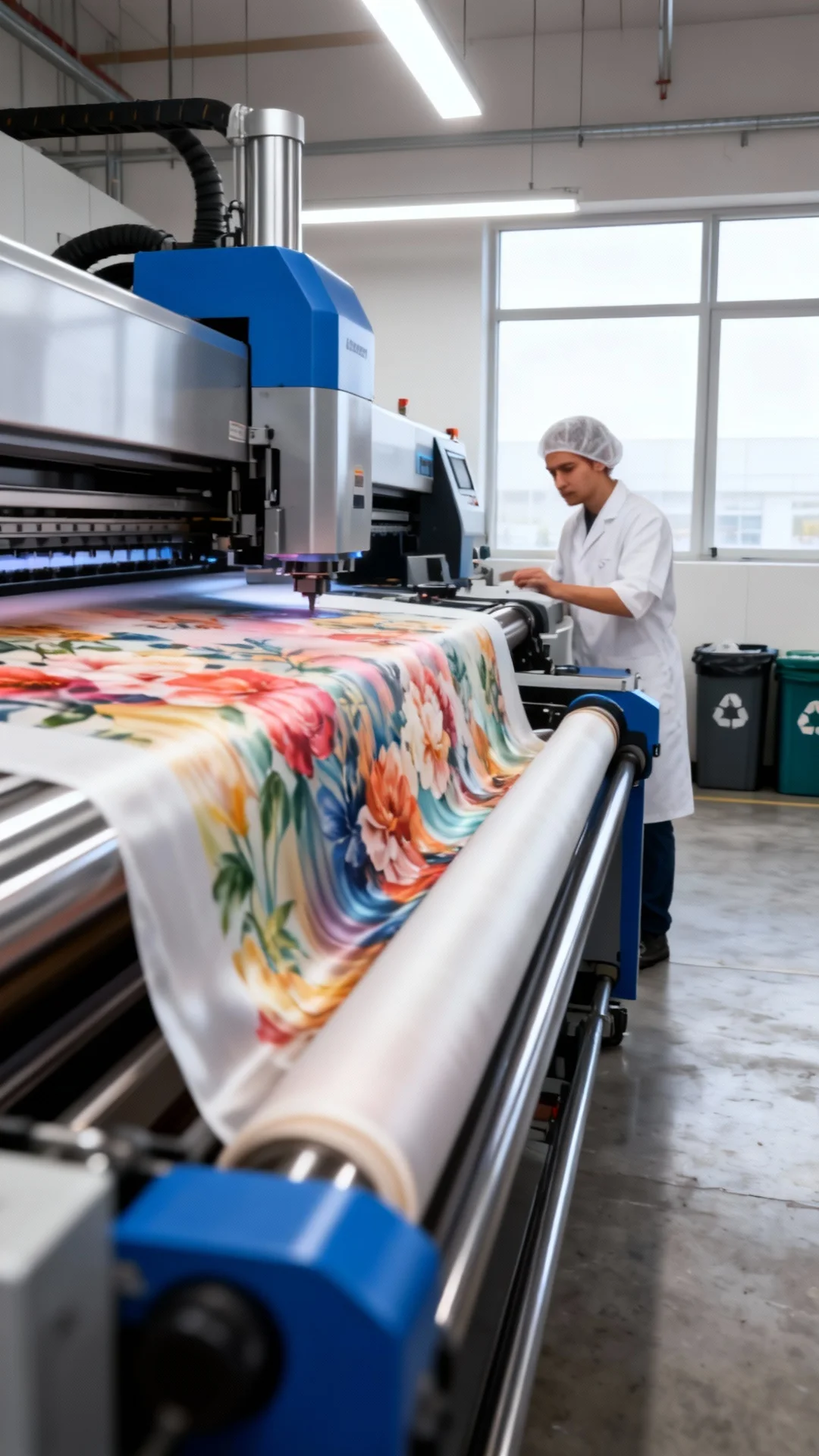
Material selection emerged as another collaborative decision point. While the European brand initially specified 100% silk, FENNYSUN's sustainability consultants proposed a blend incorporating 30% recycled polyester. This innovative approach maintained the luxury aesthetic while significantly reducing environmental impact. Testing confirmed that the blended material actually improved print retention and durability without sacrificing aesthetic quality—a win-win outcome that aligned perfectly with both partners' values.
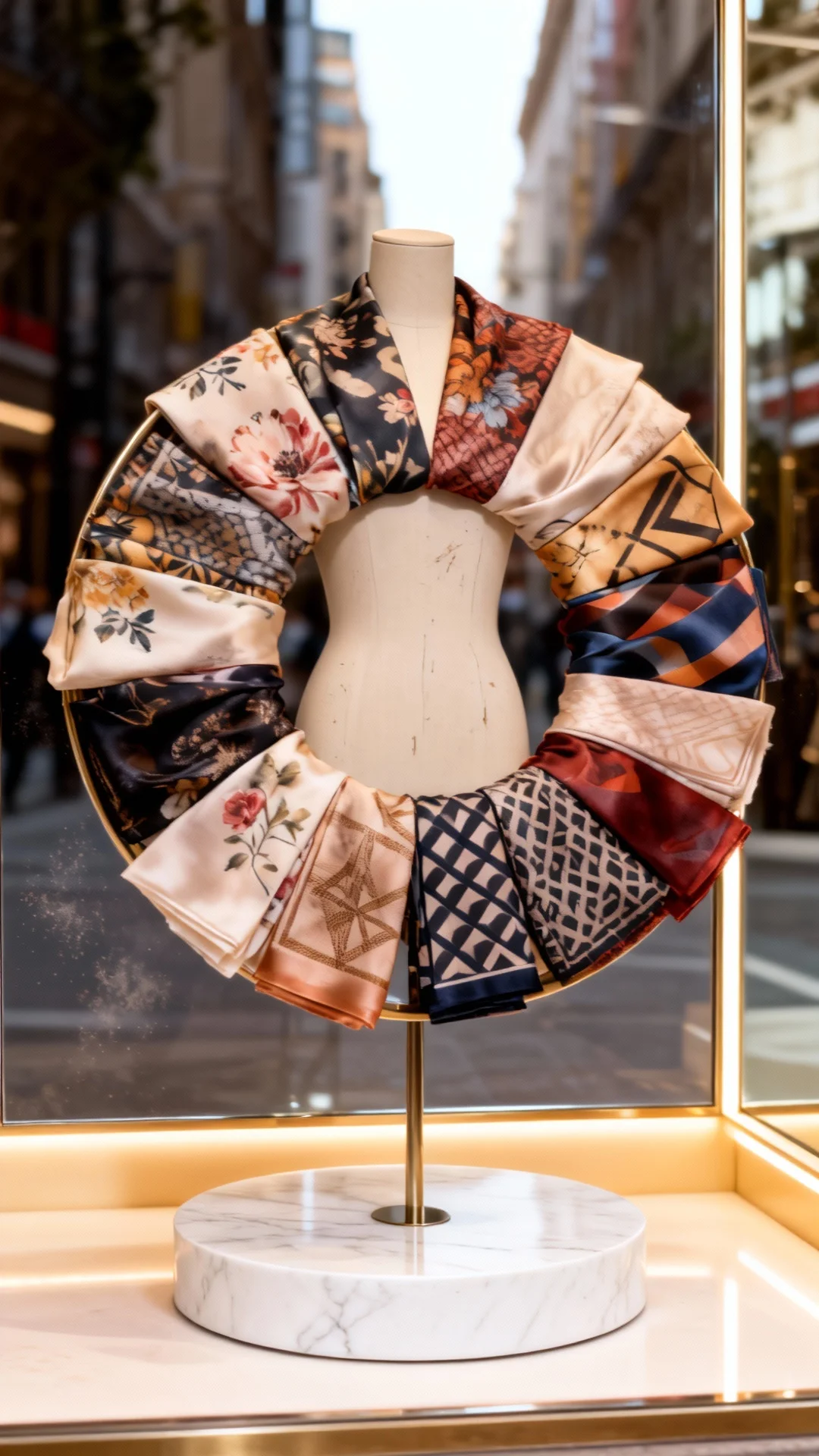
Overcoming International Distribution Challenges
Like many transcontinental fashion ventures, this partnership encountered significant logistical hurdles. Regulatory compliance emerged early as a critical consideration, with the European brand requiring strict adherence to REACH chemical regulations and packaging waste directives. FENNYSUN's established compliance framework streamlined this process, as their manufacturing facilities already maintained EU-standard quality control protocols.
Transportation disruptions arose when the initial shipping route through the Suez Canal experienced delays. The partners swiftly pivoted to an alternative northern European route, with FENNYSUN absorbing the additional costs to maintain the agreed delivery timeline—a demonstration of the manufacturer's commitment to partnership success over short-term financial considerations.
Most innovative was the development of a shared inventory management system providing both partners with real-time visibility of production status and shipping logistics. This transparency enabled the European brand to adjust marketing campaigns based on manufacturing progress while allowing FENNYSUN to proactively communicate potential delays, eliminating the information silos that often plague international collaborations.
Production Excellence: Merging Technology and Craftsmanship
FENNYSUN's manufacturing process seamlessly integrated traditional textile craftsmanship with cutting-edge technology to produce the custom collection. Production commenced with digital design approval utilizing 3D rendering technology, enabling the European team to visualize final products without incurring sample production costs.
The manufacturing facility implemented advanced digital printing systems that reduced water consumption by 40% compared to traditional methods—an achievement independently verified by third-party auditors. Each scarf underwent 12 rigorous quality control checkpoints, from initial fabric inspection to final packaging, with FENNYSUN assuming full responsibility for any items failing to meet the agreed specifications.
Production flexibility proved essential when the European brand requested a 20% order volume increase just six weeks before delivery. FENNYSUN's modular manufacturing setup accommodated this change without extending lead times, utilizing cross-trained teams and backup equipment to maintain the schedule—demonstrating a level of manufacturing agility rarely seen in large-scale production facilities.
Market Impact and Partnership Evolution
The scarf collection exceeded initial sales projections by 15% in its first season, with several designs achieving viral social media status. Retail partners commended the consistent quality and unique design elements, with one luxury department store reporting a 30% higher sell-through rate compared to similar scarf lines.
This market success led to an expanded partnership, with the European brand entrusting FENNYSUN with its entire accessory line production the following year. This expanded collaboration included co-developing a proprietary sustainable packaging system and implementing a joint recycling program for end-of-life scarves—initiatives that further established their reputation as industry leaders in responsible manufacturing.
"Working with FENNYSUN transformed our approach to accessory production," noted the European brand's CEO. "What began as a scarf partnership has evolved into a strategic alliance influencing our sustainability initiatives across all product categories."
Strategic Insights for Successful Scarf Brand Partnerships
This case study highlights several critical factors for successful international fashion manufacturing partnerships. Clear communication protocols established during initial design phases prevented costly misunderstandings later in production. Shared sustainability values created alignment beyond mere commercial considerations, while prioritizing flexibility over rigid contracts enabled both parties to adapt to changing market conditions and unexpected challenges.
For brands considering private label scarf manufacturing ventures, FENNYSUN's approach offers valuable lessons in technical innovation, sustainability integration, and collaborative problem-solving. The company's ability to balance artistic fidelity with production practicality demonstrates the kind of manufacturing expertise that distinguishes exceptional partners from merely adequate suppliers.
As the global fashion industry continues its shift toward more sustainable and customized production models, partnerships like this point to a future where geographic boundaries become less significant than shared commitments to quality, innovation, and responsible business practices. The FENNYSUN-European brand collaboration serves as a blueprint for how manufacturers and designers can collectively create products that meet consumer demands while advancing industry-wide sustainability goals in bespoke scarf production.
Implementation Framework for Prospective Partners
Building on this successful collaboration, FENNYSUN has developed a structured onboarding process for new brand partnerships. Prospective clients begin with a comprehensive needs assessment covering design requirements, material preferences, sustainability goals, and distribution plans—culminating in a customized production proposal with clear timelines, quality benchmarks, and cost structures.
The implementation phase includes dedicated project management resources, weekly progress updates, and 3D design approvals to ensure alignment before physical production begins. Post-launch, partners receive detailed analytics on product performance and manufacturing efficiency, enabling data-driven refinement of future collections.
Fashion brands interested in similar partnerships can benefit from FENNYSUN's transparent approach to custom scarf designs and manufacturing, which clearly articulates technical capabilities, sustainability practices, and communication protocols from the outset. This foundation of clarity and collaboration fosters successful long-term relationships that transcend transactional manufacturing to become strategic business alliances.