In an era where sustainability has evolved from trend to business imperative, the fashion accessories industry confronts mounting pressure to transform linear production models into circular systems. The scarf manufacturing sector, traditionally dependent on resource-intensive processes and finite materials, stands at the forefront of this industrial transformation. According to Kearney's Circular Fashion Index (CFX) 2025 report, the industry is experiencing significant growth in circular practices, yet struggles with scalability and implementation challenges that hinder widespread adoption.
Drawing on over three decades of textile manufacturing expertise and close collaboration with boutique retailers and fashion brands worldwide, this analysis examines how circular fashion principles apply practically to scarf production. We explore sustainable technologies, innovative materials, and operational strategies that create viable closed-loop systems, while addressing the unique challenges manufacturers and retailers face during implementation.
The Current State of Circular Fashion in Scarf Manufacturing
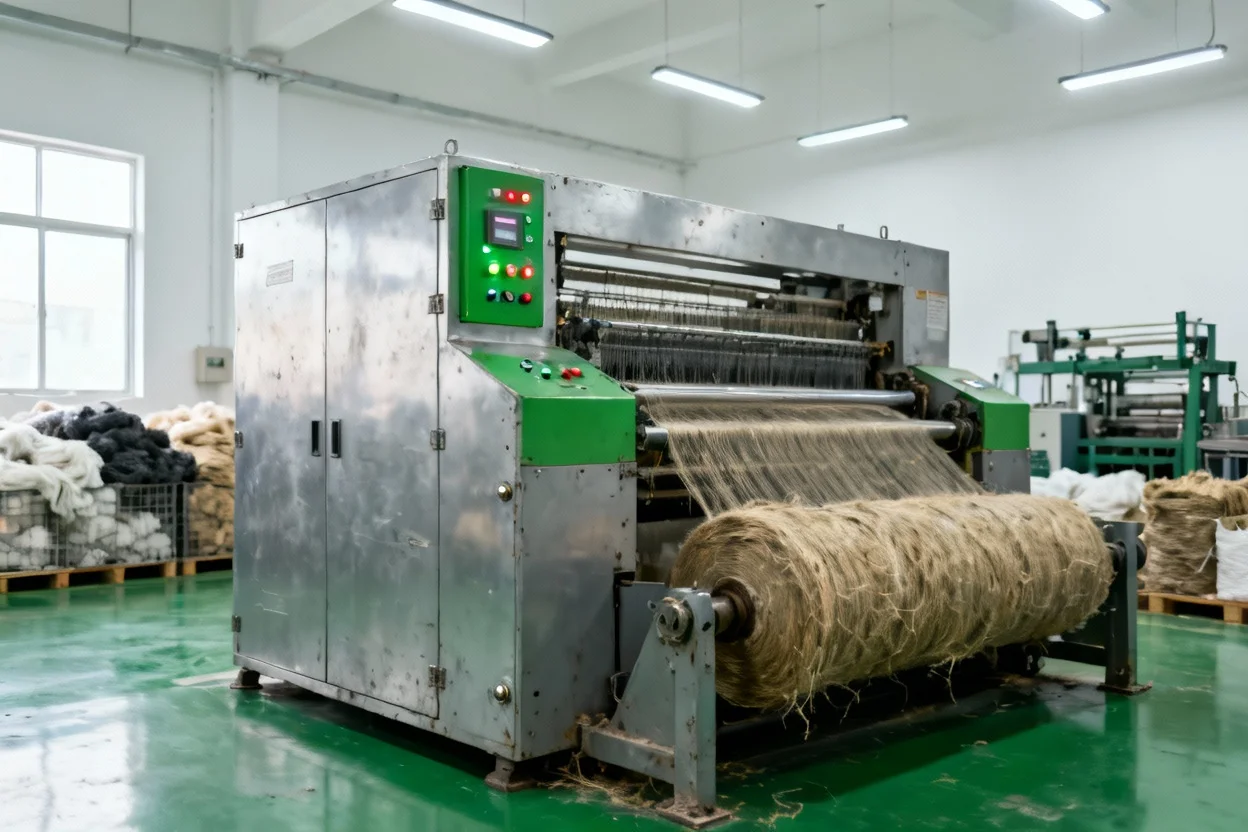
The global transition toward circular fashion has accelerated dramatically since 2024, driven by both consumer demand and regulatory pressures. Industry reports indicate sustainable practices now influence purchasing decisions for over 63% of luxury scarf buyers, with boutique retailers increasingly requiring sustainability credentials from suppliers. This creates a paradox for manufacturers: sustainable production has become a competitive necessity, yet implementation costs and technical complexities remain significant barriers to entry.
The scarf manufacturing sector faces distinct circularity challenges compared to other fashion categories. The product's relatively small size creates both opportunities and limitations for material innovation and waste reduction. Unlike apparel or footwear, scarves offer greater flexibility in material blends and production processes but often require specialized manufacturing techniques that complicate recycling and waste reduction efforts.
Key Industry Trends Reshaping Circular Production
Three significant trends are transforming sustainable scarf manufacturing:
Accelerated Material Innovation - The industry has witnessed a 47% increase in recycled and biodegradable textile options since 2024. Notable advancements include recycled silk and wool blends that maintain luxury quality while reducing environmental impact. Leading manufacturers are experimenting with agricultural waste materials like pineapple fiber and mushroom mycelium to create innovative sustainable textiles with unique aesthetic properties.
Process Optimization Breakthroughs - Waterless dyeing technologies and digital printing advancements have reduced water consumption by up to 85% in progressive manufacturing facilities. These eco-friendly textile technology solutions address environmental concerns while offering production efficiencies that offset initial implementation costs within 18-24 months for high-volume producers.
Circular Business Model Integration - Forward-thinking scarf brands increasingly adopt take-back programs and rental models, particularly in the luxury segment. These approaches extend product lifecycles while creating new revenue streams and customer touchpoints. According to the 2025 Circular Fashion Index, brands implementing such models have seen customer retention rates increase by an average of 22%.
The Sustainability Paradox in Luxury Scarf Production
Despite positive trends, the industry faces a fundamental sustainability paradox. The Kearney CFX 2025 report identifies that while 87% of scarf manufacturers have introduced at least one sustainable production line, only 19% have successfully scaled these operations to represent more than 30% of their total output. This gap exists primarily due to three factors:
- Cost Structure Challenges - Sustainable materials typically cost 15-40% more than conventional alternatives. This creates pricing pressures in a market where retailers remain price-sensitive despite growing sustainability demands.
- Supply Chain Complexity - Establishing transparent, ethical supply chains for sustainable inputs requires significant investment in supplier relationships and monitoring systems, creating barriers to entry for smaller manufacturers.
- Technical Limitations - Many sustainable production techniques, particularly for luxury finishes and intricate patterns, still cannot match the quality standards of conventional methods, limiting their appeal for high-end applications.
These challenges hit particularly hard for B2B manufacturers serving boutique retailers and fashion brands that must balance sustainability commitments with competitive pricing and consistent quality in their sustainable scarf production.
Building a Circular Production System: Key Components and Implementation Strategies
Creating a truly circular production cycle for scarf manufacturing requires a holistic approach addressing every stage of the product lifecycle, from raw material selection to end-of-life management. Based on industry best practices and successful implementations, this integrated system comprises four interconnected pillars: sustainable material sourcing, eco-friendly production processes, circular design principles, and end-of-life management solutions.
Sustainable Material Sourcing: Beyond Recycled Fibers
Material selection forms the foundation of any circular scarf production system. While recycled textiles are essential, progressive manufacturers adopt a more nuanced approach considering the entire material lifecycle. Industry leaders have found success with a tiered material strategy:
Primary Material Tier - Post-consumer recycled fibers, including recycled silk, polyester, and cotton, form the core material base in recycled textile manufacturing. These materials divert waste from landfills while reducing resource consumption by up to 70% compared to virgin alternatives. Leading manufacturers report recycled polyester now represents 35-50% of their material mix, with higher percentages in casual scarf lines.
Secondary Material Tier - Biodegradable and renewable fibers like organic cotton, bamboo, and Tencel™ complement recycled options where performance requirements demand virgin materials. These fibers offer biodegradability advantages at end-of-life while maintaining higher quality standards for luxury applications.
Innovative Material Tier - Emerging sustainable materials derived from agricultural waste and laboratory-grown textiles represent the cutting edge of circular material innovation. While currently limited to 5-10% of most manufacturers' material mixes, these options provide differentiation opportunities and future-proof production systems against regulatory changes.
Practical Implementation Strategy:
A phased material transition plan allows manufacturers to manage cost impacts while building supplier relationships for sustainable inputs. Starting with a 20-30% sustainable material target for new designs creates momentum while minimizing financial risk. Key performance indicators should include not only percentage of sustainable materials but also water and carbon footprints, ensuring comprehensive environmental impact reduction.
Eco-Friendly Production Processes: From Dyeing to Finishing
Production processes represent both the greatest environmental impact and the most significant opportunity for improvement in scarf manufacturing. Water and energy consumption, chemical usage, and waste generation concentrate in three key process areas:
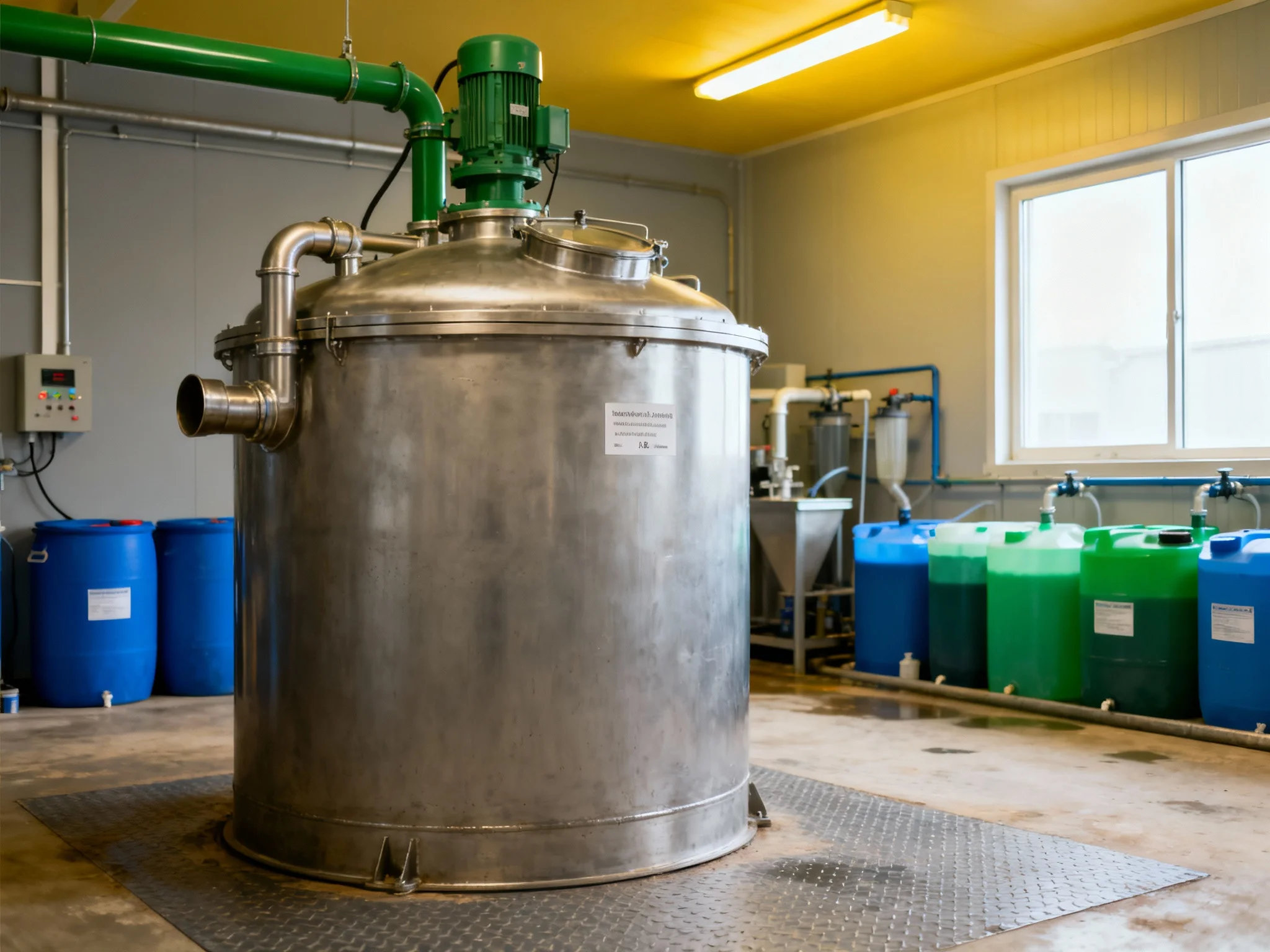
Low-Impact Dyeing Technologies have evolved dramatically since 2024, with several viable alternatives to conventional water-intensive dyeing:
- Waterless Dyeing Systems - Technologies utilizing CO2 or supercritical fluid dyeing reduce water usage by over 95% while improving dye penetration and colorfastness. These systems require significant capital investment but offer operational savings through water and chemical reduction.
- Natural Dye Programs - Plant-based dye extracts from indigo, turmeric, and madder root provide viable alternatives for specific color ranges, particularly in artisanal and organic product lines. These low-impact dyeing methods require specialized expertise but create unique color variations that command premium pricing.
- Digital Printing Advancements - Latex-free, water-based inks digital printing now offers color gamut and resolution approaching traditional screen printing while reducing water consumption by 80-90% and chemical usage by 65%. The technology also enables on-demand production, reducing waste from overstocking.
Energy and Water Conservation Measures complement sustainable dyeing technologies throughout the production process:
- Heat Recovery Systems capture and reuse energy from drying and setting processes, reducing overall energy consumption by 20-30%.
- Closed-Loop Water Systems recycle and treat process water, achieving 90%+ water reuse rates in leading facilities.
- Renewable Energy Integration - Solar and wind power now offset 30-100% of energy needs in progressive manufacturing facilities, with payback periods typically 3-5 years.
Waste Reduction Strategies complete the production sustainability picture:
- Pattern Optimization Software minimizes textile waste during cutting by up to 15% through advanced nesting algorithms.
- Production Scrap Recycling systems capture and repurpose cutting waste into filling materials or lower-value textile products.
- Chemical Management Programs reduce hazardous waste through substitution with safer alternatives and improved process controls.
Implementation Roadmap:
Manufacturers should prioritize process improvements based on both environmental impact and return on investment. Digital printing and water recycling typically provide the fastest payback, while renewable energy requires longer-term planning. A typical three-year implementation sequence might include:
- Year 1: Digital printing adoption, basic water conservation, initial material transition
- Year 2: Closed-loop water systems, waste reduction programs, expanded sustainable material options
- Year 3: Renewable energy integration, advanced dyeing technologies, comprehensive material transition
Circular Design Principles: Creating for Longevity and Recyclability
Design represents the critical interface between material selection and production processes in a circular system. Circular design principles ensure sustainability considerations are embedded in product development rather than added as an afterthought. Industry leaders have identified five essential circular design strategies for scarf manufacturing:
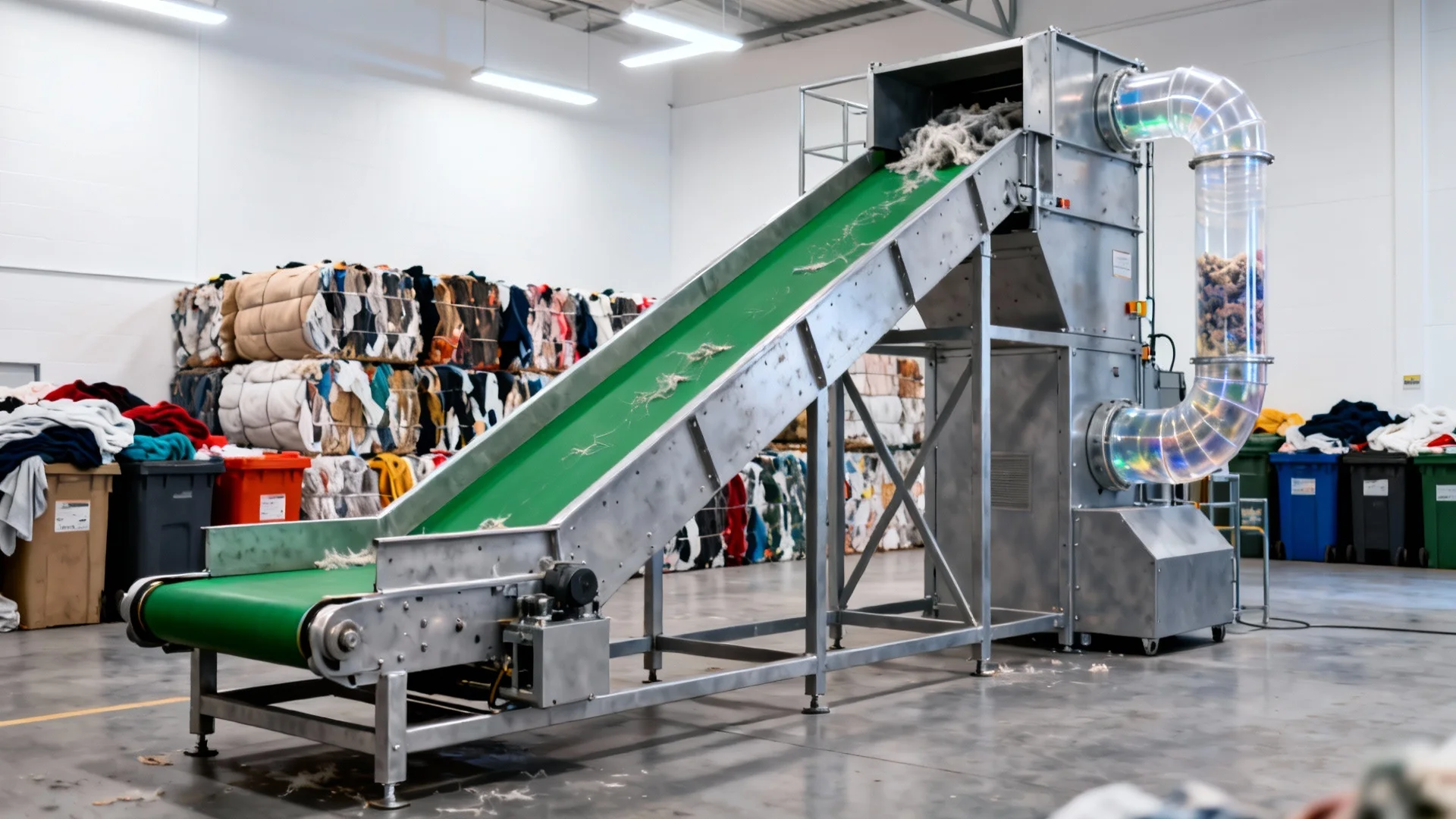
Modular Design Approaches enable component replacement and style customization, extending product lifecycles. Scarf designs incorporating detachable elements or interchangeable panels allow for style refreshment without complete product replacement.
Material Compatibility ensures products can be easily recycled by using compatible fiber blends and avoiding non-recyclable components. Leading designers recommend limiting material combinations to three or fewer compatible fibers to facilitate end-of-life processing.
Durability Engineering focuses on creating scarves that withstand extended use and multiple washing cycles. This includes reinforced edge treatments, colorfast materials, and quality construction techniques that maintain aesthetic appeal over time.
Timeless Aesthetic balances current fashion trends with classic design elements to extend product relevance beyond seasonal cycles. Design teams report success with "seasonless" core collections that form the foundation of sustainable lines.
End-of-Life Consideration includes design features that facilitate recycling or biodegradation, such as minimal hardware, biodegradable labels, and clear care instructions that promote longevity.
Practical Application:
Circular design requires cross-functional collaboration between design, production, and sustainability teams. Implementing a circular design checklist for new products ensures consistent application of these principles. Key checklist items include material composition and recyclability rating, estimated product lifespan, maintenance requirements, end-of-life disposal options, and potential for repurposing or recycling.
End-of-Life Management: Closing the Loop
Effective end-of-life management completes the circular production cycle by ensuring products continue to provide value after initial use. While still developing in the scarf industry, several promising approaches have emerged:
Take-Back Programs allow customers to return worn scarves for recycling or repurposing. These programs not only divert waste from landfills but also create customer engagement opportunities and valuable recycled material streams. Leading brands report take-back participants demonstrate 30% higher customer lifetime value than non-participants.
Recycling Partnerships with specialized textile recyclers ensure collected scarves are properly processed into new fiber inputs. Manufacturers should verify recycler capabilities for different fiber types to ensure genuine circularity rather than downcycling.
Upcycling Initiatives transform worn scarves into new products with higher perceived value, such as patchwork designs or accessory combinations. These initiatives create storytelling opportunities and premium positioning for sustainability efforts.
Biodegradable Options for certain product lines utilize materials that can safely decompose in industrial composting facilities. This offers a viable end-of-life option for simpler designs without mixed materials.
Implementation Challenges:
Despite their potential, end-of-life programs face significant implementation barriers, including collection logistics and costs, customer participation rates, limited recycling infrastructure for complex textile blends, and quality degradation in recycled fibers requiring downcycling. Manufacturers report successful programs typically combine multiple approaches while managing customer expectations about program limitations and benefits.
Overcoming Implementation Challenges: Practical Solutions for Manufacturers and Retailers
The transition to circular scarf production presents significant challenges, particularly for established manufacturers with existing production systems and supply chains. Based on industry experience and successful transformations, practical solutions have emerged for common implementation barriers. These approaches balance ideal sustainability outcomes with business realities, creating viable pathways for progressive manufacturers and their retail partners.
Addressing the Cost Challenge: Value-Based Pricing and Cost Optimization
The cost premium associated with sustainable production represents the most significant barrier to widespread adoption. Industry data indicates sustainable scarves typically cost 20-40% more to produce than conventional alternatives, creating pricing pressures in a competitive market. Three strategies have proven effective in addressing this challenge:
Value-Based Pricing Strategy focuses on communicating the full value of sustainable scarves to retail partners and end consumers. This includes not only environmental benefits but also quality advantages, durability improvements, and brand enhancement opportunities. Manufacturers report success with detailed sustainability impact reports that quantify water savings, carbon reduction, and waste diversion for specific products.
Cost Optimization Programs identify efficiency gains that offset sustainable production expenses. These include material optimization to reduce waste during cutting and production, energy efficiency measures that lower utility costs, process streamlining that reduces labor inputs, and digitalization to minimize sample waste and improve production accuracy.
Leading manufacturers have achieved 15-25% cost reductions in sustainable production lines through continuous improvement programs, significantly narrowing the cost gap with conventional production.
Strategic Partnership Models between manufacturers and retailers share the costs and benefits of sustainability initiatives. These partnerships may include joint development programs, volume commitments that reduce material costs, and shared marketing initiatives that leverage sustainability credentials.
Implementation Example:
A mid-sized scarf manufacturer serving boutique retailers implemented a three-year cost optimization program that included:
- Digital printing adoption reducing ink costs by 30% while enabling smaller minimum order quantities
- Material optimization software that reduced fabric waste by 18%
- Energy efficiency upgrades with 2-year payback period
- Joint sustainability marketing program with 10 key retail partners
The program reduced the cost premium of sustainable scarves from 35% to 12% over three years while increasing retail partner loyalty and average order values.
Building Supply Chain Capacity: Collaboration and Development
Sustainable scarf production requires supply chain capabilities that many manufacturers currently lack. Building this capacity demands strategic investment and collaboration across multiple tiers of the supply chain:
Supplier Development Programs work with material suppliers to improve sustainability performance and reduce costs through process optimization. These programs often include technical assistance, shared sustainability standards, and volume commitments that provide suppliers with the security to invest in sustainable practices.
Vertical Integration Strategies bring key sustainable production processes in-house, reducing dependency on external suppliers while improving quality control and cost management. Manufacturers report particular value in controlling dyeing and finishing processes, which have significant environmental impact and quality implications.
Consortium Approaches join multiple manufacturers to aggregate demand for sustainable materials, improving purchasing power and supplier interest. Industry consortia have successfully reduced sustainable material costs by 15-20% through collective purchasing while establishing common sustainability standards.
Technology Partnerships with equipment suppliers and research institutions accelerate adoption of sustainable production technologies. These partnerships often include shared development costs, pilot programs, and knowledge sharing that reduce implementation risks.
Capacity Building Timeline:
Manufacturers should anticipate a 2-3 year timeline for developing comprehensive sustainable supply chain capabilities. Key milestones include initial material certification and basic process improvements in year one, expanded supplier network and intermediate technology adoption in year two, and full supply chain integration and advanced technology implementation in year three.
Managing Technical Limitations: Innovation and Compromise
Technical challenges in sustainable production often require innovative approaches and strategic compromises balancing sustainability goals with quality requirements. Industry leaders have developed practical solutions for common technical barriers:
Material Blending Strategies combine sustainable materials to overcome performance limitations of individual fibers. For example, blending recycled silk with small percentages of organic cotton improves durability while maintaining sustainability credentials and luxury hand feel.
Process Innovation reimagines conventional production techniques for sustainability. This includes approaches like natural dyeing with improved colorfastness through botanical extracts and mordant combinations, and digital printing with eco-friendly inks that achieve color saturation approaching conventional options.
Design Adaptation modifies designs to work within sustainable production constraints while maintaining aesthetic appeal. This may involve simplifying complex patterns for digital printing or utilizing natural color variations in organic materials as design features rather than quality issues.
Technology Piloting tests emerging sustainable technologies on a limited scale to evaluate performance and cost-effectiveness before full implementation. Manufacturers report pilot programs for new dyeing technologies typically require 6-12 months of testing before scaling.
Technical Implementation Framework:
A structured approach to technical problem-solving ensures consistent progress while managing quality expectations:
- Identify technical barriers for specific product categories
- Research potential solutions and benchmark industry best practices
- Develop testing protocols that evaluate both sustainability and quality metrics
- Implement pilot programs with selected retail partners
- Refine approaches based on testing results and customer feedback
- Scale successful solutions across appropriate product lines
Case Studies: Circular Fashion in Practice
While comprehensive case studies of circular fashion implementation in scarf manufacturing remain limited, several promising examples demonstrate the practical application of circular principles. These examples, drawn from industry reports and manufacturer case studies, illustrate different approaches to circularity that address specific challenges and opportunities in the scarf market. Each case highlights valuable lessons for manufacturers and retailers considering sustainable transformation.
Case Study 1: Luxury Scarf Manufacturer's Material Transition Journey
A mid-sized European scarf manufacturer specializing in luxury silk accessories implemented a comprehensive material transition program that reduced environmental impact while maintaining premium quality standards. The company faced the challenge of justifying higher sustainable material costs to luxury retail partners while meeting exacting quality requirements.
Implementation Approach:
The manufacturer adopted a phased material transition strategy focusing initially on their best-selling designs to achieve economies of scale. Key elements included:
- Material Innovation Program that tested 23 sustainable material combinations before selecting three primary blends that met quality standards:
- 70% recycled silk / 30% organic cotton for luxury lines
- 60% recycled polyester / 40% Tencel™ for performance-oriented designs
- 100% organic cotton for casual scarf lines
- Digital Printing Adoption that reduced water consumption by 82% while enabling more intricate patterns with sustainable inks that achieved 90% of the colorfastness of conventional alternatives.
- Storytelling Integration that created compelling sustainability narratives for each product line, including QR codes linking to detailed impact reports and material sourcing stories.
Results and Lessons Learned:
After two years of implementation, the manufacturer achieved:
- 45% of production using sustainable materials
- 32% reduction in water consumption
- 27% reduction in carbon footprint
- 18% price premium acceptance by retail partners
- 25% increase in customer loyalty metrics
Key lessons included the importance of retail partner education, gradual implementation to manage supply chain disruption, and the value of transparent communication about sustainability limitations and progress.
Case Study 2: Small-Batch Manufacturer's Circular Business Model
A small scarf manufacturer serving independent boutiques implemented a circular business model that combined sustainable production with take-back programs and upcycling initiatives. With limited capital for technology investment, the company focused on low-tech, high-impact sustainability strategies.
Implementation Approach:
The manufacturer's circular system centered on three interconnected elements:
- Localized Production Network that minimized transportation impacts while enabling transparent manufacturing processes that could be showcased to consumers.
- Take-Back Program offering customers discounts on new purchases in exchange for returning worn scarves, which were then either recycled or upcycled.
- Material Innovation focusing on natural fibers and