The global fashion industry is undergoing a profound transformation as environmental concerns reshape production paradigms. Within this context, circular economy principles have emerged as a powerful framework for creating sustainable value in accessory manufacturing. Scarf production, in particular, presents unique opportunities for implementing closed-loop systems that minimize waste, conserve resources, and extend product lifecycles. This comprehensive analysis explores how innovative manufacturers are integrating circular economy practices into green scarf production, offering actionable insights for fashion brands, retailers, and industry professionals navigating the sustainability revolution.
The Business Case for Circularity in Scarf Manufacturing
The global scarf market is projected to reach USD 23.38 billion by 2025, with sustainability emerging as a key differentiator in this competitive landscape. Consumer behavior has undergone a dramatic shift—market research confirms that environmental considerations have transitioned from niche concerns to central purchasing criteria. Modern consumers, particularly in luxury and mid-market segments, now evaluate eco-friendly credentials alongside design and quality when making purchasing decisions.
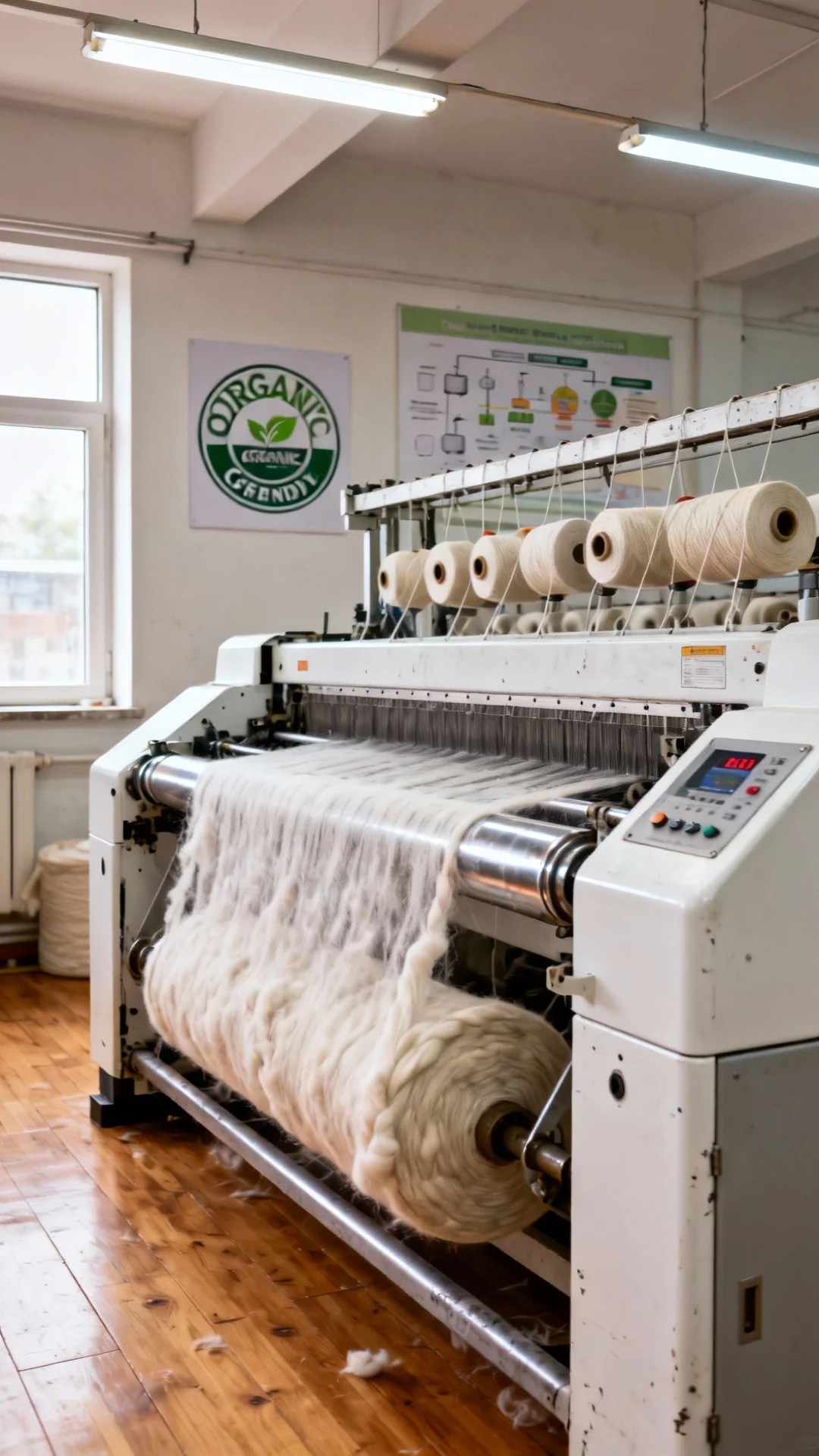
Forward-thinking companies embracing circular economy principles in scarf production are discovering multiple value streams beyond environmental benefits. These include enhanced brand reputation, reduced raw material costs through waste minimization, improved supply chain resilience, and access to the rapidly expanding demographic of environmentally conscious consumers. One leading sustainable textile manufacturer reported 18% lower material costs after implementing cutting waste recycling systems, while simultaneously commanding 15-20% price premiums for their eco-certified scarf lines.
The circular economy approach fundamentally transforms traditional linear "take-make-dispose" models into regenerative systems where materials maintain value through extended circulation. In scarf production specifically, this holistic approach encompasses innovative design for durability and recyclability, strategic material selection, manufacturing process optimization, and comprehensive end-of-life planning.
Sustainable Material Selection: Building Blocks of Circular Scarf Production
Material selection represents the foundational decision point when implementing circular economy principles in scarf manufacturing. The industry has witnessed remarkable innovation in this domain, with 2025 bringing increased adoption of sustainable material categories that balance environmental performance with aesthetic and functional requirements.
Recycled fibers have transitioned from niche alternatives to mainstream options, with post-consumer textile waste and plastic bottles serving as valuable feedstocks for high-quality scarf materials. Advanced recycling technologies now enable the transformation of mixed textile waste into fibers suitable for luxury applications—a process previously hindered by quality constraints. Industry best practices increasingly involve traceable recycled material streams with verified certification standards, ensuring transparency and authenticity.
Organic and biodegradable materials continue gaining traction, particularly in the luxury segment. Organic cotton, hemp, and bamboo offer viable alternatives to conventional fibers, delivering lower environmental impacts throughout their lifecycle. Innovations in natural dyeing processes have effectively addressed previous limitations regarding colorfastness and range, making these materials significantly more versatile for fashion applications.
Bio-based synthetics represent an emerging category showing considerable promise for circular scarf production. These materials mimic the performance characteristics of traditional synthetics while offering biodegradability under specific conditions. When combined with proper end-of-life collection systems, they can significantly reduce microplastic persistence in the environment.
Professional approaches to material selection typically incorporate comprehensive matrices evaluating not only environmental impacts but also recyclability and compatibility with existing production processes. One leading European scarf manufacturer implemented a sophisticated material scoring system weighting factors like biodegradability, water and energy requirements, and end-of-life options, resulting in a 35% reduction in their product carbon footprint.
Designing for Circularity: Innovation in Scarf Manufacturing Processes
Designing with circularity in mind requires a fundamental rethinking of traditional approaches to scarf production, from initial concept development through manufacturing techniques. This holistic methodology ensures each production stage actively contributes to circular economy goals of waste minimization, resource efficiency, and product longevity.
Pattern optimization has become a critical area for waste reduction in scarf cutting processes. Computer-aided design (CAD) systems with advanced nesting algorithms reduce material waste by up to 15% compared to manual layout methods. Progressive manufacturers have gone further by developing modular design systems where multiple scarf sizes and styles originate from a single optimized pattern layout, achieving waste reduction rates of 25% or more.
Zero-waste design principles are increasingly adopted, challenging designers to create scarf patterns that utilize the entire fabric surface without leftover material. While traditionally associated with simple shapes, innovative designers now create sophisticated, marketable zero-waste scarf designs through creative pattern engineering and strategic print placement.
Durability engineering ensures scarves maintain their aesthetic and functional properties over extended periods, extending product lifecycles and reducing replacement demand. This encompasses selecting appropriate material blends for longevity, reinforcing high-stress areas, and designing for easy repair when necessary. One luxury scarf brand reported a 40% reduction in return rates after implementing durability-focused design changes, accompanied by increased customer satisfaction scores.
Modular design approaches enable component replacement or style transformation, further extending product lifecycles. Detachable elements, interchangeable panels, and convertible designs allow scarves to adapt to changing fashion trends and functional needs, reducing the likelihood of premature disposal.
Industry success cases demonstrate that circular design approaches benefit the environment while driving innovation and market differentiation. One mid-sized scarf manufacturer specializing in sustainable designs reported 28% year-over-year growth after repositioning their brand around circular design principles, attracting new customers and positive media attention.
Waste Reduction and Resource Optimization in Production
The manufacturing phase offers significant opportunities for implementing circular economy principles through waste reduction and resource optimization. By reimagining production processes and implementing innovative technologies, scarf manufacturers can minimize environmental impacts while improving operational efficiency and cost-effectiveness.
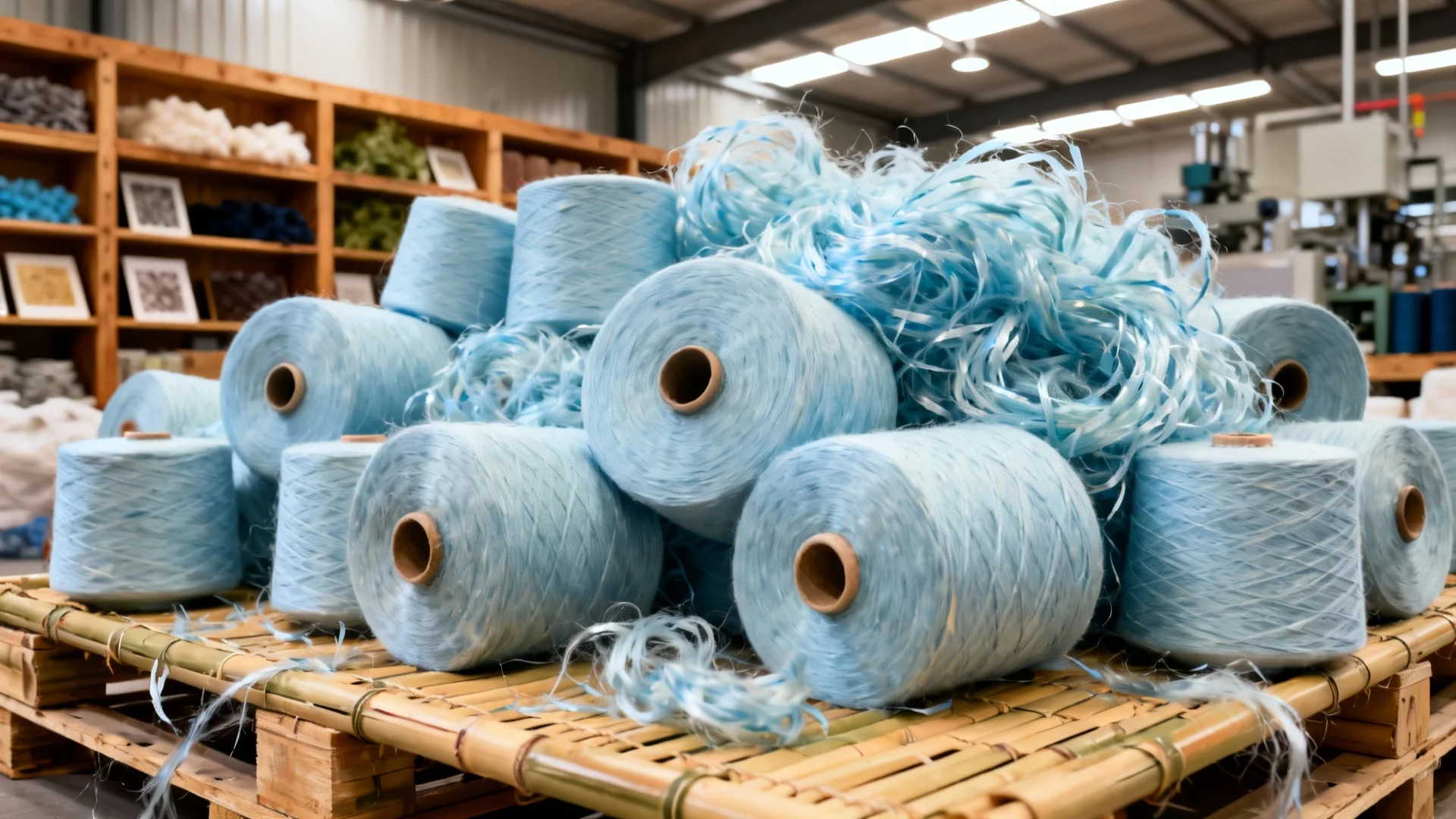
Cutting waste recycling systems have become standard practice among sustainability-focused scarf manufacturers. These systems collect textile offcuts and either reincorporate them into new products through recycling or repurpose them for complementary applications like stuffing, cleaning cloths, or accessory components. Advanced sorting technologies now allow more efficient separation of different fiber types, increasing the quality and value of recycled outputs.
Water conservation technologies are particularly crucial in scarf production, where dyeing and finishing processes traditionally consume significant water volumes. Closed-loop water recycling systems can reduce water usage by up to 90% in some applications. Innovative dyeing techniques like air dyeing and digital printing further minimize water requirements. One leading scarf manufacturer in Italy achieved a 76% reduction in water consumption per unit through these technologies, accompanied by substantial cost savings.
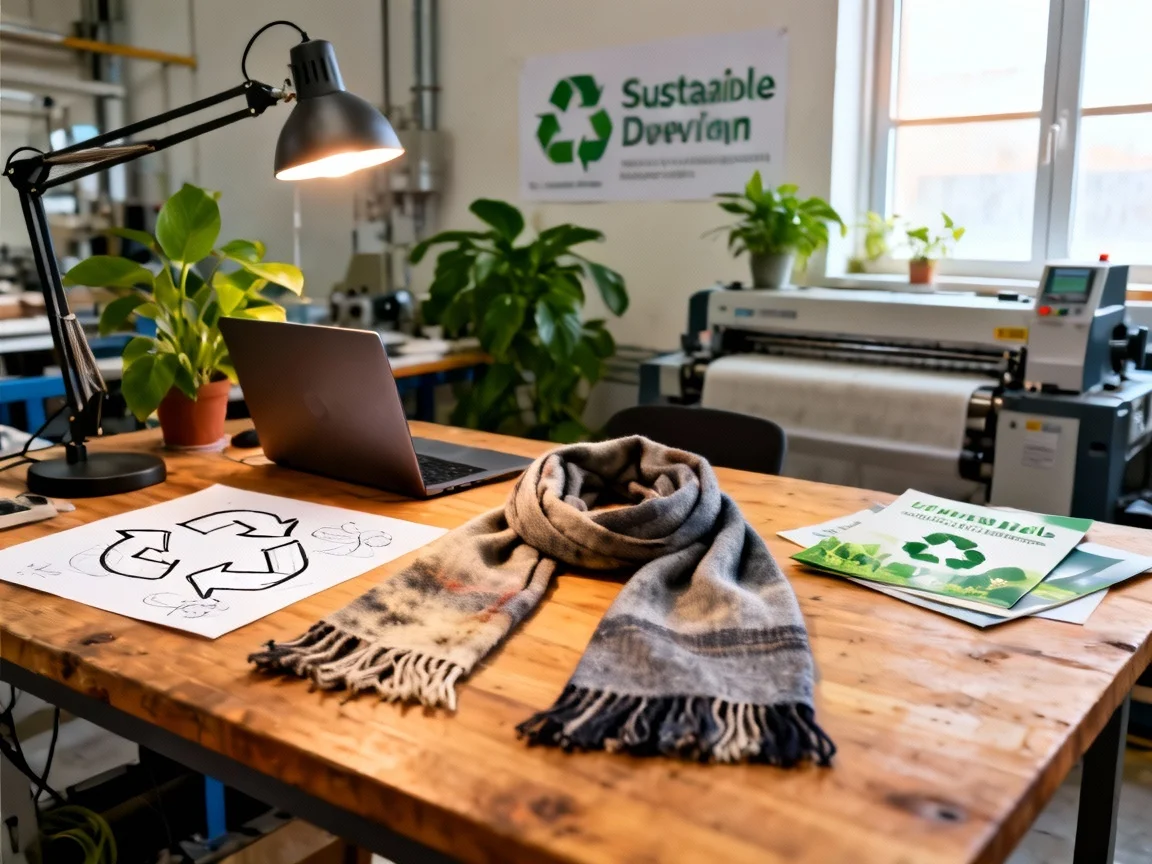
Energy efficiency measures throughout production significantly contribute to circular economy goals. Renewable energy integration, combined heat and power systems, and energy-efficient machinery drastically reduce the carbon footprint of scarf manufacturing. Some forward-thinking companies have achieved carbon-neutral production through a combination of efficiency measures and renewable energy procurement.
Chemical management systems ensure potentially harmful substances are either eliminated or carefully controlled throughout production. This includes adopting safer alternatives, improving tracking of chemical inputs and outputs, and implementing closed-loop chemical recovery systems where possible. These approaches reduce environmental impacts while improving workplace safety and product safety for consumers.
Practical experience shows that best practices for waste reduction in scarf production involve establishing clear measurement systems to track waste streams and resource consumption. By implementing regular waste audits and setting specific reduction targets, manufacturers can systematically identify improvement opportunities and measure progress over time. One case study documented a 32% reduction in overall production waste within 18 months of implementing such a structured approach.
End-of-Life Considerations: Closing the Loop in Scarf Production
A truly circular economy approach to scarf production must address end-of-life considerations, ensuring products continue creating value even after their initial useful life. This requires innovative thinking about product design, consumer education, and reverse logistics systems.
Take-back programs have become a critical component of circular scarf production models, allowing manufacturers to recover used products for recycling, reuse, or repurposing. These programs require convenient collection points, clear consumer communication, and efficient sorting and processing systems. Some brands have successfully integrated take-back incentives into customer loyalty programs, increasing participation rates while strengthening customer relationships.
Recycling infrastructure for textile products continues to improve, with technological advancements enabling higher-quality fiber-to-fiber recycling. This is particularly important for scarves, which often use high-quality materials that can be transformed into new textile products. Industry collaborations are working to standardize recycling processes and improve the economics of textile recycling, making it a more viable option for manufacturers.
Upcycling initiatives transform post-consumer scarves into new products with higher perceived value, creating additional revenue streams while diverting materials from landfills. This can involve creative redesign, combination with other materials, or incorporation into collaborative artisanal projects. Some manufacturers have developed successful upcycled product lines commanding premium prices, demonstrating the economic viability of this approach.
Product-as-a-service models are emerging in the luxury scarf segment, where customers pay for access rather than ownership. These models typically include regular style rotation and professional cleaning services, ensuring optimal scarf utilization while providing ongoing customer value. At the end of a product's service life, the manufacturer retains control, ensuring proper end-of-life processing.
Industry leaders are discovering that addressing end-of-life considerations not only supports circular economy goals but also provides valuable insights into material performance and customer usage patterns. This information feeds back into the design and production process, creating a continuous improvement cycle that drives further innovation and sustainability gains.
Implementation Challenges and Strategic Solutions
While implementing circular economy principles in scarf production offers clear benefits, manufacturers face several challenges when transitioning from traditional linear models. Understanding these obstacles and developing strategic solutions is critical for successful implementation and long-term sustainability.
Supply chain complexity often increases with circular economy implementation, requiring coordination with additional partners for recycling, waste management, and take-back programs. Developing strong relationships with specialized service providers and potentially reorganizing supply chain structures helps overcome these challenges. Some manufacturers have formed industry consortia to address shared circular economy infrastructure needs, reducing individual investment requirements.
Cost considerations represent a significant barrier, particularly for small and medium-sized manufacturers. Initial investments in new technologies, process redesign, and certification can be substantial, though often offset by long-term savings and market advantages. Phased implementation approaches allow for incremental investment while demonstrating early wins that build internal support for broader transformation.
Consumer education remains essential for maximizing the effectiveness of circular economy initiatives. Educating customers about proper care to extend product life, the importance of returning items for recycling, and the environmental benefits of circular products increases take-back program participation rates and justifies price premiums for sustainable options. Transparent communication about circular practices also builds brand trust and loyalty.
Regulatory compliance requires ongoing monitoring as environmental regulations evolve to address circular economy principles. Proactive engagement with regulatory bodies, industry associations, and sustainability standard-setting organizations helps manufacturers stay ahead of compliance requirements while shaping future regulations in a supportive direction.
Measurement and verification of circular economy performance presents unique challenges, as traditional metrics may not adequately capture resource circularity or waste reduction benefits. Implementing comprehensive sustainability measurement systems that track material flows, energy and water usage, and waste generation across the entire product lifecycle is essential for understanding performance, identifying improvement opportunities, and communicating achievements to stakeholders.
Practical experience shows that best practices for overcoming these challenges involve securing executive commitment, developing a clear circular economy strategy with measurable goals, engaging employees at all levels, and regularly reviewing and adjusting approaches based on implementation learnings. Manufacturers that approach circular economy transformation as a continuous journey rather than a one-time project are more likely to achieve sustained success.
Conclusion: The Future of Circular Economy in Scarf Production
Implementing circular economy principles in scarf production represents not just an environmental necessity but a strategic business opportunity in an increasingly sustainability-focused market. As consumer awareness grows and regulatory pressures intensify, manufacturers embracing circularity will be well-positioned to capture market share, enhance brand reputation, and build resilience against resource scarcity and price volatility.
The most successful circular economy implementations in scarf production take a holistic approach, integrating sustainable material selection, circular design principles, resource-efficient manufacturing processes, and comprehensive end-of-life strategies. By addressing each stage of the product lifecycle, manufacturers can create closed-loop systems that minimize environmental impact while creating economic value.
Looking ahead to 2026 and beyond, several emerging trends will likely shape the evolution of circular economy practices in scarf production. These include the development of more sophisticated recycling technologies capable of handling blended fibers, the expansion of digital platforms for product take-back and resale, and the integration of blockchain technology for enhanced supply chain transparency and material traceability.
For fashion brands and retailers seeking to partner with circular scarf manufacturers, key selection criteria should include comprehensive sustainability certifications, transparent communication about circular practices, demonstrated innovation in sustainable design, and robust take-back or recycling programs. Prioritizing these factors ensures that scarf offerings align with both environmental values and consumer expectations.
Ultimately, transitioning to circular economy principles in scarf production is part of the fashion industry's broader transformation toward more sustainable and responsible practices. As this transition accelerates, manufacturers, brands, and consumers all have important roles to play in creating a more circular future for fashion accessories. Those embracing this transformation early will not only contribute to environmental preservation but also position themselves for long-term success in a rapidly evolving market landscape.