In today's rapidly evolving fashion accessories market, selecting an appropriate digital scarf printing partner has become a critical strategic decision that directly influences product quality, brand reputation, and operational efficiency. As digital textile printing technology advances at an unprecedented pace—with the global market projected to grow at a 10.12% CAGR through 2030—manufacturers face both opportunities and challenges in identifying partners that align with their specific requirements.
Drawing on extensive industry experience collaborating with boutique owners, specialty retailers, and established fashion brands, this guide outlines essential evaluation criteria for identifying the ideal digital scarf printing partner. The following framework addresses core commercial considerations while providing actionable insights tailored for 2025 and beyond.
Evaluating Technology Capabilities
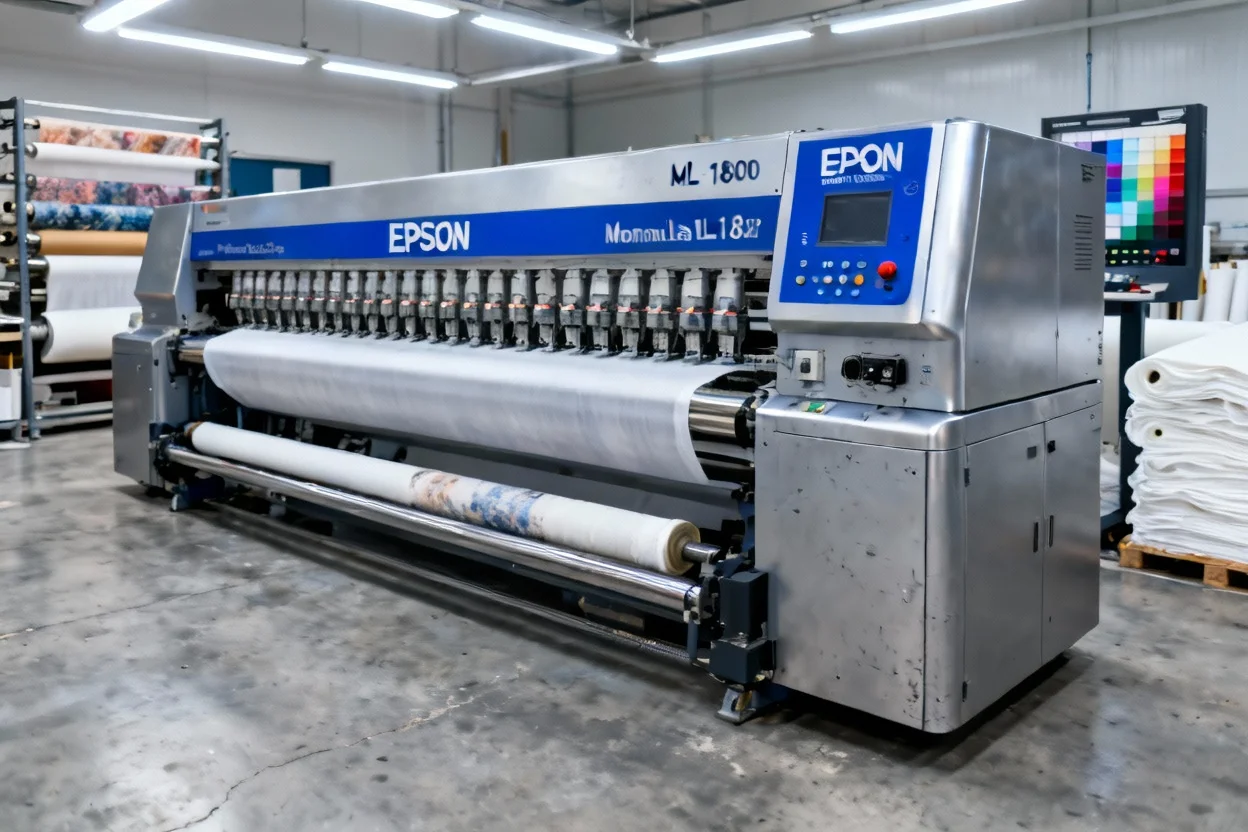
The foundation of any successful digital scarf printing partnership lies in the service provider's technological infrastructure. Begin your assessment by thoroughly examining printing equipment specifications and technological competencies.
Print Quality Metrics should prioritize resolution capabilities, where 600 DPI represents the current industry benchmark for high-end scarf production. Advanced systems like the Epson Monna Lisa ML-18000 deliver exceptional precision through 18 PrecisionCore printheads, achieving 600 x 600 dpi resolution at speeds up to 252 sqm/h. Color accuracy is equally crucial—seek partners utilizing advanced color management systems that reproduce Pantone colors with 95%+ accuracy while maintaining consistency across production runs.
Production Technology considerations now extend beyond basic printing capabilities. Leading partners increasingly implement AI-driven workflow automation for functions such as intelligent color correction, pattern scaling optimization, and predictive maintenance scheduling. This scarf printing automation not only enhances efficiency but also reduces errors and material waste significantly.
Material Compatibility remains essential, as different scarf materials—including silk, polyester, and wool blends—require specialized handling. Verify that potential partners possess demonstrable experience with your specific fabric types and can implement proper pretreatment and post-treatment processes that preserve fabric integrity while ensuring optimal color fastness.
Assessing Sustainability and Compliance Standards
In today's environmentally conscious marketplace, sustainability credentials have transitioned from optional differentiators to essential requirements for both luxury and mid-market brands. When evaluating digital printing partners, look beyond marketing claims to verify tangible sustainability practices.
Environmental Impact Metrics should include concrete data on water and energy consumption. While digital textile printing generally uses 95% less water than traditional screen printing, operational practices vary significantly between providers. Leading facilities implement closed-loop water recycling systems and energy-efficient drying technologies that reduce carbon footprints by 40-50% compared to conventional operations.
Certifications serve as valuable validation tools. The updated OEKO-TEX® 2025 standards, effective April 1, 2025, introduce stricter limits on PFAS chemicals and enhanced supply chain transparency requirements. Certifications like GOTS (Global Organic Textile Standard) and Cradle to Cradle provide additional assurance regarding sustainable material sourcing and circular production approaches.
Regulatory Compliance has become increasingly complex with the introduction of EU Digital Product Passport (DPP) requirements. By 2026, textile products sold in the EU must include digital documentation covering materials, production processes, and environmental impact. Ensure your printing partner has robust systems to generate and maintain these digital records, as non-compliance could restrict market access.
Analyzing Production Capacity and Flexibility
Reliable printing partners must demonstrate the ability to meet fluctuating demand while maintaining consistent quality standards. When assessing production capabilities, consider both quantitative capacity and qualitative flexibility.
Volume Capabilities should align with your current and projected needs. Evaluate minimum order quantities (MOQs)—many digital printers now offer MOQs as low as 20 pieces per design for standard sizes, facilitating on-demand scarf production models.同时, check maximum production capacities to ensure scalability. Advanced facilities utilizing state-of-the-art equipment can handle up to 250 square meters per hour, translating to approximately 300 standard scarves per hour.
Turnaround Times are critical for navigating time-sensitive fashion cycles. Leading partners leverage automation and streamlined workflows to achieve production times as short as 3-5 business days for small batches, compared to the industry average of 7-10 days. Ensure your partner provides guaranteed delivery timelines with clear service level agreements (SLAs) for rush orders.
Customization Capabilities distinguish exceptional partners in today's personalized market. Evaluate capabilities for variable data printing, which enables unique designs or monograms across a production run without additional setup costs. Assess the partner's ability to handle specialized finishes, including metallic inks, embossing effects, and hybrid printing techniques that combine digital precision with artisanal craftsmanship to create truly distinctive products.
Examining Quality Control and Technical Support
Consistent quality and reliable technical support form the foundation of successful long-term partnerships. Robust quality control processes and responsive support systems minimize production disruptions and ensure consistent output.
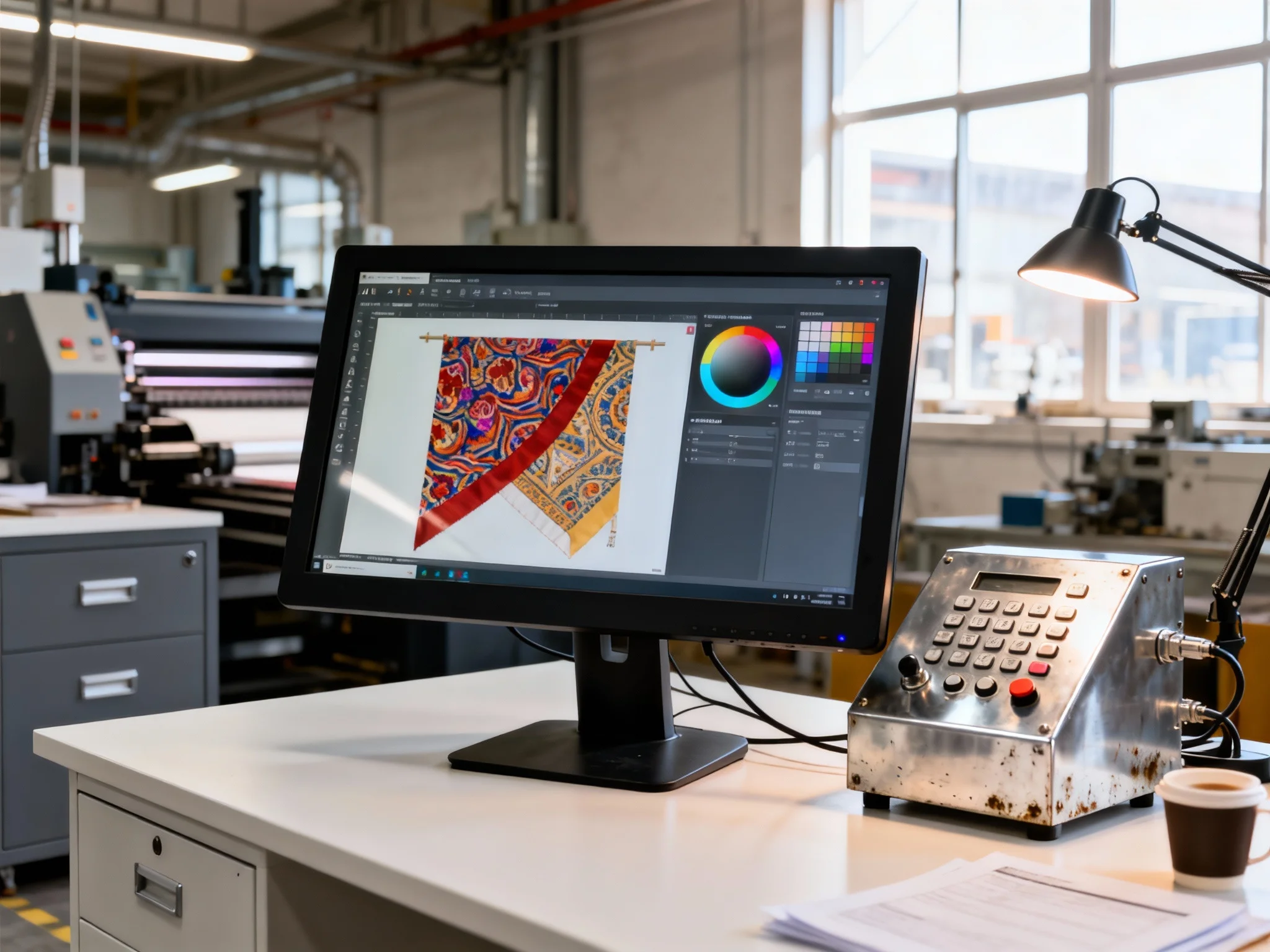
Quality Assurance Processes should incorporate multiple checkpoints throughout production. Leading partners implement automated inspection systems that use computer vision to detect defects with 99.7% accuracy, complemented by human quality control for subjective assessments of color matching and print aesthetics. Statistical Process Control (SPC) methodologies should monitor and maintain consistent quality metrics across all production runs.
Technical Support responsiveness significantly impacts your time-to-market. Establish clear SLAs for technical issue resolution—industry leaders typically offer 2-hour response times and 24-hour resolution for critical problems. Remote monitoring capabilities, now standard on advanced printing systems, allow for proactive maintenance and troubleshooting that minimizes downtime.
Color Management expertise is particularly important for scarf printing, where color vibrancy and consistency are paramount. Partners should use spectrophotometers for precise color measurement and maintain extensive color libraries with thousands of reference shades. Closed-loop color calibration systems ensure color consistency across production runs and between different printing technologies.
Understanding Cost Structure and Value Proposition
While upfront pricing is important, a comprehensive evaluation of cost structures reveals the true value proposition of potential printing partners. Consider both direct production costs and indirect value-added services.
Pricing Models vary among providers, with structures including per-unit pricing, tiered volume discounts, and subscription-based models for ongoing partnerships. digital textile printing typically involves lower setup costs than traditional methods but higher per-unit costs at lower volumes. For example, small batches (20-50 pieces) may cost $15-25 per scarf, while larger runs (500+ pieces) can reduce costs to $8-12 per unit, making digital printing increasingly cost-effective for medium to large production volumes.
Total Cost of Ownership considerations extend beyond direct printing costs. Evaluate value-added services like design assistance, pre-press file optimization, and finished product inspection. These services can reduce your internal workload and improve overall efficiency. Partners offering warehousing and fulfillment services can also streamline your supply chain and reduce logistics costs.
Investment in Innovation indicates a partner's commitment to long-term value creation. Ask about their technology upgrade roadmap and R&D investments—leading providers typically allocate 5-7% of revenue to developing new capabilities. This ensures access to emerging digital printing innovations as they become available, keeping your products at the forefront of market trends.
Verifying Client References and Industry Reputation
Third-party validation provides valuable insights into a printing partner's reliability and performance. A comprehensive reference check should include both quantitative metrics and qualitative assessments.
Client Testimonials from brands similar to yours offer the most relevant insights. Request references from clients with comparable volume requirements and quality standards. Inquire about their experiences with quality consistency, on-time delivery, and problem resolution. Look for partners with client retention rates above 85%, indicating high satisfaction levels.
Industry Recognition through awards and certifications provides additional assurance of quality and reliability. Accolades from organizations like the Textile Excellence Awards or Sustainable Fashion Forum highlight exceptional performance in quality and sustainability. Membership in industry associations such as FESPA (Federation of European Screen Printers' Associations) also demonstrates commitment to professional standards.
Streamlining Implementation and Onboarding
Transitioning to a new printing partner involves significant coordination and should be managed carefully to minimize disruptions. Evaluate both the technical and operational aspects of onboarding.
Technical Integration requirements include file format compatibility, color profile alignment, and production specifications documentation. Leading partners provide dedicated onboarding specialists who assist with color matching, material testing, and process optimization. A typical onboarding process includes sample production runs, quality validation, and workflow refinement before full-scale production begins.
Communication Protocols are essential for smooth ongoing collaboration. Establish clear channels for artwork submission, approval processes, and production updates. Many partners offer client portals with real-time production tracking that enables transparency throughout manufacturing. Regular performance reviews—monthly for new partnerships—help identify areas for improvement and ensure the relationship continues to meet expectations.
Future-Proofing Your Partnership
The fashion industry evolves rapidly with new technologies and shifting consumer demands. Selecting a partner with a forward-thinking approach ensures long-term relevance and competitiveness.
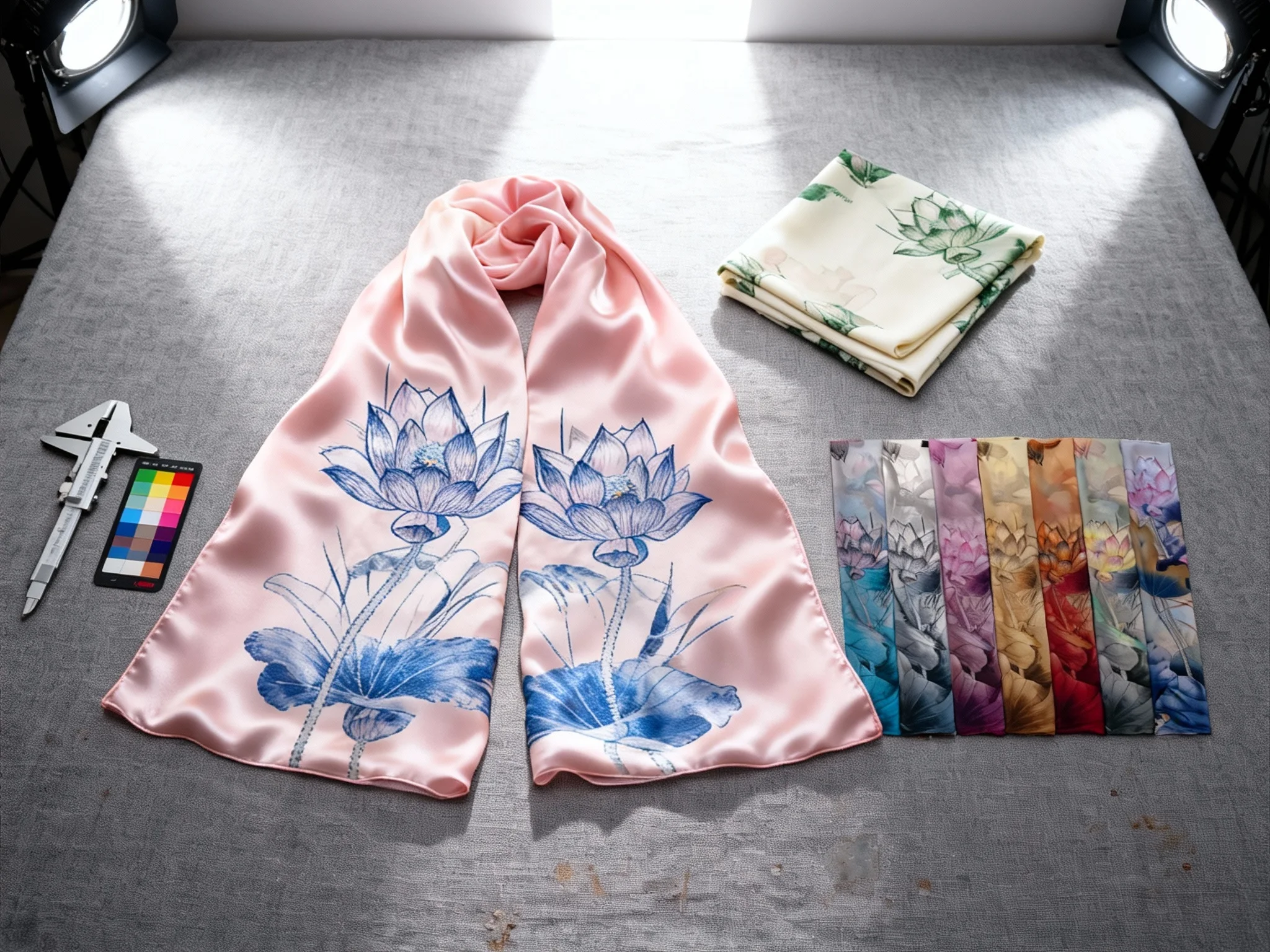
Technology Roadmap alignment is critical for future readiness. Ask about planned investments in emerging technologies like digital textile printing with conductive inks for smart accessories or bio-based pigment systems for enhanced sustainability. Partners should demonstrate a clear vision for technology adoption over the next 3-5 years.
Sustainability Innovation will continue driving industry transformation. Evaluate your partner's commitment to developing more sustainable practices, such as waterless printing technologies, carbon-neutral production, and circular systems for ink recycling. Leading providers already invest heavily in these areas, with some targeting carbon-neutral operations by 2030.
Market Insight capabilities provide valuable competitive advantages. Partners working with multiple fashion brands often have insights into emerging trends, material innovations, and consumer preferences. Look for opportunities to collaborate on development projects that leverage this market intelligence, potentially co-creating innovative scarf designs that resonate with evolving consumer demands.
Conclusion: Building Strategic Partnerships for Success
Selecting a digital scarf printing partner impacts multiple aspects of your business, from product quality and brand reputation to operational efficiency and market responsiveness. By systematically evaluating technology capabilities, sustainability practices, production flexibility, quality control systems, cost structures, and innovation potential, you can identify partners that align with your strategic objectives.
The most successful partnerships transcend mere transactions, evolving into collaborative alliances focused on mutual growth and innovation. As the digital textile printing landscape continues to advance—with technologies like AI-driven design tools, nanotechnology-based inks, and blockchain-enabled supply chain transparency on the horizon—these partnerships will become increasingly valuable.
When making your final selection, prioritize partners that demonstrate technical excellence, operational reliability, and a shared vision for sustainable, innovative, and customer-centric production. This strategic approach positions your brand to capitalize on emerging opportunities while maintaining the quality and integrity that define successful fashion accessories in today's competitive marketplace.
By investing time in selecting the right scarf digital printing technology partner, you'll gain a competitive edge through enhanced product quality, greater production flexibility, and access to the latest digital printing innovations that can transform your scarf offerings and drive business growth in the years ahead.</think># Choosing the Right Digital Scarf Printing Partner: A Comprehensive Guide for Manufacturers
In today's rapidly evolving fashion accessories market, selecting an appropriate digital scarf printing partner has become a critical strategic decision that directly influences product quality, brand reputation, and operational efficiency. As digital textile printing technology advances at an unprecedented pace—with the global market projected to grow at a 10.12% CAGR through 2030—manufacturers face both opportunities and challenges in identifying partners that align with their specific requirements.
Drawing on extensive industry experience collaborating with boutique owners, specialty retailers, and established fashion brands, this guide outlines essential evaluation criteria for identifying the ideal digital scarf printing partner. The following framework addresses core commercial considerations while providing actionable insights tailored for 2025 and beyond.
Evaluating Technology Capabilities
The foundation of any successful digital scarf printing partnership lies in the service provider's technological infrastructure. Begin your assessment by thoroughly examining printing equipment specifications and technological competencies.
Print Quality Metrics should prioritize resolution capabilities, where 600 DPI represents the current industry benchmark for high-end scarf production. Advanced systems like the Epson Monna Lisa ML-18000 deliver exceptional precision through 18 PrecisionCore printheads, achieving 600 x 600 dpi resolution at speeds up to 252 sqm/h. Color accuracy is equally crucial—seek partners utilizing advanced color management systems that reproduce Pantone colors with 95%+ accuracy while maintaining consistency across production runs.
Production Technology considerations now extend beyond basic printing capabilities. Leading partners increasingly implement AI-driven workflow automation for functions such as intelligent color correction, pattern scaling optimization, and predictive maintenance scheduling. This scarf printing automation not only enhances efficiency but also reduces errors and material waste significantly.
Material Compatibility remains essential, as different scarf materials—including silk, polyester, and wool blends—require specialized handling. Verify that potential partners possess demonstrable experience with your specific fabric types and can implement proper pretreatment and post-treatment processes that preserve fabric integrity while ensuring optimal color fastness.
Assessing Sustainability and Compliance Standards
In today's environmentally conscious marketplace, sustainability credentials have transitioned from optional differentiators to essential requirements for both luxury and mid-market brands. When evaluating digital printing partners, look beyond marketing claims to verify tangible sustainability practices.
Environmental Impact Metrics should include concrete data on water and energy consumption. While digital textile printing generally uses 95% less water than traditional screen printing, operational practices vary significantly between providers. Leading facilities implement closed-loop water recycling systems and energy-efficient drying technologies that reduce carbon footprints by 40-50% compared to conventional operations.
Certifications serve as valuable validation tools. The updated OEKO-TEX® 2025 standards, effective April 1, 2025, introduce stricter limits on PFAS chemicals and enhanced supply chain transparency requirements. Certifications like GOTS (Global Organic Textile Standard) and Cradle to Cradle provide additional assurance regarding sustainable material sourcing and circular production approaches.
Regulatory Compliance has become increasingly complex with the introduction of EU Digital Product Passport (DPP) requirements. By 2026, textile products sold in the EU must include digital documentation covering materials, production processes, and environmental impact. Ensure your printing partner has robust systems to generate and maintain these digital records, as non-compliance could restrict market access.
Analyzing Production Capacity and Flexibility
Reliable printing partners must demonstrate the ability to meet fluctuating demand while maintaining consistent quality standards. When assessing production capabilities, consider both quantitative capacity and qualitative flexibility.
Volume Capabilities should align with your current and projected needs. Evaluate minimum order quantities (MOQs)—many digital printers now offer MOQs as low as 20 pieces per design for standard sizes, facilitating on-demand scarf production models.同时, check maximum production capacities to ensure scalability. Advanced facilities utilizing state-of-the-art equipment can handle up to 250 square meters per hour, translating to approximately 300 standard scarves per hour.
Turnaround Times are critical for navigating time-sensitive fashion cycles. Leading partners leverage automation and streamlined workflows to achieve production times as short as 3-5 business days for small batches, compared to the industry average of 7-10 days. Ensure your partner provides guaranteed delivery timelines with clear service level agreements (SLAs) for rush orders.
Customization Capabilities distinguish exceptional partners in today's personalized market. Evaluate capabilities for variable data printing, which enables unique designs or monograms across a production run without additional setup costs. Assess the partner's ability to handle specialized finishes, including metallic inks, embossing effects, and hybrid printing techniques that combine digital precision with artisanal craftsmanship to create truly distinctive products.
Examining Quality Control and Technical Support
Consistent quality and reliable technical support form the foundation of successful long-term partnerships. Robust quality control processes and responsive support systems minimize production disruptions and ensure consistent output.
Quality Assurance Processes should incorporate multiple checkpoints throughout production. Leading partners implement automated inspection systems that use computer vision to detect defects with 99.7% accuracy, complemented by human quality control for subjective assessments of color matching and print aesthetics. Statistical Process Control (SPC) methodologies should monitor and maintain consistent quality metrics across all production runs.
Technical Support responsiveness significantly impacts your time-to-market. Establish clear SLAs for technical issue resolution—industry leaders typically offer 2-hour response times and 24-hour resolution for critical problems. Remote monitoring capabilities, now standard on advanced printing systems, allow for proactive maintenance and troubleshooting that minimizes downtime.
Color Management expertise is particularly important for scarf printing, where color vibrancy and consistency are paramount. Partners should use spectrophotometers for precise color measurement and maintain extensive color libraries with thousands of reference shades. Closed-loop color calibration systems ensure color consistency across production runs and between different printing technologies.
Understanding Cost Structure and Value Proposition
While upfront pricing is important, a comprehensive evaluation of cost structures reveals the true value proposition of potential printing partners. Consider both direct production costs and indirect value-added services.
Pricing Models vary among providers, with structures including per-unit pricing, tiered volume discounts, and subscription-based models for ongoing partnerships. digital textile printing typically involves lower setup costs than traditional methods but higher per-unit costs at lower volumes. For example, small batches (20-50 pieces) may cost $15-25 per scarf, while larger runs (500+ pieces) can reduce costs to $8-12 per unit, making digital printing increasingly cost-effective for medium to large production volumes.
Total Cost of Ownership considerations extend beyond direct printing costs. Evaluate value-added services like design assistance, pre-press file optimization, and finished product inspection. These services can reduce your internal workload and improve overall efficiency. Partners offering warehousing and fulfillment services can also streamline your supply chain and reduce logistics costs.
Investment in Innovation indicates a partner's commitment to long-term value creation. Ask about their technology upgrade roadmap and R&D investments—leading providers typically allocate 5-7% of revenue to developing new capabilities. This ensures access to emerging digital printing innovations as they become available, keeping your products at the forefront of market trends.
Verifying Client References and Industry Reputation
Third-party validation provides valuable insights into a printing partner's reliability and performance. A comprehensive reference check should include both quantitative metrics and qualitative assessments.
Client Testimonials from brands similar to yours offer the most relevant insights. Request references from clients with comparable volume requirements and quality standards. Inquire about their experiences with quality consistency, on-time delivery, and problem resolution. Look for partners with client retention rates above 85%, indicating high satisfaction levels.
Industry Recognition through awards and certifications provides additional assurance of quality and reliability. Accolades from organizations like the Textile Excellence Awards or Sustainable Fashion Forum highlight exceptional performance in quality and sustainability. Membership in industry associations such as FESPA (Federation of European Screen Printers' Associations) also demonstrates commitment to professional standards.
Streamlining Implementation and Onboarding
Transitioning to a new printing partner involves significant coordination and should be managed carefully to minimize disruptions. Evaluate both the technical and operational aspects of onboarding.
Technical Integration requirements include file format compatibility, color profile alignment, and production specifications documentation. Leading partners provide dedicated onboarding