In the rapidly evolving fashion accessories industry, retail chains face immense pressure to continuously refresh product lines while maintaining cost efficiency and meeting seasonal demands. This case study examines how FENNYSUN, a leading scarf manufacturer with over 30 years of specialized experience, transformed a retail partner's ability to launch over 200 unique scarf designs annually. Through strategic supply chain optimization and manufacturing process improvements, FENNYSUN demonstrated how lean scarf manufacturing principles and supply chain transparency deliver tangible business outcomes in the competitive fashion accessories market.
The Challenge: Balancing Design Diversity with Production Efficiency
Fashion retail operates on tight seasonal cycles, with consumer preferences evolving rapidly. The retail chain faced a critical challenge: existing manufacturing partners required minimum order quantities that restricted design variety, while production lead times often exceeded 12 weeks—far too slow to capitalize on emerging trends. Their design team generated innovative concepts at a rate of over 300 ideas annually, but traditional manufacturing constraints limited actual production to fewer than 80 designs per year.
"The disconnect between creative potential and production capability was frustrating," noted the retail chain's buying director. "We were leaving market opportunities on the table while carrying excess inventory of slower-moving designs."
This scenario is common in textiles, where conventional manufacturing struggles to balance customization with efficiency. The retail chain needed a manufacturing partner capable of handling smaller production runs without sacrificing economies of scale, while compressing time-to-market to capitalize on trend windows that typically last only 6-8 weeks.
FENNYSUN's Strategic Approach: Integrated Supply Chain Optimization
FENNYSUN's solution addressed three critical dimensions of the retail chain's challenge: production workflow reorganization, digital technology integration, and supply chain transparency. Drawing on three decades of printed scarf manufacturing expertise, the company implemented a comprehensive optimization strategy that transformed the traditional linear production model into a flexible, demand-driven system.
1. Digital Transformation of Design and Production
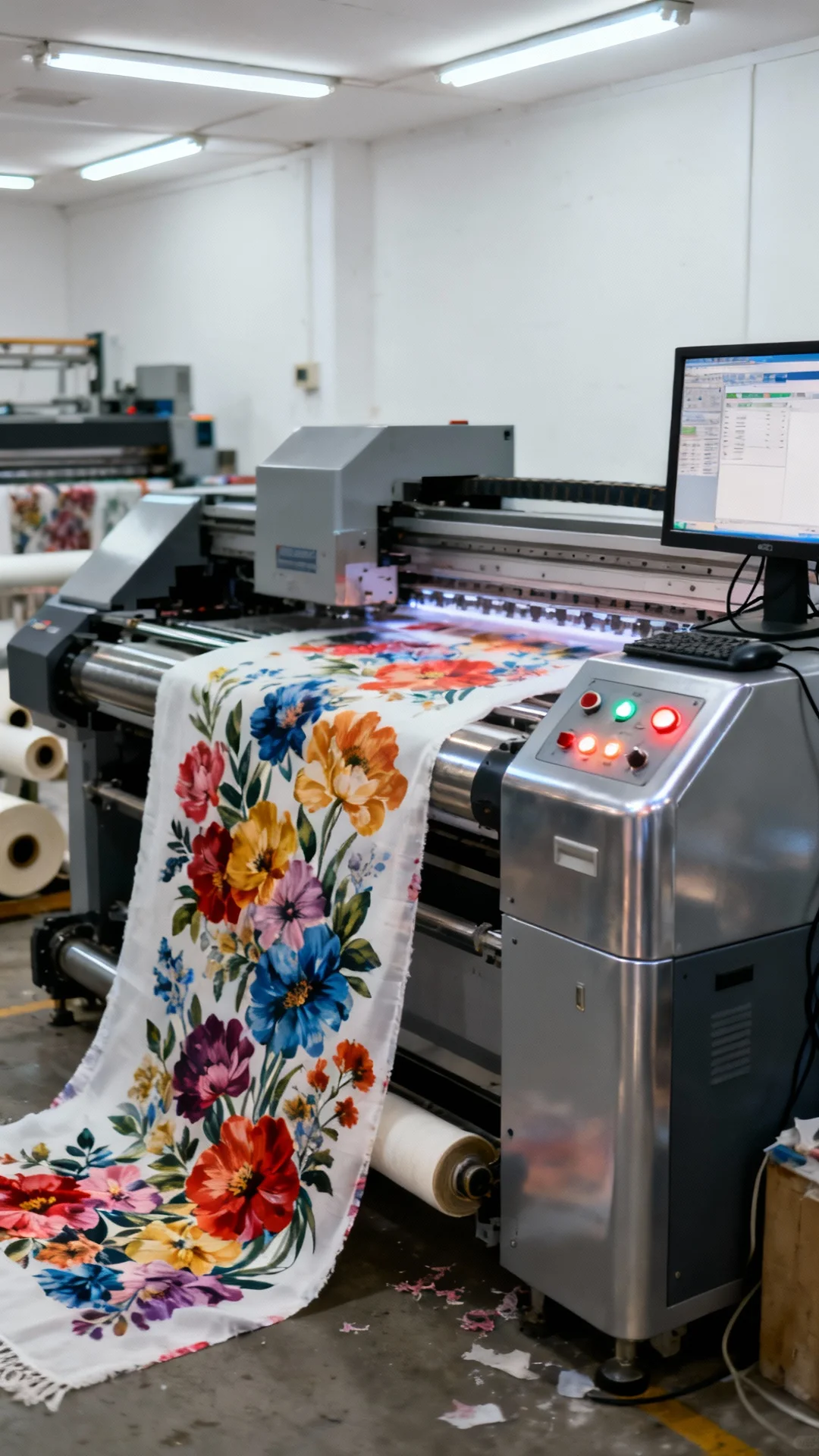
Central to FENNYSUN's approach was implementing high-speed digital textile printing technology, which eliminated many traditional bottlenecks in scarf production. Unlike conventional screen printing that requires expensive setup for each color and design, digital printing enabled producing multiple designs simultaneously with minimal changeover time.
"Digital printing was a game-changer for small-batch production," explains FENNYSUN's production director. "We could move from digital design approval to finished product in a fraction of the time while maintaining the premium quality our clients expect."
This technological shift reduced the minimum viable production run by 70%, allowing the retail chain to test new designs with smaller initial quantities before scaling successful ones. Concurrently, FENNYSUN developed a proprietary design submission portal that streamlined the technical evaluation process, providing automated feedback on print feasibility and material recommendations within 48 hours of design submission.
2. Lean Manufacturing Principles Applied to Textile Production
Beyond technology implementation, FENNYSUN reorganized its production facility using lean manufacturing principles adapted specifically for textile production. The company implemented a cellular manufacturing layout that grouped related processes, reducing material handling time by 35% and cutting work-in-progress inventory by nearly half.
Standardized work instructions and cross-training programs ensured production flexibility, allowing the facility to reallocate labor resources based on real-time demand signals. This agility proved crucial during peak seasonal periods, enabling scaling production up by 40% without corresponding increases in lead times.
Most significantly, FENNYSUN implemented a continuous improvement program that engaged production workers in identifying process inefficiencies. Over an 18-month period, this program generated 127 improvement suggestions, 83% of which were implemented, resulting in a cumulative 22% reduction in production variances.
3. Supply Chain Transparency and Collaborative Planning
Recognizing supply chain optimization extends beyond the manufacturing facility, FENNYSUN implemented blockchain technology to provide unprecedented visibility into material sourcing and production status. This transparency enabled the retail chain to make more informed purchasing decisions while verifying the sustainability claims of each product.
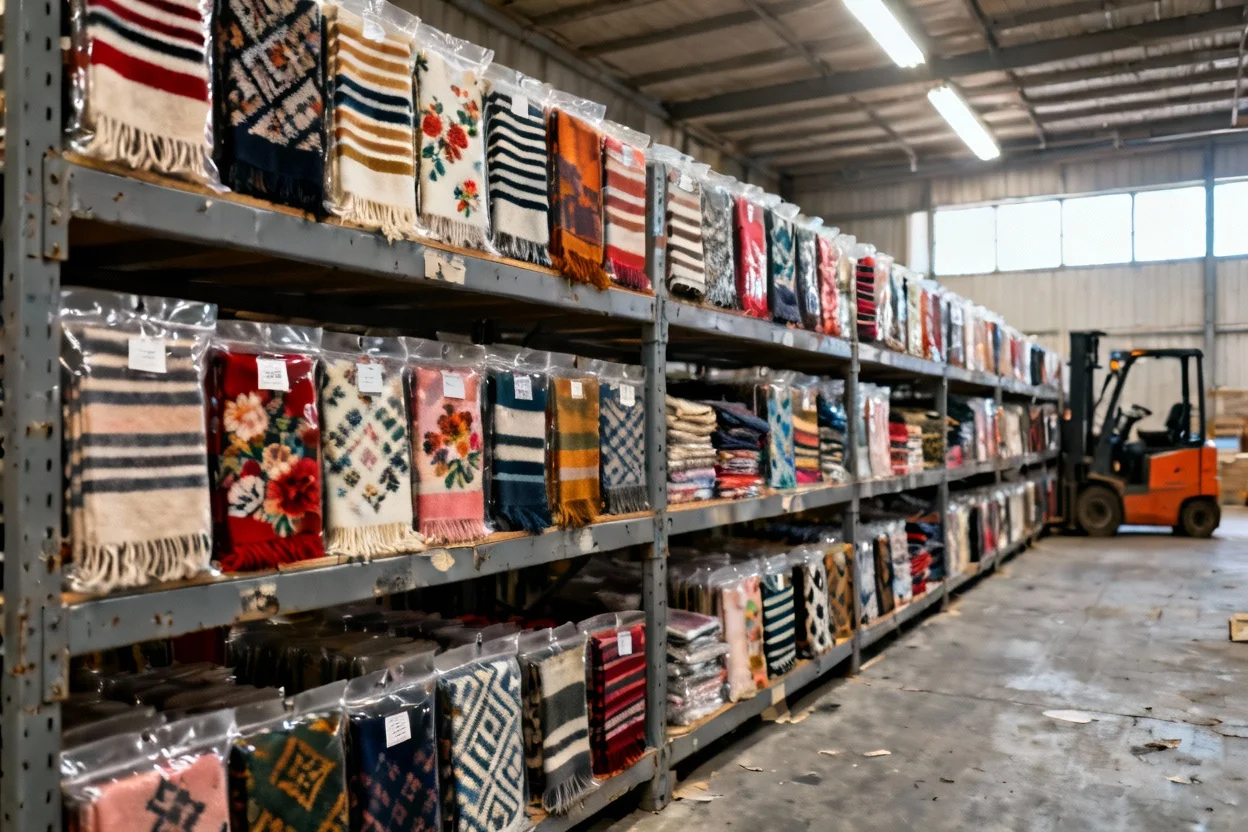
The manufacturer also established a collaborative planning, forecasting, and replenishment (CPFR) process with the retail chain, sharing point-of-sale data to drive production decisions. This demand-driven approach reduced stockouts by 40% while decreasing excess inventory by 28%, as production could be adjusted based on actual sales performance rather than forecasts alone.
Measurable Results: Transforming Retail Capabilities
The integrated supply chain optimization strategy yielded quantifiable benefits for both FENNYSUN and the retail chain. Within the first year of implementation, the retail chain successfully launched 217 unique scarf designs across its store network—a 171% increase over previous capabilities—while reducing average lead times from 12 weeks to just 35 days.
Key Performance Improvements
| Performance Metric | Pre-Optimization | Post-Optimization | Improvement |
|---------------------|-------------------|--------------------|-------------|
| Annual Design Launches | 80 | 217 | 171% |
| Average Lead Time | 84 days | 35 days | 59% |
| Minimum Production Run | 500 units | 150 units | 70% |
| Order Fulfillment Rate | 82% | 98% | 16% |
| Inventory Turnover | 4.2 turns/year | 6.8 turns/year | 62% |

Beyond these operational metrics, the partnership delivered significant business outcomes for the retail chain. Scarf category revenue increased by 65% year-over-year, with gross margins improving by 8 percentage points due to reduced markdowns on excess inventory. Customer satisfaction scores for the scarf category rose from 76% to 91%, reflecting both improved product quality and greater design variety.
Implementation Challenges and Solutions
The transformation wasn't without challenges. Initial resistance from some long-tenured production staff required a comprehensive change management program that included skills training, incentive alignment, and clear communication of benefits for both employees and customers.
Material sourcing presented another hurdle, as the shift to smaller production runs increased the complexity of fabric procurement. FENNYSUN addressed this by developing a strategic partnership with a textile mill that could provide smaller batch quantities of sustainable fabrics with guaranteed quality consistency. This partnership included joint forecasting and a shared inventory management system that reduced material lead times by 25%.
The most significant challenge involved aligning the expectations and processes of the retail chain's design and buying teams with FENNYSUN's production capabilities. This required extensive collaborative planning sessions and developing a shared digital dashboard that provided real-time visibility into design status, production progress, and inventory levels across both organizations.
Strategic Implications for Fashion Retailers
This case study demonstrates several critical lessons for fashion retailers seeking to balance design innovation with operational efficiency:
The Technology-Process-People Triad
FENNYSUN's success stemmed from balanced investment in technology, process redesign, and people development. Digital printing technology alone wouldn't have delivered the observed improvements without corresponding changes to production workflows and employee training programs.
The Value of Supply Chain Transparency
Implementing blockchain technology and collaborative planning processes created trust between the retail chain and its manufacturing partner, enabling more agile decision-making and reducing the need for safety stock.
Sustainable Practices as a Competitive Advantage
Throughout the optimization process, FENNYSUN maintained its commitment to sustainable manufacturing practices. The digital printing process reduced water consumption by 40% compared to traditional methods, while the demand-driven production model minimized textile waste. These sustainability benefits became a marketing advantage for the retail chain, resonating with increasingly environmentally conscious consumers.
Conclusion: Redefining Possibilities in Fashion Manufacturing
The partnership between FENNYSUN and the retail chain demonstrates how strategic supply chain optimization can transform a traditional manufacturing constraint into a competitive advantage. By reimagining production processes, implementing appropriate digital technologies, and fostering true collaboration between design and manufacturing teams, the partners achieved what many in the industry considered impossible: launching over 200 unique scarf designs annually while improving operational efficiency and sustainability.
For fashion retailers navigating an increasingly complex market landscape, this case study offers a clear roadmap for transforming supply chain capabilities from cost centers to engines of innovation and growth. As consumer demands for both variety and sustainability continue to intensify, manufacturers that can deliver on both dimensions will undoubtedly gain significant market advantage.
This case study highlights how FENNYSUN transformed a retail chain's scarf category performance through strategic supply chain optimization and manufacturing innovation. By integrating digital printing technology, lean manufacturing principles, and collaborative planning processes, FENNYSUN enabled the retail partner to increase annual design launches by 171% while reducing lead times by 59% and improving inventory turnover by 62%. The implementation demonstrates the critical importance of balancing technological investment with process redesign and people development in achieving operational excellence. For fashion retailers seeking to compete in an increasingly dynamic market, FENNYSUN's approach offers a proven framework for transforming supply chain constraints into competitive advantages through agility, transparency, and sustainable practices.