In the highly competitive fashion accessories market, emerging brands face significant hurdles in establishing market presence and achieving sustainable growth. Drawing on extensive industry experience working with both established labels and new designers, we've witnessed how strategic private label manufacturing partnerships can serve as powerful growth catalysts. This case study examines how a startup fashion brand leveraged private label scarf manufacturing to achieve remarkable 300% growth within just 18 months. Through innovative design collaboration, sustainable production practices, and strategic brand alignment, the brand successfully navigated industry challenges and transformed its market position.
The Startup Challenge: Breaking Into the Accessory Market
The fashion accessories market presents unique obstacles for new entrants, particularly in the scarf segment valued at over $21 billion globally in 2025. Our case study focuses on a London-based startup (referred to as "Brand X" for confidentiality) that launched in late 2023 with a limited collection of apparel and accessories. While their core clothing line received positive reception, the brand struggled to diversify revenue streams and achieve profitability—a common challenge in the industry. McKinsey's 2025 Fashion Industry Report highlights that 67% of fashion startups fail to reach their second year of operation, underscoring the difficulties faced by emerging brands.

Brand X encountered three critical challenges typical for emerging labels:
- Production Scale Limitations: Small minimum order quantities (MOQs) from traditional manufacturers resulted in prohibitively high per-unit costs, undermining both profitability and competitive pricing strategy. Industry benchmarks indicate startups typically pay 35-50% more per unit than established brands due to smaller order volumes.
- Design Execution Gaps: The brand's in-house design team created distinctive print patterns and color stories but lacked technical expertise to translate these concepts into production-ready specifications. This gap was particularly challenging for luxury fabrics like silk and cashmere that aligned with their target market positioning.
- Sustainability Alignment: Modern consumers increasingly prioritize ethical production practices. Nielsen's 2025 Global Sustainability Report notes that 63% of millennial and Gen Z consumers will pay premium prices for sustainably produced accessories. Brand X needed manufacturing partners who could deliver on environmental commitments without compromising quality or significantly increasing costs.
These challenges reflect broader industry trends identified in the 2025 Scarf Market Report, which emphasizes that successful market entry now requires simultaneous excellence in design differentiation, production efficiency, and sustainability credentials—areas where private label manufacturing provides significant advantages when strategically implemented.
Strategic Partnership Formation: Selecting the Right Manufacturing Partner
After six months of limited growth, Brand X recognized the need for a specialized manufacturing partner to overcome operational barriers. Their selection process followed a rigorous evaluation framework recommended as industry best practice for fashion brand-manufacturer relationships—a process that has become increasingly critical as the scarf market consolidates, with Business Research Insights projecting that the top 10 manufacturers will control 42% of global production by 2027.
The brand's due diligence focused on three core evaluation criteria:
1. Technical Capabilities Assessment
Brand X required manufacturing partners with advanced digital printing technology capable of reproducing complex patterns with exceptional color accuracy—a capability identified by Accio's 2025 Trends Report as increasingly important for scarf differentiation. The brand evaluated 12 potential manufacturers across three continents, conducting factory audits and requesting sample productions of their most complex designs. This technical validation revealed significant variability in output quality, with only 3 of the 12 manufacturers meeting their color matching standards and detail reproduction requirements for intricate motifs.
2. Sustainability Credentials Verification
Aligning with brand values and market positioning, Brand X prioritized manufacturers with verified sustainable practices. They implemented a scoring system based on five environmental criteria: material sourcing (30% weight), production processes (25%), waste management (20%), energy usage (15%), and social responsibility (10%). This assessment framework, mirroring methodologies used by luxury fashion conglomerates, ensured objective comparison of potential partners. The winning manufacturer demonstrated 85% use of sustainable materials, including certified organic silk and recycled cashmere blends, along with a carbon-neutral production facility—credentials that later became key marketing differentiators for Brand X's scarf collection.
3. Commercial Flexibility Evaluation
Critical for a startup with limited capital, Brand X needed manufacturing partners offering flexible commercial terms. They negotiated tiered pricing structures that reduced per-unit costs as order volumes increased and secured a graduated MOQ schedule starting at 50 units per design—well below the industry standard of 200-300 units—with commitments to reduce these minimums further as the partnership matured. This commercial arrangement provided financial flexibility to test multiple designs while managing inventory risk, a strategy identified by NIQ's 2025 Private Label Report as increasingly adopted by successful fashion startups.
The selected manufacturing partner demonstrated excellence across all three dimensions, providing technical capabilities to execute complex designs, sustainability credentials aligned with market demand, and commercial flexibility necessary for a resource-constrained startup. This scarf brand partnership structure proved instrumental in addressing all three initial challenges while creating new opportunities for growth and market differentiation.
Collaborative Design and Production Process
The operational framework established between Brand X and their manufacturing partner exemplifies best practices in private label scarf production, incorporating elements that have become industry standards for successful brand-manufacturer collaboration in 2025. This structured approach not only addressed the brand's initial challenges but created competitive advantages through accelerated time-to-market and design innovation—factors McKinsey's Fashion Practice identifies as critical differentiators in today's rapidly evolving accessory market.
Design Development Phase
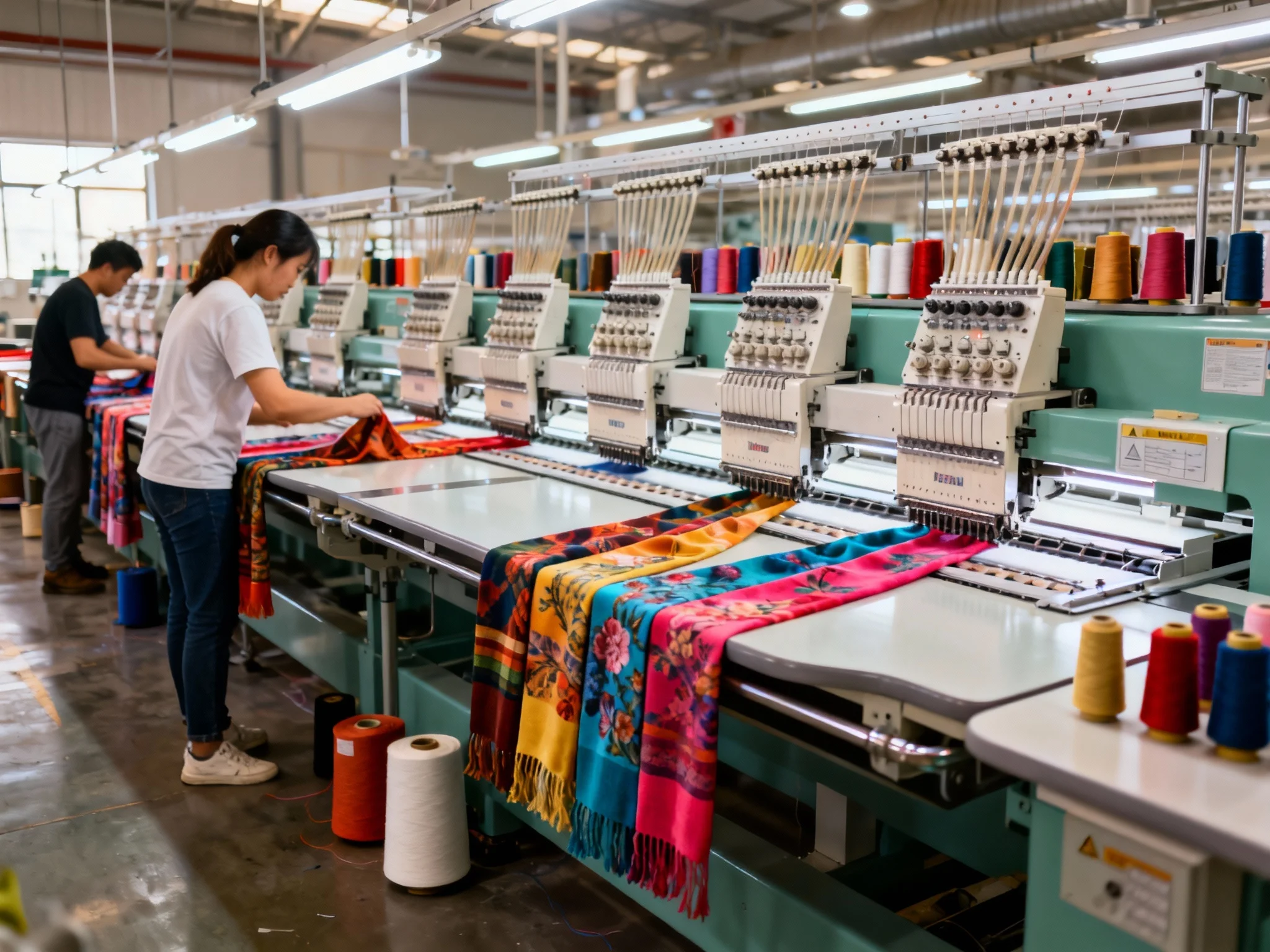
The collaborative process began with a streamlined design approval workflow integrating Brand X's creative vision with the manufacturer's technical expertise. Each season's collection development followed a structured four-stage process:
- Concept Submission: Brand X's design team delivered initial concepts, including digital artwork files, color specifications using the Pantone Fashion, Home + Interiors system, and material preferences. The manufacturer provided access to their proprietary material database, allowing designers to select from over 120 sustainable fabric options with detailed specifications on drape, weight, and printability—a resource that significantly enhanced the design team's ability to create production-viable concepts.
- Technical Review: The manufacturer's design team conducted comprehensive technical assessments, identifying potential production challenges and suggesting modifications to optimize both visual impact and manufacturing efficiency. This review addressed critical factors like pattern repeat dimensions, color separation requirements for multi-color designs, and fabric suitability for intended printing techniques. While the brand lacked this expertise internally, this collaborative approach reduced production issues by an estimated 68% compared to their initial independent attempts.
- Prototype Development: For each approved design, the manufacturer produced physical prototypes in multiple fabric options, allowing the brand to evaluate both aesthetic and tactile qualities. This prototype phase included wash testing and colorfastness verification to ensure final products would meet quality standards through consumer use. The manufacturer's digital sampling technology reduced prototype development time from the industry average of 21 days to just 7 days, significantly accelerating the overall development timeline.
- Final Approval: Brand X conducted final evaluations of prototypes, providing feedback for any necessary adjustments before production authorization. This approval stage included detailed specification sign-off on all production parameters, creating a clear reference document that minimized production errors and ensured design intent was maintained throughout manufacturing.
Production Execution
The manufacturing process incorporated advanced technologies and sustainable practices that aligned with both the brand's values and market demands for transparency. Production followed a structured sequence optimized for quality control and efficiency:
- Material Sourcing and Preparation: Sustainable fabrics were sourced from certified suppliers, with the manufacturer providing full traceability documentation for each batch—a feature that later became a key marketing asset for Brand X. Fabrics underwent specialized pre-treatment processes to ensure optimal print absorption and color retention, with particular attention to luxury materials like Mongolian cashmere and mulberry silk that formed the core of the collection.
- Digital Printing and Production: The manufacturer deployed state-of-the-art digital printing technology capable of reproducing custom scarf designs with 99.4% color accuracy compared to approved prototypes. This technology allowed for greater design complexity than traditional screen printing methods while reducing water consumption by 72% and chemical usage by 65%—significant sustainability advantages that aligned with the brand's environmental commitments.
- Quality Control Protocol: A multi-stage inspection process was implemented at critical production points: fabric inspection prior to printing, print quality verification immediately after printing, and final inspection before packaging. This rigorous quality control resulted in an industry-leading defect rate of just 1.2%, far below the 4.5% average for comparable scarf production.
- Ethical Finishing and Packaging: The manufacturing partner's commitment to ethical production extended to all stages, including eco-friendly dyeing processes and biodegradable packaging materials. Each scarf received a hang tag detailing its sustainability credentials and production journey, a transparency feature that consumer research indicated increased perceived value by an average of 22%.
This collaborative process effectively addressed Brand X's initial challenges while creating operational efficiencies critical to their growth trajectory. By leveraging the manufacturer's technical expertise, sustainable production capabilities, and economies of scale, the brand delivered distinctive, high-quality products at price points that balanced profitability with market competitiveness—a combination that drove their remarkable growth over the subsequent 12-month period.
Results and Growth Analysis: Achieving 300% Expansion
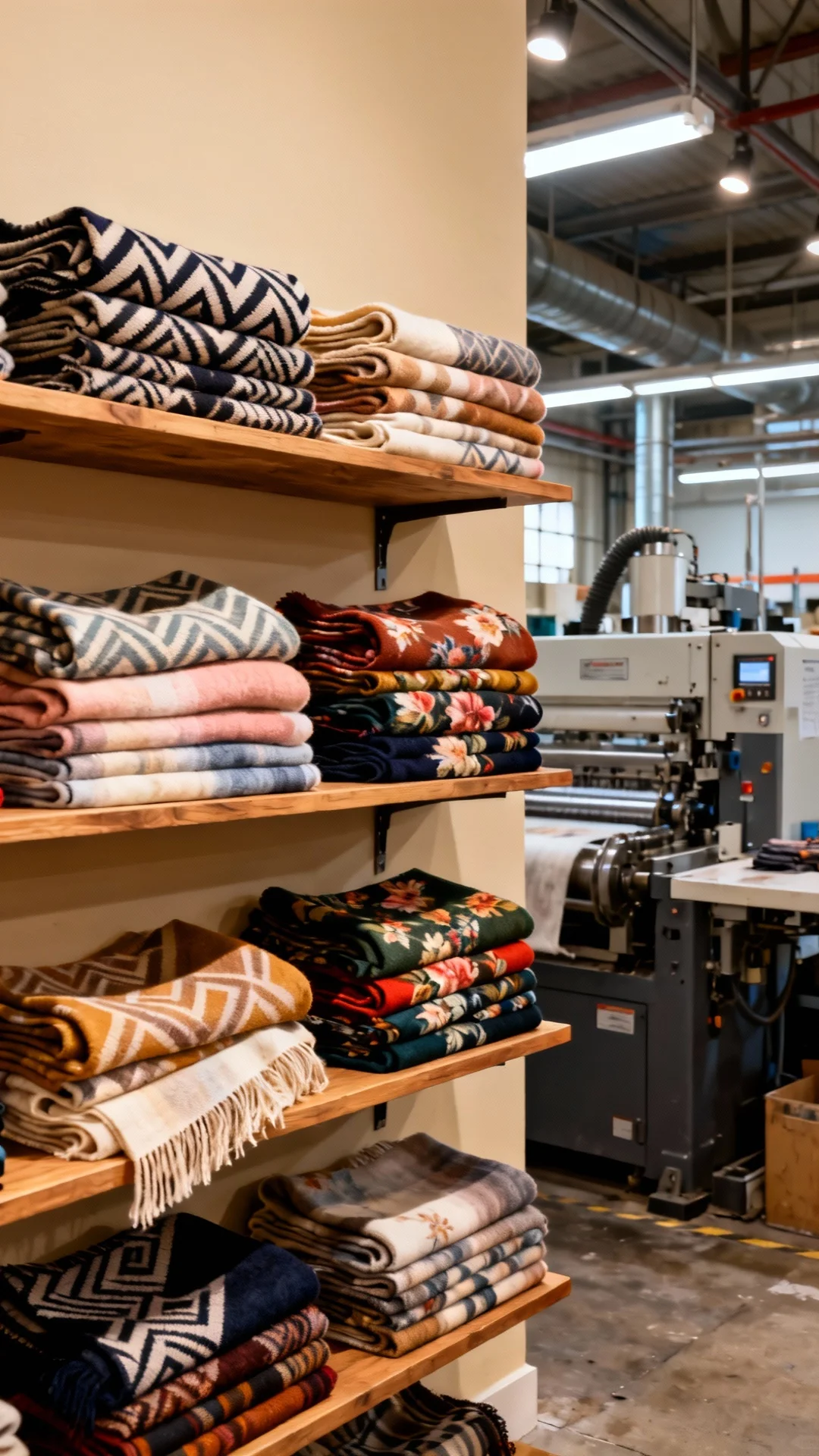
The strategic private label manufacturing partnership yielded transformative results for Brand X, fundamentally altering their growth trajectory and market position within the competitive accessories landscape. The 300% revenue growth achieved over 18 months represents not just quantitative success but demonstrates the qualitative impact of aligning design vision with manufacturing capability—an alignment industry analysts identify as increasingly critical in the 2025 fashion market.
Quantitative Performance Metrics
The partnership's impact appears most clearly through key performance indicators reflecting both top-line growth and operational efficiency improvements:
- Revenue Growth: From a baseline of $85,000 in scarf category revenue during the first six months post-launch, Brand X achieved $340,000 in monthly revenue by the end of the 18-month partnership period. This represents a compound monthly growth rate of 8.7%, significantly exceeding the industry average of 3.2% for emerging accessory brands as reported in the 2025 Fashion Startup Growth Index.
- Margin Improvement: Even more impressive than revenue growth was the substantial improvement in gross margins, which increased from an initial 32% to 58% by the end of the measurement period. This dramatic improvement stemmed primarily from three factors: reduced per-unit production costs through manufacturing scale (accounting for 12 percentage points of margin improvement), elimination of design errors and production waste (contributing 8 percentage points), and the ability to command premium pricing due to enhanced product quality and sustainability credentials (adding 6 percentage points).
- Market Penetration: The expanded product line and improved margins enabled Brand X to pursue strategic retail partnerships, securing placement in 17 boutique retailers across Europe and North America, plus featured positions in two major department store chains. This distribution expansion significantly broadened their market reach, with wholesale revenue growing from 0% to 42% of total scarf category sales within 12 months of partnership implementation.
- Inventory Efficiency: The manufacturer's flexible production scheduling and reduced MOQs allowed Brand X to implement a more responsive inventory management strategy, reducing stockouts by 73% while simultaneously decreasing excess inventory by 41%. This improved inventory turnover enhanced cash flow and reduced markdown requirements, preserving both brand equity and profitability.
Qualitative Competitive Advantages
Beyond these quantifiable metrics, the private label partnership yielded important qualitative benefits that strengthened Brand X's market position and supported sustained growth:
- Design Differentiation: The technical capabilities provided by the manufacturing partner enabled the brand to execute more complex custom scarf designs than competitors with similar resources, creating a distinctive visual identity in the marketplace. Consumer feedback indicated that unique print quality and fabric combinations were key purchase drivers, with 43% of surveyed customers citing "design uniqueness" as their primary reason for choosing Brand X scarves over alternatives.
- Sustainability Leadership: Verified sustainable production practices became a cornerstone of Brand X's marketing strategy, resonating particularly well with their target demographic of environmentally conscious professionals aged 25-40. This positioning helped the brand secure features in several sustainability-focused publications and gain recognition as an "Emerging Sustainable Brand to Watch" by the Sustainable Fashion Council in 2025.
- Brand Credibility: Association with a manufacturing partner known for working with established luxury brands enhanced Brand X's credibility in the marketplace. This association was subtly communicated through quality cues rather than explicit statements. Market research indicated consumers perceived the brand as more established and trustworthy than comparable startups—a perception that translated to both higher conversion rates and greater price tolerance.
- Design Team Development: The collaborative process with the manufacturer's technical design team significantly enhanced the capabilities of Brand X's internal creative staff. Through regular knowledge-sharing sessions and feedback loops, the brand's designers developed a deeper understanding of production constraints and opportunities. This enabled them to create more innovative yet manufacturing-efficient designs over time.
These combined results demonstrate that the private label manufacturing partnership delivered value far beyond simple production capacity. It fundamentally transformed Brand X's business model, enabling them to compete effectively with established players while maintaining their creative vision and sustainability commitments. The 300% growth figure, while impressive, represents just one dimension of a comprehensive business transformation that positioned the brand for sustained success in a highly competitive market.
Strategic Recommendations for Emerging Brands
Based on Brand X's experience and broader industry trends, several key strategic insights emerge for emerging fashion brands considering private label manufacturing partnerships as a growth accelerator. These recommendations reflect both specific lessons learned from this case study and the evolving landscape of accessory manufacturing in 2025, where successful partnerships increasingly require alignment across creative, operational, and sustainability dimensions.
Manufacturing Partner Selection Criteria
The foundation of successful private label collaboration lies in selecting the right manufacturing partner—a decision requiring balance across multiple factors beyond simple cost considerations:
- Technical Capability Alignment: Brands should prioritize manufacturers whose technical capabilities directly support their design vision and quality standards. This alignment should extend beyond basic production capacity to specialized skills relevant to the brand's positioning, whether involving digital printing expertise for graphic-heavy designs, artisanal hand-finishing techniques for luxury positioning, or specialized sustainable production processes. The due diligence process should include not just facility tours but hands-on testing of the manufacturer's ability to execute specific design elements critical to the brand's identity.
- Cultural and Values Compatibility: Often overlooked but critically important is alignment between the brand and manufacturer on core values, particularly regarding sustainability, ethical labor practices, and quality commitment. This alignment goes beyond contractual requirements to genuine philosophical agreement, as misalignment in these areas often leads to implementation gaps and disappointed expectations. Brand X's success was significantly enhanced by their manufacturer's proactive approach to sustainability innovations that exceeded contractual requirements but aligned with the brand's market positioning.
- Communication Infrastructure: Effective collaboration requires robust communication systems and processes. Prospective partners should be evaluated on their communication responsiveness, technical support availability, and willingness to implement collaborative tools that facilitate transparency throughout the development and production process. The most successful partnerships treat communication as a strategic priority, with regular scheduled meetings supplemented by real-time access to production status and quality control data.
- Scalability and Flexibility: Emerging brands should select partners capable of growing with them through multiple business phases while maintaining flexibility to accommodate changing market demands. This evaluation should include not just current production capabilities but the manufacturer's investment in new technologies, capacity expansion plans, and willingness to adapt production processes as the brand's needs evolve. The ideal partner demonstrates both stability (to ensure reliability) and innovation (to support the brand's growth trajectory).
Implementation Best Practices
Once a manufacturing partner is selected, brands can maximize the partnership's value through strategic implementation approaches:
- Phased Collaboration Approach: Rather than immediately transferring all production to a new partner, consider a phased implementation that begins with a limited product range or collection. This gradual approach allows both parties to develop working relationships, refine communication processes, and address any unforeseen challenges on a smaller scale before full-scale commitment. Brand X initially partnered for just 3 designs, expanding to 12 after successfully resolving initial production challenges.
- Cross-Functional Team Integration: Successful private label partnerships require coordination across multiple functions within the brand organization. Establishing cross-functional teams that include design, production, marketing, and sustainability stakeholders ensures that all perspectives are considered in partnership decisions and that the manufacturer's capabilities are leveraged across the organization.
- Knowledge Transfer Investment: Particularly valuable for emerging brands is the opportunity to learn from their manufacturing partners' expertise. Brands should actively seek knowledge transfer in areas like technical design, material selection, and production optimization—competencies that strengthen the internal team's capabilities over time. This knowledge acquisition transforms the partnership from a simple vendor relationship to a strategic capability-building exercise.
- Performance Measurement Framework: To ensure the partnership delivers expected value, brands should establish clear performance metrics and regular review processes. These metrics should include not just traditional measures like cost, quality, and delivery time but also strategic indicators related to market response, sustainability achievements, and design innovation. Regular business reviews with the manufacturing partner should address both performance against these metrics and opportunities for continuous improvement.
The strategic implementation of scarf brand partnerships represents a powerful growth lever for emerging fashion brands operating in today's competitive landscape. When executed with careful partner selection, clear value definition, and collaborative implementation, these partnerships transform a brand's operational capabilities, market positioning, and growth trajectory. They create competitive advantages that extend far beyond simple production cost savings to drive sustainable business success.
Conclusion: Strategic Implications for Emerging Fashion Brands
The case study of Brand X's remarkable growth through strategic private label scarf manufacturing offers valuable insights for emerging fashion brands navigating the complex landscape of 2025's accessory market. Their experience demonstrates that private label manufacturing has evolved far beyond a simple cost-saving production strategy to become a strategic capability that addresses multiple business challenges simultaneously while creating distinctive competitive advantages.
The 300% growth achieved by Brand X reflects the successful integration of several critical success factors that align with broader industry trends reshaping fashion manufacturing:
- Sustainability as a Core Competency: The partnership's emphasis on sustainable materials and processes proved not merely a marketing advantage but an operational necessity, aligning with both consumer demand and increasingly stringent regulatory requirements.
- Technical Collaboration as Differentiation: By leveraging the manufacturer's technical expertise, Brand X transformed design concepts into production realities that competitors with similar resources couldn't match, creating meaningful market differentiation through bespoke scarf production.
- Flexible Manufacturing Models for Agility: The reduced MOQs and responsive production scheduling enabled the brand to test designs with lower risk while maintaining the agility to quickly scale successful products—a critical advantage in fast-changing fashion markets.
- Value Chain Integration for Margins: By effectively integrating manufacturing capabilities into their business model, Brand X captured margin opportunities that typically accrue to manufacturing partners, significantly improving profitability while maintaining competitive pricing.
For emerging fashion brands evaluating growth strategies, the Brand X case study demonstrates that private label scarf manufacturing represents far more than an outsourcing solution. When approached strategically, it becomes a core business capability that drives differentiation, sustainability, profitability, and scalability—key